
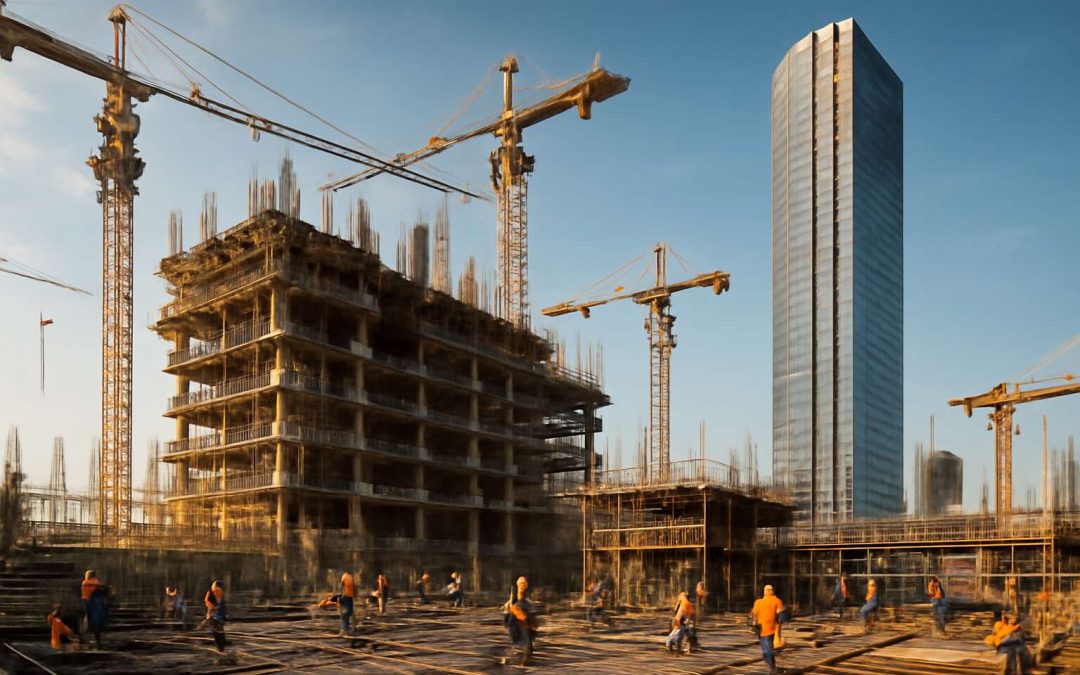
Understanding the Key Differences Between Construction and Structure
Definition of Construction – Exploring what construction entails in building projects
Construction isn’t just about erecting walls or pouring concrete; it’s an intricate dance of planning, coordination, and execution that transforms blueprints into reality. When exploring the difference between construction vs structure, it’s vital to understand that construction encompasses every phase — from site preparation to finishing touches. It’s the process that breathes life into a design, often involving multiple stakeholders working in harmony to meet deadlines and budgets.
Meanwhile, the term structure refers to the core framework that holds everything together. Think of it as the skeleton of a building—an essential element that ensures stability and safety. Construction is the action, the process, while structure is the backbone—firm, enduring, and designed to withstand the test of time. Recognizing this distinction can make all the difference when planning complex projects in South Africa’s dynamic construction industry.
Definition of Structure – Understanding the concept of a structure in architecture and engineering
When debating construction vs structure, it’s easy to confuse the two—like mixing up a chef’s knife with the entire kitchen. But understanding their distinction is crucial, especially in South Africa’s vibrant building landscape. A structure isn’t just a fancy term for a building; it’s the backbone—literally. It’s what keeps everything from collapsing into a heap of rubble during the next South African storm. Think of the structure as the skeleton of the project, designed with precision to endure the test of time and seismic activity.
Construction, on the other hand, is the bustling process that brings the structure to life. It includes every step from laying foundations to installing finishes. To make it clearer, here’s a quick rundown:
- Site preparation and planning
- Foundation work
- Building the core framework (the structure)
- Finishing touches and aesthetic details
While construction involves the choreography of countless stakeholders working in harmony, the structure remains the steadfast core that ensures safety and stability. Recognizing this difference can make or break complex projects in South Africa’s ever-evolving construction vs structure landscape. After all, no matter how shiny the exterior, if the structure isn’t sound, the whole building risks turning into a tragic demolition.
Core Differences – Comparing construction processes with structural elements
Understanding the key differences between construction and structure reveals the intricate dance between temporary effort and enduring resilience. While construction encompasses every motion—from pouring concrete to installing windows—structure forms the silent, unyielding core that bears the weight of the entire project. It’s the unseen backbone, designed with meticulous precision to withstand South Africa’s unpredictable climate and seismic activity.
In essence, construction is the process that breathes life into a building, a vibrant choreography of human ingenuity. The structure, however, remains the steadfast heart, ensuring safety and stability for generations. Recognizing the distinction is vital; after all, a building’s beauty is meaningless if its structure cannot support it. When comparing construction vs structure, one must see the harmony between fleeting craftsmanship and lasting engineering—both vital, yet fundamentally different.
Construction: The Process and Its Components
Phases of Construction – From planning to completion
Embarking on a construction project is akin to stepping into a realm of endless possibilities, where each phase unfurls like a chapter in a grand adventure. The process begins with meticulous planning—an essential foundation that shapes every subsequent step. From securing permits to designing detailed blueprints, this initial stage sets the tone for what’s to come.
Once the groundwork is laid, the construction process advances through distinct components, including excavation, foundation work, framing, and finishing. These components are the building blocks that transform raw materials into tangible marvels of engineering. For those curious about the difference between construction vs structure, it’s crucial to understand that while construction involves the entire process, the structure refers more specifically to the core framework that bears the load and defines the building’s integrity.
- Planning and Design
- Permitting and Site Preparation
- Foundation and Framing
- Installation of Systems and Finishing
Throughout each phase, coordination among architects, engineers, and contractors is vital. Their collective expertise transforms visions into reality, ensuring that the construction process is both efficient and resilient—ready to withstand the test of time in South Africa’s dynamic climate and diverse terrains. It’s this seamless integration that distinguishes a well-executed construction vs structure, highlighting the artistry woven into every project’s fabric.
Types of Construction Projects – Residential, commercial, infrastructure
Construction is an intricate dance, a symphony of coordination and craftsmanship that transforms visions into tangible realities. It encompasses a series of interconnected components—excavation, foundation work, framing, and finishing—that lay the foundation for enduring marvels. In South Africa’s vibrant landscape, each project becomes a testament to the artistry of building, blending innovation with resilience. The diversity of construction projects—from soaring skyscrapers to sprawling infrastructure—demonstrates its vast scope.
Within this realm, there are distinct types of construction projects: residential, commercial, and infrastructure. Residential construction breathes life into homes and communities, while commercial ventures shape urban skylines and bustling centers. Infrastructure projects, on the other hand, underpin the very fabric of society—roads, bridges, and utilities that connect us all.
- Residential
- Commercial
- Infrastructure
Each type demands a unique approach, yet all share a common goal: creating structures that stand the test of time and meet the needs of their users.
Understanding the distinction between construction vs structure is like uncovering a secret language. While construction encompasses the entire process of building, the structure refers specifically to the core framework that bears the load. This core must be engineered with precision, ensuring the stability and safety of the entire edifice. It’s the backbone—the silent hero—supporting every brick, beam, and roof in South Africa’s diverse terrains.
Key Activities – Design, permits, building, finishing
In the grand theatre of building, the process of construction is nothing short of a meticulous ballet, where each movement and decision crafts the foundation of future landmarks. It begins with the visionary act of design—an intricate dance of architects and engineers translating dreams into detailed blueprints. This phase is crucial, as it sets the stage for everything that follows. Once plans are approved, obtaining permits becomes an essential ritual, ensuring the project aligns with South Africa’s rigorous safety and environmental standards.
Following these preparatory steps, the physical act of building takes center stage. From excavation to laying the foundation, each step demands precision and unwavering focus. The framing and structural work form the backbone of the project, supporting the weight of walls, roofs, and future finishes. Finishing touches—such as painting, fixtures, and landscaping—bring the construction to life, transforming raw materials into functional spaces. This entire sequence—the construction vs structure—embodies a complex symphony where every element must harmonize to forge enduring, resilient structures in South Africa’s diverse terrain.
Major Materials Used – Concrete, steel, wood, etc.
In the grand symphony of building, the process of construction unfolds as a majestic ballet—each movement deliberate, each component vital. The journey begins with selecting the fundamental materials that serve as the backbone of resilience and longevity. Concrete, steel, and wood—these are the stalwart pillars of construction, each chosen for their unique properties and the role they play in shaping enduring landmarks across South Africa’s diverse terrain.
Concrete, with its formidable strength and versatility, forms the foundation of most modern structures. It’s poured with precision, embodying the very essence of stability. Steel, on the other hand, acts as the skeleton that supports expansive spans and towering heights, its tensile strength allowing architects to push the boundaries of design. Wood, with its natural warmth and flexibility, lends itself beautifully to interior finishes and eco-friendly builds. Together, these materials forge a harmonious alliance in the ongoing debate of construction vs structure—each element integral to the masterpiece.
Understanding the core components of construction is essential to grasping how these materials come alive in the building process. From the initial excavation to the final coat of paint, it’s a meticulous choreography where every step demands unwavering focus and skill. The choice of materials not only influences the aesthetic appeal but also determines the resilience of the final structure, ensuring it stands tall amidst South Africa’s unpredictable climate and seismic activity.
Structure: The Framework of Buildings
Structural Elements – Beams, columns, foundations, load-bearing walls
At the heart of every enduring building lies its structure—the unseen hero that bears the weight of both the design and the daily lives of its occupants. Unlike the broader scope of construction, which encompasses everything from planning to finishing, the structure refers specifically to the essential framework that ensures stability and safety. It’s the backbone of any project, transforming blueprints into tangible reality.
Structural elements such as beams, columns, foundations, and load-bearing walls work tirelessly behind the scenes, often overlooked until something goes wrong. These components are meticulously engineered to withstand the forces of nature and the passage of time, especially in South Africa’s diverse climate zones. For example, reinforced concrete foundations anchor buildings firmly into the earth, while steel beams provide flexibility for expansive spaces. Understanding the intricacies of the structure is crucial in differentiating it from construction vs structure, as their roles, though interconnected, serve distinct purposes in the life cycle of a building.
Structural Materials – Reinforced concrete, steel frameworks, timber
In the symphony of building design, the framework—what we often refer to as the structure—serves as the silent conductor orchestrating stability amidst chaos. It is the invisible yet indelible backbone that transforms architect’s visions into enduring entities. While construction vs structure are frequently discussed as intertwined concepts, their roles diverge sharply in the grand narrative of a building’s life cycle. The structure, composed of meticulously engineered materials, is the core that bears the weight of both gravity and time’s relentless passage.
Materials like reinforced concrete, steel frameworks, and timber form the resilient heart of this framework. Reinforced concrete, with its durability against South Africa’s diverse climate zones, anchors the building into the earth, providing a foundation of unwavering strength. Steel frameworks offer unparalleled flexibility, allowing architects to push the boundaries of expansive spaces. Timber, often used in residential projects, lends warmth and adaptability, yet demands careful consideration of environmental factors. These structural materials are not merely functional; they embody the resilience that ensures a building endures beyond fleeting trends or natural wear and tear.
Types of Structures – Frames, shells, arches, domes
Buildings are more than just walls and roofs; they are intricate symphonies of engineering and artistry. At the heart of this orchestra lies the structure—a carefully crafted framework that holds it all together. Unlike the broader scope of construction, which encompasses every phase from design to finishing, the structure refers specifically to the essential components that bear the load and ensure stability. It is the silent conductor, orchestrating safety and resilience amidst the chaos of natural forces and human activity.
When exploring the types of structures, we encounter a fascinating array of forms—each suited to different architectural ambitions and environmental conditions. Frames, shells, arches, and domes each serve a unique purpose, offering diverse aesthetic and functional qualities. For example, frame structures, often using steel or timber, provide flexibility and open interior spaces. Shell structures, with their curved surfaces, distribute stress efficiently, making them ideal for stadiums and auditoriums. Arches and domes, timeless in their elegance, have been used for centuries to create expansive, awe-inspiring spaces that defy gravity while maintaining structural integrity.
Understanding the role of these varied structural forms illuminates the distinction within construction vs structure. The structural design is a meticulous dance of geometry, material science, and environmental adaptation—crafted to withstand South Africa’s diverse climate zones. It’s this foundational difference that transforms a simple construction project into a resilient, enduring masterpiece.
Structural Design Principles – Stability, strength, flexibility
In the grand theater of building design, the structural framework is the unsung hero—quietly holding everything together while the glamorous finishing touches steal the spotlight. Structural design principles revolve around three pillars: stability, strength, and flexibility. These elements ensure a building can withstand South Africa’s unpredictable climate, seismic activity, and the everyday hustle. Without a solid structure, even the most innovative architecture risks becoming a heap of rubble faster than you can say “building code compliance.”
Think of stability as the backbone that prevents your skyscraper from toppling over, strength as the muscle that bears the load, and flexibility as the yoga instructor allowing for movement during seismic tremors or ground shifts. When these principles are perfectly balanced, the structure becomes more than just a frame; it transforms into a resilient symphony capable of enduring the test of time and natural forces. So, in the ongoing discussion of construction vs structure, it’s the structural design that acts as the silent conductor—ensuring every note hits the right pitch.
Interrelation of Construction and Structure
How Construction Supports Structural Elements – Ensuring robustness and safety
Construction and structure are often mistaken as interchangeable terms, but their interrelation is what keeps skyscrapers from turning into modern art disasters. Think of construction as the energetic, sometimes chaotic process of bringing blueprints to life, while the structure is the backbone—those sturdy, load-bearing elements that ensure everything stands tall and proud. Without robust construction practices supporting structural elements like beams and foundations, even the most ambitious design would be reduced to a pile of rubble.
In essence, construction supports the integrity of the structural components, ensuring they can withstand loads, environmental stresses, and the test of time. This support isn’t just about pouring concrete or fixing steel; it’s about meticulously aligning each element so that the structure’s stability is uncompromised. A well-executed construction process will naturally prioritize the following:
- Proper installation of load-bearing walls
- Secure anchoring of columns and foundations
- Effective integration of structural materials like reinforced concrete and steel frameworks
By doing so, construction acts as the unsung hero behind every resilient, safe, and enduring structure—proof that in the world of architecture, the real magic lies in how construction supports the structure, ensuring it can brave South Africa’s unpredictable climate and seismic surprises without a hiccup.
Structural Considerations During Construction – Foundation, load distribution, and safety measures
The dance between construction and structure is a delicate ballet that underpins every majestic skyscraper and humble home. In South Africa, where seismic surprises and unpredictable weather threaten even the most resilient buildings, understanding the interrelation of construction and structure becomes paramount. During the construction phase, meticulous attention to foundational elements such as load distribution and safety measures can spell the difference between enduring strength and catastrophic failure.
Structural considerations during construction extend beyond mere aesthetics—they involve ensuring that load-bearing components like foundations, columns, and load-bearing walls are precisely aligned and securely anchored. Proper foundation installation, for instance, must account for soil stability and environmental stresses unique to the region. This process is not merely about pouring concrete; it’s about crafting a resilient backbone that will carry the weight of the entire structure through decades of South Africa’s climatic challenges.
To safeguard structural integrity, construction teams often focus on:
- Ensuring optimal load distribution across all bearing elements
- Implementing safety measures that anticipate seismic and weather-related stresses
- Using durable structural materials like reinforced concrete and steel frameworks
In the grand narrative of architecture, the interrelation of construction vs structure reveals itself as a symphony of precision and strength. Every bolt tightened, every beam placed, echoes the profound truth that the true artistry lies in how construction supports the structure—transforming blueprints into enduring landmarks that stand resilient against the relentless march of time and nature.
Impact of Structural Design on Construction Methods – Choosing suitable construction techniques
The relationship between construction and structure is a fascinating dance of precision and resilience, especially in South Africa’s unique climatic landscape. The impact of structural design on construction methods is profound; choosing the right approach can mean the difference between a building that endures and one that falters under stress. When architects and engineers align their vision with appropriate construction techniques, they create a harmony that ensures safety, durability, and longevity.
For example, selecting reinforced concrete versus timber influences the entire construction process. Reinforced concrete demands meticulous formwork and curing, while timber allows for quicker assembly but requires careful treatment against regional pests and moisture. This interrelation influences everything from foundation work to the final finishes, shaping how construction teams mobilize their resources and coordinate tasks.
In South Africa, where seismic activity and unpredictable weather patterns challenge even the most resilient structures, understanding this connection is vital. Employing methods like steel frameworks for high-rise buildings or shell structures for cultural landmarks demonstrates how structural design guides construction techniques, ensuring safety and efficiency at every phase. Ultimately, the interplay of construction vs structure is a testament to human ingenuity—transforming blueprints into enduring landmarks that embrace both strength and beauty amidst the country’s ever-changing environment.
Common Misconceptions About Construction and Structure
Misunderstanding the Scope – Why construction is often confused with structure
Many people mistakenly believe that construction and structure are interchangeable terms, but in reality, they represent distinct aspects of building. Construction encompasses the entire process—planning, permits, and actual building—while structure refers specifically to the load-bearing elements that give a building its stability and form. This common misconception can lead to misunderstandings about project scope and responsibilities.
It’s crucial to recognize that construction vs structure involves different focuses: one on the process, the other on the physical framework. For example, a project might involve complex structural elements such as beams, columns, and foundations, which require specialized construction techniques. Clarifying these differences ensures everyone appreciates the intricate dance between design and build, especially when addressing the key activities involved in a successful project.
Clarifying Roles and Responsibilities – Architects, engineers, builders
In the grand theater of building projects, a startling 70% of misunderstandings stem from confusing construction with structure. It’s as if people believe that “building” and “bones” are interchangeable, which couldn’t be further from the truth. Architects, engineers, and builders each play their own roles, yet misconceptions about their responsibilities often blur the lines between construction vs structure.
While architects sketch the dream and engineers fortify the design with structural elements, builders are the artisans bringing it all to life. It’s crucial to recognize that construction involves the entire process—permits, site prep, and actual building—whereas structure refers specifically to the load-bearing framework that ensures stability and safety.
Understanding these distinctions prevents the classic mix-up—thinking that structural integrity is just another phase of construction when, in reality, it’s the backbone that supports the entire project. Clarifying roles helps everyone appreciate the delicate dance between design, structural engineering, and construction techniques, especially when complex structural elements like steel frameworks or reinforced concrete come into play during the construction vs structure debate. It’s a symphony of expertise—each part vital, yet distinctly different—making the difference between a building that stands tall and one that falls flat.
Importance of Both in Building Integrity – Ensuring safety, durability, and aesthetics
Many overlook the subtle but critical differences between construction vs structure, yet this misunderstanding can have serious implications. A common misconception is that construction is solely about building, when in fact, it encompasses the entire process—from permits to finishing touches. Meanwhile, the structure refers specifically to the load-bearing elements that uphold the building’s stability.
This confusion often leads to underestimating the importance of structural integrity. For example, a project might focus heavily on aesthetic finishes without adequately considering the load distribution and foundation requirements. Recognizing that construction involves the execution phase, while structure is about the framework’s strength, is essential to ensuring long-term safety and durability.
In the context of building integrity, both aspects are inseparable. Neglecting the robust design of the structure or the quality of construction materials can compromise safety—highlighting why understanding the distinction between construction vs structure is vital for professionals and clients alike.
Choosing Between Construction and Structure in Building Projects
Factors to Consider – Design requirements, budget, timeline
Choosing between construction and structure in building projects is a decision that can influence the entire fate of a creation. When considering design requirements, budget, and project timeline, understanding the nuanced differences becomes vital.
Construction, often seen as the grand act of bringing a vision to life, encompasses all activities from planning to completion. Meanwhile, the structure—the backbone of any edifice—focuses on the essential framework supporting the entire build. Recognizing the interplay between these two aspects ensures that projects are not only visually stunning but also resilient and safe.
In South Africa’s dynamic construction landscape, factors such as material costs and time constraints heavily influence whether emphasis should be placed on the construction process itself or on the integrity of the structure. For instance, projects with tight deadlines might prioritize rapid construction methods, whereas complex structures demand meticulous planning to uphold long-term strength. By thoughtfully weighing these considerations, stakeholders forge a path through the intricate dance of construction vs structure, guiding projects toward enduring success.
Integrating Construction and Structural Planning – Collaborative approach for success
Choosing between construction and structure in building projects is a nuanced dance that can determine the longevity and safety of a creation. A collaborative approach, where architects, engineers, and builders unite with a shared vision, is vital for success. When these elements work in harmony, the project not only meets aesthetic ambitions but also withstands the test of time and South Africa’s dynamic climate.
Integrating construction and structural planning ensures that each phase complements the other seamlessly. This integrated method allows stakeholders to address potential challenges early, balancing design requirements with structural integrity. For instance, during the foundation phase, understanding how the structural elements will support the entire edifice influences the choice of construction techniques. Such foresight prevents costly revisions and promotes durability.
Ultimately, recognizing the importance of both construction vs structure fosters a resilient, safe, and visually compelling build—an achievement rooted in collaboration and meticulous planning. Because in the end, a masterpiece is only as enduring as the union of its form and foundation.
Innovations in Construction and Structural Engineering – Sustainable materials, technology advancements
In the realm of building innovation, the debate between construction vs structure has never been more relevant. As South Africa’s climate becomes increasingly unpredictable, integrating cutting-edge materials and technology into both areas is vital for resilience and sustainability.
Modern structural engineering harnesses advancements like reinforced concrete and steel frameworks that not only enhance strength but also allow for more daring and creative architectural forms. Simultaneously, construction innovations—such as prefabrication and eco-friendly materials—speed up project timelines and reduce environmental impact.
Balancing these elements requires a nuanced understanding: the construction process must support the structural integrity, especially when employing sustainable materials that demand precise handling. This synergy ensures the creation of buildings that are not only visually captivating but also durable against South Africa’s diverse weather patterns and seismic activity.
By embracing technological progress in both construction and structure, stakeholders can craft resilient spaces that stand the test of time—demonstrating that thoughtful integration is the cornerstone of every successful building project.
