Jan 14, 2026 | Construction Articles
Construction management careers and opportunities
Overview of Construction Manager Roles
In South Africa, every major project needs a steady hand. “Delivery is the proof of leadership!” a veteran site director often says. The demand for construction manager jobs is rising as urban upgrades and infrastructure work accelerate. This career path blends planning with on-site problem-solving and offers a clear ladder from team coordination to executive leadership.
Below are core responsibilities that shape the role on South Africa sites:
- Define project scope, budgets, and timelines
- Coordinate trades, supervisors, and safety compliance
- Manage risk, quality control, and stakeholder communication
With projects spanning housing, offices, and public works, the field offers stable growth, cross-disciplinary teams, and opportunities for advancement in South Africa’s built environment.
Responsibilities and Key Tasks
In South Africa, about 60% of major builds hinge on a steady hand from a construction manager. Momentum in urban upgrades means these roles are less about title and more about delivery—keeping budgets tight, schedules realistic, and crews coordinated. This career blends meticulous planning with on-site problem-solving, and it rewards practical judgment over paperwork.
On busy sites, day-to-day work blends design intent with hands-on oversight, a common draw for construction manager jobs.
- Define scope, budgets, and timelines with clear milestones and cost controls
- Coordinate trades, supervisors, and safety compliance on busy sites
- Monitor risk, ensure quality, and maintain open stakeholder updates
Opportunities span housing, offices, and public works, with cross-disciplinary teams and room to advance into project leadership as your experience grows.
This path offers stability and a clear ladder from site coordination to executive leadership.
Education and Certification Pathways
Education and certification pathways shape who enters construction manager jobs in South Africa. Universities offer BEng or BSc degrees in Civil Engineering or Construction Management, while technikons provide BTechs and diplomas aligned to NQF levels. Through work-integrated learning and apprenticeships, theory meets on-site reality—where budgets, schedules and safety demands test every decision. SACPCMP registration as a Professional Construction Project Manager is a respected milestone, signaling readiness to guide complex builds with disciplined judgment.
Beyond the degree, professional credentials sharpen delivery credibility for construction manager jobs. International and local certifications—such as PMI’s PMP or CAPM, and SACPCMP’s registration pathways—signal proven leadership and risk management. These credentials widen opportunities across housing, offices and public works and anchor a steady ladder toward project leadership.
- Bachelor’s degree or National Diploma in construction-related fields (SA qualifications)
- Professional registration with SACPCMP (Pr.CPM) or equivalent
- Certifications in project management or safety (PMI PMP/CAPM, NEBOSH/OSH-related)
Job Market Salary and Trends
South Africa’s built environment keeps rewriting the skyline, and the demand for capable leaders isn’t fading—it’s accelerating. construction manager jobs aren’t a mere rung on the ladder; they’re a signal that housing, transport corridors and public works require disciplined budgets, on-site pragmatism, and a stubborn streak of optimism to weather every punch list and delay.
- Competitive salary ranges in Gauteng and the Western Cape
- Steady demand across housing, infrastructure and public works
- Long-running projects often lead to permanent roles
As firms seek delivery stewards with SACPCMP registration or PMI-style credentials, the career path widens—from site coordination to multi-site project leadership, with mobility between private developers and public-sector mandates.

Jan 7, 2026 | Construction Articles
Port Elizabeth Construction Industry SEO Overview
Port Elizabeth Construction Industry Overview
Port Elizabeth’s skyline quivers with possibility, and a double-digit surge in construction permits last year underlines the momentum. For the local market, the phrase construction companies port elizabeth signals a demand for reliability, transparency, and timely delivery. “Progress is a neighborhood that never sleeps,” a Port Elizabeth engineer notes, and that rhythm guides how we present projects online.
From an SEO perspective, the Port Elizabeth construction industry thrives when content speaks the local language and shows verifiable work. Local search signals—projects by neighborhood, council project pages, and map listings—make it easier for residents to find trusted partners. To illustrate strengths, consider these pillars:
- portfolio transparency and regional projects
- safety standards and certification visibility
- on-time delivery and budget adherence
This blend of storytelling and substance helps readers feel the texture of the city’s built environment, turning inquiries into conversations with construction companies port elizabeth.
Choosing a Construction Partner in Port Elizabeth
A double-digit surge in construction permits last year still crackles along Port Elizabeth’s skyline, proof that momentum is real. Choosing a construction partner in Port Elizabeth is a decision about reliability, transparency, and delivery cadence—the rhythm that keeps cranes turning and blocks rising. Alignment with construction companies port elizabeth signals local accountability and a proven commitment to quality!
Local signals matter: neighborhood project pages, council listings, and visible safety certifications turn vague promises into verifiable track records. When project stories unfold with maps and timelines, readers feel the texture of a city-building partnership rather than a glossy flyer.
Port Elizabeth’s built environment rewards clarity and timely collaboration—an urban chorus where every milestone is measured in concrete and trust.
Construction Services Available in Port Elizabeth
Port Elizabeth’s skyline still hums with progress: last year, permit activity climbed into double digits, a punchy reminder that momentum isn’t a rumor but a scaffold. The city’s cranes keep time with steady bids, turning plans into blocks and blocks into realities.
Across Port Elizabeth, construction services span the practical spectrum—from design-build to careful renovations and ongoing facility care. Align with construction companies port elizabeth that blend local accountability with a stubborn commitment to quality and punctual delivery.
That clarity shows up in the details—maps, milestones, and a willingness to swap glossy promises for real-world results. Here’s what you typically get when you engage locally:
- Design-build and construction management
- Commercial and industrial fit-outs
- Facilities maintenance and lifecycle planning
Working with Contractors in Port Elizabeth Best Practices
Port Elizabeth’s build pipeline isn’t a rumor—it’s a tangible rhythm you can hear in every crane shadow. Last year’s permit activity crested into double digits, and that momentum translates into real opportunities for local players. When you partner with construction companies port elizabeth, you want teams that blend local accountability with stubborn quality and punctual delivery; it’s the quiet engine behind every project that actually ships!
Here are best practices that surface when working with contractors in Port Elizabeth:
- Define milestones and payments clearly, with frequent progress reviews
- Choose a design-build approach when speed matters, or a traditional tender when scope is stable
- Incorporate lifecycle planning from day one—maintenance, upgrades, and risk management
Cost Management and Financing for PE Projects
In Port Elizabeth, the rhythm of cranes keeps time with budgets and forecasts. The line between ambition and delivery narrows where construction companies port elizabeth meet clear cost controls and transparent financing. That four-word phrase isn’t a boast—it’s a living truth that local teams translate risk into resilience, guiding bids through permit cycles.
Cost management here hinges on early visibility into cost-to-complete, scenario planning for volatility in materials, and disciplined contingency buffers that preserve value rather than inflate it. For financing, align disbursements to milestones, lean on local lenders who understand municipal timelines, and bake lifecycle costs—maintenance and upgrades—into the funding framework.
- Milestone-driven payments tied to verified progress
- Flexible sourcing and value engineering to stabilize scope
- Lifecycle cost planning from day one to prevent surprises
Together, these threads keep PE projects affordable, adaptable, and primed for sustainable growth.
Jan 5, 2026 | Construction Articles
Salary overview and market snapshot for construction roles in South Africa
Section 1
South Africa’s building boom has real heart in the numbers, and the construction manager salary in south africa reflects that momentum. In the biggest cities and small towns alike, projects of all sizes push pay upward as demand for steady leadership grows. A respected industry survey notes a meaningful year-on-year uptick for senior roles, even as skilled hands stay in tight supply.
Market dynamics today are shaped by regional variation, contract type, and the broader benefits packages that complement base salaries.
- Regional demand varies: coastal metros surge more projects than inland hubs.
- Contract roles and project-based incentives influence income volatility and growth.
- Housing allowances, transport stipends, and medical benefits add real value.
For families counting on a steady income, salaries for site leadership carry a quiet promise—skills sharpen with every brick laid, and leadership on site translates into safer crews and longer-lasting communities.
Section 2
A city breathes through its cranes, and the construction manager salary in south africa tracks that momentum, shifting with project size and leadership demand.
In practice, the market snapshot shows two tracks: a stable base and variable rewards tied to project milestones. The better this role performs, the more the mix tilts toward bonuses and allowances that cushion long cycles.
- Base salary bands aligned to experience and scope
- Project-based incentives that cadence with milestones
- Housing or transport allowances to offset site costs
- Comprehensive benefits including medical and retirement plans
That blend offers security for families and a challenging career arc, where every completed stage adds to credibility and future earning potential.
Section 3
Across South Africa’s evolving skylines, the construction manager salary in south africa acts like a steady drumbeat—a solid base with a pulse of milestones. Industry chatter suggests that stability in base pay anchors leadership through long cycles, while risk is tempered by predictable rewards. A veteran site manager once said, “Pay the base well, and the project finds its rhythm.” The message is clear: responsible pay creates confident teams and safer sites, even when the timetable tightens.
Today’s market snapshot shows a blend, where compensation leans on a dependable base and project-linked milestones, with additional support that travels with onsite life. Base bands reflect experience and project scope; incentives cadence with delivery milestones; and housing or transport allowances ease daily commutes. A robust benefits package—medical and retirement plans—completes the picture, delivering security for families and a career arc that grows with every completed phase.
Section 4
Across South Africa’s steel-and-concrete horizons, the compensation signal is a compass. The construction manager salary in south africa unfolds as a steady base paired with milestones that light the way through tight schedules. In the quiet hours between pours, base stability anchors leadership while incentives reward delivery with predictable assurance.
Market dynamics reveal a layered portrait: a dependable base, project-linked milestones, and on-site life support—housing or transport allowances—plus a robust benefits package.
- Base bands reflect experience and project scope
- Incentives cadence with milestones and delivery
- Housing or transport allowances ease daily commutes
- Medical and retirement protections complete the package
Geography and project type carve the contours of pay, with urban hubs shaping higher bands and infrastructure megaprojects widening the arc of opportunity. The market snapshot rewards steadiness, clarity, and a career that grows with every completed phase.
Section 5
In South Africa’s construction leadership scene, compensation moves with a steady rhythm: a solid base and milestones that sharpen the horizon. The construction manager salary in south africa carries this cadence, with bands rising in urban hubs and for major infrastructure projects, while leadership stays anchored during tight schedules.
Market reality blends base stability, on-site allowances, and a robust benefits slate. Expect a base tied to experience and project scope, plus incentives linked to milestone delivery and safety performance.
- Base pay scales with project scope and regional demand
- Milestone-driven incentives and delivery bonuses
- Housing or transport allowances, medical and retirement protections
Geography carves the contours of opportunity, with cities lifting bands and megaprojects widening the horizon. The market rewards clarity, reliability, and a career that grows with every phase completed.
Jan 2, 2026 | Construction Articles
Foundations of construction zone signage and traffic safety
Sign design fundamentals
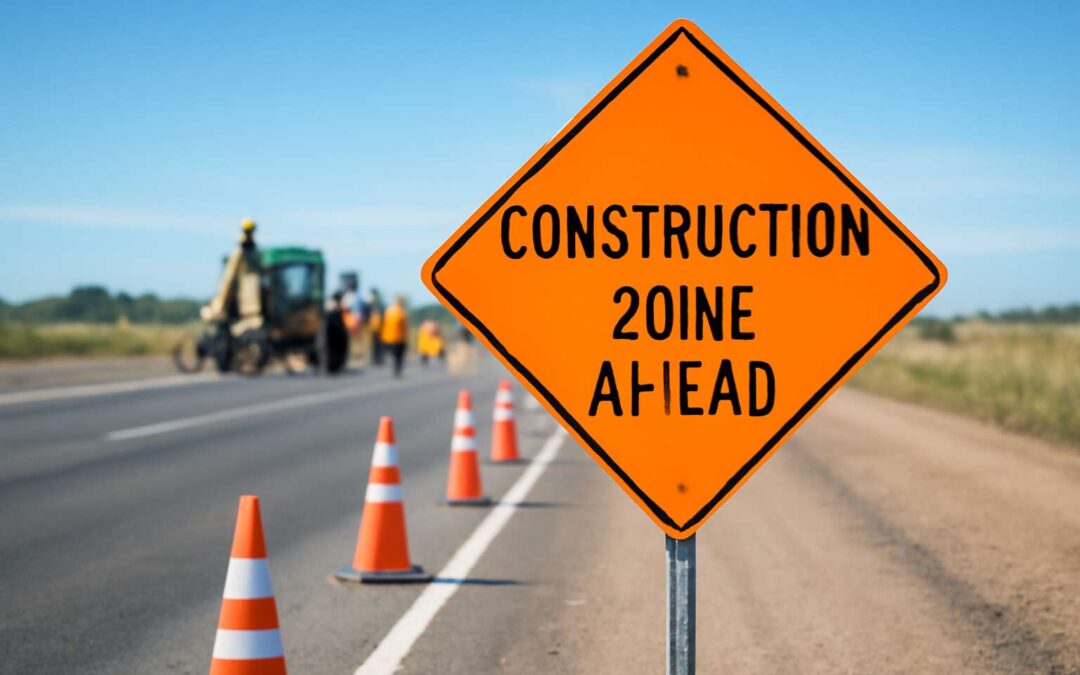
That humble construction zone ahead sign is more than a marker—it’s a pause that keeps roads civilized in the chaos of progress. Foundations of signage start with clarity: ‘construction zone ahead sign’ must be instantly recognizable at speed. Color, shape, and typography fuse into a single language that signals caution without shouting. When crews set up a lane shift or a detour, this sign acts as a handshake between motorist and site, buying precious seconds for safe braking.
Sign design fundamentals extend beyond the symbol. Designers wield contrast, retroreflective materials, and modular icons to reduce cognitive load on drivers. The most durable signs feel inevitable—like a streetlight: seen, understood, acted upon, even by unfamiliar visitors. In a South African context, temporary worksites demand flexibility: signs need to travel between sites without losing their voice, guiding pedestrians and drivers alike with dignity and clarity.
Placement and traffic flow planning
In the heartbeat between progress and patience, the construction zone ahead sign stands as a patient arbiter of speed and order on South African roads!
Foundations of its effectiveness lie in placement and traffic flow planning: sightlines, distances from crews, and the choreography of detours that keep entry and exit routes predictable for drivers and pedestrians.
Key considerations include:
- Approach speed and sightline alignment for secure sequencing
- Night visibility through retroreflective materials and lighting
- Detour geometry that maintains pedestrian dignity and motorist predictability
With modular icons, durable materials, and nimble placement, these signs travel between sites without losing voice, guiding all users with dignity and clarity.
Standards, compliance, and inspection
“A sign is a promise kept,” says a veteran safety officer, and in South Africa’s roadworks that promise rests on proper standards. The construction zone ahead sign guides every pause and approach with quiet dignity.
Foundations of the sign rest on rigorous standards, steadfast compliance, and regular inspection. Visibility, mounting integrity, and material durability become governance that keeps crews, pedestrians, and motorists in respectful choreography.
In practice, three anchors matter:
- Adherence to national signage standards and road-traffic regulations in South Africa
- Manufacturer certifications and material testing, including retroreflectivity and durability
- Regular on-site inspections, documentation, and timely corrective action
When these strands are woven well, the sign remains a steady beacon—calm, lawful, and humane amid the bustle of progress.
Practical usage and optimization tips
A veteran safety officer whispered a hard truth: a sign is a promise kept. In South Africa’s roadworks, that promise anchors drivers and pedestrians alike as engines growl in the distance. The construction zone ahead sign sits at the fulcrum—quiet, undeniable, a beacon that slows the heart before the next bend.
Foundations of such signage are not merely visuals; they are governance—visibility at night, steadfast mounting, durable materials weathering heat, dust, and rain. The sign must harmonize with speed, sightlines, and human rhythm, becoming a nonverbal partner in safety rather than a nuisance to be ignored.
Practical usage and optimization emerge from three quiet rituals:
- Visual salience across dawn, dusk, and glare
- Tamper-resistant mounting and a robust frame
- On-site documentation that travels with the project
When these elements converge, the beacon remains a calm, lawful companion amid progress.
Dec 31, 2025 | Construction Articles
Integrated Building and Facility Maintenance Overview
Understanding integrated building and facility maintenance practices
Across South Africa, downtime on a busy site can cost more than delays alone; a recent survey suggests 65% of facility outages are preventable through proactive maintenance. Integrated building and facility maintenance isn’t just repairs; it’s a living system that couples energy use, safety, and comfort. In my experience, thoughtful collaboration turns care into performance.
A practical framework looks like this:
- predictive maintenance schedules that catch faults before they fail
- centralized CMMS with mobile access for on-site teams
- risk-based prioritization tied to lifecycle costing
When we weave these threads through both new construction and ongoing maintenance, the effect is tangible: fewer outages, longer asset life, happier occupants. This is the heart of construction and maintenance in South Africa. It respects local rhythms—rainfall, heat, and power reliability—while keeping projects on track!
Key benefits for owners and managers
In this living system, every corridor, switch, and seal matters. “Care is performance,” a facilities manager reminded me, and it stuck. In South Africa’s bustling markets, construction and maintenance isn’t a chore—it’s a strategy that aligns energy use, safety, and comfort with real-world rhythms.
- More predictable budgets and cash flow
- Clear visibility into asset lifecycles
- On-site teams empowered by mobile CMMS
When you weave smart maintenance into both new builds and ongoing care, the outcome is durable: fewer outages, longer life for assets, and happier occupants who feel the difference. This is the heart of South Africa’s construction and maintenance ecosystem, guided by local weather, power reliability, and pragmatic scheduling.
Standards and regulations guiding integration
“Care is performance!” a facilities manager reminded me, and it’s a refrain that echoes through South Africa’s bustling markets and office parks. Integrated Building and Facility Maintenance links people, processes, and standards into reliable rhythms, where preventive work becomes predictable peace of mind.
Standards guide how we connect design to operation in practice. South Africa relies on the National Building Regulations, SANS codes, OHSA, and municipal energy targets to shape integration for construction and maintenance across facilities.
- National Building Regulations and SANS codes
- OHSA and Construction Regulations 2014
- Municipal by-laws and energy performance targets
In practice, this regulatory backbone translates into fewer outages, longer asset life, and occupants who feel the difference.
Lifecycle perspective from design to disposal
In South Africa, a well-tuned lifecycle can cut outages by up to 30%, a punchy reminder that maintenance is not an afterthought but a design principle.
Integrated Building and Facility Maintenance follows a lifecycle from design to disposal, weaving together people, processes, and standards to turn preventive work into predictable peace of mind.
From design targets to disposal, this approach sharpens performance, energy, and asset life. Think of a baton handover: design hands off to construction and maintenance, then to operations, and finally to responsible disposal.
- Design intent
- Lifecycle data
- Disposal planning
As we steer South Africa’s facilities toward resilient, low-downtime operations, the construction and maintenance handshake becomes a competitive differentiator for building owners and managers.
Sustainable and resilient upkeep strategies
In South Africa, a well-tuned lifecycle can cut outages by up to 30%, turning maintenance from a checkbox into a design principle. Integrated Building and Facility Maintenance weaves people, processes, and standards into a steady rhythm of preventive work—where readiness meets resilience. Sustainable and resilient upkeep strategies lift performance, energy efficiency, and asset life from the blueprint to the field, sealing a story of continuity from construction through operation to disposal.
- Predictive analytics guiding inspections and component replacement
- Modular maintenance workflows that scale with asset demand
- Energy- and water-conscious retrofits that yield long-term savings
From design targets to disposal, the approach sharpens outcomes and steadies the pace of change. This cadence—the synchrony of design, build, and ongoing care—reduces risk, lowers downtime, and makes property performance a living asset. In this model, construction and maintenance are not separate tasks but a single, evolving discipline.
Preventive Maintenance Planning for Construction Projects
Design-time maintenance planning and scheduling
In the wake of steel and glass, preventive maintenance planning for construction projects begins before the first brick is laid. Design-time maintenance planning and scheduling guide the cadence, stitching future care into the blueprint so that every beam, duct, and façade carries a memory of serviceability. It is a quiet, luminous craft—where foresight becomes form!
As a seam between design and duty, this practice transforms risk into reciprocity between builder and owner. In the field of construction and maintenance, the design-time map translates into smoother turnover and steadier performance, a testament to how thoughtful preparation preserves meaning in space—an enduring promise to South Africa’s cities!
- Integrated design reviews that highlight maintainability during concept work
- Durable materials and accessible layouts that ease future service
- Alignment of commissioning with expected maintenance windows
Risk assessment and critical asset identification
Preventive maintenance planning for construction projects hinges on risk assessment and critical asset identification. A pragmatic stat: up to 25% of lifecycle costs slide due to avoidable maintenance gaps. When teams map failure points early, schedules gain the precision of a finely tailored suit, fitting service needs long before the first hammer falls.
- Prioritize assets by critical function—structure, services, and safety systems.
- Map failure modes and set inspection intervals grounded in usage and occupancy.
- Schedule maintenance windows that align with commissioning and handover milestones.
In South Africa’s cities, such planning is less luxury than lifeline—an antidote to outages and retrofit costs. When risk-aware methods thread into budgeting and handover, construction and maintenance become a single, resilient discipline rather than competing priorities.
Condition monitoring technologies and sensors
Outage-choked years in South African cities taught me a hard truth: uptime is money, and preventive thinking is the quiet engineer behind it. Up to 25% of lifecycle costs slip through avoidable maintenance gaps, unless planning is sharp in construction and maintenance!
Condition monitoring technologies and sensors give the project a living pulse. They translate wear and climate into actionable signals—soft warnings before hard failures.
- Vibration sensors for rotating equipment
- Temperature and humidity sensors for envelopes and interiors
- Oil quality and moisture sensors for gearboxes
In South Africa’s cityscapes, these signals align commissioning with ongoing care, reducing outages and retrofit debt. The chorus of sensors keeps assets honest to design, long after handover.
Construction and maintenance become one living story when data leads the way.
Budgeting for long-term upkeep and replacement
In South Africa’s urban pulse, 25% of lifecycle costs slip away through avoidable maintenance gaps. This is where preventive maintenance planning for construction projects budgeting for long-term upkeep and replacement shifts the ledger from risk to resilience. The discipline of construction and maintenance invites us to imagine not just what we build, but what it becomes, a living asset that breathes with climate and use.
Budgeting for the long arc of construction and maintenance means seeing beyond the first invoice. It frames value as a life-cycle story, not a single project. Key budget pillars include:
- Life-cycle cost forecasting and depreciation alignment
- Spare parts resilience and supplier redundancy
- Maintenance contingency for climate-driven variability
When budgeting mirrors the true life of assets, these principles endure and uplift communities across South Africa.
Maintenance roles and responsibilities and handover processes
Across South Africa’s urban pulse, 25% of lifecycle costs slip away through avoidable maintenance gaps—a haunting truth that makes preventive maintenance planning for construction and maintenance projects essential. This is more than upkeep; it is a stance, a way to honor the building’s promise and the people who rely on it.
Preventive maintenance planning translates into clear roles and disciplined handover processes. Maintenance roles and responsibilities must be flagged early, with accountability woven into project governance. A smooth handover documents asset data, warranties, and routine care schedules, turning construction and maintenance into a resilient, living system.
- Clear ownership concepts for each critical component
- Comprehensive handover data package (as-built information, warranties, and service agreements)
- Long-range governance cadences for maintenance review
This approach aligns with South Africa’s climate realities, turning construction and maintenance into a living system that serves communities rather than a one-off transaction.
Construction Phase Maintenance Strategies
Material selection for durability and low maintenance
Durability begins where light meets load, and in South Africa’s sun-washed cities, the promise of lasting beauty is a quiet revolution. A recent study places the impact of early decisions on lifecycle costs at up to 70%, reminding that construction and maintenance are not separate chores but a single, living art. The right choices elevate spaces from mere shelters to lifelong companions!
Material selection for durability and low maintenance is the conduit by which design becomes enduring.
- Corrosion-resistant steel and fasteners that stand up to coastal humidity
- Long-lasting claddings such as fiber cement or coated metal panels
- Concrete with durable aggregates and appropriate sealers
- Low-maintenance finishes and sealants that weather South Africa’s sun
Beyond selection, align climate-aware strategies with ongoing care so spaces endure through seasons and seasons of use, becoming more than structures—they are urban poetry in concrete and light.
Site infrastructure and temporary structure upkeep
Momentum on any site hinges on what happens at the ground. A recent study places the impact of early decisions on lifecycle costs at up to 70%—a startling reminder that construction and maintenance are two sides of the same coin. On South African projects, keeping site infrastructure resilient is the quiet engine behind on-time delivery and lasting value.
- Secure site access and hoarding that shields workers and the public.
- Reliable temporary utilities and drainage to prevent delays and mud.
- Dedicated maintenance pathways for equipment and materials to stay organized.
From my experience, investing in robust site infrastructure pays off long after the last pour. That means prioritising site infrastructure and temporary structure upkeep: hoarding, drainage, power, and access roads become reliable assets rather than irritants in the flux of construction and maintenance.
Weatherproofing, sealing, and moisture control
Moisture is a silent timeline killer on SA sites. A recent study links early weatherproofing choices to life-cycle costs jumping by up to 70%. In the world of construction and maintenance, weatherproofing, sealing, and moisture control aren’t add-ons—they shape enduring value.
Weatherproofing during the construction phase means choosing resilient materials and detailing that shed rain and resist capillary draw. Sealing strategies address joints and penetrations, while moisture control keeps indoor environments stable from first pour to handover.
- Weatherproofing concepts that balance breathability and water resistance
- Joint and penetration sealing to prevent moisture ingress
- Moisture monitoring and passive mitigation aligned with the South African climate
In the South African climate, these strands connect resilience with timely delivery.
Safety, compliance, and quality assurance during construction
On South African sites, a single safety lapse can derail schedules and drain budgets. That’s why construction phase maintenance hinges on rock-solid safety, strict compliance, and uncompromising quality assurance.
In the construction and maintenance arena, we embed permit-to-work, toolbox talks, and competency checks into daily routines to prevent accidents and rework.
Compliance means alignment with SA standards, from SANS and NBR to municipal bylaws and project specs.
Quality assurance is the gatekeeper: inspection and test plans, material traceability, and a clear non-conformance process.
- Safety management and permit-to-work systems
- Compliance audits against SANS, NBR, and local codes
- Quality plans with inspection regimes and material traceability
- Independent site audits and documented handover readiness
Post-Construction Maintenance and Renovation
Handover documentation and as-built records
Post-construction truth comes to light: only 15% of projects ship with complete as-built records, and that gap costs time and money in an industry that moves like a South African power outage—unpredictable and frustrating.
Renovation handover documentation and as-built records are the bedrock of future construction and maintenance. They translate design intent into real-world asset data, helping facilities teams move from punch list chaos to predictable upkeep and upgrades.
- As-built drawings and room data sheets
- Operation and maintenance manuals
- Warranties, service contracts, and contact details
- Maintenance schedules and spare parts lists
With these in hand, construction and maintenance teams speak the same language, and renovations stay on time, on budget, and on spec.
Commissioning and performance verification
In the SA construction and maintenance landscape, post-construction maintenance and renovation commissioning and performance verification are the quiet baton that keeps every system in tempo. A telling statistic shows many projects miss the mark in the early months, with up to 40% failing to meet design performance targets!
Renovations breathe anew when commissioning translates design intent into real-world behavior. Performance verification tests HVAC, lighting, plumbing, and envelope interfaces under real loads, measuring energy use, comfort, and reliability. The result is a living record that guides future renovations and reduces unexpected downtime.
- Systems startup checks and sequence validation
- Energy performance benchmarking and occupant comfort metrics
- Operations data capture for ongoing life-cycle management
With these verifications, post-construction work becomes a foundation for predictable upkeep, ensuring renovations stay on time, on budget, and on spec. For teams across South Africa, this is where the craft of building meets the mathematics of resilience.
Lifecycle costing and ROI analysis for maintenance
In South Africa’s dynamic built environment, every rand spent after handover fights for value. Recent analyses show proactive post-construction maintenance can cut unplanned downtime by up to 25% and extend asset life by 15%.
Lifecycle costing looks beyond the sticker price; it maps maintenance expenses, energy use, and renewal costs across decades, revealing the true return on investment for construction and maintenance. The art lies in translating design intent into reliable performance and measurable savings.
- Define baseline performance and asset criticality
- Model life-cycle costs, including maintenance, energy, and renewal events
- Run scenarios to compare upfront vs long-term savings
- Calculate NPV, ROI and align with budgeting cycles
In this way, post-construction maintenance becomes a story of resilience and return, not cost.
Renovation planning and retrofit opportunities
A building isn’t finished when handover happens. In South Africa’s dynamic built environment, a proactive stance on post-construction maintenance can reduce downtime by up to 25% and extend asset life by about 15%. This outlook ties construction and maintenance together from handover onward.
Renovation planning and retrofit opportunities turn maintenance into measurable value. Rather than patching issues, planning anticipates upgrades—improving energy performance, resilience, and user comfort without disrupting operations.
- Smart sensors and IoT for condition monitoring
- Energy-efficient HVAC retrofits and sealing
- Modular upgrades for easier maintenance
- Envelope and water-management improvements for resilience
Smart retrofits and staged renovations can be aligned with budgeting cycles to reveal true lifecycle value, weaving together construction and maintenance for enduring performance.
End-of-life planning and decommissioning considerations
A building isn’t a trophy handed over at handover; it’s a living asset that deserves ongoing care. In South Africa’s fast-moving built environment, integrating post-construction planning into day-to-day maintenance can slash downtime by up to 25% and extend asset life. End-of-life thinking should start early, threading construction and maintenance into a single, continuous story that keeps performance high long after occupancy begins. I’ve seen it—stewardship with swagger pays off.
- Asset retirement planning aligned with budgeting cycles
- Material reuse, recycling, and responsible decommissioning
- Documentation for transfer, warranties, and future refurbishments
With this mindset, decommissioning becomes a smoother, more sustainable transition, preserving value rather than waste and ensuring the broader narrative endures.
Dec 30, 2025 | Construction Articles
Salary Insights for Construction Health and Safety Roles
Role overview and pay determinants
South Africa’s construction sector is hiring, and the construction health and safety officer salary landscape shows a 15–25% premium over typical site roles. The role blends risk assessment, on-site coaching, and strict compliance, with packages that rise as responsibilities grow. Early-career pay sits in a sensible range, while seasoned managers command higher levels.
Role overview centers on turning rules into practice, incident prevention, and audit readiness. Pay determinants unfold with project scope and market demand.
- Experience and certifications
- Project size and risk profile
- Region and employer type
- Industry sector and training investments
These factors help explain the construction health and safety officer salary bands across SA projects.
Experience, certifications, and career ladders
Across South Africa’s building sites, the 15–25% premium on typical site roles is making waves. That nuance—the construction health and safety officer salary—signals a premium for practical, on-site guardianship that blends policy with real-world risk management!
Experience and certifications shape the ladder: hands-on risk assessment, coaching crews, and preparing for audits lift you toward senior roles. The pathway is clear: as projects grow in scope and complexity, responsibilities expand—and so does the payoff.
- NEBOSH/IOSH-certified safety training
- OSHA-30 or equivalent practical certs
- ISO 45001 lead auditor or internal trainer
- Progression: junior HSE officer → HSE manager → HSE director
The regional demand and employer type further tune the ascent, rewarding strategic leadership and calm under audit pressure.
Regional and industry variations in pay
On South Africa’s busy building sites, the construction health and safety officer salary can vary by as much as 15% between regions, a real-world premium for guardians who blend policy with on-ground pragmatism. That premium signals not just risk management, but a market where location matters as much as qualification.
Regional demand and industry mix tilt the scales. Consider the following patterns:
- Metro Gauteng and Western Cape sites often pay higher premiums due to volume and cost of living.
- Mining-support and industrial hubs push salaries upward when major projects run long.
- Public-sector tenders may smooth the bands but reward stable, compliant performance.
Regardless of where you stand, the payoff grows as projects scale and audits tighten—proof that guardianship pays off when risk meets responsibility.
Negotiation, benefits, and total compensation
On busy South Africa sites, compensation can surge by up to 15% for those who blend policy with on-ground pragmatism—the few who keep projects compliant and alive under pressure. The construction health and safety officer salary isn’t a single figure; it’s a package that grows with risk, scope, and enforcement intensity—an almost supernatural discipline.
Negotiation levers include clear performance metrics, defined project scope, and training commitments. Beyond base pay, expect a total compensation package that rewards safety culture—allowances, medical aid, and retirement provisions. The final figure reflects trust earned and the ability to steer a site through audits with calm authority.
- Base pay aligns with risk and site complexity
- Bonuses tied to audit outcomes and safety milestones