May 17, 2026 | Construction Articles
Understanding Build-to-Finance Transitions
What is a build-to-finance transition?
Foundations are more than concrete; they’re a promise between builder and borrower. In the build-to-finance journey, the quiet moment when the crane rests is the starting line, not the finish. “The bridge between build and loan must be as solid as the walls,” says a seasoned South African financier.
What is a build-to-finance transition? It is the seamless shift from construction to permanent financing, anchored by completion, valuation, and bank approval. The cadence of draws, inspections, and a final appraisal turns a frame into a home with a number in the ledger, not a debt on the ledger alone.
- Completion milestones aligned with lender criteria
- Appraisal confirming market value and improvements
- Conversion terms, rate lock, and repayment structure
In this country, the journey from construction to permanent blends craft, planning, and prudent finance, letting the dwelling finally bear more than its bricks—it’s a story funded by trust.
Difference between a construction loan and permanent financing
Across South Africa, more than half of build projects stall at the financing gate, waiting for a label that turns timber and brick into a home. The transition is a doorway, not a finish line — timing, trust, and valuation must align.
Understanding construction to permanent starts with the obvious distinction: a construction loan fuels the build through staged draws; permanent financing arrives after completion, anchored by a fresh appraisal and bank approval. I’ve witnessed how milestone planning and sound valuation turn a frame into a residence.
- Funding mechanism and draw structure
- Interest rate and term characteristics
- Conversion trigger and rate lock
- Repayment schedule and debt service expectations
In South Africa, this journey blends craft with prudent finance. The move from construction to permanent hinges on trust and timing, not bricks alone.
Typical timelines and project phases
Across SA, more than half of build projects stall at the financing gate, turning timber and brick into talk and delays. The doorway from build to occupancy hinges on timing, trust, and valuation—the building block of a solid construction to permanent transition.
Understanding timelines means seeing the milestones: design and permits, site prep, foundations, framing, services, and finishing. Draws flow with milestone completion, not guesswork. After the last inspection, a fresh appraisal anchors bank approval and the timeline shifts to debt service schedule.
- Site setup and design alignment
- Foundations and framing milestones
- Systems rough-in and enclosure
- Finishing, inspections, and occupancy readiness
- Final appraisal and loan conversion check
Qualification criteria for build-to-finance projects
A striking 60% of build-to-finance transitions falter at appraisal, turning bold plans into stalled deadlines. Qualification isn’t a riddle; it’s a rhythm—stable income, solid equity, and a credible, time-bound plan. In South Africa, lenders crave a clear bridge from design to deed. Consider these criteria as your compass:
- Consistent income and employment history
- Adequate equity and reserve funds
- A detailed budget with a robust contingency
- Approved designs, permits, and site compliance
- Licensed contractor and a credible construction timetable
- Clear title, insurance, and risk provisions
With alignment, the path from construction to permanent becomes a measured ascent, where appraisals, draws, and debt service march in step. That coherence keeps the loan on track and the vision alive.
Costs, interest rates, and fees to expect
Sixty percent of build-to-finance transitions falter at appraisal, turning bold plans into stalled deadlines. In the numbers game, the real tell is what creeps into the budget once the hammer starts swinging and the crane hums. For SA projects, costs aren’t just ‘extras’—they’re part of a living forecast that adapts with rate shifts and supply-chain quirks.
Understanding construction to permanent costs, interest rates, and fees helps translate plans into numbers. These components move with macro shifts, local supplier dynamics, and the lender’s risk appetite, painting a more honest picture than utopian budgets ever could.
- Interest rate expectations across the draw schedule
- Origination, appraisal, and legal fees
- Contingency reserves and insurance costs
The arithmetic of loans, draws, and risk provisions forms the heartbeat of the transition, not an afterthought.
The Process Overview for Build-to-Finance Projects
Pre-qualification and pre-approval basics
Build-to-finance is a social ballet where pre-qualification is the opening bow. A seasoned SA lender wryly notes tidy documents cut questions and speed the dance toward a lasting partnership.
At heart, the process overview spotlights income verification, asset clarity, and the capacity to service debt. The construction to permanent bridge aligns milestones with lender expectations in a single, continuous arc.
Key milestones in this stage include:
- Pre-qualification basics: what lenders look for and why it matters.
- Documentation and affordability: income, assets, stability.
- Pre-approval basics: conditional commitments and how they relate to the construction timeline.
South Africa’s lenders value consistency: credit history, steady income, and realistic costs. When these align, the shift from build to finance feels like a confident entrance.
Selecting a builder and defining project scope
In the world of construction to permanent, the choice of builder writes the tempo for every brick that follows. A seasoned South African lender notes that clarity at the outset trims risk from the timeline, turning an ambitious plan into a reliable partnership.
Selections hinge on trust, regional know-how, and transparent budgeting. A well-defined scope then anchors decisions from foundation to finish.
- Regional track record and completed projects
- Licensing, insurance, and warranties
- Financial stability and pricing transparency
- Collaborative communication and change-control mindset
Defining project scope means mapping materials, timelines, and permits so every party reads from a single plan, helping drift stay minimized and milestones stay aligned.
Loan signing and transition to permanent financing
Finishing a project on schedule starts with a firm handshake. A seasoned South African lender notes, ‘Clarity at the outset trims risk from the timeline’—and that idea holds true in build-to-finance. Loan signing sets the tempo, followed by draw schedules, interim inspections, and the paperwork that turns plans into bricks. The aim is a smooth path from construction to permanent financing, backed by transparent terms and credible appraisals!
- Loan signing and initial draw approval
- Interim inspections and documentation
- Valuation and final terms for conversion
After sign-off, the transition to permanent financing hinges on stability of costs, an updated budget, and consistent reporting. This phase converts the short-term facility into a long-term mortgage, aligns repayment with project completion, and sets clear terms for maintenance, insurance, and warranties.
Managing draw schedules and inspections
Seamless build-to-finance hinges on timing. A seasoned South African lender puts it plainly: “Clarity at the outset trims risk from the timeline.” That clarity becomes the rhythm of a project as it moves from siteworks to staged funding—the heart of any construction to permanent plan.
- Draw schedules align with key project milestones, ensuring cash flow matches progress
- Interim inspections verify work, record variations, and keep stakeholders updated
- Documentation and approvals flow smoothly to unlock each tranche of funds
After sign-off, the transition rests on stable costs and a refreshed budget. Regular reporting keeps conversions on track, turning a short-term facility into a long-term mortgage with terms that reflect completion, maintenance, insurance, and warranties. The result is clarity, credibility, and continuity.
Timing the switch to the permanent loan and closing
Clarity at the outset trims risk from the timeline, and in a South African build-to-finance landscape, that clarity is currency. The process overview for construction to permanent hinges on precise timing—when to switch loans, lock rates, and align funding with progress and a refreshed budget.
Key milestones that trigger funding include:
- Foundation completion and passing interim inspections
- Framing up to enclosure and a confirmed cost-to-complete
- Independent valuations and lender sign-offs before each tranche
Closing on the permanent loan comes once occupancy is in sight and costs are stable. The transition to a permanent facility mirrors completion, with terms tied to maintenance, insurance, and warranties. A well-orchestrated handover preserves clarity, credibility, and continuity into the construction to permanent journey.
Costs, Rates, and Budgeting for Build-to-Finance
Interest rate types for construction phases
Budget meetings in South Africa’s build-to-finance landscape reveal a stubborn truth: financing costs can erode margins fast. In construction to permanent, a disciplined budget acts as navigator and guardrail—keeping drawings from drifting and deadlines from detouring.
Interest rate types during construction can reshape cash flow, so understanding them is essential.
- Fixed-rate: payments stay constant for a set period.
- Floating: rates adjust with market moves and can rise or fall.
- Blended: a middle path that eases the switch to permanent financing.
Meticulous budgeting aligns draws with milestones, keeping the build-to-finance transition financially coherent within SA’s lending climate. Clarity turns every rand into progress on the construction to permanent journey.
Loan-to-value, appraisals, and underwriting considerations
Budget is the first brick laid, a line drawn in candlelight. In South Africa, the build-to-finance ritual moves through moonlit banks and rules that tighten as the walls rise. “Budget is the first brick laid,” a craftsman whispered, and the truth hums through steel and timber.
Costs, rates, and budgeting steer the construction to permanent journey. Guarding the Build-to-Finance loan-to-value (LTV) means appraisals reflect progress and expected occupancy, while underwriting seeks coherence from slab to signature. In our SA climate, every draw must align with milestones, preserving margins as the project unfolds.
To marshal the finances, consider these underwriting touchpoints.
- Appraisal scope tied to milestone completion and future value
- Contingency reserves and escalation allowances
- Contractor reliability and transparent payment history
Budgeting for contingencies and cost overruns
Budget is the first brick laid, glinting like a coin in candlelight as steel goes up. In South Africa, numbers bend with inflation, exchange shifts, and material shortages; it is the map that keeps the builder and banker in the same frame as the walls climb toward home ownership. In this journey, the phrase ‘construction to permanent’ isn’t merely a label—it is a rhythm that guides every draw and milestone.
Costs and rates demand a living budget, not a static plan. Contingencies and escalation allowances should breathe with the project, not sit in a drawer untouched.
- Contingency reserves tuned to risk and market volatility
- Escalation allowances tied to material indices
- Transparent payment history and contractor reliability
Guard margins by aligning every draw with verified milestones, so overruns do not erode the dream. The craftsman knows: budgeting isn’t a constraint but a compass through the SA climate of rates and volatility.
Draw requests, disbursements, and documentation
Sharp costs demand a living, breathing budget. In South Africa, inflation and supply gaps turn every draw into a moment of moral calculus. Numbers aren’t cold here; they guard the doorway to home ownership with a whispered, stubborn certainty.
Draw requests, disbursements, and documentation become the heartbeat of the loan process. I watch the ledger align with milestones, invoices, and change orders, ensuring that every rand supports progress and transparency—so a builder’s art doesn’t outpace the bank’s faith.
Guard rails for the process include a few trusted anchors:
- Reserves calibrated to risk and market shifts
- Escalation linked to credible material indices
- Open, verifiable payment records and contractor performance
When the numbers stay honest and linked to milestones, the switch to permanent financing feels earned, not granted. In this rhythm, budgeting becomes a compass guiding the climb from framework to home—construction to permanent—finally in place!
Refinancing options and rate locks
Costs cling to the daylight like frost; in the build-to-finance journey, every rand negotiates with fate. Rate locks offer a shield against capricious markets, but they demand a budget as precise as a clockwork heart. In South Africa, where inflation gnaws at margins and material delays twist timelines, I watch the ledger breathe! Turning uncertainty into certainty on the path from frame to façade, from construction to permanent.
- Lock duration and renewal terms align with the project schedule
- Escalation provisions tied to credible material indices
- Costs of rate extension and potential penalties
Keep a contingency of a few percent and treat rate locks as a partner, not a trap; they shape the refinancing narrative with a disciplined hand, guiding the transition from framework to fruition.
Closing costs and ongoing fees
Closing costs arrive with the sunrise and never quite leave the ledger. In the South African build-to-finance journey, they glare as sharply as a deadline, bending budgets with a single surprise line item. The path from construction to permanent financing demands clarity on what you’re paying now and what will arrive later, so margins don’t crumble while you sleep.
- Closing costs: processing fees, legal and conveyancing, valuations
- Ongoing fees: loan servicing, insurance, maintenance reserves, and inspections
- Rate-extension costs and penalties, if renewals slip
In the South African context, those figures become a narrative of timing, risk, and patience; they remind us that every rand carries a memory of a builder’s choice and a lender’s hand.
Programs, Requirements, and Eligibility for Build-to-Finance
Credit score and income documentation
Build-to-permanent funding programs in South Africa come in a few flavors, designed to match the build pace and your budget. The aim is a seamless handover from groundbreaking to occupancy with one loan carrying both phases.
Requirements are straightforward when you’re paying attention. Here are the basics:
- Three months of payslips for employed applicants
- Three to six months of bank statements
- Identification, proof of address, and builder registration
- Project scope and cost estimates for the build
Eligibility hinges on program fit, income reliability, and the project’s value. Lenders run credit checks, verify income, and assess the site and plans. For the construction to permanent path, expect valuations and a clear budget before the first draw.
Asset verification and debt-to-income rules
Across South Africa, build-to-finance projects that move with the site reach occupancy up to 30% faster. Programs blend imagination with pragmatism, guiding builders from the first spade to the quiet hum of occupancy. In the build-to-finance journey, borrowers ride a single, seamless loan that covers both the groundbreaking and the finish—construction to permanent.
- Program variety aligned to pace
- Single loan, dual-phase security
- Asset verification readiness
Requirements lean toward clarity and credibility. Lenders favor steady income signals, a credible project scope, and trustworthy builder credentials. A transparent budget, dependable payment history, and proper documentation keep the process moving without drama.
Eligibility sits at the intersection of program fit, income reliability, and asset strength. Lenders conduct asset verification and apply debt-to-income rules to balance risk with opportunity, ensuring the structure you envision matches the loan’s heartbeat and value.
Government-backed vs conventional options
Across South Africa, build-to-finance projects that move with the site reach occupancy up to 30% faster. In the realm of construction to permanent, programs vary: government-backed schemes offer steady guidance and favorable terms, while conventional options prize flexibility and quicker decisions. The result is a careful balance of oversight and autonomy, where the right fit rests on scope and patience.
Requirements hinge on clarity and credibility. Government-backed paths favor transparent budgets, disciplined cash flow, and documented builder credentials. Conventional routes reward predictable income and proven track records. The essentials keep the process upright:
- Transparent budget and cash flow
- Dependable payment history and income verification
- Credible builder credentials and defined project scope
Eligibility sits at program fit, income reliability, and asset strength. Government-backed options may demand stronger asset verification and longer timelines; conventional routes emphasize speed. Yet both must align with construction to permanent safeguards to keep the dream balanced and on track.
Builder relationships and project eligibility
A bridge from build to occupancy is crafted not with haste but with transparent hands and patient planning, a seasoned South African builder reminds us. In construction to permanent, programs blend oversight with autonomy, guiding builder relationships toward milestones, approvals, and steady progress. The flow is less about rigid rules and more about aligning scope, cash, and cadence with real site rhythms.
Requirements act as a north star. Clear budgets, verified cash flow, and documented builder credentials create trust; defined project scope keeps everyone singing from the same sheet. In practice, this means records that travel easily across teams and sites, reducing guesswork and smoothing inspections.
Eligibility sits at the intersection of fit, income reliability, and asset strength. Government-backed paths can demand stronger asset verification and longer timelines, while conventional routes favor speed. Yet both routes must meet construction to permanent safeguards that keep the dream balanced and on track.
Special programs for first-time buyers and rural areas
In rural South Africa, build-to-finance programs open doors for first-time buyers, turning a muddy lot into a solid home. These programs blend oversight with autonomy and milestone-driven progress. The construction to permanent path is about honest budgeting, trusted builders, and a local rhythm.
Key requirements create a steady anchor:
- Verified income and rural residency
- Builder credentials and local references
- Clearly documented project scope with milestones
Together, they keep projects on time and on budget.
Eligibility sits at the intersection of fit, income reliability, and asset strength. Government-backed paths may demand stronger asset verification and longer timelines, while conventional routes favor speed. Yet both routes must honor the build-to-finance safeguards that keep the dream balanced and on track, especially for first-time buyers in rural areas within the construction to permanent journey.
Risks, Pitfalls, and Best Practices in Build-to-Finance Transitions
Common transition pitfalls and delays
Across South Africa, a single misstep in the construction to permanent journey can ripple into weeks of delay and thousands in extra financing. The risk trio—timing gaps, funding shortfalls, and stubborn lender coordination—lurks behind every milestone. Recognizing these pitfalls sharpens decision making.
- Unclear scope leading to change orders that stall draws and push the permanent switch.
- Misaligned draw schedules that outpace lender readiness or appraisal cycles.
- Underestimating contingencies and shifting costs, especially in volatile markets.
Best practices center on clarity and cadence: lock in a realistic contingency, align draw requests with lender milestones, and maintain meticulous documentation throughout the switch. A disciplined, proactive approach keeps the construction to permanent transition on track and reduces closing anxiety.
Mitigating construction cost overruns
Time is money, says a veteran SA developer, and the switch from build to finish is where the clock ticks loudest. In the construction to permanent journey, a single misstep can translate into months of delay and surging carrying costs. Costs can explode fast!
In the construction to permanent pathway, risk compounds where expectations drift and governance stumbles. Hidden costs emerge as decisions shift, and the paperwork trail falters, inviting lender friction and pricey pauses.
- Scope drift from late design changes.
- Budget pressure from market volatility.
Best practices align with a calm cadence and a clear path through the funds. Build discipline into the process, not the handoffs.
- Clear scope and agreed assumptions reduce surprises.
- A durable documentation trail anchors decisions and approvals.
Choosing the right lender and loan terms
In South Africa’s construction to permanent journey, risk compounds when expectations drift and governance falters. A SA snapshot shows one in three projects hit scope drift or financing friction during the switch from build to finish. Delays become months of extra interest, and the clock ticks loudest when budgets are strained. Hidden costs pop up as decisions shift and the paperwork trail falters, inviting lender friction.
Pitfalls are real and merciless. Late design changes cascade into cost overruns, market volatility gnaws at budgets, and shifting decisions spawn hidden costs. The paperwork trail that should be a straight path can turn labyrinthine, inviting lender friction and costly pauses.
- Late design changes
- Budget pressure from market volatility
- Hidden costs from shifting decisions
- Paperwork gaps that invite lender friction
Best practices keep the cadence calm and the funds predictable. In the build-to-finance transition, choose the right lender with a shared understanding of the scope and a durable documentation trail. The goal isn’t drama; it’s daylight between draw requests and approvals!
Importance of contingency planning
Risks surge when the line between build and funded reality frays, especially in South Africa’s volatile market. In a construction to permanent journey, small drift in scope or financing friction can cascade into months of delay and mounting interest. The clock ticks louder as budgets tighten, and what was assumed becomes a moving target—leaving everyone chasing the finish line!
- Ambiguity around scope changes and approvals
- Gaps in the documentation trail slowing lender review
- Unforeseen charges arising from timing shifts
Pitfalls emerge when governance lags and expectations falter, turning a clean handoff into a maze of friction. In South Africa, the ripple effects touch timelines, cashflow, and lender confidence.
- Change-control documentation with written approvals
- A living risk register paired with milestone dashboards
- Ongoing lender communications that anticipate delays
Best practices keep the cadence calm and funds predictable. Align early with a lender who shares the scope, and maintain a durable, accessible documentation trail that invites daylight, not doubt.
Legal, title, and lien considerations during conversion
In the twilight of a build-to-finance transition, risk settles on the title like a shadow. In South Africa, unclear vesting, overlapping charges, and unsettled liens threaten the conversion from construction to permanent. The legal fabric tightens around title and lien considerations, and missteps can echo through budgets and timelines.
- Unclear title vesting and encumbrances at conversion
- Mechanic’s liens and contractual encumbrances that threaten priority
- Gaps in lien release and payoff documentation
In this phase, pitfalls emerge when governance lags and expectations falter, turning a clean handoff into a maze of friction.
Best practices emerge when the cadence stays calm and funds stay predictable. In the hush between draw and deed, title clarity and a transparent record become anchors rather than fog. A living risk register invites daylight, not doubt, guiding the construction to permanent arc.
May 15, 2026 | Construction Articles
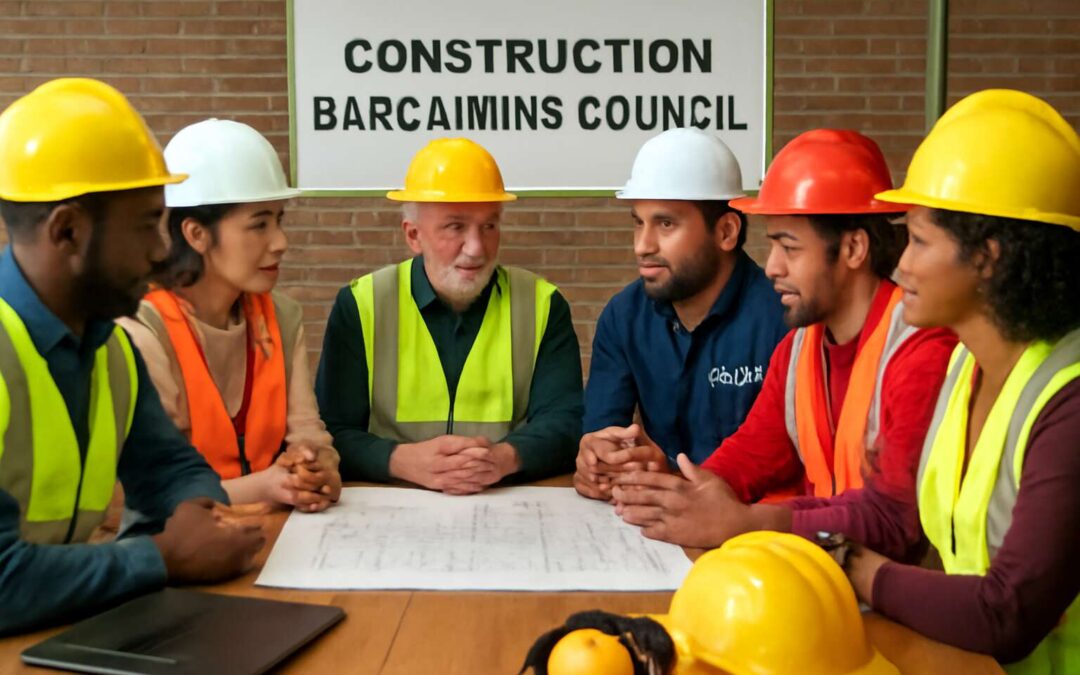
Comprehensive outline for construction industry bargaining councils
Overview of construction industry bargaining councils
In South Africa’s building boom, one quiet pillar keeps plans aligned and disputes down: the construction bargaining council. I see it shaping wages, working conditions, and grievance paths with a steady, almost alchemical precision!
Comprehensive outline for construction industry bargaining councils: They act as a federation of employer associations and trade unions, setting sector-wide collective agreements, monitoring compliance, and guiding negotiations on hours, safety, and skills development.
- Coverage across major construction subsectors
- Mechanisms for wage scales and overtime
- Dispute resolution and arbitration
Overview of construction industry bargaining councils: The councils function through tripartite representation, balancing employer needs with worker protections, and provide a predictable framework that reduces project friction and boosts productivity.
Regulatory framework and compliance for the construction sector
The skyline hums with purpose, and the regulatory compass behind it rarely falters. “Predictability is the quiet engine that keeps cranes turning,” says a veteran project manager, a reminder that structure compounds efficiency in South Africa’s fast-moving construction sector.
Regulatory framework and compliance for the construction sector revolve around a triad: tripartite governance via the construction bargaining council, statutory acts like the Labour Relations Act and Basic Conditions of Employment Act, and safety standards under OHSA and Construction Regulations.
Within this framework, the council fosters orderly wage negotiations, standardised working hours, and safety compliance. To visualise the landscape, consider these touchpoints:
- Registration and recognition of employer associations
- Sector-wide collective agreements
- Compliance monitoring and reporting
The result is a predictable, disciplined environment where disputes are channelled into arbitration rather than spilled onto sites.
Wages, conditions of employment, and collective agreements
On South African sites, the construction bargaining council keeps payroll and people decisions anchored in shared rules. Wages aren’t just numbers; they define progression, shift differentials, and regional parity. I’ve watched project managers breathe easier when hours, overtime, and safety expectations are mapped out in a trusted framework. That clarity turns complex negotiations into a predictable routine, directing energy toward delivery rather than on-site bargaining theater!
Comprehensive outlines span three core pillars:
- Wages: bands, progression, allowances, and annual reviews
- Conditions of employment: hours, overtime, leave, discipline, and safety duties
- Collective agreements: sector terms, renewal timelines, and dispute-resolution routes
Wages, conditions of employment, and collective agreements form the backbone of stable projects across South Africa, aligning labour and management under a common standard.
Dispute resolution, grievances, and enforcement
In the quiet gravity of a site, disputes rarely wander far before clarity arrives. The construction bargaining council maps dispute resolution as a luminous corridor—timely, transparent, and binding when needed—ensuring grievances move from spark to solution and projects keep their rhythm across South Africa!
- Grievance intake and neutral assessment
- Mediation sessions chaired by trained negotiators
- Arbitration for unresolved issues with binding awards
- Enforcement of decisions and corrective action tracking
Enforcement and compliance align, turning agreements into observable outcomes on-site and in payroll. The council functions as an anchor—turning friction into a disciplined cadence and protecting the integrity of every partnership.
Practical guidance for stakeholders and case studies
On South Africa’s busiest sites, each day of friction costs tens of thousands in lost productivity. That risk transforms into a disciplined rhythm when a solid framework exists. The construction bargaining council stands as a practical compass, guiding stakeholders toward clarity while keeping projects moving.
Comprehensive outline for stakeholders means early dispute-avoidance practices, clear roles, neutral assessment, and transparent record-keeping. Practical guidance highlights stakeholder mapping, agreed timelines, and auditable trails that support decision-making and accountability on site and in payroll.
Case studies illuminate how theory translates into results!
- Cape Town project: early intake and mediation halved closure times
- Durban project: binding arbitration preserved schedule with minimal disruption
May 15, 2026 | Construction Articles
Cape Town Construction Job Market Overview
Current demand for skilled trades in Cape Town
Cape Town’s skyline hums with cranes and possibility. A recent sector update shows a 12% jump in construction output, fueling strong demand for skilled workers. This momentum has lifted construction vacancies in cape town, turning sites into hubs of opportunity for tradespeople across residential, commercial, and infrastructure projects.
Demand centers on skilled artisans who blend craft with efficiency. Within retrofit and mid-rise builds, carpentry, masonry, electrical, and plumbing lead the way. Here are the sectors feeling the heat:
- Residential retrofit projects
- Commercial fit-outs
- Civil upgrades
With Cape Town poised for more builds, versatile professionals who mix hands-on skill with problem solving will help shape the city’s future. These opportunities signal capability.
In-demand construction roles right now
A 12% surge in construction output has the city turning its gaze toward new horizons, where steel ribs glitter and cranes sketch the skyline with patient hunger. In this hour, the market breathes with opportunity, and the term construction vacancies in cape town resonates from site offices to street corners. It is a whisper of momentum—hand tools ready, minds sharpened, and a city eager to be rebuilt in the name of progress!
Within retrofit schemes and mid-rise builds, skill finds its front line in carpentry, masonry, electrical, and plumbing. These trades anchor the most active pockets of Cape Town’s job market.
- Carpentry and joinery
- Masonry and stonework
- Electrical and plumbing installations
Versatile professionals who blend hands-on craft with practical problem solving will help shape the city’s future, turning sites into theatres of possibility.
Regional differences between city centers and suburbs
Cape Town’s construction sector swelled by 12% last year, turning steel ribs into a citywide chorus of progress. The term construction vacancies in cape town travels from site offices to street corners, a whisper of momentum that electricians, masons, and carpenters feel in their bones.
Regionally, city centers and suburbs wear different masks. The core—CBD, Foreshore, and Docklands—pulses with retrofit schemes and high-density towers, where project managers and skilled trades crunch schedules under bright cranes.
- City centers concentrate refurbishment, electrical and plumbing upgrades, and demand reliable on-site supervision.
- Suburbs push through new housing estates and mid-rise development, extending project timelines and skill diversity.
- Across regions, adaptable craftspeople who blend practical craft with problem-solving remain the city’s most valuable currency.
As the skyline evolves, regional dynamics shape who works where and how quickly work moves through the Cape.
Impact of infrastructure projects on vacancies
Cape Town’s construction sector expanded by 12% last year, turning steel into skyline poetry and nudging opportunity into every corridor. Across the city, construction vacancies in cape town pulse from docklands to new business precincts, felt by electricians, masons, and carpenters who sense momentum in their bones!
Major infrastructure projects—rail upgrades, housing estates, and water resilience schemes—bind regions and speed up hiring. As blueprints become beams, firms seek on-site supervision, project coordinators, and skilled craftspeople, while apprentices find doors opening and pathways widening through the city’s evolving face.
Where the vacancies are flowing most keenly now:
- CBD retrofit corridors and urban renewal hubs
- Outer-suburb housing developments and mid-rise cores
- Regional logistics and maintenance support for ongoing projects
Salary trends for construction workers in Cape Town
Construction activity in Cape Town rose 8% last year, turning steel into skyline poetry and lifting salaries across the board. The city’s heartbeat runs from CBD retrofit corridors to outer-suburb housing estates, where electricians, masons, and carpenters feel momentum in their bones. That momentum is visible in construction vacancies in cape town as large projects knit districts tighter and keep the cranes turning.
Salary trends in this market map to project lifespans and regional demand, with more competitive packages and steady increments for skilled roles. Across the city, diverse portfolios—renewals, housing, and infrastructure—shape pay scales in real, tangible ways.
- Electricians: R11,000–R22,000
- Masons: R7,000–R15,000
- Carpenters: R8,000–R16,000
- Site supervisors: R16,000–R28,000
- General foremen: R12,000–R22,000
High-Demand Roles and Skills in Cape Town Construction
Civil engineering and project management vacancies
Cape Town’s skyline hums with the geometry of possibility. Over the past year, demand for civil engineers and project managers has climbed by double digits, a sign that solid craft meets bold vision. For professionals tracking construction vacancies in cape town, the market offers both challenge and chorus.
Key skills are shifting toward digital mastery and precise coordination.
- BIM and 3D modeling proficiency
- Project controls: scheduling, cost reporting, risk management
- Contract administration, safety leadership, and stakeholder communication
In civil engineering spaces, firms seek specialists in structural analysis, site supervision, and QA/QC, while project managers lean on lean scheduling, risk governance, and clear stakeholder rapport. The right blend of hands-on expertise and forward planning keeps Cape Town’s construction pulse alive!
Site supervision and safety officer positions
Cape Town’s construction sites hum with a double-digit surge in site supervision and safety officer roles, a moonlit testament to meticulous craft meeting bold vision. The right guardian on the ground keeps schedules intact, risks understood, and crews moving with quiet purpose.
Key capabilities that separate the skilled from the merely paving the way include:
- Risk assessment and hazard prevention
- OHS Act compliance and toolbox talks
- Permit-to-work discipline and incident investigations
- Clear stakeholder communication and safety leadership
For professionals navigating construction vacancies in cape town, frontline roles demand calm authority and hands-on discipline, shaping Cape Town’s skyline with vigilance.
Electrical and plumbing trades openings
Cape Town’s skyline isn’t just rising; it’s attracting hands with a steady rhythm! A local market pulse shows construction workloads fueling a 12% surge in openings, especially for electrical and plumbing trades. For electricians and plumbers, these openings aren’t a rumor—they’re real opportunities to shape the city and grow a craft that pays off in the long run.
- Licensed electrical work with safe installations and fault-finding
- Plumbing code compliance, pipe sizing, and drainage know-how
- On-site coordination and problem-solving under pressure
Expect competitive rates and on-the-job mentorship as these trades mature with the city’s growth. In this market of construction vacancies in cape town, practical, hands-on professionals who can read a blueprint and fix a snag will find the doors opening wide in Cape Town’s evolving built environment.
Carpentry, bricklaying, and finishing specialists
Cape Town’s scaffolds catch the wind like sails, and a double-digit rise in demand hums through the year like a chorus. Carpentry, bricklaying, and finishing specialists stand at the vanguard, turning blueprints into enduring walls. I hear the rhythm of nails and trowels shaping the city’s growing horizon.
- Carpentry: precise framing, timber joinery, and on-site adaptation
- Bricklaying: bond patterns, stability, and weather-resilient craftsmanship
- Finishing specialists: plaster, textures, and flawless surface perfection
These roles feed a market hungry for skilled hands amid Cape Town’s evolving skyline, fueling construction vacancies in cape town.
Specialist roles such as BIM coordinators and surveying technicians
Cape Town’s skyline is speaking in digital terms. BIM adoption has jumped 22% year-on-year, crystallizing into faster planning and tighter coordination on every project. High-demand roles and skills in construction now skew toward digital coordination and precise field data, a trend clearly echoed in construction vacancies in cape town.
At the frontline are BIM coordinators and surveying technicians, translating bold blueprints into reliable, buildable realities.
- BIM coordinators: manage 3D models, clash detection, and data-rich asset coordination across teams
- Surveying technicians: precise site measurements, setting out, GPS and Total Station workflows to anchor projects to reality
- Support roles: data integrity specialists ensure model and field records stay in lockstep
As infrastructure pushes ahead—from coast to city center—demand for these roles shows no sign of easing, keeping construction vacancies in cape town lively and closely watched.
Where to Find Construction Jobs in Cape Town
Top online job boards and agency listings in Cape Town
Dark skies over Cape Town rarely hide opportunity. Last quarter, construction vacancies in cape town climbed amid projects that stitched steel and glass into the horizon. For job seekers, online boards and agency listings light the path, casting a pale glow across scaffolds and shoreline streets alike. The city breathes with the rhythm of hammers and deadlines, a drumbeat you can almost hear through the fog!
Top online job boards include:
- Indeed South Africa
- LinkedIn Jobs
- Careers24
- PNet
Agency listings provide a moonlit corridor into local builders and developers, linking skilled hands with projects that shape the horizon. These firms quietly curate steady opportunities across the Cape Town region, turning cautious anticipation into tangible momentum. Quiet, persistent probability lingers as the port lights blink.
Networking, referrals, and on-site recruitment
Cape Town’s skyline reads like a ledger of connections; 15% of construction roles land via generic boards, while the rest drift in through networks, referrals, and on-site recruitment. Opportunities quietly accumulate behind scaffolds and permit desks, weathering delays with stubborn optimism.
Sharpen on-site presence by ducking into tool-box talks, attending safety days, and cultivating memories with foremen who remember a dependable hand. Referrals from trusted colleagues carry unusual weight, turning cautious interest into tangible momentum on docks, quays, and building sites alike.
- Attend site briefings and safety days
- Engage with foremen during daily huddles
- Ask for referrals from trusted colleagues
- Keep a concise, updated CV handy
In the end, those who show up with a handshake and a plan tend to convert conversations into construction vacancies in cape town.
Local training centers and apprenticeship programs
In the shadow of Table Mountain, Cape Town’s scaffolds murmur with possibility. I’ve watched hopefuls map a future along those gray beams, learning through local training rooms rather than crowded boards! For those chasing construction vacancies in cape town, the gateway is education and hands-on apprenticeships.
Local training centers and apprenticeship programs stitch the city’s future trades together. Look to Cape Peninsula University of Technology (CPUT) and other TVET colleges for artisan and technician pathways. SETA-accredited courses, unions, and contractor-led schemes open doors to carpentry, bricklaying, electrical, and plumbing tracks. Open days and enrollment windows appear on provider sites.
- CPUT and other TVET colleges offering accredited artisan certificates
- SETA-accredited apprenticeship schemes with contractors and unions
- On-site training days run by employers and site managers
- City of Cape Town training initiatives and private providers
Opportunity winds through the hum of workshops and the cadence of on-site days—the quiet discipline that apprentices carry into dawn on site. The path to construction vacancies in cape town follows those who heed the quiet lessons of training and experience.
Recruitment agencies specializing in construction roles
From the humming cranes to the quiet early mornings on site, recruitment agencies specializing in construction roles are the bridge to opportunity. For those pursuing construction vacancies in cape town, these agencies keep finger on the pulse of who needs hands, who can lead, who will learn. They translate resume dust into concrete pathways—matching carpenters, electricians, and masons with contractors across the peninsula.
Look for agencies with on-site placements, pre-vacancy readiness, and a track record with major projects. They often host on-site days to assess fit, and they can fast-track registrations for temporary and permanent roles.
- Specialist trades-focused recruiters
- Temp-to-perm and permanent pathways
- On-site recruitment days and client briefings
Application and Interview Tips for Cape Town Construction Roles
CV and portfolio optimization for construction roles
Cape Town’s skyline keeps changing, and with it the hiring rhythm on-site. Construction vacancies in cape town are shaping the market, where on-site experience matters as much as credentials. A strong CV can turn a solid candidate into a first-choice name.
- Concise project summaries that tie tasks to outcomes
- Visible safety training and regulatory credentials
- Portfolio visuals: photos, sketches, timelines
- Endorsements from supervisors or clients
In Cape Town, interview panels value authenticity and fit; a portfolio aligned to job specs often carries more weight than a long resume. The best discussions reveal a candidate who reads the site like a living blueprint and speaks clearly about their role.
Tailoring cover letters to Cape Town projects
Let the cover letter stride in first when chasing construction vacancies in cape town—a compact, bold overture that frames the hands who will build the skyline. A tailored note signals readiness to work on local sites, with an eye for safety, climate, and the on-site rhythm unique to Cape Town’s projects.
Tailor the letter with these cues:
- Link your experience to Cape Town projects with concrete, outcome-focused examples.
- Demonstrate awareness of local safety standards and regulatory context.
- Reference nearby suppliers, materials, and logistical realities on Western Cape sites.
In interview halls, authenticity and fit matter as much as credentials. Describe decisions on site as brief, clear stories; provide measurable outcomes and a sense of teamwork. A crisp closing sentence invites the panel to see the candidate as a ready-placed instrument in their next build!
Interview preparation for site-based roles
Applying for site-based roles in Cape Town demands a sharp, locally tuned resume and a readiness to talk through real-world decisions. Frame achievements as outcomes: safety milestones hit, workflows kept on track, and on-site fixes that kept projects moving. In the Cape Town market, credibility hinges on punctuality, practical problem solving, and a grasp of local regulations—key signals when chasing construction vacancies in cape town.
- Tell brief, outcome-focused stories from on-site decisions, linking actions to measurable results.
- Tie safety discussions to local standards and the Western Cape regulatory context.
- Highlight familiarity with nearby suppliers, access routes, and material delivery windows.
Interviews prize brevity, concrete metrics, and clear teamwork. Prepare short anecdotes that show collaboration, problem solving, and a steady focus on site safety. A confident, grounded delivery signals readiness for Cape Town projects.
Compliance, certifications, and safety training requirements
Cape Town’s construction scene runs on precision and timeliness—the kind of discipline that turns a risk memo into a signed-off plan! When applying for site-based roles, your resume should read like a decision diary: the moment you re-sequenced a workflow, the safety milestone you hit, the on-site fix that kept a program moving. For those pursuing construction vacancies in cape town, credibility hinges on local know-how, regulatory literacy, and crisp examples of practical problem solving on Western Cape projects.
- OHS Act awareness and Construction Regulations 2014, with dates of certification
- First aid, fire safety, and site inductions aligned to Western Cape requirements
- Confined space, fall protection, and electrical safety training relevant to Cape Town sites
In interviews, brevity, concrete metrics, and teamwork win. A short anecdote that links action to result—like a weather-delayed pour still meeting a milestone—signals readiness for Cape Town projects.
Visa and work permit considerations for foreign workers in South Africa
Applications for Cape Town site roles demand more than a duties list—they require a voice that moves with the wind and lands with precision. Shape a CV that foregrounds local regulatory literacy, verified site wins, and a cover note that reads like a map to Western Cape projects. For those pursuing construction vacancies in cape town, tailor your narrative to South Africa’s built environment, and anchor it with a succinct, outcome-driven anecdote that links action to a measurable result.
- Secure a valid SA work visa or critical skills permit
- Prepare SAQA evaluation and professional registration as needed
- Provide a clear availability calendar and site readiness evidence
On interview day, keep answers crisp; let concrete metrics illuminate dialogue, and let teamwork shine in stories of on-site collaboration. For foreign applicants, immigration status and sponsorship can set the pace of a hire, so assemble the right documents—visa type, passport, SAQA evaluation, and a sponsor letter—before you walk in. With clear paperwork and a rhythm of steady performance, one interview can open a door into Cape Town’s vibrant construction scene.
May 14, 2026 | Construction Articles
Gameplay Mechanics and Core Tools
From the first spark of the forge to the final skyline, the night remembers the weight of each beam. “Structure is memory made visible,” whispers a veteran, and the contract between shadow and steel grows ever more intimate.
In a construction xbox game, played across South Africa, gameplay emerges from precise mechanics: resource flow, collision physics, and real-world constraints that bend but never break. I hear your controller sing as you align grids, refine curves, and tame gravity with patient discipline.
- Blueprint editor
- Modular components
- Crane and earthmover controls
- Real-time physics checks
The core tools become a ritual, a way to choreograph a city’s pulse while maintaining an artisan’s reverence for each joint and stay.
Game Modes and Progression
Urban horizons in South Africa are rarely quiet, and neither is the skyline in this construction xbox game. The first-time builder hears a mentor chuckle: “Cities are memory made visible, one beam at a time.” Career, Creative, and Challenge modes lure you beyond mere recipes, inviting you to choreograph traffic, crews, and concrete with a wink. The tone stays measured, even as the city yawns and stretches under your digital sun.
Progression is not a checklist; it’s a city’s apprenticeship.
- Career progression with licensed operators and KPI milestones
- Creative sandbox to prototype unusual districts
- Time-limited challenges that reward efficiency and safety adherence
Unlocks bring new gear, smarter traffic patterns, and regional aspirations across SA mega-projects.
Realism, Safety, and Design Principles
Skyscrapers breathe when physics stay faithful—the construction xbox game reveals realism that doubles immersion. Real-world material behavior, crane sway, and weather effects read as tangible, not toy-like. Realism isn’t ornament; it’s the backbone.
- Hazard awareness prompts and iterative risk assessments
- Clear crew coordination signals and pause points
- Emergency egress and drill simulations
Safety drives virtual crews with a moral compass. Hazard cues, PPE prompts, and compliant routes turn planning into protective ritual rather than rush work. This focus mirrors SA safety standards, translating careful practice into play.
Design Principles fuse clarity with aspiration. The framework rewards legible feedback, predictable controls, and modular layouts that invite players to sculpt districts without breaking the flow. Accessible, performant design keeps megaprojects moving smoothly across SA.
Performance, Platforms, and Community Content
In the quiet dawns of South Africa, this construction xbox game breathes when physics stay faithful. A 2024 survey shows that 68% of players say frame-rate consistency turns fantasy into tangible realism. That momentum streams into every girder, every crane sway, and every weather cue, making the skyline feel earned rather than assembled.
Performance across devices is meticulously tuned. It runs smoothly on Xbox Series X|S and Xbox One, with scalable options for PC and cloud play so communities from Cape Town to Polokwane can build together. Load times are trimmed, draw distances are thoughtful, and streaming keeps megaprojects moving even in tougher network conditions. For players curious about the construction xbox game philosophy, the platform brings cross-device cohesion.
Community Content unlocks a shared culture of creation.
- Collaborative district creation
- User-generated missions and challenges
- Creator-friendly asset packs
May 12, 2026 | Construction Articles
Construction Company Operations: A Comprehensive Outline
Foundations of a Construction Company
‘Plans are nothing; planning is everything,’ a maxim that guides every project in South Africa, where a single meticulous blueprint can save millions and hours of disruption. Construction company operations are a choreography of people, timelines, and materials, where ambition meets method and every beam learns to sing in tandem.
At the foundations of how we work, we align client aims with regulatory rhythm, budget discipline, and risk awareness. We cultivate teams, establish safety culture, and translate blueprints into a living schedule that respects South Africa’s unique site realities.
- Planning and procurement strategies
- On-site coordination and safety discipline
- Quality control and value engineering
- Subcontractor alignment and logistics
Understanding how construction company works is a canvas of governance, collaboration, and steady momentum—an orchestration I’m proud to steward, where every milestone is earned, and every corner speaks of craft.
Project Lifecycle and Delivery
Momentum on a job site is not luck but a living system. In South Africa, where weather and access can bend schedules, every project leans on a precise heartbeat: how construction company works when the plan meets field reality, with crews that listen, timelines that flex, and budgets that speak softly.
From first sketch to final brick, operations unfold as a sequence of deliberate choices rather than miracles. There is rhythm to risk, discipline to procurement, and patience in coordination that keeps health, safety, and craftsmanship in a single tempo.
- Initiation and feasibility assessment
- Design integration and document alignment
- Procurement, contracting, and logistics
- Construction, commissioning, and handover
Each phase translates visions into weathered steel and quiet concrete. The result is not spectacle but a durable promise kept, beam by beam.
Compliance, Safety, and Quality
On South African sites, compliance and safety aren’t add-ons; they’re the engine that keeps the crane turning. A telling stat lingers in the trades: most delays trace back to misalignment between planning and field reality. When schedules meet weather and logistics, the operation must hum, not shout.
Operations rest on three pillars, not magic: compliance, safety, and quality. The rhythm is deliberate, and the lines of accountability stay clean.
- Compliance regimes and regulatory mapping
- On-site safety management and incident reporting
- Quality control, inspections, and traceability
From procurement to handover, operations become choreography: documents aligned, contracts clear, and crews empowered with the right tools. Seeing frontline teams translate policy into field action reveals how construction company works.
Scrutiny is baked in—audits, testing, and commissioning are not hurdles but conversation partners that keep a project singing in tune, beam by beam.
Client Engagement, Procurement, and Risk
In South Africa, forty percent of setbacks vanish the moment client engagement aligns with procurement rhythms. In practice, operations hinge on this triad: client expectations, procurement discipline, and risk visibility. This is how construction company works when teams translate policy into field action and the plan becomes your daily compass. The goal isn’t magic but a disciplined tempo where information flows, approvals are clean, and a site breathes with purpose.
From client brief to purchase order, operations march in sequence. A compact outline of the procurement and risk channel keeps the project singing:
- Client engagement and requirements mapping
- Procurement planning, supplier vetting, and contract clarity
- Risk assessment, contingency design, and governance
On the ground, that choreography translates into on-time decisions, transparent cost tracking, and proactive issue resolution. When teams stay aligned, the project breathes—beam by beam, handover by handover.
May 2, 2026 | Construction Articles
Understanding Local Construction Companies Near Me
What makes a reliable local construction company
Across South Africa, a building project begins long before the first shovel hits soil. When you search construction companies near me, you’re choosing more than a price; you’re inviting a partner who can translate blueprints into enduring spaces. A veteran foreman likes to say, “A structure is only as strong as its local roots.” That wisdom rings true: proximity, accountability, and a robust local network shape success as much as ambition.
- Clear safety records and compliant certifications
- Transparent scheduling and real-time progress updates
- Strong local references and a portfolio of SA projects
Beyond the numbers, successful partnerships hinge on licencing, insurance, and a shared language about deadlines and materials. Look for firms that collaborate with local suppliers, respect environmental guidelines, and communicate openly—traits that keep projects on track from permit to finish.
How proximity benefits project timelines
Proximity is the unsung negotiator of a steady build. Across South Africa, projects anchored by nearby construction companies near me tend to move faster—from permit chatter to material deliveries. That isn’t magic; it’s real-time local know-how turning plans into practice. When a foreman knows the street names and the curbside realities, timelines shorten and approvals glide rather than stall.
- Faster material deliveries and on-site adjustments
- Quicker, clearer communication with fewer handoffs
- Better alignment with local authorities and permits
Proximity yields more than speed; it yields a shared language that suits both drafts and deadlines. In the South African context, a locally rooted partner can translate every plan into practical milestones—without the drama of remote delays.
Common local services offered near you
Local builders don’t just lay bricks—they translate dreams into streets and skylines. A South African foreman once whispered, “Proximity is the secret gear that turns plans into bricks.”
Understanding local construction companies near me means recognizing their practical toolkit: rapid permit navigation, climate-aware design adaptations, and timelines aligned with nearby suppliers who know the street names as well as codes.
Near you, the common local services offered keep projects cohesive from the first sketch to the final nail.
- Site assessment and feasibility studies
- Design-build and project management
- Renovations, extensions, and adaptive reuse
- Permitting assistance and compliance with local authorities
- Ongoing maintenance and facilities support
Choosing construction companies near me means partnering with teams who translate plans into practical milestones, right where you work and live.
Choosing the right licensed contractor nearby
Here’s a punchy stat: projects backed by the right licensed contractor finish on time far more often than those that wing it. Understanding local construction companies near me means reading the lay of the land—permits, climate quirks, and a supplier network that knows the street names as well as the codes. You’re choosing a local partner who translates plans into solid reality.
Because proximity isn’t a gimmick—it’s practical. A licensed contractor nearby should offer:
- Certified and insured teams with ongoing training
- Clear permitting know-how and local compliance
- Transparent timelines, budgets, and change-order practices
Choosing the right licensed contractor nearby means more than specs—it’s about fit, scheduling, and warranties that travel with the project. Look for local references and open communication. When you search for construction companies near me, you reduce risk.
Services Offered by Construction Companies Near Me
Residential construction services in your area
A single beam can redraw a neighborhood’s silhouette, and in South Africa the finest builders turn intention into bricks that breathe. In the world of construction companies near me, precision and poetry walk hand in hand, shaping spaces that welcome life.
Residential construction services in your area span from ground-up homes to sensitive renovations, and the teams here handle design, permits, materials, and the choreography of trades with a calm, confident cadence. They craft rooms that glow with daylight and corners that shelter quiet conversations.
- New home construction
- Extensions and additions
- Renovations and remodels
- Kitchen and bathroom upgrades
- Outdoor living spaces and gardens
When you choose a partner nearby, timelines gain momentum and accountability glows like a late SA sunset. From the first sketch to the final tile, construction companies near me keep the dialogue lucid and the workmanship steadfast, turning plans into place you can live in with pride.
Commercial buildouts and renovations
The best commercial makeovers start with a pragmatic hum and a stubborn commitment to deadlines. A client once quipped, “We didn’t hire a builder—we hired a project orchestra,” and suddenly the blank space began to feel like a business ready to launch.
When you search ‘construction companies near me’ in South Africa, you want a partner who handles end-to-end commercial buildouts. Commercial buildouts and renovations by nearby pros cover space planning, shell-and-core, MEP coordination, and finish-outs that reflect your brand, not a showroom you’d hide from on moving day.
- Fit-outs and tenant improvements
- Office and workspace reconfigurations
- Retail, hospitality, and showroom renovations
With a local partner, timelines tighten and communication stays lucid. They juggle budget, subcontractors, and safety standards, turning four-wall rooms into places your team actually enjoys—and clients remember.
Specialty trades and general contracting
When you search “construction companies near me” in South Africa, you want a partner who fuses discipline with artistry. Our services span specialty trades and general contracting, delivering projects that move from blueprint to bright reality with precision. From shell-and-core through finish-outs, we translate your vision into space that works as hard as your team does.
Expect woven expertise across these core offerings:
- Electrical and mechanical systems
- Carpentry, finishes, and millwork
- MEP coordination and quality control
- Structural, façade, and shell works
With proximity, timelines tighten and clarity stays in focus. For those seeking construction companies near me, the local advantage is tangible as teams synchronize design intent with site realities, juggling budgets, safety, and subcontractor coordination, turning empty rooms into productive spaces your people actually enjoy—and clients remember.
Sustainable and energy-efficient builds
For construction companies near me in South Africa, sustainable design isn’t optional—it’s expected. Smart, energy-efficient builds cut operating costs by up to a third and help weather power spikes. We translate blueprints into spaces that perform as hard as your team works, biasing efficiency without sacrificing comfort or finish.
- Solar PV integration with storage and backup
- High-performance insulation and efficient glazing
- Smart building controls and energy monitoring systems
- Water-wise design and rainwater harvesting
These capabilities keep projects lean, clean, and resilient for clients who demand more from every square metre.
Renovations and remodeling projects near your location
Rooms awaken when light enters them, and a well-renovated home becomes a legend you live in. In South Africa, construction companies near me turn renovations into meticulous crafts, guiding projects from concept to completion with quiet confidence. Whether it’s a subtle refresh or a grand remodeling, we sculpt spaces that marry beauty with practicality, ensuring every beam and corner serves your days.
Renovations and remodeling projects near your location span kitchens and baths, living areas, extensions, and interior reconfigurations. A design-build approach pairs creative vision with disciplined planning, delivering renovations with minimal disruption and clear timelines.
- Kitchen and bathroom renovations with durable finishes
- Home extensions and conversions to create flexible living areas
- Interior fit-outs and heritage restoration blending tradition with modern comfort
From first sketch to final flourish, these services redefine how you live, work, and entertain, right where you are.
How to Evaluate Construction Companies Near Me
Check licenses and insurance in your state
Across South Africa’s bustling build scene, the line between ambition and deadline is often a signature on a license. A telling stat lingers: nearly 60% of disputes trace to licensing gaps and uninsured labor. When you search for construction companies near me, the first test is simple: do they hold current licenses and solid insurance? That proof anchors every promise you hear and keeps projects on solid ground.
How to evaluate: check licenses and insurance in your state.
- Verify current licenses with the relevant licensing authority in your province
- Confirm general liability and workers’ compensation insurance are active
- Request official policy documents and verify coverage dates
- Review any disciplinary actions or unresolved complaints
Beyond the paperwork, seek a track record in your region, transparent certificates, and ready references. When you compare construction companies near me, regulatory duty is the quiet backbone of every successful build.
Review local project portfolios and case studies
A portfolio that speaks in real success stories is a contractor’s best compass in a crowded market. In South Africa’s build scene, projects that survive scrutiny reveal more than glossy brochures. When you search for construction companies near me, look for portfolios that reflect climate and ambition, not marketing gloss.
Review local portfolios and case studies for pattern: projects of similar scale and regional relevance with measurable outcomes. A good case study sketches the challenge, approach, and result, with timelines and budgets noted.
- Project type and regional relevance
- Timeline adherence and budget integrity
- Quality benchmarks and post-completion support
Beyond the numbers, top portfolios tell a narrative of collaboration and problem-solving. References corroborate the story, and portfolios invite you to read between the lines. In a market where trust is the true premium, a well-documented portfolio guides the journey.
Read neighborhood referrals and reviews
Referrals can be the quiet engine behind a solid build. In South Africa’s bustling landscape, a neighborhood endorsement often outlasts a glossy brochure. When you search for construction companies near me, listen first to those who finished a project on time and without surprises.
Look beyond star ratings. Read several reviews with a patient eye, and notice patterns that match your scale and region. Ask about timelines, budget handling, and how issues were resolved.
- Timelines met consistently
- Budget transparency and variances
- Responsive communication
- Post-completion support
Visit references, request permission to contact sites, and compare how different clients felt at milestones. Let their stories turn reviews into a map you can trust on your next project.
Request detailed estimates and scope of work
In the dim glow of layout plans, choosing construction companies near me can feel like stepping into a crypt where every echo matters. A trusted master once whispered, “A contract is a map through the fog,” and in South Africa’s bustling towns, a clean estimate is your compass. Let fear be the last thing you carry into the bidding room; let clarity lead.
Request detailed estimates and scope of work, and listen for:
- Clear scope of work with milestones
- Detailed cost breakdown and allowances
- Timeline with contingencies and critical-path notes
- Change-order process and dispute resolution
Compare what’s promised with the reality of past projects, and watch for specificity over spectacle. The right file will feel like daylight in a cathedral—promises mapped to particulars, budgets aligned with risk, and a path forward you can walk without fear.
Cost, Timeline, and Quality: What to Expect
Estimating costs and value for money
Cost is the first compass when evaluating the work of construction companies near me. In South Africa, accurate early estimates that account for materials, labour, and permits often land within a 5–15% window of final spend, preventing unwelcome surprises.
Timeline: A realistic schedule builds trust with clients and suppliers. Delays in crane availability, weather, or supplier lead times creep in; therefore, add a contingency of 10–20% and align milestones with cash flow to keep momentum.
Quality: Value for money isn’t price alone. It’s intelligent material choices, robust workmanship, and clear warranties that survive the first frost. Seek firms that document scope, supervise trades, and stand by their work, even after the last tile is set.
- Transparent scope and change control
- Durable materials and finishes
- Strong warranties and post-project support
Typical project timelines in your area
Cost is the first compass when evaluating construction companies near me. In South Africa, accurate early estimates land within a 5–15% window of final spend, preventing surprises.
Timeline matters. Delays from crane availability, weather, or supplier lead times creep in; add a contingency of 10–20% and align milestones with cash flow to keep momentum.
Quality isn’t price alone. It means durable materials, skilled workmanship, and clear warranties that survive the first frost.
- Transparent scope and change control
- Durable materials and finishes
- Strong warranties and post-project support
Seek firms that document scope, supervise trades, and stand by their work, and you’ll navigate the path from foundation to finish with confidence among construction companies near me.
Quality assurance: warranties and inspections
Across South Africa, accurate early estimates land within a 5–15% window of final spend, a compass you can trust when screening construction companies near me. This margin keeps surprises in check as steel and glass rise.
Cost: Transparent pricing lays the map. Expect a contingency of 10–20% to cover crane availability, weather, and supplier lead times, all aligned with your cash flow.
Timeline: Delays creep in; treat milestones as living guides and buffer accordingly. A well-planned schedule helps trades stay coordinated and keeps momentum steady.
Quality: Durable materials, skilled workmanship, and clear warranties that survive the first frost. Regular inspections guard the build, ensuring every finish earns its place.
Consider these facets as you compare firms.
- Transparent scope and change control
- Durable materials and finishes
- Strong warranties and post-project support
With this framework, you can navigate from foundation to finish with confidence.
Managing permits and local regulations
Cost: The cost of navigating permits and local regulations in South Africa is the quiet price you pay for peace of mind. Permit fees, inspections, and design revisions can nudge the budget; anticipate a 10–20% contingency to cover regulatory delays when assessing construction companies near me.
Timeline: Permits can stretch schedules by weeks, not just days. Treat milestones as living guides and buffer where needed. A clear plan keeps trades aligned and momentum steady.
- Pre-application consult
- Permit submission
- Plan review and corrections
- Inspections and final sign-off
Quality: Regulatory demands sharpen craftsmanship. Durable materials, precise finishes, and warranties that survive the first frost anchor the build. Look for QA routines and post-project support when you compare construction companies near me.