
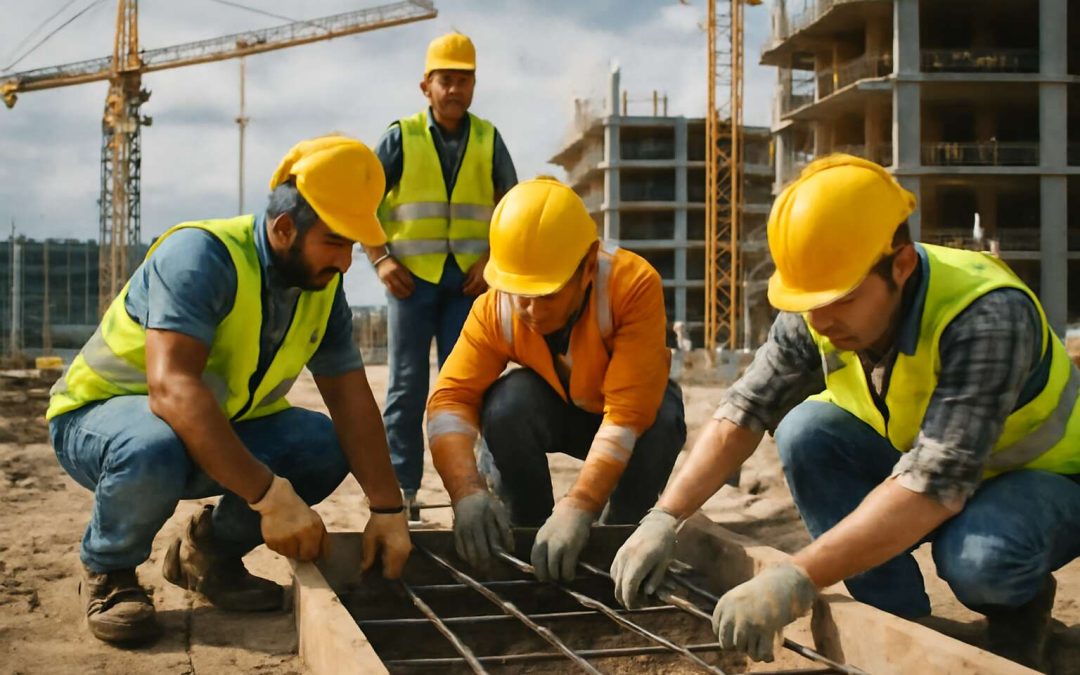
Understanding the Basics of Construction
What Is Construction?
Construction for beginners is more than just stacking bricks or pouring concrete; it’s a complex dance of planning, precision, and purpose. At its core, construction involves transforming raw materials into structures that serve societal needs—homes, bridges, schools, and beyond. Understanding what construction truly entails requires recognising its multifaceted nature, blending engineering prowess with creative problem-solving.
Fundamentally, construction can be broken down into key phases: design, planning, and execution. Each step demands meticulous attention to detail and a deep understanding of materials, safety standards, and project management. For those venturing into construction for beginners, grasping these foundational elements is crucial, as they underpin the entire process and ensure successful project completion.
In essence, construction is both an art and a science. It’s about bringing visions to life while adhering to strict technical and safety protocols. Whether working on a small renovation or a large infrastructure project, recognising the importance of each stage and the roles involved is vital for anyone starting out in construction for beginners.
Types of Construction Projects
When delving into construction for beginners, understanding the various types of construction projects is like having a secret map to the building universe. Each project type has its unique challenges, materials, and skill sets, making the world of construction both diverse and endlessly fascinating. Whether you’re dreaming of laying the foundation for a cosy home or managing a sprawling commercial development, recognising these categories helps clarify the scope and complexity involved.
Construction projects generally fall into a few broad categories, each requiring specialised knowledge and planning. These include residential, commercial, industrial, and infrastructure projects. Residential construction, for example, involves building homes and apartment complexes that cater to daily life, while commercial projects focus on offices, shopping centres, and hotels. Infrastructure projects—think bridges, roads, and airports—are massive undertakings that keep society moving forward.
To give you a flavour, here’s a quick rundown of the main types of construction projects:
- Residential Construction – Homes, apartment blocks, and neighbourhood developments.
- Commercial Construction – Office buildings, retail spaces, and hospitality venues.
- Industrial Construction – Factories, warehouses, and manufacturing plants.
li>Infrastructure – Roads, bridges, railways, and utility facilities.
Recognising these distinctions is a vital step for anyone interested in construction for beginners, offering clarity on what each project entails and the skills needed to succeed. It’s a colourful, challenging world—so strap in and get ready to build something extraordinary!
Key Construction Terminology
Understanding the basics of construction key construction terminology is essential for anyone venturing into construction for beginners. The industry is filled with specialised words that can seem confusing at first. Familiarity with core terms helps you navigate conversations and understand project plans more effectively.
For example, knowing what a “blueprint” or “specification” means can save time and reduce mistakes. Similarly, grasping concepts like “load-bearing walls” or “foundation types” gives you a clearer picture of how structures come together.
Construction for beginners often involves learning these foundational terms to build confidence and competence on site. A basic glossary might include terms such as:
- Schedule of works
- Site clearance
- Structural framing
- Concrete curing
Building vocabulary isn’t just about words; it’s about understanding the language of construction itself. This knowledge simplifies communication and helps you grasp how different components fit into the larger project.
Essential Construction Skills for Beginners
Basic Technical Skills
Construction for beginners requires more than just a willingness to learn; it demands a solid foundation of basic technical skills. These skills are the building blocks for safe and efficient work on any construction site. Understanding measurements, reading blueprints, and operating essential tools are crucial components that set the stage for success in this field.
One of the most important aspects of construction for beginners is mastering fundamental technical skills such as using hand tools properly, understanding safety protocols, and recognising different materials. These skills often involve precise attention to detail and an ability to adapt quickly to new challenges.
In addition to these core competencies, developing practical knowledge of site organisation and basic carpentry techniques can significantly boost confidence and productivity. A well-rounded grasp of these skills makes all the difference in turning novice workers into competent contributors to any construction project.
Safety and Compliance
In the realm of construction for beginners, safety and compliance are not just regulations—they’re the backbone of every successful project. The importance of understanding safety protocols cannot be overstated; a single oversight can lead to delays, injuries, or worse. Construction sites are dynamic environments where hazards lurk around every corner, making vigilance essential for every worker.
Adhering to safety standards involves more than wearing a helmet. It requires a comprehensive awareness of site-specific risks, proper use of personal protective equipment (PPE), and strict compliance with legal safety protocols. Recognising potential hazards early can be the difference between a smooth operation and a costly accident. For those just entering the field, developing an instinct for safety can transform a novice into a trusted contributor on any construction site.
- Understanding safety signage and warnings
- Consistently inspecting tools and equipment
- Following proper procedures for lifting and moving materials
In construction for beginners, mastering these safety and compliance essentials fosters a culture of caution and accountability. It’s this foundation of awareness that ensures every project proceeds without unnecessary setbacks, safeguarding both workers and the integrity of the build. After all, in construction, safety isn’t just a rule—it’s the very fabric of craftsmanship itself!
Tools and Equipment Knowledge
In the vast realm of construction for beginners, possessing a solid grasp of tools and equipment is akin to wielding a magician’s staff—powerful, precise, and transformative. The difference between a novice and a seasoned builder often hinges on familiarity with the myriad instruments that breathe life into blueprints and sketches. Every hammer, drill, or saw has a story, a purpose, and a method to wield it safely and effectively.
Understanding the capabilities and limitations of essential construction tools not only boosts confidence but also ensures safety and efficiency on site. For those embarking on their construction journey, mastering the correct usage of equipment like levels, measuring tapes, and power tools is fundamental. It’s a world where attention to detail can prevent mishaps and save time, making every task smoother and more precise.
To streamline the learning process, many construction for beginners find it helpful to focus on core equipment such as:
- Hand tools like hammers, screwdrivers, and chisels
- Power tools including drills, saws, and grinders
- Measuring devices such as laser levels and tape measures
By developing a profound understanding of these tools, beginners can confidently contribute to projects, transforming raw materials into structures of enduring strength. In this enchanted world of building, mastery of tools is not just a skill—it’s the key to unlocking endless possibilities for construction for beginners, turning visions into tangible reality with every well-placed strike and precise measurement.
Planning and Designing Construction Projects
Reading Blueprints and Plans
Embarking on a construction project without a clear plan is akin to navigating a ship without a compass. In construction for beginners, understanding how to meticulously plan and design a project lays the foundation for success. It’s about translating ideas into tangible blueprints that communicate every detail, from structural integrity to aesthetic finesse. Reading blueprints and plans may seem daunting initially, but it’s an essential skill that transforms raw designs into actionable steps. Recognising symbols, measurements, and specifications within these documents unlocks a deeper comprehension of the project’s scope and requirements.
In the realm of construction for beginners, mastering the art of reading blueprints ensures every stakeholder is aligned. Here’s a quick overview of key aspects:
- Interpreting technical drawings
- Understanding scale and dimensions
- Recognising standard symbols and annotations
This foundational knowledge empowers newcomers to approach construction with confidence and precision, setting the stage for a smoother journey from concept to completion. Because in construction for beginners, clarity in planning is not just a virtue—it’s the very blueprint of success!
Project Planning and Scheduling
In the realm of construction for beginners, the magic lies in meticulous project planning and scheduling. Without a well-crafted blueprint for how each phase unfolds, even the most promising ideas can become lost in chaos. Effective project planning transforms raw concepts into a clear timeline, setting priorities and allocating resources with precision. It’s akin to charting a course through uncharted waters—every decision and step mapped out before the first brick is laid.
Construction scheduling is the heartbeat of any successful project. It involves breaking down tasks into manageable segments, ensuring that every detail aligns seamlessly with the overarching vision. For instance, a simple ordered list can be invaluable:
- Defining project milestones
- Allocating timeframes for each task
- Coordinating labour and materials
- Monitoring progress regularly
By mastering these elements, beginners gain a sense of control and confidence, transforming the construction journey from uncertain to strategic. In construction for beginners, effective planning isn’t just about logistics—it’s about weaving a story of success from the first sketch to the final flourish.
Budgeting and Cost Estimation
Budgeting and cost estimation form the backbone of any successful construction project. Without an accurate grasp of financial boundaries, even the most innovative designs risk spiralling out of control. For those venturing into construction for beginners, understanding how to forecast expenses with precision can be a game-changer. It’s not merely about tallying up materials and labour; it involves a careful analysis of potential risks, unforeseen expenses, and contingency funds.
Effective cost estimation begins with a detailed breakdown of all project components. Consider this simplified approach:
- Itemise materials, labour, and equipment costs
- Identify potential additional expenses, such as permits or unexpected delays
- Allocate a contingency fund—typically 10-15% of the total budget
- Regularly review and adjust estimates as the project progresses
In construction for beginners, mastering budgeting isn’t just about staying within financial limits; it’s about weaving a narrative of fiscal discipline and strategic foresight. Every pound spent should serve a purpose, ensuring that the project remains viable from start to finish, even when surprises lurk behind the blueprints.
Construction Materials and Techniques
Common Construction Materials
Construction materials form the backbone of any building project, shaping both its durability and aesthetic appeal. For those venturing into construction for beginners, understanding the common materials used can make a world of difference.
Concrete, often regarded as the workhorse of construction, provides unmatched strength and versatility. It’s a composite material made from cement, aggregates, and water, which can be poured into moulds to create a variety of structures. Meanwhile, timber remains a favourite for its sustainability, ease of use, and natural warmth—perfect for framing, flooring, and interior features. Steel, with its incredible tensile strength, is indispensable in high-rise structures and bridges, offering stability and resilience.
A few other common construction materials include bricks, which lend a classic charm and durability; and insulation materials like mineral wool and foam, critical for energy efficiency. When starting out with construction for beginners, recognising these materials and their unique properties helps lay a solid foundation—literally and figuratively—for successful projects!
Fundamental Construction Techniques
In the world of construction for beginners, understanding fundamental construction techniques can turn a daunting task into a manageable process. These techniques are the backbone of every successful project, ensuring safety, efficiency, and quality. A key principle is proper site preparation, which sets the stage for everything that follows. Without a solid foundation—literally and figuratively—structures risk instability and costly repairs.
One essential technique is the proper mixing and curing of concrete. Achieving the right consistency and allowing it to set correctly is crucial for strength and durability. Similarly, timber framing requires precise measurements and joint techniques to ensure stability and longevity. For those interested in mastering construction for beginners, familiarity with basic methods like these is invaluable.
When deploying construction materials such as steel and bricks, understanding their placement and bonding methods can make a significant difference. For instance, using the right adhesive or mortar can enhance the lifespan of a structure. Techniques like these exemplify the craftsmanship behind construction for beginners and highlight the importance of attention to detail in every phase of a project.
Environmental Considerations
Construction materials are the backbone of every project, but choosing the right ones goes beyond simple selection. For beginners, understanding the environmental impact of these materials is essential. Sustainable options like recycled steel, eco-friendly bricks, and low-VOC paints can significantly reduce a project’s carbon footprint. Incorporating environmentally conscious techniques not only benefits the planet but can also lead to long-term cost savings and improved building performance.
In construction for beginners, it’s important to consider how materials are sourced and their lifecycle. Green building practices, such as using locally available resources and opting for biodegradable or recyclable materials, are gaining momentum. Moreover, techniques like proper insulation and energy-efficient design help optimise the use of resources, making structures more environmentally friendly.
As the construction industry evolves, so do the methods to minimise environmental impact. Here are some key considerations:
- Choosing renewable or recycled materials whenever possible
- Implementing waste management strategies to reduce debris
- Applying energy-efficient construction techniques from the outset
Familiarity with environmentally conscious construction materials and techniques empowers beginners to build responsibly. The focus on sustainability ensures that even small projects contribute to a healthier planet while maintaining safety and durability standards.
Managing a Construction Site
Site Safety Protocols
Managing a construction site effectively hinges on rigorous safety protocols that protect everyone involved. For those just stepping into the realm of construction for beginners, understanding the importance of site safety cannot be overstated. A well-organised safety plan not only reduces accidents but also fosters a culture of vigilance and responsibility among workers.
Implementing comprehensive site safety protocols involves regular risk assessments and clear communication of safety expectations. It’s crucial to ensure that all personnel are equipped with the necessary personal protective equipment (PPE), such as helmets, high-visibility vests, and safety boots.
To streamline safety management, consider establishing a safety checklist that includes:
- Regular site inspections
- Clear signage indicating hazards
- Designated safe zones for work and break times
- Immediate reporting procedures for unsafe conditions
By prioritising these safety measures, construction for beginners can evolve into a smooth, secure process—an essential foundation for any successful project.
Team Coordination and Communication
Effective team coordination and communication are the backbone of successful construction for beginners. When everyone is on the same page, projects run smoothly, deadlines are met, and safety is maintained. Clear communication channels prevent misunderstandings that could lead to costly delays or accidents.
A simple yet powerful approach involves establishing defined roles and responsibilities early on. Regular briefings keep everyone informed about project updates, safety concerns, and potential hazards. It’s equally important to foster an environment where team members feel comfortable voicing concerns or suggestions.
To enhance communication, consider using tools like walkie-talkies or digital project management software. These methods facilitate instant updates and accountability. Maintaining an organised construction site team requires ongoing effort, but the payoff is a cohesive workforce committed to quality and safety. For those embarking on construction for beginners, mastering team coordination can make or break the project’s success.
Supervision and Quality Control
Managing a construction site requires more than just overseeing the physical work; it demands a vigilant eye on supervision and quality control. In the realm of construction for beginners, it’s tempting to focus solely on completing tasks, but true mastery lies in cultivating a culture of excellence and accountability. Every detail, no matter how minute, can ripple into costly delays or safety hazards if left unchecked.
Effective supervision hinges on consistent oversight and a keen understanding of quality benchmarks. Regular inspections, transparent documentation, and fostering a sense of collective responsibility ensure that standards are maintained. It’s not merely about catching errors but creating an environment where excellence becomes ingrained in every action.
To streamline quality management, consider implementing a systematic approach:
- establish clear checkpoints at each stage of construction
- adhere strictly to safety protocols
- conduct thorough inspections before progressing to subsequent phases
This meticulous attention to detail safeguards the integrity of the build and upholds the moral obligation to deliver durable, safe structures.
Learning Resources and Next Steps
Training and Certification Programs
Embarking on a journey into construction for beginners requires more than just grit; it demands a foundation built on continuous learning and growth. Fortunately, a wealth of learning resources awaits those eager to deepen their understanding of this dynamic industry. From comprehensive online courses to specialised workshops, aspiring construction professionals can access materials that illuminate every facet of the craft, ensuring they remain well-equipped to face real-world challenges.
Next steps in this pathway often involve engaging with training and certification programmes that elevate skills and enhance credibility. These programmes not only bolster confidence but also open doors to more ambitious projects. For instance, certification in health and safety standards or specialised technical skills can significantly improve employability and project quality. Remember, in construction for beginners, every new skill learned is a brick laid in the edifice of a successful career.
To streamline your progress, consider exploring structured programmes that include:
- Hands-on workshops led by seasoned professionals
- Online modules designed for flexible learning
- Industry-recognised certifications that validate expertise
By investing in these resources and stepping into targeted training, beginners can transform raw enthusiasm into refined craftsmanship—each step bringing the dream of a robust career closer to reality, one skill at a time.
On-the-Job Experience
Gaining on-the-job experience is an indispensable part of building a career in construction for beginners. Practical exposure allows newcomers to see how theoretical knowledge translates into real-world applications. Working alongside seasoned professionals, beginners can learn crucial skills that no classroom can fully provide. This hands-on approach not only boosts confidence but also deepens understanding of complex processes on-site.
Engaging in real projects helps bridge the gap between learning and doing. It’s where mistakes become lessons and where adaptability is honed. Many construction companies value practical experience highly; it often counts as much as formal training and certification. For those just starting out, seeking out apprenticeships, internships, or entry-level roles can be the crucial next step. These opportunities serve as the cornerstone for a solid foundation in construction for beginners.
To maximise growth, consider structured on-the-job learning that includes mentorship from experienced workers. Such programmes foster an environment where skills are refined through continuous feedback and real-time problem solving. This blend of theory and practice accelerates the journey from novice to capable professional in the construction industry.
Networking and Professional Development
As the construction industry continues to evolve at a rapid pace, access to the right learning resources can make all the difference for those embarking on a journey into construction for beginners. Online courses, industry publications, and specialised training platforms provide invaluable insights that go beyond the basics. These resources keep newcomers updated on emerging trends, innovative techniques, and the latest safety standards—crucial elements for staying ahead in this competitive field.
Next steps in a construction career often hinge on effective networking and professional development. Building relationships with experienced professionals opens doors to mentorship and apprenticeship opportunities. Attending industry events, joining trade associations, or participating in online forums can foster connections that accelerate growth. Remember, in construction for beginners, the power of a strong network can transform potential into tangible success. Engaging consistently in professional development ensures skills remain sharp and relevant, paving the way for long-term career advancement.
