
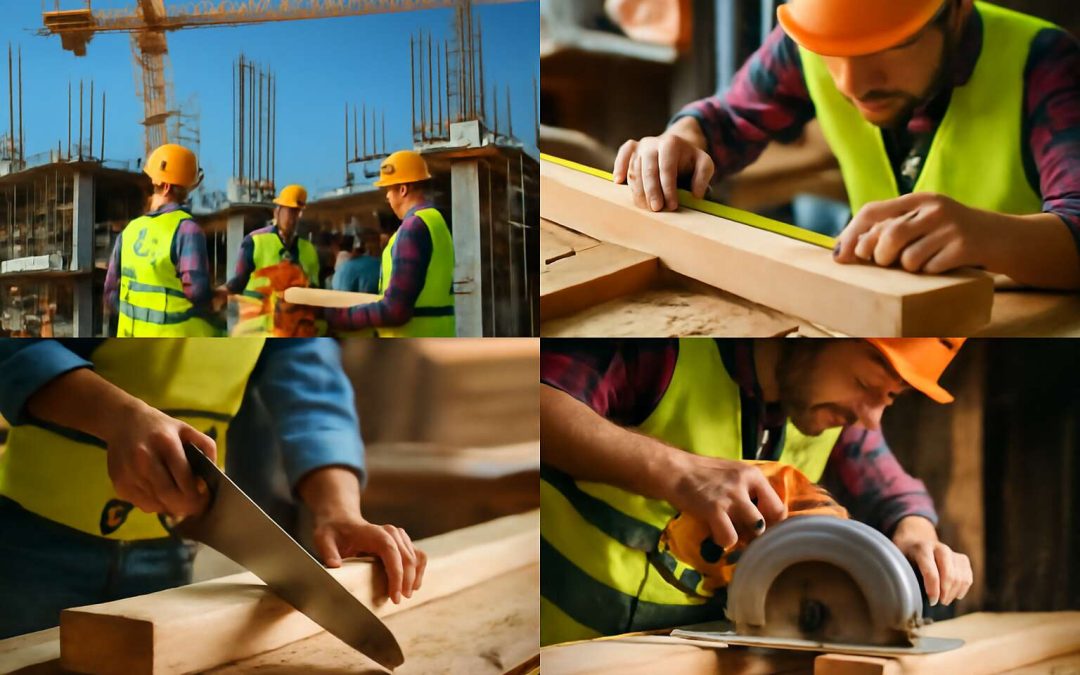
Understanding the Key Differences Between Construction and Carpentry
Definition of Construction – Explaining what construction encompasses in the building industry
In the shadowed corridors of the building world, the distinction between construction vs carpentry is often blurred, yet it remains a vital divide. Construction, in its broadest sense, embodies the orchestration of entire structures—encompassing planning, logistics, and the assembly of complex frameworks that rise from the earth like monuments of human ambition. It’s a symphony of disciplines, where architects, engineers, and labourers collaborate to forge spaces that transcend mere shelter.
While construction covers a vast domain, carpentry is more intimate, a craft rooted in the tangible manipulation of timber and materials that shape the very soul of a building. Carpenters breathe life into raw materials, transforming them into beams, frames, and intricate details that define the aesthetic and structural integrity of a space. The essence of the debate often hinges on this fundamental difference: the grand vision of construction vs the meticulous artistry of carpentry.
Understanding these distinctions is crucial for anyone venturing into the realm of building. The debate of construction vs carpentry isn’t merely academic—it’s the heartbeat of every project, every structure that stands as a testament to human ingenuity and craftsmanship.
Definition of Carpentry – Clarifying the role and scope of carpentry work
At the heart of every enduring structure lies a craft that is both precise and artistic—carpentry. Unlike the sweeping scope of construction, which orchestrates entire projects from blueprints to grand frameworks, carpentry hones in on the tangible, tactile process of shaping raw materials into functional and aesthetic components. It’s a discipline rooted in skill, patience, and an eye for detail, transforming timber into everything from intricate mouldings to sturdy load-bearing beams.
Understanding the role and scope of carpentry is essential when exploring the differences in the construction vs carpentry debate. Carpenters are artisans of the building world, responsible for the detailed assembly that gives a structure its character and stability. Their expertise often extends into areas like:
- Framing walls and roofs
- Installing cabinetry and fixtures
- Creating custom woodwork that elevates interior design
This craftsmanship is what infuses a building with personality and resilience, often hidden behind the grandeur of the overall construction process. In the ongoing dialogue of construction vs carpentry, it’s clear that while construction provides the scale and scope, carpentry delivers the finesse that transforms blueprints into tangible reality. Both roles, though distinct, are intertwined in the symphony of building—a dance of precision and vision that shapes our built environment in ways both seen and unseen.
Core Skills and Responsibilities – Comparing the fundamental skills required in each field
Understanding the core skills that differentiate construction from carpentry is crucial for appreciating their unique contributions to the building industry. While construction managers oversee entire projects, focusing on planning, logistics, and safety, carpenters delve into the hands-on craft of shaping and assembling materials. The skills required in carpentry are highly specialised, demanding precision, an eye for detail, and a deep understanding of woodwork and joinery.
In contrast, construction professionals often possess broader knowledge of building codes, structural engineering, and project management. Their responsibilities include coordinating various trades and ensuring the project progresses on schedule. To clarify, here’s a quick comparison:
- Carpenters excel in detailed craftsmanship—installing fixtures, creating custom woodwork, and framing structures.
- Construction workers handle larger-scale tasks—pouring concrete, erecting frameworks, and managing site logistics.
Both fields require a set of core skills that are essential for the integrity of any building project. In the ongoing debate of construction vs carpentry, recognising these distinctions helps clarify how each role shapes our built environment—from the tangible elements of craftsmanship to the overarching structure of construction management.
Types of Projects Handled – Different types of projects typically undertaken by construction and carpentry professionals
When it comes to construction vs carpentry, the scope of projects each profession handles can be strikingly different, yet equally vital to the building process. Construction professionals tend to focus on large-scale endeavours that shape entire structures or infrastructure, such as commercial buildings, bridges, and residential developments. Their work often involves managing multiple phases—from foundation laying to roofing—requiring a broad understanding of structural engineering and project coordination.
Carpenters, on the other hand, excel in the intricate, detail-oriented tasks that bring character and craftsmanship to a project. They typically handle custom woodwork, interior fittings, and framing—specialising in creating functional, aesthetic features that define a space’s personality. The types of projects they undertake often include bespoke furniture, staircases, and specialised framing tasks, where precision and craftsmanship are paramount.
In essence, the key distinction in the construction vs carpentry debate lies in the scale and nature of the work: construction professionals build the backbone of our structures, while carpenters infuse them with detail and finesse. Understanding these roles highlights how each contributes uniquely to the creation of our built environment. The range of projects they handle demonstrates their specialised skills and their indispensable roles within the industry.
Educational and Training Requirements
Construction Education Pathways – Overview of training programs and certifications in construction
In the realm of building professions, the pathway to mastery often hinges on specialised education and rigorous training. The landscape of construction education pathways offers a tantalising variety of training programmes and certifications designed to elevate skills and validate expertise. From vocational colleges to apprenticeship schemes, aspiring professionals find themselves immersed in structured learning that combines theoretical knowledge with practical application.
For those drawn to the intricate craftsmanship of carpentry, acquiring recognised qualifications—such as NVQ levels or City & Guilds certificates—can open doors to a world of bespoke projects and artisanal mastery. Meanwhile, a broader spectrum of construction certifications, including health and safety standards or project management credentials, caters to individuals seeking to navigate the expansive scope of the construction industry. Whether choosing the specialised finesse of carpentry or the multifaceted nature of construction, understanding these educational routes is vital—especially when contrasting construction vs carpentry, where the depth and focus of training often define career trajectories.
Carpentry Education Pathways – Details on apprenticeships, certifications, and specialized training for carpenters
Building a career in carpentry demands more than just a passion for craftsmanship; it requires a dedicated journey through specialised training and recognised qualifications. Apprenticeships are often the cornerstone of this pathway, blending on-the-job experience with formal education. Many aspiring carpenters opt for programmes that lead to NVQ levels or City & Guilds certificates, which serve as tangible proof of their skills and commitment. These certifications not only validate expertise but also open doors to more complex and rewarding projects.
In addition to apprenticeships, specialised training courses focusing on areas like timber framing or advanced joinery can elevate a carpenter’s repertoire. For those seeking broader horizons within the construction industry, combining carpentry credentials with health and safety standards or project management certifications offers a comprehensive skill set. This layered approach to education underscores the nuanced differences in training when considering construction vs carpentry, highlighting how targeted qualifications can shape a professional’s career trajectory within these intertwined yet distinct fields.
Skill Development and On-the-Job Training – How training differs and overlaps between the two professions
Training and skill development in the construction vs carpentry debate are as distinct as night and day, yet they often overlap in surprising ways. While both professions demand a solid foundation of technical knowledge, their pathways diverge in focus and depth. Construction training programmes tend to encompass broad industry standards, safety protocols, and project management essentials, preparing professionals for large-scale projects that require coordination across multiple disciplines.
In contrast, carpentry education is more specialised, honing craftsmanship through apprenticeships and certifications that emphasise precise joinery, timber work, and detailed finishing. Aspiring carpenters often undergo on-the-job training that immerses them in specialised techniques, such as advanced framing or bespoke woodwork. Interestingly, many carpenters supplement their skills with courses in health and safety or project planning, broadening their career prospects within the wider construction industry.
- Construction professionals typically undergo formal education in construction management or civil engineering.
- Carpenters focus on hands-on training, often through apprenticeships that combine practical experience with recognised qualifications like NVQ levels or City & Guilds certificates.
While the training for construction vs carpentry shares foundational elements—like safety awareness and technical competence—the depth and scope differ markedly. This layered approach to skill development ensures each profession can meet the unique demands of their respective roles, whether managing complex infrastructure or crafting intricate woodwork that stands the test of time.
Tools and Equipment Used
Construction Equipment – Overview of large-scale machinery and tools used in construction projects
Construction vs carpentry is a compelling comparison, especially when examining the tools and equipment that define each craft. In large-scale construction projects, the arsenal of machinery is both awe-inspiring and essential. Tower cranes rise majestically over urban skylines, while bulldozers and excavators carve through terrain with relentless precision. These robust tools enable the swift execution of complex infrastructure, from bridges to skyscrapers, showcasing the scale at which construction professionals operate.
Within this realm, specific equipment such as concrete mixers, scaffolding systems, and pneumatic drills are indispensable. Conversely, carpentry relies on a more refined set of hand and power tools, including saws, chisels, and drills, tailored for intricate woodwork. Recognising these distinctions highlights the vast scope of skills involved in construction vs carpentry, illustrating how each profession shapes the environment we live in with unique expertise.
Carpentry Tools – Description of hand tools and power tools specific to carpentry
In the realm of construction vs carpentry, the tools used tell a story of precision, craft, and artistry. Carpentry tools, in particular, are designed for finesse and detail, reflecting the intricate nature of woodwork. Hand tools like chisels, hammers, and hand saws are staples for shaping timber with finesse, while power tools such as electric drills, circular saws, and jigsaws accelerate the process without sacrificing accuracy. These tools empower carpenters to craft everything from ornate mouldings to sturdy furniture, showcasing their mastery over wood.
Unlike the brute force of large machinery in construction, carpentry relies on a delicate balance of skill and specialised equipment. A few essential tools include:
- Saws (hand and power)
- Chisels
- Measuring tapes and squares
- Power drills
Each tool plays a pivotal role in transforming raw timber into functional art. Whether it’s the precision of a fine saw or the power of a cordless drill, understanding the tools of the trade reveals the unique demands of construction vs carpentry—one driven by scale, the other by detail. The difference lies not just in the equipment but in the mastery required to wield them effectively, shaping our environment with undeniable skill and craftsmanship.
Technological Advances – Impact of new technology in both fields for efficiency and safety
The dawn of technological innovation has transformed the landscape of both construction vs carpentry, illuminating pathways to unprecedented efficiency and safety. In the realm of construction, heavy machinery like cranes, bulldozers, and advanced scaffolding systems have become indispensable, enabling large-scale projects to unfold with remarkable speed and precision. Conversely, carpentry continues to evolve through laser measurement tools, CNC routers, and smart saws that elevate craftsmanship to new heights. These innovations allow artisans to craft intricate woodwork with unparalleled accuracy, blending tradition with modern marvels.
For carpenters, embracing these technological advances means harnessing tools that streamline workflow without compromising artistry. The integration of digital design software, for example, allows for detailed planning and seamless execution of complex mouldings or furniture. Meanwhile, safety remains paramount in both fields; innovations such as wearable tech and automated machinery reduce hazards and promote well-being on-site.
- Laser-guided measurement devices
- Smart power tools with safety features
- Automated machinery in construction projects
The confluence of these technological strides underscores a fascinating dichotomy: construction vs carpentry may differ in scale and scope, but both thrive on innovation that enhances skill, accelerates processes, and safeguards lives. The future promises a symphony of human ingenuity and technological prowess, forging environments that are as safe as they are spectacular.
Work Environment and Job Sites
Construction Site Environment – Characteristics of construction project sites
The work environment in the world of construction vs carpentry reveals a stark contrast that shapes the very essence of each profession. Construction sites are sprawling, often chaotic landscapes of activity, where towering cranes and heavy machinery dominate the horizon. These environments demand resilience, adaptability, and an eye for safety amidst the unpredictable rhythm of large-scale projects.
In contrast, carpentry work sites tend to be more contained and refined, often confined to specific areas like homes, workshops, or renovation sites. The atmosphere is more intimate, allowing for a closer connection to craftsmanship and detail. Here, the focus shifts to precision and artistry, with tools and materials laid out in harmony. A key characteristic of construction site environments is their variability—weather, project scope, and site logistics can change dramatically from day to day.
- Construction sites often operate around tight schedules, requiring coordination of multiple teams and heavy equipment.
- Carpenters typically work within smaller teams or solo, honing skills that demand patience and meticulous attention to detail.
Whether navigating the expansive chaos of construction vs carpentry, each environment offers unique challenges and rewards. The difference lies not only in scale but in the very fabric of daily life on the job site, shaping professionals’ experiences and their craft’s ultimate impact on built environments.
Carpentry Workshop and On-site Work – Differences in work settings for carpenters
The work environments of construction vs carpentry are as disparate as the worlds they inhabit. Carpentry workshops are sanctuaries of precision, where masterful artisans breathe life into wood and carefully curated materials. These intimate spaces are often characterised by organised chaos—handsaws, chisels, and measuring tapes lie in harmonious proximity, ready to craft detailed masterpieces. The atmosphere fosters patience and meticulous attention to detail, transforming raw materials into works of art with every careful cut and join.
Conversely, construction sites resemble bustling, sprawling landscapes of organised chaos. Here, heavy machinery roars to life, cranes sway overhead, and the air hums with activity. The environment demands adaptability, resilience, and a keen eye for safety amidst unpredictable weather and logistical challenges. The scale of construction vs carpentry becomes evident as these sites operate on a grander canvas, often involving multiple teams and complex coordination.
- The confined spaces of carpentry workshops allow for a focused environment where craftsmanship and artistry flourish.
- Construction sites, by contrast, are characterised by their vastness and dynamic nature, requiring professionals to manage variability daily.
Whether working within the cosy confines of a carpentry workshop or navigating the sprawling chaos of a construction site, each environment shapes the skills and experiences of the professionals involved. The difference in work settings not only defines their daily routines but also influences the craftsmanship that ultimately elevates the built environment.
Work Conditions and Safety Considerations – Common safety protocols and environmental factors
In the realm of building, the environments where construction and carpentry unfold are as contrasting as their roles. Construction sites are vast, often sprawling arenas where the chaos of heavy machinery and towering cranes dominates the landscape. Here, safety protocols are paramount—hard hats, high-visibility clothing, and strict signage form the armour against unpredictable hazards. Environmental factors such as weather fluctuations—rain, wind, and extreme temperatures—test resilience daily. Meanwhile, the confined, meticulously organised spaces of carpentry workshops cultivate a different atmosphere, where precision and craftsmanship reign supreme. Safety remains critical, with protective eyewear, dust masks, and careful handling of sharp tools being standard practice. The focus on detail in carpentry environments fosters a culture of meticulousness, while construction sites demand adaptability amid their dynamic, unpredictable nature. Understanding these nuanced differences in work conditions highlights how each setting uniquely shapes the skills and safety considerations vital to each profession.
Career Opportunities and Advancement
Growth Potential in Construction – Career paths, specialization options, and industry demand
The world of construction vs carpentry offers a captivating landscape of career opportunities and growth potential. While the construction industry continues to expand, driven by urbanisation and infrastructure development, carpentry remains the artisan’s craft—rooted in tradition yet embracing technological innovation.
For those seeking career paths, construction provides a broad spectrum—from project management to specialised trades such as steel fixing or surveying. Conversely, carpentry often leads to mastery in bespoke joinery or historic restoration, where craftsmanship is prized above all. Industry demand for skilled professionals in both fields remains high; however, construction tends to offer more rapid advancement, especially with experience and additional certifications.
More often than not, professionals in these fields can pursue a variety of specialisation options, enhancing their expertise and employability. Whether through formal apprenticeship schemes or industry-sponsored training, the potential for professional growth in construction vs carpentry continues to flourish—making either a sound choice for those eager to build a future from the ground up.
Career Progression in Carpentry – Advancement opportunities, entrepreneurship, and specialization
In the shadowy corridors of skilled trades, carpentry stands as a testament to craftsmanship and artistry—an ancient craft that transforms raw timber into timeless masterpieces. For those drawn to the allure of mastery, career opportunities in carpentry are as varied as the grains of wood itself. From bespoke joinery to restoring historic buildings, the path is paved with potential for artisans eager to carve their legacy.
Advancement in carpentry often hinges on honing specialised skills and building a reputation that precedes you. Many carpenters venture into entrepreneurship, transforming their mastery into thriving businesses that craft everything from custom furniture to intricate woodwork. The journey can also lead to roles in project supervision or consulting, where expertise in niche areas such as timber framing or heritage restoration commands respect and higher earnings.
Furthermore, the realm of professional growth is not limited solely to on-site mastery. Formal training and certifications—like advanced carpentry diplomas or specialised courses in historic restoration—unlock doors to new horizons. With each project undertaken, a carpenter’s reputation deepens, and their craft becomes more refined, allowing for a slow but steady ascent through the ranks of the construction vs carpentry landscape.
Earning Potential – Salary comparisons and factors influencing income in each field
In the realm of skilled trades, the distinction between construction vs carpentry often sparks curiosity among aspiring professionals. When evaluating career opportunities and earning potential, understanding the nuances of each field becomes essential. Construction roles tend to offer higher salaries overall, driven by the scale and complexity of large projects, while carpentry often provides specialised income streams through niche expertise.
Factors such as geographic location, years of experience, and level of formal training significantly influence earnings. For example, master carpenters with certifications in heritage restoration or bespoke joinery can command premium rates, whereas construction managers overseeing large-scale projects benefit from substantial remuneration.
A typical salary comparison reveals that construction professionals, particularly those in supervisory or project management roles, often earn a higher annual income than entry-level carpenters. However, skilled carpenters who pursue entrepreneurship or specialise in high-demand areas can enjoy lucrative returns that rival or surpass their construction counterparts.
In this ongoing dialogue of construction vs carpentry, the choice ultimately hinges on one’s desire for scale, craftsmanship, and the pursuit of mastery—each pathway offering a unique vista of financial and personal fulfilment.
Impact on the Building Industry and Community
Construction’s Role in Urban Development – How construction drives economic growth and infrastructure
Construction’s influence extends far beyond mere structures; it is the engine that propels economic growth and shapes urban landscapes. Every new building, infrastructure project, or renovation injects vitality into communities, creating jobs and fostering local prosperity. As cities expand and modernise, construction serves as the backbone of progress, ensuring that essential infrastructure—roads, bridges, utilities—keeps pace with population demands.
This dynamic sector also acts as a catalyst for community development, often acting as a bridge between economic opportunity and social cohesion. When comparing construction vs carpentry, it’s evident that while construction drives the larger framework of development, carpentry infuses craftsmanship and aesthetic finesse into the built environment. Together, they forge vibrant communities and sustainable urban futures—proof that construction remains an indelible cornerstone of societal advancement.
Carpentry’s Contribution to Aesthetics and Functionality – The importance of craftsmanship in building durability and beauty
In the grand theatre of building, the impact of carpentry on aesthetics and functionality often steals the show. While construction sets the stage—laying foundations and erecting frameworks—carpentry adds the fine touches that turn a building into a visual masterpiece and a functional space. It’s the difference between a mere shelter and a home that invites you in with its craftsmanship and charm.
Carpenters are the artisans behind intricate woodwork, bespoke furniture, and detailed finishes that elevate a project from utilitarian to extraordinary. Their skill ensures that every joint, moulding, and fixture not only looks stunning but also endures the test of time. When it comes to building durability and beauty, craftsmanship isn’t just a luxury; it’s the backbone of a lasting structure.
Consider this: a well-crafted staircase or a carefully crafted timber ceiling can become the pièce de résistance of a property, showcasing the artistry that only a skilled carpenter can bring. This attention to detail doesn’t merely satisfy aesthetic appetites—it also enhances the overall functionality of a space, making daily living more comfortable and efficient.
In the ongoing debate of construction vs carpentry, the latter’s contribution often remains underappreciated. Yet, without the finesse of carpentry, even the most robust steel frameworks risk feeling cold and impersonal. The harmony between these two professions results in buildings that are not only structurally sound but also warm, inviting, and uniquely tailored to their inhabitants.
Collaborative Nature of the Professions – How construction and carpentry professionals work together on projects
The symbiotic relationship between construction and carpentry shapes the heartbeat of the building industry, forging communities and inspiring architectural marvels. When these two professions harmonise, they create more than just structures; they craft enduring legacies that stand the test of time. The impact of construction vs carpentry extends beyond individual projects, influencing the very fabric of neighbourhoods and urban landscapes.
Construction professionals lay the foundational bones—erecting frameworks, managing logistics, and ensuring structural integrity—while carpenters breathe life into these skeletons with artistry and finesse. Their collaborative efforts often unfold in a dance of precision and ingenuity, where each role complements the other seamlessly. This partnership fosters a collaborative nature that drives the industry forward and nurtures a sense of shared purpose.
On large-scale projects, teamwork becomes paramount. For instance, the installation of intricate timber ceilings or bespoke woodwork requires meticulous coordination, ensuring that aesthetics and functionality coexist harmoniously. A well-orchestrated synergy can be illustrated through a simple sequence:
- Construction teams prepare the site and lay down robust frameworks.
- Carpenters step in to add detailed finishes, bespoke furnishings, and structural customisations.
- Both teams communicate continuously, adapting to unforeseen challenges and refining their craft.
This seamless collaboration not only elevates construction quality but also fosters a vibrant community of skilled tradespeople. It is within this spirit of cooperation that enduring structures emerge—buildings that are not only resilient but also imbued with character and soul. The delicate interplay between construction and carpentry continues to shape skylines and neighbourhoods alike, underscoring their vital roles in creating vibrant, functional, and beautiful environments.
Choosing Between Construction and Carpentry
Personal Skills and Interests – Matching career choices with individual talents and passions
Choosing a career path often feels like stepping into a labyrinth of possibilities, each corridor promising a different adventure. When contemplating construction vs carpentry, your personal skills and passions become the guiding star. If you possess a keen eye for detail, enjoy working with your hands, and find satisfaction in creating something tangible and enduring, carpentry may resonate deeply with your innate talents. Conversely, if you thrive amidst large-scale projects, excel in organisation, and enjoy orchestrating the harmony of complex structures, construction could be your calling.
Matching your interests with the demands of each profession ensures not only job satisfaction but also mastery and growth. While construction leans into the grander scale of infrastructure, carpentry offers a canvas for craftsmanship and artistry. The choice hinges on recognising where your true passions lie—whether in shaping the skyline or perfecting the intricate details of a handcrafted piece. Ultimately, understanding your own skills and interests illuminates the path through the fascinating debate of construction vs carpentry.
Job Market Trends – Current demand and future outlook for each profession
The demand for skilled tradespeople remains resilient even amidst economic fluctuations, highlighting the importance of understanding the current job market trends for construction vs carpentry. Construction, as a broad sector, continues to thrive due to urbanisation and infrastructure projects. Large-scale developments like bridges, commercial complexes, and residential estates sustain high demand for construction workers. Meanwhile, carpentry maintains a steady niche, especially in custom builds, renovations, and specialised craftsmanship.
Looking ahead, the future for construction professionals appears promising, with forecasts predicting growth driven by government investment and sustainable development initiatives. Conversely, carpentry offers unique opportunities in specialised areas such as bespoke interiors and conservation projects.
For those weighing their options, it’s noteworthy that construction work often involves larger teams and diverse skill sets, while carpentry allows for more individualised projects. The choice between construction vs carpentry ultimately hinges on whether one seeks a dynamic, large-scale environment or the artistry of detailed craftsmanship.
Educational and Financial Considerations – Cost and duration of training, certification requirements
Choosing between construction vs carpentry is often a fork in the career road that leaves many pondering: do I want the grandeur of large-scale projects or the finesse of detailed craftsmanship? One of the biggest factors influencing this decision is the cost and duration of training. Construction courses tend to be more comprehensive, often spanning several months to a year, especially if you’re aiming for a recognised certification. These programmes cover a wide array of skills, from blueprint reading to project management, and usually involve safety certifications like CSCS cards.
Carpentry, on the other hand, can be more accessible — apprenticeships and specialised courses often last between two to four years, depending on the depth of expertise sought. An advantage? Carpenters frequently need to invest in specific tools and certifications, but the training itself is generally less costly upfront.
For those who crave rapid entry into the workforce, carpentry’s shorter training period and specialised focus might be appealing. Conversely, building a career in construction often involves a broader educational foundation, opening doors to managerial or supervisory roles down the line. Whichever path you choose, understanding the subtle distinctions in training costs and time investment can be the key to aligning your ambitions with your wallet.
