
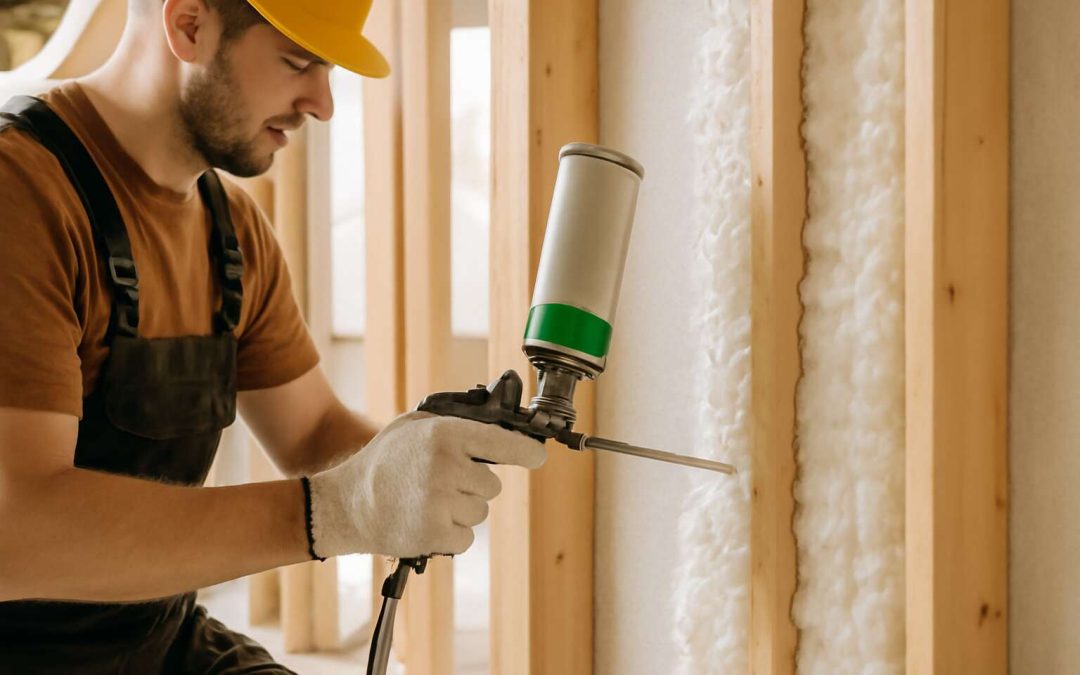
Understanding Construction Foam
Definition and Types of Construction Foam
Construction foam is more than just a filling material; it’s a vital component in modern building practices. When we talk about understanding construction foam, we’re referring to the various types designed to meet specific needs on-site. From insulation to sealing gaps, this versatile material has revolutionized how builders approach efficiency and durability.
There are several common types of construction foam, each tailored for particular applications. These include polyurethane foam, which offers excellent thermal insulation, and expanding foam, known for its ability to fill irregular spaces effectively. Recognizing the differences between these types can make a significant difference in project outcomes.
- Polyurethane foam for insulation and sealing
- Polyethylene foam for cushioning and vibration dampening
- Polyisocyanurate foam for high-performance thermal insulation
Choosing the right construction foam is essential for ensuring that your project meets both safety standards and energy efficiency demands.
How Construction Foam Works
Construction foam is the silent hero in many building projects, often working behind the scenes to make a difference. Its remarkable ability to expand and fill gaps ensures that structures are both airtight and energy-efficient, which is vital in South Africa’s diverse climate. When applied correctly, construction foam creates a seamless barrier, preventing heat loss in winter and keeping interiors cooler in summer. This versatility makes it indispensable for builders and homeowners alike.
Understanding how construction foam works can unlock its full potential. Once dispensed, the foam’s chemical properties cause it to expand rapidly, filling even the most irregular spaces. This expansion not only provides insulation but also offers excellent sealing capabilities, reducing drafts and noise transfer. The process is simple but powerful: the foam reacts with moisture in the air, setting into a durable, lightweight structure that adheres firmly to various surfaces.
Different types of construction foam are designed for specific applications, such as polyurethane foam for insulation or expanding foam for sealing gaps. Recognizing these differences ensures optimal performance and durability. Whether insulating a roof or sealing around windows, using the right construction foam can dramatically improve a building’s energy efficiency and lifespan.
Common Applications in Building and Renovation
Construction foam has become an essential component in modern building and renovation projects across South Africa. Its versatility allows it to be used in a variety of applications, transforming ordinary spaces into energy-efficient, comfortable environments. From insulating walls to sealing gaps around windows and doors, construction foam ensures that every corner of a structure is protected from the elements and energy loss.
One of the most common uses of construction foam is in insulation. It effectively creates a thermal barrier, helping homes stay warm during chilly winters and cool during hot summers. This not only enhances comfort but also significantly reduces energy bills. Additionally, construction foam excels at sealing cracks and gaps, preventing drafts and noise transfer, which is crucial in densely populated areas or noisy neighborhoods.
Builders and homeowners often employ construction foam in specific tasks such as:
- Sealing around window and door frames
- Insulating roof cavities
- Filling cavities in walls
- Sealing joints in concrete structures
Its ability to expand and adhere to various surfaces makes construction foam a go-to material for both new builds and renovation projects, ensuring durability and energy efficiency for years to come. The strategic application of construction foam can dramatically improve a building’s resilience against South Africa’s diverse climate challenges, making it an indispensable part of the construction toolkit.
Types of Construction Foam
Polyurethane Foam
Construction foam isn’t just a one-trick pony; it comes in a delightful variety of forms, each tailored to specific needs. When you hear “polyurethane foam,” think of the chameleon of the construction world—versatile, reliable, and surprisingly adaptable. From high-density options that provide superior insulation to lighter variants perfect for sealing gaps, the array is impressive.
Different types of construction foam serve different purposes; for instance, expanding foam is legendary for filling irregular spaces, while minimal-expansion foam offers precision without the risk of over-inflation. Here are some common types:
- Standard Polyurethane Foam – the go-to for general sealing and insulation.
- High-Performance Foam – designed for areas requiring extra durability and thermal efficiency.
- Low-Expansion Foam – ideal for delicate or precise applications where over-expansion might cause issues.
Understanding the nuances of each type ensures you select the right construction foam for your project—because, let’s face it, one size rarely fits all in the world of building and renovation.
Polystyrene Foam
When it comes to construction foam, choosing the right type can make all the difference. Polystyrene foam, often overlooked, offers remarkable versatility in building projects across South Africa. This lightweight yet sturdy material is prized for its excellent thermal insulation properties and ease of installation. Its rigid structure makes it ideal for creating energy-efficient walls and roofing systems that stand up to the country’s variable climate.
There are several variants of polystyrene foam tailored to specific needs, including expanded polystyrene (EPS) and extruded polystyrene (XPS). EPS, known for its affordability and flexibility, is commonly used for insulation boards and packaging. Meanwhile, XPS boasts superior moisture resistance and compression strength, making it suitable for foundation insulation and structural components.
- Expanded Polystyrene (EPS): Perfect for insulating walls and roofing.
- Extruded Polystyrene (XPS): Best for foundation and below-grade insulation.
By understanding the distinct characteristics of each type, builders can select the most appropriate construction foam to enhance durability, energy efficiency, and overall project quality. Whether sealing gaps or insulating entire structures, polystyrene foam remains a cornerstone in modern construction in South Africa.
Polyethylene Foam
Construction foam has become an essential element in modern South African building practices. Its versatility extends beyond simple insulation, offering solutions for sealing, structural support, and soundproofing. Among the most popular types is polyethylene foam, which stands out for its durability and flexibility. This foam is especially effective in applications requiring impact resistance and cushioning.
Polyethylene foam is prized for its lightweight nature, making installation quick and straightforward. It also provides excellent moisture resistance, making it suitable for areas prone to dampness or underground use. Builders often choose this type of construction foam for its ability to maintain stability under varying conditions.
For specific needs, manufacturers produce different variants of polyethylene foam, including cross-linked and non-cross-linked options. These variants differ in density, flexibility, and cost, allowing professionals to tailor their choices to project requirements. Whether used for thermal insulation or gap sealing, polyethylene foam enhances overall building performance in South Africa’s diverse climate.
Other Specialized Foam Types
Beyond the familiar types of construction foam, a world of specialized variants awaits those seeking tailored solutions for complex building challenges. These specialized foams are engineered for precision, offering properties that standard options simply can’t match. For instance, closed-cell polyurethane foam provides exceptional thermal insulation and moisture resistance, making it ideal for demanding South African climates where humidity and temperature fluctuations are common.
Another intriguing category is spray foam, which adapts to irregular spaces with ease, creating an airtight seal that enhances energy efficiency. For structural purposes, high-density construction foam delivers unmatched support and durability, often used in foundation insulation and load-bearing applications. Sometimes, these foams are combined with additives or treated to resist pests, mold, or fire, ensuring long-term performance in hostile environments.
In fact, the diversity of construction foam extends to
- impact-resistant variants
- soundproofing options
- flexible formulations for dynamic structures
—each designed to meet the unique demands of South African construction projects. The choice of specialized foam can make a significant difference, transforming ordinary building materials into resilient, energy-efficient marvels that stand the test of time.
Benefits of Using Construction Foam
Thermal Insulation Properties
Construction foam isn’t just a fancy name for expanding foam; it’s a game-changer in thermal insulation properties that can turn even the chilliest Cape Town mornings into a cozy affair. Its ability to trap air in tiny pockets creates a barrier that significantly reduces heat transfer—making your building not only more energy-efficient but also more comfortable. Imagine slashing those ever-rising electricity bills while giving winter the cold shoulder!
The benefits extend beyond just insulation. Construction foam offers excellent adhesion, filling gaps and cracks that traditional insulation materials might leave behind. This seamless seal ensures minimal air leakage, which is crucial in South Africa’s diverse climate zones. For those pondering its versatility, here’s a quick rundown of what makes construction foam a top contender:
- Enhanced thermal performance
- Superior air sealing capabilities
- Lightweight yet durable structure
- Ease of application and versatility
This combination of properties not only improves energy efficiency but also helps in maintaining consistent indoor temperatures—meaning fewer surprises when the weather throws a tantrum. Who knew that a simple application of construction foam could do so much?
Soundproofing Capabilities
In the quiet moments of a chilly South African evening, it’s easy to forget how sound can seep through the smallest cracks. Construction foam, with its remarkable soundproofing capabilities, offers an almost poetic solution—transforming spaces into sanctuaries of calm amid the chaos. Unlike traditional barriers, construction foam doesn’t merely block noise; it absorbs and dampens it, creating a cocoon of tranquility within your building. This makes it an invaluable asset in urban environments or noisy neighborhoods, where every decibel counts.
What makes construction foam an extraordinary soundproofing material is its ability to fill gaps and irregularities, preventing sound waves from traveling freely through walls and ceilings. Its lightweight yet resilient nature ensures that it doesn’t add unnecessary burden to the structure, while its sealing properties help mitigate vibrations and echoes. For those seeking to elevate their space’s acoustic comfort, the benefits of construction foam are both profound and practical.
- Enhanced acoustic insulation
- Reduced noise pollution from external sources
- Improved privacy within shared spaces
In a world where noise often intrudes upon our need for peace, construction foam emerges as a silent guardian—an unassuming hero that transforms environments into havens of serenity. It’s not merely about quiet; it’s about reclaiming a sense of calm, a moment of respite in an often overwhelming landscape. Truly, the power of construction foam extends beyond insulation—it touches the very essence of human comfort and well-being.
Air and Moisture Sealing
In the bustling landscapes of South African cities and rural retreats alike, controlling air and moisture infiltration is essential for creating durable, energy-efficient structures. Construction foam emerges as a silent hero in this quest, seamlessly sealing gaps and preventing unwanted drafts. Its remarkable ability to act as an air and moisture barrier ensures that your building remains comfortable and protected from the elements, no matter how wild the weather outside.
This versatile material not only enhances insulation but also fortifies the structure against the damaging effects of humidity and air leakage. By filling tiny crevices and irregularities, construction foam prevents the ingress of moisture, which can lead to mold growth or structural deterioration over time. Its quick application process combined with excellent adhesion makes it a favorite among builders seeking efficient, long-lasting solutions.
For those aiming to elevate their construction projects, the benefits of using construction foam for air and moisture sealing are profound. It boosts energy efficiency, reduces costly repairs, and ensures a healthier indoor environment. Truly, when it comes to safeguarding your investment, construction foam stands out as an invaluable tool in the builder’s arsenal.
Ease of Application and Compatibility
Construction foam isn’t just a miracle worker; it’s a master of disguise, seamlessly blending into every nook and cranny of your building project. Its ease of application means even the most novice DIY enthusiast can turn into a professional in a flash. Spray it, fill it, and watch as it expands to fill gaps faster than you can say “thermal barrier.” This quick turnaround not only saves time but also keeps your project on schedule—because who has time for delays when there’s a building to finish?
Compatibility is another trump card up construction foam’s sleeve. Whether working with concrete, wood, or metal, this versatile material adheres like a loyal sidekick, ensuring an airtight and moisture-resistant seal. Its adaptability makes it the go-to solution for various construction scenarios, from sealing windows in South African homes to insulating complex industrial structures. When it comes to precision and reliability, construction foam truly shines, providing a seamless fit that leaves no room for drafts or dampness.
In the end, it’s clear that the benefits of using construction foam extend beyond mere convenience. Its straightforward application, combined with unparalleled compatibility, makes it an indispensable part of any modern building or renovation project. No wonder builders across South Africa swear by it—because when the goal is durability and efficiency, construction foam is the secret weapon you never knew you needed!
Cost-Effectiveness and Efficiency
Construction foam isn’t just a quick fix; it’s a smart investment that pays off in the long run. Its cost-effectiveness stems from reducing the need for additional materials and labor, making it a budget-friendly choice for builders and homeowners alike. When applied correctly, construction foam instantly improves insulation, sealing gaps that would otherwise let heat escape or dampness seep through.
Efficiency is another hallmark of this versatile material. Its rapid expansion and curing process mean projects proceed faster, saving valuable time and resources. Whether sealing cracks in South African homes or insulating large industrial facilities, construction foam accelerates completion without compromising quality. Its ability to fill irregular spaces precisely ensures a seamless finish, minimizing waste and reducing costly rework.
- Lower material costs by reducing the need for multiple sealing products
- Save time with quick application and curing processes
- Achieve better thermal and moisture control, decreasing energy expenses
The true beauty of construction foam lies in its ability to deliver superior results while keeping expenses manageable. This combination makes it an indispensable tool for building professionals and DIY enthusiasts in South Africa seeking durability, efficiency, and value in their projects. When every rand counts, construction foam truly stands out as a cost-effective solution that doesn’t compromise on performance.
Selecting the Right Construction Foam
Factors to Consider (R-Value, Adhesion, Compatibility)
Choosing the perfect construction foam isn’t just about filling gaps; it’s about unlocking the potential of your building project. When selecting the ideal foam, several factors demand your keen attention—most notably, R-value, adhesion, and compatibility. An impressive R-value ensures your insulation performs optimally, providing reliable thermal efficiency that can significantly cut energy costs in South Africa’s varied climate zones.
Adhesion is equally vital—imagine a fortress where every brick sticks firmly, resisting the forces of weather and time. A construction foam with strong adhesion properties guarantees a secure seal, preventing drafts and moisture infiltration that can undermine the entire structure. Compatibility, meanwhile, ensures the foam works seamlessly with other materials, from concrete to drywall, avoiding unpleasant surprises down the line.
To navigate these considerations, it’s often helpful to evaluate options systematically:
- Check the foam’s R-value for insulation needs
- Ensure it adheres well to your chosen substrates
- Verify compatibility with existing building materials
In the realm of construction foam, the right choice transforms a simple sealant into a silent guardian of comfort and durability.
Environmental Impact and Sustainability
Choosing eco-friendly construction foam isn’t just a nod to Mother Earth; it’s a savvy move that can save you from future headaches—and hefty bills. With South Africa’s diverse climate, selecting a foam with a low environmental impact means less harmful chemicals leaching into our soil and water systems. Sustainability in construction foam involves considering the entire lifecycle, from manufacturing to disposal. Look for products that use renewable resources or are recyclable, ensuring your building project doesn’t leave a heavy carbon footprint.
Some brands go the extra mile by offering biodegradable options, which decompose without leaving toxic residues. When evaluating your options, pay attention to certifications such as Green Seal or EcoLabel, which signal a commitment to environmental responsibility. Remember, a greener choice today translates into a healthier planet tomorrow—and a reputation as a forward-thinking builder. Because in the world of construction foam, being eco-conscious isn’t just fashionable; it’s essential.
Brand and Quality Assurance
Choosing the right construction foam brand isn’t just about snagging the cheapest can on the shelf—though, let’s be honest, who doesn’t love a good bargain? When it comes to durability, performance, and environmental friendliness, a bit of due diligence can save you from future headaches—and unexpected expenses. A reputable brand ensures your project benefits from consistent quality, reliable adhesion, and the right balance of R-value and ease of application.
To truly separate the wheat from the chaff, it pays to look for certain certifications—think Green Seal or EcoLabel—that signal your chosen product adheres to strict environmental standards. These certifications aren’t just marketing fluff; they’re a testament to a brand’s commitment to sustainability and safety. Additionally, some brands have begun offering biodegradable construction foam options, which decompose without toxic residues, ensuring your renovation doesn’t turn into an environmental nightmare.
In South Africa’s diverse climate, selecting a construction foam that withstands temperature fluctuations while maintaining its insulating properties is crucial. When evaluating options, consider a trusted supplier that provides comprehensive quality assurance, including consistent batch testing and customer support. Remember, investing in a top-tier construction foam brand today means fewer surprises tomorrow—because nobody wants their insulation to turn into a sticky, leaky mess!
Proper Application and Installation
Preparation of Surfaces
Before diving into the world of construction foam, a little prep work can save you from a future headache—or a foam disaster! Proper application and installation preparation of surfaces are the unsung heroes of a successful project. Think of it as giving your construction foam the red carpet treatment; clean, dry, and stable surfaces ensure that the foam adheres like a loyal puppy to its owner.
First, inspect the area meticulously—dust, grease, and loose debris are public enemies here. A quick sweep or wipe-down with a suitable cleaner can make all the difference. Moisture is another sneaky villain; damp surfaces can sabotage the bonding process, leading to gaps, leaks, or worse—foam that refuses to set. If you’re working outdoors or in humid conditions, consider using a primer designed for construction foam compatibility to guarantee a seamless adhesion.
To streamline the process, some professionals prefer to follow a step-by-step method:
- Ensure surfaces are clean and dry.
- Remove any loose particles or old paint.
- Apply a primer if necessary, particularly on porous or uneven surfaces.
- Allow adequate drying time before application.
By investing a little time in surface preparation, you’re setting the stage for construction foam to perform at its best—filling gaps, sealing leaks, and insulating like a champ. Remember, the foundation of a perfect foam installation is a clean, stable surface—no shortcuts here! Proper application of construction foam isn’t just about filling space; it’s about creating a resilient barrier that stands the test of time and South Africa’s notoriously unpredictable weather.
Application Techniques
When it comes to construction foam, application isn’t merely a matter of squirting it into a gap and hoping for the best. Precision and technique elevate a good job to a stellar one. A seasoned professional knows that proper application and installation techniques can make all the difference — transforming a potential disaster into a resilient, long-lasting barrier.
The secret lies in a few simple yet crucial steps. First, ensure your surfaces are impeccably prepared—clean, dry, and free of debris. This creates an ideal canvas for the construction foam to adhere to, much like a well-prepared stage for a flawless performance. Then, apply the foam in controlled, steady bursts, avoiding overfilling which can lead to unnecessary mess and waste.
For best results, some experts prefer to follow a structured approach:
- Use a suitable applicator or nozzle to direct the foam precisely.
- Apply in layers if filling large gaps, allowing each layer to expand and cure before the next.
- Trim excess foam after curing, using a sharp blade to achieve a smooth finish.
Remember, the key to effective construction foam application is patience and finesse. Whether sealing around windows or insulating walls, mastering these techniques ensures your project withstands time’s relentless march — even through South Africa’s unpredictable weather patterns. Good application isn’t just about filling space; it’s about creating a fortress of insulation and sealing prowess that lasts a lifetime.
Safety Precautions
Applying construction foam with precision isn’t just about achieving a clean look—it’s about ensuring the integrity and longevity of your project. Safety during installation is paramount, especially when working in confined or hard-to-reach spaces. Proper safety precautions, such as wearing protective goggles and gloves, protect against the tiny but potent chemical particles that can irritate skin and eyes. Ventilation is equally crucial; good airflow helps disperse fumes and prevents inhalation of harmful vapors.
To help maintain safety standards, consider implementing a straightforward step-by-step process:
- Always read the manufacturer’s instructions carefully before beginning application.
- Use appropriate personal protective equipment (PPE) including masks, gloves, and goggles.
- Ensure the workspace is well-ventilated to avoid the buildup of fumes.
- Keep a fire extinguisher nearby—construction foam is flammable until fully cured.
Remember, patience and meticulousness during installation not only guarantee a durable seal but also safeguard your health and the environment. Mastering the art of proper application and following safety precautions turns a simple task into a resilient and eco-friendly solution for South African homes and businesses alike.
Curing Time and Post-Application Tips
In the shadowed corridors of renovation, the true art of applying construction foam lies in patience and precision. Once the foam is dispensed, it begins a silent transformation—curing, solidifying into a resilient barrier that guards your sanctuary. The curing time for construction foam varies but generally spans 8 to 24 hours, depending on the thickness and environmental conditions. During this period, patience is your ally; rushing the process can compromise the integrity of the seal and invite future woes.
Post-application, the real magic unfolds. It’s crucial to trim any excess foam once fully cured to prevent future interference. Use a sharp knife or saw to make clean cuts, revealing the seamless integration into your structure. Remember, construction foam remains flammable until fully cured, so keep the workspace free of open flames or sparks during this delicate phase.
- Allow sufficient curing time before exposing the foam to stress or moisture.
- Ensure all excess foam is trimmed neatly to maintain aesthetic appeal and functionality.
- Ventilate the area thoroughly to disperse any residual fumes from the curing process.
Proper application and diligent post-installation care elevate construction foam from mere filler to an indomitable shield—protecting South African homes against the relentless march of elements while ensuring longevity and performance. The secret lies in understanding the delicate dance of curing and the subtle art of finishing—an act that transforms a simple spray into a fortress of insulation and sealing prowess.
Maintenance and Troubleshooting
Monitoring Foam Integrity
Monitoring the integrity of construction foam is a crucial step that often goes unnoticed until issues arise. Over time, even high-quality construction foam can degrade due to environmental exposure, temperature fluctuations, or improper application. Regular inspection helps identify signs of deterioration, such as cracks, shrinking, or loss of adhesion, which could compromise insulation, air sealing, and moisture barriers. In fact, studies suggest that neglected foam maintenance can lead to increased energy costs and structural vulnerabilities. To ensure long-lasting performance, it’s essential to stay vigilant and evaluate the foam’s condition periodically.
When troubleshooting construction foam, a systematic approach can save both time and resources. Start by visually inspecting for obvious damage or gaps. If moisture infiltration or mold is suspected, a more thorough examination is warranted—sometimes requiring moisture meters or thermal imaging cameras to detect hidden issues. If you notice persistent cracking or separation, it may be necessary to remove and replace damaged sections. Addressing these problems swiftly not only preserves the effectiveness of the foam but also extends the lifespan of the entire building envelope. Remember, proactive maintenance is the key to maximizing the benefits of your construction foam investment.
Common Issues and Solutions
Construction foam is a silent guardian of building integrity, but its effectiveness hinges on vigilant maintenance. Over time, even the most resilient construction foam can develop issues that threaten insulation and air sealing. Ignoring these signs can lead to costly energy losses and structural vulnerabilities. Regular troubleshooting is key to catching problems early—before they spiral into bigger concerns.
When inspecting construction foam, start with a keen eye for visible damage. Cracks, shrinking, or gaps are immediate red flags. Moisture infiltration often lurks behind the scenes, making thermal imaging cameras invaluable tools for detecting hidden issues. If persistent cracking or separation appears, it’s often best to remove and replace the compromised sections—restoring the foam’s protective barrier and ensuring optimal performance.
For more stubborn problems, consider the following solutions:
- Reinforce areas with additional foam layers to improve adhesion.
- Use specialized patches for minor cracks, preventing further deterioration.
- Apply moisture barriers where dampness is suspected, preserving the foam’s insulating qualities.
Addressing issues swiftly not only preserves the foam’s integrity but also extends the lifespan of the entire building envelope. Staying ahead of deterioration—through systematic maintenance—ensures your construction foam continues to serve as a formidable shield against environmental elements, safeguarding your investment for years to come.
When to Replace or Repair
Maintaining the integrity of construction foam is crucial for long-term building performance, yet knowing when to repair or replace can be elusive. Cracks, shrinking, or gaps in the foam often signal deterioration that could compromise insulation or air sealing. Persistent issues might be a sign that the foam has reached the end of its lifespan, especially if moisture infiltration or visible damage persists despite initial repairs.
Regular inspections are essential. If troubleshooting reveals that repairs are merely temporary—such as patching minor cracks or adding additional foam layers—it might be time to consider a full replacement. Remember, attempting to salvage severely compromised sections can sometimes do more harm than good, leading to energy losses and structural vulnerabilities.
In some cases, it’s helpful to follow a simple checklist:
- Assess the extent of damage and whether cracks are expanding.
- Check for moisture signs or mold growth behind the foam.
- Evaluate if adhesion has failed or if sections are separating from the substrate.
When issues become widespread or repairs prove ineffective, a complete removal and replacement of the construction foam is often the most reliable solution. This ensures the building’s envelope remains airtight, energy-efficient, and protected against the elements, securing your investment for years to come.
Environmental and Safety Considerations
VOC Emissions and Regulations
Environmental and safety considerations surrounding construction foam are more critical than ever, especially in regions like South Africa where sustainable building practices are gaining momentum. VOC emissions—volatile organic compounds—are a significant concern because they can impact both indoor air quality and the health of construction workers. While modern construction foam formulations strive to reduce these emissions, it’s essential to choose products that adhere to strict regulations.
Regulations governing VOC emissions from construction foam vary across countries, but many align with global standards to ensure safer environments. In South Africa, authorities enforce limits to minimize environmental impact, pushing manufacturers to develop eco-friendly foam options. When selecting construction foam, it’s beneficial to review product labels for VOC content and certifications, such as Green Building Council South Africa (GBCSA) approval.
- Lower VOC formulations promote healthier indoor air quality
- Regulations help reduce environmental footprint
- Proper handling minimizes exposure risk
Furthermore, safety precautions during application—like adequate ventilation and protective gear—are vital to protect workers and occupants. As the industry moves towards greener building materials, understanding the environmental and safety implications of construction foam ensures projects are not only durable but also environmentally responsible. This awareness fosters a safer, more sustainable future for South African construction practices.
Proper Disposal of Excess Foam
Handling construction foam responsibly isn’t just about complying with regulations; it’s about safeguarding our environment and health. Proper disposal of excess foam is a critical step that often gets overlooked. Leftover construction foam can contain chemical residues that pose environmental hazards if dumped improperly. Disposing of these materials correctly helps reduce pollution and prevents contamination of soil and water sources.
In South Africa, regulations are increasingly strict, emphasizing eco-friendly waste management. Here’s what you should keep in mind: never pour construction foam waste down drains or onto land without proper treatment. Instead, consider recycling options or contact licensed waste disposal services that specialize in hazardous materials. Proper disposal not only minimizes environmental impact but also aligns with sustainable building practices that are gaining momentum locally.
To make disposal more straightforward, consider this simple process:
- Allow excess foam to cure completely, reducing the risk of chemical release.
- Segregate cured foam from other construction debris.
- Engage certified waste handlers familiar with construction foam disposal procedures.
By respecting these steps, construction professionals uphold safety standards and contribute to a greener South African construction industry. Remember, responsible disposal of construction foam isn’t just a legal obligation—it’s a moral one, helping ensure a healthier environment for future generations.
Protective Equipment for Installers
Handling construction foam isn’t just about getting the job done—it’s about safeguarding everyone involved and respecting our environment. When installing or removing construction foam, safety should be your top priority, especially since these materials can release VOCs (volatile organic compounds) that irritate the respiratory system. Proper protective equipment for installers is essential to prevent health hazards and ensure compliance with South Africa’s increasingly strict safety regulations.
Wearing the right gear isn’t optional; it’s a moral obligation. Think gloves, goggles, and respirators—these aren’t just fashion statements but vital barriers against chemical exposure. Construction foam, particularly polyurethane varieties, can emit fumes that irritate the skin, eyes, and lungs if mishandled.
To enhance safety and environmental considerations, always follow these steps:
- Ensure proper ventilation during application and curing.
- Use certified protective equipment designed for hazardous materials.
- Handle excess or waste foam with care, avoiding spills or releases into the environment.
Remember, respecting these safety precautions isn’t just about legal compliance; it’s about protecting your health and the health of future generations. Proper handling of construction foam, combined with the right protective gear, creates a safer, greener South African construction industry that values both human safety and environmental integrity. After all, a well-protected installer is a happy installer—and a happier planet!
Latest Trends and Innovations in Construction Foam
Eco-Friendly Foam Options
In a world increasingly driven by sustainability, the latest trends in construction foam are poised to revolutionize the building industry in South Africa. Eco-friendly foam options are gaining traction, driven by a growing awareness of environmental impact and regulatory pressures. Manufacturers are now developing construction foam that minimizes VOC emissions, reduces carbon footprint, and uses renewable or recycled materials without sacrificing performance.
Innovative formulations like bio-based polyurethane foam and plant-derived polystyrene are leading the charge. These materials deliver effective thermal insulation while aligning with global efforts to reduce reliance on fossil fuels. Moreover, advancements in closed-cell foam technology enhance water resistance and durability, making them ideal for South Africa’s diverse climate zones.
As sustainability becomes a paramount concern, some companies are adopting a
- cradle-to-grave lifecycle assessment
- and biodegradable additives
to ensure their construction foam products are not only efficient but also environmentally responsible. This shift towards greener options reflects a broader societal movement—one that values innovation, accountability, and a healthier planet for future generations.
Advancements in Sprayable Foam Technologies
Recent breakthroughs in sprayable foam technologies are transforming the landscape of modern construction. Innovations such as fast-curing formulations and enhanced nozzle designs have made application more efficient, reducing labor time while improving precision. These advancements are particularly significant for South Africa’s diverse climates, where tailored solutions are essential for optimal insulation performance.
One exciting development is the rise of sprayable bio-based construction foam, which leverages renewable resources to deliver sustainable yet high-performance insulation. This eco-conscious trend aligns perfectly with global efforts to minimize environmental impact. Additionally, closed-cell foam variants now boast superior water resistance and structural integrity, making them an ideal choice for flood-prone or humid zones.
- Improved adhesion properties for a seamless finish
- Enhanced thermal insulation capacity
- Reduced VOC emissions, supporting eco-friendly building standards
Manufacturers are also focusing on user-friendly application techniques, enabling even novice installers to achieve professional results. As a result, the construction foam industry is experiencing a renaissance—driven by innovation, sustainability, and a commitment to building smarter, greener spaces across South Africa.
Integration with Sustainable Building Practices
As South Africa continues to embrace sustainable building practices, the latest trends in construction foam are revolutionizing how we insulate and seal our spaces. Innovative formulations, such as bio-based construction foam, are gaining traction—offering eco-friendly solutions that do not compromise on performance. These sustainable foams utilize renewable resources, aligning with the global push towards greener construction materials.
One of the most exciting innovations is the integration of environmentally conscious materials with advanced sprayable foam technologies. These developments not only reduce VOC emissions but also enhance the thermal and water resistance properties of the foam, making them ideal for diverse South African climates—from humid coastal regions to arid inland areas. Manufacturers are now focusing on user-friendly application methods, making it easier for builders and DIY enthusiasts alike to achieve professional-grade results.
- Improved adhesion properties ensure a seamless finish that enhances insulation efficiency.
- Enhanced thermal insulation capacity helps maintain optimal indoor temperatures, reducing energy consumption.
- Water-resistant closed-cell foam variants are particularly suitable for flood-prone zones, offering durability and structural integrity.
The adoption of these cutting-edge construction foam solutions signifies a pivotal shift towards building smarter, greener spaces. Whether for new developments or renovations, these innovations are shaping a future where sustainable construction practices are not just an option but the standard.
