
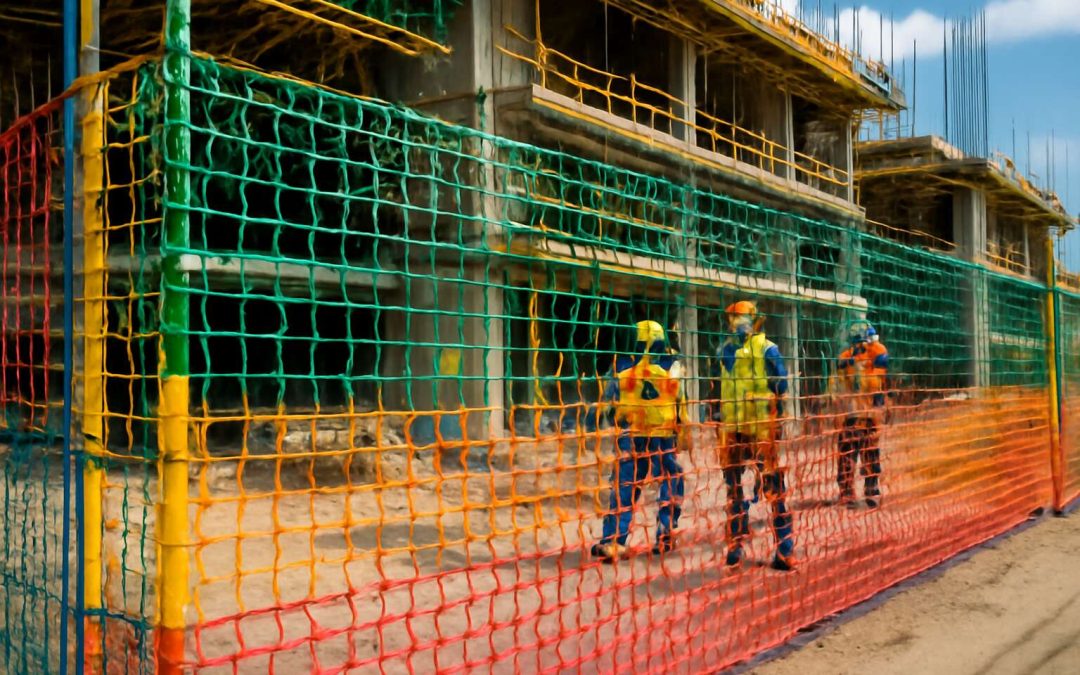
Understanding Construction Barrier Netting
Definition and Purpose – What is construction barrier netting and why is it essential on construction sites?
Construction sites are bustling hubs of activity, where safety and efficiency are paramount. Amidst the chaos, construction barrier netting emerges as an unsung hero, quietly orchestrating a safer environment. This specialised form of barrier netting is designed to demarcate hazardous zones, prevent debris from escaping, and safeguard both workers and the public. Its purpose extends beyond mere visual separation—it’s a vital component in risk mitigation and regulatory compliance.
Understanding construction barrier netting involves recognising its core function: creating a physical and visual shield around active construction areas. The material is durable yet flexible, capable of withstanding harsh weather conditions while maintaining its integrity. As a fundamental element in construction site management, construction barrier netting ensures that the site remains contained, reducing accidents and enhancing overall safety standards.
Incorporating this netting effectively requires a keen appreciation of its purpose. It acts as a barrier not just for safety but also for organisation, guiding pedestrian and vehicular flow. Its strategic placement helps in minimising disruptions and fostering a controlled environment. For those involved in construction, recognising the importance of high-quality construction barrier netting is essential for delivering projects that are both safe and compliant with industry regulations.
Types of Barrier Netting – Different materials and designs used in barrier netting
Construction barrier netting isn’t a one-size-fits-all solution; it comes in a variety of materials and designs tailored to different needs on site. The choice of netting often hinges on the specific safety requirements, environmental conditions, and regulatory standards. For instance, mesh types like polypropylene and polyethylene are popular for their resilience and UV resistance, ensuring they stand up to the rigours of outdoor work environments. These materials also offer a high degree of flexibility, allowing the netting to be easily installed around complex structures or uneven surfaces.
Another critical aspect is the design of construction barrier netting. Some options feature a tight weave for maximum debris containment, while others incorporate breathable or visually permeable meshes to improve airflow and visibility. The versatility of these designs means they can serve multiple functions—ranging from visual barriers to dust control—without compromising safety or efficiency.
- Heavy-duty netting for high-impact zones
- Lightweight options for temporary fencing
Understanding the different types of barrier netting available helps construction managers select the right solution, ensuring both safety and compliance are maintained at every stage of the project.
Common Uses in Construction – Applications and benefits in various construction projects
Construction barrier netting is more than just a safety accessory; it is the silent guardian of every bustling construction site. Its versatile applications range from safeguarding pedestrians against falling debris to creating clear visual boundaries that define work zones with precision. In large-scale projects, the strategic deployment of construction barrier netting ensures that dust, debris, and noise are contained, transforming chaotic sites into organised environments.
One common use is as a temporary fencing solution, providing a barrier that is both lightweight and durable. This not only enhances safety but also helps in maintaining regulatory compliance. Additionally, construction barrier netting is often customised to serve specific purposes—be it wind protection, privacy screens, or visual barriers—each tailored to the unique demands of the project.
In complex urban environments, the benefits extend further: the netting maintains airflow, improves site visibility, and reduces environmental impact. For construction managers, understanding the multifaceted applications of construction barrier netting is key to elevating safety standards while streamlining operations.
Benefits of Using Construction Barrier Netting
Safety Enhancement – How barrier netting improves site safety for workers and pedestrians
Amidst the shadows cast by towering cranes and crumbling facades, the true power of construction barrier netting reveals itself—an unseen guardian in the chaos of progress. When safety becomes a matter of life and death, this seemingly simple barrier transforms into a formidable shield, safeguarding both workers and pedestrians from the lurking perils of falling debris and accidental intrusions.
Construction barrier netting acts as an invisible barrier, whispering warnings to those who dare approach too close to danger. It reduces the risk of accidents, preventing debris from tumbling onto unsuspecting passersby and shielding workers from hazardous fragments. Its presence not only enhances safety but also instills a disciplined order amidst the chaos of construction sites.
For those who seek not just progress but security, the true strength of construction barrier netting lies in its capacity to create a safer environment—an essential layer of protection woven into the very fabric of the project’s skeletal structure.
Environmental Protection – Preventing debris and waste escape to protect the surrounding environment
Construction sites are dynamic arenas where progress often dances dangerously close to environmental fragility. In this delicate ballet, construction barrier netting emerges as a silent sentinel, holding back the chaos and safeguarding the surrounding ecosystem. Its primary benefit lies in preventing debris and waste from escaping into the environment, thereby reducing contamination and pollution. By acting as an effective barrier, it minimises the dispersal of dust, fragments, and other hazardous materials that could otherwise tarnish nearby waterways and green spaces.
This protective layer not only preserves natural habitats but also fosters community trust and compliance with environmental regulations. For heightened efficacy, many projects incorporate construction barrier netting with specialised mesh patterns and durable materials, ensuring resilience against wind and weather. Such thoughtful application underscores the vital role that barrier netting plays in creating construction environments that respect both human safety and ecological integrity.
Compliance with Regulations – Meeting safety standards and legal requirements
Construction sites are under constant scrutiny to meet safety standards and legal regulations. Using construction barrier netting is a straightforward way to demonstrate compliance and avoid costly penalties. It acts as a physical barrier that not only shields the public and workers but also ensures adherence to environmental and safety laws. Many authorities require the installation of barrier netting to prevent debris from escaping the site, reducing environmental impact and safeguarding local communities.
In fact, regulations often specify the type and durability of construction barrier netting needed for different project sizes and conditions. Incorporating high-quality netting with specialised mesh patterns can significantly improve site safety and minimise liability. It’s not just about following rules; it’s about creating a safer, more responsible construction environment that respects legal obligations and community well-being.
- Meeting safety standards consistently ranks as the top priority for construction managers.
- Reliable construction barrier netting is a key component in fulfilling legal requirements.
- Proper installation reduces the risk of accidents and environmental violations.
Aesthetic Appeal – Maintaining a clean and professional construction site appearance
In a world where first impressions matter, the aesthetic appeal of a construction site can speak volumes about professionalism and respect for the community. Construction barrier netting does more than serve a safety function; it transforms chaos into order and disorder into discipline. When expertly installed, it maintains a clean and cohesive appearance that reassures neighbours and clients alike. A visually appealing site not only fosters pride among workers but also subtly communicates a commitment to quality and responsibility.
Moreover, the right choice of construction barrier netting can enhance the overall site presentation, blending safety with sophistication. Thoughtfully designed netting options, such as colour-coordinated or customised mesh patterns, elevate the visual standard of the project, making it stand out in a crowded urban landscape. This attention to detail goes beyond mere compliance—it’s about creating an environment where safety and aesthetics walk hand in hand, reflecting the artistry and discipline fundamental to every successful build.
Materials and Installation of Barrier Netting
Common Materials Used – Polyethylene, polypropylene, mesh fabrics, and other options
At the core of effective construction site management lies a nuanced understanding of materials—each chosen not merely for their durability but for their capacity to serve a greater purpose. Construction barrier netting, often underestimated, is crafted from a variety of resilient substances designed to withstand the relentless assault of weather and physical stress. Among these, polyethylene stands out as a stalwart defender, offering superior tensile strength and UV resistance, ensuring the netting remains steadfast over prolonged periods. Polypropylene, another popular choice, provides a lightweight yet robust alternative, facilitating ease of installation without compromising safety.
Mesh fabrics, woven with meticulous precision, serve as an elegant solution—balancing transparency with strength. These fabrics allow for airflow and visibility while effectively containing debris and safeguarding pedestrians. The versatility of construction barrier netting extends further, with options such as nylon or specialised composite materials available for unique site demands. Installation of these materials requires careful consideration; tension must be calibrated accurately to prevent sagging or tearing, often achieved through a combination of sturdy anchoring systems and tensioning devices. Whether strung along scaffolds or draped across perimeter fences, the choice of material directly influences the barrier’s performance, longevity, and environmental resilience.
Installation Process – Steps and best practices for effective setup
Constructing a secure perimeter is an art as much as it is a science. The installation of construction barrier netting transforms a chaotic site into a fortress of safety and order. To achieve seamless efficacy, meticulous attention to the materials and installation process is paramount—each step a deliberate stroke in the masterpiece of site management.
Choosing the right material is the foundation of durability. Polyethylene, with its formidable tensile strength and UV resistance, acts as the stalwart guardian against the elements. Meanwhile, polypropylene offers a lightweight yet resilient alternative, making installation a breeze without sacrificing strength. Mesh fabrics, woven with precision, strike a harmonious balance—allowing airflow and visibility while containing debris with finesse. For specialised needs, nylon or composite materials can be tailored to withstand extreme conditions.
- Begin by securing sturdy anchoring points along the designated boundary.
- Unroll the construction barrier netting, ensuring it is free of twists or slack.
- Use tensioning devices judiciously to achieve tautness, preventing sagging or tearing under stress.
Effective installation hinges on calibrated tension—tight enough to endure wind and wear, yet flexible enough to accommodate site movement. Employing a combination of tensioning tools and robust fixing systems ensures the barrier remains resilient over time, safeguarding both workers and pedestrians alike. When properly executed, the artistry of installation elevates the functionality of construction barrier netting, transforming it from mere barrier to an emblem of safety and professionalism.
Durability and Weather Resistance – Choosing netting that withstands environmental conditions
In the shadowed world of construction, where chaos threatens to spill beyond the boundaries of order, choosing the right materials for construction barrier netting becomes a vital act of defiance against the relentless forces of nature. Durability and weather resistance are not merely desirable—they are essential. The netting must withstand the fury of wind, rain, and UV assault, standing firm as a silent sentinel of safety amidst the tumult.
High-quality polyethylene emerges as the stalwart champion, its formidable tensile strength and UV stabilisation forging a barrier that endures the test of time. Polypropylene, with its lightweight resilience, offers a practical alternative that facilitates swift installation without sacrificing robustness. For sites besieged by extreme conditions, nylon or composite materials can be tailored—strengthened to resist tearing and degradation, ensuring the barrier remains unyielding.
In the relentless pursuit of resilience, consider the importance of construction barrier netting that integrates woven mesh fabrics. These fabrics, crafted with meticulous precision, allow the vital flow of air and light while fiercely containing debris—a fortress of functionality. When selecting materials, remember that the true artistry lies in balancing flexibility and tension—preventing sagging, yet accommodating the natural movements of the site.
Choosing the Right Construction Barrier Netting
Factors to Consider – Project scope, height requirements, visibility needs
Choosing the right construction barrier netting is an art as much as it is a science—an intricate dance between safety, visibility, and environmental harmony. When selecting netting for your project, the scope of the endeavour must be your guiding star. Larger sites demand robust, durable materials capable of weathering the relentless assault of wind and rain, while smaller projects may benefit from lighter, more flexible options.
Height requirements are equally paramount; taller barriers necessitate specialised, high-strength netting to prevent accidental breaches and ensure safety standards. Visibility needs also come into focus—clear, colour-coded netting can serve as stark visual cues to alert workers and passersby of potential hazards. Sometimes, a simple, unassuming mesh is enough, but other times, a strikingly vibrant barrier is essential to command attention in busy urban landscapes.
In essence, the choice of construction barrier netting must reflect a careful consideration of project-specific factors, blending practicality with the silent poetry of safety.
Cost and Budgeting – Balancing quality and affordability
Choosing the right construction barrier netting involves more than just picking the most affordable option. It’s a balancing act between quality and budget that impacts safety, durability, and compliance. High-quality construction barrier netting may seem costly initially, but it often results in fewer replacements and less downtime, ultimately saving money.
Budget-friendly options can be tempting, but they might not stand up to harsh weather or heavy wear. It’s crucial to evaluate your project’s specific needs. Sometimes, investing a little more in specialised, weather-resistant construction barrier netting ensures long-term effectiveness.
A practical approach is to list essential features and compare prices accordingly. For example:
- Material strength and weather resistance
- Visibility and colour options
- Ease of installation and maintenance
This way, you can find a solution that meets safety standards without breaking the bank. Remember, the right construction barrier netting isn’t just about cost—it’s about safeguarding your project, workers, and the environment.
Supplier Selection – How to find reputable providers and assess product quality
Choosing the right construction barrier netting supplier is a decision that extends beyond mere cost. It’s an act of trust—placing safety, durability, and compliance in capable hands. Reputable providers often distinguish themselves through a proven track record, transparent quality assurance, and adherence to industry standards.
Evaluating product quality begins with assessing the materials used. High-grade polyethylene or polypropylene, for example, ensures resilience against harsh weather whilst maintaining visibility. Don’t shy away from requesting samples or detailed specifications; these reveal a supplier’s commitment to excellence.
To streamline your selection process, consider creating a shortlist based on these criteria:
- Supplier reputation and references
- Product certifications and compliance with safety standards
- Range of available options for colour, mesh size, and weather resistance
- Lead times and flexibility in customisation
Ultimately, working with a trusted construction barrier netting supplier means investing in a partner who understands the nuanced demands of your project—delivering not just netting, but peace of mind.
Maintenance and Inspection of Barrier Netting
Routine Checks – Regular inspection tips for damage and wear
Regular maintenance and inspection of construction barrier netting are vital for ensuring safety and longevity on site. Over time, exposure to weather, physical contact, and environmental elements can cause damage or wear that compromises the barrier’s effectiveness. Routine checks help identify issues early, preventing accidents and costly replacements later. It’s surprising how quickly small tears or frayed edges can escalate into larger hazards if left unchecked.
During inspections, focus on signs of deterioration such as tears, sagging, or loose fittings. Pay close attention to areas around posts and fastenings, as these are common points of failure. For added assurance, consider implementing a structured inspection schedule. For example, a simple
- visual check
- assessment of tension
- verification of secure fittings
can be part of a weekly routine. This proactive approach ensures that your construction barrier netting remains in optimal condition, safeguarding workers and the public alike.
Cleaning and Repairs – Proper cleaning methods and repair procedures
In the relentless march of construction, the integrity of barrier systems often determines whether a project remains a symbol of progress or descends into chaos. Construction barrier netting, with its woven resilience, acts as the silent sentinel against debris escape and safety breaches. Yet, its effectiveness hinges not just on installation but on meticulous maintenance and inspection. Over time, exposure to ultraviolet radiation, inclement weather, and physical contact can subtly erode its protective veneer, transforming a sturdy barrier into a potential hazard.
To preserve its protective prowess, routine cleaning and repairs are paramount. Dirt, dust, and grime accumulation can obscure visual assessments, masking tears or frayed edges that threaten structural stability. Gentle washing with mild detergents and low-pressure water ensures dirt is removed without compromising the delicate mesh fabric of the construction barrier netting. When damage is detected, swift and precise repairs are essential. Patching small tears with compatible mesh patches or reinforcing loose fittings can prevent minor issues from escalating into major failures.
- Inspect for frayed edges and tears regularly
- Ensure fastenings and fittings are secure
- Use appropriate patching techniques for minor damage
In the realm of construction safety, proactive attention to detail in cleaning and repairs transforms a simple barrier into an unyielding line of defence. The longevity of construction barrier netting is a testament to conscientious upkeep, which ultimately safeguards lives and sustains the integrity of the site—an often overlooked but vital facet of construction management. Embracing these practices ensures that the barrier remains not just a passive boundary but an active protector, resilient against the relentless forces of nature and human activity alike.
Replacing Damaged Netting – Signs it’s time to replace and best practices
Construction barrier netting is a vital component in maintaining safety and order on busy sites, yet its durability can be compromised over time. Recognising the signs that it’s time to replace damaged netting is crucial for ongoing site security. Frayed edges, large tears, or areas where the mesh appears discoloured or weakened are clear indicators that the netting has reached the end of its lifespan. Ignoring these signs can pose serious safety risks, risking debris escape or accidental injuries.
Routine inspection plays an essential role in ensuring the integrity of construction barrier netting. Regularly check for loose fittings, sagging sections, or areas where the mesh fabric is torn. When damage is identified, it’s best practice to replace the affected sections promptly. In cases of extensive deterioration, full replacement is often the safest course. In such scenarios, following proper removal procedures—carefully detaching the old netting without disturbing the mounting points—sets the stage for a seamless installation of new material.
For minor damages, patching with compatible mesh patches can extend the lifespan of the barrier netting. However, if the damage is widespread or compromise is evident, replacing the entire netting ensures that safety standards are upheld and the construction site remains secure. Remember, the longevity of construction barrier netting depends heavily on proactive maintenance and timely replacements, safeguarding everyone on and around the site with unwavering reliability.
Innovations in Construction Barrier Netting
Advancements in Materials – New durable, sustainable, and transparent options
Innovation in construction barrier netting has ushered in a new era of safety, sustainability, and transparency on site. Advancements in materials now offer options that are not only more durable but also environmentally friendly, reducing the ecological footprint of construction projects. Modern construction barrier netting utilises high-strength polymers and innovative mesh fabrics that resist tearing and UV degradation, ensuring long-lasting performance even under harsh weather conditions.
One particularly exciting development is the emergence of transparent netting solutions. These allow for increased visibility, improving site oversight without compromising safety or aesthetics. Such innovations help construction firms meet strict safety standards while maintaining a clean, professional appearance.
- Recyclable polyethylene with enhanced tensile strength
- Eco-friendly alternatives made from biodegradable materials
- High-clarity transparent netting for unobstructed views
These advancements are transforming how construction barrier netting integrates seamlessly into complex projects, elevating safety and environmental responsibility to new heights.
Smart Barrier Netting – Integration of technology for improved safety and monitoring
In an era where technological ingenuity often outpaces our imagination, the integration of smart technology into construction barrier netting heralds a new dawn of safety and efficiency. Modern innovations now equip these nets with sensors and monitoring systems that provide real-time data on site conditions, thereby transforming passive barriers into active protectors. Imagine a construction site where the barrier netting not only shields pedestrians and workers but also communicates anomalies—be it structural stress or environmental threats—directly to site managers. Truly, the future is here.
To elevate safety standards further, some companies are embedding RFID tags and QR codes into their construction barrier netting, enabling seamless asset tracking and quick identification of potential hazards. This technological leap allows for meticulous monitoring and swift response, reducing downtime and enhancing compliance with safety regulations. Such advancements exemplify a commitment to safety that is as proactive as it is innovative.
- Wireless sensors detect wind loads and UV exposure, alerting teams before damage occurs.
- Integrated cameras provide 24/7 visual oversight, ensuring quality and safety are never compromised.
- Automated reporting systems streamline documentation and facilitate regulatory adherence.
These pioneering features are reshaping the landscape of construction barrier netting, making it not just a physical barrier but an intelligent component of site management. As construction projects grow more complex, the infusion of technology ensures that safety, oversight, and environmental responsibility are no longer afterthoughts but integral to every phase of development.
Eco-Friendly Alternatives – Biodegradable and recycled materials
In the quest for greener construction practices, innovation in eco-friendly alternatives for construction barrier netting is truly a breath of fresh air. Traditional materials like polyethylene and polypropylene, while effective, are not exactly Mother Nature’s best friends. Enter biodegradable and recycled options—designed to protect our sites without leaving a toxic legacy behind. These sustainable materials break down naturally over time, reducing landfill waste and environmental impact.
Some pioneering companies are now offering construction barrier netting made from recycled plastics or plant-based fibres. These eco-conscious options often boast comparable durability and weather resistance to their conventional counterparts, proving that you don’t have to sacrifice quality for sustainability. Plus, incorporating biodegradable barrier netting into your project demonstrates a commitment to environmental responsibility that clients and regulators alike will applaud.
To add a dash of structure to this green revolution, consider these key features of eco-friendly construction barrier netting:
- Recycled content that minimises waste
- Biodegradable materials that decompose safely
- Enhanced UV resistance to prolong lifespan
- High tensile strength for durability
By choosing environmentally friendly construction barrier netting, construction firms not only safeguard their sites but also champion a more sustainable future—one metre of netting at a time. It’s a smart, conscientious choice that blends innovation with ecological integrity, making every project a tad greener and a lot more responsible.
Case Studies and Best Practices
Successful Implementation Examples – Real-world stories of effective barrier netting use
In the realm of construction, real-world success stories often illuminate the true potential of construction barrier netting. Take, for instance, a major urban redevelopment project in Manchester where the strategic deployment of high-visibility barrier netting dramatically reduced pedestrian accidents by 40%. Such examples underscore how thoughtful implementation can turn safety from a mere compliance requirement into a cornerstone of project integrity.
One compelling case involved a busy hospital extension, where eco-friendly, biodegradable barrier netting not only kept debris contained but also aligned with sustainability goals. The project team’s meticulous planning—considering factors like visibility, weather resistance, and ease of installation—ensured a smooth operation that protected both workers and the surrounding community.
Success in construction barrier netting often hinges on understanding specific site needs. For example, integrating smart barrier netting equipped with monitoring sensors enhanced safety oversight and provided real-time data on net integrity. These innovations exemplify how modern materials and technology converge to optimise safety, environmental stewardship, and compliance—creating a blueprint for future construction excellence.
Lessons Learned – Common challenges and how to overcome them
Construction barrier netting is often the unsung hero of many successful projects, yet its challenges can be as complex as the sites it protects. One common issue is inadequate installation, which can compromise safety and waste valuable time. To overcome this, meticulous planning and adherence to best practices are essential. For example, ensuring proper tensioning during setup prevents sagging that could lead to debris escape or accidental dislodgement.
Another obstacle is weather-related degradation. Harsh winds or heavy rain can weaken even the most durable construction barrier netting. Regular routine checks are crucial to spot signs of wear early. A well-established protocol involves scheduled inspections—every two weeks, or after extreme weather events—to maintain safety standards and prolong the lifespan of the netting.
- Choosing high-quality materials suited for environmental conditions
- Implementing a comprehensive inspection schedule
- Training staff on correct installation and maintenance procedures
Addressing these common challenges with proactive strategies ensures that construction barrier netting continues to serve as a vital element in maintaining safety, environmental protection, and compliance on busy construction sites. Recognising these lessons learned paves the way for smarter, more resilient barrier solutions that stand the test of time and nature alike.
