
Understanding Construction Contracts
Definition and Purpose
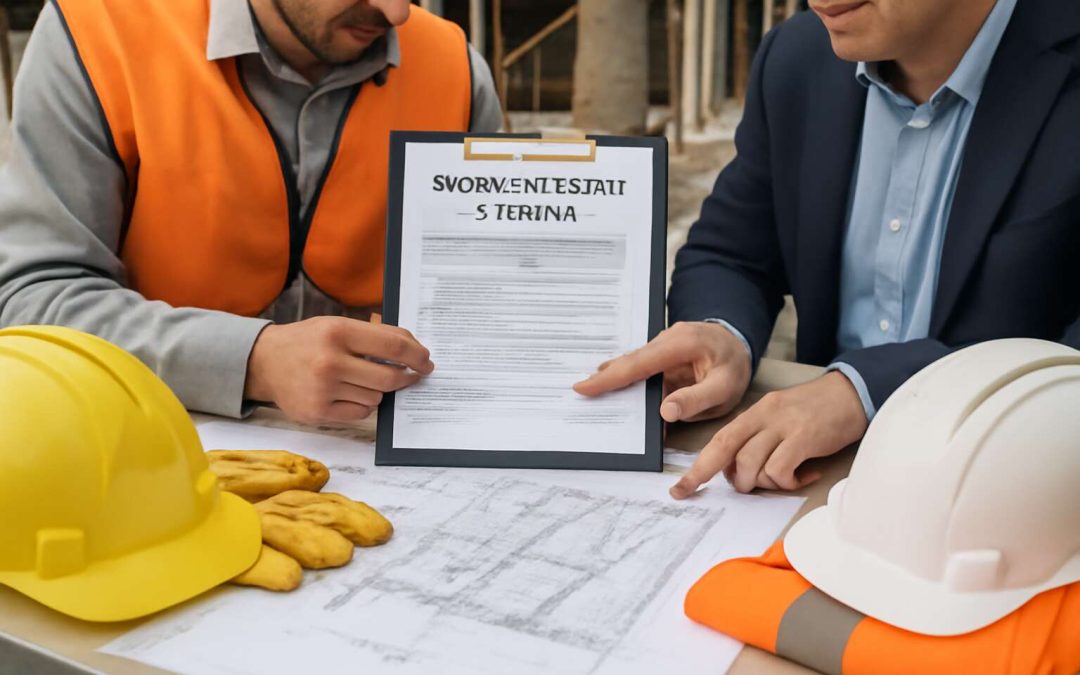
A construction contract is the backbone of any building project. It defines the relationship between the client and contractor, setting clear expectations from start to finish. Without a solid construction contract, disputes are almost inevitable. That’s why understanding its definition and purpose is crucial for everyone involved in South African construction projects.
At its core, a construction contract is a legal agreement that outlines scope, timelines, costs, and responsibilities. It acts as a roadmap, guiding the project and providing protections for both parties. In South Africa, a well-drafted construction contract can prevent costly delays and misunderstandings, ensuring the project progresses smoothly and efficiently.
Key elements often included in a construction contract are:
- Scope of work
- Payment terms
- Timeline and deadlines
- Liability clauses
- Dispute resolution methods
Having a clear understanding of the purpose of a construction contract helps stakeholders navigate the complex landscape of construction law and practice, ultimately safeguarding their investments and ensuring project success.
Types of Construction Contracts
Understanding the various types of construction contracts is essential for navigating the intricate labyrinth of South African building projects. Each type embodies a different philosophy of risk, responsibility, and collaboration—elements that profoundly influence the project’s outcome. The choice of a construction contract can shape not only the financial landscape but also the moral fabric of the entire endeavour.
Among the most common forms are fixed-price contracts, where the scope is clearly defined, and the contractor assumes significant risk. Conversely, cost-plus contracts offer flexibility, with the client bearing more responsibility for unforeseen expenses. In South Africa, different projects demand different contractual frameworks, each with its own set of advantages and pitfalls.
To better understand, consider these prevalent types:
- Design-Bid-Build: Traditional, where the design and construction phases are separate, often leading to clarity but potential delays.
- Design-Build: A more integrated approach, fostering collaboration and often speeding up project timelines.
- Construction Management: The owner directly manages multiple contracts, allowing for greater oversight but requiring active involvement and expertise.
Ultimately, selecting the appropriate construction contract is a profound decision—one that echoes the moral and practical values of all involved, shaping the very soul of the project.
Key Components of a Construction Contract
Scope of Work
In the intricate dance of construction, the scope of work within a construction contract acts as the choreographer, guiding every move with precision and clarity. It’s the backbone that ensures all parties are aligned, minimizing surprises and disputes. Without a detailed scope, even the most seasoned builders risk veering off course—yet, when crafted meticulously, it transforms chaos into coherence.
Key components of a construction contract’s scope of work include detailed descriptions of tasks, expected deliverables, and specified timelines. This clarity not only sets expectations but also anchors the project’s progression. For instance, a well-defined scope might specify the types of materials to be used, quality standards, and inspection points, all crucial for safeguarding everyone’s interests.
- Project objectives and goals
- Design specifications and drawings
- Materials and workmanship standards
- Timeframes and milestones
- Roles and responsibilities of each party
Understanding these components can be the difference between a smoothly executed project and a costly, contentious ordeal. When drafting a construction contract, pay close attention to the scope of work—because in the world of construction, details are everything, and ambiguity can be the greatest adversary.
Project Timeline and Deadlines
In the realm of construction, time is often the most elusive element—slipping through fingers like grains of sand, yet crucial to the integrity of a construction contract. A meticulously crafted project timeline functions as the heartbeat of the entire endeavor, dictating the rhythm of progress and holding every party accountable. When deadlines are missed or milestones are unclear, chaos swiftly follows, turning what should be a harmonious process into a costly nightmare.
To combat this, a comprehensive construction contract must clearly define key milestones and deadlines. These could include phases like foundation completion, framing, or final inspections. Often, project schedules are broken down into
- Specific start and end dates
- Critical inspection points
- Buffer periods for unforeseen delays
—all designed to keep the project on track and mitigate risks.
Understanding and enforcing project deadlines within a construction contract ensures that everyone—from contractors to suppliers—remains aligned. It’s not just about meeting dates; it’s about safeguarding the project’s integrity and avoiding disputes. Because in construction, timing isn’t just everything—it’s the difference between triumph and turmoil.
Payment Terms and Schedules
In the shadowed corridors of construction, where every brick laid and beam raised carries the weight of future history, the payment terms of a construction contract serve as the vital pulse of the enterprise. They are the unseen currents that guide the flow of resources and sustenance, ensuring that each phase of labor is met with timely remuneration. Without this delicate orchestration, even the most promising project risks falling into chaos—delayed, underfunded, or abandoned in the gloom.
Within a meticulously crafted construction contract, payment schedules are often woven into the fabric of the agreement with precise clarity. Typically, these schedules break down into milestones aligned with project phases—such as foundation pouring, framing, or final finishes. Often, payment terms are tied to these milestones, with clear conditions for release, including:
- Progress inspections
- Submission of certification documents
- Completion of specific deliverables
This method not only ensures transparency but also guards against the creeping darkness of disputes and delays. The ebb and flow of payments act as a safeguard—keeping the project’s heartbeat steady amid the chaos and uncertainty that often shroud large-scale construction endeavors. In the end, a well-structured payment schedule within a construction contract is more than mere numbers; it is the lifeblood that sustains the pursuit of architectural dreams in the unforgiving landscape of South Africa’s construction industry.
Warranties and Guarantees
In the intricate dance of a construction project, warranties and guarantees are the enchanted shields that safeguard both client and contractor from unforeseen pitfalls. These key components of a construction contract act as promises, ensuring the durability and quality of the work long after the last brick is set. They are not mere formalities but vital assurances that the craftsmanship will withstand the test of time and nature’s unpredictable whims.
Within a well-crafted construction contract, warranties often cover aspects such as structural integrity, water tightness, and the quality of materials used. Guarantees, on the other hand, tend to focus on the contractor’s commitment to rectifying defects that may arise after project completion. Typically, these provisions include:
- Specified timeframes for defect liability periods
- Conditions under which repairs or replacements are warranted
- Procedures for claim submissions and assessments
Such elements weave a safety net that provides peace of mind, transforming a complex construction contract into a foundation of trust. Without these protective clauses, even the most meticulous project risks facing costly setbacks or disputes—highlighting that warranties and guarantees are truly the backbone of any successful construction endeavor.
Change Order Procedures
In the intricate ballet of a construction contract, change order procedures serve as the choreographer’s subtle cues that keep the performance on track. These procedures are the key to managing unexpected twists and turns—think of them as the diplomatic channels that ensure adjustments are seamless and mutually beneficial.
Fundamentally, a well-structured construction contract delineates a clear process for initiating, evaluating, and approving change orders. This typically involves written requests, detailed assessments of scope adjustments, and agreed-upon cost implications. Such clarity prevents the chaos of ad hoc modifications, transforming what could be a battleground into a collaborative dance.
Within this framework, the following elements are vital:
- Formal documentation of proposed changes
- Assessment of impact on project timeline and budget
- Approval protocols, often requiring signatures from both client and contractor
By embedding these components into the construction contract, stakeholders sidestep the pitfalls of miscommunication and scope creep, ensuring the project remains as elegant as it is efficient. After all, a robust change order process isn’t just bureaucracy—it’s the backbone of a resilient construction contract, safeguarding trust and transparency every step of the way.
Dispute Resolution Mechanisms
In the labyrinthine corridors of a construction contract, disputes are often inevitable—yet how they are resolved can determine the fate of an entire project. Dispute resolution mechanisms serve as the enchanted keys that unlock harmony amidst chaos, transforming potential conflicts into opportunities for cooperation. These mechanisms are the safeguard that ensures disagreements do not spiral into costly battles, but instead foster mutual understanding and swift resolution.
Essentially, a well-crafted construction contract incorporates a variety of dispute resolution methods, each suited to different scenarios. Common approaches include negotiation, mediation, arbitration, and litigation. The choice of mechanism often hinges on the scale of the dispute, the relationship between parties, and the desire for confidentiality.
Within this framework, clarity is king. The construction contract should specify:
- The preferred dispute resolution process
- Steps for initiating proceedings
- Criteria for selecting mediators or arbitrators
- Procedural timelines and document submission requirements
By embedding these elements into the construction contract, stakeholders create a resilient legal backbone that promotes transparency, minimizes delays, and preserves professional relationships. Dispute resolution mechanisms are not mere formalities—they are the guardians of project integrity, ensuring that even when conflicts arise, the pathway to resolution remains clear and constructive.
Legal Considerations in Construction Contracts
Contract Laws and Regulations
In the intricate dance of construction, legal considerations form the silent rhythm underpinning every successful project. A carefully crafted construction contract is more than just a piece of paper; it’s the blueprint for safeguarding both parties’ interests amid unforeseen twists of fate. South Africa’s legal landscape for construction contracts is governed by a complex web of contract laws and regulations, designed to ensure fairness and clarity.
Understanding the legal framework is crucial, especially considering the potential pitfalls that can emerge without proper safeguards. For example, adherence to the **Construction Industry Development Board’s regulations** and the **National Building Regulations** ensures compliance and minimizes disputes. Additionally, specific clauses related to indemnity, liability, and compliance with local environmental laws help fortify the construction contract against future legal storms. When drafting or reviewing a construction contract, always remember: clarity in legal considerations is the bedrock on which a construction project’s harmony rests.
Liability and Insurance
Liability and insurance are critical aspects of any construction contract, especially in South Africa’s evolving legal landscape. Construction projects inherently carry risks—accidents, delays, unforeseen damages—and a well-structured construction contract must address these head-on. Without proper liability clauses, parties risk costly disputes that can halt progress and inflate costs.
Insurance coverage acts as a safety net, protecting both contractors and clients from financial fallout. Typical policies include public liability, professional indemnity, and builder’s risk insurance. These provisions ensure that if accidents occur or damage happens, the financial burden does not fall solely on one party.
In South Africa, specific regulations require construction contracts to clearly define liability limits and insurance obligations. An effective construction contract should include:
- Clear liability clauses outlining each party’s responsibilities
- Mandatory insurance requirements aligned with local laws
- Procedures for claims and dispute resolution related to insurance coverage
Ultimately, embedding comprehensive liability and insurance provisions within a construction contract helps safeguard project continuity and minimizes legal exposure. It’s the backbone of a resilient construction project.
Permits and Licenses
Legal considerations in a construction contract extend beyond project scope and timelines. Permits and licenses are foundational components that must be addressed upfront. Without proper authorization, even the most well-planned construction project can come to a halt, risking costly delays and legal penalties. In South Africa, obtaining the necessary permits is not optional; it’s mandated by law. Failure to secure these documents can invalidate the entire construction contract, leaving parties exposed to fines or even project shutdowns.
Ensuring compliance involves verifying that all permits—building, environmental, and zoning—are in place before breaking ground. Sometimes, contracts include a clause requiring the contractor to handle permit applications, but ultimately, the client bears responsibility for confirming legal clearance. This due diligence protects all parties and keeps the project aligned with South Africa’s rigorous construction regulations.
Remember, a comprehensive construction contract should specify which party is responsible for obtaining and maintaining permits. This clarity minimizes disputes and ensures smooth project progression. After all, legal compliance isn’t just a formality—it’s the backbone of a resilient construction project in South Africa!
Breach of Contract and Penalties
In the delicate tapestry of a construction contract, the threads of legality are woven with unyielding precision. When breaches occur, the consequences can ripple through the project like a storm tearing through calm waters, leaving chaos in its wake. Penalties for such breaches are not mere formalities—they are the anchors that uphold the integrity of the agreement and ensure accountability.
Remember, a breach of contract can trigger a cascade of repercussions, from hefty fines to the potential termination of the project. The law in South Africa is clear: failure to meet contractual obligations may invite punitive measures, including damages or legal sanctions. To safeguard the delicate balance of trust and obligation, it’s crucial that each party understands the gravity of their commitments.
In some cases, the construction contract may stipulate specific penalties—ranging from liquidated damages to contractual remedies—designed to deter breaches and encourage adherence to deadlines and quality standards. It’s this intricate dance of rights and responsibilities that keeps the project alive, resilient against the chaos of unforeseen pitfalls. After all, in the realm of construction, the law is not just a guardrail but a guiding star—ensuring that every brick laid is rooted in legality and integrity.
Force Majeure Clauses
In the intricate web of a construction contract, unforeseen events can threaten to unravel progress and jeopardize project timelines. Force majeure clauses serve as the legal safeguard when nature or other uncontrollable factors disrupt the course of construction. These clauses are not mere formalities; they are vital for delineating the rights and responsibilities of parties when extraordinary circumstances arise.
South African law recognizes that events such as natural disasters, strikes, or pandemics can impede construction progress. Including a well-crafted force majeure clause in your construction contract provides clarity and protection. It typically specifies which events qualify as force majeure and the procedures for notification and mitigation.
- Temporary suspension of obligations
- Extension of deadlines
- Potential termination rights if delays persist
By thoughtfully integrating these provisions, parties can navigate the turbulent waters of unexpected setbacks with resilience and transparency. Ultimately, a construction contract fortified with an effective force majeure clause ensures that both contractors and clients can weather the storms of the construction journey with confidence and legal assurance.
Best Practices for Drafting Construction Contracts
Clear and Precise Language
A well-drafted construction contract is the backbone of any successful project, providing clarity and reducing the risk of disputes. When the language is clear and precise, everyone involved—be it the client, contractor, or supplier—knows exactly what is expected. Vague terms can lead to misunderstandings that may delay progress or inflate costs, which no one wants in the midst of building dreams.
To ensure your construction contract is airtight, focus on using straightforward language that leaves little room for ambiguity. Avoid legal jargon that might obscure meaning for those outside the legal profession. Instead, opt for plain, detailed descriptions of obligations, timelines, and deliverables. Remember, the goal is to create a document that is accessible and transparent, fostering trust and collaboration among all parties involved.
Including Detailed Specifications
When drafting a construction contract, it’s essential to craft a document that reads more like an enchanted manuscript than a legal tome. Clear and detailed specifications serve as the blueprint of trust, guiding all parties through the labyrinth of construction with unwavering certainty. A well-constructed construction contract should delineate every nuance—from materials to milestones—like an ancient map that leads to the treasure of project success.
Incorporating best practices ensures the contract is both comprehensive and resilient against disputes. Use precise descriptions and avoid ambiguity by defining roles, responsibilities, and expectations in meticulous detail. To bolster clarity, consider including a numbered list of key contractual elements such as scope of work, project timeline, and payment schedules. These elements act as the pillars holding the entire structure upright, preventing misunderstandings that could cause delays or cost overruns.
Furthermore, weaving in specific language around change procedures and risk allocation transforms a mere document into an invincible shield—protecting all parties involved in the unpredictable realm of construction in South Africa. This strategic approach ensures that the construction contract not only stands firm but also unlocks the pathway to a seamless, successful project journey.
Defining Responsibilities and Roles
In the intricate dance of construction, knowing who’s responsible for what is the difference between a harmonious project and a chaotic mess. A well-crafted construction contract doesn’t just outline tasks; it clearly defines responsibilities and roles—think of it as assigning the parts in a well-rehearsed orchestra. Without this clarity, you risk a cacophony of misunderstandings and delays that could turn your dream build into a nightmare.
To keep everyone on the same page, it’s wise to include a detailed list of roles—contractors, sub-contractors, suppliers, and clients—each with their specific duties. This approach helps prevent finger-pointing when issues arise. For added clarity, consider using an ordered list of key responsibilities, such as:
- Scope of work for each party
- Timeline for deliverables
- Quality standards expected
- Communication protocols
By explicitly defining these responsibilities within your construction contract, you create a solid foundation—less room for ambiguity, more room for success. After all, in construction, as in life, clarity is king, and a comprehensive contract is its crown jewel.
Timely and Transparent Communication
Effective communication is the backbone of a successful construction contract. When all parties are on the same wavelength, projects run smoother, and disputes are minimized. Timely and transparent dialogue fosters trust and prevents misunderstandings that could lead to costly delays.
Regular updates and clear channels of communication should be embedded into the construction contract. This ensures everyone knows how to reach each other and what information needs to be shared at each stage of the project.
In practice, this can be achieved through scheduled meetings, detailed progress reports, and defined points of contact. Having these procedures in place reduces the risk of miscommunication and keeps the project aligned with its goals.
Remember, a well-structured construction contract isn’t just about legal clauses—it’s about cultivating a collaborative environment. When communication flows effectively, the foundation for project success is laid sturdy and true.
Consulting Legal Experts
Crafting a robust construction contract is no trivial pursuit; it’s an intricate dance of legal precision and strategic foresight. Consulting legal experts during the drafting process isn’t just prudent—it’s essential. They bring an acute awareness of South African construction laws and regulatory nuances that can otherwise slip through the cracks. Their expertise ensures every clause aligns with current legislation, safeguarding all parties involved.
In practice, engaging legal professionals helps identify potential pitfalls early, from ambiguous language to overlooked obligations. Consider incorporating a detailed review process, where specialists scrutinize the construction contract for loopholes and enforceability. This proactive approach reduces the risk of disputes and fosters a foundation of clarity.
- Seek legal advice before finalizing
- Ensure compliance with local legislation
- Craft clear, enforceable clauses
Ultimately, a well-drafted construction contract, guided by legal expertise, becomes a formidable shield—protecting investments and promoting transparent collaboration.
Common Challenges and How to Avoid Them
Delays and Extensions
Delays and extensions in a construction contract can cast long shadows over project timelines, turning what should be a smooth journey into a labyrinth of frustration. Unexpected hurdles—be it material shortages, unforeseen site conditions, or weather disruptions—often threaten to derail progress. These challenges are not merely inconveniences but can translate into substantial financial burdens if not managed with foresight and precision.
To mitigate such issues, clear clauses regarding delays and extensions should be embedded within the construction contract. Negotiating realistic timeframes and establishing transparent procedures for requesting extensions can prevent disputes down the line. Remember, open communication and well-defined responsibilities form the backbone of a resilient construction contract, safeguarding both parties against the unpredictable twists of construction life. Staying vigilant and proactive helps transform potential setbacks into manageable hurdles—ensuring the project remains on course amidst the chaos.
Budget Overruns
Budget overruns in a construction contract can turn a promising project into a financial labyrinth, where costs spiral beyond initial estimates with alarming speed. These unforeseen expenses often stem from misaligned scope definitions, fluctuating material prices, or overlooked site complexities. Such slip-ups threaten the delicate balance of project finances, risking delays and strained relationships. To navigate this treacherous terrain, meticulous planning and detailed cost management strategies are essential.
One effective approach is to include comprehensive budget clauses within the construction contract that specify cost control measures and escalation procedures. Regular financial audits and transparent communication between stakeholders serve as the compass guiding the project back on course if expenses threaten to breach the limits. When all parties share a clear understanding of financial responsibilities, the risk of surprises diminishes, allowing the project to breathe and flourish amidst the chaos of construction. Remember, a well-crafted construction contract acts as both shield and map, guiding the journey toward successful completion without drowning in unforeseen costs.
Quality Control Issues
In the realm of construction, quality control issues can quietly undermine even the most meticulously planned projects. Flawed workmanship, substandard materials, or overlooked inspection protocols threaten to compromise structural integrity and safety. Such lapses, if left unchecked, can lead to costly rework, delays, and damaged reputations. The key to avoiding these pitfalls lies in embedding rigorous quality assurance measures directly into the construction contract.
Clear specifications and quality benchmarks should be explicitly outlined within the construction contract, leaving no room for ambiguity. Regular inspections and documented checkpoints foster accountability and ensure standards are maintained throughout the project’s lifecycle. To effectively mitigate risks, consider establishing a dedicated quality control team responsible for continuous oversight. Remember, a well-structured construction contract not only defines the scope of work but also acts as a safeguard—transforming potential quality challenges into opportunities for excellence and durability.
By prioritising detailed quality clauses, stakeholders can navigate the complexities of construction with confidence, ensuring that each phase adheres to the highest standards. In the end, it’s this unwavering commitment to quality that transforms a blueprint into a timeless masterpiece, echoing the resilience and ambition inherent in every construction project.
Unclear Contract Terms
Unclear contract terms can turn a straightforward construction project into a labyrinth of confusion and frustration. When clauses are vague or ambiguous, it’s like giving a builder a map with missing landmarks—chaotic and prone to misinterpretation. This can lead to disputes, delays, and unexpected costs, all of which nobody wants, especially when deadlines are tight and budgets are tightropes.
To sidestep this trap, a well-crafted construction contract should feature clear, unambiguous language that spells out every detail. Consider including a
- comprehensive scope of work
- explicit responsibilities
- precise project milestones
. These elements serve as the blueprint for everyone involved, reducing room for miscommunication. Moreover, engaging legal experts to review the construction contract ensures that all clauses are airtight and enforceable.
In the end, clarity isn’t just about avoiding misunderstandings; it’s about building a foundation of trust that keeps the project on track, on budget, and free from costly surprises.
Handling Disputes Effectively
Handling disputes effectively is the backbone of a resilient construction contract. When disagreements arise—inevitable in any complex project—having a clear, structured approach can prevent a minor hiccup from spiraling into costly litigation.
One of the most effective methods is incorporating well-defined dispute resolution mechanisms directly into the contract. Mediation and arbitration, for example, offer a less adversarial path to resolution, saving time and preserving working relationships.
A crucial aspect is fostering timely and transparent communication. When all parties stay informed and address issues promptly, misunderstandings are less likely to escalate. Additionally, documenting every decision and change fosters accountability and creates a paper trail that can be invaluable should disputes need legal review.
Ultimately, a robust construction contract isn’t just about the initial scope or payment schedule—it’s a safeguard. It ensures that, even amidst inevitable disagreements, the project maintains momentum, avoiding delays and protecting everyone’s interests.
Final Tips for a Successful Construction Contract
Thorough Review Before Signing
A meticulous review of your construction contract can be the difference between a seamless project and a costly nightmare. In South Africa’s dynamic construction landscape, overlooking even minor details can lead to unforeseen delays, disputes, or budget overruns. Before signing on the dotted line, take the time to scrutinize every clause—especially those related to project scope, payment terms, and dispute resolution mechanisms.
Remember, a well-crafted construction contract isn’t just a legal document; it’s a roadmap for your entire project. Be vigilant about ambiguous language or vague specifications that could cause confusion later. Consulting legal experts familiar with local construction laws can reveal hidden pitfalls and ensure your interests are protected. Ultimately, a thorough review safeguards your investment and sets the stage for a successful build.
Document All Changes and Agreements
In the realm of construction, where every brick laid and beam raised echoes with the promise of progress, the final act of drafting a construction contract holds paramount importance. It’s not merely ink on paper; it’s the guardian of your investment, the blueprint for harmony between parties. When all changes and agreements are meticulously documented, the path to a successful project becomes clearer, and the likelihood of disputes diminishes significantly.
To ensure no detail slips through the cracks, it’s wise to implement a systematic approach. Consider maintaining a comprehensive record of all modifications—be it scope adjustments, timeline shifts, or payment amendments. An ordered log of these changes fosters transparency and keeps everyone aligned. In South Africa’s dynamic construction landscape, where regulations evolve swiftly, such diligence is a safeguard against unforeseen complications.
Remember, a construction contract that captures every nuance and variation isn’t just a legal safeguard; it’s the foundation of trust and clarity. Embrace precise language and detailed documentation, and your project’s journey will be far more likely to reach its triumphant completion without unnecessary setbacks.
- Document all changes explicitly within the construction contract
- Obtain written consent for any amendments or additional agreements
- Keep all correspondence and approvals organized for future reference
Regular Monitoring and Communication
In the shadowed corridors of construction, where progress is often haunted by the specter of miscommunication, regular monitoring and open dialogue are your only defenses. A robust construction contract serves as the skeleton of every project, but without vigilant oversight, even the strongest bones can falter. Continual communication acts as the heartbeat, ensuring all parties remain in sync amid the chaos of deadlines and unforeseen twists.
It’s wise to establish a routine for project updates, whether through weekly meetings or detailed reports. This ongoing dialogue can reveal potential issues before they spiral into costly disputes. Remember, a construction contract is not merely a document; it’s a living agreement that benefits from diligent stewardship. Fostering transparency and addressing concerns promptly can transform a potentially tumultuous build into a symphony of coordinated effort.
To fortify your project’s foundation, consider implementing a systematic approach such as:
- Documenting all discussions and decisions made during project meetings
- Maintaining a clear log of any deviations from the original scope or timeline
- Ensuring that all communications are archived securely for future reference
In South Africa’s labyrinthine construction landscape, where regulations shift like shadows, such disciplined oversight within your construction contract can be the difference between chaos and clarity. When communication flows seamlessly, the risk of costly misunderstandings diminishes, paving the way for a triumphant completion—step by calculated step.
Maintaining Legal and Financial Records
Maintaining meticulous legal and financial records isn’t just a bureaucratic chore—it’s your safety net when the dust settles. A well-documented construction contract acts as a blueprint for accountability, ensuring every detail is recorded and accessible. Without this, disputes can escalate faster than a building boom, turning a promising project into a legal labyrinth.
In South Africa’s complex construction landscape, a few disciplined habits can save you from future headaches. First, keep an organized archive of all contract-related correspondence—emails, meeting notes, change orders, and approvals. Second, regularly update your financial ledger to track payments, variations, and cost overruns. Third, use a systematic numbering system for all documents to streamline retrieval when disputes arise.
- Securely store signed contracts and amendments
- Maintain a detailed timeline of project milestones and financial transactions
- Document all communications regarding scope changes or delays
Investing in rigorous record-keeping within your construction contract isn’t just prudent; it’s essential. It’s the difference between a smooth build and a legal showdown in the boardroom. Proper documentation keeps clarity sharp and disputes at bay, turning what could be chaos into a well-orchestrated symphony of construction.
