
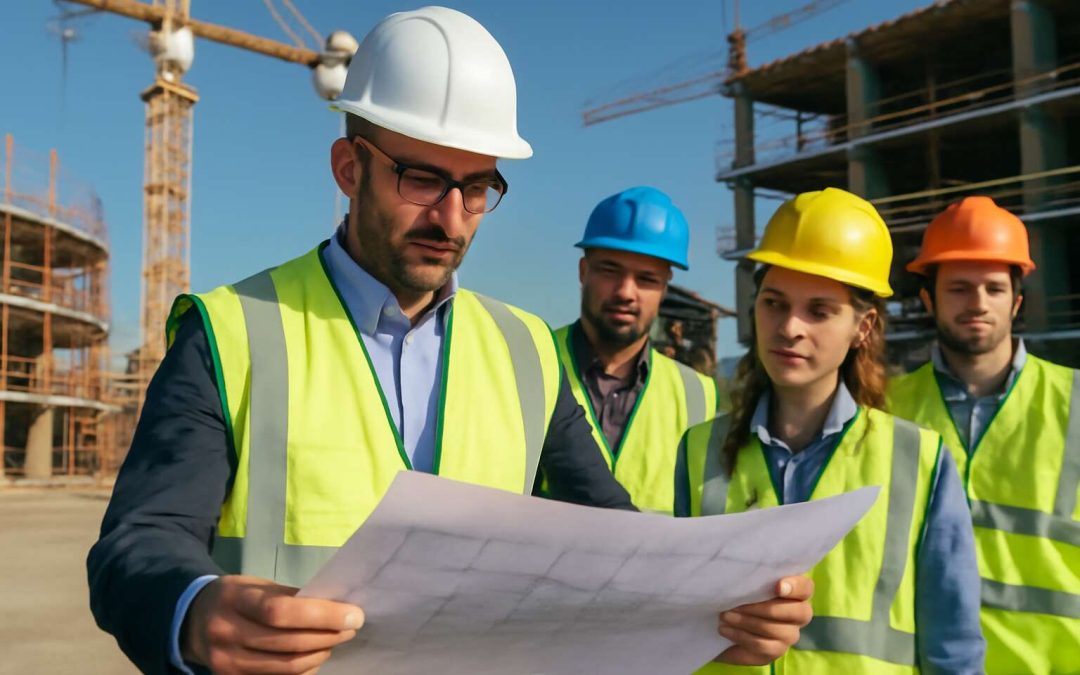
Understanding Construction Project Management
Definition and Scope – What is construction project management and what areas does it cover?
Construction project management is often regarded as the backbone of any successful building venture, yet its true scope extends far beyond mere oversight. It encompasses a comprehensive coordination of resources, timelines, and stakeholders to transform blueprints into tangible realities. When executed effectively, it ensures that each phase of the project aligns harmoniously with overarching goals, minimising delays and budget overruns.
Understanding why construction project management is essential begins with recognising its multifaceted nature. It covers areas such as project planning, cost control, risk management, and quality assurance. These elements work in unison to streamline operations and foster a collaborative environment. A well-managed project not only delivers on time but also elevates the quality and sustainability of the final structure.
Key Components – Core elements involved in effective project management in construction
Understanding the core components of construction project management reveals why it is the backbone of any successful building venture. At its heart lies effective project planning—mapping out every stage with precision to anticipate potential pitfalls before they arise. This proactive approach is crucial to maintaining momentum and ensuring deadlines stay intact.
Risk management also plays a pivotal role, acting as a safeguard against unforeseen challenges that could derail progress. Identifying hazards early and developing contingency plans can mean the difference between a project that soars and one that falters. Complementing these elements are cost control measures, which keep budgets in check without compromising quality or safety.
- Clear communication channels to maintain transparency among stakeholders
- Rigorous quality assurance processes to uphold standards
- Efficient resource allocation to optimise productivity
These essential elements work in unison, demonstrating why construction project management is not merely a task but an intricate craft—one that requires finesse, foresight, and unwavering dedication to deliver exceptional results every time. When executed with mastery, it transforms complex blueprints into awe-inspiring structures that stand the test of time.
Roles and Responsibilities – Main roles of a construction project manager
Construction project management is the unseen force behind every towering structure and intricate blueprint. But have you ever wondered who orchestrates the chaos, ensuring every cog in the machine works seamlessly? At the centre of it all is the construction project manager—an individual with a formidable blend of leadership, expertise, and a touch of instinct that guides projects from concept to completion.
The main roles of a construction project manager are multifaceted. They are the strategic architects of the project, overseeing planning, scheduling, and resource allocation. Their responsibilities extend to risk mitigation, where they anticipate potential pitfalls before they escalate into crises. To keep everything on track, they serve as the communication hub among stakeholders, contractors, and clients, fostering transparency and collaboration.
- Monitoring progress to stay aligned with deadlines
- Ensuring compliance with safety standards and regulations
- Managing budgets and controlling costs effectively
Understanding why construction project management is essential reveals that the role is much more than administrative oversight. It’s about maintaining the delicate balance between precision, safety, and innovation—often under intense pressure. When executed with mastery, the construction project manager transforms complex blueprints into awe-inspiring structures that stand the test of time and leave a lasting legacy.
Importance of Construction Project Management
Ensuring Project Budget Compliance – How project management helps control costs and stay within budgets
In the intricate dance of steel and stone, where visions are forged into reality, understanding why construction project management is essential becomes crystal clear. It acts as the steady hand guiding the ship through turbulent waters, ensuring that every pound and penny is accounted for. When projects threaten to spiral into chaos, adept project management acts as an anchor, holding budgets firm amidst the storm.
Ensuring project budget compliance is not merely a matter of numbers; it is an artful balancing act that requires foresight and discipline. Construction project management provides the framework to control costs by meticulously tracking expenses, anticipating potential overruns, and implementing corrective measures before crises emerge. It transforms chaos into harmony, where each resource is optimised, and every expenditure is justified.
Why construction project management remains a cornerstone of successful construction lies in its ability to weave financial stability into the very fabric of the project. It safeguards stakeholders’ investments, turning ambitious blueprints into tangible structures without the spectre of financial ruin lurking in the shadows.
Timely Project Completion – Strategies for meeting deadlines through effective management
Timely project completion is often the difference between a construction venture thriving or failing to meet expectations. In a sector where delays can escalate costs and erode stakeholder trust, effective construction project management serves as the backbone of punctual delivery. It’s not just about sticking to deadlines; it’s about orchestrating a complex symphony of tasks, resources, and personnel to ensure everything aligns perfectly.
Why construction project management remains vital lies in its strategic approach to schedule control. By implementing robust planning tools and regular progress assessments, project managers can identify potential delays early. This foresight allows for swift adjustments—be it reallocating resources or fast-tracking certain phases. A well-managed project often employs a
- clear communication plan
- realistic milestone setting
- contingency buffers
to keep everything on track. Such strategies minimise downtime and help meet deadlines consistently, ultimately delivering a project that meets expectations without sacrificing quality or budget.
Maintaining Quality Standards – Ensuring construction quality and compliance with safety regulations
In the chaotic world of construction, quality isn’t just a lofty ideal — it’s the foundation of reputation and longevity. Effective construction project management ensures that every nail, beam, and bolt adheres to strict safety regulations and quality standards. Skimping on oversight can turn your shiny new skyscraper into a safety hazard faster than you can say “inspection failure.” That’s why meticulous supervision and compliance checks are non-negotiable.
Maintaining construction quality isn’t just about ticking boxes; it’s about safeguarding future stakeholders from shoddy workmanship and regulatory penalties. A seasoned project manager employs a keen eye for detail, overseeing materials, workmanship, and adherence to local codes. Plus, integrating quality assurance protocols early in the process often acts as a safety net, catching potential issues before they snowball into costly boondoggles.
Why construction project management remains vital hinges on its strategic approach to safety and quality. By establishing clear benchmarks and conducting regular inspections, project managers keep the project aligned with compliance requirements. Incorporating a
- rigorous safety plan
- quality control measures
- continuous training
programme, they forge a culture of excellence that ultimately elevates the entire construction process. After all, a well-managed project isn’t just about finishing on time — it’s about doing it right, the first time around.
Risk Management and Mitigation – Identifying and addressing potential project risks
In the shadowed corridors of construction, chaos lurks like a lurking spectre, ready to unravel even the most meticulously woven plans. This is where the true essence of why construction project management is vital comes into focus. Risk management, often underestimated, is the silent guardian that anticipates the unforeseen—be it a sudden storm, supply chain disruption, or structural anomaly.
Effective project management transforms potential pitfalls into mere whispers of the past. It involves a meticulous process of identifying risks early — from environmental hazards to financial uncertainties — then crafting strategies to mitigate them before they manifest into catastrophe. A well-executed risk management plan doesn’t merely react; it predicts and preempts, safeguarding the integrity of the entire endeavour.
The importance of this strategic approach cannot be overstated: it preserves resources, maintains schedules, and ultimately ensures the longevity of the project. Without it, even the most ambitious construction ventures risk descending into chaos, like a house of cards ready to collapse at the faintest breath of trouble. That’s why construction project management is a fortress — a vital, unwavering force in a realm fraught with peril.
Advantages of Effective Construction Project Management
Enhanced Communication and Collaboration – Facilitating clear communication among stakeholders
Effective construction project management acts as the vital heartbeat of any successful build, transforming chaotic plans into awe-inspiring structures. One of its most compelling advantages is enhanced communication and collaboration, which foster a seamless flow of information among all stakeholders. When everyone is on the same page, misunderstandings diminish, and decisions are made swiftly, ensuring the project remains agile and responsive.
Clear channels of communication also cultivate a sense of trust and accountability, vital ingredients in the complex world of construction. By establishing structured reporting systems and regular updates, project managers create an environment where issues are addressed proactively rather than reactively. This transparency not only streamlines workflow but also encourages creative problem-solving—an essential feature when navigating the unpredictable terrain of construction projects.
In the pursuit of why construction project management is indispensable, facilitating effective collaboration often makes the difference between a project that falters and one that soars to completion with finesse.
Resource Optimization – Efficient use of labor, materials, and equipment
Maximising resource efficiency is a cornerstone of why construction project management is indispensable. When labour, materials, and equipment are optimally utilised, projects stay on schedule and within budget. Effective project management ensures that every resource is allocated precisely where it’s needed, reducing waste and preventing costly delays.
By employing strategic planning and real-time monitoring, construction managers can identify opportunities for resource optimisation early. This proactive approach helps prevent bottlenecks and keeps the workflow smooth. It’s not just about saving costs—it’s about boosting productivity and maintaining high standards of quality.
- Streamlined procurement processes
- Accurate scheduling of labour and equipment
- Just-in-time material delivery
All these elements highlight why construction project management is vital for resource efficiency. When resources are managed effectively, the entire project operates with greater agility and resilience, leading to successful completion and satisfied clients. This is ultimately the essence of why construction project management remains a critical discipline in the construction industry.
Improved Safety Outcomes – Reducing accidents and ensuring safety protocols
Safety is the backbone of any successful construction project, and effective construction project management plays a pivotal role in improving safety outcomes. When safety protocols are meticulously integrated into every phase of the project, the risk of accidents diminishes significantly. Construction managers who prioritise safety foster an environment where workers feel protected and valued, which in turn boosts morale and productivity.
One of the most compelling reasons why construction project management is essential is its capacity to proactively identify potential hazards before they escalate. Through systematic risk assessments and continuous monitoring, managers can implement corrective measures swiftly. This vigilance ensures compliance with safety regulations and reduces the likelihood of costly incidents.
In fact, a well-managed site often witnesses a noticeable drop in workplace accidents. Implementing clear safety procedures, regular training, and open communication channels makes a tangible difference. Ultimately, the safety of workers is not just a regulatory requirement but a fundamental aspect of why construction project management remains indispensable in the construction industry.
Increased Stakeholder Satisfaction – Meeting client expectations through organized project execution
In the high-stakes world of construction, stakeholder satisfaction isn’t just a bonus—it’s the cornerstone of long-term success. When projects are managed effectively, clients see their visions materialise seamlessly, with minimal delays and unexpected costs. This organised approach ensures that every aspect of the construction process aligns with client expectations, fostering trust and confidence.
By prioritising clear communication, meticulous planning, and proactive problem-solving, construction project management transforms complex blueprints into tangible realities that delight stakeholders. The real power of why construction project management matters lies in its ability to deliver projects on time, within budget, and to the highest standards. When clients are satisfied, it opens doors to future collaborations—and that’s the true measure of achievement in this industry.
Key Benefits for Construction Firms
Competitive Edge in the Market – Delivering projects more efficiently than competitors
In the fiercely competitive landscape of construction, those who master the art of strategic project management often carve out a definitive edge. The question of why construction project management matters isn’t merely academic; it’s a vital component that can elevate a firm from being merely competent to truly exceptional. When projects are managed with precision and foresight, construction firms can outpace competitors by delivering quality work within tighter deadlines and budget constraints.
This level of organisational mastery translates into a formidable market advantage. Clients increasingly seek partners who demonstrate reliability, transparency, and efficiency—traits that stem directly from effective project management. By streamlining processes, boosting collaboration, and minimising risks, firms not only safeguard their reputation but also position themselves as leaders in innovation.
Ultimately, understanding why construction project management is essential reveals that it’s not just about completing a project—it’s about setting a new standard of excellence that keeps your company ahead of the curve in an ever-evolving industry.
Streamlined Workflow and Processes – Optimizing operational procedures
In the chaotic world of construction, where a single misplaced brick can cascade into a domino effect of delays and budget blowouts, streamlining workflow and processes isn’t just a luxury — it’s a necessity. Effective construction project management acts as the maestro of this orchestral chaos, orchestrating every note with precision and finesse. When operational procedures are optimised, teams work seamlessly, resources are allocated judiciously, and the entire project hums along like a well-oiled machine.
One of the key benefits of solid construction project management is the ability to identify bottlenecks before they become full-blown traffic jams. This proactive approach ensures that tasks are completed on schedule and within budget, reducing the dreaded ‘scope creep’ that can derail even the most promising projects. Incorporating tools such as project scheduling software or lean management techniques can dramatically enhance efficiency, making sure that every stakeholder remains on the same page.
To truly understand why construction project management is essential, consider this: the most successful firms often employ
- automated tracking systems
- integrated communication platforms
- real-time data analytics
to optimise operational procedures. This strategic approach results in a smoother workflow, minimising delays and rework, and ultimately delivering projects that impress clients and outpace competitors in the marketplace.
Higher Profit Margins – Reducing waste and avoiding costly delays
Effective construction project management is the backbone of higher profit margins for construction firms. When operational procedures are optimised, waste is minimised and costly delays become less frequent. This efficiency translates directly into increased profitability. By streamlining workflows, project managers can reduce downtime and eliminate unnecessary expenses, ensuring every resource is utilised judiciously.
Reducing waste isn’t just about materials; it’s also about time. Construction project management helps identify potential bottlenecks early, allowing teams to make adjustments before issues escalate. This proactive approach prevents scope creep and keeps projects on schedule. The result? Fewer surprises, fewer reworks, and a healthier bottom line.
In the highly competitive construction industry, firms that master why construction project management works stand out. They deliver projects faster, stay within budget, and enhance client satisfaction—all while boosting profit margins. Efficient operational procedures aren’t just a benefit; they’re a strategic necessity for any construction business aiming for long-term success.
Long-term Client Relationships – Building trust through successful project delivery
Building long-term client relationships is the cornerstone of sustained success in the construction industry. When projects are delivered on time, within budget, and to the expected quality standards, clients develop trust that lasts well beyond a single project. This trust becomes the foundation for repeat business and positive word-of-mouth, which are invaluable in a competitive market.
Effective construction project management plays a crucial role in fostering this trust. By maintaining transparent communication channels and proactively addressing potential issues, project managers reassure clients that their investments are in capable hands. The consistency of successful project delivery demonstrates reliability and professionalism, which are essential for cultivating enduring partnerships.
In fact, many construction firms find that integrating comprehensive project management strategies naturally leads to increased stakeholder satisfaction. When clients see that their project is managed efficiently—minimising waste, avoiding delays, and adhering to scope—they feel more confident and engaged throughout the process. This sense of partnership not only encourages future collaborations but also solidifies the firm’s reputation for excellence.
- Clear, consistent communication
- Adherence to deadlines and budgets
- High standards of quality and safety
- Proactive risk management
- Open transparency and accountability
All these elements are why construction project management is more than just a logistical necessity — it’s a strategic tool for building lasting client trust. When clients recognise that their projects are in expert hands, they’re more likely to return and recommend, ensuring long-term growth and stability for construction firms.
Impact of Construction Project Management on Project Success
Successful Delivery and Client Satisfaction – Ensuring project goals are met or exceeded
Construction project management is often regarded as the unseen maestro behind successful building ventures, and its impact on project success cannot be overstated. When executed with finesse, it transforms what could be chaos into a symphony of efficiency, ensuring successful delivery and unwavering client satisfaction.
A well-managed project not only meets its goals but often exceeds expectations—delivering on time, within budget, and to the highest quality standards. Stakeholders are reassured by the transparent communication, strategic resource allocation, and proactive risk mitigation that effective construction project management fosters. The real magic lies in aligning complex elements seamlessly, turning ambitious visions into tangible realities while maintaining a competitive edge in the market.
In essence, understanding why construction project management remains vital is simple: it is the cornerstone that guarantees projects are completed successfully, with satisfied clients and long-lasting professional relationships.
Reduced Litigation and Disputes – Preventing conflicts through clear planning and documentation
The silent guardian of construction’s delicate balance, effective project management acts as the invisible shield that safeguards against disputes and litigation. When meticulously planned and precisely documented, it creates a fortress of clarity that leaves little room for misinterpretation or ambiguity. This is the essence of why construction project management is so vital—preventing conflicts before they even arise.
Clear communication channels, detailed contracts, and comprehensive schedules serve as the blueprint for a harmonious project. By establishing transparent expectations and documenting every decision, project managers reduce the likelihood of misunderstandings that often lead to costly legal battles. In fact, a well-managed project can significantly diminish the chances of dispute escalation, saving precious resources and preserving professional relationships.
In the grand architecture of construction success, that is why construction project management stands as the cornerstone—laying the groundwork for seamless collaboration and peace of mind.
Sustainable Construction Practices – Promoting environmentally friendly project management strategies
In the symphony of construction, where every note must align for harmony, sustainable construction practices emerge as the guiding melody. They are not mere trends but essential strategies that echo the urgent call for environmental stewardship. Effective construction project management serves as the conductor of this orchestra, ensuring that eco-friendly principles resonate through every phase of the project.
By integrating green materials, minimising waste, and reducing energy consumption, construction project management transforms ambitious visions into tangible ecological benefits. This commitment not only enhances the long-term viability of projects but also elevates a company’s reputation within a conscientious market. After all, why construction project management is crucial lies in its ability to weave sustainability seamlessly into the fabric of each endeavour—turning construction sites into catalysts for positive change.
Furthermore, adopting sustainable practices often involves a meticulous selection of resources and innovative techniques that cut down on environmental impact. These strategies contribute to lower carbon footprints and foster a healthier relationship between built environments and their natural surroundings. The impact of such conscientious management is profound—ensuring that every brick laid and beam erected aligns with both project success and planetary well-being. This holistic approach demonstrates why construction project management is not merely about deadlines and budgets but about shaping a sustainable future with purpose and precision.
Technologies Supporting Construction Project Management
Project Management Software – Tools that assist in planning, scheduling, and reporting
Construction project management relies heavily on innovative technologies that streamline complex processes. Project management software has become an indispensable tool for architects, engineers, and contractors alike. These platforms facilitate planning, scheduling, and reporting, making it easier to track progress and identify bottlenecks early.
Modern tools like BIM (Building Information Modelling) and cloud-based software enable real-time collaboration among stakeholders, fostering transparency and reducing miscommunication. A well-integrated project management system also helps in resource allocation, ensuring that labour, materials, and equipment are optimally utilised.
- Automated scheduling features that adapt to project changes
- Centralised dashboards for instant progress updates
- Document management for seamless communication
In an industry where delays can cost millions, understanding why construction project management is vital makes all the difference. It’s not just about managing tasks; it’s about driving efficiency and delivering projects on time and within budget.
Building Information Modeling (BIM) – Enhancing collaboration through digital visualization
In the labyrinthine world of construction, where every beam and brick carries the weight of dreams and deadlines, understanding why construction project management is vital becomes an anchor amid chaos. Advances in digital technology have transformed this industry into a symphony of organised chaos, where Building Information Modelling (BIM) stands as a lighthouse guiding stakeholders through the fog of complexity. BIM’s capacity to create detailed digital visualisations fosters a new realm of collaboration—an intricate dance of architects, engineers, and contractors united in real time. This immersive approach not only enhances communication but also illuminates potential conflicts before they manifest in costly delays.
By leveraging BIM, project managers can navigate the tumultuous seas of resource allocation and scheduling with greater precision. The visual clarity provided by this technology enables teams to identify critical pathways, anticipate bottlenecks, and adapt swiftly to unforeseen changes. The real power of BIM lies in its ability to forge a shared digital workspace—an environment where every stakeholder can access, modify, and update information instantaneously. This seamless flow of data transforms traditional construction management into a dynamic, living organism—responsive, efficient, and transparent.
In essence, why construction project management matters is rooted in the ability to harness such innovative tools. They empower industry professionals to orchestrate complex projects with finesse—reducing waste, mitigating risks, and ultimately delivering a masterpiece on schedule. When technology meets strategic oversight, the result is a construction process that not only meets expectations but surpasses them, forging a path to enduring success in a fiercely competitive market.
Drones and IoT Devices – Improving site monitoring and real-time data collection
In the shadowy realm of construction, where every moment teeters on the precipice of chaos and precision, the question of why construction project management remains ever more vital. As technology entwines itself with the fabric of the industry, drones and IoT devices emerge as silent sentinels—guardians of real-time site monitoring and data collection. These innovations transform the dark art of overseeing complex projects into a symphony of illuminated pathways, where every motion is tracked and every detail recorded with unerring accuracy.
Utilising drones, project managers gain a hawk’s eye view of sprawling sites, capturing high-resolution imagery that reveals even the most clandestine issues before they evolve into costly riddles. Meanwhile, IoT devices weave a web of connectivity, collecting data on everything from structural vibrations to environmental conditions. This confluence of technology fosters an environment where timely decisions are made with the precision of a masterful conductor orchestrating a haunted symphony. The integration of these tools not only mitigates risks but also reveals the unseen—those lurking problems that threaten to derail progress if left unchecked.
In this digital tapestry, construction project management becomes an unseen force—an alchemy of innovation and strategy—empowering professionals to tame the chaos with spectral finesse. Through real-time data collection and site surveillance, projects are no longer fragile illusions but resilient structures built upon a foundation of relentless clarity and control.
Automation and AI – Streamlining routine tasks and predictive analytics
In an industry where delays can cascade into staggering costs, understanding why construction project management is not just beneficial but essential becomes paramount. Cutting-edge technologies like automation and artificial intelligence are transforming this landscape, elevating the discipline from mere oversight to a strategic orchestration of complex operations. These innovations streamline routine tasks that once drained countless hours and human resources, freeing project managers to focus on nuanced decision-making and long-term vision.
For instance, AI-driven predictive analytics now anticipate potential bottlenecks or safety issues before they materialise, acting as a digital crystal ball that guides proactive intervention. Automated scheduling tools dynamically adjust timelines based on real-time data, ensuring projects stay on course without constant manual input. Moreover, advanced construction project management software integrates seamlessly with building information modelling (BIM), creating a cohesive digital ecosystem where every stakeholder can access up-to-the-minute updates. This interconnectedness is vital, especially considering that effective project management hinges on flawless communication and resource optimisation—elements that technology now enhances with unprecedented precision.
Why construction project management? Because it transforms chaos into order. It converts raw data into strategic insight, empowering teams to navigate the labyrinthine demands of modern construction with confidence. As projects grow more intricate, this fusion of automation and AI becomes not just a tool but a necessity—driving efficiency, reducing waste, and ultimately delivering structures that stand as testaments to human ingenuity and technological mastery.
