Sep 24, 2025 | Construction Articles
Understanding Construction Auctions
Definition and Overview
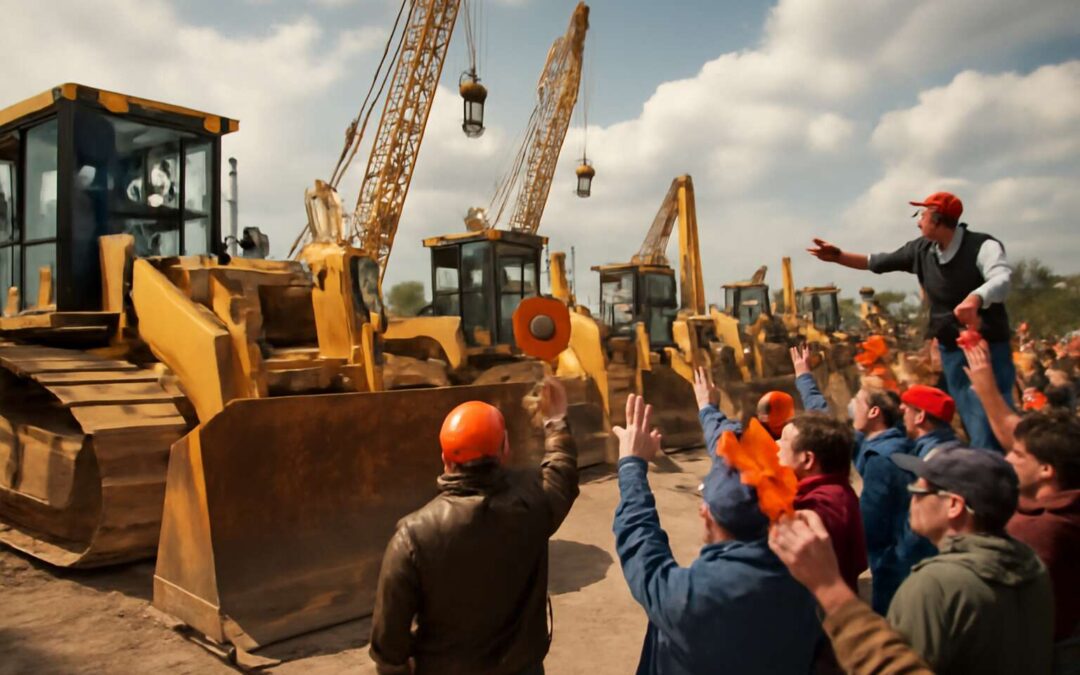
Construction auctions are a dynamic way to acquire building materials, equipment, and sometimes even entire project assets. They have gained popularity in South Africa as an efficient method for companies and individuals to buy and sell construction-related items quickly. Unlike traditional sales, a construction auction creates a competitive environment that can lead to favorable prices for buyers and profitable returns for sellers.
Understanding what a construction auction entails is crucial. These auctions typically feature a wide range of items, from heavy machinery to surplus materials. The process involves bidding, where participants place offers until the highest bidder wins. This transparent and fast-paced environment ensures that assets are sold swiftly, providing value and clarity for everyone involved.
- Heavy machinery
- Construction equipment
- Building materials
- Surplus assets
In South Africa, construction auctions are often held online, making them accessible across regions. They serve as an essential tool for managing project costs and liquidating assets efficiently. For those involved in construction, understanding the nuances of a construction auction can open up new opportunities and streamline procurement processes.
Types of Construction Auctions
Construction auctions in South Africa aren’t just a straightforward sale; they’re a captivating battlefield where assets are claimed and fortunes made. There are several distinct types of construction auctions, each serving a unique purpose in the industry’s intricate ecosystem. Understanding these variants can unlock hidden opportunities and give you a strategic edge in procurement or liquidation.
One common type is the **absolute auction**, where assets sell to the highest bidder regardless of price. This creates a high-stakes environment, often leading to competitive bidding that benefits sellers. Conversely, **reserve auctions** set a minimum price, adding a layer of security for sellers while still encouraging spirited competition among buyers.
Additionally, **online construction auctions** have surged in popularity across South Africa, allowing bids to be placed from anywhere, anytime. These digital platforms often feature categories like heavy machinery, construction equipment, building materials, and surplus assets, all of which are pivotal for project management and cost control.
- Absolute auctions
- Reserve auctions
- Online construction auctions
Whether you’re seeking to acquire vital assets or liquidate surplus, understanding the nuances of each construction auction type provides a crucial advantage. In this unpredictable terrain, knowing when and how to participate can mean the difference between a lucrative deal and a missed opportunity!
Common Items Sold at Construction Auctions
Construction auctions in South Africa are veritable treasure troves of industrial potential, where every auction echoes the pulse of the industry’s heartbeat. Among the most captivating aspects of these auctions are the items that frequently find their way onto the block. From towering cranes to intricate electrical systems, the common items sold at construction auctions tell a story of progress and innovation.
Heavy machinery such as bulldozers, excavators, and loaders often headline these sales, offering an opportunity for contractors and entrepreneurs to acquire vital assets at a fraction of their original cost. Building materials—steel beams, timber, and plumbing fixtures—also feature prominently, fueling the next wave of South Africa’s infrastructural development. Surplus assets, including scaffolding, safety gear, and electrical supplies, underscore the importance of liquidation in maintaining a streamlined, efficient industry.
- Construction equipment like compactors and mixers
- Power tools and hand-held machinery
- Office and site furniture
- Construction vehicles and transport assets
Understanding the common items sold at construction auctions opens a window into the dynamic landscape of procurement and liquidation. Each piece, whether new or used, carries the potential to transform projects—making the construction auction not just a sale, but a symphony of opportunity waiting to be orchestrated.
Benefits of Participating in Construction Auctions
Cost Savings and Budget Efficiency
In the fast-paced world of construction, where margins are razor-thin and efficiency is paramount, participating in a construction auction offers a strategic advantage that can redefine project budgets. The allure of uncovering high-quality materials and equipment at a fraction of their retail price is undeniable, translating directly into significant cost savings. This isn’t merely about acquiring assets; it’s about harnessing the power of competitive bidding to optimize procurement processes and stretch budgets further.
Moreover, construction auctions foster a culture of fiscal discipline. By setting clear bidding limits and focusing on essential assets, project managers can maintain tighter control over expenses. The transparent nature of a construction auction ensures that costs are predictable, reducing the risk of unforeseen expenditure that can derail timelines and budgets. For businesses eager to maximize value without sacrificing quality, these auctions stand out as an invaluable resource, empowering them to achieve more with less.
Access to Quality Equipment
One of the most compelling benefits of participating in a construction auction is gaining access to top-tier equipment that might otherwise be out of reach. In an industry defined by relentless competition and razor-thin margins, sourcing quality assets at a fraction of their retail price can be a game-changer. This isn’t just about affordability; it’s about empowerment. When you acquire reliable, well-maintained machinery through a construction auction, you’re investing in durability and efficiency, elements that directly influence project success.
What truly sets a construction auction apart is the opportunity to secure high-caliber assets swiftly and transparently. The dynamic bidding environment pushes prices down, making premium equipment accessible. Often, these auctions feature a curated selection of items such as excavators, cranes, and trucks—each vital for maintaining momentum on busy sites. Engaging in a construction auction isn’t merely a purchase; it’s a strategic move towards elevating project standards while managing costs effectively.
Quick Turnaround and Flexibility
In the high-stakes world of construction, time is often the most precious commodity. Participating in a construction auction offers a swift route to acquiring critical equipment without the long lead times associated with traditional procurement. These auctions are a strategic tool—an arena where decisions are made quickly, and assets change hands with remarkable speed. The ability to secure vital machinery on a tight schedule means projects don’t stall, ensuring momentum remains unbroken.
Flexibility is another compelling advantage. Construction auctions operate on diverse schedules, often providing opportunities outside standard business hours. This allows contractors and companies to bid at their convenience, fitting procurement seamlessly into their project timelines. Such adaptability can be the difference between meeting or missing crucial project deadlines.
Moreover, the dynamic nature of a construction auction means you can participate in real-time bidding, giving you control and immediacy that traditional purchasing channels rarely offer. Whether you’re looking to upgrade your fleet or expand your capabilities quickly, a construction auction delivers the agility needed to stay ahead in a fiercely competitive industry.
Network Opportunities within the Construction Industry
Participation in a construction auction opens doors to invaluable network opportunities within the construction industry. These auctions often attract a diverse range of professionals—from contractors and equipment suppliers to project managers and industry experts. Engaging in these events fosters connections that can lead to future collaborations or partnerships, boosting your business growth.
Furthermore, construction auctions serve as a hub for industry insights. The shared environment encourages knowledge exchange about market trends, equipment innovations, and project strategies. This collective intelligence can give your company a competitive edge, especially in a fast-evolving sector like construction in South Africa.
To maximize these benefits, consider the following:
- Building relationships with auction organizers and attendees
- Staying informed about upcoming construction auction events
- Participating actively in bidding and discussions
Ultimately, a construction auction isn’t just about buying equipment; it’s a strategic platform to expand your professional network and stay ahead in the construction industry. The right connections and insights can be game-changers for your next big project!
How to Prepare for a Construction Auction
Researching Auction Listings
Preparing for a construction auction begins long before the gavel drops. One of the most crucial steps is researching auction listings thoroughly. This isn’t just about browsing the available items; it’s about understanding what’s truly on offer and spotting hidden gems among the lots. Many successful bidders find that scanning auction catalogs with a keen eye reveals opportunities others might overlook, especially when seeking reliable equipment at a fraction of the retail price.
To get started, dive into the auction’s detailed listings. Pay close attention to descriptions, specifications, and inspection dates. Sometimes, a quick call to the auction house or a visit to the site can provide valuable insights. Remember, a well-informed bidder has a distinct advantage in a construction auction, turning anticipation into strategic action. By carefully researching each listing, you build confidence and ensure your bids are both competitive and calculated.
- Check the condition reports and photographs
- Note the auction’s terms and conditions
- Identify lots that align with your project needs
Setting a Budget
Setting a budget for a construction auction isn’t just about scribbling a number on a scrap of paper and hoping for the best. It’s about strategic planning — because let’s face it, in the wild world of construction auctions, prices can escalate faster than a crane on a caffeine binge. Before you dive headfirst into bidding wars, determine your maximum spend limit and stick to it like superglue. Remember, this isn’t Monopoly; overbidding can turn your budget into a demolition zone.
To avoid financial wreckage, consider creating a simple yet effective budget outline. Prioritize essential equipment and factor in potential additional costs, such as transportation or refurbishment. For example, a quick
can keep your focus sharp and prevent impulse purchases that drain your cash flow faster than a concrete mixer on overdrive. Knowing your financial boundaries ensures your participation in the construction auction remains profitable rather than a costly gamble.
Inspecting Items Before Bidding
Entering a construction auction is like stepping into an arena where every bid counts and precision is paramount. Before you raise that paddle, thorough preparation is your secret weapon. Inspect each item carefully—this isn’t just about quick glances but a meticulous evaluation of the condition, functionality, and potential for refurbishment. Remember, a well-informed bid can mean the difference between striking a deal and walking away empty-handed.
To streamline your inspection process, consider creating a checklist that includes key aspects such as structural integrity, operational status, and compatibility with your existing equipment. Use this list to focus your attention during the viewing period. For example, prioritize items that align with your project needs and avoid getting sidetracked by tempting but unnecessary lots. This focused approach ensures your participation in the construction auction remains strategic, saving you money and headaches down the line.
Understanding Auction Terms and Conditions
Understanding Auction Terms and Conditions for a Construction Auction
Entering a construction auction without fully grasping the terms and conditions is like building on shaky ground. These documents outline critical details that can significantly impact your bidding strategy and overall success. It’s essential to dedicate time to thoroughly review the auction rules, payment requirements, and item descriptions before participating. Overlooking these can lead to unexpected costs or disqualification.
Familiarize yourself with common clauses such as deposit obligations, pickup deadlines, and return policies. Sometimes, auction houses include specific stipulations about the condition of items or additional fees for removal. To streamline your preparation, consider creating a quick reference guide with the key points from the auction’s terms and conditions. This approach ensures you remain focused and informed, making your participation in the construction auction both strategic and efficient.
Registering for an Auction
Stepping into a construction auction can feel like entering a realm of hidden treasures—if you’re unprepared, you risk wandering into chaos. The first step is to register properly; this isn’t just about signing up, but about ensuring your credentials are in order and your financial information is verified. Without this, you might find yourself locked out of bidding entirely. When registering, make sure to provide accurate details and familiarize yourself with the specific registration process of the construction auction. Sometimes, online registration is straightforward, but other times, it requires a visit or additional documentation. Preparing ahead of time eliminates last-minute rushes and keeps your focus sharp. Remember, every second counts when bidding—being registered early can give you a crucial edge in securing key items for your project.
Strategies for Successful Bidding
Monitoring Items of Interest
In the labyrinthine world of construction auction, where every bid is a gamble and every item a potential treasure, mastering strategic monitoring becomes paramount. The thrill of outmaneuvering competitors hinges on an almost primal instinct—reading the subtle cues that signal a item’s true worth amidst the chaos of rapid bidding. It’s not merely about tracking prices but understanding the narrative behind each item, discerning whether it’s a fleeting opportunity or a long-term investment. As you navigate the shifting sands of a construction auction, cultivating a keen eye for detail and timing can be the difference between securing a coveted piece of equipment or watching it slip away.
One effective strategy involves setting intelligent alerts for items of interest—leveraging technology to stay one step ahead. This proactive approach ensures you can respond swiftly to fluctuations and emerging opportunities. Additionally, keeping a close eye on auction trends, like bidding patterns and price fluctuations, allows for a more nuanced understanding of market dynamics. Remember, in a construction auction, patience and vigilance often outweigh sheer financial muscle, transforming a routine bidding process into a calculated dance of anticipation and insight.
Setting Maximum Bids
In the unpredictable ballet of a construction auction, where each bid is a calculated step and every item a fleeting muse, setting strategic maximum bids elevates your pursuit from mere chance to artful mastery. To succeed, one must harness the power of foresight—knowing precisely when to strike and how much to commit. It’s akin to navigating a tempest; patience and precision become your compass.
Implementing a disciplined bidding strategy involves establishing your maximum bid—an invisible shield that guards against impulsive overreach. This ensures that as the auction’s fervor intensifies, your resolve remains unshaken. In the realm of construction auction, where market fluctuations and competitive surges can erode margins swiftly, this approach preserves your financial integrity while positioning you to claim coveted equipment without overextending. Remember, it’s not just about winning but about winning wisely—each bid a deliberate stroke on the canvas of your project’s future.
By integrating technology—such as automated bid alerts—you can respond instantly to bidding cues, turning reactive moves into proactive triumphs. Combining this with a clear understanding of auction dynamics and market trends transforms the bidding process into a strategic dance, where timing and restraint are your most reliable allies. In essence, successful bidding at a construction auction is an intricate balance—an elegant interplay of insight, discipline, and unwavering focus.
Timing Your Bids
Timing your bids at a construction auction can be likened to orchestrating a finely tuned symphony—each note, each pause, contributes to the masterpiece. The secret lies in understanding the rhythm of the auction, recognizing the moment when the momentum shifts, and knowing when to strike with precision.
A well-crafted bidding strategy involves more than just reactive offers; it’s about anticipating the flow of the auction. Watch for signs of bidding fatigue or sudden surges, as these cues often signal advantageous moments to place your bid. Incorporating technology—such as automated bid alerts—can give you a decisive edge, allowing you to respond swiftly and confidently.
Remember, timing is everything in a construction auction—patience and vigilance transform a simple bid into a strategic move. The right moment, seized with discipline, can elevate your chances of securing coveted equipment while maintaining your budget integrity. In this dance of dollars and deadlines, mastery of bid timing is your most potent tool.
Leveraging Auction Tools and Resources
Mastering the art of successful bidding at a construction auction requires more than just a keen eye; it demands strategic utilization of auction tools and resources that can turn the tide in your favor. Leveraging technology, such as real-time bid alerts or auction tracking software, transforms a tentative offer into a confident move. These tools allow bidders to stay vigilant and respond swiftly to changing dynamics, ensuring they don’t miss prime opportunities.
Furthermore, thorough research is essential. Familiarity with upcoming auction listings, understanding the specific terms and conditions, and assessing the value of items beforehand can give you a significant edge. Many seasoned bidders create checklists or use bidding platforms that consolidate relevant data, making it easier to identify high-value equipment or materials for sale.
Integrating these resources into your bidding strategy can amplify your chances of success at a construction auction. It’s about harnessing every available advantage—be it technological or informational—to navigate the auction’s current with precision and confidence. When you combine these tools with a disciplined approach, your bids become more than just offers—they become calculated moves in a larger game of value and opportunity.
Common Mistakes to Avoid
In the high-stakes world of construction auctions, even the most seasoned bidders can stumble if they’re not vigilant. Success hinges on more than just luck; it demands an acute awareness of common mistakes that can undermine your efforts. Overbidding out of excitement or rushing into a purchase without thorough inspection often leads to costly regrets. Many bidders fall into the trap of neglecting to research the actual value of items, which can cause overpayment and skew your project budget.
To navigate these pitfalls, patience and discipline are paramount. One strategic approach involves setting clear maximum bids and sticking to them strictly—this prevents emotional bidding from clouding judgment. It’s also wise to avoid last-minute bidding frenzy; timing is everything in a construction auction. Remember, each bid is a calculated move, not a reflex. The greatest threat, perhaps, is underestimating the importance of understanding auction terms and conditions—what’s included, what’s not, and the penalties for late or incomplete payments.
For those aiming to excel, a disciplined, informed approach—resisting impulsive decisions and maintaining a keen eye on the auction’s nuances—is essential. Every misstep avoided is a step closer to securing valuable equipment or materials at a fraction of the cost. In this game, knowledge truly is power, and control over one’s bidding strategy can turn the tide in your favor—so don’t let common mistakes derail your construction auction success.
Legal and Logistical Considerations
Ownership Transfer and Title Issues
In the chaotic world of construction auction, navigating legal and logistical considerations is as crucial as dodging concrete mixers on a busy site. Ownership transfer and title issues often lurk in the shadows, ready to cause sleepless nights if not handled properly. Without clear documentation, you risk ending up with a shiny new piece of equipment that’s technically not yours—imagine bidding on a bulldozer only to find out it’s still tied up in some bureaucratic knot.
For those venturing into this realm, understanding the intricacies of ownership transfer is essential. South Africa’s legal landscape demands that all auctioned items have properly documented titles, lest you find yourself embroiled in disputes or costly legal battles. A wise move is to verify that the auction house provides comprehensive transfer documentation, ensuring a smooth handover of ownership.
Additionally, logistical considerations such as transportation and storage shouldn’t be underestimated. The last thing you want is to win a hefty crane but struggle to get it onto your site because of poor planning. Prioritize clarity on title issues and logistical arrangements—these are the unsung heroes of a successful construction auction experience!
Payment Methods and Deadlines
Legal and logistical considerations in a construction auction can make or break your bidding success. Payments must be made through secure methods, and understanding deadlines is vital to avoid losing your winning bid. Missing a payment deadline or failing to follow the correct payment method can lead to the forfeiture of your purchase or legal complications. South Africa’s auction laws emphasize transparency and proper documentation, making it essential to verify all transfer procedures beforehand.
Logistics play an equally critical role. Arranging transport and storage for heavy equipment like cranes or bulldozers requires meticulous planning. Failing to do so can result in delays or additional costs that eat into your budget. To streamline this process, consider the following:
- Confirm transportation options with the auction house
- Understand storage requirements well in advance
- Coordinate with third-party logistics providers if necessary
By prioritizing clarity around payment methods and deadlines, along with robust logistical planning, you can navigate the construction auction landscape with confidence and avoid common pitfalls that could haunt your project’s progress.
Transportation and Delivery of Items
Embarking on a construction auction journey is like stepping into a realm where steel meets strategy, and every bid echoes through the corridors of opportunity. Yet, behind the allure of acquiring heavy machinery or prime equipment lies a tapestry of legal and logistical considerations that can spell either triumph or turmoil. Transport and delivery, in particular, are the unsung heroes of this saga—without meticulous planning, even the most promising acquisition may falter in the face of delay or unforeseen expense.
In South Africa, understanding the intricacies of transportation options is paramount. Confirming arrangements with the auction house ensures that your equipment, whether a towering crane or a fleet of bulldozers, reaches its destination unscathed. Storage requirements should also be clarified well in advance to prevent costly setbacks. For larger consignments, engaging third-party logistics providers might be the wisest course—these experts can weave a seamless logistical tapestry that keeps your construction project on course.
- Assess transportation routes for ease and safety
- Coordinate pickup and delivery dates diligently
- Secure suitable storage facilities beforehand
By aligning your logistical blueprint with the legal fabric of the construction auction, you craft a resilient foundation for success—transforming potential pitfalls into stepping stones toward your project’s grand vision.
Return Policies and Warranties
Legal and logistical considerations are the backbone of a successful construction auction journey. Navigating the labyrinth of return policies and warranties can seem daunting, but understanding these elements safeguards your investment and ensures peace of mind. When purchasing heavy machinery or equipment at a construction auction, it’s vital to clarify the return terms—some auction houses offer limited periods for returns or exchanges, while others may have strict no-return policies. Warranties, on the other hand, provide a safety net against unforeseen defects or operational issues, especially when acquiring high-value machinery.
To avoid surprises, thoroughly review the auction’s terms and conditions before placing your bid. An unordered list of key points can facilitate this process:
- Verify the duration and scope of warranties offered.
- Understand the conditions under which returns are accepted.
- Check if there are any additional fees associated with warranties or returns.
Additionally, legal ownership transfer should be meticulously documented to prevent ownership disputes down the line. When dealing with a construction auction, partnering with trusted logistics providers to manage transportation and delivery complements these legal safeguards, ensuring all pieces of equipment arrive in pristine condition and on schedule. In this realm of strategic bidding and careful planning, aligning legal clarity with logistical precision transforms a straightforward auction into a triumph of resourceful procurement.
Top Tips for Finding Reliable Construction Auction Houses
Researching Reputable Auction Platforms
Finding a reliable construction auction house can be a game-changer for those looking to source quality equipment at competitive prices. The construction auction industry is growing rapidly, but not all platforms are created equal. To ensure you’re bidding on reputable items, it’s essential to research well-established auction platforms. Look for companies with transparent processes, positive reviews, and a track record of successful transactions.
Checking online forums and industry networks can provide insights into the reputation of various auction houses. Additionally, verify whether the construction auction platform is licensed and adheres to South African regulations. A trustworthy auction house will often have detailed catalogs, inspection options, and clear terms of sale.
- Review customer testimonials and past auction results
- Confirm licensing and regulatory compliance
- Assess transparency in bidding and ownership transfer policies
By prioritising these factors, you’ll streamline your search for a reliable construction auction, ensuring your investments are secure and profitable.
Checking Customer Reviews and References
When it comes to navigating the labyrinth of a construction auction, the old adage “trust, but verify” couldn’t be more apt. Checking customer reviews and references acts as your digital lie detector, helping you sniff out the genuine from the gimmicks. Happy clients often leave behind nuggets of wisdom—whether it’s a rave review or a cautionary tale—making their testimonials your best allies in this quest.
To further bolster your confidence, delve into the auction house’s track record. A reputable construction auction platform will proudly display past auction results and customer feedback, offering a transparent window into their operations. Remember: a well-established auction house adheres strictly to South African regulations, ensuring your investments aren’t just a game of chance. Ultimately, the key is to look for consistency—those golden threads of positive reviews, verified licensing, and open policies that spell reliability in the chaotic world of construction auctions.
Assessing Auction House Credentials
In the bustling world of construction auction, where every bid can shape the skyline of tomorrow, finding a trustworthy auction house is paramount. The landscape is filled with players of varying credibility, and a single misstep can lead to costly pitfalls. To navigate this maze confidently, assessing the credentials of a construction auction house becomes an essential step. Look for platforms that openly display their licensing, past auction results, and customer feedback. Transparency isn’t just a bonus—it’s a hallmark of reliability in this industry.
One effective way to gauge credibility is through a quick review of their track record. A reputable construction auction will have a history of successful transactions and satisfied clients. Additionally, consider the following:
- Verified licensing and adherence to South African regulations
- Consistent positive reviews from previous clients
- Clear policies on item inspection and ownership transfer
These elements serve as the golden threads weaving a fabric of trustworthiness. When a construction auction house demonstrates transparency and consistency, it transforms from a mere marketplace into a reliable partner in your construction journey. Remember, in this realm of opportunity and risk, credentials are your first line of defense—guard them well.
Engaging with Industry Associations
In the vibrant sphere of construction auction, where each bid holds the potential to redefine skylines and shape urban landscapes, trust becomes your most valuable currency. Engaging with industry associations can serve as a beacon of credibility, guiding you through the labyrinth of options. These associations often vet their members rigorously, ensuring that only reputable construction auction houses are part of their network.
By aligning yourself with these professional bodies, you gain access to a curated list of construction auction platforms renowned for integrity and transparency. Moreover, industry associations frequently provide resources and forums where you can exchange insights, verify credentials, and learn about the latest trends in the construction auction market. This network acts as a safeguard—reducing the risk of falling prey to unscrupulous operators.
For added assurance, consider this approach:
- Check if the construction auction house is a member of recognized industry associations.
This simple step can significantly elevate your confidence, transforming a potentially risky venture into a promising partnership rooted in professionalism. Ultimately, engaging with reputable industry bodies ensures your journey in the construction auction landscape is not only profitable but also built on a foundation of integrity and trust.
Future Trends in Construction Auctions
Integration of Digital Technologies
As technology continues to reshape industries worldwide, the construction auction sector in South Africa is poised for a remarkable transformation. The future of construction auctions hinges on the seamless integration of digital technologies, offering unprecedented efficiency and transparency. Virtual reality (VR) and augmented reality (AR) are emerging as pivotal tools, allowing bidders to inspect equipment virtually, reducing the need for physical presence and streamlining the bidding process. Meanwhile, blockchain is beginning to underpin secure transactions, ensuring clear ownership transfer and minimizing disputes.
Furthermore, sophisticated data analytics and artificial intelligence (AI) are now enabling auction platforms to predict market trends, optimize bidding strategies, and personalize user experiences. This convergence of digital innovation does not only enhance the accessibility of construction auction items but also elevates the overall integrity of the marketplace. As these technologies become more mainstream, expect a more dynamic, transparent, and user-centric environment that will redefine how professionals engage with construction auctions in South Africa.
Enhanced User Experience
As digital innovation accelerates, the future of construction auction platforms in South Africa promises a more intuitive and engaging user experience. No longer are bidders confined to static catalogs; instead, they can explore virtual environments that bring equipment and materials to life. Imagine inspecting heavy machinery via virtual reality—no more travel expenses or awkward arm-waving attempts to check the engine. It’s a game-changer, streamlining the entire bidding process while boosting transparency.
To elevate the user experience further, many construction auction platforms are integrating AI-powered tools that predict market trends and suggest optimal bidding strategies. These intelligent features personalize the experience, making every bidder feel like they have a secret weapon. Plus, with blockchain technology underpinning secure transactions, buyers can bid with confidence, knowing ownership transfer is clear-cut and disputes are minimized.
Expect even more innovations, such as real-time analytics and interactive dashboards, which help participants monitor auction items of interest effortlessly. As the construction auction landscape in South Africa embraces these technological advancements, professionals can look forward to a more dynamic, accessible, and transparent marketplace—one that keeps pace with the digital age and makes bidding smarter, not harder!
Sustainable and Green Construction Equipment Auctions
As the world pivots toward sustainability, the future of construction auction platforms in South Africa is taking an intriguing turn. Green construction equipment auctions are emerging as a vital trend, reflecting a collective push for eco-friendly building practices. These auctions showcase equipment that minimizes environmental impact, such as hybrid excavators, energy-efficient cranes, and low-emission generators. This shift not only supports corporate social responsibility but also offers bidders a chance to invest in cutting-edge, sustainable machinery.
Moreover, the integration of digital technology is revolutionizing how these auctions operate. Virtual reality inspections, AI-driven market predictions, and real-time analytics enable smarter, more informed bidding decisions. The emphasis on green construction equipment is set to grow, driven by government incentives and increasing awareness of climate change. As South Africa’s construction industry evolves, those who embrace these sustainable innovations will find themselves at the forefront of a greener, more profitable future—making the construction auction landscape more dynamic and environmentally conscious than ever before!
Global Market Expansion
As the global horizon expands, so too does the frontier of the construction auction market—an arena where innovation and opportunity collide like tectonic plates shifting beneath our feet. The future of construction auctions is poised for a remarkable metamorphosis, driven by technological marvels and an insatiable appetite for sustainable progress. In South Africa, this evolution is not merely a trend but a clarion call for a greener, smarter industry.
Emerging markets are witnessing a surge in international interest, transforming the construction auction landscape into a vibrant tapestry woven with diverse machinery and investment prospects. The global expansion reflects a maturing ecosystem where digital tools—such as AI-powered analytics and virtual reality inspections—craft a seamless, immersive experience for bidders across continents. This interconnectedness amplifies access to quality equipment, making it easier than ever to participate in a construction auction from the comfort of one’s office or mobile device.
- Enhanced logistics networks facilitate swift transportation, ensuring that equipment purchased in one country can serve projects halfway across the globe.
- Market predictions rooted in data-driven insights empower bidders to make strategic decisions with confidence.
- Increased transparency and regulation create a safer environment for investors eager to capitalize on emerging opportunities.
Furthermore, the push toward sustainability is rewriting the narrative. Green construction equipment auctions are gaining momentum, aligning environmental responsibility with economic growth. As the world gravitates toward eco-friendly solutions, the construction auction sector becomes a catalyst for change—ushering in machinery that champions energy efficiency and low emissions, all while expanding the horizons of global trade. For South Africa, this surge signals not just a shift in procurement but a renaissance of industry resilience, innovation, and environmental stewardship—an exciting chapter in the ever-unfolding story of construction auctions worldwide!
Sep 20, 2025 | Construction Articles
Understanding the Importance of Choosing the Right Construction Company Name
Brand Identity and Recognition
In the world of construction, your company’s name is more than just a label—it’s the first whisper of trust, strength, and reliability that potential clients hear. Recent surveys reveal that a compelling construction company name can significantly influence client perception, often tipping the scales in your favor before a single brick is laid. The power of brand identity and recognition cannot be overstated; they are the foundation upon which future success is built. A memorable, well-chosen construction company name can evoke confidence, hinting at expertise and durability that clients seek in a partner for their most ambitious projects.
Choosing the right name isn’t a game of chance; it’s a deliberate act that shapes your company’s legacy. Consider elements like clarity, distinctiveness, and cultural resonance—each one plays a vital role in how your brand is perceived across South Africa’s diverse market. When your construction company names align with your core values and project a sense of stability, they serve as a beacon, guiding clients straight to your door. Remember, in a competitive industry, a powerful name can make all the difference—standing out amid a sea of options and anchoring your reputation firmly in the minds of your audience.
Building Trust with Clients
In the world of construction, a name isn’t just a label—it’s your first handshake, your opening gambit in a game where trust is the currency. Recent studies suggest that clients often judge a construction company before a single blueprint is drawn, simply by the name they see on a sign or a website. Choosing the right construction company names can be the difference between being remembered as a reliable partner or fading into the rubble of forgettable competitors.
Think of your construction company names as the cornerstone of your reputation—solid, dependable, and unmistakably yours. When crafted with a dash of wit and a sprinkle of strategic thinking, they can convey strength, expertise, and cultural resonance all at once. For example, names that evoke durability or local pride resonate well in South Africa’s diverse market. Remember, a name that sticks can turn casual inquiries into loyal clients, all while boosting your SEO game and making your company the talk of the town.
To stand out, some builders choose to incorporate elements like:
- History and heritage, anchoring your brand in local tradition.
- Bold descriptors that emphasize strength and reliability.
- Creative wordplay that makes your name memorable and shareable.
At the end of the day, your construction company names are more than just words—they’re the foundation upon which your legacy is built. A clever, compelling name can elevate your brand above the noise, making sure your reputation isn’t just built on concrete but also on recognition and trust.
SEO and Online Visibility
In the intricate dance of digital discovery, a construction company’s name is its silent ambassador—an initial whisper that can either resonate or fade into obscurity. Recent studies reveal that over 70% of clients form their first impression based solely on a company’s name, underscoring the vital importance of crafting construction company names that cut through the noise. When your name embodies strength, reliability, and local pride, it elevates your online visibility, turning casual browsers into engaged prospects.
The art lies in selecting construction company names that are not only memorable but also optimized for search engines. Incorporating specific keywords naturally enhances your chances of appearing in relevant searches, ensuring your brand isn’t lost amidst a sea of competitors. Whether highlighting your heritage, emphasizing durability, or showcasing innovation, your name should act as a beacon guiding clients straight to your virtual doorstep. After all, in a competitive market like South Africa, visibility isn’t just about being seen but being remembered.
Types of Effective Construction Company Names
Descriptive Names
They say a name is worth a thousand bricks—well, maybe not literally, but in the world of construction company names, it’s pretty close. The right name can instantly communicate strength, reliability, and a dash of ingenuity. When it comes to effective construction company names, descriptive names stand out as the heavy hitters. These names paint a vivid picture of what your business is all about, making it impossible for clients to forget your brand faster than a building project gone awry.
Think of names that evoke imagery of robust steel, solid foundations, or innovative skylines. For example, names like “Pillar & Beam Construction” or “Skyline Builders” don’t just sound professional—they tell a story. Such names help your construction company names resonate with potential clients, conveying the core essence of your business without a lengthy explanation. Using descriptive names in your branding arsenal ensures your company’s identity is both memorable and meaningful in a crowded market.
Innovative and Creative Names
Innovative and creative construction company names can set your brand apart in a competitive market. Instead of relying solely on traditional labels, think outside the box. Names that evoke originality and a touch of artistry leave a lasting impression. For example, terms like “Blueprint Creations” or “Urban Edge Construction” suggest modernity and vision. These names don’t just describe what you do—they inspire confidence and curiosity.
To craft effective construction company names, consider incorporating unique elements that highlight your company’s strength and ingenuity. Use language that sparks imagery—like “Ironclad Builders” or “Skyline Innovators”—to communicate durability and forward-thinking. Sometimes, a simple yet clever twist on common construction themes can make your brand unforgettable. For instance, a name like “Foundation & Framework” hints at reliability while also emphasizing your core services.
- Memorable
- Original
- Reflective of your unique business approach
Generic vs. Unique Names
In the realm of construction company names, the choice between generic labels and distinctive, memorable titles can shape the destiny of your brand. Statistics reveal that businesses with unique names are 70% more likely to be remembered by clients, a testament to the power of originality. Generic names—think “ABC Construction” or “General Builders”—often blend into the cacophony of competitors, offering little in the way of distinction. They serve a purpose but lack the spark that ignites curiosity and admiration.
On the other hand, crafting unique construction company names allows your brand to soar above the rest, weaving a tapestry of innovation and trust. Imagine names like “Skyline Innovators” or “Ironclad Builders”—each conjuring vivid imagery and a sense of strength. Sometimes, a clever twist on familiar themes—such as “Foundation & Framework”—can transform a standard phrase into a memorable emblem of reliability and ingenuity. Ultimately, the magic lies in choosing a name that not only describes but also inspires, making your construction company names unforgettable in the bustling South African landscape.
Location-Based Names
Location-based names for construction company names possess a certain charm—think of them as the architectural equivalent of a signature dish. They anchor your brand firmly in a specific geographic locale, whether it’s Johannesburg, Cape Town, or Durban, instantly resonating with local clients. A well-chosen place name can evoke familiarity and trust, turning passersby into loyal patrons. For instance, “Cape Town Concrete” or “Durban Skyline Builders” not only inform but also instill a sense of regional pride.
In South Africa’s competitive construction landscape, these names serve as a beacon of reliability, signaling your deep roots within the community. They also boost SEO, making your construction company names more discoverable online when potential clients search for local expertise. Incorporating the city or district into your company name can be a strategic move—after all, who isn’t drawn to a brand that feels close to home?
Tips for Creating Memorable and SEO-Friendly Construction Company Names
Keywords and SEO Considerations
Crafting a memorable construction company names isn’t just about clever wordplay; it’s about forging an identity that sticks like wet cement. With over 70% of consumers remembering a brand based solely on its name, the stakes are higher than laying a foundation! To weave SEO seamlessly into your construction company names, you need to think beyond the obvious. Incorporate keywords naturally, making sure they resonate with your target audience while avoiding the dreaded “keyword stuffing” trap that can turn search engines off faster than a faulty scaffolding.
One trick is to include location-based keywords if your construction company names serve a specific area—think “Johannesburg Builders” or “Cape Town Contractors.” This not only boosts local SEO but also helps clients instantly identify your service zone. Additionally, consider using descriptive keywords that highlight your niche, such as “Eco-Friendly Construction” or “Luxury Home Builders.” Remember, a well-crafted construction company name with strategic keywords can be a powerful magnet for online visibility and organic traffic!
Keeping Names Short and Simple
Short, punchy construction company names often pack the most punch—think of them as the verbal equivalent of a well-placed beam. A name that rolls off the tongue and sticks in the mind is your best ally when it comes to word-of-mouth referrals and online recognition. When crafting construction company names, simplicity isn’t just elegance—it’s strategic. A name that’s too complex risks getting lost in the shuffle, like a scaffolding left half-assembled. Conversely, a straightforward moniker, with just the right dash of creativity, can elevate your brand from the cluttered crowd.
To keep your construction company names memorable and SEO-friendly, consider integrating a few key principles. For instance, using a concise structure—perhaps a single word or a brief phrase—can make your brand more recognizable. If you’re operating in a specific locale, embedding the location naturally into your name not only boosts local SEO but also assures clients they’re dealing with a nearby expert. Remember, your goal is to stand out without overcomplicating; clarity paired with relevance is the secret sauce in construction company names that endure.
Ensuring Names Are Available and Protectable
In the densely woven fabric of the construction industry, a name is not merely a label but a strategic anchor that shapes perception and influences destiny. Research reveals that potential clients often decide whether to engage with a construction company within seconds of encountering its name. This fleeting impression underscores the importance of crafting construction company names that are not only memorable but also imbued with purpose and clarity. To ensure your brand endures amidst the cacophony of competitors, it is vital to select a name that is both available and protectable—an asset that can withstand the test of time and legal scrutiny.
One effective approach is to verify the uniqueness of your chosen construction company names early in the process. Conduct comprehensive searches through local business registries and trademark databases—an essential step to prevent future conflicts and costly rebranding efforts. Additionally, securing domain names that mirror your construction company names enhances your online visibility, creating a seamless digital identity that resonates with clients seeking reliable local expertise. Remember, a name that stands out and is legally safeguarded provides a firm foundation upon which to build your reputation and expand your reach in the competitive South African construction landscape.
Reflecting Company Values and Services
Crafting the perfect construction company names is akin to forging a legendary emblem—one that echoes through the corridors of time and leaves an indelible mark on the landscape of South Africa’s bustling construction industry. A memorable name not only captures the essence of your company’s mission but also weaves a narrative that resonates with clients’ aspirations. When names reflect your core values and services, they become more than mere labels—they transform into symbols of trust and craftsmanship.
To elevate your construction company names from ordinary to extraordinary, consider integrating elements that evoke strength, innovation, and reliability. For example, incorporating words that highlight your specialization or regional roots can create a powerful connection. Remember, simplicity and clarity are your allies—names that are easy to spell and pronounce tend to be more memorable. By doing so, you ensure your brand stands out amidst the cacophony of competitors, forging a path toward recognition and growth in the competitive South African construction landscape.
Popular Trends in Construction Company Names
Industry-Specific Terms
In the wild world of construction company names, industry-specific terms are becoming the secret sauce for standing out amidst the rubble. Gone are the days when “BuildCo” sufficed; today’s naming trends favor names that scream expertise and location, all while keeping that SEO edge sharp. After all, a clever use of keywords like “construction company names” can boost your visibility faster than a crane on a construction site.
Interestingly, some of the most popular trends include blending traditional industry terms with a dash of innovation, creating names that are both descriptive and memorable. Here’s a quick peek at common patterns:
- Incorporating geographic identifiers to appeal to local clients
- Using industry-specific jargon that signals expertise
- Combining creative wordplay with core services
By weaving these elements into your company name, you not only enhance SEO but also craft a brand identity that resonates with clients and contractors alike. After all, a well-chosen construction company name can be the foundation of your business’s reputation—and in South Africa’s competitive market, standing out is non-negotiable!
Using Pioneering or Modern Language
In the fast-evolving landscape of construction company names, embracing pioneering language can set your brand apart in an industry that’s constantly pushing boundaries. Modern names often fuse innovative terminology with a hint of boldness—think words like “Nexa,” “Vanguard,” or “Fusion”—to evoke a sense of progress and reliability. These names don’t just sound fresh; they communicate a forward-thinking mindset that appeals to clients seeking cutting-edge construction solutions.
Additionally, incorporating terms that suggest strength, durability, and technological prowess can elevate your construction company names to new heights. For example, a name like “Steelwave Builders” combines industry-specific strength with a dynamic twist, making it both memorable and SEO-friendly. As the construction industry in South Africa grows more competitive, leveraging modern language ensures your brand resonates with a tech-savvy audience while also boosting your visibility online.
- Use futuristic or tech-inspired words to signal innovation.
- Blend traditional construction terms with contemporary language for a unique edge.
- Ensure the name reflects the company’s commitment to modern construction practices and technology.
Ultimately, the right combination of pioneering language and strategic keywords can turn a simple name into a powerful marketing tool, helping your construction company stand out amidst the bustling construction scene in South Africa.
Naming After Founders or Heritage
In the fiercely competitive realm of construction company names, heritage and founder names still cast a commanding shadow. These names evoke trust and authenticity, resonating deeply with clients seeking reliability. Companies often incorporate the surname of a visionary founder or a storied family legacy to craft a legacy of quality and craftsmanship. Such names are not just labels—they’re stories etched into the fabric of the industry, whispering promises of seasoned expertise and enduring strength.
In South Africa, the trend of naming after founders or heritage is gaining momentum. It’s a strategic move that reinforces local roots and cultural pride. To make this approach even more impactful, many firms blend their heritage with contemporary language, creating a bridge between tradition and innovation. For example, a construction company name like “Moyo Heritage Builders” melds cultural significance with a modern touch, appealing to clients who value both history and progress.
- Heritage-based names lend a sense of stability and respectability.
- They help build emotional connections rooted in local pride.
- Combining tradition with modernity can distinguish your construction company names in a crowded market.
Incorporating Geographic Elements
In the labyrinth of construction company names, geographic elements carve a distinct identity that resonates deeply within local communities. South Africa, a nation rich with diverse landscapes and cultural tapestries, offers fertile ground for names that evoke place and purpose. When a construction company name incorporates a specific city, region, or landmark, it does more than just signal location—it asserts a rootedness that clients instinctively trust. These names become a testament to local expertise and an emblem of regional pride.
Furthermore, the strategic integration of geographic identifiers enhances online visibility, making it easier for prospective clients to find and remember your company. It’s not just about being known; it’s about being seen as part of the landscape itself. Whether it’s “Cape Town Concrete” or “Johannesburg Steelworks,” these names serve as powerful anchors in the minds of clients, linking your core values with the very terrain you serve. In a competitive market, such location-based names can elevate your construction company names from mere labels to symbols of local excellence.
Examples of Successful Construction Company Names
Case Studies of Leading Brands
Some of the most successful construction company names have become iconic symbols within their regions, often embodying a blend of heritage, innovation, and trust. Take, for example, the South African giants like Murray & Roberts or WBHO. Their names evoke a sense of legacy and reliability, which is paramount in a sector where reputation is everything. These brands didn’t merely settle for generic titles; they crafted identities that resonate with their core values and the communities they serve.
What sets these industry leaders apart is their ability to harness strategic naming to forge an emotional connection with clients. Their construction company names have become synonymous with quality and durability, reinforcing their market dominance. Case studies reveal that effective construction company names often incorporate local elements or reflect pioneering spirit, making them memorable in competitive landscapes. Such names do more than identify—they inspire confidence, paving the way for long-term success in the fiercely competitive construction arena.
Analysis of Name Effectiveness
In the high-stakes world of construction, a name isn’t just a label; it’s a strategic asset that can make or break a brand’s reputation. Take a closer look at some of the most effective construction company names—names that resonate deeply within their communities and stand out in competitive landscapes. These names often carry a subtle yet powerful message, hinting at reliability, innovation, or local roots. For example, names like Murray & Roberts or WBHO evoke a sense of heritage and trust that clients instinctively seek. But what truly elevates these names is their ability to infuse an emotional connection, inspiring confidence with every project undertaken.
Effective construction company names often incorporate elements that reflect their core values or pioneering spirit. Consider the following:
- Names that include geographic or local references, anchoring the company in its community.
- Terms that evoke strength, durability, or innovation, reinforcing the company’s market positioning.
- Unique combinations or coined terms that set a brand apart from generic competitors.
In South Africa’s bustling construction sector, these strategic choices in naming forge powerful identities that do more than just identify—they embody the company’s reputation and aspirations. When crafted with care, construction company names serve as a silent ambassador, silently narrating a story of quality, trust, and forward-thinking—elements that elevate a brand from mere existence to industry iconography.
Legal and Practical Considerations When Naming Your Construction Business
Trademark Research and Registration
Choosing the right construction company names is more than a matter of branding; it’s a strategic act woven into the integrity of your enterprise’s future. In South Africa, where the construction industry is fiercely competitive and laden with complex legal nuances, understanding the labyrinthine realm of trademark research and registration becomes paramount. A name may seem straightforward, but without proper legal vetting, it risks infringing on existing trademarks—an oversight that could lead to costly litigation and tarnished reputation.
Before settling on a name, diligent trademark research should be conducted through official intellectual property registries to ensure exclusivity. This process often involves an exhaustive search for similar or identical construction company names—an essential step that safeguards your brand’s uniqueness in a crowded marketplace. Once a suitable name is identified, registration not only protects your intellectual property rights but also fortifies your business against potential infringements, allowing you to build trust with clients and stakeholders with confidence.
Domain Name Availability
In the intricate dance of establishing a construction company, the legal and practical considerations surrounding the naming process often go unnoticed amidst the allure of branding and market positioning. Yet, these elements form the bedrock of a resilient business identity, particularly within the complex legal landscape of South Africa’s construction industry. Ensuring that your chosen construction company names are legally viable requires thorough domain name availability checks and careful scrutiny of existing trademarks. It is not merely about securing a memorable label but safeguarding your enterprise from potential legal entanglements that could cripple growth and tarnish reputation.
When assessing domain name availability for your construction company names, consider the following:
- Conduct comprehensive searches across official intellectual property registries and domain databases.
- Verify that the desired name is not only available but also free from conflicting trademarks that could jeopardize your legal standing.
- Prioritize names that are easy to spell and recall, reducing the risk of losing potential clients due to confusion or misidentification.
In a competitive South African market, the intersection of legal viability and strategic branding becomes paramount. When your construction company names pass the rigorous filters of availability and legal clearance, you establish a firm foundation for enduring recognition and trust—cornerstones of a thriving enterprise. After all, a name is more than just a label; it’s a pledge to your clients and a reflection of your company’s integrity and vision.
Cultural Sensitivity and Global Accessibility
Choosing the right construction company names is about more than just standing out in a crowded market; it’s about respecting cultural nuances and embracing global accessibility. South Africa’s diverse cultural landscape demands careful consideration to ensure your name resonates across different communities without unintentionally causing offense. A name that taps into local heritage can foster trust, but it must also be sensitive and inclusive, avoiding stereotypes or misappropriation.
Moreover, in an interconnected world, your construction company names should be accessible and easy to pronounce for international clients and partners. This often means steering clear of complex spellings or colloquialisms that could lead to confusion. Remember, a name that is straightforward yet meaningful can transcend borders, opening doors to global opportunities. By balancing cultural sensitivity with universal accessibility, your business lays a solid foundation for lasting success and genuine connections.
How to Test and Select the Perfect Construction Company Name
Getting Feedback from Stakeholders
In the labyrinth of branding, the true test of a construction company name lies not just in its initial appeal but in its resonance with those who matter most—stakeholders. Gathering feedback from clients, partners, and even employees can unearth hidden perceptions, revealing whether the name embodies strength, reliability, and professionalism. This collective voice acts as a compass, guiding you toward a name that will withstand market scrutiny and stand tall amidst fierce competition.
To truly gauge the effectiveness of your construction company name, consider orchestrating a structured feedback process. An effective approach involves presenting a shortlist of names and soliciting honest opinions through surveys or focus groups. This method uncovers emotional reactions and associations that might otherwise go unnoticed. Remember, the goal is to select a name that not only meets SEO criteria but also forges genuine connections, turning first impressions into lasting impressions.
Engage stakeholders with questions like:
- Does this name convey strength and trust?
- Is it memorable and easy to pronounce?
- Does it align with our company’s core values?
Conducting Market Research
In the grand tapestry of building a formidable brand, the process of testing and selecting the perfect construction company name is a dance with insight and intuition. Market research becomes your lantern in the shadows, illuminating how your chosen name resonates within the bustling realm of South Africa’s construction industry. It’s not merely about clever wordplay but about uncovering the emotional and cultural vibrations that stir when your name is spoken or seen.
Engaging stakeholders—clients, partners, even employees—in a thoughtful dialogue can reveal whether your construction company names evoke strength, dependability, and pride. A structured approach, such as conducting surveys or focus groups, allows you to sift through impressions like a gold prospector seeking the purest nugget. Pay close attention to their reactions, especially to names that carry significance in local dialects or heritage, ensuring your name is not only memorable but also culturally sensitive.
In this quest, consider an ordered method to refine your options:
- Present a curated list of construction company names.
- Gather honest feedback on each through open-ended questions.
- Identify which names evoke trust, professionalism, and clarity.
By weaving these insights into your decision, you forge a name that stands tall—resilient against market scrutiny and imbued with the spirit of your enterprise. After all, the right name isn’t just a label; it’s the cornerstone of reputation, recognition, and enduring success.
SEO Testing and Keyword Integration
In the vibrant landscape of South Africa’s bustling construction industry, choosing the right construction company names can feel like navigating a labyrinth of possibility. Yet, beneath the surface of clever wordplay lies a crucial step—testing and selecting a name that resonates authentically. SEO testing becomes your guiding star, illuminating how your chosen construction company names perform in the digital realm.
One effective approach involves integrating keywords seamlessly into your testing process. For instance, incorporating terms like “building,” “construction,” or “contractor” naturally within your options can boost your online visibility. To do this, consider creating several variations of your preferred names and evaluating their performance through targeted search queries or keyword analysis tools. This way, you can gauge which names attract organic traffic and rank favorably in search engine results.
- Develop a list of potential construction company names, blending creativity with relevance.
- Use SEO tools to analyze keyword density and search volume related to each name.
- Test these names in local search environments, noting their visibility and competition levels.
By marrying intuition with data-driven insights, you can craft a name that not only captures the spirit of your enterprise but also commands a formidable presence online. After all, the perfect construction company names should echo your firm’s strength and reliability both in the minds of clients and within the digital corridors of search engines!
Sep 19, 2025 | Construction Articles
Top Earning Construction Careers
Architectural and Engineering Managers – Overview of responsibilities and salary prospects
In the grand tapestry of construction careers, few roles shimmer with the allure of commanding influence and substantial remuneration. Architectural and engineering managers stand at the pinnacle of this hierarchy, orchestrating complex projects with a deft touch that transforms blueprints into soaring structures. These maestros of design and engineering are entrusted with overseeing every detail, from initial conception to final inspection, ensuring that each edifice stands as a testament to ingenuity and precision.
Remarkably, their salary prospects in South Africa often surpass those of many other construction jobs, reflecting their critical importance in the industry. According to recent industry reports, these managers can earn well above the average, with top-tier professionals reaching lucrative compensation levels. Such figures beg the question: which construction job pays the most? The answer often points directly to this elite cadre, whose strategic oversight and technical expertise command premium pay in the construction realm.
For those who aspire to ascend the ranks of the construction universe, understanding the responsibilities and earning potential of architectural and engineering managers is essential. They are not merely overseers but visionary leaders shaping the skylines and infrastructure of tomorrow. Their work is a blend of art and science—an enthralling fusion that makes their role both challenging and immensely rewarding.
Construction Managers – Leadership roles and compensation levels
In the shadowed corridors of construction’s grand hierarchy, few roles wield as much influence and command as the top-tier construction managers. Their leadership is not merely about overseeing projects but about shaping the very fabric of our urban landscapes. These custodians of infrastructure possess a rare blend of strategic vision and technical mastery, ensuring that every brick laid and beam raised echoes with precision and purpose.
When pondering which construction job pays the most, it’s impossible to ignore the magnetic pull of these leadership roles. Their compensation levels often eclipse those of other trades, reflecting the immense responsibility they bear. In South Africa, top construction managers can earn staggering salaries—sometimes exceeding R2 million annually, depending on the project scope and complexity. This figure underscores the lucrative nature of their craft, a testament to their pivotal role in the industry’s tapestry.
Moreover, the path to such heights is often marked by a curated mastery of project management, risk assessment, and resource allocation. For those daring enough to ascend this echelon, the rewards are not just financial but also an invitation to leave a lasting legacy. The question of which construction job pays the most isn’t merely about numbers; it’s about the power to influence and redefine skylines—an allure that calls to the bold and the visionary.
Project Managers in Construction – Key duties and earning potential
Among the highest echelons of construction careers, project managers stand out not just for their strategic oversight but also for their impressive earning potential. These professionals orchestrate every element of a construction project, from budgeting to scheduling, ensuring that each phase aligns with the overarching vision. Their ability to juggle complex variables with finesse makes them indispensable—and highly compensated.
In South Africa, top-tier project managers in construction can command salaries that surpass R1.5 million annually, especially when managing large-scale infrastructure or commercial developments. Their key duties include risk assessment, resource allocation, and stakeholder communication—skills that require a keen eye for detail and a mastery of project management software. Their role is pivotal in ensuring projects are delivered on time, within budget, and to exacting standards.
When considering which construction job pays the most, project managers unquestionably rank near the top. Their earning potential is driven by the complexity of their projects and the level of responsibility they carry. It’s a career that blends technical expertise with leadership prowess, offering financial rewards that reflect their vital contribution to the industry’s progress.
Civil Engineers – Specializations that command high salaries
When it comes to the realm of high-earning construction careers, civil engineers with specialized expertise are often the unsung heroes—earning salaries that rival the skyscrapers they design. These professionals don’t just doodle blueprints; they engineer the backbone of modern infrastructure, from bridges to water treatment plants. And in South Africa, their skills command generous compensation, especially when they venture into niche specialties.
Particularly lucrative are civil engineers working in fields like geotechnical, structural, or environmental engineering. Their intricate knowledge of soil mechanics, load analysis, and sustainability standards makes them invaluable. To put it into perspective, highly experienced civil engineers in these specializations can earn upwards of R1.2 million per year, depending on the project’s complexity and scope.
Here’s a quick rundown of the high-paying civil engineering specializations that often lead the pack in terms of salary:
- Geotechnical engineering
- Structural engineering
- Environmental engineering
- Transport infrastructure design
What makes these roles particularly attractive in South Africa? It’s their critical involvement in large-scale projects like highways, dams, and urban development—each demanding an intricate blend of technical skill and strategic foresight. So, if you’re pondering which construction job pays the most, civil engineering specializations definitely deserve a gold star on that list. After all, high salaries often come with high stakes—and even higher expertise.
Electrical and Civil Engineering Managers – Roles and salary insights
When it comes to high-paying roles in the construction industry, electrical and civil engineering managers stand out. These professionals oversee complex projects, ensuring everything runs smoothly from start to finish. Their expertise is vital in large-scale infrastructure development, which is why their salaries reflect the responsibility they bear.
Electrical engineering managers, in particular, command impressive salaries due to their critical role in power systems, industrial installations, and renewable energy projects. Civil engineering managers, meanwhile, lead teams on major construction sites—dams, bridges, and urban development projects—driving innovation and safety.
- Leadership in large projects
- Technical expertise and strategic planning
- Coordination across multiple disciplines
In South Africa, these roles often earn upwards of R1.5 million annually, making them some of the most lucrative in the construction sector. When asking which construction job pays the most, electrical and civil engineering managers consistently rank at the top, thanks to their specialized skills and the high stakes involved in their work.
High-Paying Skilled Construction Trade Jobs
Elevator Installers and Repairers – Why they earn top wages in trades
Among the pinnacle of high-paying skilled construction trade jobs, elevator installers and repairers stand out as true masters of their craft. Their expertise in installing, maintaining, and repairing complex elevator systems commands top wages in the construction industry. This role isn’t just about technical skill; it’s about precision, safety, and a deep understanding of intricate machinery, making it one of the most lucrative careers in the trades.
What makes elevator installers and repairers so well-compensated? It’s a combination of specialized training, strict safety requirements, and the critical nature of their work. These professionals often work in multi-story commercial buildings, skyscrapers, and luxury residential complexes—projects that require flawless execution and pose unique challenges. The demand for their skills remains steady, especially as urban landscapes continue to grow upward, fueling the conversation about which construction job pays the most.
Steamfitters, Pipefitters, and Welders – Earning potential based on experience
Among the high-stakes roles in construction, steamfitters, pipefitters, and welders consistently rank as some of the most lucrative, especially as their earning potential scales dramatically with experience. These trades require a blend of technical finesse and physical resilience, often leading to salaries that reflect their critical contributions to complex projects. In South Africa’s rapidly expanding infrastructure landscape, seasoned professionals in these fields can command wages that surpass many traditional roles.
For instance, a seasoned pipefitter working on industrial plants or power stations can earn significantly more than entry-level counterparts. The reason? Their expertise in handling high-pressure systems, intricate piping networks, and specialized welding techniques makes them invaluable. As they accumulate years of experience, their earning potential can rise from moderate to exceptional, with some earning upwards of R600,000 annually.
- Entry-level pipefitters or welders typically start with modest wages, but rapid skill acquisition can lead to lucrative opportunities.
- With advanced certifications and extensive field experience, these tradespeople often work on high-profile projects, increasing their earning potential exponentially.
- Specializations such as pipeline welding or working in hazardous environments further boost income prospects, making these roles among the top-paying construction jobs in South Africa.
The allure of high income in these trades isn’t solely about technical mastery; it also reflects the inherent risks and demanding nature of the work. In a landscape where the demand for skilled pipefitters and welders remains steady, their ability to adapt and master new techniques ensures they stay at the forefront of the industry’s most profitable niches.
Heavy Equipment Operators – Salary factors and certification requirements
Heavy equipment operators stand as the silent titans of the construction landscape, wielding power and precision behind the scenes. Their role in shaping South Africa’s burgeoning infrastructure projects is pivotal, and with that comes a lucrative reward. The question of which construction job pays the most often points directly to these skilled artisans who command respect—and high wages—through their mastery of complex machinery.
Salary factors for heavy equipment operators hinge on a tapestry of skills, experience, and certification. Operators who possess specialized licenses for cranes, bulldozers, or excavators typically see their earnings soar beyond the norm. Certification requirements often include accredited training programs that emphasize safety protocols, operational finesse, and technical troubleshooting. Those who continuously upgrade their skills and accumulate diverse certifications unlock doors to premium projects and higher paychecks.
In South Africa, seasoned heavy equipment operators working on large-scale infrastructure developments or mining operations can earn upwards of R700,000 annually. The demand for these professionals remains steady, driven by the country’s relentless push to expand its road networks, ports, and energy facilities. The magic of this role is not just in the monetary reward but in the vital contribution to the nation’s growth—making it one of the most enchanting and high-paying construction jobs available today!
Boilermakers – High-paying trade and job outlook
In the labyrinthine world of construction, where every beam and bolt bears silent witness to progress, some trades stand out for their lucrative allure. Among these, boilermakers emerge as masters of their craft, wielding expertise in assembling, installing, and maintaining heavy-duty pressure vessels and industrial equipment. Their skill set, rooted in precision and technical sophistication, positions them at the pinnacle of high-paying skilled construction jobs in South Africa.
The demand for boilermakers is fueled by the country’s expanding energy sector, mining operations, and large-scale manufacturing facilities. These professionals often command salaries that eclipse many other trades, with seasoned experts earning upwards of R600,000 annually. Their mastery not only commands financial reward but also signifies a vital role in the infrastructure backbone of the nation.
Within this high-stakes landscape, the following factors amplify earning potential:
- Specialized certifications in welding and fabrication
- Experience working on complex industrial projects
- Proficiency in safety standards and technical troubleshooting
In essence, the question of which construction job pays the most often leads to the realm of skilled trades like boilermaking—where mastery meets high reward, and every weld tells a story of resilience and expertise. As South Africa continues its relentless march towards industrial expansion, the allure of such high-paying trades remains undeniable, beckoning those with skill and ambition to carve their legacy in steel and fire.
Specialized Construction Professions with High Compensation
Oil and Gas Pipelines Construction – High wages in specialized sectors
When it comes to high-paying construction jobs, specialized sectors like oil and gas pipelines construction stand out. These roles often require a unique skill set, rigorous safety protocols, and a deep understanding of complex systems. The demand for such expertise drives wages well above the average construction salary, making it one of the top contenders for which construction job pays the most.
Workers involved in oil and gas pipelines construction often face challenging environments, including remote locations and the need for precise technical knowledge. Their compensation reflects these demands, with experienced pipeline welders, inspectors, and project engineers earning premium wages. The sector’s high wages are not just about skill but also about the inherent risks and the critical importance of maintaining infrastructure integrity in energy distribution.
In South Africa, oil and gas pipeline construction professionals can command salaries that surpass traditional construction roles significantly. For those considering a career in this specialized field, the combination of technical proficiency and sector demand makes it a lucrative choice. If you’re asking which construction job pays the most, oil and gas pipelines construction is certainly high on that list!
Nuclear Power Plant Construction – Unique skills and premium pay
Among the most exclusive and high-stakes roles in construction, nuclear power plant construction stands as a pinnacle of specialized professions with extraordinary compensation. These projects demand a rare fusion of technical mastery, meticulous safety standards, and unwavering precision. The unique skills required—ranging from nuclear reactor systems to radiation safety protocols—set professionals apart, making their expertise highly sought after and well-remunerated.
Workers in nuclear power plant construction often command premium pay, reflecting the inherent risks and the complexity of their work. From nuclear engineers to specialized welders, each role is integral to the safe and efficient operation of these formidable energy sources. The sector’s rigorous standards and critical importance in energy production make it one of the top contenders in the quest to answer which construction job pays the most. High salaries are complemented by a profound sense of contribution, shaping the future of sustainable energy in South Africa and beyond.
Renewable Energy Construction (Wind, Solar) – Emerging high-paying opportunities
As the world shifts toward greener horizons, renewable energy construction—especially wind and solar projects—has become a goldmine for high-paying construction roles. South Africa’s push for sustainable energy sources opens up a treasure trove of opportunities for those willing to specialize. These projects demand niche skills that go beyond traditional construction, making them some of the most lucrative in the industry.
From wind turbine technicians to solar panel installation specialists, the demand for expertise is skyrocketing. Positions such as energy system engineers, project coordinators, and specialized electricians tend to command top-tier salaries. The reason? These roles require a deep understanding of complex renewable technologies and safety protocols—skills that are not easily acquired and are highly valued in the market.
In fact, the highest-paid construction jobs in renewable energy often include roles like wind farm construction managers or solar project leads. They oversee multi-million rand projects, ensuring everything runs smoothly from blueprint to energization.
- Specialized electrical engineers
- Wind turbine service technicians
- Solar farm project managers
These professionals are earning more than many traditional construction roles, making renewable energy construction one of the most rewarding sectors for high compensation in South Africa’s booming infrastructure landscape.
Luxury and Custom Home Builders – Higher earnings in niche markets
When it comes to high-stakes construction careers, venturing into the realm of luxury and custom home builders offers some of the most lucrative opportunities. These niche markets cater to an elite clientele, demanding craftsmanship that goes beyond standard brick and mortar. In South Africa’s booming property landscape, specialized construction professions within luxury housing often command top-tier compensation—making them some of the most profitable jobs in the industry.
Unlike conventional roles, these professionals focus on intricate design details, bespoke materials, and meticulous craftsmanship. For instance, custom home builders and high-end carpentry specialists often earn significantly more than their counterparts in mass-market construction. The reason? Their skills are rare, highly sought after, and require a keen eye for aesthetics combined with technical prowess. In fact, some niche trades within this sector, such as luxury kitchen and bathroom fitters, can make more than some of the traditional construction jobs, prompting many to ask: which construction job pays the most?
- Luxury Home Architects – Creating dream residences with unique specifications.
- Custom Finish Carpenters – Bringing bespoke interiors to life with precision.
- High-End Landscape and Exterior Designers – Crafting stunning outdoor spaces that add value and appeal.
These roles often involve working on high-value projects where attention to detail and specialized craftsmanship are non-negotiable. As South Africa’s wealthy elite continue to invest in opulent homes and exclusive estates, professionals operating within these niche markets are reaping the benefits—earning salaries that dwarf traditional roles. Clearly, for those wondering which construction job pays the most, the answer might just be found in luxe, tailor-made construction endeavors—where craftsmanship meets high compensation.
Factors Influencing Construction Job Salaries
Experience and Skill Level – How experience boosts pay
When it comes to which construction job pays the most, experience and skill level are game-changers. In the fiercely competitive world of construction, those who hone their craft and accumulate years of hands-on knowledge often see their pay skyrocket. It’s not just about working hard; it’s about working smart and mastering specialized skills that set you apart from the crowd.
As professionals climb the ladder, their value increases exponentially. For example, seasoned project managers or electrical engineering managers command salaries that reflect their mastery and understanding of complex systems. The key is the depth of experience, which often translates into higher wages, especially in niche sectors like oil and gas pipelines construction or nuclear power plant construction.
- Advanced certifications
- Specialized training
- Proven track records of successful projects
In essence, those with extensive experience and advanced skills are the ones who truly determine which construction job pays the most. Their expertise not only guarantees higher earnings but also cements their reputation in a competitive market—where every detail counts and mastery is rewarded accordingly.
Geographic Location – Wage variations by region
In the vast and intricate tapestry of the construction industry, geographic location acts as a powerful sorcerer, casting spells that influence the treasure trove of wages. Across South Africa, the wage variations by region unveil a landscape where opportunity and compensation are often dictated by the local demand, economic vitality, and the complexity of projects undertaken. For instance, urban centers like Johannesburg and Cape Town often pulse with higher wages, driven by burgeoning infrastructure and commercial developments.
In these bustling hubs, specialized roles such as civil engineers and construction managers are rewarded handsomely, aligning with the elevated cost of living and the keen competition for skilled talent. Conversely, rural or less developed areas may offer lower wages, yet present unique opportunities for those willing to venture into niche sectors or high-risk projects. The question of which construction job pays the most is frequently answered by considering regional disparities, where a project’s scope and regional economic health intertwine to shape salary prospects.
- Major metropolitan regions with high project volumes
- Regions with specialized sectors like oil, gas, or nuclear power
- Areas experiencing rapid infrastructure growth and urbanization
Understanding these wage variations by region can unlock the secret to maximizing earnings in construction, revealing which jobs are most lucrative depending on where they are performed. The landscape of construction wages is as dynamic as the structures being built—ever-changing and deeply rooted in the geographic heartbeat of South Africa.
Certification and Licensing – Impact on earning potential
When it comes to stacking up the cash in the construction industry, certification and licensing are often the secret ingredients—think of them as the VIP passes to the high roller table. Not only do they validate your expertise, but they also significantly impact which construction job pays the most. Skilled workers with recognized credentials tend to command premium wages, especially in niche sectors like nuclear power plant construction or oil and gas pipelines. These highly specialized fields often require rigorous certifications, which act as a badge of honor—and a hefty paycheck.
Moreover, certain licenses open doors to lucrative opportunities that are off-limits to the uncredentialed. For example, elevator installers and repairers with specific trade licenses typically earn top wages compared to their peers. The same goes for heavy equipment operators who hold official certification—those extra credentials boost their earning potential exponentially. In essence, the more credentials one amasses, the higher the chances of landing which construction job pays the most, turning experience into a lucrative advantage in a competitive market.
Industry Sector – Differences across commercial, residential, and industrial construction
In the diverse landscape of South Africa’s construction industry, salary disparities often hinge on the sector in which you work. Commercial construction, with its towering office blocks and intricate infrastructure projects, tends to offer higher wages for specialized roles compared to residential buildings, which focus on personal dwellings and community housing. Industrial construction, however, often leads the pack when it comes to which construction job pays the most, thanks to the complexity and scale of projects like factories, power plants, and manufacturing facilities.
For instance, roles such as civil engineers and construction managers in industrial sectors frequently command premium salaries due to their technical expertise and the high stakes involved. The presence of advanced machinery and rigorous safety standards elevates the importance—and pay—of these professionals. It’s no surprise that within these sectors, niche specialties like nuclear power plant construction or oil and gas pipelines are at the zenith of the pay scale, emphasizing how sector choice can dramatically influence earning potential.
Future Trends and High-Paying Opportunities in Construction
Technological Advancements – Impact on salaries and roles
The future of construction is shifting rapidly, driven by technological innovations that redefine roles and compensation structures. As automation, Building Information Modeling (BIM), and sustainable energy solutions become commonplace, certain careers will command higher salaries due to their specialized skill sets and strategic importance. The question of which construction job pays the most is evolving—those who master cutting-edge tools will find themselves at the forefront of lucrative opportunities.
In this landscape, roles such as construction technologists and digital project managers are emerging as high-paying contenders. They bridge the gap between traditional construction expertise and advanced technology, making their skills highly sought after. As companies prioritize efficiency and innovation, these positions are set to experience significant salary growth. The integration of new tech means that professionals who can adapt and lead digital transformation will not only influence project outcomes but also enjoy top-tier remuneration.
Understanding these future trends highlights the importance of staying ahead of industry shifts. The most lucrative roles will likely involve a blend of construction mastery and technological fluency. As the sector continues to evolve, those who position themselves at this intersection will discover which construction job pays the most is no longer just about traditional trades but increasingly about strategic technological leadership.
Infrastructure Projects – Government investments and earnings
With South Africa’s infrastructure investments reaching new heights, the landscape of construction jobs is experiencing a profound transformation. As government funding pours into projects like transport corridors, renewable energy plants, and urban renewal initiatives, the demand for specialized skills is soaring. This surge is not just about filling roles—it’s about strategic positions that command top-tier salaries. So, which construction job pays the most? The answer lies in those roles that integrate advanced technology with infrastructure expertise, creating a new echelon of high-paying opportunities.
In this evolving environment, roles such as infrastructure project directors and high-level civil engineers are increasingly lucrative. These professionals oversee complex, large-scale projects—often backed by government investments—that require a unique blend of technical mastery and strategic oversight. Their ability to navigate regulatory frameworks, manage multidisciplinary teams, and ensure seamless execution positions them at the apex of construction earnings. As South Africa advances its infrastructure, these roles will continue to offer some of the highest wages in the construction sector.
Furthermore, emerging sectors like renewable energy and public transit infrastructure are redefining which construction job pays the most. For instance, specialists involved in wind and solar farm construction or high-speed rail projects are earning premium wages, driven by both technological complexity and strategic importance. The combination of government backing and private sector innovation fuels a landscape where expertise in niche infrastructure projects can yield extraordinary financial rewards. In essence, the future of construction compensation is rooted in the capacity to lead large-scale, technologically sophisticated infrastructure initiatives.
Sustainable Construction – High-paying roles in green building
As South Africa’s green building sector blossoms, a new wave of high-paying roles emerges—transforming the future of construction jobs. Sustainable construction isn’t just a trend; it’s a lucrative avenue where expertise in eco-friendly building practices commands premium salaries. Professionals specializing in renewable energy infrastructure, such as solar and wind farm construction, are increasingly sought after, earning wages that reflect their technical mastery and strategic importance.
In this evolving landscape, roles like green building project leaders and sustainability consultants stand out. These specialists oversee environmentally conscious projects that meet stringent standards—requiring a unique blend of technical knowledge and innovative problem-solving skills. Their ability to integrate cutting-edge technology with sustainable design principles positions them at the top of the salary hierarchy. It’s clear that the question of which construction job pays the most is shifting toward these green construction roles, where expertise directly contributes to the planet’s future—and one’s pocket.
- Specialists in LEED certification and green building design
- Renewable energy project managers
- Environmental engineers focused on sustainable infrastructure
These positions not only offer substantial financial rewards but also carry the prestige of shaping South Africa’s sustainable development initiatives. As the demand for eco-conscious construction accelerates, so too will the earning potential for those who pioneer innovative, environmentally friendly infrastructure projects. Truly, the future of which construction job pays the most is rooted in the sustainable sector, where passion for the environment meets lucrative opportunity!
Emerging Markets – Global regions with lucrative opportunities
As the global construction landscape shifts toward innovation and sustainability, certain regions are emerging as hotspots for lucrative opportunities. Countries like South Africa, with their burgeoning infrastructure projects and investment in renewable energy, are prime examples. The question of which construction job pays the most is becoming increasingly nuanced, reflecting a complex interplay of industry demand and specialized skills.
Emerging markets across Africa, Asia, and the Middle East are witnessing a surge in high-paying construction roles—particularly in sectors like renewable energy, infrastructure development, and luxury residential projects. For instance, renewable energy construction, especially wind and solar farms, offers some of the highest wages today, driven by the global push toward sustainability. These roles often require advanced technical expertise, making them highly coveted and well-compensated.
In regions with rapid urbanization, construction managers who oversee large-scale infrastructure projects or industrial developments are also among the top earners. They coordinate complex logistics, mitigate risks, and ensure timely delivery—skills that command premium salaries. It’s clear that the evolving construction sector in these emerging markets is redefining which construction job pays the most, blending innovation with lucrative financial rewards!
Sep 19, 2025 | Construction Articles
Understanding the Role of a Construction Health and Safety Officer
Defining the Construction Health and Safety Officer
In the intricate tapestry of construction, where steel meets sky and dreams take shape, the construction health and safety officer emerges as the silent guardian—an unwavering sentinel amidst the chaos of creation. Their role is not merely a job, but a sacred vow to protect lives, uphold standards, and ensure that every beam and brick is laid with caution and care. This custodian of safety navigates the delicate balance between progress and peril, transforming potential hazards into lessons of vigilance.
Understanding the role of a construction health and safety officer reveals a tapestry woven with meticulous planning, keen observation, and unyielding commitment. Their responsibilities extend beyond mere compliance; they are the heartbeat of a safe construction site. From conducting rigorous risk assessments to fostering a culture of safety awareness, their influence is felt in every corner of the project. For those seeking to excel in this vital field, grasping the depth of their role is essential—because in construction, safety is not just a protocol, but the very foundation of success.
Key Responsibilities and Duties
In the bustling world of South African construction sites, the presence of a construction health and safety officer is nothing short of essential. They serve as the vigilant heartbeat of safety, constantly scanning the horizon for potential hazards before they manifest into tragedies. Their role is a delicate dance of foresight and action, transforming chaos into order with a calm, unwavering resolve.
The core responsibilities of a construction health and safety officer extend far beyond paperwork. They orchestrate the symphony of safety protocols, ensuring every worker understands and adheres to strict standards. From conducting thorough risk assessments to overseeing the correct use of personal protective equipment (PPE), their duties are vital in safeguarding lives.
- Developing safety plans
- Monitoring compliance with health and safety legislation
- Training staff in safe work practices
Each task they undertake is a thread woven into the fabric of a resilient, accident-free construction environment.
Importance of a Safety Officer in Construction Projects
Amid the towering steel and sprawling construction sites of South Africa, the role of a construction health and safety officer emerges as a vital guardian—an unseen sentinel standing vigil over every nail driven and beam hoisted. Their presence is more than just a regulatory formality; it is the heartbeat of a project’s integrity, safeguarding lives and ensuring that the chaos of construction transforms into a symphony of precision and care.
Understanding the importance of a safety officer in construction projects reveals a tapestry woven with strategic foresight and unwavering dedication. They are the architects of a safety culture, embedding protocols that act as shields against unforeseen hazards. Their role extends into the realm of proactive planning, where meticulous risk assessments and safety audits become the foundation of a resilient work environment. In South Africa’s dynamic construction landscape, the construction health and safety officer is not merely a figure of authority but a beacon of assurance, guiding every stakeholder through the labyrinth of compliance and safety excellence.
- Developing comprehensive safety plans tailored to each project’s unique challenges.
- Monitoring on-site practices to ensure strict adherence to health and safety legislation.
- Training teams in safe work practices, turning safety protocols into second nature.
Without such vigilant oversight, the risk of accidents escalates, threatening both lives and livelihoods. The construction health and safety officer is, therefore, an indispensable force—an alchemist transforming potential peril into a culture of care and safety that stands as a testament to South Africa’s commitment to building a safer tomorrow.
Qualifications and Skills Required for a Construction Health and Safety Officer
Educational Background and Certifications
In the realm of construction, safety isn’t merely a protocol—it’s an art form that demands both rigor and finesse. A construction health and safety officer must possess a robust educational foundation complemented by specialized certifications to navigate this complex landscape. The role requires a keen eye for detail and an unwavering commitment to safeguarding lives amidst the chaos of construction sites.
Educationally, candidates generally hold a diploma or degree in occupational health and safety, engineering, or a related field. However, it is the certifications that truly elevate a construction health and safety officer from competent to exceptional. Recognized credentials such as the NEBOSH International General Certificate or the South African Construction Health and Safety Certification ensure mastery over safety regulations and risk management. Additionally, ongoing professional development is crucial, as legislation and industry standards continue to evolve.
To excel, a construction health and safety officer must also demonstrate essential skills like meticulous attention to detail, excellent communication, and problem-solving prowess. These qualities enable them to interpret complex safety data, foster a safety-first culture, and respond swiftly to emergent hazards. Ultimately, their qualifications and skills form the bedrock of a safer, more resilient construction industry in South Africa.
Essential Skills and Competencies
In the high-stakes world of construction, a construction health and safety officer isn’t just a figure in a high-vis vest—they’re the unsung hero ensuring the chaos stays contained. To perform this vital role, certain qualifications and skills are non-negotiable. After all, navigating the labyrinth of safety regulations requires more than just a clipboard and a stern look.
Essential skills for a construction health and safety officer include meticulous attention to detail and exceptional communication abilities. They need to interpret complex safety data, juggle multiple hazards, and convince even the most stubborn workers that safety isn’t optional. Problem-solving prowess is also crucial—think of them as safety detectives solving the mystery of potential risks before they become disasters.
Moreover, a robust set of competencies should be at the core of their skill set. These include:
- Thorough knowledge of South African construction safety legislation
- Ability to conduct risk assessments and safety audits
- Proficiency in emergency response planning
- Strong leadership qualities to foster a safety-first culture
Such a combination of qualifications and skills ensures that the construction health and safety officer is not only compliant with industry standards but also capable of anticipating hazards before they manifest into costly accidents. After all, in construction, safety isn’t just a protocol—it’s an art form mastered through experience, education, and a dash of instinct.
Experience and Industry Knowledge
A construction health and safety officer must possess a profound blend of qualifications and experience, woven like the threads of a resilient tapestry. Their industry knowledge is the backbone that sustains safety standards amidst the chaos of construction sites. Navigating South Africa’s intricate safety legislation demands not only familiarity but mastery—an unwavering command that transforms rules into living, breathing protocols.
Experience in the construction realm sharpens their instincts, allowing them to anticipate hazards with the intuition of a seasoned detective. A deep understanding of project workflows and site-specific risks elevates their ability to implement effective safety measures. To truly excel, a construction health and safety officer should have:
- Extensive knowledge of South African construction safety legislation
- Proven track record in risk assessment and safety auditing
- Hands-on experience with emergency response planning
- Leadership qualities that inspire a culture committed to safety
This rich tapestry of qualifications and experience ensures that a construction health and safety officer is not merely compliant but becomes an architect of safety, designing protective measures that stand the test of time and turbulence alike.
Legal and Regulatory Framework for Construction Safety
Key Construction Safety Laws and Regulations
In the vibrant tapestry of South African construction, a robust legal and regulatory framework acts as the guiding star, ensuring safety isn’t just an afterthought but a fundamental pillar. The role of the construction health and safety officer is deeply intertwined with these laws, transforming safety protocols from mere formalities into a living practice. Without this framework, chaos could easily overshadow order, risking lives and livelihoods alike.
At the heart of this regulatory landscape are key construction safety laws and regulations designed to protect workers and uphold standards. These include the Occupational Health and Safety Act (OHSA), which mandates the appointment of a construction health and safety officer on large sites. Furthermore, regulations such as the Construction Regulations under OHSA specify detailed duties, including hazard identification, risk assessments, and safety training. The enforcement of these laws is vital, and compliance is monitored through inspections and legal accountability.
Understanding this intricate legal fabric not only empowers construction health and safety officers but also fosters a culture of safety that is woven into every beam and brick of the project. When laws are followed diligently, safety becomes a seamless part of the construction symphony—an essential rhythm that keeps everyone safe and sound amid the chaos of creation.
Compliance Requirements
In the complex world of South African construction, navigating the labyrinth of legal and regulatory frameworks is essential for safeguarding lives and ensuring project integrity. A construction health and safety officer operates at the frontline of this intricate web, translating legislative mandates into practical safety measures. The foundation of this system is built on laws like the Occupational Health and Safety Act (OHSA), which sets the stage for mandatory compliance across all construction sites.
Compliance requirements extend beyond mere documentation. They demand proactive hazard identification, risk assessments, and continuous safety training—elements that a construction health and safety officer meticulously oversee. To streamline these efforts, regulations often specify detailed duties, such as:
- Monitoring adherence to safety protocols
- Conducting regular site inspections
- Ensuring proper safety signage and equipment are in place
Failing to comply not only risks hefty penalties but jeopardizes the very lives that construction projects aim to build. For this reason, understanding and embedding these legal standards into daily operations isn’t just advisable—it’s non-negotiable for construction health and safety officers committed to excellence in their field.
Role of Safety Officers in Regulatory Compliance
South African construction sites operate within a complex maze of legal and regulatory standards designed to protect lives and uphold industry integrity. The construction health and safety officer plays a pivotal role in navigating this labyrinth, ensuring that every project aligns with the stringent requirements set forth by law. At the core of this framework lies the Occupational Health and Safety Act (OHSA), a cornerstone that mandates compliance and fosters a culture of safety consciousness.
The role of the construction health and safety officer extends far beyond mere documentation. They are the vigilant guardians who proactively identify hazards, conduct detailed risk assessments, and oversee ongoing safety training. Their responsibilities are often guided by specific regulations that include:
- Monitoring adherence to safety protocols
- Conducting regular site inspections
- Ensuring proper safety signage and equipment are in place
Understanding these legal standards isn’t just a bureaucratic necessity; it is a moral imperative. When a construction health and safety officer ensures compliance, they are not merely ticking boxes—they are safeguarding lives and building the foundation for a safer, more resilient industry in South Africa. The legal and regulatory framework, with all its nuances, demands unwavering dedication—a testament to the vital importance of their role in shaping a safer construction environment.
Training and Continuing Education for Construction Safety Professionals
Initial Training Programs
In the world of construction, safety isn’t just a checklist—it’s a lifeline. For construction health and safety officers, ongoing training and continuing education are vital to stay ahead of emerging hazards and evolving regulations. These professionals often dedicate themselves to a rigorous initial training program that covers everything from risk assessment to emergency response, ensuring they are well-prepared to safeguard workers on site.
But the journey doesn’t end there. As the construction landscape shifts with new technologies and legislative updates, ongoing education becomes essential. Many programs offer specialized modules in areas such as fall prevention, hazardous materials, and machinery safety. Engaging in these learning opportunities not only bolsters a construction health and safety officer’s expertise but also reinforces their commitment to creating safer workplaces. Ultimately, continuous education ensures that safety remains a dynamic and proactive aspect of every construction project, reflecting the unwavering dedication of these professionals to protect lives.
Ongoing Education and Certification Updates
In the bustling world of South African construction sites, the role of a construction health and safety officer extends far beyond initial training. Continuous education plays a pivotal part in maintaining top-tier safety standards. As new technologies emerge and legislation evolves, these professionals must stay current with industry best practices and regulatory updates.
Ongoing professional development often involves specialized modules that deepen their expertise in critical areas such as fall prevention, machinery safety, and hazardous materials management. Many training providers in South Africa offer structured courses designed to reinforce core safety principles while introducing innovative safety solutions tailored to local challenges.
To ensure that construction health and safety officers remain at the forefront of their field, certification updates are essential. They help validate their skills and demonstrate their commitment to protecting workers on site. Incorporating continuous learning into their careers not only enhances their capabilities but also embodies a steadfast dedication to fostering safer construction environments across South Africa.
Importance of Staying Current with Safety Standards
In the ever-shifting landscape of construction, where each day presents a new challenge, the role of a construction health and safety officer transforms from a mere guardian to a vigilant sentinel. Staying current with safety standards is not just a professional obligation—it’s a moral imperative that safeguards lives and preserves the integrity of every project. As the industry in South Africa evolves, so too must the knowledge and skills of these dedicated professionals.
Continuous education acts as the lifeblood of an effective construction health and safety officer’s career. It ensures they remain attuned to emerging risks, innovative safety solutions, and the latest legislative mandates. Structured training modules—covering areas like fall prevention, machinery safety, and hazardous materials management—serve as vital tools to deepen expertise and reinforce best practices.
- Embracing ongoing certification updates validates expertise and demonstrates unwavering commitment to safety excellence.
- Engaging in specialised courses fosters a proactive approach, transforming safety from compliance into a culture embedded in every facet of construction work.
In this dynamic arena, the construction health and safety officer’s ability to adapt and learn is what truly elevates safety standards, ensuring that each project in South Africa is not only successful but also safe and sustainable. The pursuit of knowledge isn’t just a duty; it’s the cornerstone of a safer tomorrow.
Tools and Techniques Used by Construction Safety Officers
Safety Risk Assessments
When it comes to safeguarding lives on the chaos-filled construction site, a construction health and safety officer doesn’t just wing it. They wield an arsenal of tools and techniques honed through rigorous training and real-world grit. Safety risk assessments are their bread and butter—an art form that involves identifying hazards before they turn into headlines. These assessments aren’t just ticking boxes; they’re meticulous explorations into every nook and cranny of the site, exposing risks that might make even the most hardened construction worker gulp.
To streamline this process, safety officers often employ a variety of innovative tools, from digital risk assessment software to traditional checklists, ensuring no stone is left unturned. They also use hazard identification charts, safety audits, and incident reporting systems that allow them to stay one step ahead of disaster. The goal? Creating a culture where safety isn’t an afterthought but a core value. After all, a construction health and safety officer’s toolkit is as vital as the hard hat itself—because in this line of work, prevention isn’t just better than cure; it’s the only option.
- Hazard Identification and Risk Analysis
- Use of Digital Safety Management Software
- Regular Safety Audits and Site Inspections
- Implementation of Safety Protocols and Emergency Procedures
Inspection and Audit Procedures
In the shadowed labyrinth of a construction site, where steel reaches for the heavens and shadows dance with danger, the construction health and safety officer becomes an unyielding sentinel. Their arsenal of tools and techniques is as vital as the hard hat itself, forging a safeguard against chaos. Inspection and audit procedures stand as the night watch, meticulously revealing hazards lurking in the dark recesses of the site. These procedures are not mere formalities; they are vital rituals that peel back the veil of potential catastrophe.
Safety officers employ a blend of traditional and digital methods to keep the site’s heartbeat steady. Regular safety audits and site inspections form the backbone of this vigilant process, often guided by a detailed checklist or digital safety management software. The software, a modern oracle, streamlines hazard identification, incident reporting, and safety compliance, turning chaos into clarity. Through these methods, the construction health and safety officer creates a fortress of safety, where risks are banished before they can claim victims.
- Conduct thorough site inspections, examining every corner for hazards.
- Utilize digital safety management software to track and analyze safety data.
- Implement comprehensive safety protocols and emergency procedures based on audit findings.
In this relentless pursuit of safety, the construction health and safety officer becomes both artist and guardian—crafting a tapestry of protection woven from vigilance, technology, and unwavering resolve. Their role is the silent covenant with every worker’s life, a promise etched in steel and shadowed in the dark corners of the site.
Use of Technology in Construction Safety
Technology has revolutionized how construction health and safety officers do their jobs. Gone are the days of relying solely on paper checklists and manual inspections. Today, digital tools make hazard identification and risk management more efficient and precise. Construction safety officers utilize state-of-the-art software to track safety data, analyze trends, and generate detailed reports. These digital innovations allow for real-time monitoring, enabling quick responses to emerging hazards.
In addition, safety officers employ various tools such as drones for aerial site inspections and wearable devices to monitor worker vitals and movements. These advanced techniques help uncover risks that might otherwise go unnoticed. Incorporating these tools into daily safety protocols enhances the overall safety culture on construction sites. By leveraging technology, the construction health and safety officer transforms safety from a compliance obligation into a proactive, dynamic process, reducing accidents and saving lives.
Challenges Faced by Construction Health and Safety Officers
Managing Diverse Workforce Safety
Managing a diverse workforce on a construction site is akin to orchestrating a symphony—challenging yet rewarding. Construction health and safety officers face the formidable task of ensuring that every individual, from seasoned engineers to casual laborers, adheres to strict safety protocols. Language barriers, cultural differences, and varying levels of literacy often complicate communication, making it difficult to instill a safety-first mindset across the board.
Moreover, the dynamic nature of construction sites means hazards evolve rapidly. Safety officers must constantly adapt their strategies, balancing regulatory compliance with practical safety measures. This may involve conducting detailed safety risk assessments or overseeing inspection and audit procedures, often under tight deadlines. Their role demands a keen eye for detail and an empathetic approach to manage human factors, all while navigating the complexities of South Africa’s diverse construction environment. The challenge? Ensuring that safety isn’t sacrificed at the altar of productivity while maintaining harmony among a multi-ethnic workforce.
Adapting to New Construction Methods
Adapting to new construction methods presents a formidable challenge for the construction health and safety officer. As innovation reshapes the industry—introducing modular builds, drone inspections, and advanced machinery—the safety protocols must evolve just as swiftly. The construction health and safety officer must stay ahead of these technological shifts, ensuring that new processes do not become safety blind spots.
Integrating cutting-edge technology requires meticulous risk assessments and a deep understanding of emerging hazards. Often, safety officers find themselves navigating uncharted territories, where traditional safety measures may fall short. They must foster a culture of proactive safety, even amid rapid change, to protect a diverse and dynamic workforce. Balancing innovation with safety is no small feat—yet it is essential for safeguarding lives and maintaining project integrity.
In this landscape of constant evolution, the construction health and safety officer’s role becomes increasingly vital. Their ability to anticipate hazards and adapt safety protocols can mean the difference between an incident and a success story. Embracing change while upholding safety standards ensures that progress doesn’t come at the expense of human lives—an enduring testament to their indispensable role in the construction industry.
Ensuring Compliance in Tight Deadlines
Balancing strict compliance with tight project deadlines is one of the most daunting challenges faced by a construction health and safety officer. In a landscape where time is money, safety often risks taking a backseat, making it all the more difficult for safety officers to enforce regulations consistently. The pressure to accelerate workflows can inadvertently lead to overlooked hazards and safety breaches, risking both lives and legal repercussions.
In such high-stakes environments, a construction health and safety officer must employ meticulous planning and unwavering vigilance. Implementing a clear hierarchy of safety priorities helps navigate this chaos, as does leveraging technology for real-time monitoring. Sometimes, safety protocols require swift adjustments, demanding a proactive approach that keeps everyone on the same page. The ability to swiftly identify and address compliance gaps amidst the rush is what sets exceptional safety officers apart.
Ultimately, their role transcends mere rules enforcement; it’s about fostering a safety-first culture that persists even under pressure. Ensuring compliance under tight deadlines isn’t just a task—it’s a testament to their dedication to protecting lives, proving that safety and efficiency can go hand in hand in the demanding world of construction.
Best Practices for Effective Construction Safety Management
Developing Safety Policies and Procedures
Effective construction safety management hinges on well-crafted safety policies and procedures. A construction health and safety officer plays a crucial role in developing these foundational documents, ensuring they are tailored to the unique risks of each project. Clear policies establish expectations and provide a roadmap for safe practices across all levels of the workforce.
Developing these policies requires a thorough understanding of relevant safety laws and industry standards. It’s vital to incorporate risk assessments and hazard controls into every procedure. To streamline implementation, many safety officers utilize standardized checklists and protocols that can be customized for specific site conditions.
Remember, safety policies are only as good as their enforcement. Regular training sessions and safety meetings reinforce compliance and foster a safety-first culture. In South Africa, adhering to local regulations is non-negotiable—an effective construction health and safety officer ensures policies are not only comprehensive but also actionable and enforceable.
Promoting a Safety Culture on Site
Creating a safety-first environment on a construction site is akin to cultivating a lush, resilient garden—every element must work in harmony to flourish. A construction health and safety officer is the master gardener, tirelessly nurturing a culture where safety isn’t just a policy but a way of life. Promoting a safety culture on site involves more than just signage; it requires genuine engagement and consistent reinforcement of best practices. When workers see safety as an integral part of their daily routine, compliance naturally follows, reducing accidents and boosting morale.
Effective construction safety management hinges on fostering open communication and shared responsibility. Regular safety meetings and informal check-ins encourage workers to voice concerns and share insights. Incorporating visible leadership—where supervisors lead by example—cements the importance of safety standards. For a construction health and safety officer, leveraging technology such as real-time monitoring tools and digital reporting systems can be transformative. These innovations help identify hazards early, ensuring swift action and reinforcing a collective commitment to safety.
- Encourage active participation from all team members
- Recognize and reward safety-conscious behavior
- Maintain transparency about safety concerns and solutions
By weaving these practices into the fabric of daily operations, a construction health and safety officer can inspire a resilient safety culture—one that transforms the construction site into a fortress of well-being and productivity. In South Africa’s dynamic construction environment, such a proactive approach is not just beneficial; it’s essential for safeguarding lives and ensuring project success.
Incident Reporting and Investigation
Effective incident reporting and investigation are vital components of robust construction safety management, ensuring that hazards are swiftly identified and addressed. A construction health and safety officer plays a pivotal role in establishing clear protocols for reporting accidents and near-misses. Encouraging workers to promptly document safety concerns fosters transparency and accountability.
Once an incident occurs, thorough investigation by the construction health and safety officer helps uncover root causes, preventing recurrence. Employing systematic techniques such as root cause analysis and maintaining detailed records ensures accountability and continuous improvement.
To streamline the process, implementing digital reporting systems can significantly enhance data collection and analysis. This technology allows real-time updates and fosters a culture where safety issues are openly discussed, not hidden. Remember, fostering a safety-first mindset benefits everyone on site—ultimately transforming construction sites into safer, more resilient environments.
Career Path and Advancement Opportunities
Entry-Level Positions and Progression
Embarking on a career as a construction health and safety officer offers a clear pathway for growth within the construction industry. Entry-level positions often involve assisting with safety audits, conducting site inspections, and supporting compliance efforts. These foundational roles serve as valuable stepping stones, allowing aspiring safety officers to gain practical industry knowledge and hands-on experience. With dedication, they can quickly advance to more senior roles, such as safety manager or safety consultant, where responsibilities expand to developing safety policies and leading training initiatives.
Progression in this field is often driven by continuous professional development, including relevant certifications and staying abreast of evolving safety regulations. Those with a strong track record and specialized expertise can also explore opportunities in project management or consultancy, providing strategic safety advice across multiple sites and projects. The demand for skilled construction health and safety officers remains robust, particularly as safety standards become more rigorous across South Africa’s building sector. This dynamic career offers not just job stability but the chance to influence safer work environments on a larger scale.
Specializations within Construction Safety
Climbing the ladder as a construction health and safety officer isn’t just about donning a hard hat and hoping for the best. It’s a strategic journey filled with specialization opportunities that can turn a good safety career into a top-tier profession. As the industry evolves, so do the niches within construction safety, offering a spectrum of avenues to carve out your expertise.
For those with a knack for technical detail and a keen eye for hazard mitigation, specializing in risk management or safety auditing can be highly rewarding. These roles involve developing intricate safety protocols tailored to complex projects, ensuring compliance across multiple sites. Alternatively, the role of a safety trainer or consultant allows you to share insights and influence safety culture on a broader scale.
Here are some common specializations within the field of construction safety:
- Construction Safety Auditor
- Risk Management Specialist
- Safety Training Coordinator
- Environmental Safety Officer
- Construction Safety Consultant
Furthermore, advancing into project management or even regulatory advisory positions can transform a construction health and safety officer’s career into a strategic leadership role. Whether focusing on specific safety standards, such as ISO 45001, or developing innovative safety technologies, specialization not only sharpens your skills but also expands your influence within South Africa’s booming construction sector.
Leadership Roles and Salaries
A career as a construction health and safety officer is far from static; it is a dynamic odyssey driven by continuous growth and strategic elevation. With the industry’s rapid expansion across South Africa, opportunities for advancement are plentiful, transforming this vital role into a conduit for leadership and influence. As experienced professionals will attest, climbing the ladder within construction safety often begins with honing specialized skills that distinguish you from your peers.
Leadership roles such as senior safety manager or safety director are natural progressions, often accompanied by more substantial salaries reflecting increased responsibility. These positions demand a nuanced understanding of safety protocols, regulatory compliance, and team management. For those with an entrepreneurial spirit, becoming a construction safety consultant or risk management specialist can offer autonomy and the chance to shape safety standards across multiple projects.
In terms of compensation, a seasoned construction health and safety officer in South Africa can command impressive salaries, especially when coupled with advanced certifications or niche expertise. The fusion of technical mastery and strategic insight positions safety officers not just as enforcers but as architects of a safer construction landscape—an essential evolution in a sector that values resilience and foresight.
Benefits of Hiring a Skilled Construction Safety Officer
Reducing Worksite Accidents
Hiring a skilled construction health and safety officer isn’t just a bureaucratic checkbox — it’s a game-changer for reducing worksite accidents. These professionals bring a keen eye for identifying hazards before they turn into costly disasters, ensuring that safety protocols are not only followed but embedded into the project’s DNA.
A construction health and safety officer’s expertise translates into a safer environment, which directly impacts productivity and morale. When workers see that their well-being is a top priority, they tend to be more engaged and vigilant. Moreover, their knowledge of local safety regulations helps the project stay compliant with South African construction laws, avoiding hefty fines and legal headaches.
In essence, investing in a construction health and safety officer is a smart move that safeguards lives, sustains project momentum, and maintains a company’s reputation. Because, as the saying goes, an ounce of prevention is worth a pound of cure — especially on a bustling construction site!
Legal and Financial Advantages
Hiring a skilled construction health and safety officer offers significant legal and financial advantages for construction projects in South Africa. These professionals ensure compliance with strict safety regulations, reducing the risk of costly fines and legal penalties. By proactively managing safety risks, a construction health and safety officer helps protect your business from potential lawsuits stemming from workplace accidents.
Moreover, their expertise can lead to insurance premium discounts, translating into direct financial savings. Ensuring the project adheres to all relevant safety laws not only avoids penalties but also enhances your company’s reputation for responsible project management. This reputation can be a decisive factor when securing future contracts.
- Minimizes the risk of worksite accidents and associated liabilities
- Supports legal compliance, avoiding fines and sanctions
- Improves project efficiency by reducing delays caused by safety incidents
In the end, investing in a construction health and safety officer is a strategic move that safeguards your financial interests while promoting a culture of safety on site.
Improving Overall Project Efficiency
In the labyrinthine world of construction, where chaos often lurks beneath the veneer of progress, the strategic deployment of a construction health and safety officer can be the linchpin that transforms disorder into disciplined efficiency. Their presence on site does more than merely check boxes; it cultivates an environment where safety becomes an intrinsic element of daily operations, rather than an afterthought.
By meticulously overseeing safety protocols and proactively addressing potential hazards, a construction health and safety officer streamlines workflows, minimizes disruptions, and sustains momentum. This vigilance results in fewer safety incidents, which in turn reduces project delays and costly rework. The ripple effect of this diligence enhances overall project efficiency, ensuring that deadlines are met without compromising quality or safety standards.
Through their expertise, construction companies in South Africa can harness the power of effective safety management—transforming compliance into a competitive advantage while fostering a culture that values human life and operational excellence.
Sep 18, 2025 | Construction Articles
Understanding Construction Engineering Salaries
What Factors Influence Construction Engineering Salaries
Construction engineering salaries dance to the tune of numerous unseen forces, shaping the financial landscape with each project completed and challenge overcome. In South Africa’s dynamic construction sector, the salary of a construction engineer is more than just a number; it’s a reflection of expertise, experience, and the pulse of economic vitality. A seasoned professional can command a construction engineering salary that surpasses industry averages, driven by the complexity of projects and the critical nature of their role in infrastructure development.
Factors that influence these salaries are as multifaceted as the structures they help erect. Experience undeniably plays a pivotal role, elevating a professional’s worth in the eyes of employers. Location, too, weaves its influence—urban centers with bustling construction hubs often boast higher construction engineering salaries compared to rural settings. Additionally, specialized skills, certifications, and the ability to manage large-scale projects can significantly boost earning potential. Ultimately, understanding these factors illuminates the intricate web that determines construction engineering salaries, ensuring professionals are rewarded fairly for their vital contributions to South Africa’s infrastructural tapestry.
Average Salary Range for Construction Engineers
Construction engineering salary ranges in South Africa can vary widely, reflecting the diversity of projects and regional economic conditions. On average, a construction engineer might earn between R300,000 and R700,000 annually, depending on experience, location, and specialization. Entry-level professionals usually start at the lower end of this spectrum, but with time and skill development, salaries tend to rise significantly.
For those with several years of experience or advanced certifications, the construction engineering salary can climb even higher. In urban centers like Johannesburg and Cape Town, salaries are often more competitive due to higher demand and larger projects. Conversely, in rural areas, the pay scale might be more modest but still rewarding for skilled engineers committed to regional development.
- Experience level
- Location of work
- Specialized skills or certifications
- Size and complexity of projects
Understanding these ranges helps professionals gauge their market value and negotiate effectively, ensuring their skills are fairly compensated within South Africa’s vibrant construction sector. The construction engineering salary is more than a paycheck; it’s a reflection of expertise and the vital role engineers play in shaping the nation’s infrastructure.
Global Comparison of Construction Engineering Salaries
Across the globe, construction engineering salaries vary dramatically, painting a vivid picture of how regional economies and project complexities influence earning potential. In some countries, experienced engineers command stellar salaries that reflect their critical role in shaping skylines and infrastructure. For instance, in the United States, seasoned construction engineers can earn upwards of $100,000 annually, especially in metropolitan hubs with high-value projects. Conversely, in emerging markets, salaries tend to be more modest but often compensate with lower living costs and burgeoning opportunities.
Interestingly, certain nations prioritize specialized skills or certifications, which can significantly elevate the construction engineering salary. Countries like Australia and Canada, known for their robust infrastructure demands, often feature salary brackets that reward niche expertise and advanced qualifications. Here, the construction engineering salary not only reflects experience but also the strategic importance of skills such as project management, sustainable design, or innovative building techniques.
- Regional economic stability
- Level of project complexity
- Availability of specialized skills
Understanding these international contrasts helps professionals recognize the diverse factors that influence construction engineering salary worldwide. It’s a vivid reminder of how global trends and local needs converge, shaping the earning landscape for engineers everywhere and highlighting the importance of continuous skill development in this dynamic field.
Salary by Experience Level in Construction Engineering
Entry-Level Construction Engineers
In South Africa, entry-level construction engineers typically earn between R150,000 and R250,000 annually. This starting salary reflects the demand for fresh talent in a competitive industry. While initial earnings may seem modest, they offer a foundation for growth as experience accumulates. Many newcomers find that their construction engineering salary increases steadily with each project completed and skill set expanded.
For those just beginning, the focus is often on gaining practical knowledge and building a robust professional network. As experience deepens, construction engineers can expect their salaries to rise significantly. In fact, the difference in earning potential between entry-level and mid-career engineers can be as high as 50%. This progression underscores the importance of continuous learning and specialization in the field.
Here’s a quick look at salary brackets based on experience level:
- Entry-Level: R150,000 – R250,000
- Mid-Career: R250,000 – R400,000
- Senior Level: R400,000 and above
Mid-Career Construction Engineers
Mid-career construction engineers in South Africa often find their earning potential expanding in tandem with their experience and expertise. Once you’ve navigated the initial learning curve, your construction engineering salary can comfortably range between R250,000 and R400,000 annually. This phase marks a period where technical skills deepen, and project responsibilities increase, often leading to substantial salary growth.
What truly differentiates mid-career professionals is their capacity to manage complex projects, lead teams, and contribute strategically to construction initiatives. The salary reflects this shift, rewarding not just years of service but also the mastery of advanced construction techniques and leadership qualities. For those seeking to maximize their construction engineering salary, specialization in areas like sustainable building or infrastructure development can be particularly lucrative.
Indeed, the difference in earnings between entry-level and mid-career construction engineers underscores a broader truth: continuous learning and professional development are the keystones of financial progression in this field. As experience accumulates, so does the capacity to command a more competitive construction engineering salary, making this profession both challenging and rewarding in equal measure.
Senior and Lead Construction Engineers
In the realm of construction engineering, the ascent into senior and lead roles transforms not just responsibilities but also the very fabric of earning potential. For those who have honed their craft through years of dedication, the construction engineering salary ascends to impressive heights, often surpassing R600,000 annually in South Africa. This phase is where strategic vision intertwines with technical mastery, and leadership becomes as vital as innovation.
Senior and lead construction engineers are the architects of progress, guiding complex projects with a deft touch. Their expertise in managing multidisciplinary teams and navigating intricate design challenges commands a premium salary. As this level of experience accumulates, so does the ability to influence project outcomes profoundly, resulting in a more lucrative construction engineering salary.
- Years of experience
- Leadership ability
- Specialization in niche areas such as sustainable infrastructure or civil engineering
With each milestone, the construction engineering salary reflects a blend of seasoned judgment and strategic foresight. It’s a profession where mastery and reputation forge a path toward financial excellence, making the journey as rewarding as the projects themselves.
Impact of Geographic Location on Construction Engineer Salaries
Salary Differences Across States and Regions
In the intricate tapestry of construction engineering, geographic location often weaves the most vibrant threads, shaping salary disparities that reflect regional economic vigor. Across South Africa, for instance, the construction engineering salary can vary dramatically from bustling urban centers like Johannesburg to quieter, rural provinces. This divergence is fueled by the differing demands for infrastructure development, availability of skilled professionals, and local economic policies. Such regional nuances underscore a vital truth: where you work can be as influential as your expertise in determining your earning potential.
Factors like regional infrastructure projects, cost of living, and labor market competition influence construction engineering salary across the country. In major cities, the high demand for construction engineers often results in a premium pay structure. Conversely, in less developed areas, salaries tend to be more modest, yet the cost of living remains proportionally lower. A nuanced understanding of these regional dynamics offers a richer perspective on how construction engineering salaries fluctuate across South Africa’s diverse landscape.
High-Paying Cities for Construction Engineers
In South Africa, the geographic location of a construction engineer can dramatically shape their earning potential. High-paying cities like Johannesburg and Cape Town stand as bustling hubs where the construction engineering salary often exceeds national averages, thanks to intense demand and large-scale infrastructure projects. These urban centers teem with opportunities, drawing skilled professionals eager to capitalize on the vibrant economic activity.
For construction engineers seeking lucrative prospects, understanding which cities offer the best rewards is crucial. Johannesburg, for example, boasts a construction engineering salary premium driven by its status as an economic powerhouse. Meanwhile, Durban and Pretoria also present compelling opportunities, each with distinct regional advantages. The allure of these cities lies not only in their higher salaries but also in the potential for career growth within a dynamic construction landscape.
Factors Contributing to Regional Salary Variations
The geographic landscape of South Africa plays a pivotal role in shaping the construction engineering salary landscape. Regions pulsating with economic vitality often manifest in elevated salaries for construction engineers, reflecting both demand and regional prosperity. The allure of cities like Johannesburg, Cape Town, and Durban lies not just in their scenic beauty but in their capacity to attract ambitious professionals eager to capitalize on the thriving construction sector.
Factors contributing to regional salary variations include local infrastructure investments, the density of ongoing projects, and the overall economic health of a given area. For instance, Johannesburg’s status as an economic powerhouse drives a construction engineering salary premium, with high-profile projects fueling increased compensation. Conversely, regions with less development activity tend to offer more modest salaries, highlighting how geographic location directly influences earning potential.
- Urban infrastructure development
- Regional economic strength
- Availability of large-scale projects
These elements collectively determine the earning landscape for construction engineers across South Africa, making geographic location a critical consideration for those seeking top-tier salaries in construction engineering.
Educational and Certification Influences on Salary
Educational Qualifications and Salary Impact
In the realm of construction engineering, educational qualifications are more than mere credentials—they are the gateway to higher salary brackets and greater professional recognition. A bachelor’s degree in civil or structural engineering often serves as the foundational requirement, but those who pursue postgraduate studies or specialized certifications tend to unlock significantly elevated construction engineering salary prospects. The pursuit of advanced degrees, such as a master’s or an engineering doctorate, can propel professionals into leadership roles, commanding salaries that reflect their expertise and dedication.
Certifications further refine a construction engineer’s earning potential by certifying their mastery of specific skills or knowledge areas. For example, acquiring a Project Management Professional (PMP) certification or a Professional Engineer (PE) license can substantially impact the construction engineering salary. These credentials demonstrate a commitment to excellence and can distinguish a candidate in a competitive market. In fact, professionals with such certifications often see a marked increase—sometimes up to 20%—in their earnings, underscoring the vital influence of educational and certification achievements on salary progression.
Certifications and Specializations That Boost Earnings
In the shadowy corridors of construction engineering, the true power lies not just in the blueprint but in the credentials etched into a professional’s destiny. Certifications and specializations act as mystical sigils—each one unlocking hidden pathways to higher construction engineering salary and prestige. Achieving a Project Management Professional (PMP) certification or a Professional Engineer (PE) license can dramatically elevate earnings, often by as much as 20%, casting a luminous glow over a candidate’s market value.
Furthermore, pursuing advanced educational qualifications—such as a master’s degree or even an engineering doctorate—transforms mere practitioners into architects of leadership. These scholarly pursuits carve out new realms of influence, allowing engineers to command salaries that echo through the corridors of power. For those seeking to deepen their mastery, specialized training in areas like sustainable design or seismic resilience can serve as enchanted talismans, further boosting their construction engineering salary and opening doors to lucrative opportunities.
In this realm of rising stakes, a strategic combination of certifications and skill-specific specializations is the key to unlocking the full potential of your earning capacity. Whether it’s a rigorous certification or a niche expertise, each element weaves into the tapestry of professional worth—casting shadows of opportunity for those daring enough to pursue mastery in the dark arts of construction engineering.
Advanced Degrees and Their Role in Salary Advancement
Advanced degrees play a pivotal role in boosting construction engineering salary. Earning a master’s degree or a doctorate not only deepens expertise but also positions engineers as leaders in their field. These qualifications often translate into higher responsibilities and, consequently, increased earning potential. In fact, professionals with postgraduate qualifications can command salaries up to 30% higher than those with only a bachelor’s degree.
Specialized training in areas like sustainable design or seismic resilience further enhances a construction engineer’s value. These niche skills are increasingly in demand, opening doors to lucrative projects and senior roles. In South Africa’s competitive market, having an advanced degree combined with relevant certifications creates a powerful advantage. It’s a clear pathway to elevate your construction engineering salary and stand out among peers.
Industry Sectors with Competitive Construction Engineering Salaries
Commercial Construction
Within the vibrant tapestry of the construction industry, certain sectors shine brighter when it comes to lucrative construction engineering salaries. Commercial construction, in particular, stands out as a realm where skilled engineers often command premium compensation. Projects such as skyscrapers, shopping malls, and office complexes demand meticulous planning and innovative engineering solutions, which are rewarded generously. The dynamic nature of commercial projects not only fuels the need for advanced expertise but also elevates the construction engineering salary prospects for seasoned professionals.
Furthermore, specialized industry sectors like infrastructure development, residential complexes, and industrial facilities each offer distinctive earning potentials. For example, infrastructure projects—bridging urban landscapes with new transportation networks—tend to provide higher-than-average salaries for construction engineers. This variance is driven by project scale, complexity, and regional economic priorities. As the demand for sustainable and resilient structures grows, so does the importance of construction engineers, making these sectors particularly attractive for those seeking a competitive construction engineering salary.
Infrastructure and Transportation
In South Africa’s bustling infrastructure landscape, certain industry sectors stand out as gold mines for construction engineering salary. Infrastructure and transportation projects, such as new railways, highways, and bridges, are the backbone of economic growth—and they pay accordingly. These projects demand specialized skills and meticulous planning, which translates into higher earning potential for seasoned construction engineers.
Within these sectors, the demand for innovative and resilient solutions continues to grow. Large-scale infrastructure initiatives often feature complex engineering challenges that only highly experienced professionals can master. As a result, construction engineering salary in these fields tends to surpass the average, rewarding expertise that can bridge urban development with future-proof design.
For those eyeing lucrative opportunities, focusing on infrastructure and transportation sectors can open the door to some of the highest construction engineering salary brackets in South Africa. The scale and complexity of these projects make them a fertile ground for career advancement and financial reward. Here are some key factors contributing to this earning potential:
- Project scale and regional economic priorities
- Specialized skill sets and certifications
- Demand for sustainable and resilient infrastructure solutions
Residential Construction
Beyond infrastructure and transportation, residential construction is emerging as a surprising contender for top-tier construction engineering salary in South Africa. The demand for innovative housing solutions—especially in urban centers—has skyrocketed, creating a lucrative niche for seasoned engineers. These projects often involve complex design challenges, demanding a blend of creativity and technical prowess that only highly skilled professionals can deliver.
High-end residential developments aren’t just about aesthetics—they require meticulous planning, sustainable materials, and resilient infrastructure. This complexity pushes the construction engineering salary for experts in this sector higher than average. As urban populations swell, the need for resilient, efficient homes becomes more urgent, translating into increased earning potential for those who can master both design and execution.
In this competitive landscape, the most successful engineers often possess specialized certifications or advanced degrees, enabling them to command premium construction engineering salary brackets. For professionals aiming to maximize their earnings, residential construction offers a golden opportunity—where innovation and expertise are valued above all else.
Specialty and Niche Markets
While traditional sectors like commercial construction and infrastructure dominate the headlines, niche markets are increasingly offering enviable construction engineering salary opportunities. Specialized fields such as renewable energy projects, industrial facilities, and high-tech manufacturing plants are becoming lucrative for seasoned engineers. These sectors demand a unique blend of technical expertise and innovative problem-solving skills, often accompanied by higher compensation packages.
For example, renewable energy projects—like solar farms and wind turbines—require engineers who understand sustainable design and resilient infrastructure, often commanding premium construction engineering salary brackets. Similarly, industrial construction projects involve complex logistics and safety standards, pushing up earning potential for specialists in these areas.
In South Africa, these niche markets are expanding rapidly as the country seeks to diversify its economy and adopt sustainable development strategies. Engineers who delve into these specialized sectors often find themselves in a highly competitive position, with the opportunity to negotiate superior salaries. It’s clear that specialty markets are reshaping the landscape of construction engineering salary expectations—an exciting prospect for ambitious professionals eager to carve out a unique niche!
Job Roles and Salary Expectations in Construction Engineering
Project Managers and Senior Engineers
In the grand tapestry of construction engineering, Job Roles such as Project Managers and Senior Engineers form the luminous core, their responsibilities stretching across the vast landscape of development projects. These professionals are the architects of progress, steering complex endeavors with precision and insight. Their construction engineering salary reflects not only their skill but also their mastery in orchestrating large-scale ventures that shape skylines and infrastructure alike.
Senior Engineers, in particular, command a regal stature within the realm, often earning a construction engineering salary that rivals the treasures of ancient kingdoms. Their expertise in project oversight, budgeting, and technical innovation positions them at the pinnacle of the profession. Meanwhile, Project Managers, the strategic captains of construction fleets, often see their earnings ascend in tandem with the scope and complexity of their projects.
- Leadership in large-scale infrastructure projects
- Expertise in cost management and resource allocation
- Specializations in niche markets like sustainable building or transportation
Understanding these roles reveals how experience, skill, and sector influence the construction engineering salary. For those in South Africa eyeing the future, these figures are not just numbers—they are the foundation upon which careers are built, promising both challenge and reward in equal measure!
Design Engineers and Field Engineers
In the intricate web of construction engineering, the roles of Design Engineers and Field Engineers serve as the vital cogs that keep the machinery moving seamlessly. While the project managers and senior engineers often steal the spotlight with their commanding salaries, these technical specialists underpin the very fabric of successful projects. Their construction engineering salary, though perhaps not as towering, reflects a nuanced blend of expertise, specialization, and strategic insight.
Design Engineers, the architects of innovation, often command a construction engineering salary that mirrors their mastery of design principles and technical innovation. Their work lays the groundwork for sustainable and efficient structures, with specialization in areas like green building design or advanced materials often amplifying earning potential. Conversely, Field Engineers are the pragmatic artisans on-site, translating complex plans into tangible realities. Their compensation hinges on experience, project complexity, and regional demand.
Particularly in South Africa, where infrastructure development continues to accelerate, these roles are increasingly vital. The construction engineering salary for Design and Field Engineers varies widely, influenced by sector, skill level, and local market conditions. For those eager to understand the true worth of their technical prowess, recognizing how these factors interplay can unlock pathways to higher earnings and career growth. In this landscape, the distinction between a role and its remuneration becomes ever more intertwined with specialization and regional opportunity.
Consultants and Contract Managers
In the shadowy corridors of construction engineering, the roles of consultants and contract managers cast a long, often underestimated shadow. These custodians of project integrity command a construction engineering salary that reflects their strategic acumen and command over complex negotiations. Their expertise in managing contracts, budgets, and timelines keeps the machinery of infrastructure alive and thriving.
The salary expectations for construction engineering consultants and contract managers in South Africa can vary dramatically, influenced by project scope and regional demand. Typically, seasoned professionals in these roles can expect a construction engineering salary that ranges from competitive to commanding top-tier compensation, especially within high-stakes sectors such as infrastructure development or commercial projects.
In this realm, experience is currency, and mastery of legal and financial intricacies can elevate earnings significantly. For instance, a contract manager overseeing large-scale developments might see their construction engineering salary surpassing regional averages, thanks to their pivotal role in steering projects through turbulent waters.
Adding to the intrigue, professionals with specialized certifications or advanced degrees often unlock new levels of earning potential, transforming their standing in this shadowed domain. As the landscape of South Africa’s infrastructure expands, the need for these strategic players becomes ever more vital, their salaries echoing their influence across the construction tapestry.
Salary Trends and Future Outlook in Construction Engineering
Current Employment Trends
In the ever-shifting landscape of construction engineering, salary trends paint a vivid portrait of resilience and opportunity. Over the past decade, the construction engineering salary in South Africa has experienced a steady ascent, driven by infrastructural growth and urban regeneration projects that demand top-tier talent. As economic ambitions swell, so too does the allure of lucrative compensation packages for those skilled in blending technical mastery with visionary planning.
Looking ahead, the future of construction engineering salaries appears promising, buoyed by innovations in sustainable building and smart city initiatives. Regional disparities continue to shape earning potentials, with metropolitan areas offering higher construction engineering salaries due to the concentration of mega-projects. Furthermore, as the industry evolves, specialized skills—such as green building certifications or advanced project management—become key to unlocking higher salary brackets. The ongoing digital transformation in construction is poised to redefine compensation paradigms, making it an exciting era for professionals eager to grow their earnings in this vibrant sector!
Anticipated Salary Growth and Opportunities
Construction engineering salary trends are a mirror reflecting the dynamic pulse of South Africa’s infrastructural ambitions. Over the next few years, salary growth for construction engineers is expected to accelerate, driven by the surge in mega-projects and the nation’s commitment to sustainable urban development. As industries embrace innovative technologies and green building practices, professionals equipped with niche skills will find themselves at the forefront of earning potential.
With regional disparities still prevalent, metropolitan areas like Johannesburg and Cape Town continue to offer higher construction engineering salaries, thanks to their concentration of large-scale projects. Those who specialize in areas such as smart city planning or eco-friendly construction are positioned to benefit from this upward trajectory. The ongoing digital transformation and adoption of Building Information Modeling (BIM) further open avenues for salary enhancement, making this an ideal time for engineers to diversify their expertise.
Impact of Technology and Innovation on Salaries
As South Africa’s skyline evolves under the weight of ambition, the construction engineering salary landscape mirrors this vibrant transformation—rising, shifting, and shimmering with promise. The future beckons with a tantalizing glow; experts predict that salary trends will accelerate as mega-projects and green initiatives take center stage. This isn’t mere conjecture—it’s a reflection of an industry poised for exponential growth, where innovation breathes new life into earning potential.
Technological advances, notably Building Information Modeling (BIM) and digital construction tools, have become catalysts for salary enhancement. Professionals who embrace these innovations find themselves at the forefront of the industry’s evolution, commanding higher construction engineering salaries. The integration of smart city planning and eco-friendly construction practices further elevates the earning landscape, especially in metropolitan hubs like Johannesburg and Cape Town, where large-scale projects flourish.
- Specialized skills in sustainable building design
- Proficiency in digital construction management
- Expertise in infrastructure development
These niche qualifications open doors to lucrative opportunities, making it clear that the construction engineering salary is no longer static but a dynamic reflection of expertise and innovation. As South Africa’s infrastructural ambitions grow bolder, so too will the salaries of those who shape its future—an enticing prospect for any ambitious engineer eager to leave a lasting mark. The horizon is bright, and the potential for upward mobility in this field has never been more compelling.
How to Maximize Your Construction Engineering Salary
Gaining Relevant Experience
Maximizing your construction engineering salary requires a strategic focus on gaining relevant experience that aligns with industry demands. Employers value hands-on expertise—especially in high-growth sectors like infrastructure and commercial construction—so actively seeking opportunities in these fields can significantly boost your earning potential. Experience in project management or specialized areas such as design engineering often commands higher construction engineering salaries, reflecting increased responsibility and technical skill.
To elevate your earning power, consider pursuing certifications and niche specializations that demonstrate your commitment to excellence. These credentials not only enhance your credibility but also position you as an expert capable of handling complex projects. Additionally, staying updated with technological advancements—such as Building Information Modeling (BIM) or sustainable construction practices—can make you an invaluable asset. Ultimately, the more relevant experience you accumulate, the more your construction engineering salary can grow, opening doors to leadership roles and higher compensation brackets.
Pursuing Continuing Education
In the pursuit of a hefty construction engineering salary, continuous learning is your secret weapon. The industry evolves faster than a construction crane on a windy day, so staying ahead with ongoing education isn’t just smart—it’s essential. Pursuing certifications and niche specializations can dramatically boost your earning potential, positioning you as an indispensable expert in your field.
Consider enrolling in programs that focus on cutting-edge areas like sustainable construction practices or Building Information Modeling (BIM). These credentials signal your commitment to excellence and can open doors to higher-paying roles. To streamline your efforts, here’s a quick list of strategic educational pursuits:
- Certifications in project management, such as PRINCE2 or PMP
- Specializations in infrastructure or transportation engineering
- Advanced degrees like a Master’s in Construction Management or Civil Engineering
Remember, the more relevant your qualifications, the more your construction engineering salary can grow. It’s not just about climbing the ladder—it’s about transforming into the go-to expert in your niche, commanding a premium salary in the competitive South African construction landscape.
Networking and Professional Development
Networking and professional development are powerful tools to maximize your construction engineering salary. Building strong industry connections can open doors to lucrative projects and higher-paying roles. Attending industry events, joining professional associations, and participating in online forums keep you visible in the construction engineering community. These platforms are excellent for sharing knowledge, discovering new opportunities, and showcasing your expertise.
In addition, strategic professional development can dramatically influence your earning potential. Pursuing targeted certifications or niche specializations not only sharpens your skills but also elevates your profile. For example, obtaining certifications in project management or specializing in infrastructure and transportation engineering can position you for higher-paying construction engineering salary roles. Remember, continual growth and active networking are essential for transforming your career trajectory and commanding a premium in South Africa’s competitive construction industry.
Negotiation Tips for Salary Increments
Negotiating your construction engineering salary can significantly boost your earning potential. Confidence and preparation are key. Start by researching industry standards and understanding your value in the South African construction market. When discussing salary increments, highlight your recent achievements, certifications, and project successes to justify your request.
Timing also matters. Request raises after completing major projects or when the market is favorable. Be clear about your expectations, and don’t shy away from negotiating benefits beyond just the base construction engineering salary, such as bonuses or additional leave.
Consider framing your negotiation around your unique skill set and the contributions you bring to the company. Remember, a well-prepared case can turn a standard conversation into a lucrative opportunity. Skilled negotiators often secure increases of 10-20%, which can make a substantial difference in your overall compensation and future salary trajectory.
Sep 16, 2025 | Construction Articles
Overview of Construction General Worker Responsibilities
Definition of a Construction General Worker
On bustling construction sites across South Africa, the unsung heroes often go unnoticed—until a project hits a snag or a crane drops a bolt. Enter the construction general worker, the versatile backbone of any building endeavor. These workers are the jack-of-all-trades, handling everything from basic site preparation to assisting skilled tradespeople with their tasks. Their duties extend beyond mere muscle; they’re also custodians of safety and order, ensuring the chaos of construction doesn’t spiral into a full-blown disaster.
Understanding the scope of construction general worker duties reveals a fascinating blend of physical labor and proactive problem-solving. They might be tasked with loading and unloading materials, mixing concrete, or maintaining tidy work zones. Sometimes, they perform minor repairs or assist with equipment setup—sometimes all in a day’s work! Their role is crucial in maintaining the flow of construction activities. In essence, a construction general worker is the glue that keeps the site together, ensuring the project progresses smoothly and efficiently.
Importance of General Workers in Construction Projects
In the shadowed corridors of construction sites across South Africa, the quiet pulse of progress often beats to the rhythm of unseen hands—those of the construction general worker. Their role, a delicate dance between brute strength and subtle ingenuity, forms the backbone of every successful building project. Without these versatile laborers, the grand architecture that defines our landscape would crumble into chaos. The importance of construction general worker duties cannot be overstated; they are the unsung custodians of safety, order, and efficiency amidst the chaos of scaffolding and steel.
Every task they undertake—whether loading materials, assisting skilled tradespeople, or maintaining a tidy work environment—contributes to the seamless flow of construction activities. Their responsibilities often extend to minor repairs or equipment setup, making them the first line of defense against delays and hazards. The significance of their role is best summed up in the simple truth that without the dedication of these workers, the towering structures of South Africa would remain mere dreams in the dust.
Typical Work Environments for Construction General Workers
Construction sites in South Africa buzz with activity, and at the heart of this dynamic environment are the construction general workers—those who keep the wheels turning smoothly. Their responsibilities encompass a wide range of construction general worker duties that demand both physical stamina and keen attention to detail. From mixing cement to ensuring safety protocols are followed, these workers are the unsung heroes of every project.
Typically found in diverse work environments such as urban skyscraper developments, rural infrastructure projects, or residential housing sites, construction general workers adapt quickly to different conditions. Their worksite often includes scaffolding, concrete foundations, or steel frameworks, requiring them to be versatile and dependable. Whether helping skilled tradespeople or managing basic site maintenance, their contribution is vital to maintaining productivity and safety standards.
Some of the core construction general worker duties include:
- Loading, unloading, and organizing building materials
- Assisting with equipment setup and minor repairs
- Maintaining cleanliness and order on the site
Every task they undertake, no matter how small, helps to uphold the rhythm of construction work—ensuring projects progress efficiently and safely. Their role is essential, woven into the very fabric of South Africa’s evolving landscape, often unseen but always indispensable. The dedication behind these construction general worker duties reflects a deep commitment to building a better future, one brick at a time.
Key Duties and Tasks of Construction General Workers
Site Preparation and Cleanup
Construction sites are vibrant hubs of activity, where every task, no matter how small, contributes to the bigger picture. Among the essential players are construction general workers, whose duties often go unnoticed but are crucial for maintaining progress and safety. Their daily routine begins with site preparation—setting up barriers, unloading materials, and ensuring tools are ready for the day’s tasks. This groundwork lays the foundation for efficient workflow and safety protocols.
Once the project is underway, their duties extend to site cleanup and organization. A tidy site is not only safer but also boosts productivity. Construction general workers continuously remove debris, level surfaces, and prepare new areas for construction. They often follow a simple yet vital list of tasks, including:
- Clearing waste and debris from work zones
- Assisting tradespeople with basic tasks
- Ensuring safety signage is visible and intact
- Loading and unloading materials as needed
These duties may seem routine, but they embody the backbone of every successful construction project—dedication, attention to detail, and unwavering commitment to safety and efficiency. Without construction general workers diligently performing these duties, progress on construction sites would be impossible to sustain.
Assisting Skilled Tradesmen
Construction sites are often a whirlwind of activity, and behind the scenes, construction general workers play a pivotal role in keeping everything ticking. Their assistance to skilled tradesmen isn’t just about fetching tools; it’s about being the dependable backbone that ensures smooth progress. Whether handing over a hammer or holding a ladder steady, these workers are the unsung heroes of the construction world.
One of their key responsibilities is helping skilled tradesmen with specific tasks that require an extra pair of hands. This includes setting up scaffolding, mixing concrete, or even holding materials in place—tasks that demand both skill and patience. Their involvement directly impacts productivity and safety, making them indispensable on any construction site.
Additionally, construction general worker duties often involve following a straightforward yet crucial list of tasks, such as:
- Assisting with the installation of basic structures
- Transporting materials to designated areas
- Supporting carpenters, electricians, and plumbers
- Ensuring work zones stay clear of hazards
By performing these duties with dedication and attention to detail, construction general workers help turn blueprints into reality—one task at a time. Their role might seem simple, but without them, the entire project could grind to a halt faster than you can say “building site chaos.”
Materials Handling and Inventory Management
In the bustling world of construction, efficiency hinges on the meticulous handling of materials and precise inventory management. Construction general worker duties often extend beyond mere physical labor; they are the custodians of order amidst chaos. Ensuring that materials are transported seamlessly across the site keeps projects flowing like a well-orchestrated symphony. This involves not just moving supplies but also maintaining a keen eye on stock levels and safety standards.
Effective inventory management is vital to prevent delays and minimize wastage. Construction general workers are tasked with organizing tools, securing materials, and tracking shipments to guarantee everything is accounted for. Sometimes, this means creating simple logs or using digital tracking systems—adding a layer of sophistication to their responsibilities.
- Transporting building materials
- Storing supplies systematically
- Monitoring inventory levels
These duties, though seemingly straightforward, form the backbone of a productive construction site. Every load carried and every item accounted for propels the project closer to its grand vision, underscoring the vital role of construction general worker duties in shaping the skyline of South Africa’s future.
Loading and Unloading Construction Materials
Amidst the relentless rhythm of a construction site, the role of the construction general worker duties often unfolds like a silent symphony—each movement deliberate, each task vital. Loading and unloading construction materials is more than mere physical effort; it is an act of orchestration that keeps the project’s heartbeat steady. With deft hands and vigilant eyes, these workers ensure that heavy steel beams, bags of cement, and bundles of bricks are transported safely and efficiently across the site.
Their daily tasks might include carefully stacking supplies in designated areas or swiftly moving materials from trucks to storage zones. It’s a ballet of logistics, where precision and timing matter immensely. The construction general worker duties extend beyond just moving items—they involve meticulous care in organizing and ensuring the safety of everyone involved. When done well, these duties form the silent backbone of construction, underpinning each phase of progress.
- Transporting heavy building materials with skill and caution
- Organizing supplies systematically for easy access
- Monitoring inventory levels to prevent delays
- Securing materials to avoid accidents or wastage
Every load carried and every piece of inventory logged echoes the commitment to efficiency that fuels the construction industry’s relentless pursuit of excellence. In South Africa’s emerging skyline, construction general worker duties stand as the unsung heroes shaping the future, one material at a time.
Setting Up and Maintaining Construction Sites
In the intricate dance of construction, setting up and maintaining a bustling site demands more than mere effort — it requires a touch of artistry and an eye for detail. Construction general worker duties in this phase are the unsung symphony that transforms raw land into a thriving foundation for progress. From meticulously preparing the ground to ensuring the site remains safe and organized, these tasks are the backbone of every successful project.
One of the most vital duties involves establishing a secure environment. This means erecting temporary barriers, signage, and safety measures that shield workers and passersby alike. Equally important is the systematic organization of tools and materials, creating a harmonious flow that prevents clutter and delays. By maintaining a clean and orderly site, general workers help to foster efficiency and safety, allowing skilled trades to proceed without interruption.
To streamline operations, many construction general workers are tasked with
- installing temporary facilities
- marking out work zones
- checking for hazards
—each step contributing to a resilient, ready environment. Their vigilance ensures that every corner of the site is primed for the next phase of construction, transforming chaos into coordinated precision. Without their dedication, the foundation of a project would lack the stability and rhythm necessary for success.
Basic Equipment Operation
Operating basic construction equipment is a core part of a construction general worker’s duties. From wielding jackhammers to managing power tools, their role demands precision and confidence. This isn’t just about muscle; it’s about mastering the machinery that keeps the project moving forward. The ability to operate equipment safely ensures both efficiency and safety on site, preventing costly delays or accidents.
In many cases, construction general workers are responsible for the proper handling and maintenance of tools and equipment. This includes routine inspections, cleaning, and ensuring everything functions correctly. By doing so, they help prolong the lifespan of expensive machinery, reducing downtime and keeping the workflow seamless.
Sometimes, tasks require more than just basic operation—they involve troubleshooting minor mechanical issues or assisting skilled operators. Whether it’s setting up scaffolding, operating compact loaders, or managing concrete mixers, these duties demand a keen eye and steady hand. Every task, no matter how small, contributes to the symphony of construction—each worker’s role pivotal in transforming blueprints into reality.
Adherence to Safety Protocols and Regulations
Construction sites are bustling hubs of activity, and safety isn’t just a priority—it’s a mandate. Adherence to safety protocols and regulations is fundamental for construction general workers. Every day, workers must follow strict guidelines to prevent accidents and protect their colleagues. This includes wearing proper personal protective equipment (PPE), understanding hazard signs, and staying vigilant at all times.
To ensure a safe working environment, construction general workers often participate in safety briefings and inspections. They need to be familiar with site-specific safety procedures and emergency protocols. Simple acts like reporting hazards immediately and maintaining clear walkways can make a significant difference. Safety isn’t just a box to check; it’s an ongoing commitment that underpins all construction general worker duties.
In addition, workers are expected to stay updated with local construction regulations and industry standards. This awareness helps prevent violations and keeps projects compliant. When everyone on the site prioritizes safety, construction progresses smoothly, and risks are minimized. After all, a safe site is a productive site—and that’s the core of all construction general worker duties.
Skills and Qualifications Required
Physical Stamina and Strength
In the relentless rhythm of construction sites across South Africa, physical stamina and strength are the bedrock of a construction general worker’s ability to perform their duties effectively. These workers often find themselves navigating demanding environments where resilience is tested daily. The physical demands—lifting heavy materials, operating basic equipment, and performing repetitive tasks—require more than just muscle; they demand endurance and a steadfast spirit.
To excel in construction general worker duties, one must possess a certain level of fitness and agility. The ability to sustain prolonged periods of exertion without compromising safety or quality is crucial. Moreover, a keen awareness of body mechanics helps prevent injuries, ensuring that workers remain capable of contributing consistently to the project’s momentum.
- Stamina to endure long shifts
- Strength to handle heavy materials
- Flexibility to adapt to varied tasks
These qualities are the silent pillars supporting the entire construction process, emphasizing that physical preparedness is not optional but essential.
Following Instructions Accurately
In the shadowed corridors of South Africa’s bustling construction sites, the ability to follow instructions accurately is the unseen thread that holds the fabric of progress together. A construction general worker must possess an innate knack for listening—distilling complex directives into precise action. This skill is not merely about obedience; it’s about understanding the subtle nuances that can mean the difference between safety and catastrophe.
Attention to detail and a disciplined mind forge the backbone of effective execution. Whether it’s interpreting blueprints, adhering to safety protocols, or coordinating with skilled tradesmen, a construction general worker’s capacity to follow instructions with fidelity ensures the project’s integrity. The role demands a keen eye for clarity and a steadfast commitment to executing every task as prescribed—an essential element in the symphony of construction duties that sustains the relentless rhythm of transformation on South African sites.
Basic Knowledge of Construction Tools and Equipment
Having a solid understanding of construction tools and equipment is fundamental for any construction general worker. This knowledge ensures that tasks are completed efficiently and safely, reducing the risk of accidents on busy South African construction sites. Familiarity with basic tools such as hammers, drills, and measuring devices allows workers to perform their duties with confidence and precision.
Moreover, a construction general worker should be able to identify and operate basic construction equipment, such as concrete mixers, scaffolding, and power saws. This skill set not only enhances productivity but also contributes to maintaining a safe work environment. It’s essential for workers to recognize the purpose and limitations of each tool or piece of equipment they handle.
Understanding the correct handling and maintenance of tools is also part of the required qualifications. It helps prolong the lifespan of equipment and ensures safety during use. In addition, staying updated on the latest construction tools and equipment can give workers an edge in adapting to new methods and standards within the industry.
Attention to Detail and Safety Awareness
In the bustling realm of South African construction sites, where precision meets safety, the skills and qualifications of a construction general worker are paramount. Attention to detail isn’t just a skill; it’s a vital trait that ensures every bolt is tight, every measurement is exact, and safety protocols are flawlessly followed. A keen eye helps prevent costly mistakes and safeguards everyone on site, transforming chaotic environments into well-orchestrated hubs of productivity.
Safety awareness, on the other hand, acts as the silent guardian of every worker’s well-being. Recognizing hazards before they escalate and adhering to safety protocols can make the difference between a smooth day’s work and a preventable accident. For construction general workers, cultivating this vigilance is an ongoing journey—one that requires focus and a proactive mindset. By staying alert and attentive, workers not only protect themselves but also contribute to a culture of safety that defines the industry’s best standards.
Developing these skills involves more than just training; it’s about embracing a mindset of continuous vigilance. Many employers value workers who can identify potential risks swiftly and act accordingly, embodying the essence of responsible construction general worker duties. Whether handling materials, operating basic equipment, or assisting tradespeople, the ability to pay close attention and uphold safety measures remains the cornerstone of a successful career in construction.
Teamwork and Communication Skills
In the intricate tapestry of South African construction projects, where collaboration is as vital as craftsmanship, the significance of teamwork and communication skills cannot be overstated. A construction general worker’s ability to articulate clearly, listen attentively, and coordinate seamlessly with diverse teams transforms a chaotic site into a symphony of productivity. These skills, often undervalued, serve as the backbone of efficient project execution, ensuring that tasks are completed on time and within scope.
Effective communication involves more than just speaking; it demands active listening, understanding nuances, and conveying instructions with clarity. Teamwork, on the other hand, requires adaptability and trust—qualities that foster a supportive environment where responsibilities are shared and challenges addressed collectively. In fact, many employers prioritize workers who demonstrate exceptional interpersonal skills, recognizing that construction general worker duties extend beyond physical labor to include harmonizing with tradespeople, supervisors, and clients alike.
- Clear verbal exchanges
- Accurate interpretation of instructions
- Responsive listening skills
- Proactive collaboration
- Conflict resolution capabilities
When these competencies are woven into daily routines, the result is a resilient workforce capable of navigating the unpredictable terrain of construction environments. It’s this synergy—fueled by robust communication and teamwork—that elevates construction general worker duties from mere labour to vital pillars of project success, especially in the demanding landscape of South African construction sites.
Safety Responsibilities of Construction General Workers
Use of Personal Protective Equipment (PPE)
In the labyrinthine world of construction, safety isn’t merely a guideline—it’s an unbreakable pact that safeguards lives and sustains momentum. For construction general workers, their safety responsibilities transcend routine tasks, demanding unwavering vigilance and discipline. The cornerstone of this commitment is the meticulous use of personal protective equipment (PPE), an armor forged from helmets, steel-toed boots, high-visibility vests, gloves, and eye protection. These items are not optional accessories but vital shields against unpredictable hazards that lurk around every corner of the construction site.
Understanding the importance of PPE is critical—each piece serves a specific purpose in mitigating risks linked to falling objects, sharp debris, or chemical exposure. Construction general worker duties encompass not only executing physical labor but also embodying a culture of safety that emphasizes constant awareness and proactive hazard identification. This collective responsibility ensures that safety protocols are adhered to rigorously, transforming the construction site into a fortress of resilience where accidents are minimized and productivity flourishes.
Understanding Safety Signs and Signals
In the complex tapestry of construction sites, understanding safety signs and signals is essential for every construction general worker. These visual cues and auditory alerts are more than mere symbols—they are the lifelines that communicate hazards, guide movements, and prevent accidents. Recognizing a danger warning sign or interpreting hand signals from a supervisor transforms a chaotic environment into a coordinated effort rooted in safety.
Construction general worker duties extend beyond physical labor; they include constant vigilance in interpreting safety instructions. For example, a brightly colored sign indicating “Caution: Falling Objects” prompts workers to take protective measures immediately. Similarly, hand signals used during crane operations or equipment maneuvering require precise understanding. Failing to heed these signals can lead to dangerous misunderstandings, risking injury or delays.
To foster a resilient and accident-free environment, workers must develop an intuitive grasp of safety signs and signals. This knowledge ensures seamless communication amidst the noise and activity of the construction site. When every team member comprehends these visual and verbal cues, the collective responsibility to uphold safety becomes a shared, unwavering commitment. After all, in construction, clarity and awareness are the cornerstones of successful project execution and worker safety.
Reporting Unsafe Conditions
In the dynamic realm of construction, safety is not just a guideline—it’s a sacred obligation woven into every task. Construction general worker duties extend beyond mere labor; they encompass a vigilant commitment to reporting unsafe conditions that could compromise lives. When hazards appear—be it a loose scaffold, exposed wiring, or unstable materials—promptly raising concerns can prevent disaster from unfolding.
Construction workers serve as the first line of defense against accidents. Recognizing and communicating hazards swiftly ensures that safety protocols are reinforced and that corrective measures are taken before tragedy strikes. Workers must be fearless in reporting concerns, knowing that a proactive stance can save lives and uphold the integrity of the project. Remember, in the intricate dance of construction, safety lies in the courage to speak up—because every member’s vigilance sustains the collective safety of the site.
Participating in Safety Meetings and Training
Participation in safety meetings and training sessions is a cornerstone of a construction general worker’s responsibilities. These gatherings are more than just routines; they are vital platforms for reinforcing safety protocols and fostering a culture of vigilance on-site. When workers actively engage in these sessions, they deepen their understanding of hazard recognition and learn essential safety procedures. This proactive approach not only reduces accidents but also cultivates a collective sense of accountability.
During these training sessions, construction general workers are often introduced to new safety standards, updates on site-specific risks, and proper use of personal protective equipment (PPE). They are encouraged to ask questions, share observations, and voice concerns—actions that embody the true essence of a safety-conscious workforce. Moreover, participation demonstrates a commitment to maintaining a secure work environment, which is crucial in the unpredictable world of construction. Remember, safety is a shared responsibility, and active involvement in safety meetings significantly amplifies the effectiveness of safety protocols.
In addition, construction general worker duties include adhering to safety regulations discussed during these sessions and implementing learned practices diligently. Whether it’s following signage, understanding signals, or correctly operating equipment, every detail learned in training becomes a safeguard against potential hazards. Engaged workers become the frontline defense, transforming safety from a mere requirement into a personal mission. When everyone on-site takes safety seriously, the risk of injury diminishes, and the project’s integrity remains intact.
Work Environment and Challenges
Working in Various Weather Conditions
Working on a construction site isn’t just about physical labor; it’s about resilience and adaptability. Construction general workers often face unpredictable weather, which can turn a straightforward task into a real challenge. Rain, heat, or wind can compromise safety and efficiency, demanding workers to stay alert and flexible. In South Africa’s diverse climate, this variability becomes even more pronounced, pushing workers to adjust on the fly. Weather conditions directly influence the execution of construction general worker duties, from site setup to material handling.
Extreme weather can slow progress or create hazards, making it essential for workers to be vigilant. For instance, wet surfaces increase slip risks, while high temperatures can cause heat exhaustion. Here’s how workers often navigate these challenges:
- Wearing appropriate PPE suited to weather conditions
- Scheduling tasks around weather forecasts
- Securing loose materials to prevent accidents
Despite these hurdles, construction general workers remain committed, demonstrating tenacity and safety consciousness through every shift. Their ability to work effectively in various weather conditions underscores their vital role in keeping construction projects on track and safe for everyone involved.
Navigating Construction Site Hazards
Construction sites are often like wild jungles—unpredictable, chaotic, and full of hazards lurking behind every corner. Navigating this environment requires more than just brawn; it demands a keen eye for danger and a steady nerve. Construction general worker duties extend far beyond simple manual labor. They involve constantly scanning the terrain for potential risks, from unstable scaffolding to misplaced tools that could turn into projectiles at a moment’s notice.
To stay safe amidst the chaos, workers must be vigilant about hazards such as falling debris, uneven ground, and unmarked open trenches. An effective way to combat these risks is through rigorous adherence to safety protocols—wearing PPE, securing loose materials, and communicating hazards clearly. Sometimes, a simple task like loading materials can turn hazardous if not executed with caution, especially when dealing with heavy loads or unstable stacks. The construction general worker duties also include identifying and reporting unsafe conditions promptly, ensuring everyone remains safe as the project progresses.
- Spotting dangerous site conditions
- Securing hazardous materials
- Following strict safety guidelines
In the end, it’s a delicate dance of vigilance, teamwork, and resilience—traits that define the true essence of a construction general worker. They thrive in the face of hazards because their duties are not just about getting the job done but doing so with safety and precision at the forefront—an often overlooked but vital component of any successful construction project.
Managing Physical Demands
Managing the physical demands of a construction site is no trivial pursuit. It’s a relentless ballet of strength, stamina, and endurance—qualities that only the most resilient construction general workers possess. The work environment often resembles a sprawling, unpredictable arena where fatigue can sneak up as quietly as a shadow at dusk. From lifting heavy materials to maintaining balance on uneven terrain, each task tests the limits of one’s physical capabilities.
Construction general worker duties require a keen awareness of one’s body and surroundings. The physical challenges are compounded by the need to work in various weather conditions—scorching sun, relentless rain, or biting cold. These elements demand not just physical strength but also mental fortitude. To navigate these hurdles, workers often rely on a combination of proper technique and an unwavering commitment to safety protocols. For example, properly securing loads and using correct lifting methods can mean the difference between a smooth task and a serious injury.
In some instances, managing these physical demands involves following the right sequence of tasks or employing specific tools to reduce strain. An ordered approach—such as:
- Assessing the weight of materials before lifting
- Using mechanical aids when available
- Taking regular breaks to prevent fatigue
ensures that construction general workers maintain their stamina and avoid overexertion. After all, the physical aspect of their duties isn’t just about brute force—it’s about resilience, adaptability, and a steadfast commitment to staying safe while getting the job done efficiently.
Collaborating with Diverse Teams
The construction site is a melting pot of diverse talents, backgrounds, and skills, making collaboration both vital and challenging. Construction general workers often find themselves navigating a complex web of personalities and expertise, all while maintaining focus on safety and efficiency. Effective communication becomes the backbone of smooth operations, especially when coordinating with skilled tradesmen, supervisors, and other team members.
One of the key aspects of managing construction general worker duties in such environments is adaptability. Workers must quickly interpret instructions and adjust to changing site conditions, sometimes juggling multiple tasks simultaneously. Working alongside a varied team requires a keen awareness of different roles and responsibilities, ensuring that everyone’s efforts align toward a common goal. This synergy boosts productivity and minimizes errors, which are crucial in high-stakes construction work.
To foster this collaboration, many sites implement structured systems like:
- Clear communication channels
<li Regular safety meetings
<li Precise task delegation
In the end, successful teamwork hinges on respect, patience, and a shared commitment to safety—elements that underpin the demanding yet rewarding nature of construction general worker duties. Building a cohesive team not only keeps the project on track but also creates a safer, more resilient work environment amid the unpredictable challenges of the construction landscape in South Africa.
Career Development and Advancement Opportunities
Gaining Specialized Skills and Certifications
In the ever-evolving landscape of construction, the path to career development often hinges on gaining specialized skills and certifications. These credentials not only validate a worker’s competence but also open doors to more advanced roles within the industry. For construction general workers, investing in such qualifications can transform daily tasks into opportunities for growth and recognition.
One compelling aspect of this journey is the continuous learning that accompanies specialization. For example, acquiring a construction safety certification or a skilled trade license significantly enhances a worker’s value on site. These certifications serve as tangible proof of expertise, fostering confidence among employers and peers alike. Moreover, they often lead to higher pay grades and increased responsibilities, paving the way for career advancement.
Some of the most sought-after certifications include first aid, scaffolding safety, and equipment operation. By focusing on these, construction general workers can elevate their professional profile and contribute more effectively to project success. As the industry demands more nuanced skills, those who invest in their growth position themselves at the forefront of construction excellence.
Progressing to Skilled Trades or Supervisor Roles
Growth in the construction industry hinges on more than just manual labor; it demands a strategic ascent into skilled trades or supervisory roles. For construction general workers, the journey from basic site duties to managerial positions is a testament to resilience and continuous learning. As they acquire specialized skills and certifications, their understanding of complex construction processes deepens, opening doors to more nuanced construction general worker duties such as project coordination, quality control, and site supervision.
Progressing along this path often involves targeted training in areas like safety management, equipment operation, or team leadership. These advanced competencies elevate a worker’s value and prepare them for roles that require not only technical expertise but also decision-making acumen. In South Africa’s dynamic construction landscape, those who embrace this growth trajectory position themselves at the forefront of industry innovation, transforming everyday construction general worker duties into strategic contributions that propel projects—and careers—forward.
Continuing Education and Training
In the vibrant world of South Africa’s construction industry, career development for construction general workers is more than just a stepping stone—it’s a journey of growth and resilience. Continuing education and targeted training open doors to a deeper understanding of complex construction processes, transforming routine construction general worker duties into strategic contributions. As workers acquire specialized certifications, they become invaluable assets capable of handling responsibilities beyond basic site tasks.
This ongoing commitment to learning often involves engaging in formal courses or on-the-job training that enhance skills like safety management, equipment operation, and team leadership. These competencies not only elevate a worker’s technical expertise but also prepare them for roles such as site supervisor or project coordinator. In South Africa’s ever-evolving construction landscape, embracing these opportunities ensures workers remain at the forefront of industry innovation.
- Skill enhancement through vocational training
- Obtaining certifications in safety, equipment, or leadership
- Participating in industry workshops and seminars
Such avenues for growth make the daily duties of a construction general worker more impactful, fostering a sense of pride and purpose in every task performed on-site. When workers see their responsibilities as part of a larger vision, their dedication fuels progress—not just for the projects at hand but for their own careers as well.
Building a Long-term Construction Career
In the shadowy corridors of South Africa’s bustling construction sites, the journey of a construction general worker is more than a routine—it’s an odyssey of transformation. Building a long-term career in construction demands relentless dedication, a hunger for growth, and the courage to embrace new skills. As the industry evolves, so too must the worker’s role, shedding old limitations like peeling paint and stepping into roles of greater responsibility.
Career development and advancement opportunities are the beacons guiding these workers through the labyrinth of construction. From gaining specialized certifications to participating in industry workshops, each step deepens their mastery of construction general worker duties. These pursuits not only elevate their technical prowess but also carve pathways toward skilled trades or supervisory positions. In this realm of dust and steel, those who seek continuous growth carve their names into the very foundation of South Africa’s future skyline.