Sep 14, 2025 | Construction Articles
Overview of Construction Networking Events
What Are Construction Networking Events?
Construction networking events are the vibrant heartbeat of South Africa’s building industry, serving as bustling crossroads where ideas, opportunities, and collaborations collide. These gatherings transcend mere social occasions; they are strategic arenas designed to foster relationships among architects, contractors, suppliers, and project managers. In a landscape driven by innovation and rapid development, attending these events can be the catalyst that propels a project from blueprint to reality.
What makes construction networking events truly compelling is their ability to bridge gaps between different sectors of the industry. They offer a platform to exchange insights, discover new materials, and forge alliances that withstand the test of time. Whether hosted in sleek conference centers or lively trade shows, these events are essential for anyone eager to stay ahead in South Africa’s dynamic construction scene. For those looking to expand their professional reach, understanding the core purpose and structure of these gatherings is key to unlocking endless possibilities.
Importance of Industry Networking
In the bustling world of South Africa’s construction industry, industry networking is not just a nicety—it’s a necessity. A staggering 70% of business opportunities are forged through personal connections, making construction networking events the secret sauce for success. These gatherings create a fertile ground for building bridges between stakeholders, from architects to suppliers, all eager to exchange ideas and spark collaborations. They’re where innovation meets opportunity, and where a casual chat over coffee can turn into a game-changing project deal.
What truly elevates construction networking events is their ability to foster trust in an industry often driven by tight deadlines and hefty budgets. Attendees aren’t just exchanging business cards; they’re sowing the seeds for long-term partnerships that can weather economic storms and industry shifts. If you’re in South Africa’s construction scene, missing out on these events is like trying to build without a foundation—possible, but hardly advisable.
Types of Construction Networking Events
Construction networking events in South Africa transform the mundane into the extraordinary, serving as gateways to realms where ideas collide and alliances are forged. These gatherings are not mere meet-and-greets; they are vibrant marketplaces of opportunity where industry leaders, innovative architects, and savvy suppliers converge under one roof. The variety of construction networking events is as diverse as the projects they inspire, each designed to cater to different facets of the industry’s intricate tapestry.
From formal conferences filled with keynote speeches and panel discussions to more relaxed mixers and trade shows, each type of construction networking event offers unique advantages. For instance, trade expos often feature extensive vendor booths, creating an immersive experience for discovering the latest building materials and technological innovations. Meanwhile, industry seminars provide a fertile ground for sharing knowledge and best practices, strengthening the foundation of industry expertise.
Some of the most impactful construction networking events include:
- Annual construction trade shows that gather the industry’s top suppliers and contractors
- Regional networking breakfasts designed to foster local partnerships
- Workshops and seminars focusing on emerging trends and sustainable building practices
- Exclusive industry luncheons where decision-makers share insights over fine cuisine
These varied formats serve as portals into the heart of South Africa’s dynamic construction landscape, each contributing to a robust ecosystem of collaboration and innovation.
Benefits of Participating in Construction Networking Events
Building Professional Relationships
In the intricate web of the construction industry, forging authentic professional relationships can be the linchpin to unlocking elusive opportunities and fostering sustainable growth. Construction networking events serve as fertile ground where ideas collide, alliances are forged, and reputations are delicately woven into the fabric of industry trust. These gatherings are not mere social occasions; they are strategic arenas that cultivate a nuanced understanding of market dynamics and emerging trends.
Participating in construction networking events amplifies visibility—transforming fleeting encounters into enduring collaborations. The psychological impact of face-to-face interaction cultivates a level of trust often unattainable through digital correspondence alone. As relationships deepen, so too does the potential for referrals, joint ventures, and knowledge exchange, creating a ripple effect that benefits all involved. For professionals eager to transcend the transactional, these events are an invaluable investment in long-term industry resilience.
Building such connections requires more than just exchanging business cards; it demands a genuine engagement with peers. Consider these key benefits:
- Enhanced industry insight through shared expertise
- Access to exclusive project opportunities
- Building a reputation as a committed and knowledgeable professional
- Strengthening trust and credibility within your local construction community
In the competitive landscape of South Africa’s construction sector, the strategic advantage gained from active participation in construction networking events can be transformative, turning fleeting contacts into powerful, enduring partnerships.
Discovering New Business Opportunities
In the high-stakes arena of South Africa’s construction industry, the true value of participating in construction networking events cannot be overstated. These gatherings serve as fertile ground where hidden opportunities bloom beneath the surface of everyday operations, often missed by those solely reliant on digital outreach. By immersing oneself in these events, professionals unlock pathways to new business avenues that might otherwise remain inaccessible.
Beyond mere visibility, construction networking events act as catalysts for serendipitous encounters—moments where ideas collide, and innovative collaborations take root. Such interactions often lead to exclusive project opportunities, opening doors to ventures that elevate reputations and expand influence within local markets. The process of forging these connections is nuanced; it demands genuine engagement and an intuitive grasp of shared aspirations.
In fact, many seasoned professionals regard these events as vital investments in long-term resilience. Through sustained participation, one cultivates trust and credibility, turning transient contacts into enduring partnerships. The strategic advantage gained from this active engagement is unparalleled, transforming fleeting encounters into powerful, mutually beneficial alliances rooted in authentic understanding and shared industry insight.
Gaining Industry Insights
Participating in construction networking events offers more than just surface-level benefits. These gatherings provide a unique platform for gaining invaluable industry insights that often escape digital channels. Engaging face-to-face allows professionals to understand current market trends, regulatory shifts, and emerging technologies firsthand, giving them a competitive edge in South Africa’s bustling construction sector.
Moreover, such events foster an environment ripe for exchanging practical knowledge. Attendees often share real-world experiences that can inform decision-making and inspire innovative approaches. For instance, some construction networking events feature expert panels or workshops that delve into local industry challenges, making the knowledge gained directly applicable to ongoing projects.
Beyond insights, construction networking events facilitate the development of a robust professional network. The value of these connections cannot be overstated, especially when navigating complex projects or seeking trusted suppliers. Building relationships in these settings often leads to collaborations that are rooted in industry-specific understanding and mutual trust, laying the groundwork for sustained success in South Africa’s competitive construction landscape.
Showcasing Your Expertise
Participating in construction networking events offers a powerful platform to showcase your expertise and build credibility within South Africa’s bustling construction sector. When you engage actively in these gatherings, you position yourself as a knowledgeable professional, capable of addressing industry challenges with confidence. Sharing your insights during discussions or panels not only highlights your skills but also demonstrates your commitment to the industry’s growth.
Additionally, construction networking events are ideal for demonstrating your company’s capabilities and achievements. For example, presenting recent successful projects or innovations can attract prospective clients and collaborators. Such visibility often leads to valuable referrals and new contracts, fueling business growth in a competitive landscape.
To maximize your impact, consider preparing a succinct pitch that communicates your unique value proposition. Engaging authentically with other attendees fosters trust and encourages meaningful conversations—key ingredients for long-lasting professional relationships. Remember, every handshake and shared experience at these events can be the beginning of a fruitful partnership or collaboration in South Africa’s vibrant construction industry.
Top Construction Networking Events to Attend
Regional Construction Trade Shows
In a sector where the stakes are as high as the cranes towering above city skylines, attending regional construction trade shows isn’t just smart—it’s essential. These construction networking events are the goldmine for connecting with industry insiders, discovering new suppliers, and staying ahead of regulatory changes. Believe it or not, over 70% of contractors say their most valuable business leads come from face-to-face interactions at these gatherings. So, whether you’re looking to shake hands with potential partners or just want to catch the latest industry buzz, regional construction trade shows are where the magic happens.
From Cape Town’s bustling BuildExpo to Johannesburg’s premier Construction Africa, these events serve as vibrant hubs for professional growth. They often feature workshops, panel discussions, and exhibitor booths that make it easy to gather insights and showcase your expertise. For those wondering how to maximize their presence, here’s a quick rundown:
- Attend with a game plan, not just your business card.
- Engage actively in panel discussions and workshops—think of it as networking with a purpose.
- Follow up promptly—because nothing kills momentum faster than a forgotten business card.
In essence, regional construction trade shows aren’t just about collecting brochures—they’re about cultivating relationships that can transform your projects from blueprint to reality. And with construction networking events playing such a pivotal role, missing out would be like building without a blueprint—bound to end in chaos.
National Industry Conferences
When it comes to top construction networking events, industry insiders often swear by the power of national industry conferences. These gatherings are more than just showcases—they are pivotal moments where ideas collide, partnerships are forged, and careers are propelled forward. In South Africa, events like the National Construction Conference draw professionals from across the country, offering a fertile ground for meaningful connections.
Attending these events with a clear purpose can make all the difference. From engaging in targeted panel discussions to participating in exclusive workshops, every interaction can open doors to new opportunities. Here are some of the most impactful construction networking events to consider:
- National Construction Conference
- South African Infrastructure Summit
- Build South Africa Expo
- Construction Safety & Innovation Summit
Each of these events attracts a diverse mix of industry leaders, government officials, and innovative suppliers. They’re designed not only for knowledge sharing but also for cultivating relationships that can shape the future of construction projects across the region. For those committed to growth, these construction networking events are where the industry’s best-kept secrets are unveiled and opportunities bloom.
Local Business Meetups
Amid the pulsating heart of South Africa’s construction landscape, local business meetups have become more than just casual gatherings—they are crucibles of opportunity and transformation. These construction networking events serve as the fertile ground where ambition meets strategy, and where the human element reveals itself in its rawest form. It’s not merely about exchanging cards; it’s about understanding the unspoken needs, fears, and aspirations that drive our industry forward.
Attending these events with intent can unlock pathways that are often invisible to the untrained eye. Whether it’s a small, intimate meetup or a bustling industry mixer, the real power lies in the connections forged beneath the surface of conversation. In the tapestry of South Africa’s construction sector, these meetups are the threads that bind projects, ideas, and careers together in a complex, yet harmonious, dance.
For those seeking to deepen their impact, consider focusing on key areas such as:
- Building genuine relationships with industry peers
- Discovering new business opportunities through targeted dialogue
- Gaining insights into emerging trends and innovations
Every handshake, every shared story, and every moment of genuine engagement at these construction networking events holds the potential to reshape the future—if only one dares to look beyond the surface and delve into the human stories that fuel our collective progress.
Construction Supplier and Vendor Events
Amid the intricate web of South Africa’s burgeoning construction industry, certain events stand out as pivotal junctures—crucial for those eager to carve a distinct niche. Construction networking events tailored specifically for construction suppliers and vendors are not merely gatherings; they are immersive experiences that forge alliances rooted in strategic foresight. These forums serve as fertile ground for showcasing innovative products, negotiating deals, and weaving a tapestry of trust that transcends transactional exchanges.
Attending construction supplier and vendor events with deliberate intent can unveil opportunities hidden in plain sight. Such events often feature specialized sessions and exhibitor showcases where suppliers can demonstrate cutting-edge materials or construction technology that could revolutionize project delivery. For example, targeted trade shows in South Africa often include:
- Product demonstrations that highlight the latest construction innovations
- Networking mixers designed to foster strategic alliances
- Workshops focusing on compliance and industry standards
These are not just opportunities to meet potential clients—they are platforms to immerse oneself in the pulse of the industry, to understand emerging trends, and to engage in conversations that challenge conventional paradigms.
Online Networking Platforms for Construction Professionals
In the fast-evolving landscape of South Africa’s construction industry, the right networking event can be a game-changer—think of it as the secret sauce to unlocking new projects and strategic alliances. When it comes to construction networking events, some stand out as must-attend for industry insiders eager to stay ahead of the curve. Online platforms have also become a powerhouse, allowing construction professionals to connect without the hassle of travel, often leading to more diverse and dynamic interactions. These digital meetups are designed to mimic the energy of in-person events, but with the added perk of convenience.
Whether it’s a lively webinar or a virtual trade show, online networking platforms for construction professionals are packed with features—like chat rooms, virtual booths, and live Q&A sessions—that foster meaningful conversations. Here’s a quick rundown of popular options:
- LinkedIn Groups dedicated to South African construction projects and suppliers
- Specialized construction industry forums offering targeted discussions
- Webinar series hosted by industry leaders showcasing innovations and standards
These platforms aren’t just a digital handshake—they’re dynamic ecosystems where construction suppliers, vendors, and project managers can exchange insights, showcase products, and forge alliances that might just turn into your next big contract. The era of construction networking events is shifting, but the goal remains the same: building relationships that lay the foundation for future success—literally and figuratively.
Tips for Making the Most of Construction Networking Events
Preparing Your Elevator Pitch
In the labyrinthine world of construction networking events, the secret to unlocking opportunities lies not just in attendance but in preparation. An effective elevator pitch can transform fleeting exchanges into lasting connections—think of it as your personal spell, enchanting potential collaborators with your expertise and vision. Crafting this succinct narrative requires a blend of clarity, confidence, and a sprinkle of storytelling magic. Remember, your pitch isn’t just about what you do, but why it matters in the grand tapestry of construction innovation. When preparing for these events, consider tailoring your message to resonate with the specific audience, whether they are suppliers, contractors, or industry giants.
To truly cast a spell of engagement, rehearse your elevator pitch until it flows naturally—like a river weaving through a lush landscape. Focus on highlighting your unique value proposition, your experience, and your aspirations within the realm of construction. A well-prepared pitch can open doors to collaborations that were once hidden behind the veil of anonymity. Embrace the art of storytelling, weaving your professional journey into a compelling narrative that invites curiosity and connection. After all, in the world of construction networking events, authenticity and preparation forge the strongest bonds.
Bringing Effective Business Cards and Marketing Materials
In the grand tapestry of construction networking events, the smallest details often leave the most profound imprint. Bringing effective business cards and marketing materials is not merely about exchanging contact details—it’s about crafting an enduring impression that embodies your professionalism and vision. In a landscape where competition is fierce and first impressions are fleeting, your materials should tell a story—one that resonates long after the handshake.
Opt for high-quality business cards that reflect the integrity of your brand. Incorporate your unique value proposition with a clean, memorable design. When it comes to marketing materials, consider brochures, portfolios, or even digital presentations that showcase your projects and expertise. The goal is to leave behind something tangible, a calling card that invites curiosity and further dialogue.
For maximum impact, bring a variety of materials tailored to different audiences—whether suppliers, contractors, or industry insiders. Remember, in the realm of construction networking events, preparation is your most powerful tool to transform fleeting encounters into lasting collaborations.
Engaging in Meaningful Conversations
In the bustling world of construction networking events, engaging in meaningful conversations can be your secret weapon—think of it as the construction industry’s version of a well-placed brick in a towering skyscraper. But let’s face it, striking up a dialogue with a stranger at a networking event isn’t exactly handing out free samples at a supermarket; it requires finesse, timing, and a dash of wit.
To truly stand out, approach each conversation with curiosity rather than just reciting your elevator pitch. Ask insightful questions about projects or industry trends—this shows genuine interest and helps build rapport faster than a concrete pour. If you’re worried about awkward silences, consider these tips:
- Listen more than you speak—people love to talk about themselves (and their latest construction triumphs).
- Find common ground—maybe it’s a recent project, a shared supplier, or even a mutual coffee obsession.
- Follow up with a tailored message—don’t let your new connection fade into the digital ether like a forgotten blueprint.
Remember, construction networking events aren’t just about exchanging business cards—they’re about creating a foundation for ongoing collaboration. With the right approach, even the shyest professional can turn fleeting encounters into concrete alliances that last longer than a well-set cement slab!
Following Up After Events
Following up after construction networking events can be the difference between a fleeting encounter and a fruitful partnership. A well-crafted message that references a specific conversation or project discussed during the event demonstrates genuine interest and professionalism. It transforms a casual exchange into the beginning of a lasting relationship. Remember, timing is everything—reach out within 48 hours to keep your connection fresh in mind.
To maximize your follow-up strategy, consider these steps:
- Personalize your message—mention something memorable from your conversation or shared interests.
- Offer value—share an article, industry insight, or introduce a potential contact that benefits both parties.
- Keep it concise—respect their time while expressing your enthusiasm for future collaboration.
Consistent engagement, whether through LinkedIn, email, or industry forums, cements your presence in the construction networking events landscape. This proactive approach ensures your professional network continues to grow and thrives long after the event concludes. Building these digital bridges, much like the physical ones in construction, requires patience, precision, and a touch of strategic finesse.
Leveraging Social Media for Networking
In the bustling world of construction, leveraging social media can transform fleeting encounters at construction networking events into lasting professional partnerships. Platforms like LinkedIn and industry-specific forums are treasure troves for building your reputation and staying connected long after the event ends. Engaging regularly with industry groups allows you to showcase your expertise and demonstrate genuine interest in the construction sector.
To make the most of these digital avenues, consider a strategic approach:
- Share insightful articles or recent project successes to position yourself as a knowledgeable professional.
- Comment on posts and participate in discussions to increase your visibility.
- Connect with key individuals met during construction networking events, personalizing your connection requests with a memorable detail from your conversation.
Remember, social media isn’t just about broadcasting—it’s about cultivating relationships with authenticity and consistency. When combined with face-to-face interactions, this digital engagement can significantly amplify your presence in the competitive landscape of construction networking events.
How to Find the Best Construction Networking Events
Using Industry Associations and Trade Groups
Finding the right construction networking events can feel like searching for a needle in a haystack — especially in a landscape as dynamic and competitive as South Africa’s. Industry associations and trade groups are invaluable resources, often acting as gateways to exclusive events that aren’t advertised publicly. These organizations frequently host construction networking events designed to bring professionals together in settings that foster genuine connections. By subscribing to newsletters or becoming a member, you gain early access to these gatherings, ensuring you don’t miss out on key opportunities.
One effective approach is to explore regional construction trade shows or national industry conferences, which are often organized by respected associations. These events attract a diverse crowd, from seasoned contractors to innovative suppliers. Engaging actively at these gatherings can unlock new business opportunities and deepen your understanding of the latest industry trends. Remember, the secret to success at construction networking events lies in consistent participation and authentic engagement.
Searching Online Event Calendars
In the labyrinth of South Africa’s bustling construction landscape, the quest to unearth the most impactful construction networking events can feel akin to seeking a shimmering gem amidst gravel. The digital realm offers a fertile ground for discovery—an expansive universe where online event calendars serve as lanterns guiding eager professionals to hidden treasures. By navigating these virtual directories with deliberate intent, you can pinpoint upcoming construction networking events that resonate with your ambitions and specialty.
Start by methodically scanning trusted platforms that curate industry-specific gatherings—these often feature filters for location, date, and industry focus. An ordered approach can look like this:
- Identify reputable construction industry websites and online event aggregators.
- Set alerts for new listings in regional South African cities or national conferences.
- Filter events by theme, size, or target audience to find those most aligned with your goals.
By immersing yourself in these digital avenues, you transform the seemingly elusive into the tangible—unlocking doors to events where connections blossom into collaborations. Remember, the key lies in consistency; the more diligently your digital footprints explore these online pathways, the greater your chances of standing at the threshold of transformative construction networking events.
Utilizing Social Media and Professional Networks
Harnessing the power of social media and professional networks can dramatically elevate your chances of discovering the best construction networking events in South Africa. Platforms like LinkedIn, Facebook, and industry-specific online groups are treasure troves of real-time updates and insider information. By actively engaging in these spaces, you gain access to curated event invitations and community discussions that often highlight upcoming construction networking events before they are widely advertised.
To streamline your search, consider creating alerts or following pages dedicated to construction industry news. These digital footprints ensure you’re among the first to know about regional trade shows, national conferences, or local meetups tailored to your niche. Additionally, participating in online forums and industry groups fosters genuine connections that can lead to invitations to exclusive construction networking events. Remember, consistency in your online activity turns digital acquaintances into trusted contacts, opening doors to vibrant gatherings where collaboration and innovation flourish.
Attending Relevant Workshops and Seminars
Attending relevant workshops and seminars is a strategic way to uncover the best construction networking events in South Africa. These gatherings often serve as incubators for industry innovation and collaboration, making them essential for any professional looking to expand their reach. By actively participating in these educational opportunities, you not only enhance your knowledge but also position yourself within a community of like-minded experts eager to connect.
To maximize your chances of discovering upcoming construction networking events, consider engaging with industry-specific seminar listings and workshop schedules. Often, these events are announced well in advance through trade publications or online platforms dedicated to construction professionals. An effective approach is to keep an eye on the following:
- Industry association bulletins
- Construction-focused online event calendars
- Regional trade development agencies
By immersing yourself in these spaces, you’ll naturally come across invitations to exclusive gatherings that might otherwise go unnoticed. Attending workshops not only sharpens your skills but also places you directly into the heart of the construction networking events scene, where meaningful relationships are born and industry insights flow freely.
Maximizing SEO for Construction Networking Event Content
Keyword Optimization Strategies
In the bustling world of construction, standing out amid a sea of professionals requires more than just showing up; it demands strategic content keyword optimization. When promoting construction networking events, integrating keywords seamlessly into your content can significantly boost your SEO ranking. This makes your event more discoverable to industry insiders searching for opportunities to connect and grow.
To enhance your visibility, consider employing specific strategies such as using long-tail keywords like “construction networking events in South Africa” or “industry networking for construction professionals.” Incorporate these phrases naturally within engaging narratives that highlight the event’s unique value.
Furthermore, optimizing your website’s metadata, including titles, descriptions, and header tags with targeted keywords, ensures search engines recognize the relevance of your content. Remember, well-placed keywords combined with compelling storytelling make your construction networking events more appealing and easier to find in the digital landscape, ultimately driving greater attendance and fostering valuable industry relationships!
Creating Quality, Shareable Content
In the intricate web of the construction industry, visibility is everything. Crafting content that resonates and spreads is vital for attracting the right professionals to your construction networking events. To maximize your SEO efforts, focus on creating quality, shareable content that captures the essence of what your event offers. Authentic storytelling, combined with strategic keyword placement, can elevate your event’s prominence in search results. Incorporating keywords like “construction networking events in South Africa” naturally within engaging narratives ensures that industry insiders find your gathering amid countless online options.
Furthermore, enhancing your online presence involves optimizing metadata—titles, descriptions, and header tags—with targeted keywords. This not only improves search engine recognition but also ensures your content reaches the right audience. Remember, in a landscape flooded with digital noise, well-crafted content that aligns with human curiosity and professional aspiration makes your construction networking events stand out. It’s about more than just visibility; it’s about fostering genuine connections that propel careers and projects forward.
Local SEO Tactics for Construction Events
In the vast landscape of South Africa’s construction industry, visibility isn’t just a luxury—it’s a necessity. To truly stand out, your content must cut through the digital noise with sharp clarity and genuine relevance. When promoting construction networking events, leveraging local SEO tactics can elevate your presence exponentially. By integrating keywords like “construction networking events in South Africa” seamlessly into your narratives, you make it easier for industry insiders to discover your gathering amid countless online distractions.
Optimizing metadata—titles, descriptions, and header tags—with targeted keywords enhances search engine recognition and directs the right audience to your event. Additionally, employing regional-specific keywords ensures your content resonates locally, fostering authentic connections. Remember, in a competitive digital environment, the goal isn’t just to rank higher; it’s to craft compelling content that taps into human curiosity and professional aspiration. This approach turns passive viewers into active participants, creating a ripple effect that amplifies your event’s visibility and impact.
Incorporating Testimonials and Case Studies
In a landscape where reputation is carved from the echoes of past collaborations, leveraging testimonials and case studies can dramatically amplify your reach at construction networking events. Authentic voices—those candid reflections from satisfied clients or partners—serve as powerful social proof, transforming abstract promises into tangible trust. When woven into your event content, these narratives resonate deeply with industry insiders seeking genuine connection and proven competence.
Consider the impact of showcasing a recent project through a detailed case study. This approach not only highlights your expertise but also demonstrates your capacity to deliver results under real-world conditions. Such content naturally aligns with the interest of attendees hungry for insights and success stories, fostering a sense of shared progress. To maximize SEO, integrate keywords like “construction networking events in South Africa” within these testimonials and case studies, ensuring they appear effortlessly in search results.
- Gather authentic testimonials from past participants and clients.
- Develop compelling case studies that highlight your project successes.
- Integrate targeted keywords seamlessly into these narratives for optimal visibility.
This strategic blend of storytelling and SEO doesn’t just elevate your online presence—it transforms passive viewers into eager participants, eager to forge new alliances in South Africa’s bustling construction industry. When content is rooted in genuine experience and amplified through meticulous keyword integration, the ripple effect can dramatically increase your event’s prominence in the digital realm.
Sep 14, 2025 | Construction Articles
Understanding Construction Hats
Definition and Purpose
Construction hats are more than just a fashion statement for builders—they’re the tiny, hard-wearing armor protecting our most vital asset: the noggin. In the bustling world of South African construction sites, these safety gear essentials serve as a visible line of defense against falling debris, accidental bumps, and the occasional misplaced toolbox. The core purpose of a construction hat is simple yet crucial: to minimize head injuries and keep workers safe amid the chaos of concrete, steel, and sweat.
Understanding the definition of a construction hat reveals its importance in occupational safety. It’s not just a hard shell; it’s a carefully engineered piece of personal protective equipment (PPE). Modern construction hats are designed with impact-resistant materials, adjustable straps, and ventilation systems—because comfort and safety should go hand in hand. Whether on a sprawling site in Johannesburg or a small-scale project in Cape Town, the right construction hat can make all the difference.
- Impact absorption: The primary role of a construction hat is to absorb the shock of falling objects or sudden impacts.
- Electrical insulation: Many construction hats are designed to provide electrical insulation, protecting workers from live wires.
- Visibility: Bright colors and reflective strips on a construction hat enhance site visibility, especially during early mornings or late evenings.
History and Evolution
Throughout history, the construction hat has evolved from simple head coverings to the high-tech marvels we see today. In the early days of construction, workers relied on rudimentary leather caps or cloth—clumsy shields more symbolic than protective. It wasn’t until the dawn of the 20th century that the construction hat transformed into a true piece of personal protective equipment (PPE), thanks to the pioneering work of safety innovators who recognized the importance of impact absorption and electrical insulation.
By the mid-1900s, the construction hat had become more than just a safety necessity; it embodied a commitment to worker welfare. Innovations such as impact-resistant shells, adjustable straps, and ventilation systems appeared, making them not only safer but more comfortable. The modern construction hat now often features bright colors and reflective strips, ensuring visibility on busy South African construction sites, whether in Johannesburg’s sprawling urban projects or the coastal reaches of Durban.
- Design improvements
- Material advancements
- Enhanced safety features
have paved the way for a safer, more efficient construction environment—an evolution driven by necessity and innovation that continues to shape the future of safety gear in the industry.
Types of Construction Hats
When it comes to construction safety, understanding the different types of construction hats is crucial. Not all helmets are created equal, and selecting the right one can make a significant difference on site. There are primarily two categories: the classic hard hat and the newer, advanced models designed for specific hazards.
Standard construction hats are typically made from durable polyethylene or fiberglass, providing impact resistance and electrical insulation. For environments with higher risks, such as those involving electrical work or heavy machinery, specialized construction hats with enhanced safety features are essential. These might include:
- Vented designs for better airflow during hot South African summers
- High-visibility colors and reflective strips for improved site visibility
- Built-in ear protection compatibility
The right construction hat not only adheres to safety standards but also adapts to the unique challenges of a busy construction site. Whether it’s a sprawling Johannesburg urban project or a coastal Durban development, choosing an appropriate helmet underscores a commitment to safety and efficiency.
Materials Used in Construction Hats
The materials used in construction hats are the silent guardians of safety, crafted with precision and purpose. These helmets are primarily composed of durable, impact-resistant substances such as polyethylene and fiberglass—each chosen for their remarkable strength and resilience. Polyethylene, a versatile thermoplastic, offers lightweight protection without compromising safety, making it ideal for long hours on bustling construction sites. Fiberglass, on the other hand, is prized for its superior durability and electrical insulating properties, especially in environments with heightened electrical hazards.
Understanding the nuances of construction hat materials reveals their significance beyond mere protection. For instance, some models incorporate vented designs to improve airflow, a feature especially valued during South Africa’s scorching summers. These helmets, crafted from high-quality materials, are engineered to withstand the rigors of demanding work environments while keeping workers comfortable and secure. Whether in the vibrant urban landscapes of Johannesburg or the coastal expanses of Durban, selecting a construction hat with the right material is a testament to unwavering dedication to safety and excellence.
Importance of Wearing a Construction Hat
Safety Regulations and Standards
Safety regulations in the construction industry are not merely guidelines—they are the backbone of worker protection. A construction hat, when worn consistently and correctly, can mean the difference between minor bumps and life-altering injuries. According to industry reports, head injuries account for a significant percentage of construction site accidents, emphasizing the critical role of proper head protection.
Adhering to safety standards ensures that everyone on site understands the importance of wearing a construction hat and the potential hazards they face. These regulations are designed to create a safer working environment, reducing the risk of falling objects, debris, or accidental bumps.
In South Africa, strict compliance with safety standards is mandated by law, underscoring the importance of a well-fitted construction hat. Proper training and enforced safety protocols cultivate a culture of vigilance, where workers are encouraged to prioritize their safety. After all, a simple construction hat can serve as the first line of defense against the unpredictable dangers inherent in construction work.
Protective Features
In the unforgiving world of construction, a single moment of oversight can change lives forever. That’s why the importance of wearing a construction hat cannot be overstated. Beyond the basic safety measure, a well-fitting construction hat acts as a vital barrier against falling objects, debris, and unforeseen bumps—hazards that are all too common on busy sites. It’s more than just a piece of equipment; it’s a symbol of commitment to safety and a safeguard for every worker’s future.
Protective features of a quality construction hat are designed with precision. They include impact-resistant shells, reinforced brim edges, and adjustable straps to ensure a snug fit. These features work together to absorb shock and prevent injuries. For instance, some construction hats come with ventilation systems that keep workers comfortable, encouraging consistent wear even during long shifts. When every detail matters, the right construction hat becomes an indispensable part of daily safety routines.
Statistical Data on Construction Accidents
In the bustling realm of construction across South Africa, the stark reality remains: a significant number of workplace accidents could be prevented with proper safety gear—most notably, the construction hat. According to recent safety reports, nearly 30% of construction-related injuries are caused by falling objects or accidental bumps, incidents that could be mitigated entirely by wearing a durable, impact-resistant construction hat. This statistic underscores a vital truth: safety is not just a protocol but a collective responsibility that begins with each individual on site.
Wearing a construction hat transcends compliance; it embodies a culture of safety and respect for human life. When every worker dons this essential piece of PPE, it creates a ripple effect—reducing injuries, boosting morale, and fostering a safer work environment. The importance of consistent use cannot be overstated, especially considering that construction accidents often result in long-term disabilities or even fatalities. The construction hat is more than a protective device; it’s a symbol of commitment to safeguarding lives amidst the chaos and unpredictability of construction sites.
Types of Construction Hats
Hard Hats
Within the labyrinth of safety gear, the construction hat emerges as an unassuming yet vital sentinel—its silhouette a symbol of vigilant protection amidst chaos. The spectrum of construction hats spans from the classic hard hat to modern, technologically advanced variants designed to withstand the relentless forces of nature and human error. These protective headgear are not monolithic; instead, they embody a variety of types tailored to specific hazards encountered on South African construction sites.
Among the most prevalent are the Type I and Type II construction hats, distinguished by their design to shield the crown and sides of the head respectively. The evolution of these headgear reflects a nuanced understanding of occupational safety—each iteration integrating innovative materials and protective features that bolster resilience against falling objects or accidental impacts. For example, some models incorporate shock-absorbing foam inserts or enhanced brim designs, elevating their protective capacity without sacrificing comfort or style.
Bump Caps
Among the myriad of construction hat styles, bump caps stand out as a sleek yet practical choice, especially suited for environments with lower risk of falling objects. These headgear pieces are designed to provide essential protection against bumps, scrapes, and minor impacts—without the bulk of traditional hard hats. Their lightweight, ventilated structure makes them ideal for quick-moving tasks where comfort and agility are paramount.
Unlike the more robust Type I and Type II construction hats, bump caps often feature a soft shell reinforced with impact-resistant inserts. They are perfect for scenarios such as warehouse work or maintenance tasks, where the threat isn’t from falling debris but from accidental collisions with equipment or structures. For professionals in South Africa’s bustling construction industry, bump caps offer a seamless blend of safety and ease, ensuring workers can focus on their craft while remaining protected.
- Enhanced comfort for extended wear
- Lightweight construction that doesn’t compromise on safety
- Stylish options that appeal to modern workplace aesthetics
Understanding the nuances of different construction hat types, like bump caps, empowers safety managers and workers alike to choose the most appropriate headgear for each task—transforming safety from a mere requirement into a symbol of respect for life’s fragile beauty amid chaos.
Vented and Non-Vented Models
When it comes to safeguarding heads on bustling construction sites, understanding the differences between vented and non-vented construction hats can make all the difference. Vented models are crafted with small openings or slots that allow air to circulate freely, providing a welcome breath of fresh air during long, sweaty workdays. This feature is particularly advantageous in South Africa’s hot climate, where overheating can be a real concern. The ventilation enhances comfort without compromising safety, making these construction hats ideal for tasks that demand extended wear.
In contrast, non-vented construction hats are designed for environments where maximum impact resistance is paramount. Their solid shells provide an extra layer of protection against falling debris or accidental bumps, especially in high-risk zones. Some models even feature optional accessories or compatibility with face shields, further elevating their protective capabilities.
- Vented construction hats excel in comfort and breathability, perfect for warm weather or intense physical activity.
- Non-vented variants prioritize maximum impact resistance, suitable for more hazardous environments.
Choosing between vented and non-vented construction hats isn’t merely about preference—it’s about matching the headgear to the unique demands of each construction task. Whether prioritizing airflow or impact safety, the right construction hat ensures workers remain protected and comfortable amidst the chaos of a busy construction site.
Customizable and Personalized Options
In the realm of construction, where safety and identity intertwine like the threads of a sturdy weave, the construction hat emerges as a symbol of resilience and craftsmanship. Beyond mere protection, these headpieces can be as unique as the projects they safeguard, offering a spectrum of customizable and personalized options. Imagine a construction hat adorned with your company’s emblem, vibrant colors, or reflective strips—each detail crafted to elevate visibility and foster team unity amidst the chaos of a bustling site.
Customization transforms a standard safety gear into a statement of professionalism and pride. From engraved names to bespoke paint jobs, the possibilities are as vast as the South African landscapes where these helmets find purpose. Some manufacturers even offer adjustable fittings or modular accessories, ensuring each construction hat becomes a perfect fit—tailored not just for safety but for individual comfort and style.
- Color coding for roles or safety levels
- Personalized logos or company branding
- Reflective strips for enhanced visibility
- Custom ventilation or padding options
In a world where every detail matters, the ability to personalize a construction hat ensures that safety gear is not just a utilitarian necessity but a reflection of identity—making each worker’s presence on site unmistakably their own. The artistry of customization infuses the rugged with the refined, transforming mere helmets into symbols of safety, pride, and professionalism amid the unyielding landscape of construction work in South Africa.
Choosing the Right Construction Hat
Factors to Consider
Choosing the right construction hat is more than a matter of style—it’s a vital shield in the unpredictable theatre of construction sites. With the average construction accident rate still alarmingly high, selecting an appropriate construction hat becomes a crucial step toward safeguarding lives. But what factors should guide this choice? It’s not merely about aesthetics or brand reputation; it’s about understanding the delicate balance between safety, comfort, and durability.
When evaluating a construction hat, consider the following aspects: material strength, fit, and additional protective features. A well-fitting construction hat should cradle the head comfortably without slipping, ensuring continuous protection. Moreover, the construction hat must meet local safety standards, which often specify impact resistance and electrical insulation. To simplify your decision, here are key elements to focus on:
- Material quality and compliance with safety regulations
- Ventilation options for breathability in hot climates
- Compatibility with accessories such as visors or ear protection
By prioritizing these factors, workers can enjoy enhanced safety and comfort, transforming the construction hat from mere gear into a trusted guardian on site. A well-chosen construction hat not only adheres to standards but also empowers workers to face each day with confidence and resilience in South Africa’s bustling construction landscape.
Sizing and Fit
Choosing the right construction hat is a nuanced affair, where fit and sizing can spell the difference between reliable protection and a perilous lapse. In the relentless rhythm of South Africa’s construction sites, a poorly fitted construction hat becomes more than just an inconvenience; it transforms into a potential hazard. An ill-fitting helmet can slip, shift, or cause discomfort, distracting workers from their tasks and compromising safety.
To avoid this, it’s essential to pay close attention to sizing. Most construction hats come with adjustable straps or suspension systems designed to cradle the head snugly without constriction. When selecting a construction hat, ensure that it sits comfortably atop the head—firm enough to stay in place without pinching or causing pressure points. Remember, a well-fitted construction hat should feel like a natural extension of your body, allowing freedom of movement while maintaining unwavering protection.
- Measure your head circumference accurately using a flexible tape measure just above the eyebrows and ears.
- Compare your measurement with the manufacturer’s sizing chart to find the optimal fit.
- Try on different models, if possible, to assess comfort and stability firsthand.
Ultimately, investing time in choosing the right construction hat with perfect sizing and fit ensures that safety isn’t compromised. It’s a small detail, yet it holds the power to transform safety gear into an unwavering guardian amid the chaos of a bustling construction environment.
Color Coding and Significance
In the vibrant tapestry of South Africa’s bustling construction sites, the color of your construction hat isn’t merely a fashion statement—it’s a vital communication tool. Color coding has become a silent yet powerful language, conveying roles, responsibilities, and safety clearance with a mere glance. A yellow construction hat might designate general workers, while a white one often signifies supervisors or engineers. The significance of this visual lexicon cannot be overstated; it streamlines site coordination and reinforces safety protocols amid chaos.
Choosing the right construction hat color isn’t just about aesthetics—it’s about clarity and safety. Some sites even adopt a hierarchical palette, ensuring that every worker, visitor, or inspector is instantly identifiable. This system reduces confusion and enhances overall safety management.
- Identify your role on-site.
- Check the site-specific color coding scheme.
- Select a construction hat color that aligns with your position to foster clear communication and contribute to a safer working environment.
Compliance and Certification
When selecting a construction hat that complies with safety standards, the importance of certification cannot be overstated. A genuine, certified construction hat is your assurance that it has undergone rigorous testing and meets South African safety regulations, such as the SANS 50337 standard. These standards ensure the helmet provides maximum protection against impacts, electrical shocks, and other hazards encountered on site. Without proper certification, a construction hat might offer a false sense of security, exposing workers to unnecessary risks.
To guarantee compliance, always verify the labels and documentation accompanying your construction hat. Look for reputable brands known for adhering to industry standards and offering certified products. Remember, safety is a collective effort—investing in a construction hat that meets all certification requirements not only shields you but also fortifies the entire safety ecosystem of your project. Your head is invaluable; don’t compromise on compliance or quality.
Features to Look for in a Construction Hat
Impact Resistance
When it comes to choosing a construction hat, impact resistance isn’t just a fancy feature — it’s the difference between walking away unscathed or ending up in the emergency room. A top-tier construction hat should be able to withstand blows from falling objects or accidental bumps, providing a critical shield for workers on site. Look for models that incorporate high-density polyethylene or polycarbonate shells, as these materials are renowned for their exceptional impact resistance.
For added safety, some construction hats include multiple layers or shock-absorbing foam liners, which disperse energy upon impact. Remember, a construction hat isn’t just about protection; it’s about confidence, knowing your head is shielded from unpredictable hazards. Here’s a quick checklist of features to look for:
- Reinforced outer shell with high impact resistance
- Durable, shock-absorbing inner lining
- Compliance with international safety standards
Choosing a construction hat with superior impact resistance ensures safety doesn’t take a backseat, even amid the chaos of a busy construction site.
Comfort and Fit
In the symphony of safety that echoes across bustling South African construction sites, the construction hat plays a pivotal role—an unsung hero guarding the crown of every worker’s head. But beyond mere compliance, the true essence of a superior construction hat lies in its comfort and fit, transforming protective gear into a seamless extension of oneself. When a hat sits perfectly, it becomes a trusted companion, not a cumbersome obstacle. The ideal model should cradle the head gently yet securely, without pinching or shifting, even amid the chaos of a high-stakes job.
To achieve this harmony of comfort and safety, seek out features such as adjustable straps, padded interiors, and ergonomic designs that contour naturally to the head’s unique shape. These elements ensure that the construction hat remains steadfast, allowing workers to focus on their craft with confidence. Remember, a well-fitted construction hat isn’t just about safety; it’s about empowering workers to perform at their best, face hazards head-on, and uphold the highest standards of safety on every site.
In essence, choosing a construction hat with the right comfort and fit isn’t an afterthought—it’s the foundation of a safer, more efficient work environment. After all, when the head is protected by a hat that fits like a second skin, safety becomes second nature!
Ventilation
Ventilation in a construction hat is often overlooked, but it’s crucial for safety and comfort on South African sites. Poor airflow can lead to sweating, discomfort, and even heat exhaustion—especially during hot summer months. A well-designed construction hat with effective ventilation keeps the head cool, allowing workers to stay focused and alert. This not only boosts productivity but also reduces the risk of heat-related incidents.
Look for models that feature multiple vents or breathable materials that promote airflow without compromising safety. Some construction hats incorporate adjustable ventilation panels, giving workers control over airflow when needed. Proper ventilation isn’t just about comfort; it’s a vital safety feature that helps maintain concentration and prevents fatigue. When choosing a construction hat, prioritize those with integrated ventilation systems designed specifically for demanding construction environments.
- Multiple adjustable vents for customizable airflow
- Breathable, lightweight materials that wick away moisture
- Designs that balance ventilation with impact resistance
Ultimately, a construction hat with good ventilation transforms protective gear into a more comfortable, functional tool. It’s an investment in safety that pays off by keeping workers cool, alert, and ready to face any challenge on the construction site.
Compatibility with Accessories
A construction hat is more than just a safety requirement—it’s a shield that can greatly influence your comfort and productivity on site. When selecting the perfect construction hat, compatibility with accessories is a key factor that often goes unnoticed. The right model should seamlessly accommodate essentials like headlamps, earmuffs, or face shields, without sacrificing safety or comfort. Look for construction hats with integrated slots or clips designed specifically for these attachments. This feature not only enhances functionality but also ensures that accessories stay securely in place during demanding tasks.
Equally important is the ease of adjusting your construction hat to fit snugly and comfortably. Many high-quality models include adjustable straps or ratchet mechanisms, allowing workers to customize the fit for prolonged wear. Remember, a well-fitting construction hat reduces fatigue and prevents slipping, which is critical in the dynamic environment of South African construction sites. Investing in a construction hat with versatile compatibility and adjustable features transforms basic safety gear into a reliable, all-day companion for every worker.
Adjustability
When it comes to choosing a construction hat, one feature stands out as a game-changer—adjustability. A well-fitted construction hat isn’t just about safety; it’s about confidence and comfort throughout grueling workdays. An adjustable construction hat ensures that even in the most demanding environments, your head remains secure, reducing fatigue and preventing slips that could compromise safety.
Modern models often incorporate ratchet mechanisms or adjustable straps, allowing workers to fine-tune the fit with ease. This adaptability is vital in South African construction sites, where temperature fluctuations can affect comfort. Additionally, compatibility with accessories, such as face shields or earmuffs, becomes effortless with adjustable designs, making the construction hat a versatile tool rather than just a safety requirement.
- Ease of adjustment
- Secure fit for prolonged wear
- Compatibility with safety accessories
- Enhanced comfort during demanding shifts
Ultimately, the right construction hat with superior adjustability transforms basic safety gear into a reliable partner on site—crucial for every construction worker in South Africa looking to stay protected without sacrificing comfort or functionality.
Proper Use and Maintenance of Construction Hats
Proper Wearing Techniques
Wearing a construction hat correctly isn’t just about safety; it’s about respecting the very measures that keep workers alive on tough construction sites. Proper use and maintenance of a construction hat can mean the difference between a minor inconvenience and a serious injury. When donning your construction hat, ensure it sits snugly on your head without causing discomfort—adjustability features are key here. A poorly fitted construction hat can slip or fail to absorb impact properly, defeating its purpose entirely.
Maintenance is equally vital. Regularly inspect your construction hat for cracks, chips, or signs of wear. If any damage is evident, replace the hat immediately. Cleaning should be done with mild soap and water to preserve the integrity of the material. Proper storage in a cool, dry place also prolongs the lifespan of your safety gear. Remember, a well-maintained construction hat is an active safeguard, not just a regulatory formality. Ensuring proper wearing techniques and diligent maintenance reinforces workplace safety and shows a commitment to protecting every worker’s life.
Cleaning and Storage Tips
A construction hat isn’t just a piece of mandatory gear; it’s a symbol of commitment to safety on the relentless, dust-choked sites of South Africa. Yet, beyond the initial snug fit and vibrant colours, proper use and maintenance elevate this essential safety accessory from mere regulation to a trusted guardian. Neglecting these aspects can render even the most advanced construction hat ineffective, turning a protective marvel into a dangerous liability.
Cleaning your construction hat should be approached with reverence—mild soap and water are your allies in removing grime and sweat that accumulate during long, hot days. Regular inspections are equally critical; cracks or chips are telltale signs that it’s time for a replacement, not a patch-up. Proper storage in a cool, dry environment ensures the material’s integrity remains uncompromised, ready to absorb impacts when needed most.
To streamline maintenance, consider adopting a simple routine:
- Inspect before each shift for damage
- Clean weekly with gentle soap
- Store in a designated, safe place away from direct sunlight
Such diligence not only prolongs the lifespan of your construction hat but also guarantees it functions flawlessly when called into action. After all, a well-cared-for safety helmet isn’t just about compliance—it’s about preserving lives, one impact at a time.
Inspection and Replacement Guidelines
A construction hat isn’t just a fashion statement or a box to tick on safety checklists; it’s your first line of defense against potential head injuries. But even the best construction hat can become a liability if neglected. Regular inspection is paramount—think of it as giving your helmet a health check-up. Cracks, chips, or any signs of wear are clear indicators that it’s time to retire that trusty head protector. Never underestimate the importance of replacement; a compromised construction hat offers no real protection and might give a false sense of security.
To keep your safety gear in top shape, establish a simple routine.
- Inspect your construction hat before each shift.
- Clean it weekly with gentle soap and water to remove dust and sweat.
- Store it in a cool, dry place, away from direct sunlight to prevent material degradation.
These steps ensure your helmet remains resilient, ready to absorb impacts when the moment demands it. Remember, a well-maintained construction hat is not just about compliance—it’s about safeguarding lives with every impact and every day on the site.
Common Mistakes to Avoid
Proper use and maintenance of your construction hat are vital for ensuring maximum safety on every project. A construction hat isn’t just a piece of gear; it’s your shield against unpredictable hazards. Wearing it correctly—snug but not tight, with the brim facing forward—ensures optimal protection. Over time, improper handling or neglect can turn your trusted helmet into a liability.
One common mistake is neglecting to check the fit regularly. A loose construction hat can slip off during an impact, while a tight one can cause discomfort and distract you from your work. Additionally, storing your construction hat improperly—such as in a hot vehicle or exposed to direct sunlight—accelerates material degradation, diminishing its protective qualities.
To avoid these pitfalls, establish a routine:
- Inspect the construction hat for cracks or dents before each shift,
- Store it in a cool, dry place,
- Clean it weekly with gentle soap and water to preserve its integrity.
Remember, neglecting proper maintenance not only compromises safety but also risks violating safety standards. A well-cared-for construction hat remains a steadfast guardian amid the chaos of construction sites, ensuring safety and peace of mind every day.
Innovations and Trends in Construction Hat Design
Lightweight and Ergonomic Models
In an era where safety innovation is paramount, the evolution of the construction hat exemplifies the relentless pursuit of ergonomic excellence and lightweight design. Gone are the days when bulky, cumbersome headgear compromised comfort for protection. Today, cutting-edge materials and engineering marvels have birthed models that seamlessly blend protection with agility, allowing workers to perform their tasks with enhanced mobility and reduced fatigue. The latest trends emphasize not only impact resistance but also breathability, ensuring that wearers remain cool under pressure.
Manufacturers are increasingly adopting sustainable, advanced composites that reduce weight without sacrificing safety standards. This shift is complemented by ergonomic contours tailored to fit diverse head shapes, which significantly boost compliance and overall safety culture on site. Furthermore, the integration of customizable features—such as adjustable straps, ventilation channels, and compatibility with accessories—embodies the modern construction hat’s transformation from mere protective gear into a versatile safety instrument.
- Lightweight yet robust materials
- Enhanced ventilation systems
- Ergonomic, contour-fitting designs
- Modular accessories compatibility
These innovations in construction hat design highlight a pivotal move toward safety gear that respects human anatomy and operational efficiency, ensuring that safety doesn’t come at the expense of comfort or performance.
Integrated Technology Features
Innovation in construction hat design is transforming the way safety is approached on South African construction sites. Cutting-edge technology now allows for integrated features that enhance both protection and functionality. One of the most exciting developments is the incorporation of smart technology—such as embedded sensors that monitor impact forces and environmental conditions—making the construction hat a proactive safety tool rather than just a passive barrier.
Modern construction hats also embrace advanced materials that are lighter and more durable, ensuring workers stay comfortable without compromising safety. Ventilation systems have been refined to promote airflow, reducing heat buildup during long shifts. Ergonomic, contour-fitting designs are now standard, offering a perfect fit that adapts to diverse head shapes and sizes. This not only improves comfort but also encourages compliance, which is vital for overall safety culture.
Furthermore, many construction hats now feature modular accessory compatibility, allowing for customization with earmuffs, face shields, or communication devices. This adaptability makes the construction hat a versatile safety asset on the job site, seamlessly blending innovation with practicality.
- Embedded impact sensors
- Advanced, lightweight composite materials
- Enhanced ventilation channels
- Compatibility with various safety accessories
Enhanced Safety Features
In the relentless pursuit of safety, innovation in construction hat design has reached new heights, embedding smart technology that anticipates hazards before they manifest. Embedded impact sensors are now revolutionizing how workers’ safety is monitored, providing real-time data on impact forces and environmental conditions. This proactive approach transforms the construction hat from a simple protective gear into a vital safety sentinel on South African sites.
Complementing this technological leap are advancements in materials—advanced lightweight composite materials ensure durability without sacrificing comfort. Enhanced ventilation channels promote optimal airflow, reducing heat buildup during long shifts and encouraging compliance among workers. Ergonomic, contour-fitting designs adapt seamlessly to various head shapes, making the construction hat not just protective but also a comfortable fit that workers are eager to wear.
Furthermore, the versatility of modern construction hats is expanding through compatibility with various safety accessories. These include earmuffs, face shields, and communication devices, making the construction hat a truly multifunctional safety asset. Such innovations exemplify how safety gear is evolving to meet the complex demands of contemporary construction environments, especially in South Africa’s dynamic industry landscape.
Where to Buy Construction Hats
Safety Gear Suppliers
When it comes to sourcing a reliable construction hat in South Africa, safety gear suppliers are your best allies. With the construction industry booming, the importance of quality protective gear cannot be overstated. Whether you’re outfitting a large-scale project or a small renovation, finding a trusted supplier ensures you get authentic, standards-compliant construction hats that safeguard lives every day.
Many top safety gear suppliers offer a diverse selection of construction hats suited for various needs. From high-visibility colors to adjustable models for a perfect fit, these suppliers prioritize safety, comfort, and durability. To make your search easier, consider focusing on vendors that provide certification labels indicating compliance with South African safety standards. This guarantees the construction hat you choose has undergone rigorous testing and meets regulatory requirements.
Some reputable sources include specialized online stores and local safety equipment distributors. When browsing, keep an eye out for options like customizable construction hats for branding or specific projects. A well-chosen construction hat not only meets safety standards but also boosts team morale and professionalism on site. Remember, the right safety gear is an investment in both safety and efficiency — because every worker deserves protection wrapped in comfort and reliability.
Online Retailers
In today’s bustling construction landscape, sourcing a reliable construction hat online has become more accessible and essential than ever. With a few clicks, professionals and safety officers across South Africa can access a curated selection of high-quality safety gear, tailored to meet the rigorous demands of the industry. Online retailers specializing in construction safety gear offer a seamless shopping experience, ensuring that every construction hat purchased aligns with both safety standards and individual preferences.
Leading online stores often feature detailed product descriptions, certification labels, and customer reviews—making it easier to identify construction hats that are durable, comfortable, and compliant with South African safety regulations. To streamline your search, consider browsing through reputable platforms like SafetyGearSA or SafetyFirstZA. These portals provide a variety of options, from classic hard hats to innovative models with integrated ventilation or customizable branding. If you’re looking for a swift and reliable solution, ordering directly from these online retailers guarantees authenticity and compliance, key elements in safeguarding your team on-site.
For a more structured approach, some websites even offer categorized listings, such as:
- High-visibility construction hats for increased safety during night shifts
- Adjustable models for a tailored fit and enhanced comfort
- Specialized helmets fitted with integrated technology features for advanced protection
By choosing the right online retailer, you not only secure a top-tier construction hat but also invest in peace of mind, knowing your safety gear meets the highest standards. The virtual marketplace provides a wealth of options—each designed to elevate safety, boost morale, and uphold the professionalism of your workforce on every project.
Custom Printing and Branding Services
When it comes to securing a construction hat, the journey often begins at the digital marketplace—where safety meets convenience in a seamless dance. South Africa’s burgeoning construction industry demands not only compliance but also a touch of personalization that elevates safety gear from mere necessity to statement. For those seeking to infuse their workwear with identity, numerous online retailers offer exceptional custom printing and branding services. Here, your construction hat transforms from a generic safety accessory into a symbol of professionalism and pride.
Leading platforms like SafetyGearSA and SafetyFirstZA provide dedicated options for custom logos, company names, or safety messages—making each construction hat uniquely yours. The process is straightforward; simply select your preferred model, upload your design, and watch as your vision takes shape. Whether you need a batch of high-visibility construction hats with vibrant branding or specialized helmets with technological enhancements, these online stores cater to every need with precision and care.
- Browse curated collections of construction hats suitable for varied work environments.
- Use user-friendly customization tools to add logos or slogans that bolster team unity and safety awareness.
- Enjoy swift delivery, ensuring your branded safety gear arrives ready to serve on-site.
In the world of construction, where safety and identity intertwine, choosing a trusted online retailer for custom printing on your construction hat is a strategic move. It guarantees authenticity, compliance, and a visual statement that resonates long after the workday ends—transforming safety gear into a compelling emblem of professionalism and care.
Sep 12, 2025 | Construction Articles
Overview of the Construction Industry in Gauteng
Growth and Development Trends
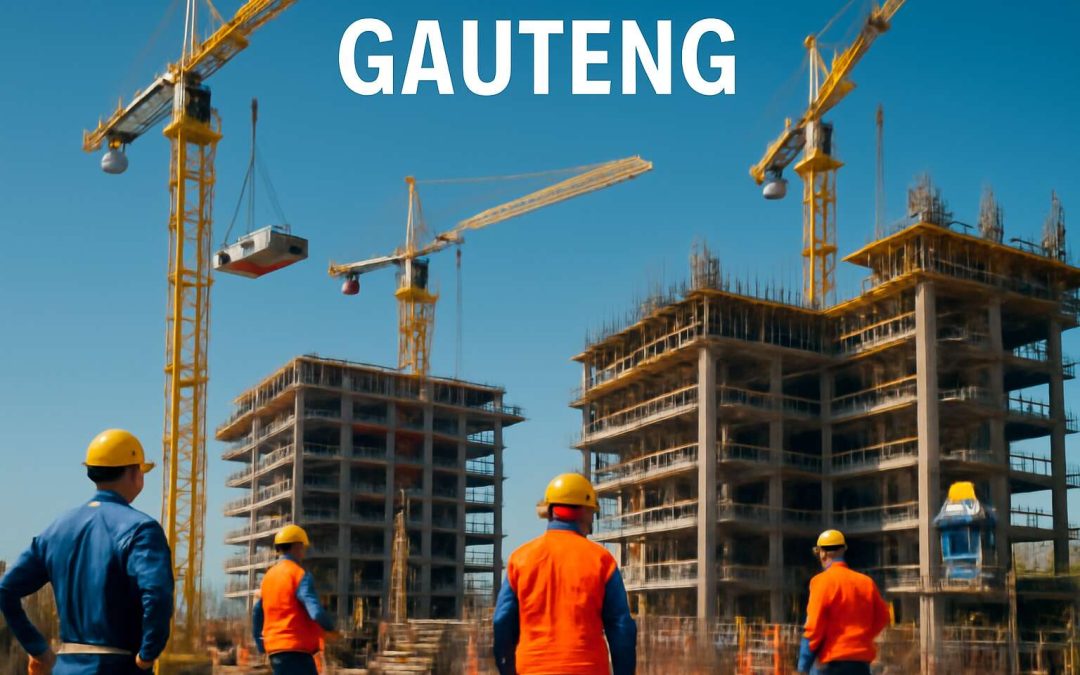
The construction industry in Gauteng pulses with an almost hypnotic energy, a relentless rhythm driven by ambition and the promise of progress. With an estimated growth rate of 4.5% annually, it’s a landscape where towering structures and sprawling developments emerge like dark monoliths from the shadows of the city skyline. These are not mere buildings, but symbols of a relentless pursuit—an echo of Gauteng’s transformation from a mere provincial hub into South Africa’s economic heartbeat.
Amidst this landscape, construction companies in Gauteng forge the future with a blend of innovation and resilience. The relentless demand for commercial spaces, infrastructural upgrades, and residential complexes fuels the industry’s evolution. Trends reveal an increasing investment in sustainable practices and smart technology, signaling a shift towards a more environmentally-conscious era. It’s a dance of the old and the new, where tradition intertwines with cutting-edge design, creating a tapestry as complex as the city itself.
- Urban expansion driven by population growth
- Rising investments in infrastructure projects
- Adoption of eco-friendly building materials
In this shadowy realm of steel and stone, the construction companies in Gauteng stand as silent sentinels—mysterious yet essential—shaping a landscape that is as much a reflection of human ambition as it is a testament to resilience amid chaos.
Key Drivers of Construction in Gauteng
The construction industry in Gauteng is not merely a sector of economic activity; it is a pulsating core of urban metamorphosis, driven by forces both tangible and intangible. With a projected annual growth rate of 4.5%, the landscape is a testament to human ambition, where each crane and concrete slab whispers stories of resilience and relentless progress. Behind these monumental structures lie the construction companies in Gauteng, whose expertise and ingenuity shape the very fabric of the province’s evolution.
The key drivers of construction in Gauteng are multifaceted, rooted in the city’s demographic dynamism and infrastructural ambitions. Urban expansion, fueled by rapid population growth, demands innovative solutions for residential and commercial development. Simultaneously, rising investments in infrastructure projects—roads, bridges, and transit systems—underline Gauteng’s strategic importance as South Africa’s economic hub. The industry’s pulse is further invigorated by an increasing preference for sustainable building practices and eco-friendly materials, reflecting a commitment to environmentally-conscious development.
- Population-driven urban sprawl
- Government and private sector infrastructure investments
- Adoption of green technology and sustainable materials
In this intricate dance of progress, construction companies in Gauteng stand as silent architects—balancing tradition and innovation, forging the future with resilience and purpose. Their role is not just about erecting structures but about crafting the very essence of a city that refuses to stand still.
Major Infrastructure Projects
The construction industry in Gauteng pulses with an almost relentless energy, a reflection of a city that refuses to stand still. Major infrastructure projects are not mere developments; they are the arteries of economic vitality, breathing life into the province’s ambitions. From sprawling highway expansions to state-of-the-art transit systems, these endeavors symbolize a collective pursuit of progress. The role of construction companies in Gauteng is pivotal—each project a testament to their mastery of blending innovation with durability.
Among the most transformative initiatives are large-scale rail upgrades and new commercial hubs, which serve as the backbone of Gauteng’s urban evolution. These projects are often characterized by a complex web of stakeholders, navigating logistical challenges with precision. The industry’s capacity to deliver on such ambitious infrastructure projects underscores the resilience and ingenuity of construction companies in Gauteng.
- Major highway expansions to ease congestion and connect key economic zones
- Development of multimodal transit hubs to promote sustainable urban mobility
- Construction of innovative commercial and residential complexes to support population growth
As Gauteng continues to expand and redefine its skyline, the expertise of construction companies in Gauteng remains the driving force behind these monumental feats—silent architects shaping the very fabric of a city that dreams big and dares even bigger. Every beam laid and foundation poured embodies a deeper human story—one of perseverance, vision, and the relentless pursuit of a better tomorrow.
Top Construction Companies in Gauteng
Leading Construction Firms
Gauteng’s skyline is rapidly transforming, with some of the most reputable construction companies in Gauteng spearheading this change. These firms are known not just for their size but for their unwavering commitment to quality and innovation. It’s no exaggeration to say that the top construction companies in Gauteng have played a crucial role in shaping the province’s urban landscape, blending modernity with functionality.
Among the leading construction firms are those that consistently deliver large-scale projects on time and within budget. Their expertise spans commercial developments, residential estates, and infrastructure upgrades. What sets these companies apart is their focus on sustainability and community impact, ensuring that growth benefits everyone.
For those seeking reliable partners in construction, it’s helpful to know the names that stand out in the industry. Here are some of the top construction companies in Gauteng:
- WBHO Construction
- Aveng Grinaker-LTA
- Concor Construction
- Group Five Construction
Each of these firms brings decades of experience and a track record of delivering complex projects that meet both client expectations and regulatory standards. Their influence continues to define Gauteng’s development trajectory, making them indispensable in the realm of construction companies in Gauteng.
Emerging Construction Companies
In the shadows of Gauteng’s relentless skyline, emerging construction companies are wielding their influence like darkened specters—silent yet unstoppable. These firms, often lesser-known but no less formidable, are carving out their niches amid the giants of the industry, driven by a hunger for innovation and a thirst for sustainability. Their projects whisper promises of future visions, blending modernity with an almost otherworldly precision.
Among these rising forces, a few stand out for their daring approaches and unwavering commitment to excellence. They challenge the traditional notions of construction companies in Gauteng, pushing boundaries that once seemed unbreakable. Their focus on eco-friendly building practices and community-centered developments signals a new era—one where growth is intertwined with responsibility.
For those seeking a partner in this shadowy realm of construction, it’s crucial to recognize the names that quietly forge ahead. Here are some of the top emerging construction companies in Gauteng:
- Blackstone Builders
- Nightshade Constructions
- Obsidian Engineering
- Phantom Projects
Each of these firms brings a distinctive approach, melding gothic grandeur with cutting-edge technology. Their influence may be subtle for now, but their impact on the urban landscape of Gauteng is poised to grow—an ominous promise of transformation and enduring legacy within the realm of construction companies in Gauteng.
Company Profiles and Specializations
Gauteng’s construction sector is a dynamic landscape teeming with diverse expertise. The top construction companies in Gauteng have built formidable reputations through their unwavering commitment to quality and innovation. These firms not only shape skylines but also influence the socio-economic fabric of the region. Their projects range from high-rise commercial buildings to intricate infrastructure developments, showcasing a blend of technical mastery and strategic foresight.
Among these, a few stand out for their specialized focus areas. For instance, some construction companies in Gauteng excel in eco-friendly building practices, prioritizing sustainability and green construction. Others bring a wealth of experience in urban renewal, revitalizing neglected areas into vibrant hubs of activity. Here’s a quick overview of their core competencies:
- Commercial and Industrial Construction
- Infrastructure and Road Projects
- Residential Developments
- Sustainable Building Solutions
Understanding the unique strengths of these construction companies in Gauteng helps stakeholders make informed decisions, whether they are investors, government agencies, or private clients seeking reliable partners in development. Their expertise paves the way for a resilient, forward-thinking Gauteng that balances growth with responsibility.
Types of Construction Services Offered
Commercial Construction
Construction companies in Gauteng are the silent architects of the province’s relentless urban evolution, forging environments where commerce and community intertwine with intricate precision. Among their many offerings, commercial construction stands as a cornerstone, transforming sprawling plots into dynamic hubs of activity. This sector demands a nuanced blend of innovation, efficiency, and meticulous planning—qualities that define the best construction companies in Gauteng.
From towering office blocks to expansive retail complexes, commercial construction services encompass a spectrum of specialized functions. These include site analysis, architectural design, structural engineering, and project management—all seamlessly integrated to meet tight deadlines and high standards. The most reputable firms often employ a layered approach, ensuring each phase harmonizes with the overall vision. For those seeking excellence, understanding the diversity of services offered by construction companies in Gauteng reveals a landscape where creativity meets rigorous technical expertise—making every project a testament to urban ingenuity.
Residential Construction
Residential construction in Gauteng is more than just building homes; it’s about crafting spaces where families create memories. The best construction companies in Gauteng offer a comprehensive range of residential services designed to meet diverse needs. From custom-designed houses to large-scale apartment complexes, these firms excel at turning blueprints into livable realities.
Services typically include land clearing, foundation laying, framing, roofing, and interior finishing. Many construction companies in Gauteng also provide project management to ensure each phase aligns with client expectations and timelines. This layered approach guarantees quality and efficiency, making the process seamless for homeowners and investors alike.
Whether it’s a modern family home or a luxury estate, top construction firms in Gauteng bring technical expertise and creative solutions to every project. Their focus remains on durability, safety, and aesthetic appeal—key ingredients for building lasting communities. When it comes to residential construction, these companies set the standard for excellence in Gauteng’s dynamic property landscape.
Industrial Projects
Industrial projects in Gauteng are the backbone of South Africa’s economic heartbeat, pulsating with ambition and grandeur. Construction companies in Gauteng have elevated their craft to encompass a spectrum of specialized services tailored to the unique demands of industrial development. These projects often involve complex logistics, innovative engineering solutions, and meticulous planning, transforming raw land into thriving hubs of commerce and manufacturing.
From sprawling warehouses to state-of-the-art manufacturing plants, the scope of industrial construction is vast. Leading construction companies in Gauteng excel at integrating advanced technology into their builds, ensuring durability and efficiency. Their expertise often includes services such as site preparation, reinforced concrete work, electrical and plumbing installations, and advanced security systems—a symphony of craftsmanship that breathes life into industrial spaces.
In some instances, firms employ a strategic approach to project execution, prioritizing safety, sustainability, and long-term value. For example, many construction companies in Gauteng use innovative material sourcing and eco-friendly practices to reduce environmental impact. Whether it’s a large-scale factory or a logistical distribution center, these companies possess the skill and vision to turn blueprints into formidable industrial realities.
- Site clearing and land preparation
- Foundation and structural framework
- Electrical, plumbing, and HVAC systems
- Interior finishing and installation of specialized equipment
Such comprehensive offerings make construction companies in Gauteng invaluable partners in shaping the industrial landscape. Their ability to seamlessly coordinate every phase of construction ensures projects are completed on time, within budget, and to the highest standards of safety and quality. As Gauteng continues to evolve into a nexus of industrial innovation, these firms remain at the forefront, driven by a passion for excellence and a vision of growth that seems almost mythical in scope.
Infrastructure and Civil Engineering
Construction companies in Gauteng deliver a spectrum of services that underpin the region’s vital infrastructure and civil engineering landscape. Their expertise extends beyond mere building; it’s about shaping the very fabric of a city’s future. From complex highway systems to intricate water management projects, these firms are adept at transforming ambitious visions into tangible realities.
Infrastructure and civil engineering services offered by these companies include site grading, drainage systems, and road construction—each element essential to the seamless operation of urban life. Their approach often incorporates innovative techniques such as sustainable material sourcing and eco-friendly construction practices, which are crucial in today’s environmentally conscious landscape.
- Road and bridge construction
- Water supply and sewage systems
- Urban development projects
Whether working on public transportation hubs or flood mitigation projects, construction companies in Gauteng are driven by a commitment to safety, durability, and community upliftment. Their ability to expertly coordinate these complex projects makes them indispensable, as they continuously push the boundaries of what is feasible in civil engineering. In a city that pulses with relentless energy and growth, these firms are the quiet architects of progress, often operating behind the scenes but with an undeniable impact on the human experience.
Factors to Consider When Choosing a Construction Company in Gauteng
Experience and Track Record
Choosing the right construction company in Gauteng requires more than just a quick glance at their portfolio. Experience and a solid track record are critical indicators of a company’s ability to deliver quality projects on time and within budget. In Gauteng’s competitive construction landscape, companies with proven expertise often demonstrate an understanding of local regulations, safety standards, and community expectations. This local knowledge can significantly impact project success, especially in complex infrastructure and civil engineering projects.
When evaluating construction companies in Gauteng, consider their history of completing projects similar to yours. A company’s ability to adapt to evolving building codes and environmental considerations can be a game-changer. It’s advisable to ask for references or case studies that showcase their previous work. Additionally, look into their safety records and client satisfaction rates, which often serve as a window into their professionalism and reliability.
- Years of experience in the Gauteng construction sector
- Successful completion of projects similar to yours
- Strong safety and quality standards
- Positive client testimonials and references
Ultimately, a construction company’s track record provides a clear window into their capacity to handle your project efficiently and effectively. It’s an essential factor that can influence your decision when selecting among the many construction companies in Gauteng.
Industry Certifications and Licensing
When selecting the right construction companies in Gauteng, industry certifications and licensing are non-negotiable. These credentials demonstrate compliance with South African standards and confirm the company’s ability to meet legal and safety requirements. A licensed construction company in Gauteng ensures your project adheres to local building codes, reducing risks of delays and legal issues.
It’s wise to verify their registration with relevant authorities, such as the South African Construction Industry Development Board (CIDB). A high CIDB grading indicates the company’s capacity to handle large-scale projects and complex infrastructure in Gauteng. Additionally, check for membership in professional bodies like the South African Federation of Civil Engineering Contractors (SAFCEC). These affiliations reflect a commitment to quality standards and ongoing professional development.
Ultimately, choosing a construction company in Gauteng with proper certifications and licensing safeguards your investment and ensures a smooth project flow. It’s a critical factor in making an informed decision in this competitive industry.
Portfolio and Past Projects
When seeking the perfect partner among the construction companies in Gauteng, the portfolio of past projects serves as a silent testament to their capabilities. It’s not merely about the structures they’ve built, but about the stories those structures tell—stories of precision, resilience, and ingenuity. An in-depth review of their previous work reveals their ability to adapt to complex requirements and deliver on ambitious visions.
Look closely at their portfolio—are there projects similar to yours? Have they demonstrated mastery in commercial, residential, or industrial sectors? This insight helps gauge their versatility and expertise. Sometimes, a single project can encapsulate an entire ethos of craftsmanship—an unspoken promise of quality and commitment. The best construction companies in Gauteng often showcase their work through detailed case studies, highlighting problem-solving prowess and innovative solutions.
Ultimately, the portfolio isn’t just about showcasing past achievements; it’s a window into what your future project could become. When choosing among construction companies in Gauteng, prioritize those whose past work resonates with your vision—because every successful project begins with a moment of shared trust rooted in proven excellence.
Customer Reviews and References
In the intricate dance of choosing the right partner among construction companies in Gauteng, customer reviews and references serve as the compass guiding your journey. These testimonials are more than mere words—they are the echoes of past clients’ experiences, whispering truths about reliability, craftsmanship, and professionalism. When scrutinizing a company’s reputation, look beyond polished marketing; seek genuine stories of project triumphs and lessons learned.
Engaging directly with references provides a rare glimpse into the company’s work ethic and ability to meet deadlines under pressure. A reputable construction firm in Gauteng will gladly connect you with satisfied clients who can attest to their unwavering commitment and excellence. Remember, every glowing review builds a bridge of trust, transforming abstract promises into tangible assurance. After all, in the realm of construction, reputation isn’t just earned—it’s embodied in every completed structure, and every satisfied client’s voice echoes the true measure of craftsmanship.
Budget and Pricing Transparency
When selecting among construction companies in Gauteng, the dance of budget and pricing transparency can feel like navigating a labyrinth of shadows and flickering lanterns. Trust is the cornerstone of this journey—knowing exactly what you’re investing in and how costs are calculated transforms a daunting prospect into an exhilarating adventure. A reputable construction firm in Gauteng will offer clear, detailed quotations that leave no room for ambiguity, ensuring that every rand is justified by tangible progress and quality materials.
Transparency isn’t merely about numbers; it’s about fostering an environment of honesty and accountability. Look for companies that provide detailed breakdowns of costs, from labor to materials, and are willing to discuss potential fluctuations or unforeseen expenses openly. Choose a construction partner whose pricing structure aligns with your budget, but also reflects a commitment to quality craftsmanship and sustainable practices. After all, a trustworthy contractor in Gauteng will treat your project as a shared mission—where clarity and integrity illuminate the path from blueprint to reality.
Benefits of Hiring Local Construction Companies in Gauteng
Understanding Local Regulations
Choosing local construction companies in Gauteng offers more than just convenience; it unlocks a world of strategic advantages rooted in deep regional expertise. These companies possess an intrinsic understanding of Gauteng’s unique regulatory landscape, which can significantly streamline project timelines and mitigate costly delays. By navigating local regulations with finesse, they ensure compliance with safety standards, zoning laws, and environmental guidelines that might bewilder outsiders.
Furthermore, local construction companies in Gauteng often boast established relationships with municipal authorities and suppliers—networks that can be the difference between a project that stagnates and one that flourishes. Their intimate knowledge of permits, inspections, and local codes translates into smoother project execution and fewer surprises along the way. When it comes to budget and pricing transparency, these companies are attuned to regional economic factors, offering tailored solutions that respect both quality and affordability.
In essence, partnering with local construction companies in Gauteng not only fosters community growth but also harnesses a nuanced understanding of the local environment—making the journey from blueprint to reality both seamless and inspiring!
Faster Project Completion
Choosing local construction companies in Gauteng can dramatically speed up your project timeline. These firms have a deep understanding of regional workflows, supplier networks, and municipal processes. Their familiarity with local permits and inspections means fewer delays and smoother progress from start to finish.
In addition, local companies often have established relationships with municipal authorities and regional suppliers. This network can be pivotal in securing materials quickly and ensuring compliance with Gauteng’s building regulations. As a result, projects are completed more efficiently, saving time and reducing costs.
- Quick access to permits and approvals
- Reliable supply chain connections
- Streamlined communication with local authorities
All these factors contribute to faster project completion when partnering with construction companies in Gauteng. They understand the regional landscape inside out, turning complex processes into seamless executions—delivering results on time and within budget!
Cost-Effective Solutions
Hiring local construction companies in Gauteng isn’t just a strategic move—it’s a game changer for your project’s bottom line. These firms possess a keen understanding of regional dynamics, which translates into significant cost savings. Their established relationships with regional suppliers mean better prices on materials and quicker access to essential resources. This direct access reduces downtime and keeps your project on schedule, ultimately lowering the total cost of construction.
Furthermore, local companies often operate with transparent pricing models, providing clarity that prevents budget overruns. Their familiarity with Gauteng’s unique building regulations and permit processes ensures that there are no costly surprises midway through the project. You benefit from expert guidance that minimizes delays and streamlines every phase, making your investment both smart and sustainable.
In essence, partnering with construction companies in Gauteng offers a level of financial efficiency that out-of-town firms simply can’t match. It’s not just about saving money—it’s about harnessing regional expertise to turn ambitious visions into reality without breaking the bank!
Personalized Customer Service
There is an undeniable intimacy that comes with working alongside local construction companies in Gauteng—an understanding rooted in shared history, regional nuances, and a collective commitment to progress. This personalized approach transforms a simple project into a collaborative journey, where clients are not just spectators but active participants. The human element—trust, familiarity, and genuine engagement—becomes the cornerstone of every successful build.
Choosing local construction companies in Gauteng means gaining access to a team that truly understands your vision and the unique challenges of the environment. Their ability to adapt and respond swiftly is a reflection of their deep roots within the community. This fosters a level of customer service that is both attentive and intuitive, ensuring that your experience is seamless from inception to completion. When your project feels like a shared responsibility, the result is not only superior quality but a relationship built on mutual respect and understanding.
Innovations and Sustainability in Gauteng Construction
Use of Modern Construction Technologies
Innovation and sustainability are no longer optional for construction companies in Gauteng; they are essential. As the region accelerates its urban development, modern construction technologies are transforming how projects are executed, making them more efficient and eco-friendly. Advanced building methods such as 3D modeling, Building Information Modeling (BIM), and modular construction are streamlining workflows, reducing waste, and cutting costs. These innovations enable construction companies in Gauteng to deliver projects faster while maintaining high quality standards.
Sustainable practices are also gaining ground, with many firms prioritizing green building certifications and renewable materials. This shift reflects a broader commitment to reducing carbon footprints and conserving resources. Some companies are even integrating smart technology to optimize energy use and improve building lifespan. It’s clear that the future of construction in Gauteng hinges on technological adaptation and environmental responsibility, setting a new standard for the industry’s growth trajectory.
Green Building Practices
Innovation and sustainability are reshaping the landscape of construction companies in Gauteng. Modern building practices emphasize eco-friendly materials and energy-efficient designs that lower environmental impact. Green building practices, such as using renewable materials and implementing solar technology, are now commonplace among top firms. These efforts not only reduce carbon footprints but also enhance building longevity and operational efficiency.
Construction companies in Gauteng are increasingly adopting cutting-edge techniques like Building Information Modeling (BIM) and modular construction. These innovations streamline workflows and foster sustainable development. For example, some firms utilize green building certifications to showcase their commitment to environmental responsibility. Such certifications ensure compliance with rigorous standards and appeal to environmentally conscious clients.
By integrating smart technology to optimize energy use, construction companies in Gauteng are setting new benchmarks in eco-friendly development. These advancements demonstrate that sustainability and innovation are no longer optional—they are vital to future-proofing the region’s urban growth and minimizing ecological footprints. The drive for sustainable practices is becoming a defining feature of Gauteng’s construction industry.
Energy Efficiency Initiatives
In Gauteng’s bustling construction landscape, innovation isn’t just a buzzword—it’s the backbone of sustainable growth. Construction companies in Gauteng are leading the charge with pioneering energy efficiency initiatives that push the envelope of eco-friendly development. From harnessing solar technology to integrating advanced energy management systems, these firms are transforming urban spaces into models of sustainability.
One of the most exciting trends is the adoption of green building practices that prioritize renewable materials and energy-efficient design. Many companies are now pursuing green building certifications—proof of their commitment to reducing ecological footprints and meeting strict environmental standards. These initiatives not only bolster their reputations but also offer clients long-term savings and operational efficiency.
Innovations such as Building Information Modeling (BIM) and modular construction are further accelerating progress. They enable construction companies in Gauteng to streamline workflows, reduce waste, and complete projects faster without compromising quality. The region’s forward-thinking construction firms are proving that sustainability and cutting-edge technology can go hand in hand—setting new standards for eco-friendly development across South Africa.
How to Find and Evaluate Construction Companies in Gauteng
Online Directories and Listings
Finding the right construction companies in Gauteng can feel overwhelming, but online directories and listings simplify the process. These platforms offer extensive databases of local firms, complete with reviews, portfolios, and contact details. A quick search reveals options ranging from small boutique firms to large-scale industrial specialists.
When evaluating construction companies in Gauteng online, consider their experience, reputation, and specific areas of expertise. Look for detailed company profiles that showcase their past projects and client testimonials. You might also want to verify their industry certifications and licensing to ensure compliance with local regulations.
- Check ratings and reviews from previous clients
- Compare portfolio of past projects for quality and scope
- Verify industry accreditations and licenses
- Assess pricing transparency and customer service responsiveness
This approach ensures you partner with reputable construction companies in Gauteng that can deliver on time, within budget, and to your specifications. Online listings serve as a trusted starting point for making informed decisions in a competitive market!
Industry Associations and Certifications
In the labyrinth of Gauteng’s bustling construction landscape, industry associations and certifications serve as guiding stars—illuminating the path to reputable construction companies in Gauteng. These credentials whisper tales of professionalism, compliance, and a commitment to excellence, making your quest for a reliable partner more than just a gamble. When evaluating construction companies in Gauteng, seeking membership in esteemed industry associations such as the South African Federation of Civil Engineering Contractors (SAFCEC) or the Master Builders South Africa (MBSA) can be a discerning step. Such affiliations often reflect a firm’s dedication to maintaining high standards and staying abreast of evolving regulations.
Certifications like ISO standards or safety accreditations further bolster a company’s credibility. These industry certifications aren’t mere badges—they are a testament to a firm’s adherence to quality management, environmental practices, and safety protocols. It’s like peering through a crystal ball, revealing their capability to deliver projects that are not only structurally sound but also environmentally conscious and safe for all involved.
- Verify their memberships with reputable industry associations.
- Ensure they possess relevant certifications and licenses.
- Review their compliance history and safety records.
By weaving these elements into your evaluation, you cast a discerning eye over the tapestry of construction companies in Gauteng, ensuring your project is entrusted to those who truly understand the alchemy of building excellence.
Requesting Quotes and Proposals
Finding the right construction companies in Gauteng can feel like searching for a needle in a haystack—if the haystack were full of shiny, well-advertised nails. To ensure your project isn’t left in the dust, requesting detailed quotes and proposals is essential. This process isn’t just about comparing prices; it’s about gauging professionalism, responsiveness, and transparency. When soliciting proposals, be specific about your scope of work, timeline, and budget.
A savvy approach involves creating a list of questions to ask each candidate—think of it as your construction company’s job interview. For example, inquire about their experience with similar projects, their safety record, and their preferred construction technologies. Remember, the best construction companies in Gauteng aren’t just those with the lowest bid; they’re the ones who show a genuine understanding of your vision and offer clear, comprehensive proposals. This way, you’ll weed out the amateurs and partner with a team that truly builds with integrity.
Site Visits and Client References
When seeking reputable construction companies in Gauteng, a site visit combined with checking client references can reveal more than any brochure ever could. Witnessing a company’s work firsthand allows you to assess their attention to detail, safety standards, and craftsmanship—elements often hidden behind glossy proposals. During these visits, pay close attention to ongoing projects, the quality of materials used, and the professionalism of the crew. These insights help distinguish seasoned builders from those still finding their footing.
Equally vital is reaching out to previous clients who can provide candid feedback about their experience. Client references serve as a window into a construction company’s reliability, communication, and ability to meet deadlines. To streamline your evaluation process, consider creating a list of targeted questions such as:
- Was the project completed within the agreed timeline?
- Did the company adhere to the budget?
- How was their communication throughout the process?
- Were any unforeseen issues handled transparently?
By combining site visits with thorough reference checks, you gain a comprehensive understanding of the construction companies in Gauteng. This approach ensures your project is entrusted to a team with proven expertise, integrity, and a track record of success—keys to transforming your vision into reality with confidence and clarity.
Legal and Regulatory Considerations
Construction Permits and Licenses
In the realm of construction companies in Gauteng, navigating the labyrinth of legal and regulatory considerations is paramount. Without adherence to local laws, even the most ambitious projects risk becoming ghostly echoes of their potential. Securing the appropriate construction permits and licenses isn’t just a bureaucratic hurdle; it’s the foundation that ensures projects are built on solid legal ground. Gauteng’s authorities are stringent, requiring detailed documentation and compliance with zoning laws, building codes, and environmental regulations. Missing a step can lead to costly delays or even project shutdowns, making diligence in this area non-negotiable.
To streamline this process, many construction companies in Gauteng have adopted a structured approach, often involving:
- Applying for building permits from municipal authorities
- Obtaining environmental clearances when necessary
- Securing health and safety licenses before work begins
Understanding and respecting these legal frameworks isn’t just about avoiding penalties; it’s about establishing credibility and trust in the highly competitive construction landscape of Gauteng. When legal compliance is prioritized, construction companies in Gauteng can proceed with confidence, turning visions into concrete reality without supernatural setbacks.
Contracts and Agreements
Legal and regulatory considerations form the very backbone of thriving construction companies in Gauteng. Without a firm grasp of the intricate web of contracts and agreements, even the most visionary projects risk faltering amidst legal quagmires. In Gauteng’s competitive landscape, understanding the nuances of legal compliance elevates a construction company from merely functional to industry leader. From drafting clear contractual obligations to ensuring adherence to local legislation, every agreement must be a fortress of clarity and security.
Construction companies in Gauteng often navigate this complex terrain through meticulous contract management, which includes:
- Defining scope, timeline, and payment terms explicitly
- Incorporating clauses related to dispute resolution and penalties
- Ensuring compliance with environmental and safety standards
This detailed approach safeguards projects from unforeseen disputes and guarantees that all parties are aligned, fostering trust and transparency. As Gauteng’s construction industry continues to evolve, embracing robust legal frameworks and binding agreements becomes not just a safeguard but a strategic advantage, transforming legal challenges into opportunities for enduring success.
Health and Safety Regulations
In the bustling heart of Gauteng’s construction landscape, health and safety regulations are not merely guidelines—they are the very fabric that sustains every project’s integrity. For construction companies in Gauteng, adherence to these standards is a dance of precision, ensuring workers and communities are shielded from harm while projects flourish. The Occupational Health and Safety Act mandates strict compliance with safety protocols, transforming construction sites into sanctuaries of vigilance rather than hazards.
In practice, this means implementing comprehensive safety plans that include regular risk assessments, proper signage, and protective gear. Construction companies in Gauteng often develop safety checklists that cover:
- Proper handling of hazardous materials
- Regular staff training sessions
- Strict adherence to machinery safety protocols
By weaving these practices into daily routines, construction companies in Gauteng not only meet legal requirements but also cultivate a culture of care. When safety becomes a shared commitment, projects are more likely to conclude on time and within budget, turning the construction site into a bastion of efficiency and trust—an enchanting fusion of diligence and progress that propels Gauteng’s skyline skyward.
Case Studies and Successful Projects in Gauteng
Commercial Developments
Some of the most striking examples of success among construction companies in Gauteng are their innovative and large-scale commercial developments. These projects often set new standards for quality, efficiency, and sustainability. One standout case involved the construction of a state-of-the-art office park that transformed the Johannesburg skyline. The project was completed ahead of schedule, thanks to the seamless coordination of the construction companies in Gauteng involved.
Additionally, a recent retail complex exemplifies how construction companies in Gauteng are pushing boundaries. The project incorporated green building practices and energy efficiency initiatives, aligning with modern environmental standards. These successful projects showcase the resilience and expertise of local firms, often turning visions into tangible landmarks that contribute to Gauteng’s dynamic urban landscape.
Residential Complexes
Gauteng’s residential landscape is a tapestry woven with ambition and artistry, revealing remarkable case studies of successful projects that have redefined urban living. Among these, luxurious residential complexes stand as testament to the ingenuity of construction companies in Gauteng, transforming barren plots into vibrant communities where modernity meets comfort. These projects are not merely buildings, but living entities that breathe life into the city’s skyline.
One such exemplar is a sprawling residential estate nestled in the heart of Johannesburg, where state-of-the-art amenities and eco-friendly design converge. The construction companies in Gauteng involved in this project showcased exceptional mastery in blending sustainable practices with innovative architecture. Their seamless execution resulted in a harmonious environment that caters to the needs of contemporary residents while minimizing environmental impact.
From high-rise apartments to gated communities, these successful projects often feature
- cutting-edge building materials
- energy-efficient systems
- smart home integrations
that elevate the standard of urban living. It is this relentless pursuit of excellence that has cemented Gauteng’s reputation as a hub of residential construction brilliance, turning visions into tangible landmarks of comfort and sustainability. The resilience and expertise of local firms shine brightly through each project, echoing the vibrant pulse of Gauteng’s ever-evolving urban dream.
Public Infrastructure Projects
Gauteng’s construction sector boasts a treasure trove of transformative public infrastructure projects that exemplify ingenuity and resilience. Among these, iconic bridges, expansive transport hubs, and state-of-the-art civic facilities stand as testament to the prowess of construction companies in Gauteng. These ambitious undertakings are not mere infrastructure; they are the arteries that pulse vitality through the province’s urban landscape.
One standout example is the recent development of the Gauteng Freeway Improvement Project, a marvel that redefined regional connectivity. This project showcases the meticulous planning and execution of local construction companies in Gauteng, blending advanced engineering with sustainable practices. Their ability to deliver complex projects within tight timelines reflects a mastery that elevates Gauteng’s infrastructure to international standards.
Success stories often involve collaborative efforts, where teams employ innovative construction technologies, adhere to rigorous safety standards, and navigate complex regulatory environments. The integration of smart traffic management systems and eco-friendly designs underscores a commitment to future-proofing public spaces. These projects not only enhance mobility but also symbolize the relentless drive of construction companies in Gauteng to craft enduring landmarks of progress.
Sep 10, 2025 | Construction Articles
Understanding Construction Quotation Templates
What Is a Construction Quotation Template?
A construction quotation template isn’t just a fancy form; it’s the backbone of a transparent and professional project negotiation. According to industry experts, clear communication can reduce project delays by up to 30%. When you understand what a construction quotation template entails, you grasp how it streamlines the entire process. It provides a structured format to present costs, scope, and timelines, ensuring all parties are on the same page from the outset.
At its core, a construction quotation template is a document that offers an itemized breakdown of expenses associated with a building project. This includes materials, labour, permits, and other essential costs. The beauty of a well-crafted template is that it leaves little room for ambiguity, which is crucial in South Africa’s competitive construction landscape. Including key details such as project description, payment terms, and validity period within the template can significantly improve clarity and trust.
- Accurate cost estimation
- Enhanced communication between contractor and client
- Legal protection through clear documentation
- Facilitation of competitive bidding processes
Importance of Using a Professionally Designed Template
Understanding the significance of a construction quotation template goes beyond mere formality; it is the subtle art of establishing trust and clarity in a competitive landscape. A professionally designed construction quotation template acts as a silent negotiator, ensuring that both contractor and client are aligned from the first dollar. Studies suggest that transparent communication, facilitated by such templates, can reduce project delays by up to 30%, saving everyone time and money—an undeniable boon in South Africa’s bustling construction industry.
A well-crafted construction quotation template doesn’t just itemize costs; it weaves a narrative of professionalism and reliability. Including detailed descriptions of scope, payment terms, and validity period ensures that misunderstandings are minimized and legal protections are strengthened. Think of it as the blueprint for a smooth partnership—one that fosters trust and facilitates a seamless bidding process. After all, in a realm where ambiguity can be costly, a construction quotation template stands as a beacon of clarity.
Key Components of a Construction Quotation
In the shadowed corridors of construction, where every detail can spell the difference between fortune and ruin, understanding the core components of a construction quotation template becomes paramount. It’s not merely a sheet of numbers; it’s a carefully woven tapestry of intent, precision, and trust. The key components serve as the skeleton of the document, guiding both contractor and client through a labyrinth of expectations.
At its heart, a construction quotation template must incorporate a detailed scope of work, outlining the specific tasks and deliverables. This clarity acts as a lighthouse, preventing misunderstandings that could otherwise lead to costly disputes. Payment terms are equally vital—they set the rhythm of the project’s financial heartbeat and safeguard both parties. Validity periods, meanwhile, establish the temporal boundaries of the quotation, ensuring that everyone remains aligned amidst the shifting sands of project timelines.
To truly grasp the essence of a well-constructed quotation, consider these components:
- Scope of work
- Cost breakdown
- Payment terms
- Validity period
- Terms and conditions
Each element, like a piece of an intricate puzzle, contributes to a seamless narrative of professionalism. In the realm of South Africa’s bustling construction scene, where competition is fierce and stakes are high, a construction quotation template infused with these key components acts as a beacon—illuminating trust, fostering clarity, and ultimately, sealing the pact that transforms blueprints into reality.
Components of an Effective Construction Quotation Template
Header and Contact Details
A well-crafted construction quotation template begins with a header that instantly communicates professionalism and clarity. This section typically features the company’s logo, name, and a concise tagline that encapsulates your core values or specialization. The header acts as the visual anchor, setting the tone for trustworthiness and expertise.
Equally vital are the contact details, which should be prominently positioned—ideally beneath the header—to facilitate seamless communication. Including multiple contact avenues such as phone numbers, email addresses, and physical addresses ensures clients can reach out effortlessly. Clear contact information not only enhances transparency but also demonstrates your commitment to client service.
In a competitive landscape like South Africa’s construction industry, a construction quotation template with a professional header and comprehensive contact details can make all the difference. Consider these essential components:
- Company logo and branding elements
- Full company name and registration details
- Physical address and postal code
- Primary contact number(s) and email address(es)
- Website URL for added credibility
Thoughtful attention to this initial section ensures your quotation exudes credibility and invites further engagement—key factors in winning contracts and building lasting client relationships.
Project Description and Scope of Work
Every successful construction project begins with a clear vision, but translating that vision into an actionable plan requires more than just good intentions. The project description and scope of work within a construction quotation template serve as the blueprint for what’s to come, outlining the journey from concept to completion. This section must strike a delicate balance—detailed enough to avoid misunderstandings, yet concise enough to keep the client engaged. Clarity here fosters trust and sets realistic expectations for all stakeholders involved.
To craft an effective scope of work, consider breaking down tasks into manageable phases or categories. Whether it’s excavation, foundation work, or finishing touches, each element should be described with precision. Sometimes, a numbered list can be a helpful tool to ensure no detail is overlooked:
- Initial site assessment and preparation
- Structural framework installation
- Interior and exterior finishing
- Final inspection and handover
Incorporating specific descriptions within your construction quotation template not only clarifies the project’s trajectory but also demonstrates professionalism. It reassures clients that every detail is accounted for, reducing surprises and fostering confidence in your expertise. When clients see a comprehensive scope, they are more likely to trust your company’s capability to deliver quality craftsmanship on time and within budget.
Material and Equipment Costs
When it comes to a construction quotation template, one of the most critical components—yet often overlooked—is the material and equipment costs. These line items are the backbone of your estimate and can make or break the project’s profitability. A well-detailed section ensures transparency, helping clients understand exactly what they’re paying for and avoiding any unpleasant surprises down the line. Plus, it demonstrates your professionalism—no one likes a surprise bill, especially when it’s for materials you didn’t mention!
In the South African construction industry, accurately listing material costs—such as bricks, cement, steel, and finishes—can significantly influence the client’s decision. Equally important are equipment costs, covering machinery rentals, tools, and safety gear. To keep things clear, consider breaking down costs into categories or phases of the project. This approach not only aids in budgeting but also showcases your meticulous planning. Remember, a construction quotation template isn’t just a price list; it’s a reflection of your project management prowess and expertise.
By meticulously itemizing material and equipment costs, you foster trust and reduce misunderstandings. Clients appreciate detail, especially when it’s presented cleanly and logically. After all, in the complex world of construction, clarity isn’t just a virtue; it’s the secret sauce that turns a good estimate into a winning bid. And with a comprehensive construction quotation template, you’re well on your way to sealing the deal with confidence and professionalism!
Labor Costs and Manpower Details
While materials and equipment often steal the limelight in a construction quotation template, neglecting labor costs is like building a house on quicksand—sure to collapse eventually. Accurate labor and manpower details are the heartbeat of a credible estimate, especially in South Africa’s bustling construction scene where skilled workers are as precious as gold. Detailing the number of workers, their roles, and hours not only clarifies costs but also displays your project management prowess. A well-structured section on manpower can prevent budget blowouts and foster trust with clients—after all, nobody appreciates surprises when it comes to labor bills.
To make your construction quotation template truly shine, consider breaking down labor costs into phases or categories. For example, you might list:
- Skilled labor (electricians, plumbers, masons)
- Unskilled labor (helpers, general workers)
- Overtime and weekend work premiums
This detailed approach ensures transparency and helps clients understand the scope of manpower involved. When clients see a comprehensive breakdown, they’re more inclined to trust your estimates—and that’s how you turn a good bid into a winning one! Remember, clarity in labor costs isn’t just good practice; it’s the secret sauce that elevates your entire construction quotation template from average to exceptional.
Timeline and Project Schedule
In the fast-paced world of South African construction, timing isn’t just everything—it’s the backbone of a successful project. A well-structured timeline and project schedule within your construction quotation template can make or break your credibility. Think of it as the GPS for your build—showing clients exactly where you’re headed and when they can expect milestones to be hit. Transparency about project phases and deadlines instills confidence and keeps everyone on the same page, reducing the dreaded scope creep and budget blowouts.
To truly impress, your construction quotation template should include a detailed project schedule, highlighting key phases such as groundwork, framing, and finishing. Incorporating a visual timeline—be it Gantt charts or simple milestone markers—can elevate clarity. For instance, breaking down the project into:
- Pre-construction planning
- Foundation and structural work
- Interior and exterior finishes
- Final inspections and handover
Such segmentation helps clients grasp the sequence of events, allowing them to see how each component fits into the bigger picture. Remember, a precise timeline isn’t just a nice-to-have; it transforms your construction quotation template from a mere estimate into a strategic blueprint for success—keeping projects on track and clients smiling all the way!
Terms and Conditions
In the grand theatre of South African construction, terms and conditions are the unseen script that keeps the show running smoothly. They’re the legal safety net—protecting both contractor and client from unexpected plot twists. A robust construction quotation template should include clear, comprehensive terms that specify payment schedules, project responsibilities, and dispute resolution procedures. This isn’t just legal jargon; it’s the blueprint for transparency and trust.
To keep everyone smiling and avoid the dreaded “he said, she said” situation, consider including a well-structured list of contractual obligations. For example:
- Payment milestones aligned with project phases
- Change order procedures to handle scope creep gracefully
- Liability clauses to shield you from unforeseen mishaps
Remember, a good construction quotation template doesn’t just spell out costs—it also sets the ground rules. This ensures that when the mud hits the fan, everyone knows their role, responsibilities, and rights. After all, a well-crafted terms and conditions section transforms your estimate into a credible contract—saving you from costly misunderstandings and legal headaches in the long run.
Payment Terms and Schedule
In the bustling tapestry of South African construction, a well-crafted construction quotation template acts as the compass guiding all parties through uncharted waters. Central to this navigational chart are the payment terms and schedule—delicate threads woven into the fabric of trust and clarity. When these elements are clearly articulated, they transform a simple estimate into a binding promise, minimizing misunderstandings and fostering confidence.
In essence, the payment schedule should outline specific milestones aligned with project phases, ensuring that each stage receives its due recognition. For instance, an effective construction quotation template might specify an initial deposit, progress payments, and final settlement, all tied to tangible project achievements. This structure not only safeguards cash flow but also keeps the project humming smoothly.
Remember, transparent payment terms—like specifying change order procedures or penalties for late payments—are vital. They serve as the backbone of a fair and balanced agreement, where everyone understands their financial commitments. A construction quotation template that intricately details these components creates a symphony of accountability, turning a mere estimate into a reliable blueprint for success.
Validity Period of the Quotation
In the labyrinth of South African construction projects, clarity is the secret weapon that prevents costly misunderstandings. A crucial component often overlooked is the validity period of a construction quotation template. This timeframe safeguards both contractor and client, ensuring that pricing remains accurate and commitments stay binding amidst fluctuating market conditions. Without a clear validity period, estimates risk becoming outdated, opening the door to disputes and delays.
Typically, a construction quotation template should specify a timeframe—such as 30 or 60 days—within which the quoted prices are applicable. This period acts as a protective barrier, compelling clients to decide swiftly and helping contractors manage their resources effectively. Moreover, it instills a sense of urgency that keeps projects on track and prices aligned with current market trends.
In essence, defining the validity period transforms a simple estimate into a robust financial blueprint. It’s a subtle yet powerful element that reinforces trust and transparency—cornerstones of any successful construction endeavor in South Africa. When integrated seamlessly into your construction quotation template, it ensures everyone remains on the same page, no matter what surprises the project may hold.
Additional Notes and Remarks
Within the fabric of a well-crafted construction quotation template lies the subtle art of clear communication—an essential ingredient in South Africa’s bustling construction industry. When additional notes and remarks are incorporated thoughtfully, they serve as a bridge connecting contractor and client, fostering mutual understanding and reducing the risk of costly misinterpretations. These sections can clarify ambiguities, specify alternative options, or highlight potential risk factors, transforming a mere estimate into a comprehensive financial blueprint.
To bolster transparency and accountability, many professionals include an additional notes and remarks section that covers key points such as:
- Special conditions or assumptions related to the scope of work
- Clarifications on scope exclusions
- Recommendations for project adjustments or contingencies
Embedding these insights into your construction quotation template not only enhances clarity but also demonstrates professionalism. It’s a subtle reminder that successful projects are rooted in trust—built through detailed, sincere communication. When every note is carefully considered, the quotation becomes more than just an estimate; it becomes a shared vision that guides the project to completion with confidence and precision.
Designing a Construction Quotation Template for SEO
Incorporating Relevant Keywords
In the intricate dance of construction, where every brick and beam bears the weight of ambition, the importance of a meticulously crafted construction quotation template cannot be overstated. It serves as the blueprint of clarity, transforming complex project details into a symphony of transparency and professionalism. When designed with precision, this template not only streamlines communication but also elevates your credibility in a competitive landscape.
To truly harness its power, incorporate relevant keywords seamlessly into your construction quotation template. This strategic integration ensures your document resonates with search engines, making it easier for potential clients to find your services amid the bustling digital marketplace. A well-optimized template acts as both a professional showcase and a potent SEO tool, helping your business stand out in South Africa’s dynamic construction industry.
Consider embedding keywords such as “construction quotation template” naturally within headings, descriptions, and notes. This subtle yet effective approach enhances your online visibility while maintaining the document’s readability and flow. When done with care, it transforms your quotation into a dual-purpose instrument: a professional record and a beacon that guides prospective clients straight to your door!
Optimizing Metadata and Headings
In the intricate realm of construction, where precision and clarity determine success, optimizing your construction quotation template for SEO is more than a mere technical detail—it’s an essential strategic move. Metadata and headings serve as the gateways through which potential clients find your expertise in South Africa’s bustling industry. When these elements are carefully optimized, they elevate your online presence and ensure your construction quotation template ranks higher in search results.
Crafting compelling, keyword-rich metadata involves embedding phrases like “construction quotation template” naturally within your page titles, descriptions, and headings. This subtle integration not only boosts visibility but also maintains the integrity of your message. Remember, search engines favor content that flows seamlessly and provides value, so avoid keyword stuffing at all costs. Instead, focus on weaving your keywords into the narrative with a nuanced touch.
- Identify the primary keywords relevant to your niche.
- Incorporate these keywords into your headings, especially in H1 and H2 tags, to anchor your content.
- Ensure your meta descriptions accurately reflect the page’s purpose while including the targeted keywords.
Ultimately, designing a construction quotation template that is optimized for SEO is about more than visibility; it’s about positioning your brand as a trustworthy authority. When metadata and headings are thoughtfully crafted, your document becomes a powerful magnet—drawing in prospects seeking reliable construction services in South Africa. It’s the art of making your professional voice heard amidst a crowded digital landscape, turning a simple quotation into a beacon of credibility and opportunity.
Using Clear and Descriptive Language
Designing a construction quotation template that ranks well in search results requires more than just listing costs and terms. It hinges on using clear, descriptive language that resonates with both clients and search engines. When your construction quotation template is easy to understand and accurately portrays your services, it builds trust and positions your brand as reliable in South Africa’s competitive market.
Incorporate relevant keywords naturally within your headings and content, ensuring they reflect the core purpose of your document. For example, emphasizing “construction quotation template” in your H1 and H2 tags helps search engines recognize your page’s intent. Additionally, crafting meta descriptions that succinctly summarize your offering with targeted keywords can significantly improve click-through rates. Remember, clarity and precision are key—avoid jargon and keep your language straightforward, making your template accessible and professional.
Ultimately, a well-designed construction quotation template that is optimized for SEO doesn’t just attract traffic; it demonstrates your commitment to transparency and quality. When potential clients in South Africa see your clear, keyword-rich document, it becomes more than just a quotation—it becomes a symbol of credibility and expertise in the construction industry.
Mobile-Friendly and User-Friendly Layout
In today’s digital landscape, ensuring your construction quotation template is both mobile-friendly and user-friendly can be the difference between winning a project and missing out. South African clients increasingly access documents on smartphones, often on the go, making a responsive layout essential. A seamless, visually appealing design not only enhances professionalism but also streamlines the review process, ensuring your details are crystal clear at a glance.
For optimal engagement, consider adopting a clean, intuitive layout that guides the reader effortlessly through your quotation. Incorporate headings and subheadings that are easy to navigate, and use concise, descriptive language throughout. To further elevate your construction quotation template, think about including:
- Clickable contact details for quick communication
- Clear sections for project scope and costs
- Highlighting key terms with bold or color accents
By prioritizing a mobile-friendly and user-friendly design, your construction quotation template becomes more than just a document—it transforms into a powerful tool for building trust and credibility in South Africa’s competitive construction industry. When your template is accessible and engaging, clients are more likely to see your professionalism shining through every detail.
Benefits of a Well-Structured Construction Quotation Template
Enhances Professionalism and Credibility
A polished construction quotation template isn’t just about looking good; it’s about establishing your reputation as a trustworthy builder in South Africa’s competitive market. When your quote exudes professionalism, clients see a company that values transparency and meticulous planning—two qualities that turn potential clients into loyal customers. A well-structured construction quotation template acts as your digital handshake, offering clarity and confidence in every line.
Beyond the visual appeal, a good template enhances credibility by reducing misunderstandings. It ensures all parties are on the same page, from the scope of work to payment schedules. Incorporating precise details like material costs, labor estimates, and project timelines within your construction quotation template minimizes surprises and delays. Remember, clients appreciate transparency—especially when it shows you’ve thought of every detail, making your bid stand out in a sea of mediocrity.
Speeds Up the Quotation Process
A well-structured construction quotation template can dramatically accelerate your project planning and client approval process. In the fast-paced realm of South Africa’s construction industry, time is often equated with money. A comprehensive template streamlines the entire quoting process, allowing you to prepare and send detailed proposals swiftly, often within hours rather than days.
This efficiency isn’t just about speed; it also minimizes errors that can cause delays. When you have a clear, standardized format, your team can quickly fill in specific project details—costs, timelines, and terms—reducing the back-and-forth that often accompanies ad hoc quotes.
By adopting a construction quotation template, you ensure consistency across all bids, which enhances your reputation for professionalism and reliability. Ultimately, this means faster client approvals, smoother workflows, and a competitive edge in South Africa’s bustling construction market.
Reduces Errors and Disputes
In the intricate tapestry of South Africa’s construction industry, precision isn’t just preferred—it is paramount. A well-structured construction quotation template acts as a safeguard against costly errors and disputes that can threaten the stability of your project. By standardizing your bids, you create a clear roadmap that minimizes misunderstandings and ensures everyone is on the same page from the outset.
Errors in estimates or overlooked details can lead to contentious disputes, ultimately damaging your reputation and straining client relationships. A meticulously crafted construction quotation template offers a layered defense against such pitfalls. It promotes transparency, allowing for accurate cost breakdowns and unambiguous terms, which in turn fosters trust and smooth communication. When all project components—costs, timelines, and conditions—are laid out coherently, potential disagreements are addressed before they can escalate.
In essence, a construction quotation template isn’t just about efficiency; it’s a strategic tool that cultivates professionalism. It provides clarity, reduces misinterpretations, and fortifies your standing in South Africa’s competitive construction landscape. When disputes are minimized, your focus can shift back to what truly matters—delivering excellence, one project at a time.
Improves Client Communication
Effective client communication is the backbone of successful construction projects in South Africa. A well-structured construction quotation template ensures every detail is clear and easy to understand, fostering trust from the first interaction. When clients receive a comprehensive and professional quote, it eliminates confusion and sets realistic expectations from the outset.
A precise construction quotation template bridges the gap between contractors and clients by providing transparency. It allows clients to see exactly what is included, how costs are calculated, and what timelines are expected. This clarity reduces the need for back-and-forth clarifications and accelerates approval processes.
In turn, improved communication minimizes misunderstandings and keeps projects on track. Clients feel more confident in the contractor’s professionalism, leading to stronger relationships and smoother project execution. A construction quotation template isn’t just a document; it’s a vital tool for building trust and ensuring project success.
Tips for Creating a Customized Construction Quotation Template
Aligning with Company Branding
Crafting a customized construction quotation template that aligns seamlessly with your company branding isn’t just about aesthetics; it’s a strategic move that elevates your credibility and fosters trust with clients. A well-designed template acts as a visual ambassador for your business, reflecting professionalism and attention to detail. Incorporating your company’s logo, signature colors, and font styles creates a cohesive brand experience that resonates throughout every project proposal.
When tailoring your construction quotation template, consider the following tips: first, ensure it maintains a consistent tone and style that complements your branding. Second, include placeholders for your unique value propositions and key differentiators—these subtle touches reinforce your brand identity. Lastly, leveraging a clean, mobile-friendly layout guarantees that your quotation remains accessible and visually appealing across devices, making it easier for clients to review and approve. A customized construction quotation template not only streamlines your quoting process but also positions your company as a polished, reliable partner in construction projects.
Including Standard Clauses and Policies
Creating a customized construction quotation template that includes standard clauses and policies is essential for establishing clarity and professionalism from the outset. When drafting your construction quotation template, it’s crucial to incorporate clauses that address payment terms, project scope, and dispute resolution—elements that safeguard your business and set clear expectations for clients.
Embedding these standard clauses ensures consistency across all proposals and minimizes misunderstandings. To make the process smoother, consider using a numbered list:
- Define your payment schedule and late payment penalties.
- Clarify project scope and any exclusions upfront.
- Include policies on changes, cancellations, and warranties.
By integrating these elements into your construction quotation template, you can streamline negotiations and foster transparency. Remember, a well-crafted template with comprehensive policies not only expedites your quoting process but also enhances your company’s reputation as a trustworthy and detail-oriented partner in construction projects.
Customizing for Different Types of Projects
Creating a construction quotation template that adapts seamlessly to different projects is an art form—one that can spell the difference between securing a contract and losing a client. Each project, whether it’s a small renovation or a large commercial build, demands a tailored approach to ensure all critical details are captured.
The secret lies in customizing your construction quotation template with specific sections that reflect the unique scope, materials, and timelines of each job. For instance, including variable clauses for material costs or labor rates allows flexibility without sacrificing clarity.
To streamline this process, consider using an ordered list to organize your approach:
- Identify the core components relevant to each project type.
- Adjust the scope of work and materials section to match project specifications.
- Incorporate specific payment schedules and policies tailored to project size and complexity.
By customizing your construction quotation template for different project types, you not only demonstrate professionalism but also build trust with clients—an essential step in the competitive South African construction landscape.
Keeping the Template Updated and Relevant
Keeping your construction quotation template current and relevant is essential to maintaining professionalism and securing client trust in South Africa’s competitive construction landscape. An outdated template can lead to miscommunications, overlooked details, and even lost contracts. Regularly reviewing and updating your construction quotation template ensures it reflects the latest industry standards, material costs, and legal requirements.
One effective way to achieve this is by implementing a systematic review process. Schedule periodic audits—perhaps quarterly or biannually—where you assess each section of your construction quotation template for accuracy and relevance. This proactive approach minimizes errors and keeps your quotes aligned with current project demands.
Moreover, adapting your template to incorporate new clauses for emerging materials or updated payment policies not only demonstrates agility but also reassures clients of your professionalism. Remember, a construction quotation template that evolves with the industry signals your commitment to quality and clarity—key factors in standing out in South Africa’s bustling construction sector.
Tools and Resources for Construction Quotation Templates
Template Software and Platforms
Choosing the right tools and resources can drastically improve your efficiency when creating a construction quotation template. Modern software platforms streamline the process, ensuring accuracy and professionalism. These platforms often include features like customizable templates, automated calculations, and easy sharing options—saving valuable time. According to industry surveys, companies that leverage specialized construction quotation template software report a 30% faster turnaround on bids and quotations.
For those looking for versatile options, there are numerous software solutions tailored specifically for construction projects. Some popular choices include:
- Construction management platforms like Procore or Buildertrend
- Spreadsheet-based tools such as Excel with pre-built templates
- Cloud-based software like QuickBooks or Zoho Projects
These tools not only facilitate quick creation of detailed quotations but also reduce errors and enhance client communication. With the right platform, firms can easily customize templates for different project types, ensuring consistency and professionalism in every quote. Incorporating reliable construction quotation template software makes the entire process more efficient, accurate, and aligned with industry standards.
Free and Paid Template Options
In the vast landscape of construction, precision is the architect of trust. When it comes to crafting a construction quotation template, the tools and resources chosen can transform a laborious task into a seamless symphony of professionalism. Whether you prefer the versatility of free templates or the robustness of paid solutions, options abound to elevate your bidding process. Free construction quotation templates often serve as a helpful starting point, offering basic frameworks that can be tailored to suit specific project needs. Paid alternatives, however, unlock a treasure trove of features—automated calculations, dynamic customization, and industry-specific clauses—making them indispensable for serious contractors.
For those seeking versatility, software platforms such as Procore or Buildertrend provide comprehensive environments where construction quotation template creation becomes an art form. These platforms not only streamline the process but also integrate project management, reducing errors and enhancing communication. Additionally, spreadsheet tools like Excel, equipped with pre-built templates, offer a familiar and flexible approach—perfect for quick adjustments and detailed cost breakdowns. Cloud-based software solutions like QuickBooks or Zoho Projects further empower firms by enabling real-time collaboration and instant sharing—critical elements in today’s fast-paced construction industry.
In essence, selecting the right construction quotation template tool is akin to choosing a reliable compass—guiding your bids with accuracy and confidence. Whether free or paid, these resources ensure your quotes are not only precise but also a reflection of your professionalism and dedication to excellence in every project undertaken.
Sample Templates for Inspiration
In the intricate dance of construction bidding, the tools and resources for crafting a construction quotation template serve as the maestro’s baton, guiding harmony from chaos. As the backbone of professional communication, sample templates for inspiration can ignite the creative spark needed to tailor bespoke quotations that resonate with clarity and precision. These templates act as a canvas—an initial sketch that, with thoughtful refinement, transforms into a masterpiece of accuracy and professionalism.
For those seeking a seamless blend of artistry and automation, software platforms such as Procore, Buildertrend, and QuickBooks offer a treasure trove of features. They allow you to customize your construction quotation template with industry-specific clauses, automated calculations, and real-time collaboration tools. These platforms often provide pre-designed frameworks that can be adapted to different project types, saving valuable time while elevating the quality of your bid.
Additionally, spreadsheet tools like Excel or Google Sheets furnish familiar terrain where detailed cost breakdowns and dynamic formulas breathe life into your estimates. These sample templates can be modified swiftly, allowing quick adjustments in response to project scope or material prices. For inspiration, many online sources offer downloadable construction quotation template samples, each embodying unique styles and structural nuances—ready to be tailored to your firm’s branding and workflow. Embracing these resources not only speeds up the quotation process but also bolsters your credibility in the competitive landscape of South African construction.
In the end, whether you lean towards free sample templates or invest in robust paid solutions, these tools serve as the compass guiding your bids with unwavering accuracy. They help ensure that every quote reflects your professionalism, attention to detail, and commitment to excellence—cornerstones in building trust with clients and partners alike.
How to Choose the Right Template for Your Business
In the bustling realm of South African construction projects, choosing the right construction quotation template is akin to selecting the perfect suit—tailored, precise, and capable of making a statement. With countless options at your fingertips, from software solutions to downloadable samples, the decision can be daunting. Thankfully, the landscape is rich with tools and resources designed to streamline this vital process, ensuring your bids are both compelling and accurate.
When evaluating which construction quotation template to adopt, consider your business’s unique needs. Do you require a template that adapts seamlessly across various project sizes and complexities? Or perhaps one that integrates effortlessly with your existing workflow? For many, the answer lies in exploring a combination of free sample templates for inspiration and robust paid platforms like Procore or Buildertrend, which offer industry-specific clauses and automation features.
To navigate this sea of options, I often recommend a simple approach: prioritize flexibility and ease of customization. A well-chosen construction quotation template should allow you to swiftly modify cost estimates, include relevant legal clauses, and reflect your company’s branding—all while reducing the risk of costly errors. In South Africa’s competitive construction landscape, investing in the right resources can elevate your bids from mere numbers to persuasive, professional proposals.
Sep 9, 2025 | Construction Articles
Understanding Construction Drawings
What Are Construction Drawings?
Construction drawings are the secret sauce behind every successful building project—think of them as the architectural equivalent of a treasure map, guiding builders step-by-step. Did you know that a typical set of construction drawings can contain hundreds of pages packed with detailed instructions? They aren’t just pretty sketches; they are the blueprint for transforming ideas into reality.
Understanding construction drawings involves deciphering a language filled with symbols, scales, and technical specifications. These drawings serve multiple purposes, from illustrating the layout and dimensions to specifying materials and construction methods. Without them, constructing a building would be like trying to assemble furniture without the instruction manual—chaos and confusion guaranteed.
- Architectural plans
- Structural details
- Electrical and plumbing schematics
Each component plays a crucial role in ensuring the project runs smoothly and meets all safety standards. When all pieces align perfectly, construction drawings become the unsung heroes of any successful build, turning complex ideas into concrete—literally and figuratively.
Types of Construction Drawings
Construction drawings are not one-size-fits-all; they come in a delightful variety of types, each serving a distinct purpose in the grand symphony of building. Think of them as the different instruments in an orchestra—when played correctly, they produce harmony. From the initial sketches to the nitty-gritty details, understanding the different types of construction drawings helps avoid costly missteps and miscommunications.
At the core, you’ll find architectural plans, which are the visual blueprints showcasing the building’s layout, aesthetics, and spatial relationships. Then come structural details—these are the backbone, providing the technical specifications for load-bearing elements to keep everything upright and safe. Electrical and plumbing schematics add their notes to the mix, illustrating how power and water flow through the building like a well-conducted symphony.
- Architectural drawings for design and aesthetics
- Structural drawings to ensure stability and safety
- Mechanical, electrical, and plumbing (MEP) schematics for functionality
Each type of construction drawings is a vital puzzle piece, ensuring the project’s success from concept through completion, and helping builders turn blueprints into breathtaking reality. After all, without these detailed plans, a building project would be akin to a cook trying to whip up a gourmet meal without a recipe—chaos is guaranteed!
Components of Construction Drawings
Construction drawings are the silent maestros orchestrating the complex symphony of building. But beneath their grandeur lies a meticulous anatomy—an assembly of components that breathe life into the blueprint’s silent language. Understanding these components unlocks the secret to transforming visions into tangible marvels. Each element of construction drawings carries a purpose, a story waiting to be told with precision and clarity.
At the heart of these drawings are the fundamental annotations and symbols that guide every craftsman and architect. These include dimensions, material specifications, and scale references—each a vital clue in the puzzle of construction. Without a keen eye for these details, even the most visionary design risks descending into chaos.
Moreover, construction drawings are often segmented into layers—like the pages of a complex novel—each layer revealing a different facet of the project, whether it’s structural integrity, electrical pathways, or plumbing routes. This layered approach ensures that every piece fits seamlessly, creating harmony in the built environment.
Importance of Accurate Construction Drawings
Facilitating Smooth Project Execution
In the realm of construction, where every brick laid and beam positioned tells a story of precision and ingenuity, the significance of accurate construction drawings cannot be overstated. These blueprints serve as the silent conductors of a symphony, guiding artisans and engineers through a complex dance of materials, measurements, and visions. Without them, the project risks descending into chaos, with costly delays and structural flaws lurking behind every misstep.
When construction drawings are meticulously crafted, they facilitate smooth project execution by providing a clear roadmap that aligns all stakeholders. This clarity minimizes misunderstandings and ensures that each phase, from foundation to finishing touches, unfolds seamlessly. In South Africa’s dynamic construction landscape, where diverse terrains and regulatory environments challenge even the most seasoned professionals, precise construction drawings act as the anchor in a turbulent sea of possibilities.
- Eliminate costly errors by catching discrepancies early
- Streamline communication among architects, contractors, and clients
- Ensure compliance with local building standards and safety regulations
Ensuring Code Compliance
In South Africa’s rapidly evolving construction industry, adhering to local building standards is not just a requirement—it’s a necessity. Accurate construction drawings are the backbone of compliance, bridging the gap between design intent and regulatory mandates. Without them, projects risk costly delays or legal setbacks that can derail progress entirely.
Well-prepared construction drawings detail specifications that align with South Africa’s safety regulations and building codes. Ensuring these drawings meet all legal standards minimizes the risk of non-compliance, which can lead to fines or even project shutdowns. This is why precision in creating construction drawings is so vital. They serve as a legal document, confirming that every element of the build adheres to the prescribed standards.
- Clear documentation of materials and methods
- Accurate measurements and specifications
- Alignment with national and local building codes
When construction drawings are meticulously crafted, they become invaluable tools in navigating South Africa’s complex regulatory landscape. They’re not just plans—they’re a safeguard, ensuring every project stands on a solid legal foundation while meeting safety and quality benchmarks. In this way, construction drawings safeguard the integrity of the build and protect all stakeholders involved.
Cost Estimation and Budgeting
In the symphony of construction, accuracy in drawings is the silent conductor guiding the entire orchestra of project costs and timelines. A meticulously crafted set of construction drawings doesn’t merely serve as a blueprint; it becomes the very heartbeat of cost estimation and budgeting. When every measurement, material specification, and technical detail aligns flawlessly, project managers are empowered to forecast expenses with a clarity that borders on art.
Without precise construction drawings, the risk of budget overruns looms like a shadow. Unexpected changes or ambiguities in the plans can cause delays, inflate costs, and strain relationships among stakeholders. Conversely, detailed and accurate drawings act as a safeguard—an unwavering map that navigates the financial terrain of building in South Africa’s vibrant construction landscape.
- Accurate measurements enable precise procurement
- Clear specifications prevent costly rework
- Alignment with building codes ensures legal and safe construction
In essence, the integrity of construction drawings forms the backbone of prudent financial planning, transforming chaos into clarity and uncertainty into strategic certainty. They are not just technical documents—they are the silent architects of fiscal discipline and project success, ensuring every rand is wisely invested in the pursuit of structural excellence.
Minimizing Construction Errors
In the grand theatre of construction, accuracy in the script—our construction drawings—is paramount. When these documents are precise and detailed, they serve as a shield against costly errors that can derail even the most meticulously planned project. Flawed or vague drawings act as silent saboteurs, quietly sowing confusion and missteps that ripple through every stage of construction.
By ensuring each measurement and specification is meticulously crafted, construction drawings minimize the risk of errors that could compromise structural integrity or inflate costs. The clarity they provide acts as a beacon, guiding contractors and stakeholders alike through the labyrinth of building procedures. It’s this unwavering fidelity to detail that transforms potential chaos into a symphony of seamless execution, safeguarding both time and investment in South Africa’s vibrant construction landscape.
Key Elements of Construction Drawings
Scale and Dimensions
Construction drawings serve as the blueprint of a building’s story, guiding every brick and beam with precision. Among their vital components, scale and dimensions stand out as the compass and ruler, anchoring the entire project in reality. A well-understood scale ensures that every detail, from the grand facade to the tiniest fixture, is proportionally accurate, creating a seamless translation from paper to physical structure.
Dimensions, on the other hand, provide exact measurements—think of them as the heartbeat of construction drawings. They specify lengths, widths, and heights, acting as the language that communicates exact requirements to builders and craftsmen. For a project in South Africa, where building standards are meticulously maintained, these elements become even more crucial to ensure compliance and quality. When these key elements are flawlessly integrated, they turn complex ideas into tangible marvels, making the construction process both efficient and awe-inspiring.
Material Specifications
Material specifications within construction drawings are the silent orchestrators of a building’s soul. They delineate the very essence of each component, transforming abstract ideas into tangible reality. These specifications serve as a detailed lexicon, guiding craftsmen and suppliers alike to select the perfect materials—be it the resilient concrete for foundations or the delicate veneer for interior finishes. Without these precise instructions, the harmony of a project risks discord, especially in South Africa’s ever-evolving construction landscape.
In the realm of construction drawings, clarity and accuracy are paramount. Material specifications ensure every brick laid and every beam positioned aligns with the envisioned integrity and durability. They often include crucial details such as:
- Type and grade of materials
- Standards and certifications required
- Installation guidelines
By weaving these elements into the fabric of construction drawings, professionals create a blueprint that is not only precise but also imbued with the promise of quality and longevity. In the end, these specifications breathe life into the drawings, transforming them from mere sketches into enduring structures that stand the test of time and standards in South Africa’s vibrant construction scene.
Annotations and Labels
In the intricate landscape of construction drawings, annotations and labels serve as the silent language that elevates a mere blueprint into a reliable roadmap for builders and engineers. These elements are more than just notes; they are the guiding stars that ensure every detail is understood and executed with precision. Accurate annotations prevent costly misunderstandings and foster seamless communication across diverse teams, especially in South Africa’s dynamic construction environment.
Effective annotations clarify complex details—such as wall sections, electrical outlets, and structural reinforcements—without cluttering the drawing. Labels, on the other hand, identify key components and their specifications, turning abstract sketches into comprehensive instructions.
- Clear identification of materials
- Precise location markers
- Installation instructions
These elements work harmoniously to uphold the integrity of the construction process, ensuring that every stakeholder interprets the plans uniformly. When done correctly, annotations and labels in construction drawings become the foundation of a project’s success, bridging the gap between design intent and architectural reality in South Africa’s vibrant building sector.
Legend and Symbols
In the realm of construction drawings, the legend and symbols are the unsung heroes that breathe clarity into complex plans. These visual keys act as a universal language, bridging gaps between architects, engineers, and builders across South Africa’s vibrant construction landscape. When expertly crafted, they transform abstract sketches into precise instructions, ensuring everyone interprets the plans uniformly.
Key elements of a construction drawings legend include symbols for doors, windows, electrical fixtures, and structural components. These symbols are standardized, yet adaptable to specific project needs, providing immediate recognition and reducing ambiguity. For added precision, legends often incorporate a concise description or code for each symbol, which enhances communication and minimizes costly misunderstandings during construction.
To streamline comprehension, many construction drawings feature a clear, organized legend section, often numbered or categorized for quick reference. This thoughtful approach turns a potentially overwhelming blueprint into an accessible, efficient guide—an essential factor in the successful execution of any building project in South Africa’s dynamic construction environment!
The Process of Creating Construction Drawings
Design Development and Conceptualization
In the intricate ballet of construction, creating detailed construction drawings is the choreographed prelude that sets the stage for every masterpiece. This process of design development and conceptualization transforms raw ideas into vivid blueprints, where imagination and precision entwine like threads in a tapestry. It’s a delicate dance of translating visions into tangible structures, ensuring each line and symbol embodies purpose and clarity.
During this phase, architects and engineers breathe life into their visions through a series of meticulous steps. These include conceptual sketches, refining them into comprehensive construction drawings that serve as the project’s heartbeat. To streamline this evolution, the process often follows a logical sequence:
- Initial concept sketches capturing the essence of the project
- Refinement of ideas into detailed plans with precise measurements
- Incorporation of feedback to enhance clarity and functionality
- Finalization of construction drawings that communicate intent unequivocally
Each stage ensures the vision remains both ambitious and grounded, culminating in drawings that are not mere diagrams but poetic maps guiding the journey from conception to reality—crafted with purpose, precision, and passion. Truly, the process of creating construction drawings is an art form that demands both technical mastery and visionary insight, vital for bringing architectural dreams to life on South African soil.
Drafting and Detail Drawing
Creating construction drawings is an artful dance of precision and imagination—an essential step that transforms architectural visions into tangible blueprints. The process begins with drafting, where basic outlines and rough sketches lay the foundation for more detailed work. These initial drafts capture the essence of the design, but it’s the subsequent refinement that elevates them into comprehensive construction drawings.
During this phase, detail drawings come into focus, revealing every bolt, beam, and joint with clarity. This meticulous process involves adding annotations, specifying materials, and ensuring all measurements are accurate—no room for ambiguity here! An organized approach often employs
- layered detailing
- cross-referencing
- standardized symbols
to maintain coherence and facilitate smooth project execution. With each iteration, construction drawings become increasingly precise, guiding contractors and builders seamlessly from concept to completion.
Review and Revisions
In the labyrinthine realm of construction drawings, review and revisions serve as the final act in a symphony of precision—each note refined, every detail scrutinized. This phase is where artistry confronts reality, as drafts are scrutinized with a meticulous eye, ensuring every line and symbol aligns with the architect’s vision and project requirements. It’s a dance of dialogue between designers and engineers, where feedback flows like a river, shaping the blueprints into a masterpiece of clarity and accuracy.
During these revisions, common challenges emerge—ambiguities resolved, measurements verified, and inconsistencies eliminated. An iterative process often unfolds, guided by a systematic approach that may include:
- Cross-referencing specifications
- Ensuring compliance with standards
- Refining annotations and labels
Ultimately, this rigorous review cycle breathes life into construction drawings, transforming them from rough sketches into definitive guides that steer the project from foundation to finish with unwavering confidence. The careful review and revision process is the cornerstone of creating construction drawings that are both reliable and resilient—an indispensable step in the journey toward construction excellence.
Final Approval and Distribution
Once the detailed review and revisions of construction drawings are complete, the next vital step is securing final approval and orchestrating their distribution. This phase transforms meticulous blueprints into official documents that guide the entire construction process. In South Africa, this process often involves multiple stakeholders, including local authorities, project managers, and engineers, all ensuring compliance with national building codes and standards.
Following approval, construction drawings are systematically organized for distribution to various teams. This ensures everyone—from contractors on-site to suppliers—has access to the most current and accurate set of plans. To streamline this, some firms adopt digital platforms that allow real-time updates and easy sharing, reducing the risk of miscommunication.
It’s important to remember that the integrity of these construction drawings hinges on precise final approval. They serve as the backbone of the project, guiding every phase from groundbreaking to completion. When properly distributed, these drawings become the shared language that unites all parties—each drawing a testament to careful planning and collaborative effort that ultimately brings visions to life with unwavering confidence.
Tools and Software for Drawing Construction Plans
Traditional Drafting Methods
Construction drawings have long been the backbone of any successful building project, but the tools used to create them have evolved dramatically over time. Today, architects and engineers turn to powerful software that streamlines the drafting process while ensuring precision and clarity. These digital tools allow for intricate detailing and easy revisions, saving countless hours that would have been spent with traditional methods. Yet, the charm of manual drafting still holds a special place for many seasoned professionals, especially in rural communities where access to high-tech equipment may be limited.
Traditional drafting methods rely on tools such as T-squares, compasses, and scales, which demand a steady hand and a keen eye. For those who appreciate the tangible connection to their work, these tools foster a sense of craftsmanship that digital methods sometimes lack. However, for large-scale projects requiring swift modifications and complex calculations, software like AutoCAD, Revit, and SketchUp have become indispensable in producing accurate construction drawings.
- AutoCAD for detailed 2D plans and annotations
- Revit for Building Information Modeling (BIM) integration
- SketchUp for conceptual visualization and 3D modeling
CAD (Computer-Aided Design)
In the realm of construction drawings, the tools and software employed can make the difference between a masterpiece and a muddle. Digital design tools have revolutionized how architects and engineers approach their craft, making the process more efficient and precise. For those still cherishing the tactile charm of manual drafting, there’s an undeniable allure in wielding T-squares and compasses—an homage to craftsmanship that digital methods sometimes lack.
Modern software like AutoCAD, Revit, and SketchUp has become the backbone of contemporary construction drawings. AutoCAD excels in creating detailed 2D plans and annotations, ensuring every line and label is meticulously crafted. Revit, on the other hand, elevates the process with Building Information Modeling (BIM), integrating data seamlessly for smarter project management. SketchUp shines in conceptual visualization, offering a user-friendly platform for 3D modeling that helps stakeholders see the vision come alive.
- AutoCAD for precision in 2D plans and detailed annotations
- Revit for comprehensive BIM integration and building data management
- SketchUp for quick, intuitive 3D visualization and conceptual design
These tools not only streamline the creation of construction drawings but also enhance communication across teams, reducing costly misunderstandings. Whether you prefer the nostalgic feel of manual drafting or the cutting-edge capabilities of software, the right choice depends on the scale and complexity of your project—and the ever-present need for accuracy in every line drawn.
BIM (Building Information Modeling)
In the bustling world of construction, where precision is paramount, the tools and software used for creating construction drawings have become the unsung heroes of every project. Modern Building Information Modeling (BIM) software like Revit is transforming the way architects and engineers approach their craft, offering a holistic view of the building process. With BIM, every element—be it structural components or MEP systems—is integrated into a single, intelligent model, allowing for a seamless flow of information that reduces costly errors and delays.
For those who prefer a more tactile approach, traditional drafting methods still hold a certain nostalgic charm. However, digital solutions often combine efficiency with accuracy, making them indispensable in today’s competitive construction landscape. AutoCAD, for instance, remains a stalwart for detailed 2D construction drawings, providing meticulous control over every line and annotation. SketchUp complements this suite with its intuitive 3D visualization capabilities, perfect for conceptualizing designs and presenting ideas with flair.
When selecting software for your construction drawings, consider the scale of your project. Small renovations may thrive with straightforward tools, while large-scale developments demand the comprehensive capabilities of BIM. The right software not only streamlines the creation process but also fosters better communication among stakeholders, ensuring everyone is aligned from blueprint to build. After all, in the realm of construction, clarity and precision are everything—attributes that these digital tools are designed to deliver in spades.
- AutoCAD: Precision in 2D plans and detailed annotations
- Revit: Integrated BIM for smarter project management
- SketchUp: Quick, intuitive 3D visualization and conceptual design
Emerging Technologies in Construction Drawing
In the ever-evolving landscape of construction, the tools and software used for creating construction drawings are revolutionizing the industry. Advanced technologies like Building Information Modeling (BIM) have shifted the paradigm from static blueprints to dynamic, intelligent models that foster collaboration and precision. BIM software such as Revit not only streamlines project management but also enhances the clarity of construction drawings, ensuring every stakeholder is aligned from the initial concept to the final build.
Emerging technologies are pushing the boundaries even further. Augmented reality (AR) and virtual reality (VR) now allow architects and engineers to immerse themselves in their construction drawings, providing a tangible sense of space and scale before ground is broken. These innovations make it possible to identify potential clashes and design flaws early, reducing costly errors and delays. As construction projects grow in complexity, the integration of these cutting-edge tools is becoming indispensable for producing accurate and comprehensive construction drawings that meet modern standards.
Best Practices for Creating Effective Construction Drawings
Clarity and Precision
Effective construction drawings are the backbone of any successful building project—without them, you’re basically navigating the construction jungle with a blindfold. Clarity and precision are non-negotiable; think of them as the GPS for your project, guiding every nail, beam, and bolt. If your construction drawings are muddled or vague, expect delays, costly mistakes, and a healthy dose of frustration.
To elevate your game, ensure all details are meticulously annotated and that symbols are universally understood—after all, what’s obvious to you might be gobbledygook to someone else. Incorporating a legend and consistent use of scales enhances readability, preventing misinterpretations that could turn a small oversight into a structural catastrophe. Remember, the goal is to communicate intent flawlessly, turning complex ideas into a clear blueprint that even the most sleep-deprived contractor can follow.
Consistent Standards and Symbols
Creating construction drawings that stand the test of time requires more than just technical skill; it demands a commitment to consistency and clarity. The power of standardized symbols and conventions cannot be overstated—they form the silent language that bridges the gap between architects, engineers, and contractors. When everyone speaks the same visual language, misinterpretations diminish, and the risk of costly errors drops dramatically.
Adopting consistent standards for symbols and annotations is a cornerstone of effective construction drawings. This uniformity ensures that even someone new to the project can interpret the plans without hesitation. To further safeguard clarity, some professionals incorporate a comprehensive legend—an essential key that deciphers every symbol and abbreviation used throughout the drawings. This small addition can save countless hours and prevent misunderstandings during construction.
In the realm of construction drawings, precision is paramount. By meticulously maintaining scale and dimension accuracy, you craft a blueprint that acts as a reliable roadmap. Remember—when every detail aligns seamlessly, the entire project moves forward with confidence, avoiding the pitfalls of ambiguity that can threaten the integrity of the build. Ultimately, consistent standards and symbols elevate construction drawings from mere technical documents to powerful tools for successful project execution.
Collaborative Review Process
In the fast-paced world of construction, the collaborative review process of construction drawings can make or break a project’s success. When multiple stakeholders—architects, engineers, contractors—come together to scrutinize these detailed blueprints, potential issues are often identified early, saving precious time and resources. An effective review process fosters a culture of transparency and precision, ensuring every detail aligns with project specifications and standards.
Implementing a structured review cycle encourages feedback from all parties involved, creating a dynamic environment where ideas are challenged and refined. Utilizing digital tools—such as cloud-based platforms—can streamline this process, allowing real-time annotations and instant updates. Ultimately, a meticulous collaborative review process transforms construction drawings from static documents into living, breathing guides that adapt seamlessly to project demands.
By emphasizing the importance of thorough review sessions and clear communication channels, teams can mitigate errors and misinterpretations. As a result, the construction drawings serve as a reliable foundation, guiding the project through each phase with confidence and clarity. It’s this synergy—built on collective expertise and rigorous scrutiny—that elevates construction drawings from mere technical sketches to essential project catalysts.
Regular Updates and Version Control
Creating construction drawings that stand the test of time requires more than just skill; it demands meticulous attention to detail and rigorous management. One of the most vital best practices is maintaining regular updates and vigilant version control. Without these, even the most detailed construction drawings risk becoming outdated, leading to costly misunderstandings and delays on site.
Implementing a disciplined approach to version control ensures each iteration of your construction drawings is clearly documented. This not only prevents confusion but also provides a transparent trail of modifications made throughout the project lifecycle. A well-organized archive of versions allows teams in South Africa to track changes effortlessly, fostering accountability and precision. When everyone can access the latest updates instantaneously, the entire project benefits from enhanced clarity and coordination.
Incorporating digital tools like cloud-based platforms can elevate this process—allowing architects, engineers, and contractors to work collaboratively in real-time. These platforms facilitate seamless updates, instant annotations, and secure sharing, transforming static construction drawings into dynamic, living documents. Such practices cultivate a culture where accuracy is prioritized, and every stakeholder remains aligned, ultimately elevating the quality of the construction project from foundation to finish.
Common Challenges and How to Avoid Them
Miscommunications and Ambiguities
Construction drawings are the backbone of any successful project, yet miscommunications can turn them into costly mistakes. Ambiguities often lead to delays, rework, and increased expenses—issues no contractor wants. Clear, precise construction drawings are vital to prevent these pitfalls.
One common challenge is inconsistent interpretation, especially when drawings lack standardized symbols or annotations. This can cause different teams to understand specifications differently, leading to errors. To avoid this, maintaining a collaborative review process and adhering to uniform standards is crucial.
Another issue is outdated or poorly managed versions of construction drawings. When updates aren’t communicated effectively, teams work from obsolete plans, risking structural flaws or non-compliance. Implementing robust version control and regular updates ensures everyone stays aligned.
By prioritizing clarity and consistency in construction drawings, project teams can significantly reduce miscommunication and keep projects on track.
Inaccurate Measurements
In the labyrinthine world of construction, inaccuracies in measurements can become silent saboteurs, quietly unraveling the integrity of a project. Even a millimeter’s deviation can cascade into structural discrepancies, costly rework, and schedule overruns that ripple through every phase of development. When construction drawings fail to depict precise dimensions, it’s akin to a symphony missing its conductor—chaos ensues.
To mitigate this, meticulous attention to measurement accuracy must be embedded in the workflow. Employing advanced tools like CAD and BIM enhances precision, but vigilance remains paramount. The integration of double-checking protocols, such as cross-referencing with physical site measurements and peer reviews, creates a safety net that catches errors before they manifest in the field.
- Implement rigorous measurement verification at every stage.
- Utilize technology for real-time updates and adjustments.
- Ensure all team members are trained in interpreting construction drawings with consistency.
By cultivating an environment where measurement accuracy is non-negotiable, project teams can avoid the perilous pitfalls of flawed construction drawings, ensuring the structural and aesthetic visions materialize flawlessly on South Africa’s evolving skyline. After all, precision isn’t just a technical requirement—it’s the backbone of trust in every blueprint’s promise.
Overlooking Building Codes
In the complex realm of construction, overlooking building codes can silently undermine the entire project. When construction drawings neglect to incorporate local regulations, the risk of legal complications, delays, and costly rework escalates dramatically. In South Africa, where building standards are strict and ever-evolving, missing these critical details can lead to disastrous consequences.
One of the most insidious challenges is the assumption that all codes are universally understood or implicitly included. However, this is rarely the case. Failure to embed specific building code requirements into construction drawings leaves room for misinterpretation, which can compromise structural integrity and safety. To avoid this, thorough verification of code compliance must be a foundational step during the drafting process.
Employing a structured review process—featuring checklists aligned with South Africa’s National Building Regulations—ensures no code detail slips through the cracks. Regular collaboration with local authorities and industry experts can serve as an additional safeguard, preventing costly surprises later in the project lifecycle. After all, the integrity of every construction drawing hinges on meticulous adherence to building codes—it’s the invisible shield that protects both the project and its future occupants.
Delays Due to Revisions
Delays caused by revisions can turn a promising project into a nightmare. Every change, no matter how minor, ripples through the entire workflow, often leading to costly rework and missed deadlines. In South Africa, where tight schedules are common and budgets are razor-thin, these setbacks are especially damaging.
One of the most common pitfalls is inadequate initial planning. When construction drawings lack clarity or omit critical details, revisions become inevitable. This not only stalls progress but also increases frustration among stakeholders. To combat this, it’s crucial to implement a meticulous review process early on—spotting potential issues before they escalate.
A practical approach involves a layered review system. First, cross-check the drawings against project specifications. Then, engage industry experts to identify overlooked elements. Incorporating these steps into your workflow helps ensure that revisions are minimized, keeping the project on track and within budget. After all, the true power of construction drawings lies in their ability to serve as a reliable blueprint—when flawed, they unleash chaos.
Sep 7, 2025 | Construction Articles
Understanding the Construction Timeline
Factors Influencing Construction Start Dates
In the shadowed corridors of progress, the question lingers: when can construction start? The answer is often entwined with a labyrinth of factors, each whispering secrets of timing and readiness. As the moon guides the tide, so too must builders navigate permitting processes, resource availability, and environmental assessments—each a gatekeeper to the commencement of creation.
Understanding the construction timeline demands a keen eye on these influences. For instance, securing permits in South Africa can be an intricate dance, sometimes stretching over months, depending on local regulations and compliance checks. Weather patterns, too, cast their influence, dictating when earth and sky are aligned for excavation and foundation laying. When planning a project, it’s crucial to consider these elements, for they define the window of opportunity when construction can truly begin.
Typical Phases Before Construction Begins
Understanding the construction timeline reveals that the journey from blueprint to brick-laying is seldom a straightforward affair. Before the first shovel hits the ground, several pivotal phases unfold—each demanding meticulous attention and, dare I say, a touch of patience. It’s a dance of preparation, approval, and planning, with each step nudging closer to that elusive moment: when can construction start?
Typically, the process begins with a comprehensive design phase, where architects and engineers craft detailed plans. Once these are in place, the next crucial step is securing the necessary permits. Without these official nods, any notion of starting construction remains merely a daydream. After approval, resource procurement and site preparation follow, setting the stage for actual building work. In South Africa, this sequence of events can stretch over several months, especially when environmental assessments and compliance checks come into play.
To better grasp this progression, consider the typical phases before construction begins:
- Design Development and Finalization
- Application and Approval of Permits
- Resource and Material Procurement
- Site Clearing and Preparation
Understanding these stages helps clarify the often-asked question: when can construction start? Timing hinges on not only project complexity but also navigating local regulations and unforeseen delays—each a critical piece in the puzzle that determines the precise moment when the construction crew can finally roll up their sleeves and get to work.
Legal and Regulatory Requirements for Starting Construction
Permits and Licenses Needed
In the grand tapestry of building, the question of when can construction start is shrouded in layers of legal intricacies and bureaucratic rituals. Before the earth can be moved and foundations laid, a symphony of permits and licenses must be secured—each a vital note in the melody of lawful progress. Without these legal mandates, even the most ambitious project risks being halted in its tracks, drowning in the silent disapproval of regulatory authorities.
South Africa’s regulatory landscape demands meticulous attention to detail. The process begins with obtaining a building permit, a document that acts as a green light from the governing bodies. This is not merely a bureaucratic hurdle but a safeguard ensuring safety, environmental considerations, and zoning compliance. Often, the timeline hinges on the completeness of your application and the speed of municipal review. It’s crucial to understand that these legal and regulatory requirements are the foundation upon which everything else rests. They define the moment when construction can truly start, transforming blueprints into reality amidst a framework of lawful assurance.
Inspection and Approval Process
In South Africa, understanding when can construction start hinges on more than just having a set of blueprints. The legal and regulatory requirements play a decisive role in determining the precise moment you can break ground. Regulatory authorities don’t just obstruct progress—they set the framework that ensures safety, environmental integrity, and zoning compliance. Skipping or rushing this step can lead to costly delays or even legal action that halts your project entirely.
Before any physical work begins, an inspection and approval process must be completed. This process verifies that your plans align with all legal standards and that permits are in place. Typically, municipal authorities conduct thorough reviews to ensure compliance, which can be a time-consuming but essential part of the process. It’s not just about ticking boxes—these inspections safeguard the community and the environment while paving the way for lawful construction.
In South Africa, the timeline for approval often depends on the completeness of your documentation and the efficiency of the local authority. A common approach involves:
- Submitting all required permits and plans
- Awaiting municipal review and potential requests for clarification
- Receiving formal approval before any physical work commences
Only once these steps are satisfactorily completed can you confidently ask yourself, “when can construction start?” The answer lies in this meticulous regulatory dance—one that transforms ambitious blueprints into tangible structures while keeping legality firmly in check.
Preparing for Construction
Site Preparation Tasks
Understanding exactly when can construction start is a pivotal moment that often feels like navigating a labyrinth of unseen forces. Before the first brick is laid, meticulous preparation is essential to ensure a smooth transition from planning to execution. This phase involves more than just ticking boxes; it’s about aligning every stakeholder, verifying resources, and ensuring that all hidden hurdles are cleared. The stakes are high—any delay or oversight can ripple into costly setbacks.
Preparing for construction site tasks requires a keen eye for details that might seem minor but are critical. From securing the right equipment to establishing safety protocols, every element must be orchestrated perfectly. Sometimes, this involves a series of preparatory steps, such as:
- Conducting a thorough site analysis to identify potential hazards
- Implementing environmental safeguards to comply with local regulations
- Engaging with specialists to ensure soil stability and drainage are optimal
Only once these foundational steps are in place can the question, “when can construction start?” truly be answered with certainty. The meticulous groundwork ensures that when the green light flashes, the project can surge forward without unforeseen delays or complications.
Assembling the Construction Team
Securing the optimal moment to commence construction is akin to unlocking a secret chamber—timing is everything. Before the first foundation is poured, assembling a cohesive construction team becomes paramount, transforming a mere idea into tangible reality. In South Africa’s complex regulatory landscape, the question of when can construction start is not simply about logistical readiness but also about aligning human expertise and institutional approval.
Building a resilient team involves more than hiring; it demands strategic pairing of specialists such as project managers, engineers, and safety officers. These professionals navigate the labyrinth of local building codes, environmental considerations, and logistical intricacies. To ensure seamless progress, an organized approach might include:
- Identifying key personnel with relevant experience and local knowledge
- Securing reliable subcontractors and suppliers
- Establishing communication channels that facilitate transparency and swift decision-making
Only once this intricate web of human resources is woven with precision can the true answer to when can construction start be confidently determined. The construction team’s readiness is the pulse that signals the green light—transforming plans into action, with every aspect calibrated for success in South Africa’s vibrant construction landscape.
Timing Considerations for Construction Start
Optimal Seasons for Construction
Construction, like a symphony awaiting its conductor’s baton, hinges on the delicate dance of timing and season. In South Africa’s diverse climate, the question of when can construction start becomes more than just a calendar date – it transforms into a strategic choice rooted in nature’s rhythm. The optimal seasons for construction are often those where the weather’s temperament is calm, predictable, and gentle, allowing progress to unfold without interruption. Spring and early autumn frequently emerge as prime windows, offering a harmonious blend of warmth and moisture that nurtures the soil and supports foundational work.
Yet, the timing isn’t solely dictated by weather. Consider the broader context—local construction regulations, availability of skilled labor, and the cyclical ebb and flow of material supplies. For South Africa, understanding regional climatic nuances can be the key to unlocking swift project initiation. If you’re eager to know when can construction start without delay, aligning project milestones with seasonal shifts can be the difference between a smooth build and costly setbacks.
Market and Economic Influences
Timing is everything in the world of construction, especially in South Africa’s dynamic climate. Economic fluctuations and market conditions can significantly influence when can construction start, making it a strategic decision rather than just a matter of weather. A booming economy often accelerates project timelines, while downturns may cause delays, as financing and material costs fluctuate unpredictably.
Market and economic influences can subtly shift the construction landscape, sometimes in ways that are hard to anticipate. For example, global supply chain disruptions or regional economic policies might tighten material availability or inflate costs, impacting project schedules. To navigate this, many developers and contractors monitor regional economic indicators and market trends closely, ensuring they choose an optimal window that minimizes risks and maximizes efficiency.
In fact, a keen understanding of these influences can be the difference between a project that hits the ground running and one that stalls before it even begins. When considering when can construction start, it’s wise to weigh not only seasonal factors but also the broader economic climate—timing it right can save time, money, and frustration in the long run.
Common Delays and How to Mitigate Them
Delay Reasons
Construction projects often resemble a finely choreographed dance—yet, more often than not, unforeseen delays threaten to turn the performance into a chaotic improvisation. According to industry surveys, nearly 60% of construction delays stem from factors beyond immediate control, reminding us that even the most meticulously planned venture can stumble over unexpected hurdles. So, when can construction start without a hitch? The answer hinges on navigating a labyrinth of compliance, logistics, and timing.
One of the most insidious culprits is delayed procurement of essential materials or equipment, which can stall the entire timeline like a stubborn traffic jam in the city’s heart. Additionally, adverse weather conditions—especially in South Africa’s unpredictable climate—can transform a promising start into a prolonged standstill. To mitigate these common delays, project managers often implement proactive measures such as early supplier engagement and flexible scheduling. After all, understanding the intricate web of potential setbacks is half the battle; the other half is knowing how to gracefully sidestep them.
It’s also worth noting that in some cases, bureaucratic snarls—such as pending permits or incomplete inspections—can delay the moment when construction can truly commence. Here, a strategic approach involving diligent communication with authorities and thorough pre-approval preparations becomes invaluable. So, when can construction start? The answer lies in anticipation, preparation, and the savvy handling of unavoidable delays—ensuring the project’s curtain rises on a well-orchestrated debut rather than a disorganized scramble.
Strategies for Fast-Tracking Projects
Delays in construction projects can feel like an ominous shadow lurking at every corner. In South Africa, unforeseen setbacks—whether material shortages or bureaucratic tangles—are almost inevitable. So, when can construction start without the specter of delays haunting the process? The answer hinges on proactive strategies that anticipate hurdles before they arise.
Common delays often originate from late procurement or weather disruptions. To mitigate these, project managers frequently employ fast-tracking strategies for construction projects such as engaging suppliers early and maintaining flexible schedules. This approach helps ensure that even if delays occur, they won’t derail the entire timeline. For example, establishing relationships with multiple vendors can prevent supply chain bottlenecks, allowing construction to commence sooner.
Another effective tactic involves streamlining bureaucratic procedures. By proactively liaising with authorities and securing permits in advance, project teams can avoid waiting on approvals that stall progress. When can construction start? Usually, it’s when all these elements align—timely permits, reliable supply chains, and contingency plans in place—turning the otherwise unpredictable into a manageable, almost inevitable, beginning.