
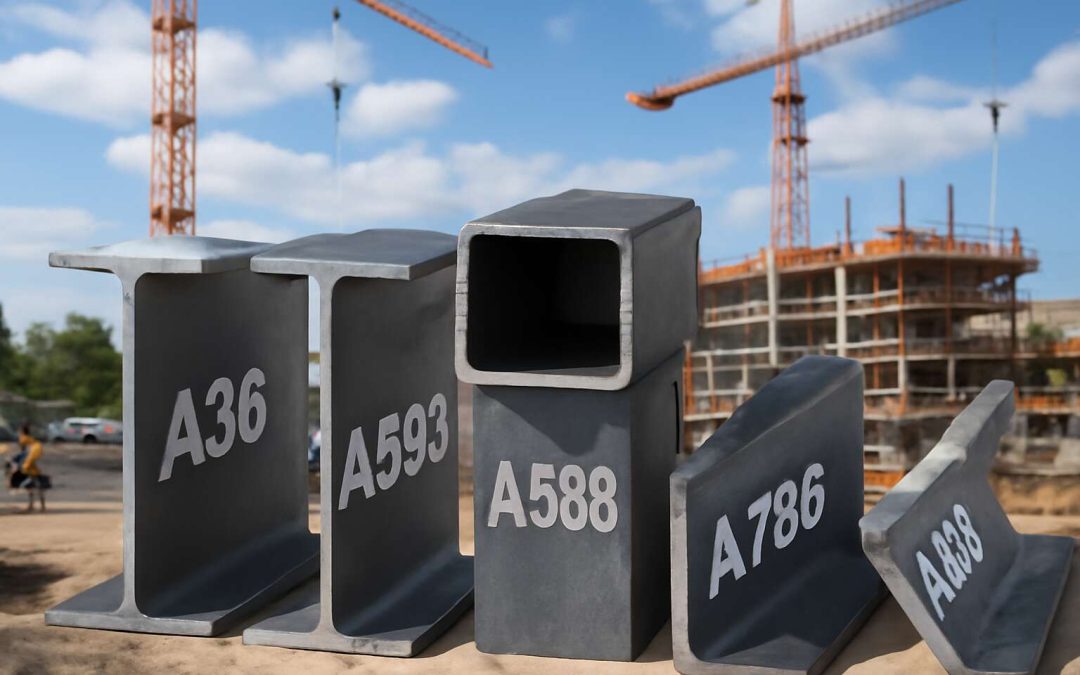

Discover the Power of Construction Foam for Insulation, Sealing, and Building Efficiency
Understanding Construction Foam
Definition and Types of Construction Foam
Construction foam is more than just a filling material; it’s a vital component in modern building practices. When we talk about understanding construction foam, we’re referring to the various types designed to meet specific needs on-site. From insulation to sealing gaps, this versatile material has revolutionized how builders approach efficiency and durability.
There are several common types of construction foam, each tailored for particular applications. These include polyurethane foam, which offers excellent thermal insulation, and expanding foam, known for its ability to fill irregular spaces effectively. Recognizing the differences between these types can make a significant difference in project outcomes.
- Polyurethane foam for insulation and sealing
- Polyethylene foam for cushioning and vibration dampening
- Polyisocyanurate foam for high-performance thermal insulation
Choosing the right construction foam is essential for ensuring that your project meets both safety standards and energy efficiency demands.
How Construction Foam Works
Construction foam is the silent hero in many building projects, often working behind the scenes to make a difference. Its remarkable ability to expand and fill gaps ensures that structures are both airtight and energy-efficient, which is vital in South Africa’s diverse climate. When applied correctly, construction foam creates a seamless barrier, preventing heat loss in winter and keeping interiors cooler in summer. This versatility makes it indispensable for builders and homeowners alike.
Understanding how construction foam works can unlock its full potential. Once dispensed, the foam’s chemical properties cause it to expand rapidly, filling even the most irregular spaces. This expansion not only provides insulation but also offers excellent sealing capabilities, reducing drafts and noise transfer. The process is simple but powerful: the foam reacts with moisture in the air, setting into a durable, lightweight structure that adheres firmly to various surfaces.
Different types of construction foam are designed for specific applications, such as polyurethane foam for insulation or expanding foam for sealing gaps. Recognizing these differences ensures optimal performance and durability. Whether insulating a roof or sealing around windows, using the right construction foam can dramatically improve a building’s energy efficiency and lifespan.
Common Applications in Building and Renovation
Construction foam has become an essential component in modern building and renovation projects across South Africa. Its versatility allows it to be used in a variety of applications, transforming ordinary spaces into energy-efficient, comfortable environments. From insulating walls to sealing gaps around windows and doors, construction foam ensures that every corner of a structure is protected from the elements and energy loss.
One of the most common uses of construction foam is in insulation. It effectively creates a thermal barrier, helping homes stay warm during chilly winters and cool during hot summers. This not only enhances comfort but also significantly reduces energy bills. Additionally, construction foam excels at sealing cracks and gaps, preventing drafts and noise transfer, which is crucial in densely populated areas or noisy neighborhoods.
Builders and homeowners often employ construction foam in specific tasks such as:
- Sealing around window and door frames
- Insulating roof cavities
- Filling cavities in walls
- Sealing joints in concrete structures
Its ability to expand and adhere to various surfaces makes construction foam a go-to material for both new builds and renovation projects, ensuring durability and energy efficiency for years to come. The strategic application of construction foam can dramatically improve a building’s resilience against South Africa’s diverse climate challenges, making it an indispensable part of the construction toolkit.
Types of Construction Foam
Polyurethane Foam
Construction foam isn’t just a one-trick pony; it comes in a delightful variety of forms, each tailored to specific needs. When you hear “polyurethane foam,” think of the chameleon of the construction world—versatile, reliable, and surprisingly adaptable. From high-density options that provide superior insulation to lighter variants perfect for sealing gaps, the array is impressive.
Different types of construction foam serve different purposes; for instance, expanding foam is legendary for filling irregular spaces, while minimal-expansion foam offers precision without the risk of over-inflation. Here are some common types:
- Standard Polyurethane Foam – the go-to for general sealing and insulation.
- High-Performance Foam – designed for areas requiring extra durability and thermal efficiency.
- Low-Expansion Foam – ideal for delicate or precise applications where over-expansion might cause issues.
Understanding the nuances of each type ensures you select the right construction foam for your project—because, let’s face it, one size rarely fits all in the world of building and renovation.
Polystyrene Foam
When it comes to construction foam, choosing the right type can make all the difference. Polystyrene foam, often overlooked, offers remarkable versatility in building projects across South Africa. This lightweight yet sturdy material is prized for its excellent thermal insulation properties and ease of installation. Its rigid structure makes it ideal for creating energy-efficient walls and roofing systems that stand up to the country’s variable climate.
There are several variants of polystyrene foam tailored to specific needs, including expanded polystyrene (EPS) and extruded polystyrene (XPS). EPS, known for its affordability and flexibility, is commonly used for insulation boards and packaging. Meanwhile, XPS boasts superior moisture resistance and compression strength, making it suitable for foundation insulation and structural components.
- Expanded Polystyrene (EPS): Perfect for insulating walls and roofing.
- Extruded Polystyrene (XPS): Best for foundation and below-grade insulation.
By understanding the distinct characteristics of each type, builders can select the most appropriate construction foam to enhance durability, energy efficiency, and overall project quality. Whether sealing gaps or insulating entire structures, polystyrene foam remains a cornerstone in modern construction in South Africa.
Polyethylene Foam
Construction foam has become an essential element in modern South African building practices. Its versatility extends beyond simple insulation, offering solutions for sealing, structural support, and soundproofing. Among the most popular types is polyethylene foam, which stands out for its durability and flexibility. This foam is especially effective in applications requiring impact resistance and cushioning.
Polyethylene foam is prized for its lightweight nature, making installation quick and straightforward. It also provides excellent moisture resistance, making it suitable for areas prone to dampness or underground use. Builders often choose this type of construction foam for its ability to maintain stability under varying conditions.
For specific needs, manufacturers produce different variants of polyethylene foam, including cross-linked and non-cross-linked options. These variants differ in density, flexibility, and cost, allowing professionals to tailor their choices to project requirements. Whether used for thermal insulation or gap sealing, polyethylene foam enhances overall building performance in South Africa’s diverse climate.
Other Specialized Foam Types
Beyond the familiar types of construction foam, a world of specialized variants awaits those seeking tailored solutions for complex building challenges. These specialized foams are engineered for precision, offering properties that standard options simply can’t match. For instance, closed-cell polyurethane foam provides exceptional thermal insulation and moisture resistance, making it ideal for demanding South African climates where humidity and temperature fluctuations are common.
Another intriguing category is spray foam, which adapts to irregular spaces with ease, creating an airtight seal that enhances energy efficiency. For structural purposes, high-density construction foam delivers unmatched support and durability, often used in foundation insulation and load-bearing applications. Sometimes, these foams are combined with additives or treated to resist pests, mold, or fire, ensuring long-term performance in hostile environments.
In fact, the diversity of construction foam extends to
- impact-resistant variants
- soundproofing options
- flexible formulations for dynamic structures
—each designed to meet the unique demands of South African construction projects. The choice of specialized foam can make a significant difference, transforming ordinary building materials into resilient, energy-efficient marvels that stand the test of time.
Benefits of Using Construction Foam
Thermal Insulation Properties
Construction foam isn’t just a fancy name for expanding foam; it’s a game-changer in thermal insulation properties that can turn even the chilliest Cape Town mornings into a cozy affair. Its ability to trap air in tiny pockets creates a barrier that significantly reduces heat transfer—making your building not only more energy-efficient but also more comfortable. Imagine slashing those ever-rising electricity bills while giving winter the cold shoulder!
The benefits extend beyond just insulation. Construction foam offers excellent adhesion, filling gaps and cracks that traditional insulation materials might leave behind. This seamless seal ensures minimal air leakage, which is crucial in South Africa’s diverse climate zones. For those pondering its versatility, here’s a quick rundown of what makes construction foam a top contender:
- Enhanced thermal performance
- Superior air sealing capabilities
- Lightweight yet durable structure
- Ease of application and versatility
This combination of properties not only improves energy efficiency but also helps in maintaining consistent indoor temperatures—meaning fewer surprises when the weather throws a tantrum. Who knew that a simple application of construction foam could do so much?
Soundproofing Capabilities
In the quiet moments of a chilly South African evening, it’s easy to forget how sound can seep through the smallest cracks. Construction foam, with its remarkable soundproofing capabilities, offers an almost poetic solution—transforming spaces into sanctuaries of calm amid the chaos. Unlike traditional barriers, construction foam doesn’t merely block noise; it absorbs and dampens it, creating a cocoon of tranquility within your building. This makes it an invaluable asset in urban environments or noisy neighborhoods, where every decibel counts.
What makes construction foam an extraordinary soundproofing material is its ability to fill gaps and irregularities, preventing sound waves from traveling freely through walls and ceilings. Its lightweight yet resilient nature ensures that it doesn’t add unnecessary burden to the structure, while its sealing properties help mitigate vibrations and echoes. For those seeking to elevate their space’s acoustic comfort, the benefits of construction foam are both profound and practical.
- Enhanced acoustic insulation
- Reduced noise pollution from external sources
- Improved privacy within shared spaces
In a world where noise often intrudes upon our need for peace, construction foam emerges as a silent guardian—an unassuming hero that transforms environments into havens of serenity. It’s not merely about quiet; it’s about reclaiming a sense of calm, a moment of respite in an often overwhelming landscape. Truly, the power of construction foam extends beyond insulation—it touches the very essence of human comfort and well-being.
Air and Moisture Sealing
In the bustling landscapes of South African cities and rural retreats alike, controlling air and moisture infiltration is essential for creating durable, energy-efficient structures. Construction foam emerges as a silent hero in this quest, seamlessly sealing gaps and preventing unwanted drafts. Its remarkable ability to act as an air and moisture barrier ensures that your building remains comfortable and protected from the elements, no matter how wild the weather outside.
This versatile material not only enhances insulation but also fortifies the structure against the damaging effects of humidity and air leakage. By filling tiny crevices and irregularities, construction foam prevents the ingress of moisture, which can lead to mold growth or structural deterioration over time. Its quick application process combined with excellent adhesion makes it a favorite among builders seeking efficient, long-lasting solutions.
For those aiming to elevate their construction projects, the benefits of using construction foam for air and moisture sealing are profound. It boosts energy efficiency, reduces costly repairs, and ensures a healthier indoor environment. Truly, when it comes to safeguarding your investment, construction foam stands out as an invaluable tool in the builder’s arsenal.
Ease of Application and Compatibility
Construction foam isn’t just a miracle worker; it’s a master of disguise, seamlessly blending into every nook and cranny of your building project. Its ease of application means even the most novice DIY enthusiast can turn into a professional in a flash. Spray it, fill it, and watch as it expands to fill gaps faster than you can say “thermal barrier.” This quick turnaround not only saves time but also keeps your project on schedule—because who has time for delays when there’s a building to finish?
Compatibility is another trump card up construction foam’s sleeve. Whether working with concrete, wood, or metal, this versatile material adheres like a loyal sidekick, ensuring an airtight and moisture-resistant seal. Its adaptability makes it the go-to solution for various construction scenarios, from sealing windows in South African homes to insulating complex industrial structures. When it comes to precision and reliability, construction foam truly shines, providing a seamless fit that leaves no room for drafts or dampness.
In the end, it’s clear that the benefits of using construction foam extend beyond mere convenience. Its straightforward application, combined with unparalleled compatibility, makes it an indispensable part of any modern building or renovation project. No wonder builders across South Africa swear by it—because when the goal is durability and efficiency, construction foam is the secret weapon you never knew you needed!
Cost-Effectiveness and Efficiency
Construction foam isn’t just a quick fix; it’s a smart investment that pays off in the long run. Its cost-effectiveness stems from reducing the need for additional materials and labor, making it a budget-friendly choice for builders and homeowners alike. When applied correctly, construction foam instantly improves insulation, sealing gaps that would otherwise let heat escape or dampness seep through.
Efficiency is another hallmark of this versatile material. Its rapid expansion and curing process mean projects proceed faster, saving valuable time and resources. Whether sealing cracks in South African homes or insulating large industrial facilities, construction foam accelerates completion without compromising quality. Its ability to fill irregular spaces precisely ensures a seamless finish, minimizing waste and reducing costly rework.
- Lower material costs by reducing the need for multiple sealing products
- Save time with quick application and curing processes
- Achieve better thermal and moisture control, decreasing energy expenses
The true beauty of construction foam lies in its ability to deliver superior results while keeping expenses manageable. This combination makes it an indispensable tool for building professionals and DIY enthusiasts in South Africa seeking durability, efficiency, and value in their projects. When every rand counts, construction foam truly stands out as a cost-effective solution that doesn’t compromise on performance.
Selecting the Right Construction Foam
Factors to Consider (R-Value, Adhesion, Compatibility)
Choosing the perfect construction foam isn’t just about filling gaps; it’s about unlocking the potential of your building project. When selecting the ideal foam, several factors demand your keen attention—most notably, R-value, adhesion, and compatibility. An impressive R-value ensures your insulation performs optimally, providing reliable thermal efficiency that can significantly cut energy costs in South Africa’s varied climate zones.
Adhesion is equally vital—imagine a fortress where every brick sticks firmly, resisting the forces of weather and time. A construction foam with strong adhesion properties guarantees a secure seal, preventing drafts and moisture infiltration that can undermine the entire structure. Compatibility, meanwhile, ensures the foam works seamlessly with other materials, from concrete to drywall, avoiding unpleasant surprises down the line.
To navigate these considerations, it’s often helpful to evaluate options systematically:
- Check the foam’s R-value for insulation needs
- Ensure it adheres well to your chosen substrates
- Verify compatibility with existing building materials
In the realm of construction foam, the right choice transforms a simple sealant into a silent guardian of comfort and durability.
Environmental Impact and Sustainability
Choosing eco-friendly construction foam isn’t just a nod to Mother Earth; it’s a savvy move that can save you from future headaches—and hefty bills. With South Africa’s diverse climate, selecting a foam with a low environmental impact means less harmful chemicals leaching into our soil and water systems. Sustainability in construction foam involves considering the entire lifecycle, from manufacturing to disposal. Look for products that use renewable resources or are recyclable, ensuring your building project doesn’t leave a heavy carbon footprint.
Some brands go the extra mile by offering biodegradable options, which decompose without leaving toxic residues. When evaluating your options, pay attention to certifications such as Green Seal or EcoLabel, which signal a commitment to environmental responsibility. Remember, a greener choice today translates into a healthier planet tomorrow—and a reputation as a forward-thinking builder. Because in the world of construction foam, being eco-conscious isn’t just fashionable; it’s essential.
Brand and Quality Assurance
Choosing the right construction foam brand isn’t just about snagging the cheapest can on the shelf—though, let’s be honest, who doesn’t love a good bargain? When it comes to durability, performance, and environmental friendliness, a bit of due diligence can save you from future headaches—and unexpected expenses. A reputable brand ensures your project benefits from consistent quality, reliable adhesion, and the right balance of R-value and ease of application.
To truly separate the wheat from the chaff, it pays to look for certain certifications—think Green Seal or EcoLabel—that signal your chosen product adheres to strict environmental standards. These certifications aren’t just marketing fluff; they’re a testament to a brand’s commitment to sustainability and safety. Additionally, some brands have begun offering biodegradable construction foam options, which decompose without toxic residues, ensuring your renovation doesn’t turn into an environmental nightmare.
In South Africa’s diverse climate, selecting a construction foam that withstands temperature fluctuations while maintaining its insulating properties is crucial. When evaluating options, consider a trusted supplier that provides comprehensive quality assurance, including consistent batch testing and customer support. Remember, investing in a top-tier construction foam brand today means fewer surprises tomorrow—because nobody wants their insulation to turn into a sticky, leaky mess!
Proper Application and Installation
Preparation of Surfaces
Before diving into the world of construction foam, a little prep work can save you from a future headache—or a foam disaster! Proper application and installation preparation of surfaces are the unsung heroes of a successful project. Think of it as giving your construction foam the red carpet treatment; clean, dry, and stable surfaces ensure that the foam adheres like a loyal puppy to its owner.
First, inspect the area meticulously—dust, grease, and loose debris are public enemies here. A quick sweep or wipe-down with a suitable cleaner can make all the difference. Moisture is another sneaky villain; damp surfaces can sabotage the bonding process, leading to gaps, leaks, or worse—foam that refuses to set. If you’re working outdoors or in humid conditions, consider using a primer designed for construction foam compatibility to guarantee a seamless adhesion.
To streamline the process, some professionals prefer to follow a step-by-step method:
- Ensure surfaces are clean and dry.
- Remove any loose particles or old paint.
- Apply a primer if necessary, particularly on porous or uneven surfaces.
- Allow adequate drying time before application.
By investing a little time in surface preparation, you’re setting the stage for construction foam to perform at its best—filling gaps, sealing leaks, and insulating like a champ. Remember, the foundation of a perfect foam installation is a clean, stable surface—no shortcuts here! Proper application of construction foam isn’t just about filling space; it’s about creating a resilient barrier that stands the test of time and South Africa’s notoriously unpredictable weather.
Application Techniques
When it comes to construction foam, application isn’t merely a matter of squirting it into a gap and hoping for the best. Precision and technique elevate a good job to a stellar one. A seasoned professional knows that proper application and installation techniques can make all the difference — transforming a potential disaster into a resilient, long-lasting barrier.
The secret lies in a few simple yet crucial steps. First, ensure your surfaces are impeccably prepared—clean, dry, and free of debris. This creates an ideal canvas for the construction foam to adhere to, much like a well-prepared stage for a flawless performance. Then, apply the foam in controlled, steady bursts, avoiding overfilling which can lead to unnecessary mess and waste.
For best results, some experts prefer to follow a structured approach:
- Use a suitable applicator or nozzle to direct the foam precisely.
- Apply in layers if filling large gaps, allowing each layer to expand and cure before the next.
- Trim excess foam after curing, using a sharp blade to achieve a smooth finish.
Remember, the key to effective construction foam application is patience and finesse. Whether sealing around windows or insulating walls, mastering these techniques ensures your project withstands time’s relentless march — even through South Africa’s unpredictable weather patterns. Good application isn’t just about filling space; it’s about creating a fortress of insulation and sealing prowess that lasts a lifetime.
Safety Precautions
Applying construction foam with precision isn’t just about achieving a clean look—it’s about ensuring the integrity and longevity of your project. Safety during installation is paramount, especially when working in confined or hard-to-reach spaces. Proper safety precautions, such as wearing protective goggles and gloves, protect against the tiny but potent chemical particles that can irritate skin and eyes. Ventilation is equally crucial; good airflow helps disperse fumes and prevents inhalation of harmful vapors.
To help maintain safety standards, consider implementing a straightforward step-by-step process:
- Always read the manufacturer’s instructions carefully before beginning application.
- Use appropriate personal protective equipment (PPE) including masks, gloves, and goggles.
- Ensure the workspace is well-ventilated to avoid the buildup of fumes.
- Keep a fire extinguisher nearby—construction foam is flammable until fully cured.
Remember, patience and meticulousness during installation not only guarantee a durable seal but also safeguard your health and the environment. Mastering the art of proper application and following safety precautions turns a simple task into a resilient and eco-friendly solution for South African homes and businesses alike.
Curing Time and Post-Application Tips
In the shadowed corridors of renovation, the true art of applying construction foam lies in patience and precision. Once the foam is dispensed, it begins a silent transformation—curing, solidifying into a resilient barrier that guards your sanctuary. The curing time for construction foam varies but generally spans 8 to 24 hours, depending on the thickness and environmental conditions. During this period, patience is your ally; rushing the process can compromise the integrity of the seal and invite future woes.
Post-application, the real magic unfolds. It’s crucial to trim any excess foam once fully cured to prevent future interference. Use a sharp knife or saw to make clean cuts, revealing the seamless integration into your structure. Remember, construction foam remains flammable until fully cured, so keep the workspace free of open flames or sparks during this delicate phase.
- Allow sufficient curing time before exposing the foam to stress or moisture.
- Ensure all excess foam is trimmed neatly to maintain aesthetic appeal and functionality.
- Ventilate the area thoroughly to disperse any residual fumes from the curing process.
Proper application and diligent post-installation care elevate construction foam from mere filler to an indomitable shield—protecting South African homes against the relentless march of elements while ensuring longevity and performance. The secret lies in understanding the delicate dance of curing and the subtle art of finishing—an act that transforms a simple spray into a fortress of insulation and sealing prowess.
Maintenance and Troubleshooting
Monitoring Foam Integrity
Monitoring the integrity of construction foam is a crucial step that often goes unnoticed until issues arise. Over time, even high-quality construction foam can degrade due to environmental exposure, temperature fluctuations, or improper application. Regular inspection helps identify signs of deterioration, such as cracks, shrinking, or loss of adhesion, which could compromise insulation, air sealing, and moisture barriers. In fact, studies suggest that neglected foam maintenance can lead to increased energy costs and structural vulnerabilities. To ensure long-lasting performance, it’s essential to stay vigilant and evaluate the foam’s condition periodically.
When troubleshooting construction foam, a systematic approach can save both time and resources. Start by visually inspecting for obvious damage or gaps. If moisture infiltration or mold is suspected, a more thorough examination is warranted—sometimes requiring moisture meters or thermal imaging cameras to detect hidden issues. If you notice persistent cracking or separation, it may be necessary to remove and replace damaged sections. Addressing these problems swiftly not only preserves the effectiveness of the foam but also extends the lifespan of the entire building envelope. Remember, proactive maintenance is the key to maximizing the benefits of your construction foam investment.
Common Issues and Solutions
Construction foam is a silent guardian of building integrity, but its effectiveness hinges on vigilant maintenance. Over time, even the most resilient construction foam can develop issues that threaten insulation and air sealing. Ignoring these signs can lead to costly energy losses and structural vulnerabilities. Regular troubleshooting is key to catching problems early—before they spiral into bigger concerns.
When inspecting construction foam, start with a keen eye for visible damage. Cracks, shrinking, or gaps are immediate red flags. Moisture infiltration often lurks behind the scenes, making thermal imaging cameras invaluable tools for detecting hidden issues. If persistent cracking or separation appears, it’s often best to remove and replace the compromised sections—restoring the foam’s protective barrier and ensuring optimal performance.
For more stubborn problems, consider the following solutions:
- Reinforce areas with additional foam layers to improve adhesion.
- Use specialized patches for minor cracks, preventing further deterioration.
- Apply moisture barriers where dampness is suspected, preserving the foam’s insulating qualities.
Addressing issues swiftly not only preserves the foam’s integrity but also extends the lifespan of the entire building envelope. Staying ahead of deterioration—through systematic maintenance—ensures your construction foam continues to serve as a formidable shield against environmental elements, safeguarding your investment for years to come.
When to Replace or Repair
Maintaining the integrity of construction foam is crucial for long-term building performance, yet knowing when to repair or replace can be elusive. Cracks, shrinking, or gaps in the foam often signal deterioration that could compromise insulation or air sealing. Persistent issues might be a sign that the foam has reached the end of its lifespan, especially if moisture infiltration or visible damage persists despite initial repairs.
Regular inspections are essential. If troubleshooting reveals that repairs are merely temporary—such as patching minor cracks or adding additional foam layers—it might be time to consider a full replacement. Remember, attempting to salvage severely compromised sections can sometimes do more harm than good, leading to energy losses and structural vulnerabilities.
In some cases, it’s helpful to follow a simple checklist:
- Assess the extent of damage and whether cracks are expanding.
- Check for moisture signs or mold growth behind the foam.
- Evaluate if adhesion has failed or if sections are separating from the substrate.
When issues become widespread or repairs prove ineffective, a complete removal and replacement of the construction foam is often the most reliable solution. This ensures the building’s envelope remains airtight, energy-efficient, and protected against the elements, securing your investment for years to come.
Environmental and Safety Considerations
VOC Emissions and Regulations
Environmental and safety considerations surrounding construction foam are more critical than ever, especially in regions like South Africa where sustainable building practices are gaining momentum. VOC emissions—volatile organic compounds—are a significant concern because they can impact both indoor air quality and the health of construction workers. While modern construction foam formulations strive to reduce these emissions, it’s essential to choose products that adhere to strict regulations.
Regulations governing VOC emissions from construction foam vary across countries, but many align with global standards to ensure safer environments. In South Africa, authorities enforce limits to minimize environmental impact, pushing manufacturers to develop eco-friendly foam options. When selecting construction foam, it’s beneficial to review product labels for VOC content and certifications, such as Green Building Council South Africa (GBCSA) approval.
- Lower VOC formulations promote healthier indoor air quality
- Regulations help reduce environmental footprint
- Proper handling minimizes exposure risk
Furthermore, safety precautions during application—like adequate ventilation and protective gear—are vital to protect workers and occupants. As the industry moves towards greener building materials, understanding the environmental and safety implications of construction foam ensures projects are not only durable but also environmentally responsible. This awareness fosters a safer, more sustainable future for South African construction practices.
Proper Disposal of Excess Foam
Handling construction foam responsibly isn’t just about complying with regulations; it’s about safeguarding our environment and health. Proper disposal of excess foam is a critical step that often gets overlooked. Leftover construction foam can contain chemical residues that pose environmental hazards if dumped improperly. Disposing of these materials correctly helps reduce pollution and prevents contamination of soil and water sources.
In South Africa, regulations are increasingly strict, emphasizing eco-friendly waste management. Here’s what you should keep in mind: never pour construction foam waste down drains or onto land without proper treatment. Instead, consider recycling options or contact licensed waste disposal services that specialize in hazardous materials. Proper disposal not only minimizes environmental impact but also aligns with sustainable building practices that are gaining momentum locally.
To make disposal more straightforward, consider this simple process:
- Allow excess foam to cure completely, reducing the risk of chemical release.
- Segregate cured foam from other construction debris.
- Engage certified waste handlers familiar with construction foam disposal procedures.
By respecting these steps, construction professionals uphold safety standards and contribute to a greener South African construction industry. Remember, responsible disposal of construction foam isn’t just a legal obligation—it’s a moral one, helping ensure a healthier environment for future generations.
Protective Equipment for Installers
Handling construction foam isn’t just about getting the job done—it’s about safeguarding everyone involved and respecting our environment. When installing or removing construction foam, safety should be your top priority, especially since these materials can release VOCs (volatile organic compounds) that irritate the respiratory system. Proper protective equipment for installers is essential to prevent health hazards and ensure compliance with South Africa’s increasingly strict safety regulations.
Wearing the right gear isn’t optional; it’s a moral obligation. Think gloves, goggles, and respirators—these aren’t just fashion statements but vital barriers against chemical exposure. Construction foam, particularly polyurethane varieties, can emit fumes that irritate the skin, eyes, and lungs if mishandled.
To enhance safety and environmental considerations, always follow these steps:
- Ensure proper ventilation during application and curing.
- Use certified protective equipment designed for hazardous materials.
- Handle excess or waste foam with care, avoiding spills or releases into the environment.
Remember, respecting these safety precautions isn’t just about legal compliance; it’s about protecting your health and the health of future generations. Proper handling of construction foam, combined with the right protective gear, creates a safer, greener South African construction industry that values both human safety and environmental integrity. After all, a well-protected installer is a happy installer—and a happier planet!
Latest Trends and Innovations in Construction Foam
Eco-Friendly Foam Options
In a world increasingly driven by sustainability, the latest trends in construction foam are poised to revolutionize the building industry in South Africa. Eco-friendly foam options are gaining traction, driven by a growing awareness of environmental impact and regulatory pressures. Manufacturers are now developing construction foam that minimizes VOC emissions, reduces carbon footprint, and uses renewable or recycled materials without sacrificing performance.
Innovative formulations like bio-based polyurethane foam and plant-derived polystyrene are leading the charge. These materials deliver effective thermal insulation while aligning with global efforts to reduce reliance on fossil fuels. Moreover, advancements in closed-cell foam technology enhance water resistance and durability, making them ideal for South Africa’s diverse climate zones.
As sustainability becomes a paramount concern, some companies are adopting a
- cradle-to-grave lifecycle assessment
- and biodegradable additives
to ensure their construction foam products are not only efficient but also environmentally responsible. This shift towards greener options reflects a broader societal movement—one that values innovation, accountability, and a healthier planet for future generations.
Advancements in Sprayable Foam Technologies
Recent breakthroughs in sprayable foam technologies are transforming the landscape of modern construction. Innovations such as fast-curing formulations and enhanced nozzle designs have made application more efficient, reducing labor time while improving precision. These advancements are particularly significant for South Africa’s diverse climates, where tailored solutions are essential for optimal insulation performance.
One exciting development is the rise of sprayable bio-based construction foam, which leverages renewable resources to deliver sustainable yet high-performance insulation. This eco-conscious trend aligns perfectly with global efforts to minimize environmental impact. Additionally, closed-cell foam variants now boast superior water resistance and structural integrity, making them an ideal choice for flood-prone or humid zones.
- Improved adhesion properties for a seamless finish
- Enhanced thermal insulation capacity
- Reduced VOC emissions, supporting eco-friendly building standards
Manufacturers are also focusing on user-friendly application techniques, enabling even novice installers to achieve professional results. As a result, the construction foam industry is experiencing a renaissance—driven by innovation, sustainability, and a commitment to building smarter, greener spaces across South Africa.
Integration with Sustainable Building Practices
As South Africa continues to embrace sustainable building practices, the latest trends in construction foam are revolutionizing how we insulate and seal our spaces. Innovative formulations, such as bio-based construction foam, are gaining traction—offering eco-friendly solutions that do not compromise on performance. These sustainable foams utilize renewable resources, aligning with the global push towards greener construction materials.
One of the most exciting innovations is the integration of environmentally conscious materials with advanced sprayable foam technologies. These developments not only reduce VOC emissions but also enhance the thermal and water resistance properties of the foam, making them ideal for diverse South African climates—from humid coastal regions to arid inland areas. Manufacturers are now focusing on user-friendly application methods, making it easier for builders and DIY enthusiasts alike to achieve professional-grade results.
- Improved adhesion properties ensure a seamless finish that enhances insulation efficiency.
- Enhanced thermal insulation capacity helps maintain optimal indoor temperatures, reducing energy consumption.
- Water-resistant closed-cell foam variants are particularly suitable for flood-prone zones, offering durability and structural integrity.
The adoption of these cutting-edge construction foam solutions signifies a pivotal shift towards building smarter, greener spaces. Whether for new developments or renovations, these innovations are shaping a future where sustainable construction practices are not just an option but the standard.
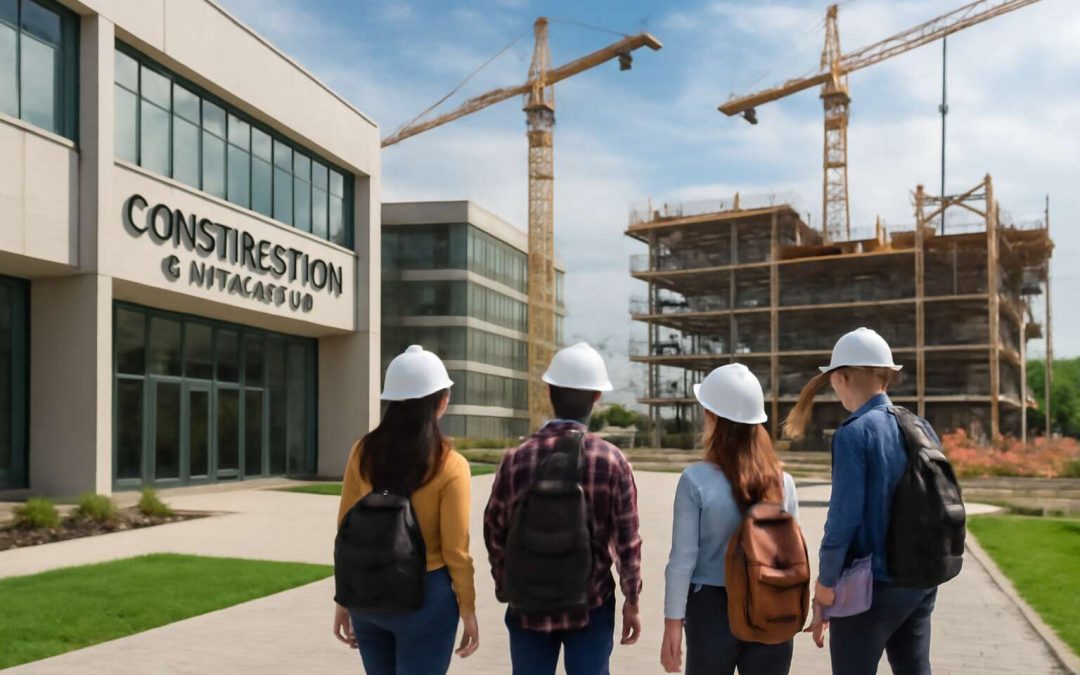
Explore the Future of Innovation and Excellence at Top Construction University Programs
Overview of Construction University
Definition and Purpose
Amidst the sprawling landscapes of South Africa’s urban and rural vistas lies a beacon of innovation and expertise— the construction university. Here, the blueprint of progress is meticulously drafted, layer by layer, paving the way for a future where structures are not mere edifices but expressions of human ingenuity. This educational institution serves as a crucible for transforming raw talent into mastery, where every lecture, workshop, and hands-on project molds the architects and builders of tomorrow.
The purpose of a construction university extends beyond mere academic pursuit; it is a sanctuary of craftsmanship, safety, and sustainability. By immersing students in cutting-edge techniques and sustainable practices, it ensures that each graduate emerges ready to meet South Africa’s unique infrastructural challenges. Think of it as a forge where raw potential is tempered into resilient leaders—visionaries who will shape skylines and strengthen foundations for generations to come.
- Fostering innovative construction techniques
- Promoting sustainable building practices
- Equipping students with practical skills and theoretical knowledge
History and Evolution
Construction universities in South Africa have undergone a fascinating journey from humble technical colleges to sophisticated institutions that shape the future of infrastructure. Historically, these centers of learning started as vocational schools focused on manual skills, but over time, they evolved into hubs of innovation and research. Today, a construction university not only teaches traditional building techniques but also champions cutting-edge sustainable practices, reflecting the nation’s commitment to eco-friendly development.
This evolution was driven by the pressing need for resilient infrastructure and the recognition that modern construction demands more than just brute strength. The rise of digital tools, green building materials, and smart design has pushed these universities to adapt swiftly.
- Advanced simulation labs
- Collaborations with industry leaders
- Research into innovative building materials
are now staples in their curriculum, ensuring graduates are prepared for the ever-changing landscape of South Africa’s construction sector.
Importance in the Construction Industry
In the intricate tapestry of South Africa’s development, the role of a construction university is nothing short of vital. These institutions serve as the crucibles where innovation and tradition collide, shaping the architects of our future infrastructure. A construction university doesn’t merely impart skills; it cultivates a mindset—one that recognizes the profound responsibility of building resilient, sustainable communities.
By integrating cutting-edge research and industry partnerships, construction universities elevate the standards of craftsmanship and technological mastery. They are the breeding ground for revolutionary ideas—advanced simulation labs and green building techniques—ensuring graduates are not just skilled laborers but pioneers of tomorrow’s eco-friendly construction practices. The importance of a construction university lies in its capacity to foster not only technical expertise but also a deep understanding of the moral and societal implications embedded within each structure we erect. This is where human ambition meets the pressing demands of a changing world, and it all begins with the right education.
Academic Programs and Degrees Offered
Undergraduate Programs
At a construction university, students are immersed in a comprehensive array of academic programs designed to cultivate the skills necessary for tomorrow’s infrastructure. These programs go beyond theory, blending hands-on experience with industry-relevant coursework that prepares graduates for real-world challenges. The undergraduate degrees offered are meticulously crafted to equip students with foundational knowledge in construction management, civil engineering, and architectural design, fostering a deep understanding of the building process from conception to completion.
Students pursuing their undergraduate programs at a construction university benefit from specialized courses that cover project planning, sustainable building practices, and advanced construction technology. These courses are complemented by practical training modules, ensuring that graduates are not only academically proficient but also industry-ready. For those aiming to specialize further, construction universities often provide pathways to postgraduate study, cultivating expertise in niche fields such as infrastructure development or construction law.
- BSc in Construction Management
- BSc in Civil Engineering
- BSc in Architectural Design
Enrolling in these undergraduate programs at a construction university offers students a chance to build more than structures—they build careers rooted in innovation, resilience, and community development. It’s more than education; it’s a commitment to shaping the future of construction in South Africa and beyond.
Graduate Programs
Graduate programs at a construction university open the door to specialization and advanced expertise in the ever-evolving construction industry. These programs are designed for students eager to deepen their knowledge and take on leadership roles in infrastructure development, civil engineering, or construction law. They build on foundational undergraduate degrees, offering a pathway to mastery in niche areas that demand technical precision and strategic insight.
Students opting for postgraduate studies at a construction university benefit from rigorous coursework combined with practical research opportunities. This blend ensures they are not only well-versed in current industry practices but also equipped to innovate and influence future trends. Some of the prominent postgraduate degrees include:
- Master’s in Construction Management
- Master’s in Civil Engineering
- Master’s in Architectural Design
By pursuing these advanced qualifications, graduates are positioned to address complex challenges within the construction sector, fostering resilience and sustainability in South Africa’s infrastructure. A construction university’s graduate programs are more than academic pursuits — they are a catalyst for shaping visionaries who will lead the future of construction. This comprehensive approach ensures that each student emerges ready to make a tangible impact and drive meaningful change in the industry.
Specialized Certifications
At a construction university, academic programs are meticulously crafted to transform passionate learners into industry trailblazers. The degrees offered are more than mere credentials—they are gateways to mastering the complexities of modern infrastructure. From foundational undergraduate diplomas to advanced postgraduate degrees, each program emphasizes a blend of theoretical knowledge and real-world application.
Specialized certifications further elevate a student’s career, providing niche expertise that sets them apart in a competitive landscape. These certifications often cover emerging fields such as sustainable construction, project management, and construction law. For instance, a construction university might offer certifications in:
- Sustainable Building Practices
- Construction Project Management
- Structural Engineering Techniques
These specialized credentials are vital for addressing South Africa’s unique infrastructural challenges, ensuring graduates are well-equipped to lead with innovation and resilience. The comprehensive array of academic programs and certifications at a construction university is designed to unlock potential and shape the future leaders of the industry.
Curriculum and Course Highlights
Core Construction Courses
At the heart of every visionary skyline lies a foundation built on knowledge and innovation—an essence captured vividly within the curriculum of a leading construction university. These institutions are not merely hubs of learning; they are crucibles where the future of construction is forged through a blend of tradition and cutting-edge technology.
Core construction courses at a construction university delve into the intricacies of structural design, project management, and sustainable building practices. Students are immersed in hands-on projects that mirror real-world challenges, fostering a deep understanding of materials, safety protocols, and innovative construction methods. From advanced surveying techniques to the principles of urban development, the curriculum is designed to elevate aspiring professionals to new heights.
Among the highlights are specialized modules on construction law, contract administration, and digital modeling—each essential for navigating today’s complex construction landscape. The program’s comprehensive approach ensures graduates are equipped with both technical expertise and strategic insight, ready to shape South Africa’s skylines and beyond.
Modern Technologies and Innovations
In an era where innovation is the cornerstone of progress, a construction university stands as a beacon of technological evolution in the building industry. The curriculum is meticulously crafted to integrate cutting-edge technologies that redefine what’s possible—transforming traditional construction methods into sophisticated, digital-driven processes. Embracing the future, these institutions embed modules on Building Information Modeling (BIM), automation, and green building design, empowering students to lead with foresight and agility.
Modern construction courses emphasize experiential learning with real-world applications. Students engage with state-of-the-art tools such as virtual reality simulations and drone surveying, which elevate their understanding of complex structural concepts. Among the highlights are innovative projects that challenge them to develop sustainable yet cost-effective solutions for urban development. These initiatives prepare graduates to meet South Africa’s rising infrastructural demands with confidence and ingenuity.
Furthermore, a construction university’s focus on emerging technologies ensures that students are not only proficient in current practices but are also pioneers in digital transformation. The curriculum often features modules on smart cities, modular construction, and advanced materials—each vital for navigating the rapidly evolving landscape of modern construction. As innovation accelerates, these institutions remain at the forefront, fostering a new generation of construction leaders equipped to shape the future skyline.
Sustainable Construction Practices
In the shadowed corridors of a construction university, where innovation dances with tradition, students are immersed in the dark elegance of sustainable construction practices. These programs are not merely about bricks and mortar; they delve into the very soul of eco-conscious building, blending artistry with responsibility. Here, the curriculum emphasizes a deep understanding of green design, renewable materials, and energy efficiency—each element woven into the fabric of modern construction.
Through rigorous coursework and immersive projects, students learn to craft structures that breathe life into urban landscapes without draining the earth’s vitality. A construction university’s focus on sustainable practices ensures that graduates emerge as custodians of the environment, armed with knowledge to forge resilient and eco-friendly infrastructure. The journey is one of mastery and innovation, where every blueprint echoes a commitment to a greener future.
Key modules often include:
- Green building materials and techniques
- Energy-efficient design principles
- Regulatory frameworks for sustainable construction
By intertwining these elements, a construction university transforms aspiring architects and engineers into guardians of the planet—champions of a future where sustainability is the cornerstone of every edifice. In this darkly poetic realm of learning, the pursuit of ecological harmony becomes an art form, guiding tomorrow’s construction leaders to build with purpose and precision.
Project Management and Leadership
At the heart of every innovative construction university lies a rigorous focus on project management and leadership—fundamental pillars that elevate the craft from mere execution to strategic mastery. In today’s complex built environment, understanding how to coordinate diverse teams, manage budgets, and navigate regulatory landscapes is essential for emerging construction professionals. A construction university doesn’t just teach these skills; it immerses students in real-world scenarios that challenge their problem-solving abilities and hone their leadership acumen.
Among the curriculum’s highlights are modules that delve into the intricacies of project lifecycle management, risk assessment, and stakeholder communication. Students often engage in hands-on projects where they must balance technical precision with visionary leadership. To truly excel, they learn to harness modern project management tools, fostering efficiency and accountability in every endeavor. This holistic approach ensures that graduates are not only skilled engineers or architects but also visionary leaders capable of steering the future of sustainable construction in South Africa and beyond.
Admissions and Eligibility Criteria
Entry Requirements
Admissions to a construction university in South Africa demand more than just a passing academic record; they require a nuanced understanding of the rigorous standards that underpin the industry’s future architects and engineers. Prospective students must meet specific eligibility criteria, often rooted in both academic excellence and practical aptitude. For undergraduate programs, entry requirements typically include a minimum matriculation score with a focus on mathematics, physical sciences, and technology—subjects that serve as the backbone of construction university curricula.
Furthermore, some institutions prioritize applicants with relevant work experience or industry exposure, recognizing that construction is as much about hands-on skills as theoretical knowledge. To streamline the process, many construction universities employ a selection process that encompasses entrance examinations and interviews, ensuring candidates are genuinely committed to shaping South Africa’s infrastructure.
In essence, gaining entry into a construction university is a calculated pursuit—an intricate dance between academic credentials and the innate passion for building our future.
Application Process
Securing a place at a top-tier construction university in South Africa is not merely a matter of meeting basic academic thresholds; it is an intricate process that demands both strategic preparation and a genuine passion for shaping the built environment. The application process often acts as a gateway, testing not just scholarly aptitude but also the applicant’s commitment to the evolving landscape of construction. Admissions committees seek candidates who demonstrate a blend of theoretical prowess and practical insight, recognizing that the future of infrastructure hinges on this delicate balance.
Typically, prospective students are required to submit a comprehensive application that includes academic transcripts, proof of relevant subjects like mathematics and physical sciences, and, in some cases, evidence of work experience within the construction industry. An increasingly common element is the entrance examination, designed to assess problem-solving capabilities and industry-specific knowledge. Many construction universities also conduct interviews, delving into applicants’ motivations and long-term vision for contributing to South Africa’s infrastructure development.
- Complete the online or paper-based application form.
- Submit academic records highlighting performance in core subjects such as mathematics and physical sciences.
- Prepare for and undertake the entrance examination tailored to construction industry standards.
- Participate in an interview that explores your practical experience and passion for construction.
Ultimately, the pathway into a construction university is a cerebral journey—one that intertwines academic excellence with a visceral drive to build, innovate, and transform. The application and eligibility criteria serve as the first stepping stone in this compelling pursuit, setting the stage for a future where South Africa’s skylines are shaped by the most dedicated minds in construction.
Scholarships and Financial Aid
Gaining admission to a top-tier construction university in South Africa is both an achievement and a privilege, often reflecting a candidate’s dedication to shaping the nation’s infrastructure. Eligibility criteria are designed to identify individuals who demonstrate not only academic prowess but also a genuine passion for construction. Typically, applicants must meet specific academic standards, especially in core subjects such as mathematics and physical sciences, which lay the foundation for understanding complex building concepts.
Many construction universities also consider practical experience within the industry, recognizing that real-world exposure enriches theoretical learning. Scholarships and financial aid play a vital role in making these esteemed programs accessible to talented students from diverse backgrounds. These financial support options can include merit-based scholarships, bursaries, and government grants, all aimed at nurturing the next generation of construction leaders.
For those aspiring to join a construction university, understanding the eligibility criteria and available funding opportunities is crucial. This ensures that passionate individuals from all walks of life have the chance to contribute to South Africa’s evolving skyline and infrastructure. The journey into a construction university is not just about academic achievement; it’s about unlocking the potential to build a better future for the nation.
Campus Facilities and Resources
Laboratories and Workshops
Walking through the campus of a leading construction university, you quickly realize that its facilities are the heartbeat of practical learning. State-of-the-art laboratories and workshops serve as the proving ground for future builders, blending theory with tangible experience. These spaces are equipped with cutting-edge tools and technology, ensuring students are well-prepared to meet industry demands head-on. Hands-on learning in these labs cultivates essential skills, from concrete testing to structural analysis, fostering confidence and competence.
Beyond the classrooms, the university’s commitment to immersive training is evident in its dedicated resource centers. These include specialized workshops where students can experiment with sustainable building materials and innovative construction techniques. To maximize learning, many construction universities offer comprehensive tours of their facilities, highlighting the integration of modern technology and traditional craftsmanship.
- Advanced CAD labs for digital design and modeling
- Material testing labs for real-world insight
- Construction simulation centers to replicate project scenarios
Such resources are vital for cultivating the next generation of construction professionals, blending craftsmanship with innovation in a truly inspiring environment.
Libraries and Research Centers
The heart of any distinguished construction university beats not only in its bustling workshops but also within its extensive campus facilities and research centers, where innovation and knowledge converge in a symphony of progress. These sanctuaries of learning—libraries and research hubs—serve as vital arteries through which the future of construction flows. They are meticulously curated environments, fostering a culture of inquiry and discovery that fuels the industry’s evolution.
At the core of these facilities lies a state-of-the-art library, a repository of both timeless texts and cutting-edge publications, offering students and faculty access to vital resources in construction technology, project management, and sustainable practices. Complementing this are specialized research centers that delve into pressing sector challenges, from green building solutions to advanced structural analysis. These centers are not merely repositories of knowledge but vibrant ecosystems where innovation is cultivated and tested.
To illustrate the depth of commitment, many construction universities feature dedicated labs and collaborative spaces, including:
- Digital fabrication and CAD laboratories for precision modeling
- Material testing facilities for real-world insight into construction durability
- Construction simulation centers that replicate complex project scenarios, enabling students to experiment and refine their skills in a controlled environment
In South Africa, such comprehensive resources are instrumental in bridging the gap between academic theory and industry practice, empowering future construction leaders to navigate the intricacies of modern infrastructure development with confidence and ingenuity.
Internship and Industry Partnerships
Within the shadowed corridors of a premier construction university, the promise of industry-ready mastery is woven into every brick and beam of its campus facilities. These institutions are more than mere academic enclaves; they are gateways to the future of construction, where partnerships with industry giants breathe life into theoretical pursuits. The forging of internship programs and industry collaborations creates a symbiotic relationship—melding academic rigor with real-world application in South Africa’s evolving infrastructure landscape.
Students gain access to a labyrinth of opportunities, often through meticulously curated industry partnerships that facilitate hands-on experience. These collaborations ensure that graduates are not only versed in cutting-edge technology but are also adept at navigating the complex, often shadowy, landscape of modern construction projects. Such alliances provide pathways for internships, mentorships, and joint research endeavors, transforming the construction university into a crucible of innovation and practical mastery.
- Internship programs immerse students in live project environments, sharpening their skills amidst the relentless pulse of industry demands.
- Industry partnerships foster a rich ecosystem of knowledge exchange, where insights from seasoned professionals illuminate the path forward.
In South Africa, the importance of these resources cannot be overstated. They serve as vital bridges—carrying students from academic halls into the heart of construction, where resilience and ingenuity are tested in the crucible of real-world challenges. As the industry marches forward, the construction university’s commitment to fostering these vital connections ensures that its graduates emerge not just as learners, but as pioneering architects of South Africa’s infrastructural renaissance. Truly, these campus facilities and resources are the darkened arteries through which the future of construction pulses with relentless energy and promise.
Research and Innovation at Construction University
Ongoing Research Projects
At the heart of Construction University’s mission lies a vibrant ecosystem of research and innovation, propelling the construction industry into a future defined by ingenuity and sustainability. Recent ongoing projects showcase a commitment to pioneering sustainable building materials, integrating cutting-edge technologies such as 3D printing and smart sensors to revolutionize construction processes. These initiatives not only enhance efficiency but also address pressing environmental concerns that challenge modern society.
Among the most exciting ventures are interdisciplinary collaborations with industry leaders, fostering a fertile ground for breakthrough discoveries. Construction university continually pushes the boundaries of what is possible, with projects like developing resilient infrastructure for South Africa’s unique climate and exploring eco-friendly construction practices that align with global sustainability goals. To navigate this complex landscape, the university employs a strategic approach, prioritizing research that directly influences industry standards and elevates the national construction sector.
Industry Collaboration and Tech Development
At the forefront of innovation, construction university is redefining industry standards through dynamic research and strategic industry collaboration. These partnerships serve as a catalyst, translating academic discoveries into real-world applications that shape South Africa’s construction landscape. By fostering relationships with industry giants, the university ensures that research projects are not only cutting-edge but also directly relevant to current market needs.
One of the most compelling aspects of this synergy is the development of advanced construction technology. From 3D printing of building components to the integration of smart sensors for real-time monitoring, construction university is pioneering technologies that promise safer, more efficient, and eco-friendly infrastructure. These innovations are often driven by collaborative efforts, emphasizing practical solutions tailored to South Africa’s unique climate and development challenges.
- Joint research initiatives with industry leaders
- Development of resilient infrastructure solutions
- Advancement in eco-friendly construction practices
Such collaborations are essential for cultivating a new generation of construction professionals equipped to tackle tomorrow’s challenges. As a hub of technological development and industry engagement, construction university remains committed to pushing boundaries and shaping a sustainable future for South Africa’s construction industry.
Publications and Conferences
At the heart of innovation, construction university is a crucible where research and creativity ignite new possibilities. The institution’s commitment to advancing knowledge is vividly reflected in its prolific publications and dynamic conferences. Each year, cutting-edge studies emerge from its halls, shedding light on transformative construction techniques and sustainable practices that redefine industry standards.
These scholarly gatherings are not merely academic; they are vibrant forums where industry leaders, researchers, and students converge to exchange ideas and forge collaborations. The construction university’s conferences often spotlight breakthrough innovations in eco-friendly construction, resilient infrastructure, and smart building systems—topics vital to South Africa’s evolving landscape.
Among the most impactful initiatives are the publication of peer-reviewed journals and the organization of international symposiums that elevate the discourse on modern construction challenges. These platforms amplify the voices of South African experts, positioning construction university as a beacon of knowledge and a catalyst for pioneering change. By nurturing a culture of continuous inquiry, the university ensures that every insight contributes to shaping a sustainable, resilient future for the construction industry.
Career Opportunities and Industry Connections
Job Placement Services
At the heart of every aspiring builder’s journey lies the promise of a future carved from concrete and vision. A construction university offers not just education, but a gateway to a realm where craftsmanship meets innovation. Graduates emerge equipped with the skills to transform skylines and shape communities, their careers blossoming amid a tapestry of endless possibilities.
Industry connections forged through a construction university serve as the bridge between academia and real-world mastery. These relationships often translate into premier job placement services, opening doors to internships, apprenticeships, and employment opportunities that propel students directly into the construction sector’s vibrant landscape. From bustling urban developments to remote infrastructure projects, the pathways are as diverse as the projects themselves.
For those seeking to ascend the ladder of success, the construction university’s comprehensive career opportunities are unparalleled. They foster a network of alumni and industry partners, creating a fertile ground for mentorship and growth. In South Africa’s evolving construction industry, these institutions stand as beacons—guiding young professionals toward bright horizons. The synergy of industry collaboration and cutting-edge research ensures graduates are not just prepared but are poised to lead the future of construction with confidence and ingenuity.
Construction Industry Partnerships
In South Africa’s rapidly evolving construction landscape, a construction university stands as a crucible where ambition meets industry realities. The most compelling aspect? The robust network of industry connections that a construction university cultivates, serving as a vital conduit between academic excellence and practical mastery. These relationships often translate into unparalleled job placement services, positioning graduates at the forefront of the construction sector’s dynamic environment.
Construction industry partnerships forged through these institutions open a multitude of doors—internships, apprenticeships, and direct employment opportunities—spanning from high-rise urban developments to remote infrastructure projects. Such collaborations are not just strategic alliances; they are the lifeblood of future industry leaders. Many construction universities also facilitate access to mentorship programs, allowing students to learn from seasoned professionals and industry veterans.
For those eager to ascend the ladder of success, the construction university’s extensive career opportunities are invaluable. They foster a resilient network of alumni and industry partners, creating fertile ground for professional growth. This symbiotic relationship ensures that graduates are not only prepared but are poised to lead innovative projects, driven by cutting-edge research and a deep understanding of sustainable construction practices. Ultimately, a construction university in South Africa is more than an educational institution—it is a catalyst for shaping the architects of tomorrow’s skylines.
Alumni Success Stories
Graduates emerging from a top-tier construction university in South Africa often find themselves not just job-ready, but positioned at the forefront of the industry’s most transformative projects. The extensive industry connections fostered by these institutions open avenues that are rarely accessible elsewhere, transforming aspirations into tangible achievements. Alumni success stories stand as a testament to the power of a construction university’s network, with many graduates securing leadership roles in iconic urban developments and remote infrastructure initiatives.
These success stories are often rooted in the robust relationships cultivated by the construction university with industry partners. For example, alumni have gone on to lead innovative projects driven by cutting-edge research and sustainable construction practices. The university’s strategic collaborations facilitate internships, apprenticeships, and mentorship programs—each a stepping stone to career elevation. Such opportunities empower students to navigate the complexities of the construction sector with confidence and expertise.
- Access to exclusive industry events and conferences
- Participation in pioneering research projects
- Networking with seasoned professionals and industry veterans
Ultimately, a construction university in South Africa provides more than education; it offers a gateway to a thriving professional landscape. The alumni network, rich with success stories, exemplifies how these institutions serve as catalysts for career excellence and industry innovation. For those eager to shape the future skyline of South Africa, the journey begins here—at the intersection of academic mastery and industry influence.
Student Life and Support Services
Clubs and Student Organizations
Student life at a construction university is more than just lectures and exams; it’s a vibrant tapestry of opportunities that forge future industry leaders. From hands-on workshops to real-world projects, students are immersed in an environment that cultivates practical skills alongside academic excellence. Support services tailored specifically for construction students ensure they can navigate the challenges of rigorous coursework while maintaining a healthy balance. Peer mentorship programs, dedicated counseling, and career guidance help students stay on track and motivated.
Beyond academics, construction university campuses buzz with activity through diverse clubs and student organizations that foster collaboration and innovation. These groups serve as incubators for leadership and networking, connecting students with industry professionals and alumni. Many universities host construction-focused clubs where students can participate in competitions, seminars, and industry visits—creating an ecosystem of continuous learning and engagement. For those eager to build a network early, involvement in these organizations can be the key to unlocking future opportunities in the construction industry.
Counseling and Academic Support
At the heart of a construction university’s appeal lies a commitment to nurturing not just academic prowess but also resilient well-being and professional resilience. Navigating the rigors of construction coursework can sometimes feel like a balancing act on a tightrope—one that support services aim to make less precarious. Counseling centers on campus provide a sanctuary for students to unburden their concerns, offering tailored guidance that helps them maintain mental clarity amidst demanding schedules.
Academic support at a construction university goes beyond mere tutoring; it includes specialized workshops on project management, technical skills, and industry standards. These initiatives are designed to equip students with the tools necessary for real-world success. For those seeking a more structured approach, many institutions feature peer mentorship programs—an invaluable resource where seasoned students guide newcomers through the labyrinth of construction studies.
In essence, a construction university prioritizes holistic student development. From comprehensive counseling services to strategic academic assistance, every effort is invested in fostering future industry leaders who are not only knowledgeable but also resilient and resourceful.
Housing and Facilities
Student life at a construction university is an unfolding tapestry of vibrant energy and purposeful camaraderie. Beyond the rigorous coursework, campuses pulse with activity—clubs, workshops, and events that foster a sense of belonging and shared ambition. Whether it’s participating in student-led projects or engaging in industry-focused seminars, students find ample opportunities to connect, innovate, and grow. The dynamic environment nurtures not only technical expertise but also soft skills essential for future industry leaders.
Support services at a construction university are thoughtfully designed to bolster every facet of student well-being. Housing and facilities play a pivotal role in creating an inspiring environment; modern dormitories and state-of-the-art laboratories serve as sanctuaries for creative exploration and hands-on learning. Many institutions feature dedicated research centers and collaborative spaces that encourage peer interaction and interdisciplinary projects.
For added convenience and community, several construction universities offer comprehensive housing options, ranging from on-campus residences to nearby apartment complexes, ensuring students are immersed in a safe and stimulating environment. These facilities are complemented by support services that include counseling, health clinics, and career development centers—each element woven seamlessly into the fabric of student life to cultivate resilience, resourcefulness, and a lifelong passion for the construction industry.
Global Perspective and Accreditation
International Collaborations
In an increasingly interconnected world, a construction university with a global perspective becomes a beacon of innovation and collaboration. These institutions transcend borders, fostering international partnerships that enrich the educational experience and prepare students for the demands of a global construction industry. By embracing diverse engineering standards, materials, and methodologies, a construction university cultivates adaptable professionals ready to lead projects across continents.
Accreditation and international collaborations serve as the cornerstone of a truly world-class construction university. Such alliances facilitate student exchanges, joint research initiatives, and industry internships that span continents, ensuring graduates possess a nuanced understanding of different markets. For example, a construction university with partnerships in Europe, Asia, and Africa can offer unique insights into sustainable building practices, advanced project management techniques, and cutting-edge technology development.
- Enhanced research opportunities through global consortiums.
- Access to international industry experts and thought leaders.
- Development of culturally competent construction professionals.
Ultimately, the fusion of global perspective and accreditation elevates a construction university from a local educational hub to a catalyst of international industry standards, innovation, and sustainable development—an essential ingredient for shaping the future of construction in South Africa and beyond.
Accreditation and Quality Assurance
In the realm of construction education, a construction university that champions accreditation and international collaborations stands as a beacon of excellence and integrity. These institutions undergo rigorous quality assurance processes, ensuring their programs meet or exceed global standards. Accreditation not only affirms academic credibility but also enhances the employability of graduates, making them competitive across international markets.
Global perspective is embedded into the fabric of a leading construction university. By forging strategic partnerships with institutions worldwide, students gain access to diverse construction methodologies, innovative materials, and sustainable practices that are vital in today’s dynamic industry. Such collaborations often include:
- Student exchange programs that broaden cultural competence
- Joint research initiatives fostering cutting-edge technology
- Industry internships across continents, exposing students to varied project management techniques
These global alliances elevate the construction university’s reputation, transforming it into a hub of innovation and best practices recognized internationally. Accreditation, combined with a global outlook, ensures that graduates are not only skilled but also adaptable, ready to lead construction projects in South Africa and beyond with confidence and expertise. This synergy cultivates professionals equipped to meet the complex demands of the modern construction industry worldwide.
Global Industry Recognition
In today’s interconnected world, a construction university with a global perspective is no longer just an advantage—it’s a necessity. These institutions foster international collaborations that broaden horizons, exposing students to diverse construction methodologies and innovative materials. Such partnerships often involve student exchange programs, joint research initiatives, and industry internships across continents, enriching practical skills and cultural competence.
Moreover, accreditation plays a pivotal role in elevating the standing of a construction university. It ensures that programs meet rigorous international standards, affirming academic credibility and boosting graduate employability. An accredited construction university not only attracts top-tier students and faculty but also signals a commitment to excellence and integrity in education.
Global industry recognition is a natural consequence of these efforts. Universities that embrace international alliances and uphold high standards position their graduates as competitive professionals ready to lead in South Africa and beyond. This synergy of global outlook and accreditation transforms a construction university into a beacon of innovation, shaping the future of construction worldwide!
Transform Your Dream Home with Expert Construction for House Solutions Today
Understanding the Basics of House Construction
What is House Construction?
Understanding the basics of house construction is fundamental to appreciating what goes into building a home. At its core, house construction involves transforming raw materials into a safe, functional living space. This process encompasses various stages, from planning and design to actual building activities. It’s a complex operation that requires careful coordination of different trades and materials.
Construction for house often follows a set sequence, starting with site preparation, followed by foundation laying, framing, and then moving on to roofing and finishing touches. Each step must adhere to strict safety standards and local building codes. Knowing these fundamentals helps homeowners and builders alike ensure a durable and cost-effective outcome. In South Africa, understanding the specific requirements for construction for house can make all the difference in creating a home that stands the test of time and weather.
Key Phases of Building a House
Building a home is an intricate dance of precision and artistry, where each phase shapes not only the structure but also the story of a family’s future. The **construction for house** begins long before the first brick is laid—meticulous planning and adherence to local regulations set the foundation for success. It’s a process that demands patience, skill, and an eye for detail, especially when navigating South Africa’s unique climate and building standards.
Once the site is prepared, the next critical phase involves laying a solid foundation. This step is vital, as it determines the stability of the entire structure. From there, framing transforms the skeleton of the house into a tangible shape, allowing for the installation of essential elements like windows and doors. The sequence continues with roofing, insulation, and finishing touches—each stage requiring precision to ensure safety and durability.
Understanding the key phases of building a house highlights the importance of seamless coordination among tradespeople and suppliers. Whether it’s selecting quality materials or adhering to safety standards, every detail influences the longevity of the home. For those embarking on **construction for house** in South Africa, appreciating these phases ensures a resilient, cost-effective build that stands the test of time and weather.
Types of Construction Materials Used
Understanding the basics of house construction is like unlocking the secret recipe to a sturdy and stylish home. In South Africa, where weather conditions can be as unpredictable as a soap opera plot twist, choosing the right construction materials is more than just a matter of aesthetics—it’s about resilience. The type of construction for house often dictates the durability, energy efficiency, and overall lifespan of your dream dwelling.
When it comes to construction materials used for building houses, options abound. Traditional choices such as brick and mortar remain popular, thanks to their robustness and thermal properties. But contemporary trends have introduced innovative materials like insulated panels and eco-friendly options that blend sustainability with style.
Here’s a quick rundown of common construction materials used for houses:
- Concrete blocks – known for their strength and fire resistance
- Timber – versatile, renewable, and perfect for warmer climates
- Steel – ideal for modern, high-rise structures and added stability
- Natural stone – offers an aesthetic appeal and durability that lasts centuries
Each material has its own set of advantages and challenges, especially within South Africa’s unique climate zones. Selecting the right combination ensures your construction for house stands firm against the elements, while also fitting your budget and design aspirations. Whether you’re going for a traditional Cape Dutch look or a sleek modern build, understanding these basics makes all the difference in turning blueprints into a home that’s built to last.
Planning and Designing Your Home
Importance of Architectural Design
Every successful construction for house begins long before the first brick is laid. It starts with meticulous planning and visionary design, transforming abstract ideas into tangible blueprints. Architectural design isn’t just about aesthetics; it’s the backbone of functionality, energy efficiency, and structural integrity. When done right, it ensures every space feels intentional, harmonizing form and purpose seamlessly.
In South Africa’s diverse landscape, thoughtful planning also considers climate, local building codes, and cultural nuances. This is why an integrated approach to architectural design can make all the difference. It’s about creating a home that adapts to your lifestyle while standing resilient against the elements. Investing in expert design paves the way for a smoother construction for house process, reducing unforeseen costs and delays.
To streamline your project, consider these essential elements during the design phase:
- Maximizing natural light and ventilation
- Ensuring optimal space utilization
- Incorporating sustainable materials and practices
Choosing a Construction Style
Choosing the right construction style is a pivotal step in planning and designing your home, especially within South Africa’s unique climate and cultural landscape. It’s not just about aesthetics; it’s about creating a structure that aligns with your lifestyle, budget, and environmental considerations. Different construction styles—ranging from traditional brick and mortar to modern prefab designs—offer distinct advantages and challenges.
When deciding on a construction for house, consider how the style impacts energy efficiency, maintenance, and long-term value. For example, a contemporary minimalist approach might maximize space and natural light, while a more robust, climate-responsive design can better withstand South Africa’s diverse weather patterns. Many homeowners opt for styles that incorporate sustainable materials and practices, ensuring their home remains resilient and eco-friendly.
To simplify your decision-making process, it’s helpful to weigh these factors:
- Compatibility with local building codes and regulations
- Suitability to the surrounding environment and climate
- Alignment with personal taste and lifestyle needs
- Cost-effectiveness over the lifespan of the home
Ultimately, the choice of construction style shapes the entire journey of building your house, influencing everything from initial design to ongoing maintenance. It’s a decision that requires careful thought, balancing form with function, and tradition with innovation.
Legal Permits and Regulations
In the labyrinthine world of construction for house projects, navigating the maze of legal permits and regulations can feel overwhelming—yet it is an essential voyage that grounds your vision within the realm of possibility. South Africa’s regulatory landscape is intricate, with specific building codes designed to safeguard both property and community. Ignoring these statutes risks costly delays, legal disputes, or even the dismantling of an unpermitted structure.
Understanding the legal framework is not merely bureaucratic necessity but a cornerstone of responsible construction for house endeavors. Compliance with local bylaws ensures your project aligns with environmental standards, safety protocols, and zoning restrictions. It’s a process that demands meticulous attention to detail and a proactive approach—securing permits, submitting detailed plans, and engaging with local authorities.
To streamline this process, consider these steps:
- Engage with a qualified architect or building consultant familiar with South Africa’s construction for house regulations.
- Secure all necessary approvals before breaking ground to prevent future legal entanglements.
- Maintain comprehensive documentation throughout the construction process, from permit applications to inspection reports.
In this dance of legality and creativity, every permit obtained and regulation met becomes a testament to your commitment to building responsibly and sustainably, ensuring your home’s foundation is solid both physically and legally.
Pre-Construction Preparations
Site Selection and Preparation
Before a single brick is laid, the essence of construction for house begins long before the first hammer strike. Site selection isn’t merely about location; it’s a philosophical choice that reflects the soul of the home you envision. Every plot whispers stories—of soil stability, drainage, and sunlight—elements that shape not just the foundation but the very integrity of the structure to come.
Preparation extends beyond choosing the right land. It involves meticulous clearing, leveling, and ensuring the ground is primed for enduring stability. A thoughtful approach considers local climate, environmental impact, and accessibility—factors that influence every decision in construction for house. Sometimes, an ordered list helps clarify the process:
- Surveying the land to understand its topography.
- Assessing soil quality and drainage patterns.
- Securing necessary permits and environmental clearances.
In this initial stage, each step becomes a moral act—an investment in future safety, sustainability, and harmony with nature. The groundwork laid here isn’t just physical; it’s a reflection of human responsibility and respect for the land beneath our feet. Truly, the beginning of construction for house is as much an act of craftsmanship as it is a moral commitment to creating a space that endures beyond fleeting human desires.
Budgeting and Cost Estimation
In the enchanting realm of construction for house, the journey begins long before the first stone is laid. Budgeting and cost estimation serve as the compass, guiding the entire venture with wisdom and foresight. In South Africa, where every rand must be wielded with precision, crafting a realistic financial blueprint is paramount. It transforms dreams into tangible plans, ensuring that no detail is overlooked as the project unfolds.
Effective pre-construction preparations hinge on meticulous cost estimation. This involves a thorough assessment of potential expenses, from materials to labor, and unforeseen contingencies. An accurate budget not only prevents surprises but also empowers homeowners to make informed decisions, balancing quality with affordability. To facilitate clarity, many project managers employ an ordered list:
- Estimating material costs based on selected construction materials used in the project.
- Calculating labor expenses, factoring in local wage standards within South Africa.
- Accounting for permits, inspections, and other regulatory fees.
- Setting aside a contingency fund to cover unexpected expenses—often around 10-15% of the total budget.
Every line item within this financial plan echoes the profound responsibility of building not just a structure, but a sanctuary. This phase of pre-construction preparations is as much about safeguarding the future as it is about laying the groundwork for a home that endures the test of time and elements. When budgets align seamlessly with project goals, the magic of construction for house transforms dreams into enduring reality.
Hiring Professional Contractors and Architects
In the grand tapestry of construction for house, the foundation of success is often woven long before the first brick is laid. One of the most enchanting yet crucial steps in this journey is hiring professional contractors and architects who possess the vision and expertise to transform dreams into reality. These artisans of construction for house breathe life into blueprints, ensuring every detail aligns with both aesthetic aspirations and structural integrity.
Choosing the right team is not merely about selecting a name from a directory; it’s about partnering with individuals who understand the subtleties of South African construction standards and nuances. An experienced architect can offer invaluable insights into optimizing space, while a seasoned contractor ensures that every phase of construction for house proceeds seamlessly, adhering to safety and quality benchmarks. When these experts work in harmony, they create a sanctuary that endures beyond fleeting trends.
To streamline this selection, many project managers rely on
- comprehensive vetting processes
- checking references from previous projects
- evaluating portfolios of completed construction for house
This meticulous approach ensures that every decision is rooted in trust and mastery, paving the way for a smooth, magical journey from concept to completion. After all, the soul of any beautiful house begins with the craftsmen and visionaries who bring it to life.
Construction Process Steps
Foundation and Footings
The construction process of a house is akin to a carefully choreographed dance—each step deliberate, precise, and vital to the final masterpiece. After laying the groundwork, the next crucial phase involves the foundation and footings, the unsung heroes of structural integrity. It’s here that the resilience of a house begins, as sturdy footings distribute the load evenly and prevent future settlement issues. Skipping this step is akin to building on quicksand—risky and unwise.
Typically, the process unfolds in a sequence, with excavation leading to the pouring of concrete footings, which serve as the bedrock for your future walls. Once the footings are cured and inspected, reinforcement bars are embedded, setting the stage for the foundation walls. This meticulous process ensures that the construction for house remains stable through the test of time and South Africa’s diverse climate.
- Site excavation
- Pouring concrete footings
- Reinforcing with steel bars
- Constructing the foundation walls
Understanding each of these steps underscores their importance. After all, a house built on a flawed foundation is like a house of cards—destined to falter. The foundation and footings are the silent guardians that uphold your dream home, ensuring longevity and safety are never compromised in the pursuit of construction for house excellence.
Framing and Structural Work
The journey of construction for house is a testament to meticulous craftsmanship and unwavering precision. Once the foundation and footings are securely in place, the framing and structural work begin to shape the soul of the building. This stage is where the house truly starts to take form, revealing its potential amidst the raw bones of steel and timber. The importance of strong framing cannot be overstated—it’s the skeleton that upholds every future wall, roof, and interior detail.
During this phase, skilled builders often follow a carefully curated sequence, ensuring each component aligns with the original architectural vision.
- Installing load-bearing walls
- Constructing roof trusses
- Ensuring structural stability
These steps are not merely technical; they embody a silent promise of safety and longevity, vital for enduring South Africa’s diverse climate. As the framework rises, it becomes increasingly clear that the integrity of the house depends on every beam, every joint, every detail—each one a testament to craftsmanship and foresight in construction for house.
Roofing and Exterior Walls
As the skeletal framework of a house begins to take shape, the focus shifts seamlessly toward the pivotal stages of roofing and exterior walls — the house’s first line of defense against South Africa’s capricious climate! This phase is where durability and aesthetic appeal intertwine, transforming raw beams into a resilient fortress. Proper installation of roofing systems not only shields the interior but also enhances energy efficiency, a crucial consideration in our varied climate zones.
When constructing exterior walls, attention to detail and material selection are paramount. The choice of materials—be it brick, plaster, or innovative composites—must align with both the architectural vision and environmental demands. A sturdy exterior wall system ensures longevity, provides insulation, and elevates curb appeal. For optimal results, many builders follow a methodical sequence, such as:
- Securing wall framing
- Applying weather-resistant barriers
- Installing exterior cladding
This meticulous process embodies not just technical mastery but a commitment to craftsmanship, essential for successful construction for house in South Africa’s diverse climatic landscape. Every shingle laid and panel mounted reinforces the house’s integrity, making it a sanctuary built to withstand the test of time and the elements.
Plumbing, Electrical, and HVAC Installations
Once the skeletal framework of a house stands tall, the focus shifts to the intricate process of integrating essential systems—plumbing, electrical, and HVAC. These elements are the veins and arteries of a home, vital for comfort, safety, and efficiency. In South Africa’s unpredictable climate, a meticulous installation of these systems can mean the difference between a cozy sanctuary and a house plagued by issues.
During construction for house, the sequence of installing plumbing, electrical wiring, and HVAC components demands precision. Typically, skilled tradespeople follow a carefully orchestrated plan, ensuring each system complements the other seamlessly. For example, before wall finishes are applied, the following steps are crucial:
- Routing plumbing pipes securely within the walls
- Laying electrical cables to meet safety standards
- Installing ductwork for optimal airflow and climate control
This process is more than just technical; it’s an art of balancing functionality with durability. Properly installed systems not only enhance the home’s energy efficiency but also safeguard against future maintenance nightmares, especially in South Africa’s diverse climate zones. Every conduit and joint becomes a part of the house’s resilience—an unspoken promise of quality in construction for house projects.
Interior Finishing and Wall Treatments
Once the structural skeleton of a house has been meticulously erected, the phase of interior finishing and wall treatments begins, transforming raw space into a sanctuary. This stage, often underestimated, holds the power to influence the entire ambiance of a home, blending aesthetic appeal with functional resilience. In construction for house projects, precision and artistry converge to craft interiors that withstand South Africa’s capricious climate while offering comfort and elegance.
The choice of wall treatments—be it textured plaster, sophisticated paintwork, or durable tiles—is not merely decorative but also strategic. These surfaces must resist moisture, temperature fluctuations, and wear over time. During this phase, skilled artisans pay close attention to detail, ensuring seamless joints, smooth plaster finishes, and flawless paint application. It’s an intricate dance of preparation and execution that demands both technical mastery and creative intuition.
Interior finishing often incorporates the installation of fixtures, cabinetry, and flooring, each element carefully selected to harmonize with the overall architectural style. In the context of construction for house, this stage demands a keen eye for detail, balancing functionality with aesthetic flourish. The selection of wall coverings and finishes, for instance, can dramatically influence the mood of a space, creating warmth, serenity, or vibrancy as desired.
To streamline this complex process, many projects employ a systematic approach, such as:
- Surface preparation, including sanding, sealing, and priming
- Application of wall treatments—paint, wallpaper, or textured finishes
- Installation of decorative elements and fixtures that complement the overall design
Every brushstroke and fitting becomes an integral part of the house’s narrative—a testament to craftsmanship and vision. In the realm of construction for house, these final touches forge the tangible essence of what was once merely a blueprint, elevating the structure from mere construction to a personalized haven. It’s here that the home’s true character begins to emerge, infused with the resilience and beauty needed to endure South Africa’s diverse environments.
Choosing the Right Construction Materials
Eco-friendly and Sustainable Options
Choosing the right construction materials is crucial to building a durable and eco-friendly house. Sustainable options not only reduce environmental impact but can also lower long-term costs. In South Africa, homeowners are increasingly turning to eco-friendly construction materials for their house, driven by climate awareness and rising energy costs.
Opting for sustainable materials can include products like recycled steel, bamboo, and hempcrete. These materials have a lower carbon footprint and promote healthier indoor air quality. Incorporating green building practices into your construction for house can make a real difference. Consider materials that are locally sourced, renewable, and have high insulation values to improve energy efficiency.
- Recycled steel for framing
- Bamboo for flooring and cabinetry
- Hempcrete for walls
By prioritizing eco-friendly and sustainable options, you invest in a house that’s not only resilient but also aligned with global efforts to protect the environment. It’s a smarter choice for future-proofing your home and reducing your carbon footprint in the process!
Durability and Maintenance Considerations
Selecting the right construction for house is crucial to ensure longevity and ease of maintenance. Durability directly impacts the lifespan of your investment, reducing the need for costly repairs down the line. Materials that withstand South Africa’s diverse climate—hot summers, heavy rains, and occasional extreme weather—are essential for a resilient home.
Consider materials that require minimal upkeep yet stand strong over time. For example, using weather-resistant cladding or durable roofing options can save you money and hassle. When planning your construction for house, think about how each material will perform with regard to wear and tear. A well-chosen combination not only enhances durability but also improves energy efficiency and indoor comfort.
To streamline maintenance, opt for low-maintenance surfaces like fiber cement or composite materials. They resist pests, mold, and fading. Remember, the right construction for house is an investment in peace of mind. It ensures your home remains a safe haven for years to come, even amid South Africa’s changing climate conditions.
Cost-effective Material Choices
Choosing the right construction materials for your house is like selecting the brushstrokes that will define a masterpiece—each choice shapes the longevity, beauty, and resilience of your sanctuary. In South Africa’s diverse climate, where scorching summers, heavy rains, and occasional storms are part of the landscape, opting for cost-effective materials that stand the test of time is essential. This isn’t just about saving money; it’s about investing in a future where your home remains steadfast and welcoming.
Materials such as weather-resistant cladding and durable roofing options can dramatically reduce maintenance costs while enhancing energy efficiency. For those seeking simplicity and durability, low-maintenance surfaces like fiber cement or composite materials are ideal—they resist pests, mold, and fading, ensuring your house remains pristine with minimal effort. When it comes to construction for house, a thoughtful selection of materials doesn’t just bolster strength—it crafts an environment of comfort and peace of mind.
- Prioritize weather-resistant properties in your building materials.
- Opt for cost-effective choices that require minimal upkeep without sacrificing quality.
- Integrate sustainable options to reduce long-term expenses and environmental impact.
Remember, in the grand tapestry of construction for house, each material choice weaves a story of durability, efficiency, and beauty—an enduring testament to your vision in South Africa’s vibrant landscape.
Ensuring Quality and Safety Standards
Quality Control During Construction
Ensuring quality and safety standards during the intricate process of construction for house is paramount, not merely as a regulatory formality but as a testament to craftsmanship and long-term resilience. When the foundation of a dream home is laid, every subsequent phase must adhere to rigorous quality control protocols that safeguard structural integrity and occupant well-being.
In the realm of construction for house, meticulous inspections and adherence to safety standards are non-negotiable. Regular site audits, coupled with comprehensive quality assurance measures, serve as the backbone of a safe building environment. For instance, concrete curing, steel reinforcement placement, and electrical wiring all demand precision and compliance with South African building codes.
To maintain these standards, many professionals implement a layered approach:
- Continuous supervision by qualified inspectors
- Use of certified construction materials
- Documentation of every stage for accountability
This unwavering focus on quality control transforms a mere project into a durable, safe haven—proof that excellence in construction for house is rooted in unwavering standards and vigilant oversight.
Adhering to Safety Regulations
In the complex dance of construction for house, ensuring unwavering adherence to safety regulations is the cornerstone of a resilient and enduring home. Every beam, every wire, and every layer of concrete must meet not only regulatory standards but also the silent promise of safety that underpins long-term habitation. The importance of meticulous compliance cannot be overstated; it transforms a mere project into a sanctuary built on trust and durability.
To uphold these standards, a rigorous framework of safety protocols is indispensable. This includes comprehensive site audits, stringent supervision by qualified inspectors, and strict verification that all construction materials are certified and meet South African building codes. Such measures serve as the guardians of structural integrity, especially during critical phases like electrical wiring installation and concrete curing, where precision is non-negotiable.
- Layered oversight ensures that each stage of construction for house adheres to the highest safety standards.
- Regular documentation fosters accountability and transparency in every task completed.
- Adoption of innovative safety practices enhances protection for workers and future occupants alike.
Ultimately, safeguarding safety standards within construction for house is more than a regulatory obligation—it’s a moral commitment that echoes through generations, transforming blueprints into homes rooted in unwavering quality and human trust.
Inspections and Certifications
In the intricate realm of construction for house, the linchpin of enduring quality resides in rigorous inspections and certifications. These safeguards transcend mere formalities; they are the tangible assurances that each phase of the build aligns with South African standards and international best practices. When thoroughly executed, they elevate a project from a mere assemblage of materials to a testament of craftsmanship and safety.
Maintaining an unwavering focus on quality and safety standards involves a series of meticulous checks. From verifying that steel reinforcements meet prescribed specifications to inspecting waterproofing layers against environmental demands, each task contributes to the overarching integrity of the structure. Regular documentation plays a pivotal role, fostering transparency and accountability at every juncture.
In the pursuit of excellence, construction professionals often rely on a layered system of inspections—each one designed to catch potential deviations before they morph into costly flaws. An ordered approach might include:
- Pre-approval of construction materials through certification bodies;
- Periodic site audits by qualified inspectors;
- Final approval and certification upon project completion.
In South Africa, compliance with these standards is not optional; it is a moral obligation that underpins every brick laid and wire installed. When combined with innovative safety practices, these certifications serve as the backbone of a resilient, safe, and sustainable home—an enduring sanctuary built on the foundation of unwavering quality.
Post-Construction Processes
Final Inspection and Handover
As the final brushstrokes of a meticulous construction for house are laid, anticipation turns into meticulous scrutiny. The post-construction processes, particularly the final inspection and handover, are the unsung heroes of a project’s success. These stages ensure that every nail, every grout line, and every electrical socket adheres to the highest standards—because, after all, a house is only as good as its last check.
The final inspection isn’t merely a cursory glance; it’s a comprehensive audit of craftsmanship, safety compliance, and quality assurance. During this phase, specialists assess structural integrity, verify installations, and ensure that finishes meet contractual specifications. Think of it as a thorough health check for your soon-to-be sanctuary, where no flaw is too small to escape notice.
Once the inspection is complete, the handover begins—a ceremonial passing of the keys, but also a transfer of responsibility. It’s here that clients receive detailed documentation, maintenance guidelines, and warranties. A well-executed handover leaves homeowners confident that their investment in construction for house has been executed flawlessly, paving the way for years of comfort and security.
Landscaping and External Works
Once the main structure of the house is complete, attention shifts to the often-overlooked but crucial phase of post-construction processes, especially landscaping and external works. This stage transforms a mere shell into a welcoming home environment, blending functionality with aesthetic appeal. In South Africa’s diverse climate, thoughtful landscaping not only enhances curb appeal but also provides natural shade and wind protection, making outdoor spaces more inviting.
During this phase, the focus is on creating harmonious outdoor areas that complement the construction for house. This might involve planting indigenous trees and shrubs that thrive locally, installing pathways, or setting up irrigation systems to ensure maintenance is manageable. For a truly durable finish, quality external work—such as weatherproofing walls and securing proper drainage—is vital to withstand the elements and prolong the lifespan of the house.
In many projects, a carefully designed landscape plan is essential. Consider these key elements:
- Planting native flora for sustainability and low maintenance
- Implementing effective drainage solutions to prevent water damage
- Adding outdoor lighting to enhance safety and ambiance
Through meticulous planning and expert execution, landscaping and external works become the final, vital touches that elevate the entire construction for house, ensuring it remains resilient and beautiful for years to come. Every detail, from the placement of a garden bed to the installation of fencing, adds to the overall harmony and longevity of the home in South Africa’s vibrant landscape.
Maintenance Tips for New Homes
Building a house is only the beginning; the true test lies in its sustained resilience and beauty after construction for house has concluded. Once the last brick is laid and the paint dries, post-construction processes become essential. Regular maintenance ensures that your new home remains a sanctuary, not just a structure. In South Africa’s unpredictable climate, adapting your care routines to local conditions can make all the difference. For example, inspecting external walls for weatherproofing integrity or checking drainage systems to prevent water ingress is vital.
To keep your house in prime condition, consider implementing a simple maintenance schedule. This might include:
- Cleaning gutters and ensuring drainage remains unobstructed
- Inspecting roofing for signs of wear or damage
- Maintaining landscaping to prevent overgrowth that could impact the structure
Remember, a well-maintained home isn’t just about appearance—it’s about safeguarding your investment and ensuring the longevity of your construction for house. Every small action taken today preserves the integrity and character of your home for generations to come.
Understanding the Role: Construction is Which Sector in Building Our Future
Understanding the Construction Industry
Defining Construction – What is Construction? A Comprehensive Overview
Construction, an intricate tapestry woven into the fabric of societal progress, transcends mere brick and mortar. It is a vital conduit through which civilizations evolve, reflecting the collective aspirations and economic vitality of nations. When contemplating construction is which sector, one must recognize its multifaceted nature—spanning infrastructure, residential, commercial, and industrial domains. This industry’s influence is profound, shaping landscapes and underpinning modern life.
At its core, construction is the art and science of transforming raw materials into functional spaces that serve human needs. It encompasses a spectrum of specialized activities—design, planning, engineering, and execution—each demanding precision and foresight. In South Africa, this sector is a linchpin, fueling growth and resilience amidst economic fluctuations. Understanding construction is which sector reveals its integral role in fostering sustainable development and economic diversification.
Within this vast industry, the following key subsectors stand out:
- Residential construction
- Commercial and retail projects
- Industrial facilities
- Public infrastructure
Each branch contributes uniquely to societal wellbeing, emphasizing that construction is much more than buildings—it’s the backbone of a nation’s future, embedded deeply within the economic and social fabric.
Types of Construction Projects – Residential, Commercial, Industrial, and Infrastructure
Understanding the construction industry requires peeling back the layers of its diverse project types—each with its unique challenges and societal significance. When pondering “construction is which sector,” one quickly realizes it’s not a monolith but a vibrant mosaic of specialized domains. In South Africa, these sectors serve as arteries of economic vitality, shaping both skylines and communities.
Residential construction, for instance, is the cornerstone of urban expansion, providing homes that foster stability and social cohesion. Meanwhile, commercial and retail projects breathe life into bustling economic hubs, from towering office blocks to shopping centers. Industrial facilities, on the other hand, underpin manufacturing and logistics—vital cogs in the national economy. Additionally, public infrastructure projects—roads, bridges, and water systems—are the backbone that sustains daily life.
- Residential projects
- Commercial developments
- Industrial facilities
- Public infrastructure
Each of these facets exemplifies how construction is which sector, revealing its intricate role in societal progress. It’s a symphony of effort, innovation, and foresight, all aimed at constructing a resilient future for South Africa’s people and economy.
Key Players in Construction – Contractors, Subcontractors, Architects, and Engineers
Understanding the construction industry requires a keen eye for its key players—those whose collective effort transforms blueprints into reality. In South Africa, where infrastructure development is a national priority, knowing who’s who in the construction is which sector becomes more than just trivia; it’s an essential insight.
At the heart of this industry are contractors, the visionaries and project managers who turn ambitious plans into tangible structures. Supporting them are subcontractors, often the unsung heroes, specialising in everything from electrical wiring to masonry. Architects and engineers, meanwhile, serve as the creative and technical masterminds, ensuring that every project is both functional and aesthetically compelling.
To better appreciate the intricate dance of construction, consider this straightforward list:
- Contractors — the primary builders with overarching responsibility.
- Subcontractors — specialists handling specific tasks with precise skill.
- Architects — designers shaping the visual and spatial elements.
- Engineers — the technical wizards ensuring stability and safety.
In South Africa, these roles weave together to define which sector construction belongs to—be it residential, commercial, industrial, or infrastructure. Each player’s expertise contributes to the symphony of effort that shapes the nation’s skyline and societal landscape, proving once again that construction is which sector is a complex, vibrant mosaic—never just one thing.
Construction as a Sector in the Economy
Construction’s Role in Economic Development – How Construction Drives Economic Growth
Construction is which sector? This question often sparks curiosity among those eager to understand the backbone of any thriving economy. In South Africa, the construction sector is more than just bricks and mortar; it is a vital engine driving economic development. When infrastructure projects flourish, they stimulate employment, foster innovation, and attract foreign investment—creating a ripple effect that benefits every layer of society.
As a cornerstone of economic growth, construction catalyzes progress across various industries. Infrastructure development, such as roads, bridges, and power plants, not only enhances connectivity but also boosts productivity. This sector’s influence extends beyond immediate job creation—laying the groundwork for sustainable urbanization and regional development. Understanding which sector construction belongs to reveals its profound role in shaping a resilient, modern economy.
Construction’s Contribution to Employment – Jobs and Opportunities in Construction
Construction is which sector? The answer reveals a critical pillar of South Africa’s economic architecture—one that fuels growth, innovation, and social progress. Beyond mere physical structures, construction is a dynamic sector that sustains livelihoods and empowers communities. It’s a sector that not only shapes skylines but also cultivates opportunities for countless individuals seeking stability and purpose.
One of the most tangible contributions of construction is its profound impact on employment. In South Africa, the construction sector is a significant employment generator, offering a spectrum of jobs from skilled tradespeople to project managers. The industry’s capacity to create jobs is often a reflection of its vitality—driving forward economic resilience and social cohesion.
Within this sector, opportunities abound, such as:
- Site supervision and project management
- Skilled trades like carpentry, plumbing, and electrical work
- Engineering and architectural design roles
- Support services including logistics and procurement
Each role contributes to a complex, interconnected ecosystem, illustrating how construction is which sector—an engine of employment and opportunity in South Africa’s ongoing journey toward infrastructural and economic prosperity.
Growth Trends in Construction Industry – Market Size, Future Outlook, and Development Trends
The construction industry in South Africa is a vital component of the nation’s economic fabric, exhibiting remarkable growth trends. Over the past decade, the market size has expanded significantly, driven by increased infrastructural development and urbanization. This growth underscores the importance of understanding how construction is which sector—an essential question for policymakers, investors, and workers alike.
Looking ahead, the future of the construction industry appears promising. Experts project sustained expansion, fueled by government initiatives, private sector investments, and a renewed focus on infrastructure renewal. Development trends reveal a shift toward sustainable building practices, smart technology integration, and innovative project delivery methods. These advancements are not only transforming the physical landscape but also creating new opportunities across the sector.
- Urban expansion and new housing developments continue to drive demand.
- Infrastructure projects like roads, bridges, and energy facilities are gaining momentum.
- Digital transformation is revolutionizing project management and construction processes.
In South Africa, construction is which sector? It is unmistakably a cornerstone of economic resilience and social progress. The sector’s dynamic evolution ensures it remains a powerful engine for growth, providing both stability and innovation for years to come.
Construction within the Broader Industry Sectors
Construction and Real Estate – Linkages and Interdependence
When pondering the question of “construction is which sector,” many overlook its intricate dance with the broader industry landscape—especially within South Africa’s dynamic economy. Construction doesn’t operate in a vacuum; it’s a vital cog in the machinery of real estate development, infrastructure growth, and urban renewal. This sector fuels the backbone of economic expansion, creating a ripple effect that touches everything from local job markets to national GDP.
In reality, construction forms an essential bridge between the real estate sector and the broader industry sectors, with linkages that are both complex and vital. For example, infrastructure projects—roads, bridges, and energy facilities—are often the catalyst for commercial and residential developments. Here’s a quick breakdown of how the interconnected sectors function:
- Real estate development drives the demand for construction projects.
- Construction, in turn, supports the real estate sector by transforming blueprints into tangible assets.
- The broader industry sectors—manufacturing, transportation, and utilities—rely heavily on construction to provide the foundational infrastructure needed for growth.
Understanding the construction sector’s role within this web of interdependence reveals why it’s often regarded as the backbone of economic vitality. After all, without the construction sector, the vibrant tapestry of South Africa’s urban and rural landscapes would remain unfulfilled dreams—merely sketches in the mind of planners and dreamers alike. So, when asked, “construction is which sector,” the answer is multilayered—an indispensable driver intertwined with the pulse of industry and the fabric of real estate development.
Construction and Manufacturing – Building Industrial Facilities
Within the intricate tapestry of South Africa’s industrial heartbeat, construction’s role unfurls as both a catalyst and a cornerstone. When pondering “construction is which sector,” many envision mere bricks and mortar, yet its influence reaches far beyond—intertwining seamlessly with manufacturing, infrastructure, and energy industries. This sector does not merely support the economy; it energizes it, transforming raw materials and visionary blueprints into tangible progress.
In particular, the construction sector’s synergy with manufacturing fuels the creation of industrial facilities—factories, warehouses, and distribution hubs—crucial for economic resilience. These projects serve as the backbone for local industries, enabling them to thrive within a competitive global landscape. To underscore this interconnectedness, consider the following:
- The development of large-scale manufacturing plants necessitates specialized construction expertise, blending technical precision with innovative design.
- Energy infrastructure, such as power plants and substations, relies heavily on construction innovation to meet the country’s growing demand for reliable utilities.
Such collaborations exemplify how construction is which sector—an essential force that transforms potential into prosperity, shaping the very fabric of South Africa’s industrial future. Without it, the machinery of manufacturing and energy production would remain inert, dreams deferred in silence. Truly, construction stands at the nexus of industry, forging pathways from concept to concrete reality with unwavering resolve.
Construction and Infrastructure – Transport, Utilities, and Public Works
Construction, often perceived as mere brick and mortar, is a vital thread woven into the fabric of South Africa’s broader industry sectors. When exploring “construction is which sector,” it becomes evident that it plays an indispensable role in shaping the landscape of transport, utilities, and public works. These sectors form the backbone of societal progress, and construction acts as the master artisan bringing visions to life.
Within the realm of infrastructure, construction energizes the development of vital utilities—power stations, water treatment plants, and transportation corridors—that sustain daily life and economic vitality. For example, constructing new roads and railways not only enhances connectivity but also stimulates regional growth. These projects often require a harmonious blend of technical mastery and innovative design, ensuring longevity and resilience.
- Transport networks that seamlessly link communities and industries.
- Utilities infrastructure that guarantees reliable access to energy and water.
- Public works that foster social cohesion and economic resilience.
In South Africa, construction is which sector? It is the silent architect of progress—an essential force nurturing growth, prosperity, and the future of a nation eager to rise and thrive amidst challenges. Without this sector’s ingenuity and resolve, the very foundation of infrastructure and utilities would remain elusive, dreams unfulfilled.
Construction and Energy Sector – Power Plants, Renewable Energy Projects
Construction within the broader industry sectors is often perceived as the silent backbone of progress, yet few realize how deeply intertwined it is with crucial domains like the energy sector. When asking, “construction is which sector,” the answer reveals itself in the creation of power plants and renewable energy projects that propel South Africa towards a sustainable future. These endeavors demand not only technical ingenuity but also a keen understanding of environmental imperatives and societal needs.
In the energy sector, construction takes center stage by erecting essential infrastructure that fuels homes, industries, and innovation. From traditional coal-fired power stations to cutting-edge wind farms and solar parks, each project underscores the pivotal role of construction in enabling energy independence. The integration of renewable energy projects highlights an exciting growth trend, signaling a shift towards cleaner, more resilient power sources.
Moreover, the construction process in this sector often involves complex phases, such as:
- Site assessment and environmental impact analysis
- Design and engineering of sustainable facilities
- Construction of transmission lines and grid connections
All these elements exemplify how construction is which sector? It is undeniably a catalyst for energy evolution—an indispensable force powering South Africa’s march towards a brighter, greener horizon. Without this sector’s expertise and resilience, the country’s energy ambitions would remain mere aspirations, tucked away in blueprints and policy papers. Truly, construction energizes not just power plants but also the very heartbeat of economic progress and environmental stewardship.
Specializations within Construction Sector
Civil Construction – Bridges, Roads, and Dam Projects
Within the vast tapestry of the construction industry, the civil construction sector stands as a testament to human ingenuity and resilience. This specialization focuses on monumental projects such as bridges, roads, and dams—pillars that uphold the very foundation of daily life and economic vitality. These endeavors are not merely structures; they are lifelines that connect communities and foster development across South Africa.
When exploring the question of construction is which sector, civil construction emerges as a critical component, blending engineering mastery with environmental stewardship. It demands meticulous planning, innovative design, and sustainable execution. From the intricate arch of a bridge spanning a river to the expansive network of highways threading through rural landscapes, each project is a symphony of precision and purpose.
In this realm, specialists often work in
- geotechnical engineering
- hydrological analysis
- structural design
ensuring durability and safety. These subfields weave together to create infrastructure capable of withstanding South Africa’s diverse climate and terrain, illustrating how construction is which sector profoundly impacts national progress and resilience.
Building Construction – Commercial and Residential Buildings
Building construction, encompassing both commercial and residential projects, is a dynamic and multifaceted aspect of the construction industry. It’s the tangible manifestation of societal growth—skyscrapers that define city skylines and homes that shelter families. When contemplating construction is which sector, building construction undeniably stands as a cornerstone, blending architectural innovation with practical utility. It demands a keen understanding of materials, safety standards, and aesthetic appeal, all while aligning with urban planning regulations.
Within this sector, specialization often involves a range of disciplines such as project management, structural engineering, and interior design. These elements converge to create spaces that are not only functional but also inspiring. For instance, the process might include:
- Site preparation and foundational work
- Framework and structural assembly
- Finishing touches that define the building’s character
Construction is which sector? In essence, it is a vital segment that fuels urbanization and economic development, transforming visions into concrete realities across South Africa’s diverse landscape. The resilience of the construction industry hinges on these intricate, often unseen, collaborations—each project a testament to the enduring human spirit of creation.
Industrial Construction – Factories and Manufacturing Plants
Industrial construction is a vital component of the construction industry, especially in South Africa’s thriving manufacturing landscape. This sector focuses on building factories, warehouses, and manufacturing plants that drive economic growth. It’s a specialized field that demands precision and adherence to strict safety standards.
Within this sector, professionals often concentrate on:
- Designing and constructing large-scale industrial facilities
- Implementing advanced infrastructure for machinery and logistics
- Ensuring compliance with environmental and safety regulations
Industrial construction is which sector? It’s a key pillar of the construction industry, fueling industrialization and creating jobs. Its scope includes everything from assembling steel frameworks to installing complex utility systems, all tailored to meet the demands of modern manufacturing. This specialization not only supports economic development but also enhances South Africa’s position as a manufacturing hub. The sector’s growth continues to accelerate, driven by investments in new factories and upgrades to existing facilities, making it one of the most dynamic facets of construction today!
Environmental and Sustainable Construction – Green Building Practices
In an era where sustainability is no longer a mere afterthought but a fundamental cornerstone, the construction sector is boldly embracing environmentally conscious practices. Specializations within the construction sector now include green building practices that prioritize eco-friendly materials, energy efficiency, and minimal environmental impact. These innovations are transforming urban skylines into symbols of responsible development, especially in South Africa, where resource optimization is paramount.
Environmental and sustainable construction not only reduces carbon footprints but also offers long-term economic benefits. For instance, buildings designed with sustainable principles often enjoy lower operational costs and enhanced occupant well-being. The sector’s shift towards green building practices is evident in the proliferation of LEED-certified projects and renewable energy integrations, illustrating how construction is which sector—namely, the sustainable segment—is reshaping modern infrastructure.
To better understand this evolution, consider the following key elements of sustainable construction:
- Utilization of renewable energy sources such as solar and wind power
- Incorporation of eco-friendly, recycled, and locally sourced materials
- Implementation of energy-efficient systems for heating, cooling, and lighting
- Designing buildings for maximum natural ventilation and lighting, reducing reliance on artificial systems
By weaving these practices into the fabric of the construction industry, professionals are ensuring that construction is which sector—particularly the environmental and sustainable subdivision—continues to lead the charge toward a greener, more resilient future in South Africa. It’s a sector that not only builds structures but also champions the stewardship of our natural resources with each project undertaken.
Construction Sector regulations and Standards
Building Codes and Safety Regulations – Ensuring Safety and Compliance
Construction is which sector? It’s a question that often sparks spirited debate among industry insiders and curious onlookers alike. In South Africa, the construction sector is a complex web woven with regulations and standards designed to uphold safety and ensure compliance. Building codes form the backbone of this regulatory framework, dictating everything from structural integrity to fire safety. These standards are not mere bureaucratic hurdles; they are vital safeguards that protect lives and investments alike.
Further, safety regulations in construction are rigorously enforced to minimize accidents and uphold the well-being of workers on site. Adherence to these standards is non-negotiable, and violations can lead to hefty penalties or project delays. To streamline compliance, many projects are now guided by comprehensive safety protocols, often summarized in lists such as:
- Personal Protective Equipment (PPE) requirements
- Regular safety audits
- Emergency response procedures
Ultimately, the construction sector’s regulatory environment is a delicate dance—balancing the urgency of development with the paramount importance of safety and integrity. In South Africa, this nuanced approach underscores the vital role of construction within the broader economic landscape, making it unmistakably clear: construction is which sector? It’s a pillar of progress, meticulously governed to serve society’s highest standards.
Environmental Regulations – Sustainable Construction Practices
In the intricate tapestry of South Africa’s development landscape, understanding the regulatory landscape for construction is crucial—especially when it comes to environmental regulations and sustainable construction practices. The question of construction is which sector often leads to a deeper exploration of its multifaceted nature, revealing its vital role in fostering eco-conscious growth.
Environmental regulations in construction are no longer mere formalities; they are the bedrock of responsible development. The push towards sustainable construction practices emphasizes minimizing ecological footprints, conserving resources, and integrating green building principles seamlessly into project workflows. This shift is underscored by standards that mandate energy-efficient designs, waste reduction strategies, and environmentally friendly materials.
To ensure compliance, many projects adhere to comprehensive frameworks such as:
- Environmental Impact Assessments (EIA)
- Green Building Certification Systems
- Renewable Energy Integration Standards
By embedding these regulations into every phase—from planning through to completion—construction in South Africa aligns itself with global sustainability goals. The sector’s commitment to environmental stewardship underscores its importance as a pillar of progressive infrastructure, prompting industry insiders and policymakers alike to recognize that construction is which sector? It’s undeniably a catalyst for sustainable development, fostering a resilient economy rooted in ecological responsibility.
Licensing and Certifications – Legal Requirements for Construction Companies
In the labyrinthine corridors of South Africa’s development narrative, understanding the legal fabric that governs construction is paramount. Construction is which sector? It’s a domain riddled with intricate regulations and rigorous standards designed to safeguard both human and environmental health. Licensing and certifications form the backbone of legal compliance, ensuring that only qualified entities undertake complex projects that shape our cities and infrastructure.
Construction companies in South Africa must adhere to a comprehensive suite of legal requirements, including registration with the South African Construction Industry Development Board (CIDB). This registration isn’t merely bureaucratic; it signifies a commitment to quality, safety, and professionalism. Additionally, firms must secure necessary permits and adhere to building codes that regulate everything from structural integrity to fire safety.
Furthermore, certifications such as ISO standards and specific green building accreditation systems serve as benchmarks of excellence. These standards promote sustainable practices and ensure that construction projects align with environmental regulations—an increasingly critical aspect in a sector where ecological responsibility is no longer optional but essential.
- Legal licensing ensures accountability and quality assurance.
- Certifications validate adherence to safety and sustainability standards.
- Regulatory compliance fosters trust among stakeholders and the public.
Ultimately, understanding the labyrinth of construction sector regulations in South Africa reveals the sector’s vital role—not only as a builder of physical structures but as a custodian of societal values, safety, and environmental stewardship. Construction is which sector? It’s a formidable confluence of law, innovation, and responsibility—an indelible pillar of sustainable progress.
Emerging Trends and Technologies in Construction
Modular and Prefabricated Construction – Quicker, Cost-effective Building Methods
In the ever-evolving landscape of construction, emerging trends and technologies are revolutionizing how we approach building projects. Modular and prefabricated construction, in particular, have gained remarkable traction as quicker, cost-effective building methods—offering a compelling answer to the question, construction is which sector. These innovative techniques allow for the mass production of building components off-site, reducing construction time by up to 50% and minimizing waste.
Advancements such as Building Information Modeling (BIM) and automated manufacturing processes enhance precision and streamline workflows. The integration of smart materials and robotics further accelerates project timelines, ensuring higher quality and safety standards. As urbanization accelerates, especially in regions like South Africa, these sustainable construction practices not only address housing shortages but also contribute to resilient infrastructure development.
- Enhanced project speed through off-site fabrication
- Reduced construction costs and material waste
- Improved safety and quality control with automation
With these progressive shifts, the construction sector continues to demonstrate its adaptability, positioning itself at the forefront of sustainable growth and technological ingenuity—truly exemplifying the multifaceted nature of construction is which sector.
Building Information Modeling (BIM) – Enhancing Design and Project Management
In the grand tapestry of modern construction, Building Information Modeling (BIM) stands out as a transformative force—an alchemy turning digital visions into tangible realities. As the construction industry becomes increasingly sophisticated, BIM has revolutionized how architects, engineers, and project managers collaborate, ensuring that every detail aligns with precision. This technological marvel allows for real-time visualization, clash detection, and seamless coordination, elevating project management to an art form.
By harnessing BIM, stakeholders gain a crystal-clear understanding of complex structures long before the first brick is laid. This clarity reduces costly errors and accelerates timelines, making it a cornerstone of sustainable, efficient construction. In South Africa, where urban expansion and infrastructure development surge ahead, integrating BIM into construction projects is no longer optional; it is essential. It exemplifies how construction is which sector—melding innovation with practicality to forge resilient, future-ready environments.
- Enhanced design accuracy through detailed 3D modeling
- Streamlined project management with integrated workflows
- Improved communication among multidisciplinary teams
Ultimately, the adoption of emerging technologies like BIM underscores the construction sector’s evolution—an industry that continually adapts and innovates to meet the demands of tomorrow’s world, especially in rapidly growing regions like South Africa. It is not merely about building structures but shaping the very fabric of urban life with ingenuity and foresight.
Green Construction Technologies – Sustainable and Eco-friendly Materials and Methods
In the ever-evolving landscape of construction, a new wave of innovation is reshaping how projects are conceived and executed. Green construction technologies are at the forefront of this transformation, championing sustainability and eco-friendly materials that harmonize human ingenuity with nature’s delicate balance. From recycled steel frameworks to low-impact concrete blends, these methods reduce carbon footprints while enhancing durability.
Emerging trends in the construction industry are increasingly driven by sustainable practices. For example, the integration of solar panels into building facades and the adoption of green roofs not only conserve energy but also promote urban biodiversity. As South Africa’s cities expand rapidly, understanding which sector construction is which—particularly the environmental and sustainable construction sector—becomes crucial. This sector exemplifies how innovative materials and methods can forge resilient, future-ready environments that align with global sustainability goals.
To further elevate eco-conscious building practices, some industry leaders are turning to advanced techniques such as:
- Utilizing biodegradable insulation materials
- Implementing water harvesting systems
- Employing energy-efficient lighting and HVAC systems
These sustainable initiatives demonstrate that construction is which sector—merging ecological responsibility with technological prowess to craft structures that stand the test of time, both physically and environmentally. In South Africa, where environmental resilience is vital, embracing green construction technologies is not merely an option but an imperative for a sustainable future.
Automation and Robotics in Construction – Innovations for Productivity and Safety
In the fast-paced realm of construction, emerging trends in automation and robotics are revolutionizing how projects are delivered. These innovative technologies are not only boosting productivity but also significantly enhancing safety standards on-site. Advanced robotics can now handle repetitive tasks like bricklaying or welding, reducing human error and fatigue. Meanwhile, automation systems streamline project management, ensuring seamless coordination among teams.
One of the most exciting developments is the integration of autonomous machinery that operates with precision even in challenging environments. For example, drones survey sites, gather data, and create detailed 3D models, making planning more accurate and efficient. This synergy of technology exemplifies how construction is which sector—blurring the lines between traditional building practices and high-tech innovation. As South Africa’s infrastructure needs grow, embracing these cutting-edge solutions positions the construction industry at the forefront of sustainable growth.

Top Construction Recruitment Agencies South Africa: Your Gateway to Premier Building Talent
Overview of the Construction Recruitment Industry in South Africa
Market Size and Growth – Current trends and future outlook
The construction recruitment industry in South Africa is experiencing a dynamic shift, driven by rapid urbanisation and infrastructure development. Recent data indicates that the market size for construction recruitment agencies south africa has grown significantly over the past five years, reflecting a surge in demand for skilled professionals across residential, commercial, and industrial sectors. This upward trajectory is expected to continue, fueled by government initiatives and private investments aimed at revitalising the nation’s infrastructure.
Current trends reveal an increased reliance on specialized recruitment agencies that understand the nuances of local construction projects. These agencies are not only bridging the gap between labour supply and demand but are also fostering sustainable employment by connecting qualified candidates with reputable firms. The future outlook for construction recruitment agencies south africa remains optimistic, with digital transformation and innovative sourcing strategies set to redefine the industry landscape.
Key Drivers – Factors fueling recruitment demand
The pulse of South Africa’s construction sector is driven by a complex web of economic, political, and societal forces that converge to fuel demand for skilled professionals. As urban landscapes continue to evolve rapidly, construction recruitment agencies south africa find themselves at the crossroads of opportunity and challenge. The urgency to fill critical roles—ranging from project managers to skilled tradespeople—has never been more pronounced.
Several key drivers underpin this surge in recruitment activity. Government infrastructure projects, such as transportation networks and affordable housing initiatives, act as catalysts, creating a ripple effect that amplifies the need for specialized construction talent. Private sector investments, motivated by a renewed confidence in economic stability, further intensify this demand. The industry’s reliance on innovative sourcing strategies and digital platforms exemplifies how construction recruitment agencies south africa adapt to these evolving needs, ensuring that the right professionals connect with the right projects at the right time.
- Growing urbanization, which demands accelerated development of residential and commercial properties.
- Government policies that incentivize infrastructure upgrades and public works.
- Increasing complexity of construction projects requiring highly specialized skills and experience.
Ultimately, these factors create a fertile ground for recruitment agencies to thrive, shaping a resilient industry poised for sustained growth amidst the dynamic landscape of South Africa’s construction scene.
Challenges Faced – Common obstacles in construction recruitment
In the shadowy corridors of South Africa’s burgeoning construction industry, recruitment remains a labyrinthine challenge. Despite the relentless drive for growth, construction recruitment agencies south africa often grapple with an array of obstacles that threaten to derail even the most ambitious projects. The scarcity of skilled professionals is a haunting specter, casting a pall over development timelines and budget forecasts. Many agencies find themselves caught in a race against time, desperately seeking qualified talent amid a pool of candidates that often seems to dwindle with each passing day.
One of the most formidable barriers is the fluctuating political landscape, which can unpredictably influence infrastructure projects and investment flows. Simultaneously, the industry’s intricate hierarchy demands specialized skills that are not easily found or nurtured locally. To navigate this maze, agencies frequently resort to innovative sourcing strategies, yet even these modern methods are sometimes thwarted by the pervasive skills shortage.
Moreover, the complex nature of contemporary construction projects—demanding expertise in areas such as project management, safety compliance, and cutting-edge technology—further complicates recruitment efforts. As a result, the industry’s resilience hinges on the ability of construction recruitment agencies south africa to adapt swiftly, bridging the gap between scarcity and opportunity in a landscape fraught with shadows and uncertainty.
Benefits of Using Recruitment Agencies for Construction Staffing
Access to a Larger Talent Pool – Finding qualified candidates efficiently
In the labyrinth of construction projects that span South Africa’s vibrant landscape, the key to unlocking seamless progress often lies in the right talent—talent that is both rare and precious. Construction recruitment agencies South Africa serve as the masterful custodians of this treasure trove, providing access to a larger talent pool than any individual company could hope to muster alone. Their vast networks and industry connections act as a bridge, connecting employers with skilled artisans, foremen, and project managers—each one vital to transforming blueprints into reality.
Beyond mere numbers, these agencies curate a symphony of expertise, ensuring that every candidate is not only qualified but also a perfect fit for the unique rhythm of each project. This strategic advantage accelerates hiring processes, reduces costly delays, and enhances overall project stability. With construction recruitment agencies South Africa, the search for talent becomes a journey of discovery—one that elevates construction endeavors from the mundane to the magnificent.
Cost and Time Savings – Streamlining the hiring process
Time is money—especially in the high-stakes world of construction. Leveraging construction recruitment agencies South Africa offers a strategic advantage by significantly reducing the lengthy and often cumbersome hiring process. These agencies streamline recruitment by pre-screening candidates, verifying qualifications, and matching skills to the specific needs of each project. This efficiency not only accelerates onboarding but also minimizes the risk of costly delays that can snowball into project extensions or budget overruns.
Cost savings are equally compelling. By tapping into the extensive networks of construction recruitment agencies South Africa, companies avoid the expenses associated with advertising, multiple interview rounds, and administrative burdens. Additionally, these agencies often provide flexible staffing solutions, allowing firms to scale their workforce according to project phases without the financial strain of long-term commitments.
- Reduced administrative overhead
- Fewer hiring errors
- Swift access to qualified talent
All of these factors combine to enhance overall project efficiency and bottom-line profitability, making construction recruitment agencies South Africa an indispensable partner in the construction sector’s pursuit of excellence and timeliness.
Expertise and Market Insights – Inside knowledge of the construction sector
In the bustling landscape of South Africa’s construction industry, having insiders who truly understand the market can make all the difference. Construction recruitment agencies South Africa bring more than just a database of resumes—they offer invaluable expertise rooted in years of industry experience. Their deep market insights enable them to identify candidates who not only meet technical requirements but also align culturally with each project’s unique demands.
This nuanced understanding helps construction companies avoid costly mismatches and fosters smoother project execution. By leveraging these agencies, firms gain access to tailored staffing solutions—whether it’s sourcing skilled artisans for a rural development or managing high-level project managers for urban infrastructure. Their knowledge extends beyond placement; they’re attuned to current trends, regulatory shifts, and emerging skill sets, ensuring businesses stay ahead in a competitive market.
Partnering with construction recruitment agencies South Africa means tapping into an ecosystem that truly understands the pulse of the construction sector. This expertise turns recruitment into a strategic advantage, transforming challenges into opportunities for growth and excellence.
Compliance and Legal Support – Ensuring adherence to employment laws
Ensuring compliance with employment laws is a cornerstone of successful construction projects in South Africa. Construction recruitment agencies South Africa play a pivotal role in navigating the complex legal landscape, shielding companies from costly penalties and legal disputes. Their expertise ensures that every hire adheres to national labour regulations, safety standards, and fair employment practices—an often intricate web for those unfamiliar with local legislation.
By partnering with these agencies, firms gain access to legal support that goes beyond mere placement. They assist in drafting compliant contracts, managing work permits, and ensuring adherence to occupational health and safety laws. This proactive approach minimizes risks and fosters a secure working environment, crucial for maintaining project timelines and reputation.
In a sector where legal missteps can derail progress, construction recruitment agencies South Africa act as guardians of compliance—turning legal complexities into strategic advantages. Their nuanced understanding of local employment frameworks transforms what might seem a daunting challenge into an organized, seamless process, ultimately empowering construction companies to focus on what they do best: building the future.
Top Construction Recruitment Agencies in South Africa
Agency Profiles – Overview of leading firms
South Africa’s construction sector continues to be a vital engine of economic growth, and navigating this complex landscape requires more than just industry knowledge—it demands the right recruitment partner. Leading construction recruitment agencies South Africa are transforming how firms find skilled professionals, ensuring projects stay on track and within budget. These agencies provide a crucial link between employers and a diverse talent pool, often sourcing candidates with specialized skills that are hard to find elsewhere.
Among the top firms, agencies like Construction Recruitment South Africa and BuildConnect stand out for their deep market insights and extensive networks. They understand the unique needs of the local construction industry, from civil engineering to project management. Their expertise helps streamline hiring processes, saving both time and costs. For construction companies aiming to stay competitive, partnering with reputed construction recruitment agencies South Africa isn’t just smart—it’s essential.
- Extensive candidate databases
- Specialized industry knowledge
- Proven track record of successful placements
Specializations – Niche expertise and focus areas
Within South Africa’s bustling construction landscape, niche specialization among recruitment agencies is a defining factor that sets the most successful firms apart. These agencies don’t just cast a wide net—they hone in on specific sectors such as civil engineering, project management, or electrical installation, ensuring they source candidates with precisely the skills needed for each project. This focused approach allows construction recruitment agencies South Africa to deliver tailored talent solutions that elevate project quality and efficiency.
For instance, some agencies excel in sourcing highly specialized professionals like structural engineers or safety inspectors, who are crucial yet hard to find. Their deep industry insights enable them to navigate the intricacies of local regulations and standards, providing an added layer of value. Here are some focus areas where leading agencies shine:
- Civil and Structural Engineering
- Project Management & Supervision
- Health, Safety & Environmental Compliance
This niche expertise not only accelerates the hiring process but also enhances the overall caliber of the workforce, reinforcing why partnering with construction recruitment agencies South Africa is a strategic move for forward-thinking firms eager to thrive in a competitive market.
Client Testimonials – Success stories and feedback
Construction recruitment agencies South Africa have transformed the hiring landscape. Their ability to deliver tangible results is evident in the success stories shared by satisfied clients. Many firms highlight how these agencies cut down recruitment time significantly while increasing the quality of hires. One construction company noted a 30% reduction in onboarding time after partnering with a leading agency, thanks to their targeted candidate sourcing.
Feedback from clients often points to the agencies’ deep industry insights and tailored approach. Companies value the seamless process, which ensures they access top-tier talent quickly and cost-effectively. An engineering firm praised how the agency’s niche expertise in civil engineering made a critical difference in filling specialized roles swiftly.
- Streamlined hiring process
- Access to highly qualified candidates
- Expert guidance through local compliance standards
These success stories underscore why choosing the right construction recruitment agencies South Africa can be a game changer for any construction business aiming to stay competitive and build a robust workforce. Their proven track record speaks volumes about their commitment to excellence and industry-specific expertise.
How to Choose the Right Construction Recruitment Agency
Assessing Industry Experience – Relevant sector knowledge
Choosing the right construction recruitment agency in South Africa isn’t just about finding a staffing firm; it’s about partnering with one that possesses deep industry experience and sector-specific knowledge. An agency with a thorough understanding of South Africa’s construction landscape can navigate the complexities of local regulations, skills shortages, and project timelines with uncanny precision. This insider insight ensures that candidates are not only qualified but also a perfect fit for the unique demands of each project.
When assessing potential agencies, consider their track record within the construction recruitment agencies South Africa has to offer. Do they specialize in commercial, residential, or infrastructure projects? Are they familiar with the latest construction technologies and safety standards? A reputable agency will have a nuanced grasp of these areas, making them invaluable partners in your hiring process.
To gauge industry experience effectively, look for these qualities:
- Proven success in placing skilled construction professionals across various sectors
- Strong network within South Africa’s construction industry
- Up-to-date knowledge of employment laws and compliance requirements
Choosing a recruitment agency with relevant sector knowledge ensures your projects stay on track, on budget, and staffed with top-tier talent. It’s more than recruitment; it’s about securing a competitive edge in South Africa’s dynamic construction sector.
Service Offerings – Bulk staffing vs. specialized roles
Choosing the right construction recruitment agency in South Africa hinges on understanding their service offerings—specifically, whether they excel in bulk staffing or focus on specialized roles. Large-scale projects often demand a high volume of skilled workers, making bulk staffing services essential for quick, cost-effective solutions. Conversely, complex infrastructure projects require niche expertise, where specialized roles such as project managers, safety officers, or technical specialists are critical.
Many construction recruitment agencies South Africa offers provide a blend of these services. However, it’s vital to evaluate their core strengths. Do they have a proven track record in delivering large teams efficiently? Or do they excel at sourcing highly specific skills that drive project success? Some agencies might also offer a hybrid approach, giving clients flexibility in staffing strategies.
In the end, aligning your project needs with an agency’s service focus ensures your construction site remains on schedule. Whether you need a surge of labor or targeted expertise, choosing an agency with clear specialization can make all the difference in navigating South Africa’s dynamic construction landscape.
Reputation and Track Record – Evaluating credibility
Choosing the right construction recruitment agency in South Africa is akin to selecting a guardian for your project’s soul. Reputation and track record are the silent judges in this labyrinth of talent and trust. A credible agency’s history whispers stories of successful placements and satisfied clients—a testament to their integrity and expertise.
Look for firms that have weathered the storms of South Africa’s dynamic construction landscape, consistently delivering quality and reliability. Testimonials from past clients serve as ghostly echoes of their efficacy, revealing the true character of the agency.
Evaluate their industry experience—do they understand the nuances of local regulations and market demands? The perfect agency should seamlessly blend reputation with insight, offering a foundation as solid as the concrete they help build. In this shadowy world of construction recruitment agencies South Africa, credibility is the lantern guiding your way through the darkness.
Cost Structure and Contracts – Pricing models and agreements
Cost structure and contracts play a crucial role when choosing construction recruitment agencies in South Africa. Understanding their pricing models helps you avoid surprises and ensures transparency. Many agencies operate on a retainer, contingency, or fixed fee basis, each with its own advantages and pitfalls.
It’s essential to clarify what is included in the fee—does it cover background checks, onboarding, or only the placement service? Some agencies charge a percentage of the candidate’s first-year salary, which can vary widely. Being clear on these details prevents budget blowouts and aligns expectations.
Here’s what to look out for:
- Clear contract clauses on refund policies if a candidate leaves early
- Flexibility in pricing for bulk or ongoing staffing needs
- Terms around exclusivity and candidate guarantees
Negotiating these terms upfront ensures a smooth partnership. Remember, the cheapest option isn’t always the best—value and clarity matter most when dealing with construction recruitment agencies in South Africa. The right agreement should cushion your project against unforeseen hiring hiccups while keeping costs predictable and manageable.
The Recruitment Process in Construction Agencies
Job Requirement Analysis – Understanding client needs
In the labyrinthine corridors of construction recruitment agencies South Africa, understanding the labyrinth’s map begins with a meticulous requirement analysis. It’s not merely about filling a vacancy but about deciphering the nuanced whispers of client needs—those subtle cues that reveal the heart of a project’s essence. Here, the process is akin to an artisan carefully selecting the right stone, ensuring each piece aligns perfectly with the grander mosaic.
Through a detailed dialogue, the recruitment agency delves into the project scope, technical specifications, and cultural fit, capturing the essence of what the client truly seeks. This step is vital—without it, the entire edifice risks misalignment. The process often involves a blend of strategic questioning and intuitive insight, ensuring that every candidate sourced will not only meet the technical demands but also resonate with the project’s unique rhythm.
Candidate Sourcing and Screening – Methods and criteria
Within the intricate dance of construction recruitment agencies South Africa, the candidate sourcing and screening process unfolds like an artful ballet—deliberate, precise, and rooted in intuition. Here, the focus is on unearthing talent buried beneath layers of experience, where each candidate’s potential is meticulously examined against the canvas of client needs. The process begins with a blend of strategic methods and seasoned judgment, transforming raw talent into a perfect fit for demanding construction projects.
Recruitment agencies employ a variety of screening criteria such as technical expertise, relevant certifications, and past project achievements—each element a brushstroke adding depth to the portrait of a candidate. They often utilize innovative sourcing methods, tapping into extensive networks and industry-specific platforms, ensuring that no promising talent remains hidden. In this symphony of selection, every detail matters—ensuring that the candidates not only possess the skill but also resonate with the project’s cultural rhythm.
Interview and Assessment – Evaluating candidate suitability
When it comes to evaluating candidates within construction recruitment agencies South Africa, the interview and assessment stage is where the human element truly reveals itself. This phase isn’t merely about ticking boxes; it’s an intricate dance of intuition and insight—an exploration of potential beyond the resume. Every question posed, every scenario presented, aims to uncover the candidate’s ability to adapt, lead, and innovate under pressure.
Assessments often go beyond technical expertise, delving into soft skills such as problem-solving, teamwork, and resilience—traits vital in the volatile construction sector. Some agencies employ behavioral interviews and practical tests to gauge real-world application of skills, ensuring the candidate’s suitability aligns with project demands. An effective evaluation weaves together these elements, creating a portrait of a candidate who not only fits the technical bill but also resonates with the cultural rhythm of the project environment.
Ultimately, the goal is to find someone whose professional integrity and human nature harmonize with the project’s needs. In the realm of construction recruitment agencies South Africa, this meticulous process ensures that every placement is a deliberate act of matchmaking—one that can withstand the rigors of complex construction projects. It’s not just hiring; it’s a moral commitment to building excellence from the inside out.
Placement and Follow-up – Ensuring candidate integration
The recruitment process within construction recruitment agencies South Africa is a delicate ballet—each step carefully choreographed to ensure the perfect fit. After sourcing potential candidates, agencies don’t simply rely on resumes; they engage in a nuanced dance of evaluation and dialogue. This phase emphasizes not just technical prowess but also cultural compatibility—an essential element in South Africa’s dynamic construction landscape.
Follow-up is equally vital. Agencies often facilitate a seamless integration for new hires, ensuring they acclimate swiftly and confidently to the project’s demands. This ongoing support fosters long-term stability, reducing turnover and reinforcing the agency’s reputation for excellence. Some agencies employ structured check-ins and mentorship programs that transform placements into lasting partnerships—proof that recruitment is as much about nurturing as it is about hiring.
In the realm of construction recruitment agencies South Africa, this meticulous approach transforms recruitment into a strategic alliance—one that champions both the individual’s growth and the project’s success. It’s a symphony of precision, patience, and human insight, ensuring every placement elevates the industry’s standards.
Emerging Trends in Construction Recruitment in South Africa
Technology Integration – Use of AI and digital platforms
In the bustling landscape of South African construction, innovation is transforming how recruitment agencies operate. Technology integration is now at the forefront, weaving artificial intelligence and digital platforms into the very fabric of construction recruitment agencies South Africa. These tools are not just modern conveniences—they are catalysts for a more efficient, precise, and dynamic hiring process. With AI-powered algorithms, agencies can sift through vast pools of candidates, pinpointing those whose skills and experience align perfectly with project demands.
Moreover, digital platforms foster seamless communication between employers and applicants, creating a virtual bridge that spans geographic boundaries. This evolution enables agencies to access a larger talent pool, ensuring that clients find qualified candidates swiftly. The intertwining of technology and traditional recruitment practices is crafting a new era—one where data-driven insights and innovative tools are the guiding stars in South Africa’s construction sector. As these trends gain momentum, the landscape of construction recruitment agencies South Africa continues to evolve into a realm where efficiency and precision reign supreme!
Focus on Diversity and Inclusion – Broadening talent pools
In an industry where bricks and mortar often steal the spotlight, the true foundation of success lies in the talent behind the scenes. South African construction recruitment agencies are increasingly embracing diversity and inclusion, recognizing that a broader talent pool fuels innovation and resilience. It’s no longer enough to fill positions with the usual suspects—forward-thinking agencies are actively seeking candidates from varied backgrounds, genders, and age groups to cultivate a more vibrant and dynamic workforce.
This shift isn’t just about social responsibility; it’s a strategic move. By broadening their recruitment horizons, these agencies unlock a treasure trove of untapped potential, ultimately elevating project outcomes and fostering a culture of equality. Some leading firms have begun to implement structured outreach programs—targeting underrepresented demographics and encouraging fresh perspectives that challenge conventional norms.
- Enhanced creativity in problem-solving
- Increased adaptability to market fluctuations
- Promotion of a more inclusive industry image
As the landscape of construction recruitment agencies south Africa evolves, so too does the emphasis on diversity and inclusion—an essential ingredient in building a resilient, future-proof industry. The drive to widen talent pools ensures that the sector not only keeps pace with global standards but also embodies the social ethos that South Africa proudly champions.
Temporary and Contract Staffing – Flexible workforce solutions
As South Africa’s construction sector continues to rebound from its pandemic-induced lull, one trend is making waves—temporary and contract staffing are now the secret weapons in the recruitment arsenal. These flexible workforce solutions provide construction recruitment agencies south africa with a nimble approach to staffing, allowing projects to ramp up or scale down without the usual bureaucratic headache. It’s like having a construction crew on speed dial—ready to mobilize when needed and fold when the job’s done.
What’s driving this shift? The answer is simple: agility. Construction projects are increasingly complex, with tight deadlines and fluctuating budgets. Agencies are now leveraging temporary and contract staffing to meet these demands head-on, offering clients access to a pool of pre-vetted, skilled professionals. This model not only accelerates project timelines but also cuts costs—no lengthy onboarding or benefits packages bogging down the process.
- Rapid deployment of talent for urgent projects
- Cost-effective management of seasonal or fluctuating workloads
- Access to niche skills without long-term commitments
In South Africa, leading construction recruitment agencies are embracing this trend wholeheartedly. They’re matching qualified contractors and specialists with the right opportunities, all while maintaining compliance and legal support. The result? A more adaptable, responsive industry that stays ahead of the curve and keeps projects on track—even when the unexpected hits the fan.
Skills Development and Training – Upskilling initiatives
In the labyrinthine world of South Africa’s construction industry, a quiet revolution is taking shape—one rooted in the relentless pursuit of skill enhancement and adaptive learning. Skills development and training have transcended mere compliance; they now form the backbone of a strategic approach by construction recruitment agencies South Africa. As projects grow more intricate, the demand for niche expertise and modern competencies intensifies, prompting agencies to champion upskilling initiatives that cultivate a resilient, future-ready workforce.
These initiatives are not just about filling gaps—they are about transforming potential into precision. Leading agencies are investing in tailored training programs that align with the evolving demands of the industry, fostering a culture of continuous growth. From on-site safety mastery to advanced project management techniques, the emphasis is on cultivating a pool of professionals capable of navigating complexity with confidence.
By integrating innovative learning platforms and partnering with technical institutions, construction recruitment agencies South Africa are ensuring that talent remains not only relevant but also ahead of the curve. This strategic focus on skills development is creating a fertile ground for sustainable growth, where adaptable, well-trained professionals drive projects to successful fruition—fueling the broader momentum of South Africa’s construction renaissance.
Legal and Regulatory Considerations
Employment Laws – Key legal requirements for construction workers
In a landscape where compliance can make or break a construction project, understanding the legal and regulatory considerations pertinent to employment laws is paramount. South Africa’s construction recruitment agencies play a pivotal role in navigating this complex terrain, ensuring that both employers and employees are shielded from potential legal pitfalls. The legislation surrounding employment practices—ranging from the Basic Conditions of Employment Act to the Labour Relations Act—dictates fair wages, working hours, and dispute resolution protocols, creating a sturdy legal framework that safeguards workers’ rights.
For construction recruitment agencies south africa, this means implementing rigorous screening processes that verify adherence to these laws and foster an environment of compliance. This diligence not only mitigates legal risks but also cultivates trust, a fundamental element in establishing long-term relationships with clients and candidates alike. By aligning recruitment strategies with legal mandates, these agencies ensure that construction firms operate within the bounds of South African employment law, promoting ethical practices and sustainable growth.
Work Permits and Visas – Immigration considerations for foreign workers
In South Africa’s vibrant construction landscape, the influx of foreign workers is often essential to meet project demands. However, navigating work permits and visas remains a complex labyrinth that construction recruitment agencies south africa must expertly traverse. Ensuring compliance with immigration laws is not just a bureaucratic necessity but a pivotal element in safeguarding both the worker’s rights and the project’s integrity.
Foreign workers require the appropriate permits to legally contribute to construction projects within South African borders. Agencies specializing in construction recruitment agencies south africa diligently verify that each candidate holds valid visas and work authorization, reducing legal risks for employers.
- Work permits
- Visas
- Immigration compliance
are fundamental pillars in this process, and agencies often provide ongoing support to ensure renewals and extensions occur seamlessly.
By maintaining a keen eye on immigration regulations, construction recruitment agencies south africa facilitate a smooth integration of international talent, helping projects stay on track while respecting legal boundaries. This conscientious approach not only fosters trust but also positions agencies as vital partners in the sustainable growth of the construction sector—where compliance isn’t just a requirement but a core value guiding every placement.
Health and Safety Regulations – Compliance standards
In the relentless pursuit of progress, the construction sector in South Africa hinges on more than just bricks and mortar—it demands unwavering adherence to health and safety regulations that safeguard lives and uphold integrity. For construction recruitment agencies south africa, ensuring compliance with these standards is not merely a bureaucratic checkbox; it’s a moral imperative that shapes the very fabric of responsible building. Every site must meet strict legal standards, from hazard identification to safety training, creating a culture of vigilance that resonates through every project.
Beyond legal mandates, the importance of fostering a safety-first environment cannot be overstated. Agencies play a pivotal role by meticulously vetting candidates’ qualifications and ensuring that health protocols are embedded from onboarding. This conscientious approach minimizes risks, reduces downtime, and cultivates trust among clients and workers alike. When compliance becomes a core value, it transforms from a mere obligation into a shared commitment to human dignity and sustainable growth.
Ultimately, construction recruitment agencies south africa serve as guardians of ethical standards, weaving safety and legality into the very DNA of each placement. They do not merely fill roles—they shape a resilient industry rooted in responsibility and respect for every individual who contributes to building South Africa’s future.