Aug 2, 2025 | Construction Articles
Understanding Construction Degrees
Definition and Overview – What is a construction degree?
A construction degree isn’t just a piece of paper—it’s a gateway to transforming blueprints into reality. For those daring enough to step into the realm of building, a construction degree offers more than just theoretical knowledge; it immerses students in the practical intricacies of managing projects, understanding engineering principles, and navigating the complexities of construction law. In South Africa, where infrastructure development is booming, possessing a construction degree can set professionals apart in a competitive landscape.
This qualification equips aspiring builders with the skills to oversee large-scale projects, ensure safety compliance, and innovate in sustainable construction methods. It’s a bridge between technical mastery and leadership—an essential combination in today’s fast-paced industry. Whether you aim to lead a team or start your own firm, a construction degree provides the foundation for a resilient career. The journey from novice to expert begins with understanding what a construction degree truly entails and the opportunities it unlocks.
- Project management expertise
- Technical and engineering skills
- Knowledge of construction law and safety regulations
- Leadership in sustainable building practices
Types of Construction Degrees – Associate’s, Bachelor’s, Master’s, and Doctoral levels
Understanding the diverse landscape of construction degrees is akin to exploring a vast, intricate city filled with countless pathways. In South Africa’s rapidly evolving infrastructure sector, choosing the right educational route can determine whether you become a master builder or a visionary project leader.
A construction degree can be pursued at various levels, each offering a unique gateway to the industry’s depths. An associate’s degree provides foundational knowledge, perfect for those eager to enter the workforce swiftly. Moving up, a bachelor’s degree immerses students in comprehensive technical training, blending theory with hands-on experience. For those driven by innovation and leadership, a master’s degree opens doors to advanced project management and sustainable building practices. The most ambitious may even pursue a doctoral qualification, delving into research that shapes future construction paradigms.
- Associate’s Degree in Construction
- Bachelor’s Degree in Construction Management or Civil Engineering
- Master’s Degree with specialization options like Sustainable Construction or Project Leadership
- Doctoral Programs for research-driven careers
Each stage of the construction degree journey is a chapter in an epic tale—one that transforms raw ambition into mastery over the art of building, ensuring professionals in South Africa stand at the forefront of an ever-changing industry.
Relevance in the Construction Industry – Why a construction degree matters
In the tapestry of South Africa’s burgeoning infrastructure, a construction degree is more than mere parchment; it is the key to unlocking a realm of opportunities where innovation meets mastery. With the construction industry experiencing exponential growth—projected to contribute significantly to the nation’s GDP—possessing a construction degree can transform raw potential into tangible achievement. It becomes the compass guiding aspiring professionals through complex projects, sustainable practices, and leadership roles that shape the skyline of tomorrow.
What truly elevates a construction degree is its ability to imbue students with a blend of technical prowess and visionary insight. Whether you pursue an associate’s degree for swift entry into the workforce or aim for a doctoral qualification to pioneer research, each stage amplifies your influence in this vital sector. The industry’s evolution demands not just skilled workers but thought leaders—individuals armed with a construction degree that signifies expertise, dedication, and a relentless pursuit of excellence.
By embracing this educational journey, South African professionals position themselves at the forefront of an ever-changing industry. The construction degree isn’t just a credential—it’s a testament to your commitment to building a resilient, innovative future for the nation. As the industry’s landscape shifts and expands, so too does the importance of that foundational knowledge, making a construction degree an indispensable tool in shaping the nation’s skylines and infrastructure dreams.
Benefits of Earning a Construction Degree
Career Advancement Opportunities – How a construction degree can boost your career
A construction degree isn’t just a shiny piece of paper; it’s a potent catalyst for career elevation in South Africa’s bustling building industry. With a growing demand for skilled professionals, holding a construction degree can transform your prospects from merely competent to commanding authority on-site. Employers are increasingly valuing formal education, recognizing that a construction degree equips you with not only technical expertise but also a nuanced understanding of project management, safety standards, and sustainable practices.
In an industry where reputation and expertise often dictate success, a construction degree unlocks a spectrum of career advancement opportunities. From project managers to construction consultants, the pathways are as varied as they are lucrative. Here’s a quick glance at some of the perks:
- Enhanced credibility and professional stature
- Access to higher-paying roles and leadership positions
- Increased job security amid a competitive market
- Opportunities to specialize in niche areas like green building or infrastructure development
Ultimately, investing in a construction degree isn’t just about education—it’s about redefining your professional trajectory and cementing your role as a key player in South Africa’s dynamic construction landscape.
Higher Earning Potential – Salary expectations for construction graduates
A construction degree can significantly boost your earning potential in South Africa’s competitive building industry. Salaries for construction graduates tend to be higher than those without formal education, opening doors to better financial stability. With a construction degree, you’ll gain the skills and knowledge that employers value, which often translate into increased pay scales and leadership roles.
In fact, many construction professionals with a degree see an uplift of 20-30% in their starting salaries. As you gain experience, this gap widens, especially if you specialize in high-demand areas like infrastructure or green building. The demand for skilled construction professionals continues to rise, making a construction degree a smart investment for long-term earning potential.
For those aiming to maximize their income, pursuing advanced qualifications such as a master’s or doctoral level in construction can further elevate salary expectations. Ultimately, a construction degree doesn’t just enhance your expertise; it accelerates your journey toward higher earnings and greater career security.
Development of Essential Skills – Leadership, project management, technical knowledge
Embarking on a journey to earn a construction degree opens the door to a realm of essential skills that transform aspiring builders into visionary leaders. Within this noble pursuit, you develop a mastery of leadership, project management, and technical knowledge—each a vital thread woven into the fabric of a successful construction professional’s toolkit.
Leadership skills, honed through rigorous coursework and real-world application, empower you to guide teams with confidence and clarity. Meanwhile, project management expertise ensures that every blueprint transforms into a tangible masterpiece, delivered on time and within budget. Technical knowledge, on the other hand, acts as the enchanted key to understanding complex building systems and sustainable design principles that are increasingly vital in South Africa’s evolving industry.
To deepen this mastery, many construction degree programs incorporate structured learning modules, such as:
- Strategic planning and resource allocation
- Risk assessment and mitigation
- Innovative construction technologies
This comprehensive skill set not only elevates your professional profile but also sets the stage for future leadership roles. In essence, a construction degree is more than just an academic milestone; it is the foundation upon which a resilient and prosperous career is built—one where mastery of these essential skills propels you toward excellence in South Africa’s dynamic construction landscape.
Popular Construction Degree Programs
Construction Management – Focus and career paths
In the ever-evolving landscape of the construction industry, a construction degree emerges as a beacon guiding aspiring professionals toward mastery and innovation. Among the most sought-after programs is construction management, a field that combines the artistry of design with the precision of engineering. This degree prepares students to navigate complex projects, overseeing everything from initial planning to final execution with strategic finesse.
Construction management programs cultivate a unique blend of leadership, technical acumen, and problem-solving prowess, making graduates invaluable in a competitive market. As the industry continues to grow, those holding a construction degree find themselves well-positioned for diverse career paths—whether steering large-scale infrastructure projects or pioneering sustainable building practices. For anyone eager to leave a lasting mark on South Africa’s skyline, a construction degree offers the essential tools to transform visions into reality.
Civil Engineering – Design and infrastructure development
A construction degree, especially in civil engineering, opens doors to designing and developing vital infrastructure across South Africa. It’s a field rooted in innovation and practicality, shaping the backbone of modern cities. Civil engineering programs focus on creating sustainable roads, bridges, and buildings, ensuring they stand the test of time and environmental challenges.
Students in civil engineering learn to analyze complex systems, apply technical principles, and solve real-world problems. Many programs include hands-on experiences that prepare graduates for the demands of the construction industry. With a construction degree in civil engineering, you gain the skills needed to lead large-scale projects and contribute meaningfully to South Africa’s development.
- Design infrastructure that improves daily life
- Develop sustainable construction practices
- Lead innovative engineering solutions
Architecture – Building design and planning
In the vibrant tapestry of South Africa’s evolving skyline, architecture stands as both an art and a science—a realm where imagination dances with precision. A construction degree in architecture opens a portal to designing spaces that breathe life into urban landscapes and rural retreats alike. It’s a pathway that invites aspiring creators to transform visions into tangible marvels, blending aesthetic allure with structural integrity.
Students pursuing a construction degree in architecture delve into the intricacies of building design and planning, mastering the delicate balance between form and function. They learn to craft sustainable structures that not only captivate the eye but also stand resilient against environmental challenges.
Among the most captivating aspects of an architecture-focused construction degree are the opportunities to innovate—whether through avant-garde skyscrapers or eco-friendly community spaces. It’s a field where creativity and technical prowess intertwine, shaping the future of South Africa’s architectural heritage.
Facility Management – Operational and maintenance skills
Beyond designing impressive structures, a construction degree in facility management opens a new realm of operational excellence. It equips students with the skills necessary to oversee the lifecycle of buildings, ensuring their longevity, safety, and efficiency. In South Africa’s rapidly modernizing landscape, the demand for professionals who can expertly manage maintenance, safety protocols, and sustainability initiatives is soaring.
A construction degree in facility management emphasizes practical skills such as troubleshooting, resource allocation, and regulatory compliance, making graduates invaluable to property owners and developers alike. The program often includes courses on building systems, energy management, and operational logistics, preparing students to handle complex challenges in real-world settings.
Opportunities abound in this field, from managing commercial complexes to overseeing government infrastructure projects. For those passionate about maintaining the pulse of a building’s health and performance, a construction degree in facility management is a gateway to a rewarding career—one that combines strategic oversight with hands-on expertise.
Curriculum and Courses for Construction Degrees
Core Courses – Construction methods, project management, safety
In the realm of a construction degree, the curriculum unfolds like a meticulously crafted blueprint—an intricate dance of knowledge and skill. Core courses serve as the foundation upon which future builders stand, blending theory with tangible practice. Construction methods, a pivotal element, introduce students to the art and science of erecting structures that withstand the test of time and elements. Here, the emphasis is on innovation, safety, and efficiency, ensuring each project is both resilient and sustainable.
Project management courses elevate the construction degree from mere technical training to strategic mastery. Students learn to orchestrate complex projects, balancing time, budget, and resource constraints with finesse. Safety, an unwavering priority, becomes ingrained in every lesson, emphasizing the importance of a secure work environment. To truly excel in the construction industry, a comprehensive understanding of these core courses is indispensable—an essential step toward transforming visions into reality.
Technical Skills – Blueprint reading, surveying, CAD software
Embarking on a construction degree opens the gateway to mastering the technical artistry behind building marvels that shape our world. At the heart of this curriculum lie courses that sharpen essential skills, transforming raw ambition into tangible expertise. Among these, blueprint reading stands out as a magical language—an intricate dance of lines and symbols that reveal the soul of any project. It’s like deciphering a secret code that unlocks the potential of every structure.
Surveying, another cornerstone of a construction degree, provides the eyes and hands to interpret the land itself. It’s about understanding the terrain, measuring with precision, and foretelling how the earth will embrace the new creation. Coupled with proficiency in CAD software, students wield digital tools that breathe life into their visions, allowing for intricate design and seamless collaboration. These skills, woven together, create a formidable foundation for any aspiring builder or engineer in South Africa’s vibrant construction industry.
Specializations – Green building, sustainable construction, digital construction tools
In the ever-evolving realm of construction, a construction degree unlocks doors to innovative and sustainable design. South Africa’s construction industry is increasingly embracing green building and sustainable construction principles, demanding professionals equipped with specialized knowledge. Courses dedicated to these specializations explore eco-friendly materials, energy-efficient systems, and environmentally conscious building practices that are reshaping our urban landscape.
Students pursuing a construction degree can expect to delve into cutting-edge digital construction tools, embracing technology that transforms traditional workflows. These include Building Information Modeling (BIM), virtual reality simulations, and advanced project management software. By integrating these tools into their curriculum, learners gain a competitive edge and become architects of tomorrow’s smart infrastructure.
Curriculum paths might include:
- Green building design principles
- Sustainable construction practices
- Digital construction tools and software mastery
Such specialized courses ensure graduates are prepared not only to design, but also to lead projects that prioritize environmental responsibility and technological innovation. A construction degree tailored with these focus areas equips students to meet the demands of South Africa’s dynamic construction industry, where sustainability and digital expertise are not just trends—they are essentials for future success.
Choosing the Right Construction Degree Program
Accreditation and Quality – Importance of program accreditation
Choosing the right construction degree program begins with understanding the importance of accreditation. Accreditation ensures that a program meets rigorous standards of quality and relevance, which directly impacts your future career. Employers in South Africa highly value construction degree programs that are accredited by recognized bodies, as it guarantees a solid foundation in industry best practices.
A reputable construction degree program not only enhances your credibility but also opens doors to advanced career opportunities. When evaluating options, consider programs with accreditation from esteemed organizations such as the Engineering Council of South Africa (ECSA) or similar bodies. These accreditations signal that the curriculum is up-to-date and aligned with industry demands, ensuring you develop the skills necessary to excel.
Never underestimate the power of program quality; it can be the difference between a good job and a great career. Always choose a construction degree program that prioritizes accreditation and maintains high standards of education.
Program Reputation and Industry Connections – How reputation impacts job prospects
The reputation of a construction degree program can significantly influence your journey in the bustling landscape of South Africa’s construction industry. A program with a strong industry standing not only garners respect but also acts as a magnet for valuable connections and opportunities. When employers recognize a university or college’s standing, it signals a commitment to excellence and relevance—key ingredients for career success.
Institutions with an esteemed reputation often foster relationships with leading construction firms and industry bodies, creating pathways for internships, mentorships, and job placements. These connections become invaluable, transforming classroom knowledge into practical expertise and opening doors that might otherwise remain closed. The right construction degree program, backed by a solid reputation and industry ties, can elevate your professional profile and accelerate your trajectory in this dynamic sector.
- Access to exclusive industry events and networking opportunities.
- Recognition by top construction firms and government agencies.
- Enhanced credibility when applying for roles that demand proven industry relevance.
Ultimately, choosing a program with a reputable standing and strong industry connections isn’t merely a matter of prestige—it’s a strategic move that can shape the course of your construction career in South Africa’s competitive environment. The right reputation can turn a good education into a gateway toward extraordinary opportunities, making your construction degree a true investment in your future.
Location and Flexibility – Online vs on-campus options
Choosing the right construction degree program isn’t just about picking the shiniest brochure or the most prestigious name on the signboard. Location and flexibility can make or break your educational journey—especially when South Africa’s sprawling urban centers and rugged rural landscapes come into play. Whether you’re looking to study amidst the vibrant energy of Johannesburg or prefer the quiet of a smaller town, your environment influences your learning experience and networking opportunities.
Online options are transforming the game entirely. They offer unparalleled flexibility, letting you juggle coursework while managing work or family commitments—no need to uproot your life or compromise on quality. But beware: nothing beats the hands-on experience from an on-campus construction degree program that immerses you in real-world projects and face-to-face mentorship. Some universities even offer hybrid models, combining the best of both worlds.
- Access to state-of-the-art facilities
- Networking with industry professionals
- Flexible schedules tailored to your lifestyle
Ultimately, whether you choose an online or on-campus construction degree, the decision hinges on your personal circumstances and career ambitions. Both paths can lead to a rewarding career in construction—just make sure your choice aligns with your aspirations for growth, practical experience, and the kind of industry connections that turn a good education into a prosperous future.
Admission Requirements for Construction Degrees
Academic Qualifications – High school diplomas, prerequisite courses
A construction degree isn’t merely a paper; it’s the cornerstone of a thriving career in the bustling world of building and infrastructure. But before you envision yourself wielding a hard hat with finesse, one must first navigate the essential admission requirements. Academic qualifications, notably a high school diploma, serve as the gateway to this fascinating field. In South Africa, universities and colleges often require students to have completed prerequisite courses such as mathematics, physics, and technical drawing—subjects that subtly hint at future mastery over complex construction concepts.
To ensure a seamless entry into a construction degree program, prospective students should demonstrate a solid foundation in these core areas. Many institutions also value relevant work experience or industry exposure, which can sometimes tip the scales in competitive admission processes. Whether you’re eyeing an associate’s, bachelor’s, or even a master’s, understanding these academic prerequisites is vital—after all, a construction degree is much more than a qualification; it’s an investment in a future where technical prowess and leadership are paramount.
Standardized Tests – SAT, ACT, or industry-specific assessments
Admission requirements for a construction degree extend beyond the mere submission of academic transcripts. Many institutions in South Africa also evaluate standardized test scores, which serve as a barometer of a prospective student’s readiness for higher education. While traditional tests like the SAT and ACT are commonly accepted, some universities and colleges place greater emphasis on industry-specific assessments tailored to construction studies.
These assessments might include technical knowledge evaluations or problem-solving exercises designed to gauge practical understanding. For aspiring students, excelling in these tests can significantly bolster their application, especially in competitive admission environments.
In certain cases, work experience in the construction industry or related fields can also be a vital component of the admission process, adding a layer of real-world insight that academic records alone cannot provide. Ultimately, a robust combination of academic prowess and industry familiarity can open doors to a successful journey into a construction degree.
Additional Qualifications – Internships, portfolios, relevant experience
In the shadowed corridors of ambition, a construction degree emerges not merely as a credential but as a key to unlocking the secrets of the built environment. Beyond academic transcripts and standardized assessments, the pathway to such a degree often demands additional qualifications that forge a deeper connection to the industry’s dark heart.
Internships in construction serve as vital rites of passage, immersing aspirants in real-world chaos and mastery. A compelling portfolio, laden with sketches, project summaries, or photographs of hands-on work, whispers of dedication and skill. Relevant experience—whether through hands-on work in the field or shadowing seasoned professionals—can elevate an application from mere parchment to a testament of commitment.
In some realms, structured evaluations like technical knowledge exercises or problem-solving challenges act as gateways, testing not just intellect but practical wisdom. Such qualifications, interwoven with industry exposure, forge a formidable foundation for those seeking a construction degree—an essential armor in the relentless pursuit of mastery in the shadowy craft of construction.
Career Opportunities With a Construction Degree
Project Manager – Responsibilities and required skills
A construction degree opens doors to a dynamic and lucrative career path. Project managers with a construction degree are highly sought after, responsible for overseeing complex projects from inception to completion. They coordinate teams, manage budgets, and ensure safety standards are met, all while keeping projects on schedule. Essential skills for these roles include leadership, technical expertise, and problem-solving abilities.
In South Africa, a construction degree can lead to roles in civil engineering, architecture, or facility management, among others. The ability to adapt to new construction technology and sustainable practices is increasingly important. With a construction degree, professionals can expect to advance into senior positions, earning competitive salaries and gaining industry recognition.
Employers value candidates with a strong educational foundation, complemented by internships or industry experience. A construction degree not only enhances technical knowledge but also cultivates the strategic mindset necessary for thriving in this competitive field.
Construction Engineer – Design and execution
A construction degree opens a world of exciting career opportunities in South Africa’s booming industry. One such path is becoming a construction engineer, a vital role that combines design ingenuity with practical execution. With a construction degree, professionals can delve into infrastructure development, overseeing projects that shape the very fabric of our communities.
Construction engineers are instrumental in designing and executing complex structures—bridges, roads, or commercial buildings—that require both technical prowess and creative problem-solving. Their expertise ensures that projects are completed safely, efficiently, and sustainably. As the demand for innovative construction solutions grows, so does the need for skilled engineers equipped with a solid construction degree.
From managing large-scale civil engineering projects to pioneering sustainable building practices, a construction degree provides a sturdy foundation for a vibrant career. It’s a stepping stone to roles that challenge and inspire, offering both personal fulfillment and financial reward in South Africa’s evolving construction landscape.
Site Supervisor – On-site leadership
In the shadowed corridors of construction, where steel meets stone and dreams are etched into the skyline, the role of the site supervisor emerges as a beacon of leadership. With a construction degree in hand, these guardians of the build transform chaos into order, guiding projects through the labyrinth of deadlines and demands. Their keen eyes oversee every detail, ensuring safety and precision amid the relentless march of progress.
For those who seek to carve a path in South Africa’s bustling construction industry, the position of site supervisor offers a tantalizing glimpse into the heart of the craft. It’s a role that demands not just technical knowledge but also a mastery of human dynamics—balancing the needs of workers, clients, and the project itself. A construction degree acts as the key to unlocking this realm of on-site leadership, where every decision echoes through the corridors of the future.
Within this domain, a site supervisor’s responsibilities are manifold:
- Coordination of daily site activities
- Ensuring adherence to safety standards
- Managing workforce and subcontractors
- Monitoring project progress against timelines
It’s a position that demands a delicate dance between authority and empathy, all rooted in the foundational knowledge gained through a construction degree. As the shadows of the industry lengthen, the importance of skilled site supervisors grows ever more vital, shaping the skylines of tomorrow with unwavering resolve.
Estimators and Cost Analysts – Budgeting and financial planning
A construction degree opens the door to a diverse array of career opportunities beyond the on-site realm. Among these, estimators and cost analysts hold a particularly vital position—ensuring that every project remains financially sustainable and within budget. Their expertise in budgeting and financial planning transforms complex project data into clear, actionable insights.
With a construction degree, professionals can excel in evaluating project costs, analyzing bids, and managing financial risks. This role demands a keen eye for detail and a strategic mindset, as miscalculations can ripple through the entire project timeline. In South Africa’s burgeoning construction sector, estimators and cost analysts are increasingly in demand, especially as infrastructure projects grow more intricate and multifaceted.
For those with a penchant for numbers and a knack for negotiation, a construction degree provides the foundational knowledge needed to thrive in these financial roles. The ability to bridge the gap between technical construction processes and fiscal responsibility makes estimators and cost analysts indispensable to the success of any construction enterprise, ensuring that projects not only reach their skyline ambitions but do so with economic prudence.
How to Maximize Your Construction Degree Experience
Internships and Co-op Programs – Gaining practical experience
Having a construction degree is just the beginning. To truly maximize your experience, actively participating in internships and co-op programs is essential. These opportunities provide hands-on exposure that textbooks can’t offer, transforming theoretical knowledge into practical skills. In South Africa, many construction companies value candidates with real-world experience, making internships a powerful stepping stone.
During your internship, focus on developing core skills such as project management, blueprint reading, and site supervision. Seek out roles where you can observe different facets of construction, from design to execution. Building a diverse portfolio through these programs can set you apart in a competitive industry.
Consider this: a structured co-op program can double your industry connections and practical know-how. It’s a chance to learn from seasoned professionals and understand the nuances of sustainable construction and digital construction tools. Embracing these experiences can turn your construction degree into a launchpad for a thriving career in South Africa’s dynamic construction sector.
Networking and Industry Events – Building professional relationships
Networking and industry events are the secret spices that turn a basic construction degree into a gourmet career in South Africa’s bustling construction sector. Attending these gatherings isn’t just about collecting business cards like souvenirs; it’s about forging meaningful relationships that can open doors to lucrative opportunities and insider knowledge.
Building a network of industry contacts can be the difference between being a face in the crowd or a go-to expert when a project needs a seasoned professional. From local trade shows to professional seminars, every event is an arena to showcase your expertise and learn from seasoned veterans. Remember, the construction industry thrives on relationships, and your construction degree is just the starting point—your network fuels your ascent.
Here’s a quick tip: prioritize quality over quantity. Focus on meaningful conversations, and don’t be shy about exchanging contact details with those who inspire you. After all, in South Africa’s construction landscape, who you know often matters as much as what you know.
Certifications and Continuing Education – Additional credentials for career growth
A construction degree opens doors, but continuous learning can turn potential into authority. Certifications and ongoing education are crucial for career growth in South Africa’s competitive construction sector. Adding industry-recognized credentials demonstrates your commitment to staying current and elevates your professional profile.
Specialized certifications in areas like project management, health and safety, or sustainable construction can make a significant difference. Many employers value formal qualifications such as a Construction Management certification or an accredited diploma in civil engineering. These credentials enhance your technical skills and position you as a reliable expert.
Furthermore, engaging in continuing education through workshops, online courses, or industry seminars keeps your knowledge sharp. The construction industry evolves rapidly, and those who adapt fastest stand out. Remember, a construction degree is just the foundation—additional credentials build the skyscraper of your career.
Future Trends in Construction Education
Emerging Technologies – BIM, 3D printing, automation
As the construction industry hurtles toward the future, emerging technologies are reshaping how professionals approach their craft. A construction degree now incorporates cutting-edge tools like Building Information Modeling (BIM), 3D printing, and automation—each revolutionizing traditional practices. BIM, for instance, enables meticulous digital twin creation, fostering collaboration and reducing costly errors during project execution. Meanwhile, 3D printing offers promising avenues for rapid prototyping and innovative building components, making sustainable construction more feasible than ever.
Automation, on the other hand, introduces a new level of precision and efficiency, from robotic bricklaying to autonomous machinery. These advancements aren’t just gimmicks; they’re integral to the future of construction education and industry competitiveness. Students pursuing a construction degree will find themselves immersed in these technologies, equipping them with the skills necessary for the digital construction landscape. The integration of these emerging technologies promises to elevate the profession, blending ingenuity with practicality in ways that would have seemed fanciful just a decade ago.
Sustainable Building Practices – Green certification programs
As the construction industry evolves, so does the emphasis on sustainable building practices. Future trends in construction education underscore the importance of green certification programs that embody eco-friendly principles and innovative design. These programs are shaping a new generation of professionals who prioritize energy efficiency, resource conservation, and environmental responsibility.
In South Africa, institutions are increasingly integrating coursework on sustainable construction within their construction degree programs. This shift aligns with global efforts to combat climate change and promote resilient infrastructure. Students pursuing a construction degree now have the opportunity to earn green certifications alongside their academic qualifications, enhancing their appeal in a competitive job market.
Moreover, digital tools like Building Information Modeling (BIM) and sustainable building materials are becoming staples in the curriculum. This integration ensures graduates are well-versed in designing and executing projects that meet both functional and environmental standards. Embracing these trends prepares future construction managers, civil engineers, and architects to lead the charge in sustainable development initiatives—an essential step toward a greener, more sustainable built environment.
Online Learning and Virtual Labs – Expanding access and innovation in education
The landscape of construction education is undergoing a remarkable transformation, driven by technological innovation and a commitment to sustainability. Online learning and virtual labs are now at the forefront, expanding access and breaking down geographical barriers for aspiring construction professionals in South Africa. These digital platforms allow students to engage with complex concepts such as project management, safety protocols, and construction methods from the comfort of their homes or remote sites.
Imagine mastering blueprint reading or conducting virtual surveying exercises without stepping foot in a physical classroom. Interactive simulations and virtual labs provide immersive experiences that were once unimaginable, fostering deeper understanding and practical skill development. As the construction industry evolves, so does the importance of integrating these cutting-edge tools into a comprehensive construction degree program. This approach ensures graduates are not only knowledgeable but also adaptable to the rapid pace of technological change.
- Enhanced accessibility for students from diverse backgrounds
- Real-time collaboration with industry experts worldwide
- Hands-on experience through virtual construction projects
This innovative convergence of online learning and virtual labs is shaping a new generation of construction professionals in South Africa—ready to lead the charge toward smarter, safer, and more sustainable infrastructure development.
Jul 31, 2025 | Construction Articles
Understanding Construction Contracts
Definition and Purpose
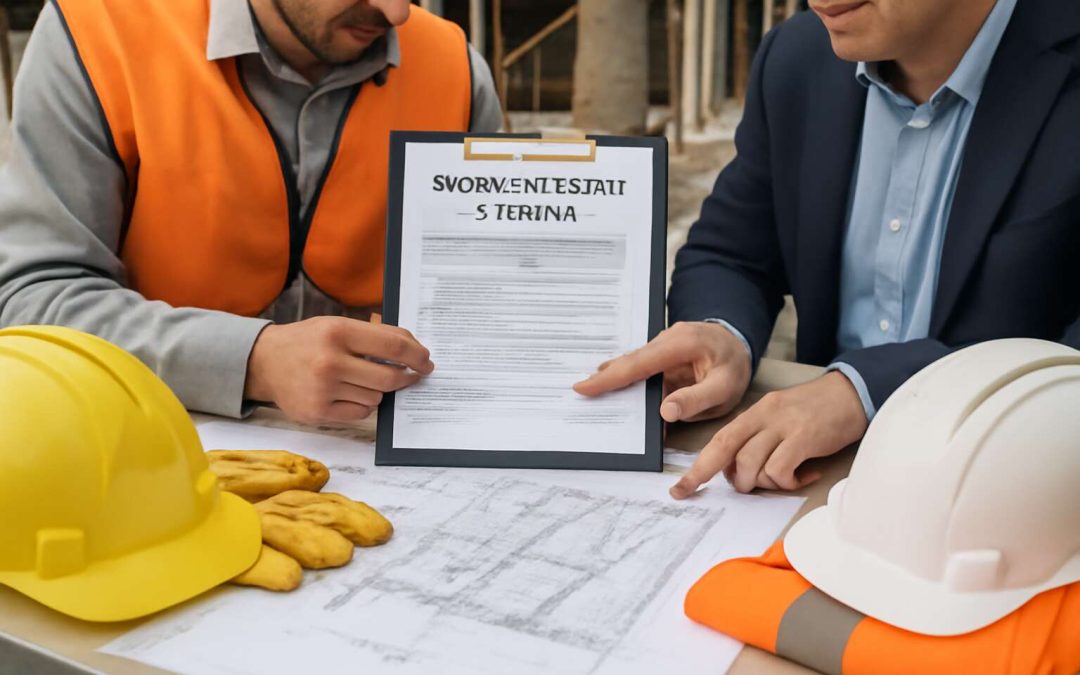
A construction contract is the backbone of any building project. It defines the relationship between the client and contractor, setting clear expectations from start to finish. Without a solid construction contract, disputes are almost inevitable. That’s why understanding its definition and purpose is crucial for everyone involved in South African construction projects.
At its core, a construction contract is a legal agreement that outlines scope, timelines, costs, and responsibilities. It acts as a roadmap, guiding the project and providing protections for both parties. In South Africa, a well-drafted construction contract can prevent costly delays and misunderstandings, ensuring the project progresses smoothly and efficiently.
Key elements often included in a construction contract are:
- Scope of work
- Payment terms
- Timeline and deadlines
- Liability clauses
- Dispute resolution methods
Having a clear understanding of the purpose of a construction contract helps stakeholders navigate the complex landscape of construction law and practice, ultimately safeguarding their investments and ensuring project success.
Types of Construction Contracts
Understanding the various types of construction contracts is essential for navigating the intricate labyrinth of South African building projects. Each type embodies a different philosophy of risk, responsibility, and collaboration—elements that profoundly influence the project’s outcome. The choice of a construction contract can shape not only the financial landscape but also the moral fabric of the entire endeavour.
Among the most common forms are fixed-price contracts, where the scope is clearly defined, and the contractor assumes significant risk. Conversely, cost-plus contracts offer flexibility, with the client bearing more responsibility for unforeseen expenses. In South Africa, different projects demand different contractual frameworks, each with its own set of advantages and pitfalls.
To better understand, consider these prevalent types:
- Design-Bid-Build: Traditional, where the design and construction phases are separate, often leading to clarity but potential delays.
- Design-Build: A more integrated approach, fostering collaboration and often speeding up project timelines.
- Construction Management: The owner directly manages multiple contracts, allowing for greater oversight but requiring active involvement and expertise.
Ultimately, selecting the appropriate construction contract is a profound decision—one that echoes the moral and practical values of all involved, shaping the very soul of the project.
Key Components of a Construction Contract
Scope of Work
In the intricate dance of construction, the scope of work within a construction contract acts as the choreographer, guiding every move with precision and clarity. It’s the backbone that ensures all parties are aligned, minimizing surprises and disputes. Without a detailed scope, even the most seasoned builders risk veering off course—yet, when crafted meticulously, it transforms chaos into coherence.
Key components of a construction contract’s scope of work include detailed descriptions of tasks, expected deliverables, and specified timelines. This clarity not only sets expectations but also anchors the project’s progression. For instance, a well-defined scope might specify the types of materials to be used, quality standards, and inspection points, all crucial for safeguarding everyone’s interests.
- Project objectives and goals
- Design specifications and drawings
- Materials and workmanship standards
- Timeframes and milestones
- Roles and responsibilities of each party
Understanding these components can be the difference between a smoothly executed project and a costly, contentious ordeal. When drafting a construction contract, pay close attention to the scope of work—because in the world of construction, details are everything, and ambiguity can be the greatest adversary.
Project Timeline and Deadlines
In the realm of construction, time is often the most elusive element—slipping through fingers like grains of sand, yet crucial to the integrity of a construction contract. A meticulously crafted project timeline functions as the heartbeat of the entire endeavor, dictating the rhythm of progress and holding every party accountable. When deadlines are missed or milestones are unclear, chaos swiftly follows, turning what should be a harmonious process into a costly nightmare.
To combat this, a comprehensive construction contract must clearly define key milestones and deadlines. These could include phases like foundation completion, framing, or final inspections. Often, project schedules are broken down into
- Specific start and end dates
- Critical inspection points
- Buffer periods for unforeseen delays
—all designed to keep the project on track and mitigate risks.
Understanding and enforcing project deadlines within a construction contract ensures that everyone—from contractors to suppliers—remains aligned. It’s not just about meeting dates; it’s about safeguarding the project’s integrity and avoiding disputes. Because in construction, timing isn’t just everything—it’s the difference between triumph and turmoil.
Payment Terms and Schedules
In the shadowed corridors of construction, where every brick laid and beam raised carries the weight of future history, the payment terms of a construction contract serve as the vital pulse of the enterprise. They are the unseen currents that guide the flow of resources and sustenance, ensuring that each phase of labor is met with timely remuneration. Without this delicate orchestration, even the most promising project risks falling into chaos—delayed, underfunded, or abandoned in the gloom.
Within a meticulously crafted construction contract, payment schedules are often woven into the fabric of the agreement with precise clarity. Typically, these schedules break down into milestones aligned with project phases—such as foundation pouring, framing, or final finishes. Often, payment terms are tied to these milestones, with clear conditions for release, including:
- Progress inspections
- Submission of certification documents
- Completion of specific deliverables
This method not only ensures transparency but also guards against the creeping darkness of disputes and delays. The ebb and flow of payments act as a safeguard—keeping the project’s heartbeat steady amid the chaos and uncertainty that often shroud large-scale construction endeavors. In the end, a well-structured payment schedule within a construction contract is more than mere numbers; it is the lifeblood that sustains the pursuit of architectural dreams in the unforgiving landscape of South Africa’s construction industry.
Warranties and Guarantees
In the intricate dance of a construction project, warranties and guarantees are the enchanted shields that safeguard both client and contractor from unforeseen pitfalls. These key components of a construction contract act as promises, ensuring the durability and quality of the work long after the last brick is set. They are not mere formalities but vital assurances that the craftsmanship will withstand the test of time and nature’s unpredictable whims.
Within a well-crafted construction contract, warranties often cover aspects such as structural integrity, water tightness, and the quality of materials used. Guarantees, on the other hand, tend to focus on the contractor’s commitment to rectifying defects that may arise after project completion. Typically, these provisions include:
- Specified timeframes for defect liability periods
- Conditions under which repairs or replacements are warranted
- Procedures for claim submissions and assessments
Such elements weave a safety net that provides peace of mind, transforming a complex construction contract into a foundation of trust. Without these protective clauses, even the most meticulous project risks facing costly setbacks or disputes—highlighting that warranties and guarantees are truly the backbone of any successful construction endeavor.
Change Order Procedures
In the intricate ballet of a construction contract, change order procedures serve as the choreographer’s subtle cues that keep the performance on track. These procedures are the key to managing unexpected twists and turns—think of them as the diplomatic channels that ensure adjustments are seamless and mutually beneficial.
Fundamentally, a well-structured construction contract delineates a clear process for initiating, evaluating, and approving change orders. This typically involves written requests, detailed assessments of scope adjustments, and agreed-upon cost implications. Such clarity prevents the chaos of ad hoc modifications, transforming what could be a battleground into a collaborative dance.
Within this framework, the following elements are vital:
- Formal documentation of proposed changes
- Assessment of impact on project timeline and budget
- Approval protocols, often requiring signatures from both client and contractor
By embedding these components into the construction contract, stakeholders sidestep the pitfalls of miscommunication and scope creep, ensuring the project remains as elegant as it is efficient. After all, a robust change order process isn’t just bureaucracy—it’s the backbone of a resilient construction contract, safeguarding trust and transparency every step of the way.
Dispute Resolution Mechanisms
In the labyrinthine corridors of a construction contract, disputes are often inevitable—yet how they are resolved can determine the fate of an entire project. Dispute resolution mechanisms serve as the enchanted keys that unlock harmony amidst chaos, transforming potential conflicts into opportunities for cooperation. These mechanisms are the safeguard that ensures disagreements do not spiral into costly battles, but instead foster mutual understanding and swift resolution.
Essentially, a well-crafted construction contract incorporates a variety of dispute resolution methods, each suited to different scenarios. Common approaches include negotiation, mediation, arbitration, and litigation. The choice of mechanism often hinges on the scale of the dispute, the relationship between parties, and the desire for confidentiality.
Within this framework, clarity is king. The construction contract should specify:
- The preferred dispute resolution process
- Steps for initiating proceedings
- Criteria for selecting mediators or arbitrators
- Procedural timelines and document submission requirements
By embedding these elements into the construction contract, stakeholders create a resilient legal backbone that promotes transparency, minimizes delays, and preserves professional relationships. Dispute resolution mechanisms are not mere formalities—they are the guardians of project integrity, ensuring that even when conflicts arise, the pathway to resolution remains clear and constructive.
Legal Considerations in Construction Contracts
Contract Laws and Regulations
In the intricate dance of construction, legal considerations form the silent rhythm underpinning every successful project. A carefully crafted construction contract is more than just a piece of paper; it’s the blueprint for safeguarding both parties’ interests amid unforeseen twists of fate. South Africa’s legal landscape for construction contracts is governed by a complex web of contract laws and regulations, designed to ensure fairness and clarity.
Understanding the legal framework is crucial, especially considering the potential pitfalls that can emerge without proper safeguards. For example, adherence to the **Construction Industry Development Board’s regulations** and the **National Building Regulations** ensures compliance and minimizes disputes. Additionally, specific clauses related to indemnity, liability, and compliance with local environmental laws help fortify the construction contract against future legal storms. When drafting or reviewing a construction contract, always remember: clarity in legal considerations is the bedrock on which a construction project’s harmony rests.
Liability and Insurance
Liability and insurance are critical aspects of any construction contract, especially in South Africa’s evolving legal landscape. Construction projects inherently carry risks—accidents, delays, unforeseen damages—and a well-structured construction contract must address these head-on. Without proper liability clauses, parties risk costly disputes that can halt progress and inflate costs.
Insurance coverage acts as a safety net, protecting both contractors and clients from financial fallout. Typical policies include public liability, professional indemnity, and builder’s risk insurance. These provisions ensure that if accidents occur or damage happens, the financial burden does not fall solely on one party.
In South Africa, specific regulations require construction contracts to clearly define liability limits and insurance obligations. An effective construction contract should include:
- Clear liability clauses outlining each party’s responsibilities
- Mandatory insurance requirements aligned with local laws
- Procedures for claims and dispute resolution related to insurance coverage
Ultimately, embedding comprehensive liability and insurance provisions within a construction contract helps safeguard project continuity and minimizes legal exposure. It’s the backbone of a resilient construction project.
Permits and Licenses
Legal considerations in a construction contract extend beyond project scope and timelines. Permits and licenses are foundational components that must be addressed upfront. Without proper authorization, even the most well-planned construction project can come to a halt, risking costly delays and legal penalties. In South Africa, obtaining the necessary permits is not optional; it’s mandated by law. Failure to secure these documents can invalidate the entire construction contract, leaving parties exposed to fines or even project shutdowns.
Ensuring compliance involves verifying that all permits—building, environmental, and zoning—are in place before breaking ground. Sometimes, contracts include a clause requiring the contractor to handle permit applications, but ultimately, the client bears responsibility for confirming legal clearance. This due diligence protects all parties and keeps the project aligned with South Africa’s rigorous construction regulations.
Remember, a comprehensive construction contract should specify which party is responsible for obtaining and maintaining permits. This clarity minimizes disputes and ensures smooth project progression. After all, legal compliance isn’t just a formality—it’s the backbone of a resilient construction project in South Africa!
Breach of Contract and Penalties
In the delicate tapestry of a construction contract, the threads of legality are woven with unyielding precision. When breaches occur, the consequences can ripple through the project like a storm tearing through calm waters, leaving chaos in its wake. Penalties for such breaches are not mere formalities—they are the anchors that uphold the integrity of the agreement and ensure accountability.
Remember, a breach of contract can trigger a cascade of repercussions, from hefty fines to the potential termination of the project. The law in South Africa is clear: failure to meet contractual obligations may invite punitive measures, including damages or legal sanctions. To safeguard the delicate balance of trust and obligation, it’s crucial that each party understands the gravity of their commitments.
In some cases, the construction contract may stipulate specific penalties—ranging from liquidated damages to contractual remedies—designed to deter breaches and encourage adherence to deadlines and quality standards. It’s this intricate dance of rights and responsibilities that keeps the project alive, resilient against the chaos of unforeseen pitfalls. After all, in the realm of construction, the law is not just a guardrail but a guiding star—ensuring that every brick laid is rooted in legality and integrity.
Force Majeure Clauses
In the intricate web of a construction contract, unforeseen events can threaten to unravel progress and jeopardize project timelines. Force majeure clauses serve as the legal safeguard when nature or other uncontrollable factors disrupt the course of construction. These clauses are not mere formalities; they are vital for delineating the rights and responsibilities of parties when extraordinary circumstances arise.
South African law recognizes that events such as natural disasters, strikes, or pandemics can impede construction progress. Including a well-crafted force majeure clause in your construction contract provides clarity and protection. It typically specifies which events qualify as force majeure and the procedures for notification and mitigation.
- Temporary suspension of obligations
- Extension of deadlines
- Potential termination rights if delays persist
By thoughtfully integrating these provisions, parties can navigate the turbulent waters of unexpected setbacks with resilience and transparency. Ultimately, a construction contract fortified with an effective force majeure clause ensures that both contractors and clients can weather the storms of the construction journey with confidence and legal assurance.
Best Practices for Drafting Construction Contracts
Clear and Precise Language
A well-drafted construction contract is the backbone of any successful project, providing clarity and reducing the risk of disputes. When the language is clear and precise, everyone involved—be it the client, contractor, or supplier—knows exactly what is expected. Vague terms can lead to misunderstandings that may delay progress or inflate costs, which no one wants in the midst of building dreams.
To ensure your construction contract is airtight, focus on using straightforward language that leaves little room for ambiguity. Avoid legal jargon that might obscure meaning for those outside the legal profession. Instead, opt for plain, detailed descriptions of obligations, timelines, and deliverables. Remember, the goal is to create a document that is accessible and transparent, fostering trust and collaboration among all parties involved.
Including Detailed Specifications
When drafting a construction contract, it’s essential to craft a document that reads more like an enchanted manuscript than a legal tome. Clear and detailed specifications serve as the blueprint of trust, guiding all parties through the labyrinth of construction with unwavering certainty. A well-constructed construction contract should delineate every nuance—from materials to milestones—like an ancient map that leads to the treasure of project success.
Incorporating best practices ensures the contract is both comprehensive and resilient against disputes. Use precise descriptions and avoid ambiguity by defining roles, responsibilities, and expectations in meticulous detail. To bolster clarity, consider including a numbered list of key contractual elements such as scope of work, project timeline, and payment schedules. These elements act as the pillars holding the entire structure upright, preventing misunderstandings that could cause delays or cost overruns.
Furthermore, weaving in specific language around change procedures and risk allocation transforms a mere document into an invincible shield—protecting all parties involved in the unpredictable realm of construction in South Africa. This strategic approach ensures that the construction contract not only stands firm but also unlocks the pathway to a seamless, successful project journey.
Defining Responsibilities and Roles
In the intricate dance of construction, knowing who’s responsible for what is the difference between a harmonious project and a chaotic mess. A well-crafted construction contract doesn’t just outline tasks; it clearly defines responsibilities and roles—think of it as assigning the parts in a well-rehearsed orchestra. Without this clarity, you risk a cacophony of misunderstandings and delays that could turn your dream build into a nightmare.
To keep everyone on the same page, it’s wise to include a detailed list of roles—contractors, sub-contractors, suppliers, and clients—each with their specific duties. This approach helps prevent finger-pointing when issues arise. For added clarity, consider using an ordered list of key responsibilities, such as:
- Scope of work for each party
- Timeline for deliverables
- Quality standards expected
- Communication protocols
By explicitly defining these responsibilities within your construction contract, you create a solid foundation—less room for ambiguity, more room for success. After all, in construction, as in life, clarity is king, and a comprehensive contract is its crown jewel.
Timely and Transparent Communication
Effective communication is the backbone of a successful construction contract. When all parties are on the same wavelength, projects run smoother, and disputes are minimized. Timely and transparent dialogue fosters trust and prevents misunderstandings that could lead to costly delays.
Regular updates and clear channels of communication should be embedded into the construction contract. This ensures everyone knows how to reach each other and what information needs to be shared at each stage of the project.
In practice, this can be achieved through scheduled meetings, detailed progress reports, and defined points of contact. Having these procedures in place reduces the risk of miscommunication and keeps the project aligned with its goals.
Remember, a well-structured construction contract isn’t just about legal clauses—it’s about cultivating a collaborative environment. When communication flows effectively, the foundation for project success is laid sturdy and true.
Consulting Legal Experts
Crafting a robust construction contract is no trivial pursuit; it’s an intricate dance of legal precision and strategic foresight. Consulting legal experts during the drafting process isn’t just prudent—it’s essential. They bring an acute awareness of South African construction laws and regulatory nuances that can otherwise slip through the cracks. Their expertise ensures every clause aligns with current legislation, safeguarding all parties involved.
In practice, engaging legal professionals helps identify potential pitfalls early, from ambiguous language to overlooked obligations. Consider incorporating a detailed review process, where specialists scrutinize the construction contract for loopholes and enforceability. This proactive approach reduces the risk of disputes and fosters a foundation of clarity.
- Seek legal advice before finalizing
- Ensure compliance with local legislation
- Craft clear, enforceable clauses
Ultimately, a well-drafted construction contract, guided by legal expertise, becomes a formidable shield—protecting investments and promoting transparent collaboration.
Common Challenges and How to Avoid Them
Delays and Extensions
Delays and extensions in a construction contract can cast long shadows over project timelines, turning what should be a smooth journey into a labyrinth of frustration. Unexpected hurdles—be it material shortages, unforeseen site conditions, or weather disruptions—often threaten to derail progress. These challenges are not merely inconveniences but can translate into substantial financial burdens if not managed with foresight and precision.
To mitigate such issues, clear clauses regarding delays and extensions should be embedded within the construction contract. Negotiating realistic timeframes and establishing transparent procedures for requesting extensions can prevent disputes down the line. Remember, open communication and well-defined responsibilities form the backbone of a resilient construction contract, safeguarding both parties against the unpredictable twists of construction life. Staying vigilant and proactive helps transform potential setbacks into manageable hurdles—ensuring the project remains on course amidst the chaos.
Budget Overruns
Budget overruns in a construction contract can turn a promising project into a financial labyrinth, where costs spiral beyond initial estimates with alarming speed. These unforeseen expenses often stem from misaligned scope definitions, fluctuating material prices, or overlooked site complexities. Such slip-ups threaten the delicate balance of project finances, risking delays and strained relationships. To navigate this treacherous terrain, meticulous planning and detailed cost management strategies are essential.
One effective approach is to include comprehensive budget clauses within the construction contract that specify cost control measures and escalation procedures. Regular financial audits and transparent communication between stakeholders serve as the compass guiding the project back on course if expenses threaten to breach the limits. When all parties share a clear understanding of financial responsibilities, the risk of surprises diminishes, allowing the project to breathe and flourish amidst the chaos of construction. Remember, a well-crafted construction contract acts as both shield and map, guiding the journey toward successful completion without drowning in unforeseen costs.
Quality Control Issues
In the realm of construction, quality control issues can quietly undermine even the most meticulously planned projects. Flawed workmanship, substandard materials, or overlooked inspection protocols threaten to compromise structural integrity and safety. Such lapses, if left unchecked, can lead to costly rework, delays, and damaged reputations. The key to avoiding these pitfalls lies in embedding rigorous quality assurance measures directly into the construction contract.
Clear specifications and quality benchmarks should be explicitly outlined within the construction contract, leaving no room for ambiguity. Regular inspections and documented checkpoints foster accountability and ensure standards are maintained throughout the project’s lifecycle. To effectively mitigate risks, consider establishing a dedicated quality control team responsible for continuous oversight. Remember, a well-structured construction contract not only defines the scope of work but also acts as a safeguard—transforming potential quality challenges into opportunities for excellence and durability.
By prioritising detailed quality clauses, stakeholders can navigate the complexities of construction with confidence, ensuring that each phase adheres to the highest standards. In the end, it’s this unwavering commitment to quality that transforms a blueprint into a timeless masterpiece, echoing the resilience and ambition inherent in every construction project.
Unclear Contract Terms
Unclear contract terms can turn a straightforward construction project into a labyrinth of confusion and frustration. When clauses are vague or ambiguous, it’s like giving a builder a map with missing landmarks—chaotic and prone to misinterpretation. This can lead to disputes, delays, and unexpected costs, all of which nobody wants, especially when deadlines are tight and budgets are tightropes.
To sidestep this trap, a well-crafted construction contract should feature clear, unambiguous language that spells out every detail. Consider including a
- comprehensive scope of work
- explicit responsibilities
- precise project milestones
. These elements serve as the blueprint for everyone involved, reducing room for miscommunication. Moreover, engaging legal experts to review the construction contract ensures that all clauses are airtight and enforceable.
In the end, clarity isn’t just about avoiding misunderstandings; it’s about building a foundation of trust that keeps the project on track, on budget, and free from costly surprises.
Handling Disputes Effectively
Handling disputes effectively is the backbone of a resilient construction contract. When disagreements arise—inevitable in any complex project—having a clear, structured approach can prevent a minor hiccup from spiraling into costly litigation.
One of the most effective methods is incorporating well-defined dispute resolution mechanisms directly into the contract. Mediation and arbitration, for example, offer a less adversarial path to resolution, saving time and preserving working relationships.
A crucial aspect is fostering timely and transparent communication. When all parties stay informed and address issues promptly, misunderstandings are less likely to escalate. Additionally, documenting every decision and change fosters accountability and creates a paper trail that can be invaluable should disputes need legal review.
Ultimately, a robust construction contract isn’t just about the initial scope or payment schedule—it’s a safeguard. It ensures that, even amidst inevitable disagreements, the project maintains momentum, avoiding delays and protecting everyone’s interests.
Final Tips for a Successful Construction Contract
Thorough Review Before Signing
A meticulous review of your construction contract can be the difference between a seamless project and a costly nightmare. In South Africa’s dynamic construction landscape, overlooking even minor details can lead to unforeseen delays, disputes, or budget overruns. Before signing on the dotted line, take the time to scrutinize every clause—especially those related to project scope, payment terms, and dispute resolution mechanisms.
Remember, a well-crafted construction contract isn’t just a legal document; it’s a roadmap for your entire project. Be vigilant about ambiguous language or vague specifications that could cause confusion later. Consulting legal experts familiar with local construction laws can reveal hidden pitfalls and ensure your interests are protected. Ultimately, a thorough review safeguards your investment and sets the stage for a successful build.
Document All Changes and Agreements
In the realm of construction, where every brick laid and beam raised echoes with the promise of progress, the final act of drafting a construction contract holds paramount importance. It’s not merely ink on paper; it’s the guardian of your investment, the blueprint for harmony between parties. When all changes and agreements are meticulously documented, the path to a successful project becomes clearer, and the likelihood of disputes diminishes significantly.
To ensure no detail slips through the cracks, it’s wise to implement a systematic approach. Consider maintaining a comprehensive record of all modifications—be it scope adjustments, timeline shifts, or payment amendments. An ordered log of these changes fosters transparency and keeps everyone aligned. In South Africa’s dynamic construction landscape, where regulations evolve swiftly, such diligence is a safeguard against unforeseen complications.
Remember, a construction contract that captures every nuance and variation isn’t just a legal safeguard; it’s the foundation of trust and clarity. Embrace precise language and detailed documentation, and your project’s journey will be far more likely to reach its triumphant completion without unnecessary setbacks.
- Document all changes explicitly within the construction contract
- Obtain written consent for any amendments or additional agreements
- Keep all correspondence and approvals organized for future reference
Regular Monitoring and Communication
In the shadowed corridors of construction, where progress is often haunted by the specter of miscommunication, regular monitoring and open dialogue are your only defenses. A robust construction contract serves as the skeleton of every project, but without vigilant oversight, even the strongest bones can falter. Continual communication acts as the heartbeat, ensuring all parties remain in sync amid the chaos of deadlines and unforeseen twists.
It’s wise to establish a routine for project updates, whether through weekly meetings or detailed reports. This ongoing dialogue can reveal potential issues before they spiral into costly disputes. Remember, a construction contract is not merely a document; it’s a living agreement that benefits from diligent stewardship. Fostering transparency and addressing concerns promptly can transform a potentially tumultuous build into a symphony of coordinated effort.
To fortify your project’s foundation, consider implementing a systematic approach such as:
- Documenting all discussions and decisions made during project meetings
- Maintaining a clear log of any deviations from the original scope or timeline
- Ensuring that all communications are archived securely for future reference
In South Africa’s labyrinthine construction landscape, where regulations shift like shadows, such disciplined oversight within your construction contract can be the difference between chaos and clarity. When communication flows seamlessly, the risk of costly misunderstandings diminishes, paving the way for a triumphant completion—step by calculated step.
Maintaining Legal and Financial Records
Maintaining meticulous legal and financial records isn’t just a bureaucratic chore—it’s your safety net when the dust settles. A well-documented construction contract acts as a blueprint for accountability, ensuring every detail is recorded and accessible. Without this, disputes can escalate faster than a building boom, turning a promising project into a legal labyrinth.
In South Africa’s complex construction landscape, a few disciplined habits can save you from future headaches. First, keep an organized archive of all contract-related correspondence—emails, meeting notes, change orders, and approvals. Second, regularly update your financial ledger to track payments, variations, and cost overruns. Third, use a systematic numbering system for all documents to streamline retrieval when disputes arise.
- Securely store signed contracts and amendments
- Maintain a detailed timeline of project milestones and financial transactions
- Document all communications regarding scope changes or delays
Investing in rigorous record-keeping within your construction contract isn’t just prudent; it’s essential. It’s the difference between a smooth build and a legal showdown in the boardroom. Proper documentation keeps clarity sharp and disputes at bay, turning what could be chaos into a well-orchestrated symphony of construction.
Jul 31, 2025 | Construction Articles
Types and Variations of Construction Blocks
Plastic Building Blocks
In the realm of creative construction, plastic building blocks like Lego have transcended mere playthings, evolving into sophisticated tools for both education and design innovation. The sheer diversity of these construction blocks like Lego offers an array of possibilities that cater to a spectrum of ages and skill levels. From small, intricate pieces perfect for delicate architectural details to larger, robust blocks designed for expansive structures, the variations are as diverse as the imagination itself.
Within this dynamic universe, you’ll find specialized types such as interlocking blocks with enhanced stability, transparent pieces that introduce a touch of realism, and even magnetic variants that redefine assembly possibilities. These variations foster an environment where creativity is limited only by one’s vision. For those seeking to explore beyond traditional aesthetics, there are eco-friendly options crafted from sustainable plastics, aligning with global efforts towards environmental responsibility. The versatility of construction blocks like Lego continues to inspire innovative applications across educational, recreational, and professional domains, making them indispensable in modern building pursuits.
Educational Construction Toys
When it comes to educational construction toys, variety truly is the spice of life—and the secret sauce behind limitless creativity. Construction blocks like Lego aren’t just toys; they’re the Swiss Army knives of the design world, offering an ever-expanding universe of options. From tiny, precision-engineered pieces that can mimic the finest architectural details to giant blocks perfect for sprawling structures, these toys cater to every budding architect’s whim.
Among the most innovative types are magnetic construction blocks, which turn assembly from a frustrating puzzle into a magnetic dance party. Transparent pieces add a dash of realism, transforming basic structures into dazzling displays of ingenuity. And for those with an eye on sustainability, eco-friendly options crafted from biodegradable plastics are increasingly available—because even builders want to save the planet while constructing their dream city.
In fact, the diversity of construction blocks like Lego can be summarized with this simple list:
- Interlocking blocks with enhanced stability
- Magnetic variants for effortless assembly
- Transparent and translucent pieces for realism
- Sustainable, eco-friendly plastics
Each variation unlocks new possibilities, ensuring that the only limit is your imagination—although, in South Africa, a good set of construction blocks like Lego might just be the best investment in both fun and education!
Magnetic Blocks
When it comes to the fascinating world of construction blocks like Lego, variety truly is the spice of life—and the secret weapon for unleashing boundless creativity. Among the most intriguing variations are magnetic construction blocks, which transform assembly from a tedious puzzle into a mesmerizing dance of magnetism. These innovative pieces snap together effortlessly, making the construction process feel almost magical. No more fumbling with tiny pieces or wrestling with unstable structures—just pure, magnetic fun.
For those craving a touch of realism and visual flair, transparent and translucent pieces are a game-changer. They allow builders to craft dazzling displays that look just as good in the daylight as they do in the spotlight. Plus, eco-conscious creators will love the eco-friendly options crafted from biodegradable plastics—proof that even in the world of construction blocks like Lego, sustainability is stepping up its game.
To better understand the diversity, here’s a quick rundown of the main types:
- Magnetic construction blocks for effortless assembly
- Transparent and translucent pieces for enhanced realism
- Eco-friendly plastics that prioritize sustainability
Eco-friendly and Recycled Blocks
In the vibrant world of construction blocks like Lego, eco-friendly and recycled options are transforming playtime into an act of environmental stewardship. These innovative building blocks are crafted from biodegradable plastics and other sustainable materials, allowing young architects and seasoned builders alike to create with a clear conscience. The appeal isn’t just in their green credentials but also in their durability and vivid colors that bring imagination to life. As the demand for sustainable toys grows, manufacturers are pioneering new ways to incorporate recycled plastics into construction blocks like Lego, ensuring that play and preservation go hand in hand.
Furthermore, eco-conscious builders can explore a diverse range of styles and designs, from classic brick shapes to intricate architectural elements—each made with sustainability at its core. The rise of eco-friendly and recycled construction blocks like Lego not only nurtures creativity but also champions a greener future, inspiring builders to think globally while playing locally. Whether stacking up towers or designing complex structures, these environmentally mindful blocks promise endless possibilities with a positive impact on our planet.
Large-Scale and Art Sets
When exploring the expansive universe of construction blocks like Lego, one quickly realizes that the variety extends far beyond simple brick sets. For enthusiasts and educators alike, large-scale and art sets represent a captivating realm where creativity transcends traditional boundaries. These colossal assemblies not only challenge spatial perception but also invoke a profound sense of achievement—a testament to the meticulous craftsmanship embedded within each piece.
Large-scale construction blocks like Lego often serve as immersive canvases for intricate architectural projects, from towering skyscrapers to detailed sculptures. Meanwhile, art sets elevate the experience, transforming the act of building into a sophisticated form of self-expression. These specialized collections often feature unique shapes and textured elements, allowing builders to craft realistic landscapes or abstract masterpieces that ignite the imagination.
- Imposing size and complex design encourage patience and strategic thinking.
- High-quality, durable materials ensure longevity and resilience during intense play or display.
- Variety in styles and themes caters to diverse artistic visions, from futuristic cityscapes to historical replicas.
In the realm of construction blocks like Lego, these large-scale and art sets epitomize the evolution of play into an artful pursuit—where every piece fits into a broader narrative of innovation. Whether for educational purposes or pure artistic expression, they hold the power to inspire builders of all ages to think big, imagine deeply, and realize their visions with precision and passion.
Top Brands and Brands Comparison
LEGO
In the realm of construction blocks like LEGO, brand reputation often echoes louder than the colorful bricks themselves. South African enthusiasts and parents alike gravitate toward trusted names that promise durability, safety, and a touch of whimsy. Among these, LEGO remains the undisputed titan, commanding a market share that’s as impressive as their intricate sets.
But it’s not all about the big players. A handful of brands stand shoulder to shoulder with LEGO, each bringing their own flair to the table. For instance, Mega Bloks offers a more budget-friendly alternative, perfect for younger builders or those just beginning to explore the endless possibilities of construction blocks like LEGO. Meanwhile, brands like Playmobil carve out their niche with themed sets that elevate imaginative play beyond simple brick stacking.
Choosing the right brand often boils down to a variety of factors—quality, price, and the variety of themes available. For those seeking a comprehensive comparison, consider this list:
- LEGO: The gold standard for quality and innovation.
- Mega Bloks: Budget-conscious, with a focus on accessibility.
- Playmobil: Themed sets that inspire storytelling and role play.
Each brand contributes its own unique flavor to the world of construction blocks like LEGO, ensuring that the joy of building remains as vibrant as the bricks themselves.
Mega Bloks
In the vibrant tapestry of the world of construction blocks like LEGO, top brands carve out their unique niches, captivating both young and seasoned builders. While LEGO dominates with its reputation for quality and innovation, other brands offer compelling alternatives that cater to different needs and budgets. South African enthusiasts often find themselves at a crossroads, balancing the allure of intricate sets with affordability and thematic variety.
Among these brands, Mega Bloks stands out as a budget-friendly option, offering accessible, durable options perfect for sparking young imaginations without breaking the bank. Their colorful, larger bricks are especially appealing for beginners and early learners. Meanwhile, brands like Playmobil provide themed sets that elevate the art of storytelling through construction blocks like LEGO, inspiring imaginative role play that transcends simple stacking.
When choosing the perfect brand, many consider factors like quality, price, and thematic range. Here’s a quick overview:
- LEGO: The gold standard for construction blocks like LEGO, renowned for its durability and endless innovation.
- Mega Bloks: A cost-effective alternative that emphasizes accessibility and larger brick sizes for younger children.
- Playmobil: Themed sets that foster storytelling and role play, adding a narrative dimension to building fun.
Each of these brands weaves its own spell into the fabric of construction blocks like LEGO, ensuring that the magic of creation remains as vibrant as the bricks themselves. Whether you seek the sophisticated allure of LEGO or the playful simplicity of Mega Bloks, the world of construction blocks in South Africa offers a universe of endless possibilities.
Kre-o
When exploring the universe of construction blocks like LEGO, discerning enthusiasts often find themselves navigating a constellation of top brands that each cast their own enchanting spell. Kre-O, for instance, is a rising star in the realm of construction blocks like LEGO, offering a compelling blend of creativity and affordability. Known for its detailed mini-figures and themed sets, Kre-O provides a rich storytelling experience that appeals to both young builders and seasoned collectors.
Unlike Mega Bloks, which prioritizes larger bricks for easy handling, Kre-O balances size with intricate design, making it ideal for those seeking a more sophisticated building adventure. For South African families, the choice often hinges on the availability of brands and the value they bring to budding architects. With a diverse array of options, brands like Kre-O add a layer of magic, transforming simple plastic bricks into worlds of imagination.
Playmobil Construction Sets
When contemplating the vast landscape of construction blocks like LEGO, one cannot ignore the nuanced distinctions that define each top brand. Playmobil construction sets, for example, carve out a niche rooted in storytelling and imaginative play. Renowned for their detailed figures and themed environments, Playmobil provides a tactile experience that transcends mere building—transforming it into an immersive adventure. For South African families seeking variety, Playmobil stands out as an alternative that emphasizes narrative depth, appealing to both children and collectors alike.
While brands like Kre-O and Mega Bloks focus on intricate design and ease of handling, Playmobil’s strength lies in its ability to evoke worlds filled with characters, vehicles, and scenarios. This makes it a compelling choice for those who value creative storytelling over structural complexity. The diversity among these brands illustrates how each one caters to different facets of human curiosity—whether it’s the joy of constructing or the allure of role-play. Ultimately, this variety in the realm of construction blocks like LEGO underscores the importance of aligning your choice with your child’s unique imaginative needs.
Other Popular Brands
In the vibrant world of construction blocks like LEGO, several top brands stand out, each offering unique features that cater to diverse creative minds. While LEGO remains the industry giant, other brands like Mega Bloks, Kre-O, and Playmobil construction sets bring their own charm to the table. These brands are not just about building; they evoke storytelling, role-playing, and immersive adventures that resonate deeply with children and collectors alike.
For those seeking variety, understanding the differences can be quite enlightening. Mega Bloks, for instance, is renowned for its larger pieces, making it ideal for younger children or those just starting their building journey. Kre-O offers intricate design elements that appeal to older kids and hobbyists, emphasizing detailed craftsmanship. Meanwhile, Playmobil construction sets excel at narrative depth, transforming building into an imaginative escapade rather than just a structural activity.
- LEGO’s versatility and extensive theme selection make it a household name.
- Mega Bloks simplifies handling with bigger pieces, perfect for preschoolers.
- Kre-O’s focus on detailed figures appeals to enthusiasts craving realism.
Ultimately, the choice of brand depends on what sparks the imagination—whether it’s the fundamental joy of stacking or crafting elaborate stories with detailed characters. The diversity among these brands underscores their significance in shaping creative play in South Africa. Each offers a different lens through which to view the endless possibilities of construction blocks like LEGO, making the journey of building a truly personal adventure.
Benefits of Using Construction Blocks
Enhances Creativity and Imagination
Construction blocks like LEGO have long been celebrated as catalysts for unlocking boundless creativity and sparking imaginative play. They serve as more than just toys; they are gateways to worlds where the only limit is one’s own vision. When children manipulate these versatile building materials, they don’t merely follow instructions—they invent, experiment, and reinvent their ideas, nurturing a mindset that values innovation and problem-solving.
Research indicates that engaging with construction blocks like LEGO enhances cognitive development by fostering spatial awareness and fine motor skills. Beyond these practical benefits, they stimulate a child’s ability to think abstractly and innovate. The act of assembling intricate structures encourages perseverance and patience, qualities that resonate well into adulthood. For creative minds, these blocks are a canvas—ready to transform fleeting ideas into tangible masterpieces. In essence, construction blocks like LEGO do more than entertain; they cultivate a fertile ground for imagination to flourish.
Develops Fine Motor Skills
Within the vibrant world of construction blocks like LEGO, there lies a silent, yet profound, developmental symphony. These tiny bricks do more than shape imaginative worlds—they sculpt the very foundation of fine motor skills in young minds. Each grasp, twist, and click hones the dexterity and hand-eye coordination essential for a child’s growth. It’s as if every click echoes a lesson in patience and precision, subtly preparing little hands for more complex tasks ahead.
The intricate process of connecting these construction blocks like LEGO requires deliberate movements, transforming simple play into a masterclass in motor development. For parents and educators alike, it’s fascinating to witness how such seemingly straightforward activities foster resilience and perseverance. As children manipulate their creations, their fingers dance with increasing finesse, laying down the groundwork for enhanced coordination and spatial awareness.
- Develops fine motor skills through precise finger movements.
- Strengthens hand-eye coordination with each connection.
- Encourages patience and perseverance during complex builds.
Encourages Problem-Solving and Critical Thinking
Construction blocks like LEGO are more than just toys—they are powerful tools for developing critical problem-solving and thinking skills in children. When kids engage with these versatile building sets, they embark on a journey that challenges their minds to think creatively and logically. Each piece clicked into place requires strategic planning, turning simple play into a dynamic mental workout.
The process of constructing with these blocks often involves trial and error, fostering resilience and perseverance. Children learn to analyze their designs, troubleshoot when pieces don’t fit, and adjust their approach—skills that are invaluable beyond the playroom.
- Encourages children to think critically about spatial relationships.
- Enhances their ability to plan and execute complex projects.
- Builds confidence through successful problem resolution.
In this way, construction blocks like LEGO transform play into a fertile ground for intellectual growth, setting the stage for future innovations and problem-solving mastery.
Promotes Teamwork and Social Skills
In a world increasingly driven by collaboration, the role of construction blocks like LEGO in fostering teamwork and social skills cannot be overstated. When children gather around a set of these versatile building toys, they are not merely playing—they are engaging in meaningful interaction that nurtures communication, patience, and empathy. The shared goal of completing a complex design encourages children to listen, negotiate, and celebrate collective achievements.
Building with construction blocks like LEGO offers a natural platform for social development. It creates opportunities for children to practice turn-taking, share resources, and resolve disagreements amicably. These activities cultivate essential social skills that extend well beyond the playroom, laying a foundation for future success in both academic and personal spheres. Whether working on a collaborative project or simply playing side-by-side, children learn the value of teamwork and the importance of respecting diverse perspectives.
- Strengthens communication skills through collaborative planning and execution.
- Encourages patience as children work through challenges together.
- Builds confidence as they contribute to shared accomplishments.
Suitable for All Age Groups
Construction blocks like LEGO are more than just toys—they’re a gateway to engaging, inclusive play for all age groups. These versatile building tools stimulate curiosity and foster a sense of achievement, regardless of whether you’re a child or an adult. Their adaptability makes them ideal for collaborative projects, family bonding, or solo creative pursuits.
What truly sets construction blocks like LEGO apart is their ability to bridge generational gaps. From young children honing their fine motor skills to seniors seeking a nostalgic activity, these blocks offer a universal appeal. Their durable design and endless possibilities cultivate patience and perseverance, making them an excellent choice for mental stimulation at any age. Harnessing the power of these building blocks can turn simple play into a profound experience, encouraging a lifelong love of creativity.
How to Choose the Right Construction Blocks
Age Appropriateness
Choosing the right construction blocks like lego hinges on understanding the age appropriateness for your child or project. Not all blocks are created equal, and selecting the right size and complexity can make all the difference in fostering safe, engaging play. For younger children, larger, chunky blocks offer a tactile experience that minimizes choking hazards, while older kids thrive on more intricate sets that challenge their creativity.
Age-appropriate construction blocks like lego are designed to stimulate development at different stages. From basic stacking for toddlers to advanced building sets for teenagers, matching the complexity to the age ensures both safety and satisfaction. When selecting, consider the child’s dexterity, cognitive skills, and interest level, because the right set can transform playtime into a profound learning experience.
- Ensure the blocks are suitable for the child’s age group
- Check for small parts that could pose a choking hazard
- Opt for sets with adjustable difficulty levels to match growth
Material and Durability
Choosing the perfect set of construction blocks like lego is a journey into a world where durability and material integrity are paramount. As the foundation of endless creativity, the material must withstand the rigors of enthusiastic play while maintaining its vibrant allure. Opting for high-quality plastic construction blocks like lego ensures longevity, resisting yellowing or cracking over time—an essential characteristic for lasting joy.
In the realm of material selection, consider the manufacturing process—blocks crafted through precision molding often boast smoother surfaces and tighter fit, reducing the risk of splinters or sharp edges. For those who prioritize eco-conscious choices, environmentally friendly and recycled blocks present an admirable option, blending sustainability with resilience.
When evaluating durability, pay attention to the following:
- Material strength and flexibility
- Resistance to wear and tear
- Compatibility with other brands and sets
By meticulously selecting construction blocks like lego based on these factors, both safety and the promise of endless creative exploration are assured—an investment in quality that transforms simple play into a lifelong odyssey of imagination.
Compatibility and Interlocking Mechanisms
In a world where imagination takes shape through the sturdy interlock of construction blocks like lego, understanding compatibility and interlocking mechanisms becomes a key to unlocking limitless creativity. These tiny architects rely on seamless connections that transform individual pieces into marvels of engineering and artistry. When choosing the right set, it’s essential to consider how well the blocks interlock—tight enough to hold structures firm, yet easy enough to connect for little hands or intricate designs.
Compatibility isn’t limited to brand recognition alone; it also involves examining the dimensions and connector systems of construction blocks like lego. Some brands offer more versatile options that work harmoniously with others, fostering a broader scope of inventive possibilities. For instance, a well-designed interlocking mechanism ensures stability, allowing builders to construct tall towers or complex vehicles without fear of collapse.
To navigate this landscape of endless potential, look for construction blocks like lego that feature standardized connector sizes and shapes—ensuring compatibility across different sets. This consistency empowers builders to blend and expand their creations, transforming small building blocks into expansive worlds of imagination.
Educational Value
Choosing the perfect set of construction blocks like lego is akin to selecting the raw materials for a masterpiece—each piece a vital brushstroke in the grand tableau of imagination. The educational value of these blocks extends beyond simple play; they serve as gateways to cognitive development, fine motor mastery, and inventive problem-solving. When evaluating options, consider how the material and design elevate learning experiences, transforming mere assembly into an exploration of engineering principles and artistic expression.
To truly harness their potential, seek out construction blocks like lego that emphasize versatility and durability. A set with standardized connector sizes and shapes ensures seamless compatibility, allowing young architects to expand their worlds without boundaries. Whether for solo adventures or collaborative projects, the right blocks foster not only creativity but also critical thinking and perseverance—qualities that shape future innovators.
Remember, the essence of choosing lies in understanding how each piece unlocks a universe of possibilities, turning simple blocks into the foundation of lifelong learning and discovery. After all, every connection made is a step toward unlocking a child’s boundless potential!
Budget Considerations
In the shadowed corridors of creativity, the question of value often whispers like a ghostly echo—how does one choose the right construction blocks like lego without falling prey to the siren’s call of excess? Budget considerations are the silent guardians of this decision, shaping the very foundation of imaginative pursuits. The allure of a seemingly endless spectrum of options can be as intoxicating as a midnight rendezvous, yet restraint often reveals the true worth of a set.
A discerning eye seeks not only the price but the promise each piece holds. Are these construction blocks like lego crafted from durable, eco-friendly materials? Do they offer compatibility across brands, ensuring the architect’s dreams are not shackled by limitations? When selecting, it’s wise to weigh the longevity of the set against its initial cost, for a well-chosen collection can serve as a gateway to countless worlds—unfettered by the constraints of fleeting trends.
For those who crave clarity amidst the labyrinth, an ordered list of considerations can serve as a lantern in the darkness:
- Assess the durability and material quality—will these construction blocks like lego stand the test of time?
- Evaluate compatibility—can they seamlessly interlock with other brands or sets?
- Determine the educational value—are they designed to foster creativity and critical thinking?
- Balance the price against the scope of possibilities—does the set offer expansive potential for future creations?
Within these shadows, the true essence of choice reveals itself—an investment not merely in plastic or paint, but in the forge of imagination that can shape a child’s future, one connection at a time.
Creative Construction Ideas and Projects
Basic Structures for Beginners
Innovation often begins with a simple idea, and when it comes to creative construction ideas and projects using construction blocks like lego, the possibilities are virtually endless. For beginners, establishing basic structures offers a satisfying challenge that nurtures both imagination and foundational skills. Picture a child’s first towering skyscraper or a miniature bridge—these early attempts are more than just play; they are the building blocks of cognitive development.
Starting with straightforward projects allows newcomers to grasp the principles of stability and design. Here are some beginner-friendly ideas to ignite that spark of creativity:
- Constructing a simple house with a roof and door
- Building a multi-level parking garage
- Designing a themed scene, such as a zoo or cityscape
Mastering these basic structures can serve as a stepping stone toward more ambitious endeavors. The charm of construction blocks like lego lies in their ability to inspire endless innovation—each piece fitting seamlessly into the next, unlocking a world of endless creativity and critical thinking. Whether for personal satisfaction or educational growth, these initial projects lay the foundation for more complex, awe-inspiring builds that captivate both young and old alike.
Advanced Architectural Models
In an era where innovation is often sparked by the audacity of imagination, advanced architectural models crafted from construction blocks like lego reveal the profound capacity of these seemingly simple elements to inspire complex, visionary creations. The allure of building intricate structures that mimic real-world architectural marvels captivates enthusiasts and professionals alike, transforming playful assembly into a cerebral exercise in spatial reasoning and aesthetic finesse.
As skill levels evolve, so too does the potential for more sophisticated projects—think of detailed replicas of historical landmarks or futuristic cityscapes. These endeavors demand a nuanced understanding of stability, scale, and proportion, pushing builders beyond basic configurations. For those seeking to elevate their craft, exploring layered, multi-dimensional designs that challenge conventional interlocking mechanisms can open new vistas of creative expression.
For enthusiasts aiming to push boundaries, employing a combination of different types of construction blocks like lego, along with strategic planning, can lead to awe-inspiring models. Such projects not only satisfy the craving for technical mastery but also serve as a testament to the enduring power of imaginative play—once dismissed as mere child’s play, now recognized as a conduit for sophisticated, high-level design thinking.
Themed Sets and Playscapes
Creative construction ideas and themed sets ignite the imagination, transforming simple building blocks into worlds of wonder. With construction blocks like lego, enthusiasts can craft everything from bustling cityscapes to fantastical castles, making each project a unique expression of vision. Themed sets, whether inspired by popular movies, historical eras, or futuristic designs, serve as excellent starting points for those looking to push their creative boundaries.
Playscapes further elevate the experience, turning static models into interactive environments that encourage role-play and storytelling. For example, a carefully designed lego playset can become a vibrant marketplace or a miniature amusement park, offering endless opportunities for imaginative play and social interaction. Incorporating various types of construction blocks like lego enhances the depth and complexity of these projects, fostering both artistic expression and problem-solving skills.
- Develop detailed scenes that challenge spatial reasoning.
- Integrate different textures and shapes to add realism.
- Create multi-layered structures that promote strategic thinking.
These projects reflect more than just playful assembly—they embody a meaningful exploration of design, architecture, and storytelling, all rooted in the accessible charm of construction blocks like lego. Whether for solo creators or collaborative groups, the possibilities are as boundless as the imagination itself! Building themed sets and playscapes not only nurtures creativity but also cultivates a deeper appreciation for the art of construction and the joy of creating something truly original.
Custom Builds and DIY Projects
Few hobbies offer the delightful combination of creativity, engineering, and pure nostalgia quite like working with construction blocks like lego. The thrill of bringing an idea to life, whether it’s a towering skyscraper or a whimsical fantasy land, is truly unmatched. For those seeking to elevate their building game, exploring custom builds and DIY projects with construction blocks like lego unlocks a world of endless possibilities.
Innovative builders often experiment with unique textures and interlocking techniques to craft multi-layered structures that challenge spatial reasoning and strategic thinking. For instance, creating a miniature cityscape or a complex fortress can serve as a testament to one’s mastery over these versatile pieces. Moreover, integrating various shapes and sizes into one cohesive design adds realism and depth, transforming simple blocks into intricate works of art.
In South Africa, where the landscape is as diverse as the imagination of its people, constructing themed sets and bespoke projects encourages a deeper appreciation for design and craftsmanship. Whether starting with basic structures for beginners or delving into advanced architectural models, the art of custom builds with construction blocks like lego fosters not only artistic expression but also critical problem-solving skills. Truly, these projects embody a playful yet profound exploration of creativity that resonates across generations!
Inspiring Design Examples
Creative construction ideas with blocks like lego ignite the imagination in ways few hobbies can match. From intricate cityscapes to fantastical castles, each project becomes a canvas for innovation. The thrill lies in transforming simple, colorful construction blocks like lego into detailed, awe-inspiring masterpieces that captivate all ages.
For those with a passion for design, inspiring projects often feature layered textures and clever interlocking techniques. Imagine building a miniature version of a famous landmark or designing a bespoke fantasy landscape—each piece fitting perfectly into the larger vision. The magic is in the details, where every block serves a purpose, elevating the entire creation to new heights of artistry.
- Advanced architectural models that challenge spatial reasoning.
- Themed sets that reflect South Africa’s diverse landscapes and cultural heritage.
- Custom builds that showcase personal storytelling through construction blocks like lego.
Whether crafting simple structures for beginners or pushing the boundaries with complex designs, these projects serve as an inspiring testament to the versatility of construction blocks like lego. As creativity blossoms, so does the understanding that each build is an adventure—an invitation to explore the endless possibilities hidden within each colorful piece.
Safety and Maintenance Tips
Safe Handling for Children
Safety should always be a top priority when children are playing with construction blocks like lego. Small pieces can pose a choking hazard, especially for younger children, so supervision is essential. Ensuring that children play on a flat, clutter-free surface reduces the risk of trips and falls.
Proper handling and storage also extend the lifespan of these educational construction toys. Encourage children to clean up after play and store their lego sets in secure containers. Here are some safety tips for handling construction blocks like lego:
- Regularly inspect the blocks for damage or broken pieces to prevent injury.
- Teach children to handle the pieces gently to avoid accidental breakage.
- Keep small parts away from children under three years old.
Maintaining a safe play environment not only protects little ones but also fosters a positive experience with these versatile educational construction toys.
Cleaning and Care Instructions
Construction blocks like lego are more than just toys — they are gateways to boundless creativity and cognitive development. Yet, to ensure these vibrant pieces remain safe and durable, proper cleaning and maintenance are essential. Over time, dust and dirt can accumulate, dulling the bright hues and compromising the integrity of the blocks.
Regularly wipe down the construction blocks like lego with a soft, damp cloth. For a deeper clean, use a mild soap solution, but avoid submerging the blocks completely to prevent water from seeping into any interlocking mechanisms. After cleaning, allow the pieces to air dry thoroughly before storage to prevent mold or warping.
Proper storage is equally vital. A sealed container or dedicated storage bin keeps the blocks organized and protected from damage. Here are some quick maintenance tips:
- Inspect the blocks for damage or broken pieces before and after play.
- Teach children to handle the pieces gently to prevent cracks or missing parts.
- Keep small parts away from children under three years old to avoid choking hazards.
In South Africa, where the climate can introduce unique challenges, these maintenance routines become even more crucial for preserving the quality of your construction blocks like lego. A little care today ensures endless hours of safe, imaginative play tomorrow!
Storage Solutions
Ensuring the safety and longevity of your collection of construction blocks like lego begins with thoughtful storage solutions. In South Africa’s diverse climate, moisture and temperature fluctuations can pose hidden threats to these vibrant pieces. Proper storage not only keeps the construction blocks like lego organized but also protects them from damage and dirt, which can dull their bright hues and compromise interlocking mechanisms.
Investing in a sealed container or dedicated storage bin is a simple yet effective way to keep your blocks safe. For added convenience, consider stacking storage boxes that are easy to access and sort through. To maintain the quality of your collection, regularly inspect the blocks for damage or missing pieces, particularly after intense play sessions. Teaching children to handle these pieces gently can significantly extend their lifespan and prevent cracks or breakage.
Here are some quick storage tips that make a difference:
- Use transparent containers so you can easily see and access parts during play.
- Keep small pieces out of reach of children under three to prevent choking hazards.
- Label storage sections based on size or type for quick assembly and sorting.
In South Africa, where outdoor dust and humidity can settle quickly, maintaining a tidy and protected environment for your construction blocks like lego is essential. A little effort today preserves the endless hours of imaginative play and learning that these colorful building sets bring to life tomorrow!
Avoiding Wear and Tear
Every tiny click of a construction block like lego echoes the promise of endless creativity, yet beneath that vibrant surface lies the importance of safety and maintenance. Ensuring these playful treasures remain pristine requires more than just admiration; it demands vigilant care to avoid wear and tear that can diminish their magic. In South Africa’s climate, where humidity and dust swirl like an unending dance, safeguarding your collection becomes an art form in itself.
Start by inspecting your construction blocks like lego regularly, especially after energetic play sessions. Look for cracks or loose interlocking mechanisms that could compromise the integrity of your set. To extend their lifespan, teach children gentle handling techniques, emphasizing that these tiny marvels are delicate gems worth respecting. For added protection, consider investing in storage containers designed to shield against moisture and dust. Using transparent boxes with labeled sections not only keeps the collection organized but also makes finding that perfect piece a swift delight.
When it comes to avoiding wear and tear, a few simple practices can make all the difference:
- Implement gentle cleaning routines with soft brushes or damp cloths—harsh chemicals can erode the plastic’s surface over time.
- Keep small pieces out of reach of children under three to prevent choking hazards and accidental damage.
- Rotate and limit play areas to reduce unnecessary stress on the interlocking mechanisms.
In this dance of preservation, patience becomes the unseen force that keeps your collection of construction blocks like lego vibrant and enduring, ready to inspire generations of builders and dreamers in South Africa’s ever-changing landscape.
Where to Buy Construction Blocks Like Lego
Online Retailers
For those seeking the perfect place to acquire construction blocks like Lego online, South Africa’s vibrant digital marketplace offers a plethora of options. Whether you’re a parent nurturing a young builder or an educator seeking engaging educational construction toys, the right retailer can transform any space into a realm of imagination and innovation. The convenience of browsing through extensive inventories of eco-friendly and recycled blocks, magnetic sets, or themed construction sets makes online retailers a top choice for enthusiasts of all ages.
Popular online stores often feature a diverse range of brands, including LEGO, Mega Bloks, Kre-o, and Playmobil construction sets. These platforms typically provide detailed descriptions of material durability, age-appropriateness, and interlocking mechanisms, ensuring you find the perfect fit for your needs. In addition, many retailers offer budget-friendly options for basic structures or advanced architectural models, making it easier than ever to build your dream creations without breaking the bank.
Toy Stores and Specialty Shops
For enthusiasts eager to bring their creative visions to life, finding the ideal destination to purchase construction blocks like Lego is essential. South Africa boasts a burgeoning network of toy stores and specialty shops that cater to builders of all ages. These retail outlets are treasure troves of colorful, interlocking pieces that spark imagination and foster learning.
Whether you prefer browsing in person or exploring the convenience of online shopping, many stores stock a wide selection of construction blocks like Lego. Popular toy stores often feature renowned brands such as LEGO, Mega Bloks, Kre-o, and Playmobil construction sets, ensuring quality and variety. For those seeking something unique, specialty shops may offer themed sets, custom builds, and eco-friendly options made from recycled materials.
- Visit local toy stores with dedicated construction sections.
- Explore specialty shops focusing on educational or eco-friendly construction toys.
- Check online marketplaces that provide extensive inventories of construction blocks like Lego, often with detailed descriptions on material durability and compatibility.
With these options, finding the perfect construction blocks like Lego becomes an exciting adventure, promising endless opportunities for creation and discovery right at your fingertips!
Secondhand Market and Auctions
For avid builders and imaginative minds alike, exploring secondhand markets and auctions can be a goldmine for acquiring construction blocks like Lego at a fraction of the retail price. South Africa’s vibrant online trade platforms and local auction houses often feature extensive collections of used construction blocks like Lego, perfect for expanding your set or finding rare pieces. These venues are especially appealing to collectors seeking themed sets or discontinued models that are no longer available in stores.
Online marketplaces such as Gumtree, OLX, and dedicated Facebook groups connect enthusiasts directly with sellers, offering a treasure trove of construction blocks like Lego. Here, you might find everything from vintage sets to bulk lots that provide endless building possibilities. Participating in local auctions or estate sales also presents opportunities to acquire large collections, often including pristine pieces and unique builds. For those who thrive on the thrill of the hunt, secondhand markets and auctions are an unpredictable adventure—combining the joy of discovery with budget-friendly options.
Subscription Boxes and Kits
For enthusiasts eager to expand their collection of construction blocks like Lego, subscription boxes and themed kits offer a captivating way to keep creativity flowing. These curated packages deliver a surprise element each month, often featuring exclusive sets and unique builds that aren’t available in stores. In South Africa, several local and international brands now offer subscription services that cater to all age groups, from beginner builders to seasoned architects. The thrill of unboxing a new set, combined with the convenience of doorstep delivery, makes these options particularly appealing.
Many companies also provide themed construction blocks like Lego kits, allowing builders to dive into specific worlds—be it space, cityscapes, or fantasy realms. Whether you’re looking to develop fine motor skills or enhance problem-solving abilities, these kits serve as versatile tools for learning and entertainment. With a wide array of options available, enthusiasts can choose from basic starter sets to advanced architectural models, ensuring there’s something for everyone. Subscription boxes and themed kits are a superb way to keep the passion alive while exploring new building horizons.
Jul 31, 2025 | Construction Articles
Current Trends in Construction Costs
Recent Changes in Material Prices
In the shadowed corridors of the construction realm, a faint glimmer of change stirs—whispers of a price retreat that might signal a new dawn. Recent fluctuations in material prices have cast a spectral pallor over the once relentless ascent of costs. Steel, cement, and timber—these core elements—are now dancing to a different tune, their prices ebbing like a ghostly tide retreating from the shore.
What’s driving this spectral shift? Analysts point to a confluence of factors: easing demand, increased supply chains, and the waning grip of global inflation. It’s a rare moment when the ominous question—are construction costs going down—begins to flicker with a whisper of truth. For the first time in years, the specter of spiraling expenses seems to lose its grip, offering hope to the haunted halls of South African construction projects.
- Supply chain disruptions easing after a long siege
- Global commodity prices stabilising and retreating
- Inflationary pressures diminishing, allowing costs to cool
Labor Cost Fluctuations
Amidst the shifting tides of economic currents, labor cost fluctuations have begun to carve a new trajectory that hints at easing pressure on project budgets. Historically, labor expenses have been a relentless force, often fueling the upward spiral of construction costs. Yet, recent trends suggest a subtle but perceptible stabilization—an almost imperceptible lull in the relentless march of wage increases. This shift is not merely a fleeting anomaly but a reflection of deeper economic recalibrations.
In South Africa, the labor landscape is evolving, driven by a confluence of factors: a surplus of skilled workers in certain sectors, government interventions aimed at wage moderation, and a slowdown in the demand for construction labor. These elements collectively contribute to a nuanced environment where the question—are construction costs going down—gains renewed relevance.
- Wage growth rates are decelerating, offering a reprieve for project planners.
- Labor availability has improved, reducing the bidding war for skilled tradespeople.
- Construction companies are increasingly adopting automation and innovative techniques, tempering labor expenses further.
As a result, labor cost fluctuations are becoming less volatile, providing a glimmer of hope that the relentless escalation of construction costs may finally be easing—perhaps even turning a corner in South Africa’s complex economic landscape.
Impact of Supply Chain Disruptions
Supply chain disruptions continue to shape the landscape of construction costs in South Africa. While material prices had been volatile, recent shifts suggest a potential stabilization—though challenges remain. Delays in sourcing essential supplies like steel, cement, and timber have historically driven costs upward, but now, some indicators point to easing pressures.
Manufacturers and suppliers are adjusting their operations, with some increasing inventory buffers and optimizing logistics. This strategic move reduces lead times and mitigates sudden price spikes. As a result, construction companies are experiencing less unpredictability, which influences the broader question — are construction costs going down? The answer hinges on these evolving supply chain dynamics.
- Improved inventory management reduces scarcity-driven price hikes.
- Enhanced freight logistics lower transportation costs.
- Local sourcing initiatives cut dependency on international supply chains.
While the road to consistent cost reductions remains complex, the current supply chain trends offer cautious optimism. They suggest that, at least in some sectors, construction costs may be on the cusp of a decline, providing a much-needed reprieve for project budgets across South Africa.
Factors Influencing Construction Cost Trends
Economic Conditions and Market Demand
Construction costs are a fickle beast, often swayed by the shifting sands of economic conditions and market demand. When the economy slows, money becomes tighter, and developers hesitate, leading to a natural dip in project bids and overall expenses. Conversely, a buoyant economy fuels demand, pushing prices skyward and tightening the purse strings for builders. In South Africa, fluctuations in the rand and inflation rates play a pivotal role, adding layers of complexity to the cost equation.
Market demand, in particular, wields considerable influence on whether are construction costs going down. During periods of subdued activity—often due to political uncertainty or global economic headwinds—suppliers and contractors become more willing to negotiate, easing the financial burden. Conversely, high demand, especially in urban centers like Johannesburg or Cape Town, tends to push costs upward.
- Supply chain stability or disruption
- Interest rates and monetary policy shifts
- Availability of skilled labour
Understanding these intertwined factors provides a clearer picture of why construction costs fluctuate and whether the current climate might be signaling a decline in costs for upcoming projects.
Technological Advancements
In the relentless quest to decipher whether are construction costs going down, technological advancements emerge as a game-changer. The rapid evolution of construction technology—such as Building Information Modeling (BIM), prefabrication, and automation—has begun to reshape cost dynamics in South Africa’s building landscape. These innovations streamline processes, minimize waste, and reduce labor dependencies, potentially driving costs downward even amidst fluctuating material prices.
Furthermore, the integration of smart construction tools and digital project management platforms enhances efficiency, allowing projects to be completed faster and with fewer costly errors. As a result, stakeholders are increasingly optimistic about a future where construction costs could see a notable decline, especially if these technological trends continue to gain momentum. It’s worth noting that the adoption of such innovations isn’t uniform; some sectors and regions may see quicker benefits, making the question of are construction costs going down more nuanced than ever.
Regulatory and Policy Changes
Regulatory and policy changes wield a profound influence on the trajectory of construction costs in South Africa. When government policies shift towards more streamlined permitting processes or introduce incentives for sustainable building practices, the ripple effect can lead to significant cost reductions. Conversely, stringent regulations or new compliance requirements may temporarily inflate project budgets, casting a shadow of uncertainty over whether are construction costs going down in the near future.
Recent reforms aimed at simplifying building codes and encouraging investment in infrastructure have ignited hope among industry stakeholders. These policy evolutions often serve as catalysts, fostering an environment where innovation and efficiency can thrive. For example, the adoption of policies that support the use of prefabricated components or modular construction not only accelerates project timelines but also helps curb costs.
It’s crucial to recognize that the influence of regulatory and policy changes is not uniform across South Africa’s diverse regions and sectors. While some areas may experience a tangible decline in construction costs driven by progressive policies, others might grapple with regulatory hurdles that delay progress. The intricate dance between regulation and market forces makes the question—are construction costs going down—a nuanced one, demanding careful analysis and ongoing observation.
Regional Variations in Construction Costs
Cost Trends in Urban vs Rural Areas
Construction costs are deeply influenced by regional factors, and recent trends reveal notable disparities between urban and rural areas. While some urban centers experience a slowdown in construction costs due to market saturation and increased regulatory scrutiny, rural regions tell a different story. In many South African provinces, the cost of building materials and labor remains high, driven by logistical challenges and limited local supply chains. This divergence raises the question: are construction costs going down uniformly across the board? The answer is complex, as local economic conditions and infrastructure development play a significant role.
In urban areas, there’s a cautious optimism that construction costs might be stabilizing or even decreasing, thanks to technological efficiencies and improved supply logistics. Conversely, rural zones often face persistent cost pressures because of transportation expenses and scarce skilled labor. For those monitoring the market, it’s important to consider regional variations when assessing overall trends in construction costs. Here’s a quick breakdown of typical regional differences:
- Urban areas often benefit from better infrastructure, which can lead to cost reductions over time.
- Rural regions may see sustained or rising costs due to logistical hurdles and supply chain disruptions.
- Regional economic health directly impacts construction cost trends, with wealthier provinces experiencing different patterns than poorer ones.
Understanding these regional nuances is crucial for anyone debating whether construction costs are going down, especially in the context of South Africa’s diverse economic landscape. It’s clear that the trajectory isn’t uniform, and local conditions continue to shape the final cost picture.
Differences by Geographic Region
In South Africa, the question of whether construction costs are going down isn’t a simple yes or no; it’s more akin to asking if the sky is blue—context matters. Regional disparities paint a vivid picture: in bustling urban centers, improvements in infrastructure and supply chain efficiencies have nudged costs toward stabilization. Meanwhile, rural areas remain stubbornly high, thanks to logistical nightmares and limited local supply chains making their construction costs stubbornly resilient.
To better understand these divergent trends, consider these regional factors:
- Urban areas often enjoy better access to technology and streamlined logistics, which can lead to a gradual decline in construction costs.
- Rural provinces face transportation expenses that can inflate costs, sometimes even pushing them higher than they were last year.
- Economic health and market demand vary significantly across regions, influencing whether construction costs are going down or climbing up.
So, are construction costs going down? Well, it depends on where you’re looking—and whether you’re in the city or the sticks. The landscape is anything but uniform, and local conditions continue to dictate whether building your dream home or commercial project will break the bank or not.
Influence of Local Building Codes and Regulations
Regional building codes and regulations wield a significant influence on whether construction costs are going down in South Africa. Local authorities often impose standards that can either streamline or complicate building processes. In urban centers, more flexible and adaptive regulations help reduce costs by speeding up approvals and reducing delays. Conversely, rural areas sometimes face stringent or outdated codes that add layers of compliance, inflating costs.
For developers and contractors, understanding these local regulatory landscapes is crucial. They can alter project budgets and timelines significantly. Sometimes, the complexity of local building codes can negate potential savings from material costs or labor efficiencies. It’s not just about what is being built, but how it’s being built—rules and policies shape the entire cost structure. And as regulations evolve, so too does the question: are construction costs going down, or are they simply shifting in response to regulatory demands?
Are Construction Costs Going Down? Key Insights
Analysis of Recent Data and Reports
For months, the question on everyone’s mind has been whether **are construction costs going down**. Recent data suggests a glimmer of relief for developers and homeowners alike. In South Africa, inflationary pressures have started to ease, leading to a slowdown in the rapid escalation of building expenses. This shift is partly driven by stabilizing material prices and a slight easing in labor costs, which have historically fueled the rise in construction budgets.
While some regions are still grappling with high prices, others are experiencing a welcome decline. A notable trend is the reduction in costs associated with urban development projects, where earlier supply chain disruptions had previously inflated expenses. The question remains: will these downward trends continue, or are they merely a temporary respite in an otherwise volatile market? Industry experts emphasize that although **are construction costs going down** now, ongoing geopolitical and economic factors could influence future fluctuations regardless of regional differences.
Expert Opinions and Industry Predictions
For months, industry insiders have been asking, “Are construction costs going down?” It seems the answer is finally trending towards yes—at least for now. Recent South African market data indicates a tentative slowdown in the relentless climb of building expenses. While prices still haven’t hit zero, they’re noticeably less aggressive, giving a much-needed breather for developers and homeowners alike.
Experts believe this shift isn’t just a passing fad. Several factors—including stabilizing material prices and a modest easing of labor costs—are contributing to this promising trend. However, industry veterans warn that volatility remains, and it’s too soon to pop the champagne. To keep an eye on the pulse of the market, consider these key points:
- Supply chain disruptions are gradually easing, helping to tamp down costs.
- Regional differences play a significant role, with urban projects experiencing sharper declines than rural sites.
- Economic and geopolitical factors continue to cast a shadow, making the future of construction costs uncertain.
In the end, whether **are construction costs going down** is a temporary respite or the start of a longer-term decline, remains a question only time will answer. But one thing’s for sure—there’s a flicker of hope that the era of sky-high building prices might finally be tapering off.
Case Studies of Cost Reductions
Amidst the swirling currents of economic upheaval, a glimmer of hope emerges—an unexpected easing in the relentless surge of construction costs. Recent South African data hints at a pause, a delicate breath in the inflationary storm, prompting industry insiders to ask, “are construction costs going down?” This question, once dismissed as wishful thinking, now resonates with cautious optimism.
Case studies from various regions reveal tangible signs of decline. Projects that once faced spiraling expenses now report more manageable budgets, thanks to stabilized material prices and a gentle easing of labor costs. Notably, urban developments are experiencing sharper cost reductions than their rural counterparts, illustrating the nuanced dance of regional influences.
- Supply chain disruptions are easing, allowing resources to flow more freely and at lower prices.
- Technological innovations are streamlining construction processes, reducing wastage and overheads.
- Local policies and regulations are gradually aligning to foster cost efficiencies.
While these signs are promising, the future remains shrouded in uncertainty. The question lingers—are construction costs going down for good, or is this merely a fleeting reprieve in a turbulent landscape? The answer, as with all things in the realm of industry, continues to unfold with each passing quarter.
Factors That May Slow or Halt Downward Cost Trends
Persistent Material Shortages
Amidst the shifting tides of the construction industry, one question persists: are construction costs going down? The answer is complex, intertwined with forces that resist the downward trend. Persistent material shortages, for instance, cast long shadows over the market, preventing prices from stabilizing or decreasing. These shortages are often driven by global disruptions that ripple through supply chains, creating bottlenecks that inflate costs rather than deflate them.
Furthermore, the intricate web of logistical challenges and geopolitical uncertainties continues to exert pressure, making it difficult for prices to drop significantly. When essential materials like steel or concrete remain scarce, suppliers can leverage shortages to maintain or even increase prices, defying expectations of a downward trend.
- Supply chain fragility
- Global geopolitical tensions
- Limited production capacity
These factors highlight a sobering reality: unless these persistent shortages are addressed, the prospects of sustained cost reductions remain slim. The construction industry’s future hinges on resolving these foundational issues, otherwise, the hope of lower costs risks being a fleeting illusion.
Labor Market Challenges
Amidst the swirling tides of the construction realm, one formidable obstacle stands tall: the labor market. Despite fluctuations in material prices, the question remains: are construction costs going down? The answer is often obscured by the persistent challenge of labor shortages. Skilled workers are becoming scarcer, and this scarcity drives wages upward, fueling the fire rather than dousing it.
Labor market challenges are compounded by the intricate dance of supply and demand, where the availability of skilled artisans is a precious commodity. For instance, urgent skills shortages in specialized trades threaten to keep costs elevated, even if raw material prices plateau. The labor force’s limited capacity to expand swiftly constrains the industry’s ability to lower costs, creating an environment where prices are less likely to decline.
- The scarcity of trained professionals
- Wage inflation driven by demand
- Extended project timelines due to workforce constraints
All these factors weave a complex tapestry, illustrating why the industry’s hopes of a rapid decrease in construction costs often falter. When skilled labor remains in tight supply, the prospect of a significant downward trend in costs becomes an elusive dream, even amid easing material prices.
Inflation and Currency Fluctuations
While raw material prices might be stabilizing or even dropping in some regions, several factors continue to keep a lid on the potential for a significant decrease in construction costs. Inflation remains a persistent hurdle, with rising costs of goods and services steadily eroding any savings from cheaper materials. Currency fluctuations further complicate the landscape, especially in South Africa, where the rand’s volatility can unexpectedly inflate project budgets. This instability makes it difficult for contractors and developers to plan long-term projects with confidence.
Additionally, economic conditions and market demand play pivotal roles. When demand for construction services remains high, even with lower material prices, contractors may hold firm on their prices, preventing a downward trend. The intricate dance of supply and demand often results in a balancing act where costs stagnate or even creep upward. For those wondering, the question of whether construction costs are going down often hinges on these macroeconomic influences, which can overshadow the effects of material price corrections.
How Builders and Developers Can Benefit from Cost Changes
Adjusting Project Budgets and Timelines
In an era where economic tides ebb and flow unpredictably, the question remains tantalizingly open: are construction costs going down? For builders and developers, this potential shift offers a rare glimmer of optimism in a landscape often marred by cost overruns and logistical headaches. When material prices soften and labor markets stabilize, the financial planning for upcoming projects can be recalibrated with a touch more confidence.
One strategic approach to capitalize on these changes involves adjusting project budgets and timelines. Rather than rigidly adhering to initial estimates, savvy developers are revisiting their financial models to reflect the current economic climate. This flexibility allows for more aggressive scheduling, enabling projects to commence sooner, or to incorporate more innovative construction techniques that were previously cost-prohibitive.
- Re-evaluate procurement strategies
- Negotiate better terms with suppliers
- Incorporate new technologies for efficiency
These adjustments can significantly enhance project viability, making the most of the evolving market conditions where, indeed, are construction costs going down, at least temporarily.
Negotiating Better Material Prices
In a market where every rand counts, savvy builders and developers are realizing that negotiating better material prices can be a game-changer. When material costs soften, it’s like finding a hidden treasure chest—suddenly, projects become more financially feasible, and profit margins breathe a little easier. The question of are construction costs going down isn’t just idle speculation; it’s a strategic opportunity.
One effective way to capitalize on this trend is by re-evaluating procurement strategies. Engaging with suppliers to lock in better rates or exploring bulk purchasing can lead to significant savings. For example, building relationships with multiple vendors allows for competitive quotes, ensuring you’re getting the best bang for your buck. This approach not only reduces costs but also cushions the project against unexpected price spikes down the line.
Consider this list of tactics to leverage the current market conditions:
- Negotiate volume discounts with suppliers
- Explore alternative, cost-effective materials
- Establish long-term supplier partnerships for better terms
By tactfully navigating these negotiations, builders and developers can effectively address the question: are construction costs going down? It’s a rare window of opportunity—one that, if seized swiftly, can lead to smarter, more resilient project planning and execution.
Leveraging New Technologies for Cost Savings
In an era of rapid technological evolution, builders and developers are discovering that leveraging new technologies can significantly impact the bottom line. When asked, “are construction costs going down,” the answer isn’t just about material prices—it’s also about smart, innovative solutions that streamline workflows and reduce waste. Embracing digital tools like Building Information Modeling (BIM) or project management software can dramatically lower operational costs and improve efficiency.
By integrating these advancements, industry players can identify potential issues before they become costly problems. Additionally, adopting automation and prefabrication techniques allows for quicker turnaround times and less on-site disruption. For example, modular construction methods enable projects to move faster and reduce labour costs, making the answer more nuanced than a simple yes or no. It’s about smart cost management—making sure every rand is used wisely while navigating the complex landscape of construction economics.
Here’s how these technologies can be game-changers:
- Enhanced project coordination reduces delays and costly rework.
- Digital modeling minimizes material wastage, saving money and resources.
- Automation accelerates construction phases, cutting down labour expenses.
All these elements contribute to a clearer picture: while some costs may be going down, others are shifting thanks to technological innovation—highlighting that the landscape of construction costs is as dynamic as ever. For builders and developers, harnessing these tools is not just smart—it’s essential in today’s competitive market.
Future Outlook for Construction Costs
Predictions Based on Industry Forecasts
Industry forecasts suggest a fascinating shift in the landscape of construction costs, with many experts predicting a potential decline in the coming years. As global supply chains stabilize and material prices plateau, the question arises—are construction costs going down? This trend could reshape project budgets, making previously unaffordable developments possible once more. The interplay of technological advancements and market demand continues to influence these projections, hinting at a more balanced future for construction spending.
While some regions still grapple with persistent material shortages and labor market challenges, others are beginning to see a glimmer of relief. In South Africa, for example, recent economic adjustments and policy reforms are fostering an environment where construction costs might decrease. Industry forecasts increasingly indicate that these reductions could become more widespread, especially as innovative construction methods and local regulatory reforms take hold. The overall outlook appears promising, but the question remains—are construction costs going down, or is this just a temporary fluctuation? Only time will tell, but optimism is on the rise.
Potential Economic Influences
As South Africa navigates a shifting economic landscape, many are asking: are construction costs going down? The answer isn’t straightforward, but there are promising signs that point toward a more favorable future for builders and investors alike. With the stabilization of global supply chains and a decrease in raw material prices, the construction sector might soon experience a gentle easing of expenses. This potential decline could open doors for projects that previously seemed out of reach, breathing new life into urban development and rural infrastructure alike.
Economic reforms and local policy adjustments are playing a crucial role in shaping this outlook. By fostering an environment where innovative construction techniques and smarter resource management thrive, the industry is gradually moving toward a more sustainable cost structure. While regional disparities remain, the overall trajectory appears optimistic. Industry experts continue to debate whether these trends are temporary or indicative of a long-term shift — but one thing is certain: the question of whether construction costs are going down is increasingly relevant in today’s evolving market.
Innovations Shaping Cost Management
As the dawn of a new era approaches, whispers of change ripple through the construction industry like a gentle breeze stirring dormant leaves. The question on everyone’s lips remains: are construction costs going down? While uncertainties linger, promising signs suggest that innovative cost management strategies and technological breakthroughs are beginning to reshape the landscape. In South Africa’s vibrant construction sector, this evolution could herald a renaissance of opportunity, offering more accessible avenues for urban expansion and rural development alike.
Emerging innovations are at the forefront of this transformation. From the advent of modular construction techniques to the deployment of intelligent building systems, a wave of ingenuity is sweeping through the industry. These advancements are not only streamlining processes but also reducing waste and boosting efficiency. As a result, the industry is gradually carving out a more sustainable, cost-effective future. It’s an exciting time, where the synergy of innovation and strategic planning might finally tip the scales—making us ask once more: are construction costs going down?
Jul 29, 2025 | Construction Articles
Overview of Construction Industry in Africa
Growth Trends and Market Potential
The construction industry in Africa is experiencing unprecedented growth, driven by rapid urbanization and infrastructural demands. In fact, the continent’s construction for Africa sector is projected to grow at a compound annual growth rate (CAGR) of over 6% in the coming years, reflecting immense market potential. This surge is fueled by governments and private investors recognizing the importance of modern infrastructure to support economic development.
As Africa continues to evolve, so does its construction landscape. Major projects in transportation, energy, and housing are transforming cities and rural areas alike. The market is notably attractive for international firms eager to tap into emerging opportunities, especially in countries like South Africa, Kenya, and Ethiopia. The evolving construction for Africa industry is not just about building structures; it’s about shaping the future of a continent hungry for progress.
Key Drivers of Construction Development
The construction industry in Africa is more than just a series of brick and mortar endeavors; it’s a testament to a continent’s unyielding drive toward progress. With urban centers expanding at an astonishing rate, the key drivers of construction for Africa are as diverse as they are compelling. Rapid urbanization, population growth, and a burgeoning middle class have created a fertile ground for infrastructural development, pushing the boundaries of what’s possible.
Government initiatives and international investments are instrumental in fueling this growth. Major projects in transportation, energy, and housing are reshaping the landscape of cities like Johannesburg, Nairobi, and Addis Ababa. To navigate this dynamic sector, understanding the factors that propel construction for Africa forward is essential. These include:
- Growing demand for affordable housing solutions
- Strategic investments in transportation infrastructure
- Enhanced focus on sustainable energy projects
As the continent’s economies continue to blossom, so too does the scope and scale of construction for Africa. It’s not merely about erecting structures; it’s about crafting a future where development and innovation walk hand-in-hand, ensuring Africa’s place on the global stage with resilience and style. Truly, the future of construction for Africa is as promising as it is ambitious.
Challenges Facing the Sector
The construction industry in Africa stands at a pivotal crossroads, teeming with both promise and perplexity. While the continent’s vibrant growth sparks hope, it also presents a maze of challenges that threaten to slow progress. Infrastructure deficits, regulatory inconsistencies, and limited access to financing are formidable barriers that often hinder the seamless realization of ambitious projects. These hurdles can turn what seems like a straightforward build into a complex dance of negotiation and adaptation.
One of the most persistent challenges is the scarcity of skilled labor, which constrains the pace and quality of construction for Africa. Additionally, fluctuating commodity prices and political instability can disrupt supply chains and project timelines. Despite these obstacles, the sector is resilient. Innovative solutions, such as public-private partnerships and sustainable building practices, are gradually transforming the landscape. As the demand for infrastructure intensifies, navigating these difficulties becomes a crucial part of the journey toward a thriving construction industry in Africa.
Major Construction Projects Across Africa
Urban Infrastructure Developments
Across Africa’s bustling metropolises, major construction projects are transforming skylines faster than you can say “urban renaissance.” From Lagos to Johannesburg, ambitious infrastructure initiatives are reshaping the continent’s urban landscape, turning chaos into concrete and steel masterpieces. It’s as if every city woke up one day and decided, “Let’s build like there’s no tomorrow.”
In South Africa, flagship projects such as the Gautrain expansion and the N2 Wild Coast Toll Road exemplify how construction for Africa isn’t just about concrete; it’s about creating lifelines. These developments aren’t merely roads and railways—they’re arteries of economic vitality. To keep pace, some regions have adopted innovative construction techniques, including modular building and sustainable materials, ensuring the continent’s urban infrastructure develops with a view toward resilience and eco-friendliness.
And let’s not forget the megastructures—skyscrapers, stadiums, and commercial complexes—that punctuate Africa’s skyline like modern-day monoliths. Their construction isn’t just about aesthetics; it’s a testament to Africa’s burgeoning aspirations in the global construction for Africa arena. As these projects unfold, they serve as beacons of progress, inviting investors and sparking urban renewal across the continent.
Transportation and Connectivity Projects
Transportation and connectivity projects are the heartbeat of construction for Africa, unlocking new corridors of opportunity across the continent. In South Africa, ambitious initiatives like the Maputo Corridor and the N1 highway upgrades are more than mere roads—they are lifelines that knit together cities, port hubs, and rural communities. These projects dramatically enhance logistics efficiency, reduce transit times, and bolster regional trade.
Progress hinges on innovative engineering and strategic planning. Notably, some of the most transformative projects are employing cutting-edge construction techniques—such as precast concrete and eco-friendly materials—to accelerate delivery while minimizing environmental impact. The goal is resilience that endures, even as urban landscapes evolve and demands escalate.
Key transportation and connectivity projects include:
- High-speed rail networks connecting major economic hubs
- Port expansion initiatives to facilitate international trade
- Smart road systems integrated with digital traffic management tools
These ventures are not just about infrastructure—they are the arteries fueling Africa’s economic vitality, ensuring that the promise of growth reaches every corner of the continent. The future of construction for Africa’s connectivity is being written in concrete and innovation, with each project a testament to resilience and ambition.
Commercial and Residential Real Estate
In the grand tapestry of construction for Africa, few sectors sparkle as brightly as the commercial and residential real estate markets. With urban centers swelling and rural pockets developing at an unprecedented pace, the continent’s skyline is transforming into a mosaic of ambition and innovation. South Africa, in particular, stands as a testament to this dynamism, where towering office blocks and sprawling residential estates are shaping new socio-economic landscapes.
Major construction projects across Africa are not merely about erecting buildings; they are about crafting the very fabric of future communities. From luxury apartments to bustling shopping malls, these developments reflect a nuanced understanding of social aspirations and economic realities. Interestingly, many projects incorporate sustainable design principles—integrating eco-friendly materials and energy-efficient systems—highlighting a shift towards greener construction for Africa.
Here’s a glimpse of what’s happening on the ground:
- Iconic mixed-use developments that combine retail, residential, and office spaces under one innovative roof
- Luxury housing estates designed to cater to an increasingly affluent middle class
- Revitalization of historic districts, blending old-world charm with modern architecture
South Africa’s property market continues to attract foreign investment, fueling a construction boom that promises resilience and resilience in equal measure. Whether it’s the sleek high-rise apartments or expansive commercial complexes, each project tells a story of resilience, social progress, and a dash of daring. After all, in the realm of construction for Africa, every new edifice is a monument to hope and ambition—a testament to the continent’s unyielding pursuit of growth and prosperity.
Innovations and Technologies in African Construction
Use of Sustainable Building Materials
Innovations in the realm of construction for Africa are transforming the continent’s urban landscape into a testament to resilience and ingenuity. Among these advancements, the use of sustainable building materials stands out as a game-changer—combining eco-consciousness with economic pragmatism. As Africa’s cities swell and infrastructure demands escalate, embracing environmentally friendly materials offers a pathway to long-term sustainability and social equity.
In particular, innovative materials like compressed earth blocks, bamboo, and recycled steel are gaining traction across the continent. These materials not only reduce the carbon footprint of construction projects but also harness local resources, fostering community-driven development. The integration of renewable energy solutions with building technology further amplifies these efforts, making structures more energy-efficient and resilient to climate variability.
To streamline adoption, some projects implement a strategic framework that includes:
- Use of locally sourced, sustainable materials
- Incorporation of energy-efficient design principles
- Implementation of smart building systems to optimize resource use
Such innovations exemplify how construction for Africa can pioneer a future where growth aligns harmoniously with environmental stewardship, proving that sustainable development is not just an aspiration but an achievable reality on the continent’s vibrant landscape.
Smart Construction Technologies
Innovation in African construction is no longer a distant dream but a tangible reality driven by smart construction technologies. As urban centers swell and climate challenges intensify, the continent is embracing digital tools that redefine how buildings are conceived and realized. From Building Information Modeling (BIM) to IoT-enabled systems, these advancements facilitate precision, reduce waste, and enhance safety.
One particularly transformative trend is the integration of smart systems that optimize energy and water use. Automated lighting, climate control, and real-time resource monitoring not only cut costs but also promote sustainability—crucial for the future of construction for Africa. These technologies act as silent catalysts, aligning infrastructure development with the pressing need for resilience amid climate uncertainty.
- Implementation of IoT sensors for structural health monitoring
- Use of AI-driven design tools to streamline project planning
- Deployment of modular construction techniques enabled by digital fabrication
By harnessing these innovative technologies, construction for Africa is evolving into a sophisticated, eco-conscious enterprise—one that acknowledges human ingenuity’s potential to shape a sustainable tomorrow. It’s a convergence of purpose and progress, where each technological leap echoes a deeper commitment to resilient, forward-looking development.
Green Building Initiatives
In the heart of Africa’s bustling cities, a quiet revolution is unfolding—one built on the foundation of green building initiatives that embrace innovation and sustainability. The push towards eco-conscious construction for Africa is more than just a trend; it’s a necessity driven by the urgent need to combat climate change and conserve natural resources. These initiatives harness cutting-edge technologies to reduce carbon footprints and promote healthier living environments.
Among the most captivating developments are renewable energy integration and water-efficient systems. Solar-powered systems are increasingly being embedded into building designs, turning structures into miniature power stations. Water-saving fixtures and rainwater harvesting are transforming how urban centers manage their scarce resources. This eco-centric approach isn’t just good for the planet—it also offers long-term cost savings and resilience against unpredictable climate patterns.
To further amplify these efforts, innovative construction for Africa often incorporates advanced tools such as energy modeling software and smart sensors. These technologies help optimize energy use, detect structural issues early, and ensure buildings operate at peak efficiency. Embracing these innovations is shaping a future where African cities are not only vibrant but also sustainable exemplars of green construction practices.
Investment Opportunities in African Construction
Public-Private Partnerships (PPPs)
Amidst the vibrant tapestry of Africa’s burgeoning landscape, investment opportunities in the construction for Africa sector shimmer like uncut gems—ripe with promise and potential. Public-Private Partnerships (PPPs) stand as the keystone in unlocking this treasure trove, weaving together government ambitions with private enterprise dynamism. These collaborations are not mere contracts but symphonies of shared vision, where risk and reward dance in harmonious balance.
For investors seeking to plant roots in this fertile ground, PPPs offer a compelling avenue to participate in transformative projects—spanning from sprawling urban developments to vital infrastructure networks. To navigate this fertile terrain, understanding key elements such as regulatory frameworks, financial incentives, and long-term sustainability is essential. Here’s what to consider:
- Government commitment and policy stability
- Transparent procurement processes
- Availability of innovative financing mechanisms
As the African continent continues its ascent towards infrastructural excellence, the fusion of bold vision and strategic partnership will define the future of construction for Africa—an era where collaboration becomes the foundation of progress itself.
Foreign Direct Investment (FDI)
Across the sprawling landscapes of Africa, the allure of foreign direct investment (FDI) in construction for Africa continues to grow exponentially. With a continent bursting with untapped potential and a burgeoning middle class, international investors are recognizing the immense promise that lies beneath the surface of Africa’s vibrant economies. FDI acts as the catalyst that transforms visionary plans into tangible realities—building cities, infrastructure, and commercial hubs that redefine the skyline.
For those seeking to harness this momentum, understanding the strategic avenues for investment is crucial. Engaging with local governments and navigating regional regulatory frameworks can unlock access to innovative financing mechanisms, such as sovereign guarantees and development funds.
- Public-private collaborations
- Long-term infrastructural projects
- Special economic zones
These elements create fertile ground for sustained growth in construction for Africa, allowing investors to capitalize on the continent’s rapid urbanization and infrastructural modernization.
As Africa advances towards infrastructural excellence, the infusion of foreign capital not only fuels economic expansion but also weaves a tapestry of shared prosperity—an era where global investment meets local ambition to craft a future of enduring progress. The journey into construction for Africa is one of strategic vision, where each brick laid embodies a promise of a brighter, interconnected tomorrow.
Emerging Markets and Regions
Within Africa’s vibrant economic landscape lies a treasure trove of investment opportunities in the realm of construction for Africa. Regions such as East Africa’s burgeoning cities, West Africa’s expanding ports, and Southern Africa’s industrial corridors are emerging as focal points for global capital. These areas are not just geographic locations—they are crucibles of transformation, where infrastructure development breathes new life into communities and economies alike.
Investors seeking to capitalize on these trends should pay close attention to promising regions like Ethiopia’s fast-growing Addis Ababa, Nigeria’s Lagos, and Kenya’s Nairobi. These cities exemplify the dynamism that makes Africa a magnet for construction for Africa. Moreover, specialized zones such as free trade zones and industrial parks offer unparalleled potential. With streamlined regulations and incentives, these zones serve as fertile ground for sustainable development and innovative construction projects.
In the ever-evolving landscape of construction for Africa, strategic placements and regional focus are paramount. The convergence of political stability, demographic shifts, and infrastructural ambitions creates an environment ripe for long-term growth. As the continent continues to write its story of progress, it becomes clear that the most compelling opportunities lie in regions where vision and investment intersect seamlessly.
Challenges and Risks in Construction for Africa
Regulatory and Bureaucratic Hurdles
Regulatory and bureaucratic hurdles cast long shadows over the prospects of construction for Africa, often transforming what should be straightforward projects into labyrinthine endeavors. Governments, while eager to oversee and regulate, sometimes create bottlenecks that stifle innovation and delay progress. Permitting processes can stretch over months, leaving developers frustrated and investors wary. This bureaucratic inertia can undermine the very momentum that construction for Africa needs to thrive in a rapidly evolving landscape.
Moreover, navigating the maze of legal frameworks across different regions demands resilience and patience. Corruption, inconsistent enforcement, and opaque procedures further compound the challenge, risking project viability.
These issues often lead to increased costs and uncertain timelines, making it difficult for local and international stakeholders to commit fully. For construction for Africa to unlock its true potential, streamlining regulation and fostering transparent governance are not just ideal—they are imperative for sustainable growth.
Financial and Funding Issues
One of the most formidable challenges in the construction for Africa sector lies in securing reliable funding. Projects often stumble over fluctuating access to capital, with investors wary of unstable economic climates and political uncertainties. This financial unpredictability can cause delays that ripple through entire development timelines, dampening enthusiasm and increasing costs. Without robust financial backing, even the most promising infrastructure ventures risk stalling before they truly take shape.
Additionally, the scarcity of long-term funding options hampers growth, making it difficult for developers to plan expansive projects with confidence. The reliance on short-term loans and inconsistent donor support can leave many initiatives in limbo. For a continent poised for rapid expansion, these funding issues threaten to undermine the momentum of construction for Africa, risking a missed opportunity to unlock its full potential.
Skilled Labor Shortages
Amidst the vast landscapes and burgeoning cities of Africa, a formidable obstacle lurks beneath the surface—skilled labor shortages threaten to undermine the very foundation of construction for Africa’s ambitious future. Despite the continent’s rapid growth, the pool of experienced artisans and engineers remains shallow, often unable to meet the rising demand for infrastructure projects. This scarcity not only hampers project timelines but also compromises quality, risking costly rework and delays that ripple through entire development plans.
To navigate this challenge, many in the construction for Africa sector are exploring innovative solutions, such as vocational training programs and international partnerships, aimed at cultivating local expertise. Yet, the gap persists, leaving developers to grapple with the reality that the backbone of sustainable construction still needs nurturing. As Africa’s skyline continues to rise, the scarcity of skilled labor remains a perilous barrier to transforming vision into reality, threatening to stifle the continent’s growth trajectory.
Logistical and Supply Chain Constraints
While Africa’s construction sector pulses with potential, logistical and supply chain constraints cast long shadows over progress. Unpredictable transportation routes, inadequate infrastructure, and customs delays often turn project timelines into tightrope walks, risking costly setbacks. The challenge lies in ensuring that materials—ranging from raw steel to specialized equipment—reach sites on time, without breaking the bank or losing quality.
In many regions, the scarcity of reliable logistics infrastructure amplifies these issues, forcing developers to navigate a labyrinth of bureaucratic hurdles and inconsistent supply networks. This creates a ripple effect, causing delays that threaten to derail ambitious development schedules. For construction for Africa, overcoming these challenges demands innovative logistics solutions and strategic planning, but the road ahead remains fraught with complexity.
- Limited transportation options
- Inadequate storage facilities
- Customs and regulatory delays
- Volatile fuel prices affecting logistics costs
Addressing these supply chain bottlenecks is crucial if the continent’s construction for Africa is to realize its full potential. Without efficient logistics, even the most visionary projects risk remaining dreams on paper, thwarted by avoidable delays and rising costs.
Sustainable and Resilient Construction Practices
Climate-Resilient Building Techniques
In a continent where climate unpredictability often feels like the weather gods are playing a game of cosmic roulette, adopting climate-resilient building techniques is no longer optional—it’s survival. Sustainable and resilient construction practices are transforming Africa’s skyline into fortresses against droughts, floods, and heatwaves. This approach not only conserves precious resources but also ensures buildings stand tall amidst nature’s tantrums.
To truly master the art of climate-resilient building techniques, engineers and architects are increasingly turning to innovative solutions such as passive cooling systems, water harvesting strategies, and locally sourced materials that adapt to African climates. These methods reduce reliance on energy-intensive cooling and heating, making construction for Africa more sustainable and cost-effective. Furthermore, integrating green infrastructure—like rain gardens and permeable pavements—helps manage stormwater and mitigate flooding, a common foe in many regions.
Embracing such practices isn’t just about bricks and mortar; it’s a mindset shift that champions resilience and sustainability. As Africa continues its rapid development, these climate-conscious building techniques are set to become the backbone of future construction for Africa, ensuring that progress doesn’t come at the expense of the environment or community well-being.
Use of Renewable Energy Sources
In a continent where energy reliability often feels like a distant dream, harnessing renewable energy sources is revolutionizing construction for Africa. Solar power, wind energy, and micro-hydro systems are no longer just buzzwords; they’re becoming the backbone of sustainable development across the region. By integrating these renewable sources into building projects, developers reduce dependence on unstable grid electricity and lower operational costs, making construction for Africa more economically viable in the long run.
In fact, many innovative projects are now employing a combination of these energy sources to create off-grid solutions that are both eco-friendly and resilient. For example, solar-powered water pumping systems and wind-generated electricity for community buildings exemplify how renewable energy can be seamlessly woven into the fabric of African construction projects. This approach not only ensures energy security but also champions the continent’s shift toward green infrastructure, aligning with global sustainability goals.
Moreover, embracing renewable energy in construction for Africa opens the door to a spectrum of benefits — from reducing carbon footprints to fostering energy independence. As the demand for urban infrastructure and housing soars, integrating renewable energy sources becomes an essential component of future-proof, climate-resilient development. After all, building for Africa’s future isn’t just about bricks and mortar; it’s about powering progress with sustainability and foresight.
Water Conservation and Management
Water conservation and management have become pivotal in shaping sustainable construction for Africa, where water scarcity often shadows rapid urbanization. Innovative approaches are no longer optional but essential; they serve as the backbone for resilient infrastructure capable of withstanding the continent’s climatic variability. Embracing techniques such as rainwater harvesting, greywater recycling, and the integration of permeable surfaces can dramatically reduce the strain on already overstretched water resources.
In many projects across South Africa, builders are deploying advanced water-efficient fixtures and designing landscapes that naturally retain moisture, fostering ecosystems that thrive amidst arid conditions. These practices not only conserve vital water supplies but also elevate the overall resilience of the built environment. To maximize impact, some developers adopt a systematic approach, including:
- Implementing water-saving technologies that minimize waste
- Designing infrastructure to optimize natural water flow and retention
- Utilizing local, drought-resistant plant species to reduce irrigation demands
Such strategies exemplify how water conservation seamlessly intertwines with construction for Africa, transforming traditional building paradigms into models of environmental stewardship. The pursuit of resilient, eco-friendly construction is no longer an abstract ideal but a tangible reality, vital for safeguarding future generations against the unpredictable whims of climate change.
Role of Local Communities and Stakeholders
Community Engagement in Construction Projects
In the shadowed corridors of progress, the voices of local communities and stakeholders echo with a weight that cannot be ignored. Their involvement in construction for Africa transforms mere projects into living entities, woven into the fabric of society itself. When communities are engaged, the unseen barriers of mistrust dissolve, revealing a tapestry of shared hopes and collective resilience.
Yet, the true alchemy lies in community engagement—an intricate dance where every stakeholder’s voice shapes the destiny of urban landscapes and rural sanctuaries alike. It is essential to recognize that sustainable development hinges on understanding local needs and respecting cultural nuances. Only then can construction for Africa transcend mere infrastructure, becoming a testament to unity and shared vision.
For example, adopting participatory planning processes can foster a sense of ownership among residents. This approach not only mitigates delays but also ensures that projects are resilient and responsive to local realities. Such collaboration often leads to innovative solutions that blend tradition with modernity, forging a path where construction fuels community empowerment rather than dissonance.
Training and Skill Development
In the bustling world of construction for Africa, empowering local communities and stakeholders isn’t just good manners—it’s a game-changer. When communities are actively involved in the construction process, projects benefit from local knowledge, cultural insights, and a sense of ownership that money can’t buy. This approach transforms construction sites into hubs of collaboration rather than conflict.
Training and skill development programs tailored for local stakeholders are the backbone of sustainable growth. They bridge the skills gap, reduce reliance on imported expertise, and foster a resilient workforce. For instance, vocational training initiatives can turn interested residents into skilled laborers, ensuring that construction for Africa truly uplifts local economies. To maximize impact, many projects implement structured training modules that include:
- Hands-on technical workshops
- Leadership and safety certifications
- Entrepreneurship and small business development
By investing in human capital, construction projects become catalysts for long-term prosperity, transforming raw talent into tangible infrastructure. After all, if the local workforce isn’t equipped with the right skills, even the most ambitious construction for Africa endeavors can falter. Building capacity today paves the way for resilient, community-driven development tomorrow—proof that progress isn’t just about bricks and mortar, but about people and potential.
Social Impact and Corporate Social Responsibility
In the intricate tapestry of construction for Africa, the role of local communities and stakeholders extends beyond mere participation—it becomes the very heartbeat of sustainable progress. When communities are genuinely engaged, projects acquire a depth rooted in cultural authenticity and local knowledge, fostering a sense of ownership that transcends transactional relationships. This social impact often manifests in heightened community resilience and empowerment, where local voices shape the trajectory of development.
Corporate social responsibility (CSR) initiatives further amplify this effect, transforming construction sites into catalysts for societal betterment. Through targeted programs, companies can address pressing needs such as education, health, and economic inclusion, weaving development into the community fabric. For instance, prioritizing local employment not only enhances economic stability but also ensures that construction for Africa is a shared victory—driving social cohesion and long-term prosperity.
Engagement strategies often include:
- Community consultation forums
- Partnerships with local organizations
- Long-term social investment projects
By intertwining social impact with construction endeavors, stakeholders reinforce a paradigm shift—where infrastructure creation is synonymous with human development. Every brick laid echoes the potential of a community poised to thrive, proving that sustainable growth in Africa hinges on genuine stakeholder collaboration and responsibility.
Future Outlook for Construction in Africa
Emerging Trends and Technologies
The future of construction for Africa is poised on the cusp of a technological revolution that promises to redefine urban landscapes across the continent. With emerging trends like modular building and 3D printing gaining momentum, innovative approaches are breaking traditional barriers—making construction faster, more efficient, and environmentally conscious. These advancements are not just futuristic fantasies but tangible realities shaping the skyline of African cities.
One particularly compelling trend is the integration of smart construction technologies, which leverage data analytics and IoT devices to optimize resource allocation and project management. This shift towards digitalization enhances transparency and reduces delays, ultimately accelerating development timelines. As the sector embraces these innovations, it opens the door for sustainable, climate-resilient building techniques that can withstand Africa’s diverse environmental challenges.
Additionally, the rise of green building initiatives and renewable energy sources within construction projects signifies a broader commitment to ecological sustainability. By embedding water conservation and energy efficiency into the core of construction for Africa, stakeholders are creating resilient infrastructure that aligns with global sustainability goals. The journey ahead promises a fascinating blend of tradition and innovation, steering Africa’s construction industry towards a transformative horizon.
Policy and Regulatory Changes
The future of construction for Africa hinges on a transformation that is as profound as it is promising. As nations across the continent strive to meet burgeoning urban demands, policy and regulatory changes are beginning to shape this evolution in unprecedented ways. Governments and policymakers are increasingly recognizing the importance of creating a conducive environment for sustainable growth, streamlining approval processes, and fostering innovation. Such reforms aim to reduce bureaucratic delays, making way for more agile and resilient infrastructure development.
In many African countries, new legislation is being introduced to encourage green building practices and facilitate foreign direct investment (FDI). These policies not only attract international investors but also promote environmentally conscious construction techniques that align with global sustainability goals. Additionally, regulatory frameworks are evolving to support the integration of smart construction technologies and renewable energy sources—key drivers of modern construction for Africa.
To illustrate, some regions are implementing innovative policy instruments like public-private partnerships (PPPs) to mobilize resources efficiently. These collaborations often include incentives for adopting climate-resilient building techniques and water conservation measures, ensuring long-term viability of infrastructure. The shift towards more transparent, standardized regulations heralds a new era where construction for Africa is not just about building structures but creating a resilient, sustainable future that stands the test of time.
Long-term Market Growth Projections
The future of construction for Africa is painted with bold strokes of resilience and innovation, hinting at a long-term trajectory that promises transformative growth. As urban centers swell and infrastructure demands become more complex, projections indicate an exponential increase in market size—some estimates suggest a compound annual growth rate that could double the continent’s construction activities within the next decade. This burgeoning expansion is not merely quantitative but qualitative, driven by an urgent need for sustainable, climate-resilient structures that can withstand Africa’s diverse environmental challenges.
Long-term market growth projections for construction in Africa reveal a multifaceted landscape where emerging markets are poised to lead the charge. Regions such as East Africa and West Africa are increasingly becoming hubs of infrastructural innovation, supported by an influx of foreign direct investment (FDI) and progressive policy reforms that foster a fertile environment for large-scale projects. The integration of smart construction technologies and renewable energy solutions is expected to redefine the construction paradigm, making it more efficient, eco-friendly, and socially inclusive.
Furthermore, the rise of community-centered projects and public-private partnerships (PPPs) is catalyzing a shift toward more holistic development models. These collaborations not only mobilize resources but also embed long-term sustainability into the core of construction endeavors. As Africa continues its ascent, the confluence of technological advancement, policy reform, and sustainable practices will be the cornerstone of a resilient, vibrant construction for Africa—one that sustains growth and elevates the continent’s global stature in the years to come.
Jul 28, 2025 | Construction Articles
Overview of DC Motor Construction
Types of DC Motors – Different types such as series, shunt, and compound motors
The construction of a DC motor is a marvel of engineering intricacy, embodying the delicate interplay between magnetic fields and electrical currents. While at first glance, its components seem straightforward, their precise arrangement unlocks a symphony of motion—a testament to human ingenuity. The core elements—stator, rotor, brushes, and commutator—collaborate seamlessly, transforming electrical energy into mechanical power with remarkable efficiency. Understanding these foundational parts is essential, especially when exploring the various types of DC motors.
Delving into the different types of DC motors reveals a fascinating spectrum of design philosophies tailored to specific applications. Each type—series, shunt, and compound motors—embodies unique characteristics rooted deeply in their construction of dc motor. For instance, the series motor, with its windings connected in series with the armature, excels in high-torque tasks. The shunt motor, featuring parallel-connected field windings, offers consistent speed regulation. Meanwhile, the compound motor combines elements of both, providing versatility across diverse operational demands.
When examining the construction of dc motor, it becomes evident that subtle variations in design significantly influence performance. The choice among series, shunt, or compound construction hinges on the intended application, emphasizing the importance of understanding each motor’s unique build and function. This nuanced approach underscores the sophistication embedded within even the most seemingly simple electrical devices, revealing the depth of engineering mastery behind each construction of dc motor.
Basic Principles – Fundamental working principles of DC motors
The construction of a DC motor is a symphony of magnetic artistry and electrical precision, where each component plays a vital role in transforming raw energy into motion. At its core, the fundamental working principles of DC motors hinge on electromagnetic induction, a dance between magnetic fields and electric currents that sparks motion. When current flows through the armature winding, it creates a magnetic field that interacts with the stator’s magnetic flux, producing torque and causing rotation.
This intricate process relies heavily on the seamless collaboration between the stator, rotor, brushes, and commutator. The brushes maintain electrical contact with the rotating commutator, ensuring the continuous flow of current. The construction of dc motor is designed with meticulous care, often employing laminated iron cores to reduce eddy currents, thereby enhancing efficiency. Understanding these foundational elements illuminates the marvel behind every turn of a DC motor, revealing the elegant engineering embedded within its construction of dc motor.
Stator Components of a DC Motor
Yoke or Frame – Function and construction of the motor’s frame
The stator components of a DC motor form the silent backbone of its architecture, anchoring the entire symphony of motion. Central to this is the yoke or frame—an unassuming yet vital element—crafted with precision to withstand the magnetic flux and mechanical stresses that dance within. Its construction of dc motor is not merely functional but a testament to engineering resilience, often forged from cast iron or aluminum to balance strength with lightweight finesse.
Within this sturdy frame, the stator windings generate the magnetic field essential for motor operation. The yoke’s core acts as the magnetic circuit’s backbone, guiding flux with unwavering dedication. This construction of dc motor ensures that electromagnetic forces are channeled efficiently, minimizing losses and optimizing performance. The frame’s design is meticulously engineered to absorb vibrations and resist environmental factors, safeguarding the delicate interplay of magnets and coils that power industries across South Africa and beyond.
- Magnetic flux conduction
- Mechanical stability
- Durability against environmental stresses
Poles and Polarity – Role of stator poles in magnetic field generation
The heart of any DC motor lies within its stator components, especially the poles and their polarity, which are crucial for magnetic field generation. In the construction of dc motor, the stator poles serve as the foundation for creating a consistent and powerful magnetic flux. They are typically constructed from laminated iron cores, designed to minimize eddy currents and improve efficiency. Each pole is equipped with windings or permanent magnets, depending on the motor type, which generate the magnetic field necessary for motion.
Polarity plays a pivotal role in ensuring the correct direction of the magnetic field, which directly influences the motor’s rotation. Properly aligned poles produce a uniform magnetic flux that interacts seamlessly with the armature, delivering smooth and reliable operation. For many applications across South Africa, the construction of dc motor with well-designed stator poles guarantees durability and performance under varying environmental conditions. The subtle interplay of pole design and magnetic flux conduction underscores the meticulous engineering behind each motor’s construction, making it a resilient choice for industry and innovation.
Field Windings or Magnets – Types of field windings and their placement
Within the intricate dance of the construction of dc motor, the stator components—particularly the field windings or magnets—play a vital role in shaping the motor’s magnetic harmony. These elements form the magnetic backbone, creating the flux that breathes life into the armature’s motion. The choice between field windings and permanent magnets influences not only the efficiency but also the robustness of the motor, especially in demanding environments across South Africa.
Field windings are typically copper coils meticulously placed around the stator poles, harnessing electrical current to generate magnetic flux. Alternatively, permanent magnets—crafted from high-grade materials—offer a compact and maintenance-free solution. The placement of these magnets or windings is strategic, often arranged in a manner that ensures a uniform magnetic field, which is crucial for smooth rotation and consistent torque.
- Wound field poles with copper coils, energized by direct current
- Permanent magnets embedded within the stator for a simplified design
This careful integration highlights the artistry behind the construction of dc motor, where each component contributes to a symphony of magnetic forces, promising durability and performance tailored to the diverse needs of industries in South Africa. The thoughtful design of the stator’s field windings or magnets encapsulates the essence of engineering ingenuity—an enchanting blend of science and craftsmanship that ensures every motor is a resilient work of art.
Armature Construction in a DC Motor
Armature Core – Material and structure of the laminated core
The construction of a DC motor is a fascinating blend of precision engineering and magnetic magic. At its heart lies the armature, which is essentially the motor’s workhorse, responsible for converting electrical energy into mechanical motion. The armature core, a crucial component, is typically made from laminated steel sheets—think of it as the motor’s brain wrapped in a thin, magnetic foil. This lamination reduces eddy current losses, ensuring the motor runs smoothly and efficiently, even when pushed to its limits.
Choosing the right material for the laminated core is vital. High-grade silicon steel is often the preferred choice because of its excellent magnetic properties and low hysteresis loss. Structurally, the core is designed with slots to hold the armature winding, which is where the magic of electromagnetic induction happens. The construction of a dc motor’s armature is a delicate dance of material science and engineering finesse—each layer optimized to boost performance and durability. This intricate process underscores why understanding the construction of dc motor is essential for anyone aiming to harness its power effectively.
Armature Windings – Design and types of winding arrangements
The construction of a DC motor’s armature windings can be likened to a finely choreographed dance—each movement precise, purposeful, and critical to the motor’s performance. These windings are the heart of electromagnetic induction, transforming electrical currents into rotational force. The design of armature windings varies, but the goal remains the same: maximize efficiency while minimizing losses.
In the construction of a DC motor, winding arrangements are often tailored to suit specific applications. Common types include lap windings and wave windings. Lap windings are known for their high current capacity, making them ideal for heavy-duty tasks, while wave windings provide better speed control and are more suited for lightweight, high-speed motors.
Choosing the right winding type isn’t just a matter of preference; it’s a strategic decision that influences the overall performance. The construction of dc motor hinges heavily on these winding arrangements, which are meticulously designed to optimize magnetic flux and enhance durability, ensuring the motor runs smoothly through its demanding lifecycle. This nuanced aspect of armature construction is a testament to the intricate engineering that powers industries across South Africa and beyond.
Commutator and Brushes – Structure, material, and function in current switching
The construction of a DC motor’s commutator and brushes is a marvel of engineering ingenuity—think of it as the unsung hero behind smooth, reliable operation. This assembly acts as the switchboard of current, ensuring electricity flows precisely where it needs to go to keep the motor spinning like a well-oiled dance troupe. The commutator, typically made of copper segments insulated from each other, is designed to reverse the current in the armature windings at just the right moments, enabling continuous rotation. Meanwhile, the brushes—often crafted from carbon or graphite—maintain contact with the commutator, channeling electric currents into the armature.
Material choice is pivotal; copper’s excellent conductivity paired with carbon’s durability creates a perfect partnership. The brushes slide effortlessly against the commutator, switching currents seamlessly to produce torque. An often-overlooked fact: the construction of the dc motor’s commutator and brushes directly impacts the motor’s longevity and efficiency. For industries across South Africa, where rugged environments demand resilience, selecting high-quality materials and precise construction techniques becomes a strategic priority. These components, although small, are critical in ensuring that the motor runs smoothly, with minimal sparking and wear.
In essence, the structure, material, and function of the commutator and brushes serve as the heartbeat of the construction of dc motor, orchestrating the electromagnetic ballet that powers everything from tiny gadgets to heavy machinery. Properly designed, these elements safeguard your investment, ensuring your motor’s performance remains steadfast through the hustle and bustle of industrial life.
Electrical Components and Connections
Field Circuits – Connections for field winding or magnets
When delving into the construction of a DC motor, the electrical components and connections in the field circuits are fundamental. The field winding or magnets are responsible for creating the magnetic field that interacts with the armature, ultimately producing motion. Proper connections ensure that this magnetic flux remains stable and efficient, which is crucial for motor performance. In many designs, the field winding is energized through a dedicated circuit that can be connected either in series or parallel with the armature, influencing the motor’s torque and speed characteristics.
To achieve reliable operation, the connections for the field winding or magnets must be meticulously crafted. Typically, insulated copper wire is used, wound around the poles to form the field coils. These coils are then connected via brushes and a commutator, facilitating continuous current flow. The construction of dc motor’s field circuits involves ensuring robust electrical contact and seamless integration with other components, which is vital for maintaining the integrity of the magnetic circuit. This precision in the wiring and connections underscores the importance of meticulous design in the construction of dc motor, ensuring longevity and optimal functionality.
Armature Circuits – Configuration and connections of armature winding
The construction of a DC motor is a delicate dance of electrical precision and mechanical resilience. Central to this dance is the armature circuit, where the winding configuration plays a pivotal role in shaping the motor’s performance. Unlike the stationary field windings, the armature winding is designed to rotate within the magnetic field, transforming electrical energy into mechanical motion. The way these windings are arranged—whether in lap or wave configurations—impacts both the torque and speed of the motor, making their construction a matter of meticulous engineering.
Typically, the armature core is made of laminated iron sheets, reducing eddy current losses and enhancing efficiency. The winding itself can be formed in various arrangements, such as distributed or concentrated windings, each suited to specific operational needs. These windings are connected to the commutator and brushes, ensuring continuous current flow that reverses direction seamlessly. The connections must be solid and insulated, safeguarding against short circuits and ensuring the smooth operation of the entire system.
In essence, the construction of dc motor’s armature circuit is an intricate blend of electrical design and craftsmanship, where the configuration and connection of the armature winding define the motor’s characteristics and longevity. It’s a testament to how thoughtful engineering can turn raw materials into a powerful force of motion, echoing the very essence of mechanical ingenuity.
Brush and Commutator Assembly – Design considerations for efficient conduction
The construction of a DC motor is a marvel of precision engineering, where every component fulfills a critical role in ensuring efficiency and longevity. At the heart of this assembly lies the brush and commutator assembly, a system that demands meticulous design considerations for optimal conduction. This assembly must facilitate seamless switching of current, enabling the armature to generate a consistent magnetic field without interruption.
Design choices for the brushes and commutator are pivotal. Materials must withstand wear and heat while maintaining excellent electrical contact. Typically, brushes are crafted from carbon or graphite, offering durability and smooth sliding contact. The commutator, often composed of copper segments insulated from each other, must be perfectly machined to prevent sparking or uneven wear. Proper alignment ensures minimal electrical resistance and reduces the risk of overheating, which could jeopardize the entire construction of dc motor.
In the complex dance of electrical conduction, the assembly’s robustness is non-negotiable. The connection points are carefully insulated, yet remain conductive enough to sustain high current loads. Achieving this delicate balance is a testament to the craftsmanship embedded in the construction of dc motor—where every detail counts in transforming raw materials into a reliable powerhouse of mechanical motion.
Construction Materials Used in DC Motors
Laminated Steel Sheets – Purpose and advantages for the core
The construction of a DC motor relies heavily on the choice of high-quality materials to ensure efficiency and durability. One of the most critical components is the laminated steel sheets used in the core. These sheets serve to reduce eddy current losses, which can otherwise cause significant heating and energy wastage. By stacking thin laminations together, the motor’s core maintains a strong magnetic flux while minimizing energy loss, leading to smoother operation and improved performance.
Using laminated steel sheets also offers advantages such as increased magnetic permeability and reduced hysteresis loss. This means the motor can operate more efficiently over a longer period, a vital consideration given the demanding conditions often faced in industries across South Africa. The construction of dc motor with laminated steel cores not only enhances electrical efficiency but also prolongs the lifespan of the motor, making it a preferred choice in various applications.
Copper and Aluminum – Materials used for windings
When exploring the intricate construction of a DC motor, the materials used for windings play a pivotal role in its overall efficiency and longevity. Copper and aluminum are the primary choices, each offering unique advantages tailored to different operational needs. Copper, renowned for its superb electrical conductivity, allows for lower resistance in the windings, thereby reducing energy losses and heat generation. This makes copper windings ideal for high-performance applications where durability and reliability are paramount.
Aluminum, on the other hand, is favored for its lightweight nature and cost-effectiveness. While its electrical conductivity is lower than copper’s, advancements in manufacturing techniques have improved its performance, making aluminum a practical alternative in large-scale or cost-sensitive projects. In the construction of dc motor, the choice of winding material can significantly influence factors such as efficiency, weight, and thermal management.
- High conductivity of copper ensures minimal energy wastage.
- Aluminum offers a lightweight solution, reducing the overall mass of the motor.
- Both materials are used in various configurations to optimize magnetic flux and electrical performance.
Ultimately, selecting between copper and aluminum for the windings in the construction of dc motor depends on specific application demands and economic considerations. The careful integration of these materials ensures that the motor operates smoothly, efficiently, and with a longer lifespan, even under the demanding conditions typical in South African industries.
Brush Materials – Properties required for brushes
When it comes to the construction of dc motor, the brushes are often the unsung heroes — or villains, depending on their quality! These tiny components must possess a unique blend of properties to keep the motor running smoothly. First and foremost, brushes need excellent electrical conductivity. This ensures efficient current transfer between the stationary and rotating parts, minimizing sparks and wear. Copper and carbon are popular choices; copper offers high conductivity, while carbon brushes excel in providing low friction and self-lubrication.
Durability is another key property. In the rugged terrains of South Africa’s industries, brushes must withstand continuous operation without degrading. Additionally, brushes should have good thermal conductivity to dissipate heat effectively, preventing overheating. To achieve optimal performance, manufacturers often select brushes with specific hardness and resilience, ensuring they maintain contact under vibration and mechanical stress.
In the construction of dc motor, choosing the right brush material is critical. It’s a delicate balancing act — balancing conductivity, wear resistance, and cost—much like trying to find the perfect braai recipe! Properly selected brushes contribute significantly to the longevity and efficiency of the motor, ensuring it keeps churning out power reliably day after day.
Assembly and Manufacturing Process
Core Laminations Assembly – Stacking and stamping procedures
The construction of DC motor involves meticulous assembly processes that transform raw materials into a sophisticated electromechanical device. One of the most critical stages is the manufacturing of core laminations, which are essential for minimizing eddy current losses and ensuring efficient motor operation. These laminations are carefully stamped from high-quality silicon steel sheets, then precisely stacked to form the armature core. The stacking process demands accuracy; any misalignment can lead to uneven magnetic fields and reduced performance.
Once the core laminations are prepared, the assembly of the core lamination stack begins. This process involves stacking the stamped sheets in a specific sequence, often secured using insulating spacers to prevent electrical shorts. The core is then mounted onto the armature shaft, which serves as the backbone for the entire construction of dc motor. Proper stacking and alignment are paramount, as they influence the motor’s durability and efficiency during operation.
Winding Insulation and Fixation – Methods for securing windings
Securing the windings within a DC motor is a critical step in its construction. Proper winding insulation and fixation ensure durability and reliable performance. During assembly, windings are carefully insulated using durable materials like varnished cotton or specialized insulating tapes to prevent electrical shorts. Fixation methods are equally important—adhesives, clamps, or resin impregnation are commonly employed to keep the windings tight and stable against vibrations and thermal expansion.
To enhance the stability of the winding assembly, manufacturers often use a combination of insulation techniques and mechanical fixation. An ordered approach involves:
- Applying insulating varnish or resin for electrical insulation
- Securing windings with binding materials or clips
- Using resin impregnation to fill voids and reinforce the winding structure
This meticulous process preserves the integrity of the construction of dc motor, ensuring longevity and optimal operation. The right combination of winding insulation and fixation methods minimizes maintenance needs and maximizes efficiency, making it a cornerstone of high-quality motor manufacturing in South Africa and beyond.
Final Assembly – Combining stator and armature components
Final assembly in the construction of dc motor is a critical phase where precision determines overall performance and longevity. During this process, the stator and armature components are meticulously combined to ensure seamless operation. Proper alignment of the armature with the magnetic field generated by the stator is vital for optimal torque and efficiency. This step involves careful placement of the armature within the yoke or frame, ensuring minimal air gaps that could impair magnetic flux.
To streamline assembly, manufacturers often follow a systematic approach:
- Positioning the laminated core of the armature within the stator housing.
- Securing windings and ensuring insulation remains intact during assembly.
- Attaching the commutator and brushes with precision to facilitate smooth current switching.
Additionally, attention to detail during the final assembly phase minimizes the risk of vibrations and mechanical wear. In South Africa, where durability is non-negotiable, this meticulous assembly process forms the backbone of reliable dc motor construction. It’s this combination of craftsmanship and engineering that guarantees each motor’s resilience and performance in demanding applications.
Design Features Affecting Construction
Cooling Arrangements – Methods for heat dissipation
In the intricate dance of the construction of dc motor, thermal management emerges as an unsung hero, quietly ensuring longevity and consistent performance. The design features affecting construction cooling arrangements are often overlooked, yet they are vital in dissipating the relentless heat generated during operation. Effective heat dissipation methods are woven into the fabric of a motor’s architecture, preventing thermal overload that can compromise efficiency or cause failure.
Cooling arrangements can be bespoke or standard, depending on the motor’s application and power rating. Air cooling, with its simplicity and reliability, is most prevalent, utilizing fins and ventilators to facilitate airflow across critical components. For higher power motors, liquid cooling—using water or oil—becomes indispensable, drawing heat away through specialized channels and radiators. The construction of dc motor often incorporates
- adequate ventilation pathways
- strategic placement of cooling fins
- robust insulation materials
to maximize heat transfer and maintain optimal operating temperatures.
These design considerations are not mere afterthoughts but are integral to the motor’s resilience—transforming the construction of dc motor into a masterpiece of thermal engineering. As each component works tirelessly, the cooling arrangements ensure that heat does not silence their symphony, allowing the motor to perform with unwavering vigor amidst South Africa’s demanding industrial landscapes.
Vibration and Noise Reduction – Design considerations for durability
In the intricate dance of the construction of dc motor, durability isn’t merely a feature—it’s the very essence of its existence. Vibration and noise reduction are crucial design features that ensure a motor’s resilience against the relentless forces of operation. When a dc motor hums and vibrates less, it speaks volumes about the meticulous engineering behind its construction.
Key considerations include the precise balancing of rotors and the robust mounting of components. Material selection plays a vital role; high-quality insulation and vibration-dampening mounts contribute significantly to longevity. An often-overlooked aspect is the alignment of brushes and commutators, which must be engineered with perfection to minimize noise and wear. For a more refined construction of dc motor, strategic placement of dampers and the use of resilient materials can transform a noisy, fragile device into a powerhouse of durability.
- Vibration isolation pads
- Precision-engineered bearings
- Balanced armature and shaft assembly
Ultimately, these design features act as a shield against the stresses of operation, ensuring that the motor endures South Africa’s demanding industrial environments. The construction of dc motor becomes not just a process of assembly but an act of engineering mastery—crafted to withstand the tests of time and turbulence.
Maintenance Aspects – Ease of access and repairs
The construction of dc motor is a meticulous process where ease of access and repairability are paramount. In demanding South African industrial environments, the ability to swiftly maintain and troubleshoot can make or break operational efficiency. Thoughtful design features that facilitate maintenance—such as modular components and accessible wiring—transform complex machinery into manageable systems.
Strategic placement of parts ensures that technicians can reach critical components without dismantling the entire motor. For instance, removable brush assemblies and accessible commutators reduce downtime and simplify routine inspections. Additionally, the incorporation of durable, high-quality materials minimizes wear and tear, further easing maintenance efforts.
- Accessible terminal connections
- Removable cover panels
- Clear labeling for quick identification
Ultimately, the construction of dc motor in modern designs emphasizes not just performance but also long-term serviceability, ensuring that these vital machines can withstand South Africa’s rugged operational conditions while remaining easy to repair and maintain over their lifespan.