Jul 11, 2025 | Construction Articles
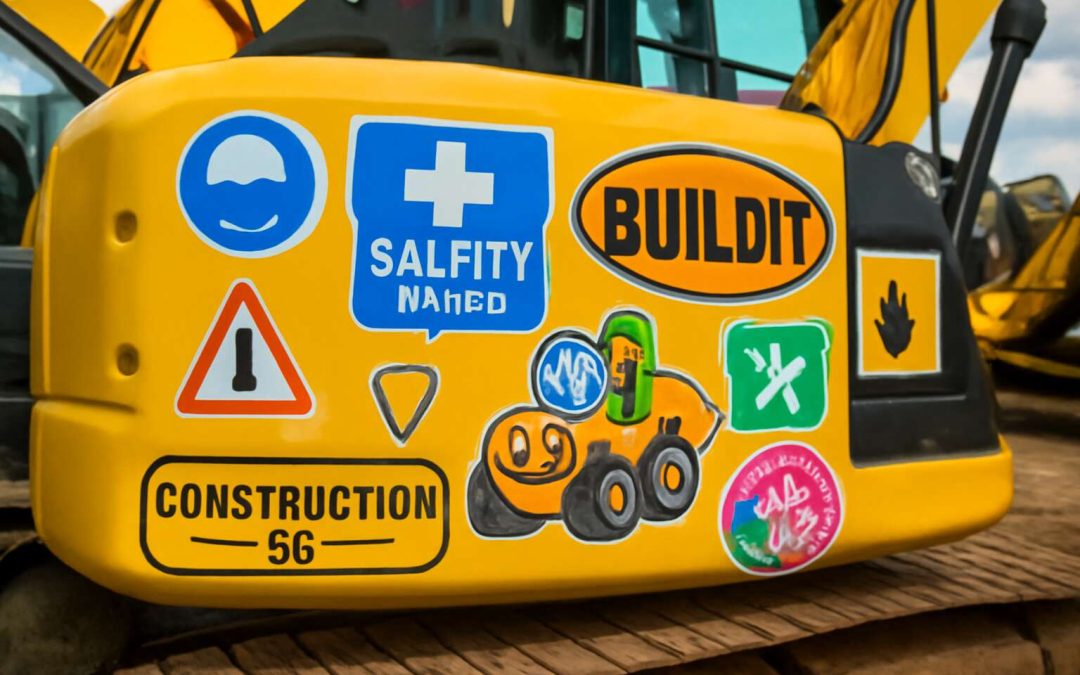
Understanding Construction Vehicle Stickers
What Are Construction Vehicle Stickers?
In the vast symphony of construction sites, where machinery roars like a tempest and steel meets sky, the humble yet vital role of construction vehicle stickers often goes unnoticed. These decals are more than mere adornments; they are the silent heralds of safety, identity, and purpose. When a bulldozer or crane dons its distinctive sticker, it becomes a beacon amid chaos, ensuring clarity amidst the cacophony.
Understanding construction vehicle stickers is crucial for anyone aiming to navigate the labyrinth of construction regulations and safety protocols. They serve as visual cues—informing workers, visitors, and regulatory bodies alike—about the vehicle’s function, hazard level, or company branding. Think of these stickers as the language of machines, speaking directly to human awareness and vigilance.
Often, these stickers include essential information such as safety warnings, operational instructions, and company identity. Their strategic placement enhances visibility, making them a vital component in maintaining a safe and organised work environment. In essence, construction vehicle stickers transform mechanical giants into communicative titans, bridging the gap between human oversight and industrial might.
Types of Construction Vehicle Stickers
Construction vehicle stickers come in a variety of types, each serving a specific purpose on the site. Recognising these differences is key to understanding how they enhance safety and communication. Some stickers are designed primarily for safety warnings, alerting workers to potential hazards. Others focus on operational instructions, guiding machine use and maintenance. Additionally, many stickers display company branding, aiding in vehicle identification across large sites.
To categorise, construction vehicle stickers typically fall into three main groups:
- Safety warning stickers which highlight dangers like pinch points or unstable loads.
- Operational instruction stickers that provide essential guidance for safe machinery use.
- Company branding stickers that promote the business identity and facilitate easy recognition.
Each type of construction vehicle sticker plays a vital role in creating a safer, more organised construction environment. Their strategic placement ensures that every machine communicates clearly, reducing risk and streamlining operations amidst the chaos of a busy site.
Importance of Using Construction Vehicle Stickers
Construction sites are bustling hubs of activity, where safety isn’t just a priority—it’s a necessity. Incorporating construction vehicle stickers into this environment isn’t merely about branding; it’s a strategic move that could make the difference between chaos and control. Recent studies show that well-placed safety warning stickers can reduce accidents by up to 40%, underscoring their vital role in safeguarding workers and machinery alike.
Understanding the importance of construction vehicle stickers goes beyond their visual appeal. These stickers serve as silent messengers, communicating crucial information in an instant. Whether alerting personnel to pinch points or providing operational instructions, their strategic placement ensures that vital messages are seen and understood. This layered communication creates a safer, more efficient work environment where hazards are minimised and productivity maximised.
In the complex world of construction, where time and safety are intertwined, the subtle yet powerful presence of construction vehicle stickers becomes an unseen guardian. They not only enhance safety but also streamline operations, making them an indispensable element of any well-organised site. Recognising their importance means recognising the difference between a secure working environment and one fraught with risk.
Designing Effective Construction Vehicle Stickers
Key Elements of Design
In the intricate dance of construction, where steel and sweat carve the horizon, the design of construction vehicle stickers becomes an artistry of clarity and impact. These stickers are more than mere adornments; they are silent heralds of safety, visibility, and professionalism. A well-crafted sticker captures attention like a lighthouse guiding ships through fog—bold, unmistakable, purposeful.
To achieve this visual symphony, consider the key elements of design that elevate construction vehicle stickers from mundane to memorable. The colours should strike a balance between eye-catching and appropriate for the environment—bright yellows, vivid reds, or reflective materials that shimmer with each passing ray of sunlight. The typography, too, must be legible at a distance, with fonts that command respect and clarity.
Incorporating essential elements such as high-contrast backgrounds, concise messaging, and reflective surfaces ensures that the construction vehicle stickers perform their vital role. Remember, each sticker is a beacon of safety and identity, woven into the very fabric of the construction site. When designed with purpose, they become both shield and symbol—guardians of the workforce and emblems of professionalism.
Color Schemes and Visibility
When it comes to designing construction vehicle stickers, colour schemes play a pivotal role in ensuring visibility and safety. Bright, high-contrast colours like yellow, red, and reflective materials are not just eye-catching—they are essential for capturing attention in busy construction zones. These hues help the vehicle stand out amidst the chaos, reducing the risk of accidents and improving overall site safety.
Effective colour choices are complemented by strategic placement and design. For instance, using reflective surfaces on construction vehicle stickers can significantly enhance visibility during low light conditions or night shifts. A well-planned colour palette combined with reflective elements ensures that the stickers serve their purpose—acting as a beacon of safety and professionalism.
Incorporating specific elements into your design can elevate the impact of construction vehicle stickers. Consider the use of bold, legible fonts and high-contrast backgrounds to ensure messages are clear from a distance. Remember, these stickers are not just decorative; they are vital safety tools that communicate crucial information quickly and effectively.
Incorporating Safety Messages
Effective safety messaging on construction vehicle stickers can make all the difference in high-risk environments. Clear, concise messages ensure that operators and bystanders understand vital safety protocols instantly. When designing construction vehicle stickers, incorporating universal symbols alongside bold text amplifies comprehension, especially in noisy or chaotic sites.
Strategic placement of these stickers is crucial. Positioning safety messages where they are most visible—such as on the rear and sides of vehicles—maximises impact. Using reflective materials for safety messages enhances visibility during night shifts or low-light conditions, making sure safety remains front and centre at all times.
To elevate the effectiveness of your construction vehicle stickers, consider using a combination of high-contrast backgrounds and straightforward fonts. This approach ensures that safety messages are legible from a distance, reducing misunderstandings and potential accidents. Remember, these stickers are more than just branding—they are vital safety tools that communicate critical information swiftly and clearly!
Personalization and Branding
In the shadowed realm of construction, where shadows stretch long and the machinery roars like distant thunder, the art of designing effective construction vehicle stickers becomes a silent ritual. Personalisation and branding are the keystones of this dark craft, transforming utilitarian symbols into haunting emblems that echo with authority. When crafting these stickers, consider elements that evoke a sense of mystery and gravitas, ensuring they resonate with both safety and identity.
The selection of imagery and typography must dance in harmony—bold, yet understated—creating a visual symphony that commands attention. Incorporating custom fonts or gothic motifs can elevate the design, imbuing each sticker with a unique character. Sometimes, a simple number or logo is enough to forge a connection between the machinery and its master. Remember, these stickers serve as more than mere labels; they are the silent custodians of safety and the markers of relentless purpose amidst chaos.
Materials and Durability of Construction Vehicle Stickers
Suitable Materials for Outdoor Use
In the realm of construction vehicle stickers, materials are the silent guardians that determine their fate amid the relentless outdoor elements. Choosing the right substrate transforms a simple decal into a resilient emblem of safety and branding. Weather-resistant vinyl, renowned for its toughness, stands out as the ideal material for outdoor use. It withstands rain, UV rays, and abrasive dust, ensuring that the stickers remain vibrant and intact over time.
The durability of construction vehicle stickers hinges on their ability to endure the daily assault of a bustling construction site. High-quality adhesives and laminated finishes act as armour, preventing peeling and fading. For those who seek longevity, opting for materials with increased thickness and UV protection is paramount. A well-crafted sticker not only amplifies visibility but also preserves the professional aesthetic, turning mere decals into enduring icons of safety and corporate identity.
Weather Resistance and Longevity
Amid the relentless grind of a construction site, where dust dances like a perpetual storm and sunlight blisters with unyielding intensity, the true hero of safety and branding silently endures—construction vehicle stickers. These decals are more than mere adornments; they are resilient emblems forged for survival against the capricious outdoors. The secret lies in their materials, where weather-resistant vinyl emerges as the unrivalled champion, offering a formidable shield against rain, UV radiation, and abrasive debris.
Durability, however, is not solely a matter of substrate choice but also hinges on the finesse of adhesives and laminated finishes. These elements act as a protective armour, thwarting peeling, cracking, and fading. For those seeking longevity that defies time and elements, selecting materials with increased thickness and UV protection is essential. Such construction vehicle stickers don’t just elevate visibility—they transform into steadfast icons of safety, corporate identity, and professionalism, standing tall amid the chaos of the construction realm.
Eco-Friendly Sticker Options
In the relentless theatre of construction sites, where grime and grit seem to be an occupational hazard, the materials used for construction vehicle stickers must be nothing short of heroic. It’s not enough for these decals to merely look good; they need to withstand the punishing outdoor elements without surrendering to the relentless assault of UV rays, rain, and abrasive debris. Weather-resistant vinyl stands tall as the undisputed champion—its formidable durability ensures that your safety messages and branding remain intact, even after months of exposure.
But material choice is just the beginning. The secret to longevity lies in the finesse of adhesives and laminated finishes, which act as a resilient armour. For those who refuse to compromise, selecting thicker vinyl with superior UV protection is a wise investment. Moreover, eco-friendly options are increasingly making their mark, offering sustainable solutions without sacrificing durability. These environmentally conscious construction vehicle stickers demonstrate that safety and sustainability can indeed walk hand in hand, giving your fleet a professional edge while respecting the planet.
Where to Buy Construction Vehicle Stickers
Local and Online Suppliers
In the vast, bustling realm of construction, where machinery roars like a symphony of progress, sourcing the perfect construction vehicle stickers can feel akin to seeking rare gems amid the gravel. Whether you’re aiming for bold visibility or subtle branding, the right supplier transforms a simple sticker into a statement of safety and professionalism. Thankfully, both local and online suppliers stand ready to meet this demand with an array of options that combine durability with design finesse.
Local suppliers often offer the advantage of personalised service, allowing you to see samples firsthand and discuss customisation options that truly reflect your fleet’s personality. Meanwhile, online vendors open the door to a global marketplace, providing access to a diverse spectrum of styles, materials, and eco-friendly options. For those seeking quality and reliability, it’s wise to explore trusted platforms that specialise in construction vehicle stickers, ensuring weather resistance and longevity are built into every design.
- Visit specialised signage shops in your area, where craftsmanship and consultation are at the forefront.
- Browse reputable online marketplaces with extensive reviews and guarantees for durability.
- Consider manufacturers who offer bespoke options, allowing your fleet to stand out with unique branding.
With a little exploration, the perfect stickers for your construction vehicles are within reach, ready to add a splash of safety, style, and resilience to every piece of heavy machinery that shapes our world.
Custom Sticker Services
In the relentless pursuit of precision and safety, knowing where to buy construction vehicle stickers becomes more than a mere decision — it transforms into a strategic act of crafting identity amidst chaos. Whether you seek bespoke custom sticker services or standardised designs, the options are as varied as the machinery they adorn. Trusted specialised signage shops, often nestled in the heart of industrial hubs, offer an immersive experience where craftsmanship and consultation elevate your branding. These local suppliers allow for a tactile connection, enabling you to scrutinise samples and discuss the nuances of material durability firsthand.
On the digital frontier, reputable online platforms provide a vast ocean of choices, with extensive reviews and guarantees that ensure your construction vehicle stickers withstand the harshest conditions. For those eager to merge aesthetics with resilience, many manufacturers now offer bespoke solutions—customised to reflect your fleet’s unique character while maintaining uncompromising weather resistance. The seamless blend of artistry and functionality makes online vendors a compelling avenue for sourcing high-quality construction vehicle stickers that endure the test of time and environment.
Comparing Prices and Quality
In the labyrinth of choices for construction vehicle stickers, where every decal becomes a silent ambassador of safety and identity, discerning quality from cost is a voyage worth embarking upon. Prices can vary as widely as the machinery they adorn—an investment that demands both scrutiny and heart. Here, the balance between durability and affordability becomes the compass guiding your decision-making. It’s not merely about finding the cheapest option but seeking a harmonious blend of resilience and value.
For those who crave transparency, comparing options through an organised approach can illuminate the path:
- Start with local suppliers, whose craftsmanship offers tactile reassurance and immediate customisation possibilities.
- Explore reputable online vendors that boast extensive reviews, ensuring your construction vehicle stickers will brave the elements with unwavering tenacity.
- Delve into bespoke services, where tailored, weather-resistant designs transform standard decals into bespoke banners of safety and branding.
In the end, the quest isn’t solely for the lowest price but for construction vehicle stickers that withstand the relentless march of time, weather, and worksite chaos—all while echoing your brand’s resilience and integrity.
Installation Tips for Construction Vehicle Stickers
Preparing the Surface
Achieving a flawless application of construction vehicle stickers begins with proper surface preparation—an often-overlooked step that can make or break the durability and appearance of your stickers. Surface cleanliness is paramount; dirt, grease, and dust can prevent the adhesive from bonding effectively, leading to peeling or bubbling. To ensure optimal adhesion, it’s advisable to thoroughly clean the area with a degreasing solution and allow it to dry completely before proceeding.
For best results, consider using a squeegee to smooth out air bubbles and excess liquid during installation. This simple tool helps achieve a professional finish and enhances the longevity of your construction vehicle stickers. Additionally, applying the stickers under optimal weather conditions—preferably on a dry, mild day—can prevent premature failure caused by moisture or extreme temperatures.
- Clean the surface meticulously, removing any grease or debris.
- Allow the area to dry thoroughly to prevent moisture entrapment.
- Use a squeegee to firmly press the stickers onto the surface, smoothing out air pockets.
By paying close attention to surface preparation, you can ensure your construction vehicle stickers remain vivid and securely attached, even in the challenging conditions of a busy construction site. Proper installation not only boosts safety and visibility but also maximises the investment in your branding and safety messaging.
Proper Application Techniques
Applying construction vehicle stickers isn’t just about peeling and sticking; it’s an art that demands precision and finesse. A seamless application transforms a simple sticker into a compelling safety or branding statement, even amidst the chaos of a busy construction site. The secret lies in mastering proper application techniques, which can significantly extend the life of your investment in construction vehicle stickers.
One effective approach is to employ a methodical process—start by carefully aligning the sticker, then gradually press it onto the surface using a squeegee. This tool is invaluable, as it helps eliminate air bubbles and ensures even adhesion. For those unfamiliar with the process, here’s a quick guide:
- Align the sticker precisely where it’s intended to go.
- Begin peeling back the backing paper slowly, exposing only a small section at a time.
- Press down firmly with a squeegee, working from the centre outward to push out air pockets and excess adhesive.
- Continue gradually peeling the backing while smoothing the sticker onto the surface.
Patience is key; rushing can create wrinkles or bubbles that compromise both appearance and durability. Remember, applying construction vehicle stickers under optimal weather conditions—dry, mild days—significantly enhances the adhesion process. When done correctly, these stickers become an integral part of your vehicle’s visual communication, withstanding the rigours of daily work in challenging environments.
Maintenance and Care
In the relentless world of construction, your vehicle’s visual identity is a silent yet powerful statement. Proper installation and diligent maintenance of construction vehicle stickers not only preserve their visual impact but also uphold safety standards on site. Once adhered with care, these stickers become resilient symbols of professionalism, weathering the daily grind of dust, mud, and sun. The secret to longevity lies in attentive upkeep—regularly inspecting for signs of peeling or fading and cleaning the surface gently with mild soap and water. This simple act of care ensures your construction vehicle stickers remain vibrant and legible, reinforcing your safety messages and branding for years to come.
To keep your stickers in prime condition, consider implementing a routine maintenance schedule. For instance, a quick visual check every few weeks can catch minor issues before they escalate. When cleaning, avoid abrasive materials that could scratch or lift the edges of your stickers. Instead, use soft cloths and non-corrosive cleaning solutions. When damage or wear becomes unavoidable, replacing construction vehicle stickers promptly prevents safety messages or branding from becoming obscured, which is crucial for compliance and visibility in busy construction environments.
- Store unused stickers in a cool, dry place to prevent deterioration before application.
- Apply protective coatings or laminates if your stickers are exposed to extreme weather conditions, extending their lifespan.
- Ensure that the surface is free from dirt, grease, or old adhesive residues before reapplying or replacing stickers.
Legal and Safety Considerations
Compliance with Regulations
Construction vehicle stickers are more than just eye-catching additions; they are vital components of legal compliance and safety protocols. Ignoring regulations related to vehicle markings can lead to hefty fines, delays, or even worse—accidents on site. Ensuring your construction vehicle stickers meet regional standards isn’t just smart; it’s mandatory.
Many jurisdictions specify that certain safety messages, warning symbols, and identification details must be clearly visible and legible. To stay on the right side of the law, it’s wise to keep a checklist of local regulations. For example, construction vehicle stickers should incorporate reflective elements for night visibility and use weather-resistant materials to withstand the elements. Adhering to these guidelines isn’t just about compliance—it’s about safeguarding lives and avoiding costly legal entanglements.
- Check regional legislation on safety markings
- Ensure stickers are durable and weatherproof
- Incorporate reflective elements for better visibility
Failure to observe these legal and safety considerations can turn a simple sticker upgrade into a liability nightmare. When it comes to construction vehicle stickers, compliance isn’t optional—it’s the foundation of responsible site management.
Safety Signage Standards
In the bustling world of construction, safety isn’t just a priority—it’s the very foundation that keeps everyone protected. Construction vehicle stickers play a pivotal role in meeting safety signage standards, ensuring that crucial warnings and identification markers are clearly visible to all. When these stickers adhere to safety signage standards, they act as silent guardians, alerting workers and passers-by to potential hazards and operational zones.
Regulations surrounding construction vehicle stickers often specify that safety messages must be instantly recognisable and legible from a distance. Reflective elements are indispensable, especially for night-time visibility, while weatherproof materials guarantee durability in the face of rain or sun. To navigate this landscape, it’s wise to familiarise oneself with local legislation, which may outline the exact positioning, size, and content of safety markings. In some regions, failure to comply can lead to penalties or dangerous misunderstandings on site.
Ultimately, responsible management of construction vehicle stickers isn’t just about legal compliance; it’s about fostering a culture of safety that values every worker’s well-being. When carefully selected and properly applied, these stickers become a vital part of the safety infrastructure—protecting lives and upholding the integrity of construction operations.
Avoiding Common Legal Pitfalls
In the shadowy realm of construction sites, where safety can sometimes feel like a fleeting illusion, the importance of compliant construction vehicle stickers cannot be overstated. Overlooking legal and safety considerations isn’t just reckless—it can open the door to costly penalties and dangerous misunderstandings. Ensuring that these stickers meet local safety signage standards requires meticulous attention to detail, from correct placement to precise sizing.
One of the most insidious pitfalls is neglecting to stay up-to-date with evolving regulations. Rules around the visibility, reflective elements, and weather-resistant materials for construction vehicle stickers are often subject to change. Failing to adapt can result in non-compliance, risking fines or even shutdowns. To avoid this, it’s wise to consult official legislation and work with reputable suppliers familiar with regional legal frameworks.
In some jurisdictions, specific requirements might include:
- Mandatory safety messages clearly visible from a distance
- Positioning guidelines to ensure maximum visibility
- Size and font specifications for legibility
By paying close attention to these details, construction managers can prevent costly legal pitfalls, while fostering a culture of safety that’s both proactive and resilient. The stakes are high—every improperly displayed sticker could mean the difference between a safe operation and a preventable accident, lurking like a ghost in the machinery of construction safety.
Benefits of Customizing Construction Vehicle Stickers
Brand Visibility and Recognition
In a landscape where visibility can determine project success, custom construction vehicle stickers emerge as a strategic tool for elevating brand recognition. They transform mundane machinery into mobile billboards, turning every vehicle into an ambassador for your business. This isn’t merely about aesthetics; it’s about cultivating a lasting impression amidst the hustle of construction sites.
When thoughtfully designed, construction vehicle stickers can significantly enhance brand visibility, ensuring your fleet stands out against the often cluttered backdrop of construction zones. A cohesive branding approach—incorporating logos, colour schemes, and compelling messaging—serves to reinforce your company’s identity to clients, suppliers, and the community alike.
Here are several ways customisation amplifies the impact of your construction vehicle stickers:
- Increased recognition among competitors, helping your fleet become instantly identifiable.
- Enhanced professional image, demonstrating attention to detail and consistency.
- Improved safety through clear, visible signage that communicates essential messages.
- Cost-effective advertising, leveraging your existing vehicles to promote your brand without ongoing expenses.
Ultimately, the strategic application of construction vehicle stickers isn’t just about decoration; it’s a powerful investment in your company’s visibility and reputation. When executed with care, these stickers can turn your fleet into a moving testament to your brand’s strength and reliability, capturing attention and fostering trust wherever your vehicles travel.
Enhanced Safety Communication
In the bustling world of construction, safety isn’t just a priority — it’s a vital heartbeat that keeps everything moving smoothly. Customising construction vehicle stickers plays a pivotal role in enhancing safety communication on-site. Bright, clear signage on your fleet acts as a visual language, effortlessly conveying critical instructions and warnings to workers and passersby alike. These stickers become silent guardians, turning ordinary machinery into vigilant sentinels that speak volumes without uttering a word.
Imagine a fleet adorned with vivid, custom-designed construction vehicle stickers that highlight hazard zones, load limits, or emergency procedures. Such visual cues help prevent accidents before they happen, fostering an environment where safety is woven into the very fabric of daily operations. Moreover, the strategic placement of safety messages on construction vehicle stickers ensures high visibility, even amidst the chaos of a busy site. This approach not only safeguards personnel but also demonstrates your company’s unwavering commitment to safe practices and regulatory compliance.
- Clear communication of safety protocols through customised messaging.
- Enhanced visibility of safety signs, reducing the risk of accidents.
- Boosted awareness among workers and visitors, fostering a culture of safety.
Ultimately, the thoughtful integration of safety messages into your construction vehicle stickers transforms your fleet into mobile safety ambassadors — a crucial step towards protecting lives and maintaining operational integrity in the rugged landscape of construction work.
Boosting Company Professionalism
In the shadowed labyrinth of construction sites, where chaos lurks behind every steel beam and smouldering machinery, the true measure of professionalism often whispers through the smallest details. Customising construction vehicle stickers emerges as a silent testament to your company’s integrity and meticulous craftsmanship. These stickers, more than mere adornments, serve as an emblem of your brand’s resilience amid the gritty chaos. When your fleet bears personalised construction vehicle stickers, it transforms from a collection of utilitarian tools into an organised, formidable force—an extension of your reputation carved into every surface.
By integrating your branding into the very fabric of your fleet, you forge an indelible impression that echoes through the industry’s shadows. This subtle yet powerful act of customisation elevates your company’s image, making your vehicles instantly recognisable amid the tumult. Consider these pivotal benefits:
- Enhanced brand visibility in the most challenging environments.
- Greater perception of professionalism and attention to detail.
- Improved trust among clients and partners, rooted in consistent presentation.
In an arena where appearances can dictate trust and safety, the strategic application of personalised construction vehicle stickers becomes a beacon of your unwavering commitment to excellence. It is not merely about aesthetics; it is about forging a legacy of durability and authority that endures beyond the fleeting dust and shadows of the construction world.
Jul 6, 2025 | Construction Articles
Understanding Construction Quality Management
Definition and Importance
Construction quality management is the backbone of every successful building project. It’s about more than just meeting standards; it’s about ensuring safety, durability, and efficiency from start to finish. A well-crafted construction quality management plan acts as a blueprint for achieving these goals, aligning everyone’s efforts towards common benchmarks. Without this clear framework, projects risk delays, cost overruns, and compromised safety.
Understanding the definition of construction quality management is essential. It involves systematic processes to monitor, evaluate, and improve the quality of work throughout the construction lifecycle. The importance of this approach cannot be overstated—it safeguards the integrity of the structure, enhances client satisfaction, and reduces long-term maintenance costs.
In practice, a comprehensive construction quality management plan often includes the following elements:
- Clear quality objectives aligned with project specifications
- Defined roles and responsibilities for quality assurance
- Regular inspections and testing procedures
- Documentation and corrective action protocols
Ultimately, integrating a construction quality management plan into every project isn’t just good practice—it’s a necessity in today’s fiercely competitive construction industry. It ensures that quality isn’t an afterthought but a central focus that drives project success.
Key Objectives
In the intricate dance of construction, where precision and passion intertwine, understanding the key objectives of a construction quality management plan becomes paramount. It is not merely about ticking boxes or fulfilling regulations; it is about orchestrating a symphony of standards that elevate every brick laid and every beam secured. When the stakes are high, and the future of a structure hangs in the balance, clarity of purpose guides the entire process.
The core of a construction quality management plan hinges on aligning project goals with unwavering standards. It seeks to uphold safety, durability, and efficiency—pillars that support the entire edifice. To achieve this, the plan must encompass elements such as rigorous inspections, meticulous documentation, and adaptive corrective measures. These elements form the backbone of a resilient framework, ensuring that quality is woven into every phase of the build.
Moreover, a well-defined construction quality management plan assigns roles with precision, fostering accountability and seamless collaboration among teams. The ultimate aim? To transform lofty visions into tangible realities—where excellence is not an aspiration but an inherent trait embedded within each detail. As the construction industry evolves, embracing this plan is no longer optional but essential for those who dare to craft enduring, safe, and breathtaking structures.
Regulatory Requirements and Standards
In the high-stakes world of construction, compliance isn’t just a bureaucratic hurdle; it’s the backbone of a successful project. Regulatory requirements and standards act as the blueprint for quality, safety, and durability—think of them as the construction industry’s version of a moral compass, guiding every decision and action. For those crafting a robust construction quality management plan, understanding this regulatory landscape is non-negotiable. It’s not enough to build something that looks good; it must meet stringent safety and environmental standards to stand the test of time and scrutiny.
To navigate this complex terrain, familiarity with key standards such as ISO 9001, local building codes, and industry-specific regulations is essential. These standards do more than set benchmarks—they embed best practices and ensure accountability at every level. Incorporating these into your construction quality management plan guarantees that quality isn’t an afterthought, but a core principle woven into the project fabric from foundation to finish.
For clarity, here’s a quick rundown of essential regulatory elements that should feature in your construction quality management plan:
- Compliance with national and local building codes
- Adherence to environmental regulations
- Implementation of safety standards such as OSHA or equivalent
- Regular inspections and documentation aligned with regulatory milestones
Mastering the regulatory requirements isn’t just about avoiding penalties; it’s about building trust, reputation, and structures that last. After all, a plan that ignores these standards is like a house built on sand—sound in concept but doomed in execution.
Components of a Construction Quality Management Plan
Quality Policy and Objectives
In the intricate world of construction, a robust construction quality management plan acts as the blueprint for excellence. Central to this plan are the components of quality policy and objectives, which serve as guiding stars for every project phase. A well-crafted quality policy embodies a commitment to continuous improvement, fostering a culture that values precision and accountability.
Beyond mere documentation, these components define the organisation’s dedication to achieving high standards, shaping behaviours, and setting clear expectations. They are not static; instead, they evolve with project demands and industry advancements.
For a construction quality management plan to truly resonate, it must include specific, measurable objectives such as reducing defects, enhancing safety, and ensuring timely delivery. These objectives create a roadmap that aligns team efforts with overarching quality aspirations, transforming abstract ideals into tangible outcomes. Ultimately, this synthesis of policy and objectives underpins the integrity and success of construction projects, ensuring enduring quality in every detail.
Roles and Responsibilities
Within the sprawling labyrinth of construction, where every beam and brick whispers stories of craftsmanship, the construction quality management plan acts as the guiding star, illuminating the path to excellence. At its core lies the crucial component of roles and responsibilities—a tapestry woven with clarity and purpose. When each team member understands their role, the entire edifice of project quality becomes resilient and cohesive.
To ensure seamless coordination, it’s vital to delineate responsibilities with precision, fostering accountability and fostering a culture of continuous improvement. A construction quality management plan does not merely assign tasks; it cultivates an environment where every stakeholder’s contribution elevates the final masterpiece.
For example, the project manager oversees the implementation of quality standards, while site supervisors ensure daily adherence to safety and precision. An effective plan may include a list such as:
- Design team for initial quality specifications
- Procurement for material standards
- Site supervisors for on-the-ground quality checks
- Quality assurance personnel for inspections and audits
This clarity transforms abstract concepts into tangible actions, ensuring that the construction quality management plan becomes a living, breathing entity—guiding every nail driven and brick laid with unwavering integrity. When roles are clearly defined, the project’s symphony of efforts harmonises into a masterpiece of enduring quality and durability.
Quality Control Procedures
In the intricate dance of construction, where every detail counts and precision can mean the difference between stability and failure, the components of a construction quality management plan serve as the blueprint for success. Central to this framework are the **quality control procedures**—the systematic processes that ensure standards are met at every stage of the project.
These procedures encompass a variety of activities, from regular inspections to meticulous testing of materials. They are designed to detect issues early, preventing costly rework and delays. To streamline these efforts, many projects adopt a structured approach, such as:
- Defining inspection checkpoints at critical phases
- Establishing testing protocols for materials and workmanship
- Documenting non-conformance reports and corrective actions
- Implementing regular review meetings to assess quality metrics
By embedding these procedures into the construction quality management plan, teams create a resilient system that promotes accountability and continuous improvement. This proactive stance transforms abstract quality aspirations into tangible, measurable outcomes—ensuring that each brick and beam aligns perfectly with the overarching vision of durability and excellence. After all, a well-crafted construction quality management plan isn’t just a document; it’s the heartbeat of a truly enduring structure!
Quality Assurance Procedures
In the grand tapestry of construction, where every bolt and beam must harmonise perfectly, the components of a construction quality management plan serve as the enchanted threads weaving stability and excellence into every structure. Central to this plan are the **quality assurance procedures**, the mystical rituals that guarantee standards are upheld with unwavering precision. These procedures are not mere checklists; they are the guardians ensuring that each phase of construction adheres to the highest standards of quality.
To forge this resilient framework, teams often adopt a systematic approach that includes defining critical inspection checkpoints and establishing rigorous testing protocols for materials and workmanship. These steps act as the vigilant sentinels, catching issues before they can escalate into costly rework or delays. Embracing a structured methodology, such as:
- Developing detailed inspection schedules at key project milestones
- Implementing comprehensive testing procedures for raw materials and finished work
- Maintaining meticulous records of non-conformance reports and corrective actions
- Scheduling regular quality review meetings to evaluate progress
ensures that quality assurance becomes second nature—woven seamlessly into the fabric of each construction phase. When these procedures are embedded into the construction quality management plan, they transform abstract ideals into tangible results, creating a symphony of durability and aesthetic mastery. This enchanted blueprint isn’t just a document; it’s the heartbeat of enduring craftsmanship, guiding builders through the labyrinth of complexities toward a masterpiece of resilience and excellence.
Documentation and Record Keeping
When it comes to a construction quality management plan, documentation and record-keeping are often the unsung heroes—quietly ensuring that every nail, beam, and blueprint is accounted for. Think of it as the meticulous librarian of the construction site, where every document tells a story of compliance, inspection, and correction. Without proper records, even the most robust quality assurance procedures can become a house of cards—destined to tumble at the first gust of regulatory scrutiny.
Essential components include detailed logs of inspections, test reports, non-conformance reports, and corrective action records. These documents serve as a trail of breadcrumbs that trace the journey from raw materials to finished masterpiece. To streamline this process, many teams implement a structured record-keeping system, often leveraging digital tools that make retrieving data as easy as a click. After all, in the realm of construction quality management, transparency is king—and good record-keeping ensures no detail slips through the cracks.
Embedding a comprehensive documentation process within the construction quality management plan isn’t just bureaucratic red tape; it’s a strategic move that safeguards project integrity. As a result, project managers can confidently demonstrate compliance, facilitate audits, and swiftly address issues—saving time, money, and a whole lot of headaches. Proper record-keeping isn’t just good practice; it’s the backbone of durable, standards-compliant construction.
Communication and Reporting
In the intricate dance of construction, communication and reporting serve as the heartbeat of a robust construction quality management plan. Without clear channels of information flow, even the most meticulously designed plans risk falling into chaos. Effective communication ensures that every stakeholder—from project managers to site workers—remains aligned, fostering a culture of transparency and accountability.
One of the most vital components is establishing a reliable reporting system that captures real-time updates, inspection results, and non-conformance issues. This system acts as the backbone for swift decision-making and resolution. To facilitate this, many teams leverage digital tools, which enable instant data sharing and minimise miscommunication. The beauty of a well-structured reporting process is that it creates a narrative—a trail of accountability—that can be revisited at any stage of the project.
Embedding these elements into a construction quality management plan isn’t just about ticking boxes. It’s about cultivating a disciplined environment where issues are flagged early, and solutions are implemented without delay. When communication flows seamlessly, the entire project transforms into a well-oiled machine, reducing delays and elevating overall quality.
Developing an Effective Construction Quality Management Plan
Initial Planning and Assessment
Embarking on a construction project without a comprehensive construction quality management plan is akin to navigating a rugged landscape without a map—risky and uncertain. The initial planning and assessment phase is crucial, as it lays the foundation for all subsequent quality assurance activities. During this stage, a meticulous evaluation of project specifications, site conditions, and resource availability helps identify potential pitfalls before they become costly issues. This proactive approach ensures that quality standards are woven into every aspect of construction from the outset.
Developing an effective construction quality management plan begins with a thorough assessment of project requirements and constraints. It’s essential to assemble a dedicated team that understands the intricacies of quality control and assurance, fostering a culture of continuous improvement. To streamline implementation, consider creating a structured framework that clearly delineates quality benchmarks and inspection points. This not only enhances accountability but also provides a transparent roadmap for all stakeholders involved in the project. Ultimately, a well-crafted construction quality management plan transforms potential chaos into a cohesive effort towards excellence.
Risk Management and Mitigation Strategies
In the complex realm of construction, unforeseen risks can turn a promising project into a logistical nightmare. Developing an effective construction quality management plan demands more than a simple checklist; it requires a strategic approach to risk management and mitigation. By identifying potential hazards early—whether they stem from site conditions, material variability, or contractor performance—project managers can craft targeted strategies that minimise disruptions and safeguard quality standards.
Implementing robust risk mitigation strategies involves a combination of proactive planning and adaptive measures. For instance, establishing contingency protocols ensures that unexpected issues are addressed swiftly, without compromising the entire project timeline. In many cases, a layered approach—such as incorporating quality control checkpoints and ongoing site inspections—serves as a protective barrier against slip-ups that could jeopardise the integrity of the build. Ultimately, a well-structured construction quality management plan acts as a safeguard, transforming uncertainty into opportunity for excellence.
- Conduct comprehensive risk assessments aligned with project scope.
- Develop contingency plans tailored to specific vulnerabilities.
- Implement continuous monitoring and real-time reporting systems.
Resource Allocation and Material Management
In the intricate dance of constructing structures that withstand the test of time, resource allocation and material management emerge as vital pillars supporting the edifice of a successful construction quality management plan. A meticulous approach to sourcing, utilisation, and tracking of materials not only curtails waste but also elevates the integrity of the build, ensuring every component aligns with stringent quality benchmarks. As projects scale in complexity, the allocation process must transcend mere budgeting, becoming a strategic orchestration that anticipates future needs and mitigates delays.
Effective material management hinges on a layered system—integrating just-in-time delivery, precise inventory control, and rigorous quality checks—that functions as the backbone of quality assurance. This holistic view prevents the chaos of last-minute procurement and helps safeguard the project’s timeline and budget. Moreover, resource allocation isn’t static; it demands ongoing realignment in response to unforeseen challenges or evolving project demands. When executed with precision, this facet of the construction quality management plan transforms potential vulnerabilities into opportunities for excellence, reinforcing the real purpose behind every blueprint—building not just structures, but enduring legacies.
Training and Skill Development
In the grand theatre of construction, where every beam and brick sings a lullaby of resilience, cultivating a workforce adept in the nuances of quality is paramount. Developing an effective construction quality management plan hinges not only on meticulous strategies but also on the calibre of training and skill development bestowed upon the team. Skilled craftsmen and vigilant supervisors form the backbone of an enduring structure, transforming blueprints into tangible legacies.
Empowering personnel through targeted training programmes ensures that each individual understands the intricate dance of quality assurance and control. This isn’t merely about ticking boxes; it’s about fostering a culture where excellence becomes second nature. To achieve this, consider implementing a layered training approach:
- Comprehensive onboarding sessions that elucidate the project’s quality benchmarks.
- Hands-on workshops that simulate real-world challenges, honing problem-solving acumen.
- Periodic refresher courses to keep pace with evolving standards and innovative techniques.
By investing in ongoing skill development, a construction quality management plan transcends the mundane and becomes a living, breathing entity—one that adapts, evolves, and elevates every facet of the build. When each worker’s expertise aligns with the overarching vision, the project transforms from mere construction into a masterpiece of enduring quality and resilience! It’s a symphony of precision and passion, orchestrated through the deliberate cultivation of talent—truly the heartbeat of construction excellence.
Implementing the Quality Management Plan
Integrating with Construction Processes
Implementing the construction quality management plan seamlessly into construction processes is akin to orchestrating a symphony of precision and vigilance. When executed with finesse, it transforms a complex project into a harmonious blend of craftsmanship and diligence. The key lies in integrating quality management protocols into each stage of the construction process, ensuring that standards are not only met but exceeded.
A vital step involves embedding quality checkpoints within the construction workflow. These checkpoints serve as milestones, allowing teams to verify compliance with the construction quality management plan at critical junctures. For example, during material delivery, inspections confirm that only approved resources are utilised, curbing potential flaws early on.
- Continuous communication between stakeholders
- Real-time documentation of inspections and adjustments
- Regular audits to ensure adherence to quality standards
Such practices weave quality into the fabric of daily operations, fostering a culture of excellence. When the construction team embraces this integrated approach, the construction quality management plan becomes more than a document — it becomes a living, breathing blueprint for success.
Monitoring and Supervision
Effective implementation of the construction quality management plan hinges on vigilant monitoring and supervision—an orchestration of oversight that transforms rigorous protocols into tangible results. When teams embrace a proactive stance, supervision becomes more than mere oversight; it evolves into a dynamic process of real-time evaluation and adaptive control. This ensures that deviations are caught early, preventing costly rework and safeguarding the integrity of the project.
Critical to this process are continuous inspections and spot checks, which serve as the heartbeat of construction quality management plan execution. These checkpoints, strategically woven into the project timeline, facilitate immediate feedback and swift corrective action. The real power lies in fostering a culture where supervision is perceived not as policing but as an integral component of craftsmanship.
To optimise supervision, many organisations adopt structured approaches such as
- regular site audits
- progress reviews
- performance assessments
all aligned with the overarching construction quality management plan. When these elements are synchronised, they create an environment where quality assurance is ingrained, transforming the construction site into a hub of continuous improvement and excellence.
Inspection and Testing Protocols
Implementing the quality management plan in construction demands meticulous attention to inspection and testing protocols, transforming theoretical standards into tangible outcomes. An integral part of this process involves establishing rigorous yet adaptable procedures that ensure every material, component, and workmanship adheres to predefined quality benchmarks. This proactive approach not only safeguards against defects but also cultivates an environment of continuous improvement.
Central to the execution of the construction quality management plan are systematic inspections and targeted testing regimes. These protocols are woven into the project lifecycle, offering checkpoints that reveal deviations early—allowing corrective measures to be implemented swiftly and efficiently. The goal is to create a seamless integration of quality control with daily operations, fostering a culture where quality becomes an intrinsic element of craftsmanship.
To streamline this process, many organisations adopt a structured methodology, often involving:
- Scheduled site inspections
- Material testing at critical phases
- Verification of compliance with specifications
- Documentation of inspection results
By embedding these steps into the fabric of the construction timeline, teams can ensure that each phase of the project aligns with the overarching construction quality management plan. This alignment not only enhances accountability but also elevates the standard of work, turning quality assurance into a natural extension of construction excellence.
Issue Resolution and Corrective Actions
When issues arise on a construction site, swift and decisive action is paramount. Implementing the construction quality management plan involves establishing a clear pathway for issue resolution and corrective actions. Unexpected defects or deviations from standards can threaten project timelines and budgets, but a well-structured plan ensures these challenges are addressed before spiralling out of control.
The process begins with prompt identification of non-conformities. Once detected, teams must evaluate the root cause and determine appropriate corrective measures. This proactive stance transforms potential setbacks into opportunities for learning and improvement. Often, a combination of immediate fixes and strategic adjustments is necessary to safeguard project integrity.
- Documenting each incident meticulously
- Assessing the impact on project milestones
- Implementing corrective actions swiftly
- Monitoring the effectiveness of these measures
By embedding resolution protocols within the construction quality management plan, organisations cultivate resilience. This approach turns every issue into a stepping stone towards construction excellence, ensuring quality standards are not just met, but exceeded.
Tools and Technologies for Quality Management
Construction Management Software
Technology has revolutionised the way we implement and manage a construction quality management plan. Modern construction management software streamlines processes, enhances accuracy, and provides real-time insights that were previously impossible. These tools are vital for maintaining high standards and ensuring compliance with regulatory requirements. With advanced features like automated reporting and integrated documentation, construction teams can stay aligned and proactive.
One of the most significant benefits of using construction management software is its ability to centralise data, making information accessible across all project phases. This reduces errors and delays, fostering a culture of transparency. Additionally, some software platforms include specialised modules for quality control and inspection, helping teams monitor ongoing work effectively.
For those seeking efficiency, numerous tools offer customizable dashboards and analytics. These features provide a quick overview of project health and highlight areas needing attention. Incorporating these technologies into your construction quality management plan allows for smarter decision-making and continuous improvement in construction quality standards.
Drones and Remote Inspection
In the relentless pursuit of perfection within construction projects, technological innovation has emerged as an indomitable ally—especially through tools like drones and remote inspection. These advanced instruments transcend traditional boundaries, offering a window into hard-to-reach areas with unprecedented clarity and safety. By deploying unmanned aerial vehicles equipped with high-resolution cameras, teams can conduct comprehensive site surveys, monitor progress, and identify potential issues long before they escalate into costly problems.
Such tools are instrumental in enhancing the construction quality management plan by providing real-time data that informs decision-making with surgical precision. The ability to perform remote inspections reduces the need for physical presence, cutting down on time delays and mitigating safety risks. Moreover, integrating drone footage into your quality assurance protocols facilitates detailed documentation and traceability, vital for regulatory compliance and project transparency. This synergy of technology and meticulous planning supports a proactive approach to quality control, ultimately elevating standards across the entire construction lifecycle.
IoT and Sensor Technology
Modern construction projects rely heavily on cutting-edge tools and technologies to ensure top-tier quality. IoT (Internet of Things) and sensor technology have revolutionised how we monitor and control construction processes in real time. Sensors embedded in structures can detect issues such as moisture levels, temperature fluctuations, or structural movement, providing instant data to project managers. This continuous stream of information allows for proactive adjustments, reducing errors and rework.
Incorporating IoT devices into your construction quality management plan enhances accuracy and efficiency. These tools enable early detection of potential defects, ensuring corrective actions are taken before problems escalate. Some systems even automate alerts for anomalies, allowing teams to act swiftly and maintain quality standards without delay.
Furthermore, sensor technology integrates seamlessly with construction management software, creating a unified platform for data analysis and decision-making. This synergy promotes transparency and traceability, vital for compliance and quality assurance. As the industry advances, leveraging such innovative tools becomes indispensable for delivering projects that meet the highest standards of construction quality management plan.
Data Collection and Analysis
In an era where precision and real-time data are the bedrock of construction excellence, the tools and technologies for quality management data collection and analysis have become indispensable. Modern construction projects harness an intricate web of digital solutions that transcend traditional manual processes, transforming how quality is monitored and maintained throughout every phase.
Advanced construction management software integrates seamlessly with a myriad of data sources, enabling project teams to scrutinise structural integrity, material performance, and compliance metrics with unprecedented clarity. These platforms facilitate the aggregation of vast datasets—ranging from sensor readings to inspection reports—delivering a holistic view of project health. The utilisation of such comprehensive systems not only streamlines documentation but also fosters a culture of transparency essential for a robust construction quality management plan.
Moreover, innovative tools like drones and remote inspection devices extend the reach of quality control beyond the visible spectrum. Equipped with high-resolution cameras and specialised sensors, these devices capture intricate details of construction sites, uncovering potential issues that might escape the naked eye. The integration of these technologies into the construction quality management plan ensures early detection of defects, thus reducing costly rework and delays.
In essence, the convergence of cutting-edge tools and data analysis techniques elevates construction quality management to a strategic level. By leveraging these technological advancements, project leaders are empowered to make data-driven decisions that uphold the highest standards of safety, durability, and compliance—cornerstones of a truly comprehensive construction quality management plan.
Benefits of a Robust Construction Quality Management Plan
Enhanced Safety and Compliance
A robust construction quality management plan isn’t just a bureaucratic checkbox; it’s the backbone of enhanced safety and unwavering compliance on any construction site. When quality is meticulously managed, the risks of accidents and costly reworks diminish markedly, creating a safer environment for everyone involved. This proactive approach not only safeguards workers but also ensures that projects adhere to stringent regulatory standards, avoiding fines or reputational damage that could tarnish a builder’s name.
Furthermore, a well-crafted construction quality management plan fosters a culture of continuous improvement. By embedding safety protocols and compliance measures into daily routines, organisations can anticipate issues before they escalate. It’s akin to having a vigilant sentinel guarding the integrity of the project, ensuring that every brick laid and beam installed aligns with the highest standards. In essence, investing in quality management is investing in peace of mind—because when safety and compliance are prioritised, the construction process becomes not just efficient, but exemplary.
Cost Efficiency and Reduced Rework
In the intricate dance of construction, cost efficiency and reduced rework are the silent composers orchestrating a symphony of success. A robust construction quality management plan serves as the maestro, ensuring every note—every detail—is executed flawlessly, minimising costly revisions and delays. When quality is woven into the fabric of the project from the outset, waste diminishes and resources are utilised with precision, transforming potential financial pitfalls into opportunities for optimisation.
By implementing a comprehensive construction quality management plan, organisations can identify and address issues early—before they bloom into expensive reworks. This proactive stance not only preserves budgets but also accelerates project timelines, maintaining momentum and stakeholder confidence. Moreover, a well-structured plan fosters a culture of accountability and continuous improvement, where quality becomes an inherent trait of every task performed.
In essence, the real magic of a construction quality management plan lies in its ability to turn meticulous planning into tangible savings. It cultivates an environment where excellence is the norm, and rework becomes a rarity—making the entire construction journey smoother, more predictable, and ultimately more profitable.
Improved Client Satisfaction
A strong construction quality management plan doesn’t just improve project outcomes—it transforms client satisfaction. When quality is embedded into every phase of the project, clients notice the difference. They experience fewer delays, fewer defects, and smoother communication from start to finish. This level of transparency and reliability builds trust, making clients feel valued and confident in the contractor’s commitment to excellence.
Furthermore, a well-structured construction quality management plan ensures that clients are kept informed through regular updates and clear documentation. This proactive approach reduces misunderstandings and sets realistic expectations. As a result, clients are more likely to recommend the service, fostering long-term relationships and repeat business.
Ultimately, the real power of a construction quality management plan lies in its ability to deliver not just a structurally sound building but an experience that exceeds expectations. When quality control is prioritised, client satisfaction soars, turning project completion into a shared success story. It’s a key ingredient in elevating your reputation and securing future opportunities in the competitive construction industry.
Long-term Asset Value
A robust construction quality management plan does more than safeguard immediate project deliverables; it fortifies the long-term asset value of a building or infrastructure. When quality is woven into every phase, from foundation to finishing, it ensures durability and resilience that stand the test of time. This strategic approach minimises the risk of costly repairs and obsolescence, ultimately increasing the property’s market worth.
Moreover, a well-crafted construction quality management plan promotes sustainable practices that enhance environmental performance. It encourages smarter resource utilisation and reduces waste—elements increasingly valued by discerning investors and tenants alike.
Investing in quality today yields dividends tomorrow, transforming structures into landmarks that hold their value through generations. Whether for commercial developments or residential complexes, the enduring appeal of a meticulously managed project is undeniable, elevating a simple construction into a treasured asset with lasting significance.
Common Challenges and How to Overcome Them
Ensuring Consistent Quality Standards
Maintaining consistent quality standards in construction is no small feat. Challenges like fluctuating material quality, tight project deadlines, and varying workforce skill levels can undermine even the most comprehensive construction quality management plan. These issues often lead to rework, delays, and increased costs, jeopardising project success.
Overcoming these hurdles requires a proactive approach. Regular training and skill development ensure that workers understand quality expectations. Implementing rigorous inspection and testing protocols helps catch issues early. Additionally, fostering clear communication channels reduces misunderstandings and keeps everyone aligned with the construction quality management plan.
A critical aspect is establishing a robust risk management strategy. By identifying potential pitfalls upfront—be it supply chain disruptions or equipment failures—teams can develop mitigation plans that keep projects on track. Ultimately, addressing common challenges head-on preserves the integrity of the construction quality management plan and guarantees that standards are met consistently.
Managing Multiple Stakeholders
Managing multiple stakeholders within a construction project can be akin to orchestrating a complex symphony; every participant, from subcontractors to suppliers, must be synchronised to uphold the integrity of the construction quality management plan. When stakeholders operate in silos or with conflicting priorities, the resulting discord can threaten project timelines and quality standards.
Effective communication is paramount. Regular coordination meetings, clear documentation, and transparent reporting channels help align everyone’s expectations.
- Establishing a centralised platform for sharing updates
- Assigning dedicated liaison officers
- Implementing a stakeholder engagement plan
These strategies foster collaboration and reduce misunderstandings.
Overcoming these challenges also involves cultivating a culture of accountability and shared responsibility. When each stakeholder understands their role within the framework of the construction quality management plan, it becomes easier to navigate conflicts and ensure consistent adherence to quality standards. Ultimately, managing multiple stakeholders with precision safeguards the project’s integrity and promotes seamless progress.
Controlling Costs without Compromising Quality
Controlling costs without compromising quality remains one of the most intricate challenges within a construction quality management plan. As projects evolve, the temptation to cut corners to stay within budget can be strong, yet such shortcuts often lead to rework and delays — ultimately inflating costs far beyond initial estimates. A delicate balance must be struck, where cost efficiency is achieved through strategic planning and innovative resource management.
One of the most effective approaches is implementing stringent procurement processes that prioritise quality alongside price. Additionally, embracing value engineering allows project teams to identify cost-saving opportunities that do not sacrifice the integrity of the construction quality management plan.
- Leveraging technology for real-time tracking of expenses
- Optimising material usage to reduce waste
- Fostering collaboration among stakeholders to align expectations
By cultivating a culture of transparency and accountability, construction firms can navigate financial constraints while upholding the highest standards of quality. After all, sustainable success depends on safeguarding the long-term value embedded within the construction quality management plan, ensuring that every pound spent reinforces the project’s structural and aesthetic integrity.
Adapting to Project Changes
In the labyrinthine world of construction, change is the only constant. Yet, adapting seamlessly to project modifications remains one of the most formidable challenges within a robust construction quality management plan. When unforeseen obstacles emerge—be it design revisions, material shortages, or environmental constraints—the risk of diluting quality standards lurks ominously.
To surmount these hurdles, a proactive approach rooted in agility is paramount. Implementing dynamic inspection protocols and fostering real-time communication channels among stakeholders can transform potential chaos into organised symphony.
- Prioritise flexible resource allocation
- Maintain comprehensive documentation of changes
- Reassess risk management strategies regularly
This ensures that adjustments do not compromise the integrity of the construction quality management plan, safeguarding both structural excellence and aesthetic finesse as the project evolves. Ultimately, mastery over adapting to project changes fortifies the foundation of every successful construction endeavour.
Case Studies and Best Practices
Successful Implementation Examples
Successful implementation of a construction quality management plan often hinges on learning from real-world examples. One notable case involved a large commercial development where meticulous adherence to quality standards reduced rework by 30%. By integrating advanced inspection protocols and leveraging cutting-edge technology, the project maintained high standards despite tight deadlines.
In another instance, a bridge construction project showcased how comprehensive training programmes and clear communication channels fostered a culture of quality. This approach not only improved safety compliance but also enhanced stakeholder satisfaction.
- Early stakeholder engagement
- Regular quality audits
- Adaptive risk management strategies
These best practices underscore the importance of aligning quality policies with project-specific needs. When a construction quality management plan is executed with precision and flexibility, success becomes more than an aspiration—it becomes a standard.
Lessons Learned
In the realm of construction quality management, real-world case studies reveal invaluable lessons that can transform projects from chaos to cohesion. One striking example involved a high-profile commercial development where meticulous adherence to the construction quality management plan resulted in a remarkable 30% reduction in rework. This success was driven by integrating advanced inspection protocols and leveraging cutting-edge technology, proving that innovation is a cornerstone of quality assurance.
Another compelling case involved a bridge construction project, where comprehensive training programmes and emphasised communication channels fostered a resilient culture of quality. These best practices not only bolstered safety compliance but also significantly heightened stakeholder satisfaction. Lessons learned from such projects underscore the importance of early stakeholder engagement and adaptive risk management strategies. When these elements are woven into the construction quality management plan, the outcome is a seamless blend of efficiency and excellence.
Implementing these lessons involves embracing a proactive mindset—one that values continuous improvement and precision. The fusion of technology, skilled personnel, and strategic oversight creates a formidable foundation for successful project delivery. With each project, the importance of aligning the construction quality management plan with the unique demands of the environment becomes undeniably clear, turning potential pitfalls into milestones of achievement.
Innovative Strategies in Construction Quality Management
In the world of construction, innovation often sparks the most compelling stories of transformation. One notable case involved a complex urban development where implementing an advanced construction quality management plan led to a 25% reduction in project delays. This achievement was attributed to the strategic utilisation of IoT sensors and remote inspection technologies, which provided real-time data and unprecedented oversight. Such strategies exemplify how embracing cutting-edge solutions can elevate construction quality management plans from mere documents to dynamic tools of excellence.
Another inspiring example comes from a major bridge construction project, where fostering a culture of continuous improvement through specialised training programmes and open communication channels proved pivotal. The project team adopted an ordered approach, often outlined in construction quality management plan best practices, to ensure safety standards and stakeholder satisfaction were not compromised. When these elements—training, transparency, and adaptive risk management—are integrated into the construction quality management plan, the result is a seamless synergy of efficiency and craftsmanship.
In such scenarios, innovative strategies such as leveraging drones for remote inspections or deploying sensor networks for ongoing data collection aren’t merely optional—they’re essential components. These techniques, often incorporated into the construction quality management plan, facilitate early detection of issues and foster a proactive approach to quality assurance. It’s no exaggeration to say that in this field, staying ahead with technology is the secret to turning potential pitfalls into milestones of achievement.
Jul 4, 2025 | Construction Articles
Understanding Construction Project Management
Definition and Scope – What is construction project management and what areas does it cover?
Construction project management is often regarded as the backbone of any successful building venture, yet its true scope extends far beyond mere oversight. It encompasses a comprehensive coordination of resources, timelines, and stakeholders to transform blueprints into tangible realities. When executed effectively, it ensures that each phase of the project aligns harmoniously with overarching goals, minimising delays and budget overruns.
Understanding why construction project management is essential begins with recognising its multifaceted nature. It covers areas such as project planning, cost control, risk management, and quality assurance. These elements work in unison to streamline operations and foster a collaborative environment. A well-managed project not only delivers on time but also elevates the quality and sustainability of the final structure.
Key Components – Core elements involved in effective project management in construction
Understanding the core components of construction project management reveals why it is the backbone of any successful building venture. At its heart lies effective project planning—mapping out every stage with precision to anticipate potential pitfalls before they arise. This proactive approach is crucial to maintaining momentum and ensuring deadlines stay intact.
Risk management also plays a pivotal role, acting as a safeguard against unforeseen challenges that could derail progress. Identifying hazards early and developing contingency plans can mean the difference between a project that soars and one that falters. Complementing these elements are cost control measures, which keep budgets in check without compromising quality or safety.
- Clear communication channels to maintain transparency among stakeholders
- Rigorous quality assurance processes to uphold standards
- Efficient resource allocation to optimise productivity
These essential elements work in unison, demonstrating why construction project management is not merely a task but an intricate craft—one that requires finesse, foresight, and unwavering dedication to deliver exceptional results every time. When executed with mastery, it transforms complex blueprints into awe-inspiring structures that stand the test of time.
Roles and Responsibilities – Main roles of a construction project manager
Construction project management is the unseen force behind every towering structure and intricate blueprint. But have you ever wondered who orchestrates the chaos, ensuring every cog in the machine works seamlessly? At the centre of it all is the construction project manager—an individual with a formidable blend of leadership, expertise, and a touch of instinct that guides projects from concept to completion.
The main roles of a construction project manager are multifaceted. They are the strategic architects of the project, overseeing planning, scheduling, and resource allocation. Their responsibilities extend to risk mitigation, where they anticipate potential pitfalls before they escalate into crises. To keep everything on track, they serve as the communication hub among stakeholders, contractors, and clients, fostering transparency and collaboration.
- Monitoring progress to stay aligned with deadlines
- Ensuring compliance with safety standards and regulations
- Managing budgets and controlling costs effectively
Understanding why construction project management is essential reveals that the role is much more than administrative oversight. It’s about maintaining the delicate balance between precision, safety, and innovation—often under intense pressure. When executed with mastery, the construction project manager transforms complex blueprints into awe-inspiring structures that stand the test of time and leave a lasting legacy.
Importance of Construction Project Management
Ensuring Project Budget Compliance – How project management helps control costs and stay within budgets
In the intricate dance of steel and stone, where visions are forged into reality, understanding why construction project management is essential becomes crystal clear. It acts as the steady hand guiding the ship through turbulent waters, ensuring that every pound and penny is accounted for. When projects threaten to spiral into chaos, adept project management acts as an anchor, holding budgets firm amidst the storm.
Ensuring project budget compliance is not merely a matter of numbers; it is an artful balancing act that requires foresight and discipline. Construction project management provides the framework to control costs by meticulously tracking expenses, anticipating potential overruns, and implementing corrective measures before crises emerge. It transforms chaos into harmony, where each resource is optimised, and every expenditure is justified.
Why construction project management remains a cornerstone of successful construction lies in its ability to weave financial stability into the very fabric of the project. It safeguards stakeholders’ investments, turning ambitious blueprints into tangible structures without the spectre of financial ruin lurking in the shadows.
Timely Project Completion – Strategies for meeting deadlines through effective management
Timely project completion is often the difference between a construction venture thriving or failing to meet expectations. In a sector where delays can escalate costs and erode stakeholder trust, effective construction project management serves as the backbone of punctual delivery. It’s not just about sticking to deadlines; it’s about orchestrating a complex symphony of tasks, resources, and personnel to ensure everything aligns perfectly.
Why construction project management remains vital lies in its strategic approach to schedule control. By implementing robust planning tools and regular progress assessments, project managers can identify potential delays early. This foresight allows for swift adjustments—be it reallocating resources or fast-tracking certain phases. A well-managed project often employs a
- clear communication plan
- realistic milestone setting
- contingency buffers
to keep everything on track. Such strategies minimise downtime and help meet deadlines consistently, ultimately delivering a project that meets expectations without sacrificing quality or budget.
Maintaining Quality Standards – Ensuring construction quality and compliance with safety regulations
In the chaotic world of construction, quality isn’t just a lofty ideal — it’s the foundation of reputation and longevity. Effective construction project management ensures that every nail, beam, and bolt adheres to strict safety regulations and quality standards. Skimping on oversight can turn your shiny new skyscraper into a safety hazard faster than you can say “inspection failure.” That’s why meticulous supervision and compliance checks are non-negotiable.
Maintaining construction quality isn’t just about ticking boxes; it’s about safeguarding future stakeholders from shoddy workmanship and regulatory penalties. A seasoned project manager employs a keen eye for detail, overseeing materials, workmanship, and adherence to local codes. Plus, integrating quality assurance protocols early in the process often acts as a safety net, catching potential issues before they snowball into costly boondoggles.
Why construction project management remains vital hinges on its strategic approach to safety and quality. By establishing clear benchmarks and conducting regular inspections, project managers keep the project aligned with compliance requirements. Incorporating a
- rigorous safety plan
- quality control measures
- continuous training
programme, they forge a culture of excellence that ultimately elevates the entire construction process. After all, a well-managed project isn’t just about finishing on time — it’s about doing it right, the first time around.
Risk Management and Mitigation – Identifying and addressing potential project risks
In the shadowed corridors of construction, chaos lurks like a lurking spectre, ready to unravel even the most meticulously woven plans. This is where the true essence of why construction project management is vital comes into focus. Risk management, often underestimated, is the silent guardian that anticipates the unforeseen—be it a sudden storm, supply chain disruption, or structural anomaly.
Effective project management transforms potential pitfalls into mere whispers of the past. It involves a meticulous process of identifying risks early — from environmental hazards to financial uncertainties — then crafting strategies to mitigate them before they manifest into catastrophe. A well-executed risk management plan doesn’t merely react; it predicts and preempts, safeguarding the integrity of the entire endeavour.
The importance of this strategic approach cannot be overstated: it preserves resources, maintains schedules, and ultimately ensures the longevity of the project. Without it, even the most ambitious construction ventures risk descending into chaos, like a house of cards ready to collapse at the faintest breath of trouble. That’s why construction project management is a fortress — a vital, unwavering force in a realm fraught with peril.
Advantages of Effective Construction Project Management
Enhanced Communication and Collaboration – Facilitating clear communication among stakeholders
Effective construction project management acts as the vital heartbeat of any successful build, transforming chaotic plans into awe-inspiring structures. One of its most compelling advantages is enhanced communication and collaboration, which foster a seamless flow of information among all stakeholders. When everyone is on the same page, misunderstandings diminish, and decisions are made swiftly, ensuring the project remains agile and responsive.
Clear channels of communication also cultivate a sense of trust and accountability, vital ingredients in the complex world of construction. By establishing structured reporting systems and regular updates, project managers create an environment where issues are addressed proactively rather than reactively. This transparency not only streamlines workflow but also encourages creative problem-solving—an essential feature when navigating the unpredictable terrain of construction projects.
In the pursuit of why construction project management is indispensable, facilitating effective collaboration often makes the difference between a project that falters and one that soars to completion with finesse.
Resource Optimization – Efficient use of labor, materials, and equipment
Maximising resource efficiency is a cornerstone of why construction project management is indispensable. When labour, materials, and equipment are optimally utilised, projects stay on schedule and within budget. Effective project management ensures that every resource is allocated precisely where it’s needed, reducing waste and preventing costly delays.
By employing strategic planning and real-time monitoring, construction managers can identify opportunities for resource optimisation early. This proactive approach helps prevent bottlenecks and keeps the workflow smooth. It’s not just about saving costs—it’s about boosting productivity and maintaining high standards of quality.
- Streamlined procurement processes
- Accurate scheduling of labour and equipment
- Just-in-time material delivery
All these elements highlight why construction project management is vital for resource efficiency. When resources are managed effectively, the entire project operates with greater agility and resilience, leading to successful completion and satisfied clients. This is ultimately the essence of why construction project management remains a critical discipline in the construction industry.
Improved Safety Outcomes – Reducing accidents and ensuring safety protocols
Safety is the backbone of any successful construction project, and effective construction project management plays a pivotal role in improving safety outcomes. When safety protocols are meticulously integrated into every phase of the project, the risk of accidents diminishes significantly. Construction managers who prioritise safety foster an environment where workers feel protected and valued, which in turn boosts morale and productivity.
One of the most compelling reasons why construction project management is essential is its capacity to proactively identify potential hazards before they escalate. Through systematic risk assessments and continuous monitoring, managers can implement corrective measures swiftly. This vigilance ensures compliance with safety regulations and reduces the likelihood of costly incidents.
In fact, a well-managed site often witnesses a noticeable drop in workplace accidents. Implementing clear safety procedures, regular training, and open communication channels makes a tangible difference. Ultimately, the safety of workers is not just a regulatory requirement but a fundamental aspect of why construction project management remains indispensable in the construction industry.
Increased Stakeholder Satisfaction – Meeting client expectations through organized project execution
In the high-stakes world of construction, stakeholder satisfaction isn’t just a bonus—it’s the cornerstone of long-term success. When projects are managed effectively, clients see their visions materialise seamlessly, with minimal delays and unexpected costs. This organised approach ensures that every aspect of the construction process aligns with client expectations, fostering trust and confidence.
By prioritising clear communication, meticulous planning, and proactive problem-solving, construction project management transforms complex blueprints into tangible realities that delight stakeholders. The real power of why construction project management matters lies in its ability to deliver projects on time, within budget, and to the highest standards. When clients are satisfied, it opens doors to future collaborations—and that’s the true measure of achievement in this industry.
Key Benefits for Construction Firms
Competitive Edge in the Market – Delivering projects more efficiently than competitors
In the fiercely competitive landscape of construction, those who master the art of strategic project management often carve out a definitive edge. The question of why construction project management matters isn’t merely academic; it’s a vital component that can elevate a firm from being merely competent to truly exceptional. When projects are managed with precision and foresight, construction firms can outpace competitors by delivering quality work within tighter deadlines and budget constraints.
This level of organisational mastery translates into a formidable market advantage. Clients increasingly seek partners who demonstrate reliability, transparency, and efficiency—traits that stem directly from effective project management. By streamlining processes, boosting collaboration, and minimising risks, firms not only safeguard their reputation but also position themselves as leaders in innovation.
Ultimately, understanding why construction project management is essential reveals that it’s not just about completing a project—it’s about setting a new standard of excellence that keeps your company ahead of the curve in an ever-evolving industry.
Streamlined Workflow and Processes – Optimizing operational procedures
In the chaotic world of construction, where a single misplaced brick can cascade into a domino effect of delays and budget blowouts, streamlining workflow and processes isn’t just a luxury — it’s a necessity. Effective construction project management acts as the maestro of this orchestral chaos, orchestrating every note with precision and finesse. When operational procedures are optimised, teams work seamlessly, resources are allocated judiciously, and the entire project hums along like a well-oiled machine.
One of the key benefits of solid construction project management is the ability to identify bottlenecks before they become full-blown traffic jams. This proactive approach ensures that tasks are completed on schedule and within budget, reducing the dreaded ‘scope creep’ that can derail even the most promising projects. Incorporating tools such as project scheduling software or lean management techniques can dramatically enhance efficiency, making sure that every stakeholder remains on the same page.
To truly understand why construction project management is essential, consider this: the most successful firms often employ
- automated tracking systems
- integrated communication platforms
- real-time data analytics
to optimise operational procedures. This strategic approach results in a smoother workflow, minimising delays and rework, and ultimately delivering projects that impress clients and outpace competitors in the marketplace.
Higher Profit Margins – Reducing waste and avoiding costly delays
Effective construction project management is the backbone of higher profit margins for construction firms. When operational procedures are optimised, waste is minimised and costly delays become less frequent. This efficiency translates directly into increased profitability. By streamlining workflows, project managers can reduce downtime and eliminate unnecessary expenses, ensuring every resource is utilised judiciously.
Reducing waste isn’t just about materials; it’s also about time. Construction project management helps identify potential bottlenecks early, allowing teams to make adjustments before issues escalate. This proactive approach prevents scope creep and keeps projects on schedule. The result? Fewer surprises, fewer reworks, and a healthier bottom line.
In the highly competitive construction industry, firms that master why construction project management works stand out. They deliver projects faster, stay within budget, and enhance client satisfaction—all while boosting profit margins. Efficient operational procedures aren’t just a benefit; they’re a strategic necessity for any construction business aiming for long-term success.
Long-term Client Relationships – Building trust through successful project delivery
Building long-term client relationships is the cornerstone of sustained success in the construction industry. When projects are delivered on time, within budget, and to the expected quality standards, clients develop trust that lasts well beyond a single project. This trust becomes the foundation for repeat business and positive word-of-mouth, which are invaluable in a competitive market.
Effective construction project management plays a crucial role in fostering this trust. By maintaining transparent communication channels and proactively addressing potential issues, project managers reassure clients that their investments are in capable hands. The consistency of successful project delivery demonstrates reliability and professionalism, which are essential for cultivating enduring partnerships.
In fact, many construction firms find that integrating comprehensive project management strategies naturally leads to increased stakeholder satisfaction. When clients see that their project is managed efficiently—minimising waste, avoiding delays, and adhering to scope—they feel more confident and engaged throughout the process. This sense of partnership not only encourages future collaborations but also solidifies the firm’s reputation for excellence.
- Clear, consistent communication
- Adherence to deadlines and budgets
- High standards of quality and safety
- Proactive risk management
- Open transparency and accountability
All these elements are why construction project management is more than just a logistical necessity — it’s a strategic tool for building lasting client trust. When clients recognise that their projects are in expert hands, they’re more likely to return and recommend, ensuring long-term growth and stability for construction firms.
Impact of Construction Project Management on Project Success
Successful Delivery and Client Satisfaction – Ensuring project goals are met or exceeded
Construction project management is often regarded as the unseen maestro behind successful building ventures, and its impact on project success cannot be overstated. When executed with finesse, it transforms what could be chaos into a symphony of efficiency, ensuring successful delivery and unwavering client satisfaction.
A well-managed project not only meets its goals but often exceeds expectations—delivering on time, within budget, and to the highest quality standards. Stakeholders are reassured by the transparent communication, strategic resource allocation, and proactive risk mitigation that effective construction project management fosters. The real magic lies in aligning complex elements seamlessly, turning ambitious visions into tangible realities while maintaining a competitive edge in the market.
In essence, understanding why construction project management remains vital is simple: it is the cornerstone that guarantees projects are completed successfully, with satisfied clients and long-lasting professional relationships.
Reduced Litigation and Disputes – Preventing conflicts through clear planning and documentation
The silent guardian of construction’s delicate balance, effective project management acts as the invisible shield that safeguards against disputes and litigation. When meticulously planned and precisely documented, it creates a fortress of clarity that leaves little room for misinterpretation or ambiguity. This is the essence of why construction project management is so vital—preventing conflicts before they even arise.
Clear communication channels, detailed contracts, and comprehensive schedules serve as the blueprint for a harmonious project. By establishing transparent expectations and documenting every decision, project managers reduce the likelihood of misunderstandings that often lead to costly legal battles. In fact, a well-managed project can significantly diminish the chances of dispute escalation, saving precious resources and preserving professional relationships.
In the grand architecture of construction success, that is why construction project management stands as the cornerstone—laying the groundwork for seamless collaboration and peace of mind.
Sustainable Construction Practices – Promoting environmentally friendly project management strategies
In the symphony of construction, where every note must align for harmony, sustainable construction practices emerge as the guiding melody. They are not mere trends but essential strategies that echo the urgent call for environmental stewardship. Effective construction project management serves as the conductor of this orchestra, ensuring that eco-friendly principles resonate through every phase of the project.
By integrating green materials, minimising waste, and reducing energy consumption, construction project management transforms ambitious visions into tangible ecological benefits. This commitment not only enhances the long-term viability of projects but also elevates a company’s reputation within a conscientious market. After all, why construction project management is crucial lies in its ability to weave sustainability seamlessly into the fabric of each endeavour—turning construction sites into catalysts for positive change.
Furthermore, adopting sustainable practices often involves a meticulous selection of resources and innovative techniques that cut down on environmental impact. These strategies contribute to lower carbon footprints and foster a healthier relationship between built environments and their natural surroundings. The impact of such conscientious management is profound—ensuring that every brick laid and beam erected aligns with both project success and planetary well-being. This holistic approach demonstrates why construction project management is not merely about deadlines and budgets but about shaping a sustainable future with purpose and precision.
Technologies Supporting Construction Project Management
Project Management Software – Tools that assist in planning, scheduling, and reporting
Construction project management relies heavily on innovative technologies that streamline complex processes. Project management software has become an indispensable tool for architects, engineers, and contractors alike. These platforms facilitate planning, scheduling, and reporting, making it easier to track progress and identify bottlenecks early.
Modern tools like BIM (Building Information Modelling) and cloud-based software enable real-time collaboration among stakeholders, fostering transparency and reducing miscommunication. A well-integrated project management system also helps in resource allocation, ensuring that labour, materials, and equipment are optimally utilised.
- Automated scheduling features that adapt to project changes
- Centralised dashboards for instant progress updates
- Document management for seamless communication
In an industry where delays can cost millions, understanding why construction project management is vital makes all the difference. It’s not just about managing tasks; it’s about driving efficiency and delivering projects on time and within budget.
Building Information Modeling (BIM) – Enhancing collaboration through digital visualization
In the labyrinthine world of construction, where every beam and brick carries the weight of dreams and deadlines, understanding why construction project management is vital becomes an anchor amid chaos. Advances in digital technology have transformed this industry into a symphony of organised chaos, where Building Information Modelling (BIM) stands as a lighthouse guiding stakeholders through the fog of complexity. BIM’s capacity to create detailed digital visualisations fosters a new realm of collaboration—an intricate dance of architects, engineers, and contractors united in real time. This immersive approach not only enhances communication but also illuminates potential conflicts before they manifest in costly delays.
By leveraging BIM, project managers can navigate the tumultuous seas of resource allocation and scheduling with greater precision. The visual clarity provided by this technology enables teams to identify critical pathways, anticipate bottlenecks, and adapt swiftly to unforeseen changes. The real power of BIM lies in its ability to forge a shared digital workspace—an environment where every stakeholder can access, modify, and update information instantaneously. This seamless flow of data transforms traditional construction management into a dynamic, living organism—responsive, efficient, and transparent.
In essence, why construction project management matters is rooted in the ability to harness such innovative tools. They empower industry professionals to orchestrate complex projects with finesse—reducing waste, mitigating risks, and ultimately delivering a masterpiece on schedule. When technology meets strategic oversight, the result is a construction process that not only meets expectations but surpasses them, forging a path to enduring success in a fiercely competitive market.
Drones and IoT Devices – Improving site monitoring and real-time data collection
In the shadowy realm of construction, where every moment teeters on the precipice of chaos and precision, the question of why construction project management remains ever more vital. As technology entwines itself with the fabric of the industry, drones and IoT devices emerge as silent sentinels—guardians of real-time site monitoring and data collection. These innovations transform the dark art of overseeing complex projects into a symphony of illuminated pathways, where every motion is tracked and every detail recorded with unerring accuracy.
Utilising drones, project managers gain a hawk’s eye view of sprawling sites, capturing high-resolution imagery that reveals even the most clandestine issues before they evolve into costly riddles. Meanwhile, IoT devices weave a web of connectivity, collecting data on everything from structural vibrations to environmental conditions. This confluence of technology fosters an environment where timely decisions are made with the precision of a masterful conductor orchestrating a haunted symphony. The integration of these tools not only mitigates risks but also reveals the unseen—those lurking problems that threaten to derail progress if left unchecked.
In this digital tapestry, construction project management becomes an unseen force—an alchemy of innovation and strategy—empowering professionals to tame the chaos with spectral finesse. Through real-time data collection and site surveillance, projects are no longer fragile illusions but resilient structures built upon a foundation of relentless clarity and control.
Automation and AI – Streamlining routine tasks and predictive analytics
In an industry where delays can cascade into staggering costs, understanding why construction project management is not just beneficial but essential becomes paramount. Cutting-edge technologies like automation and artificial intelligence are transforming this landscape, elevating the discipline from mere oversight to a strategic orchestration of complex operations. These innovations streamline routine tasks that once drained countless hours and human resources, freeing project managers to focus on nuanced decision-making and long-term vision.
For instance, AI-driven predictive analytics now anticipate potential bottlenecks or safety issues before they materialise, acting as a digital crystal ball that guides proactive intervention. Automated scheduling tools dynamically adjust timelines based on real-time data, ensuring projects stay on course without constant manual input. Moreover, advanced construction project management software integrates seamlessly with building information modelling (BIM), creating a cohesive digital ecosystem where every stakeholder can access up-to-the-minute updates. This interconnectedness is vital, especially considering that effective project management hinges on flawless communication and resource optimisation—elements that technology now enhances with unprecedented precision.
Why construction project management? Because it transforms chaos into order. It converts raw data into strategic insight, empowering teams to navigate the labyrinthine demands of modern construction with confidence. As projects grow more intricate, this fusion of automation and AI becomes not just a tool but a necessity—driving efficiency, reducing waste, and ultimately delivering structures that stand as testaments to human ingenuity and technological mastery.
Jul 3, 2025 | Construction Articles
Understanding Construction Vehicle Signs
What Are Construction Vehicle Signs?
Construction vehicle signs are vital for maintaining safety on busy worksites. These signs communicate essential information about the presence and type of construction vehicles operating nearby. They serve as a visual warning to pedestrians and drivers alike, reducing accidents and ensuring smooth traffic flow.
Understanding what a construction vehicle sign entails is key. Typically, these signs feature bold symbols or text that indicate the type of vehicle present—such as cranes, dump trucks, or excavators. Proper signage not only alerts others but also helps in managing site security and operational efficiency.
In many cases, construction vehicle signs follow standardised colour codes and pictograms. For example, a yellow sign with a silhouette of a vehicle signals caution, while specific symbols denote different machinery types. Recognising these signs quickly can prevent misunderstandings and potential hazards.
- Clear visual communication
- Enhanced site safety
- Streamlined traffic management
- Compliance with safety regulations
Purpose and Importance
Understanding the purpose and importance of a construction vehicle sign goes beyond mere recognition; it is about safeguarding lives and fostering a culture of safety on bustling construction sites. Every sign acts as a silent guardian, transmitting vital information that can prevent accidents before they happen. In an environment where heavy machinery and constant movement are the norm, clear visual communication becomes not just a regulatory requirement but a moral imperative.
The significance of a construction vehicle sign lies in its ability to bridge gaps in awareness and ensure seamless coordination among workers, pedestrians, and drivers. Recognising these signs swiftly can make the difference between a controlled operation and a disastrous incident. They serve as a constant reminder that safety is a collective responsibility, and that vigilance—symbolised through strategic signage—is the cornerstone of hazard prevention.
From colour-coded signals to universally recognised pictograms, each element of a construction vehicle sign embodies a deliberate effort to enhance site safety. The implementation of these signs helps streamline traffic flow, minimise confusion, and uphold compliance with safety regulations—an essential aspect of professional construction management. In essence, a construction vehicle sign is more than just a symbol; it is a vital communication tool that underpins the integrity and security of every construction project.
Types of Construction Vehicle Signs
In the shadowy realm of construction sites, where steel giants and machinery roar like beasts of old, understanding the types of construction vehicle signs becomes paramount. These signs are the silent guardians amid chaos—each one crafted with purpose, each symbol a whisper of caution or command. They serve as beacons in the fog of relentless activity, guiding the unwary safely through the labyrinth of heavy equipment and shifting terrain.
Construction vehicle signs can be broadly classified into several categories, each with its own significance. Some are bold, colour-coded signals designed to catch the eye instantly, while others are intricate pictograms conveying complex instructions at a glance. Recognising these types swiftly can often spell the difference between order and chaos on site. Among them, you might find:
- Warning signs warning of moving machinery
- Directional signs guiding traffic flow
- Mandatory signs indicating required safety gear or actions
In this murky world of construction, every sign is a fragment of a larger narrative—an essential piece in the puzzle of site safety. To truly grasp their significance, one must delve into the myriad forms these signs take, each designed to communicate with clarity and precision, ensuring that the relentless tide of construction does not drown the vital message of safety.
Common Types of Construction Vehicle Signs
Warning Signs – Array
Construction sites are microcosms of chaos and order interwoven—a delicate balance maintained by clear communication. Among the silent sentinels of this delicate dance are the warning signs, vital for safeguarding lives and maintaining flow. Specifically, the construction vehicle sign acts as an unyielding reminder of the heavy machinery lurking within, demanding respect and vigilance.
These warning signs are designed not just to inform but to evoke a primal response—caution. Common types of construction vehicle signs include those indicating the presence of excavators, dump trucks, cranes, and bulldozers. Each sign serves a unique purpose, guiding pedestrian and vehicle movements with unwavering clarity. Sometimes, the signs are combined into an array—an intricate tapestry of visual alerts that forge an unspoken agreement: safety is a shared responsibility.
In the grand theatre of construction, a well-placed construction vehicle sign is a silent guardian—an unmissable beacon that communicates the gravity of what lies ahead and the importance of human consciousness.
Prohibition Signs – Array
Prohibition signs on construction sites act as the gatekeepers of safety, wielding the power to halt potentially catastrophic actions before they even begin. These signs are more than mere symbols; they are a visceral warning, a primal call to respect the machinery that dominates the landscape. An effective construction vehicle sign not only signals danger but commands immediate attention, making the invisible risks tangible.
Particularly, prohibition signs serve to restrict certain actions around heavy machinery—be it excavators, cranes, or bulldozers. Their purpose? To prevent accidents rooted in negligence or misjudgement. Common examples include signs that forbid entry to unwarranted personnel or prohibit the operation of unauthorised vehicles in hazardous zones. Sometimes, these signs are combined into an array—an intricate web of visual cues that forge a collective understanding: safety is a shared, non-negotiable priority.
In essence, a well-placed construction vehicle sign acts as an unyielding sentinel—an unmissable reminder that behind the safety barrier lies a realm of immense power and potential peril. When viewed with the right mindset, these signs become the silent guardians of progress, ensuring that chaos does not consume order.
Mandatory Signs – Array
Mandatory signs on construction sites serve as critical navigational beacons, guiding personnel and operators through complex machinery zones with precision and clarity. These signs are more than just symbols; they are the backbone of safety protocols, ensuring that every individual adheres to essential procedures before engaging with heavy equipment. A well-positioned construction vehicle sign can prevent mishaps by clearly indicating required safety measures—such as wearing high-visibility clothing or using specific entry points.
Common types of construction vehicle signs include directives like “Wear Helmet,” “Use Ear Protection,” and “Maintain Safe Distance.” These signs are deliberately crafted to evoke immediate compliance, often employing bright colours and straightforward symbols. Incorporating these into a layout—either singly or as part of an array—reinforces a culture of safety, transforming abstract rules into visible, almost instinctive actions. Such visual cues are invaluable in reducing human error amid the chaos of construction environments.
Informational Signs – Array
Construction sites are bustling hubs of activity, where clear communication can be the difference between safety and disaster. Among the various safety measures, the construction vehicle sign plays a vital role in conveying essential information swiftly. These signs serve as visual anchors, helping workers and operators understand their responsibilities at a glance. With effective signage, the chaotic environment becomes more manageable, and risks are significantly reduced.
Common types of construction vehicle signs include straightforward directives like “Wear Helmet,” “Use Ear Protection,” or “Maintain Safe Distance.” These signs often feature bold colours and simple symbols, designed to command attention and prompt immediate compliance. Sometimes, an array of signs is used together to create a comprehensive safety message, guiding everyone through the site with clarity and consistency.
In busy construction zones, the strategic placement of these signs is crucial. They not only inform but also reinforce safety culture. For example, a well-positioned construction vehicle sign reminding personnel to adhere to safety protocols can prevent accidents before they happen. The power of visual cues cannot be overstated—they turn safety rules from abstract concepts into instinctive actions, fostering a safer working environment every day.
Design and Visual Elements of Construction Vehicle Signs
Color Coding and Shapes
Construction vehicle signs are more than just safety labels; they are vital visual tools that communicate crucial information quickly and effectively. The design and visual elements of these signs rely heavily on colour coding and shapes to deliver instant recognition. Bright colours such as yellow and orange are common for warning signs, capturing attention immediately. Conversely, blue typically signifies mandatory instructions, while red indicates prohibitions or hazards.
Shapes further enhance clarity—circular signs often denote mandatory actions, while triangular signs warn of potential dangers. This intuitive visual language ensures that even in low visibility conditions, drivers and workers instinctively understand the sign’s message.
For maximum impact, a construction vehicle sign should feature clear symbols and minimal text, making it easy to interpret at a glance. When colour coding and shapes align seamlessly, safety becomes a shared responsibility.
Pictograms and Symbols
In the realm of construction safety, the design and visual elements of a construction vehicle sign are paramount. These signs are more than mere labels; they are silent guardians that communicate critical information instantly. At the heart of their effectiveness lie carefully crafted pictograms and symbols that transcend language barriers, making understanding effortless even in the most chaotic environments.
Effective construction vehicle signs utilise simple yet powerful symbols—think bold icons that convey danger, mandatory actions, or informational messages without clutter. Clear imagery, combined with high contrast colours, ensures that even in adverse weather conditions or low light, messages remain unmistakable. This visual clarity can be the difference between a safe working environment and a potential accident waiting to happen.
Some construction vehicle signs incorporate a combination of shapes and symbols to reinforce their message. For instance, a circular sign with a pictogram for mandatory PPE instantly communicates a non-negotiable safety requirement. Meanwhile, triangular warning signs with illustrative symbols act as visual alarms, signalling imminent hazards. When these elements align seamlessly, they create an intuitive language that demands no translation, fostering a culture of safety and shared responsibility.
Incorporating universally recognised pictograms into a construction vehicle sign not only elevates safety standards but also ensures that vital instructions are understood at a glance. This approach transforms ordinary signage into a formidable tool—one that commands attention, enforces compliance, and ultimately safeguards lives on site. The artistry behind the visual elements can be as crucial as the safety message itself, turning simple signs into powerful visual cues that resonate long after they are seen.
Text and Fonts
The visual language of a construction vehicle sign is a delicate art—one that hinges on the careful selection of design and visual elements. In high-stakes environments where seconds matter, the clarity of fonts and the strategic use of text can make all the difference. Bold, sans-serif typefaces are often preferred, offering instant legibility even from a distance. The size of the lettering must balance visibility with unobtrusiveness, ensuring the message commands attention without overwhelming the visual harmony.
Colour contrast plays a crucial role here. Striking combinations—such as white text on a dark background or bright yellow against a vivid red—are employed to maximise impact. These choices aren’t arbitrary; they’re rooted in the human psyche’s response to colour and contrast, designed to trigger immediate recognition and compliance. When combined with universally recognised pictograms, this approach elevates the construction vehicle sign from mere signage to an intuitive safety cue.
- Clear, bold fonts that are easy to read at a glance
- High contrast colour schemes to enhance visibility
- Consistent use of shapes and symbols to reinforce safety messages
Ultimately, the design and visual elements of a construction vehicle sign are more than aesthetic choices—they’re a moral imperative. They serve as silent sentinels on the site, demanding attention and fostering a collective consciousness of safety. When executed with precision, they transcend language barriers and cognitive overload, becoming powerful visual cues that resonate deeply within the human instinct for self-preservation.
Reflectivity and Visibility
Visibility is the backbone of safety on busy construction sites. Reflectivity plays a crucial role in ensuring construction vehicle signs are seen, even in low-light conditions. When headlights catch a well-designed sign, the reflective elements bounce light back, instantly alerting drivers and pedestrians. This isn’t just about compliance; it’s about saving lives.
Effective construction vehicle signs incorporate high-visibility materials that enhance contrast and clarity. The use of reflective sheeting combined with bold, contrasting colours improves recognition during night shifts or foggy mornings. Such design choices transform a simple sign into an unmistakable safety beacon. To maximise impact, consider a layered approach:
- Use reflective surfaces for night-time visibility
- Choose colours with high contrast for daytime clarity
- Maintain clean, unobstructed surfaces for maximum reflectivity
Ultimately, the visual elements of a construction vehicle sign are vital. They aren’t merely decorative; they are a crucial part of the site’s safety infrastructure. Proper reflectivity and visibility ensure these signs command attention, reduce accidents, and communicate essential safety messages effectively.
Placement and Installation of Construction Vehicle Signs
Optimal Locations on Construction Sites
Effective placement and installation of construction vehicle signs can significantly enhance safety on busy sites. It’s crucial to position these signs at strategic locations where they are easily visible to all workers and vehicle operators. Typically, the optimal locations include entry points, near critical hazards, and along main traffic routes within the construction zone. Proper installation ensures that signs remain legible under various weather conditions and during different lighting scenarios.
To maximise visibility, consider the following key points:
- Place construction vehicle signs at eye level or slightly above, avoiding obstructions like foliage or equipment.
- Ensure signs are mounted on sturdy, durable supports that can withstand wind and debris.
- Use reflective materials to enhance visibility during night shifts or low-light conditions.
Choosing the right locations and installation techniques for construction vehicle signs can make a real difference in preventing accidents and ensuring smooth site operations.
Legal and Safety Regulations
Effective placement and installation of a construction vehicle sign are not just best practices—they are legal imperatives that safeguard lives on busy construction sites. Regulatory standards often specify that signs must be positioned at strategic points to ensure maximum visibility and compliance with safety regulations. It’s essential to adhere to these guidelines to avoid penalties and, more importantly, to prevent accidents.
When installing a construction vehicle sign, consider using durable supports that can withstand the unpredictable elements of a construction site. Proper mounting at eye level, or slightly above, guarantees that the sign remains clear and legible, even during adverse weather conditions. Reflective materials are equally vital, especially for night shifts, as they amplify visibility and alert drivers and workers alike to potential hazards.
In regions with specific legal frameworks, the placement of construction vehicle signs must follow a systematic approach. For instance, the following ordered steps can ensure both safety and compliance:
- Identify all high-risk zones, including entry points and near critical hazards.
- Position signs at designated distances from hazards to provide ample warning time.
- Ensure signs are mounted on sturdy, wind-resistant supports.
- Use reflective surfaces for enhanced visibility during low-light conditions.
Such meticulous attention to the placement and installation of construction vehicle signs not only aligns with legal safety standards but also fosters a safer working environment by reducing the risk of accidents caused by poor signage visibility. After all, a well-placed construction vehicle sign can be the difference between safety and catastrophe on a construction site.
Maintenance and Inspection
On the shadowed perimeters of a construction site, the silent vigil of a well-placed construction vehicle sign can mean the difference between chaos and order. Proper maintenance and diligent inspection of these signs are not merely routine—they are the guardians of safety, ensuring that every warning remains clear, every symbol unblurred by the ravages of time and weather.
Regularly check that the construction vehicle sign is securely mounted, free from corrosion, and visible from all critical vantage points. Any sign showing signs of wear, fading, or damage must be replaced immediately; these signs are the unsung heroes of accident prevention. By adopting a systematic approach, such as:
- Scheduling weekly inspections
- Ensuring reflective surfaces are intact and functional
- Replacing supports that have become compromised
you uphold the integrity of the safety signage, fortifying the site against unforeseen hazards lurking in the shadows.
In this dance of shadows and light, the construction vehicle sign must remain a beacon—resilient against the elements and vigilant in its duty. Maintenance and inspection, therefore, transcend mere necessity—they become a ritual, a silent oath to preserve life amid the chaos of construction’s dark beauty. Only then can the site breathe a little easier, knowing that safety’s unseen sentinel stands firm, unyielding, unforgotten.
Materials Used in Construction Vehicle Signs
Common Materials
Construction vehicle signs are vital for safety, but their effectiveness hinges on the materials used. High-quality construction vehicle signs demand durability, visibility, and weather resistance. The most common materials include aluminium, reflective sheeting, and durable plastics, each chosen for their resilience in demanding environments. Aluminium, with its corrosion resistance, ensures the sign remains legible over years of exposure to the elements. Reflective sheeting enhances visibility at night, making sure the warning isn’t missed when light fades.
For added safety, some signs incorporate a layered approach, combining these materials with specialised coatings to prevent fading and vandalism. When selecting a construction vehicle sign, it’s essential to consider the environment and potential hazards, ensuring the materials used can endure the rigours of a busy construction site. The right choice of materials transforms a simple sign into a lasting beacon of safety amid the chaos.
Durability and Weather Resistance
In the bustling world of construction sites, a construction vehicle sign isn’t just a marker—it’s a lifeline that ensures safety amid chaos. Crucially, the longevity and effectiveness of these signs depend heavily on the materials used. Choosing the right durable materials means the sign can withstand the relentless onslaught of weather, debris, and occasional vandalism, maintaining clarity and visibility over time.
Aluminium remains the gold standard for construction vehicle signs because of its exceptional corrosion resistance and lightweight nature. Its resilience means that even after years exposed to rain, sun, and wind, the sign remains legible, serving as a constant visual cue for safety. Complementing aluminium, reflective sheeting dramatically boosts night-time visibility, transforming a simple sign into an unmistakable beacon in low-light conditions. For added durability, some signs employ layered construction with specialised coatings that prevent fading and deter vandalism, ensuring the warning remains prominent and effective for the lifespan of the project.
- Aluminium: Corrosion-resistant and lightweight for long-term use.
- Reflective sheeting: Enhances visibility during night shifts or poor weather.
- Durable plastics: Cost-effective, weather-resistant, and versatile for various applications.
Ultimately, selecting construction vehicle signs made from high-quality, weather-resistant materials is essential. It transforms a simple sign into a steadfast safety measure, capable of enduring the rigours of a demanding construction environment while keeping workers and equipment protected under all conditions.
Cost Factors
When it comes to the cost factors for construction vehicle signs, the materials used are often the unsung heroes — or villains — in the pricing saga. High-quality, weather-resistant materials may seem like an investment, but they’re essential for ensuring your signs endure the relentless assault of construction chaos. Aluminium, for example, offers a premium blend of durability and lightweight convenience, making it a favourite among safety managers and budget-conscious site supervisors alike. Its resistance to corrosion means fewer replacements and less downtime, which can save money in the long run.
On the flip side, more economical options like durable plastics can provide excellent weather resistance at a lower initial cost. For those who need signs that pop visually without breaking the bank, reflective sheeting is a must-have – it’s like giving your construction vehicle sign a glow-up for night-time visibility. The cost of these materials varies based on thickness, coatings, and layer complexity, so it’s vital to weigh long-term durability against upfront expenditure. Ultimately, selecting the right materials for your construction vehicle sign isn’t just about saving pennies; it’s about investing in safety and longevity that pays dividends with peace of mind.
Best Practices for Using Construction Vehicle Signs
Ensuring Compliance
Ensuring compliance with safety standards is not merely a regulatory obligation; it’s a moral imperative that underscores our collective responsibility on construction sites. When deploying a construction vehicle sign, the core principle must be clarity—every symbol, colour, and placement should serve a singular purpose: to protect human life. This requires meticulous attention to detail, from selecting durable materials to verifying visibility under varied weather conditions.
Optimal use hinges on understanding the human psyche—how workers and visitors interpret visual cues under stress. A construction vehicle sign placed at eye level and illuminated at night can make the difference between safety and catastrophe. Moreover, adherence to local safety regulations isn’t just about avoiding penalties; it’s about fostering a culture of accountability. Remember, the most effective construction vehicle signs are those that blend universal pictograms with intuitive messaging, ensuring every individual, regardless of language or background, is immediately aware of potential hazards.
Enhancing Safety
In the realm of construction, the true power of a well-placed construction vehicle sign can never be overstated. It is the silent guardian that guides the flow of chaos into order, a beacon of safety amid the tumult of heavy machinery and shifting earth. When utilised with finesse, these signs transform from mere regulatory tools into vital components of a comprehensive safety culture. The magic lies in their strategic deployment—each sign should command attention without overwhelming, and communicate swiftly even in the most pressurised moments.
To achieve this harmony, consider implementing a layered approach. First, ensure signs are positioned at key ingress and egress points, at eye level, and illuminated for night-time visibility. Second, familiarise all personnel with the signs’ meaning through pre-briefings or visual aids, so their interpretation becomes instinctive. Remember, clarity is the cornerstone—universal pictograms paired with simple, bold text often yield the best results. When every worker and visitor understands the significance of a construction vehicle sign at a glance, the risk of mishaps diminishes exponentially.
Reducing Accidents and Confusion
Effective use of a construction vehicle sign can be the difference between a safe work zone and a potential disaster. When deployed thoughtfully, these signs serve as silent sentinels, guiding both workers and visitors through complex construction environments. Proper placement and visibility are crucial, ensuring that each sign commands attention without causing visual clutter or confusion. Remember, a well-positioned construction vehicle sign at the entry points and along key pathways helps prevent misunderstandings, especially in busy sites where heavy machinery is constantly in motion.
To truly reduce accidents and confusion, consider implementing a systematic approach. An ordered sequence of signage — such as:
- Positioning signs at eye level for maximum visibility,
- Using illuminated signs for night-time safety,
- Regularly inspecting and maintaining signs for clarity and visibility,
- Training personnel to interpret signage correctly,
can dramatically improve safety standards. When every worker and visitor understands the purpose of each construction vehicle sign at a glance, it fosters a shared sense of responsibility and awareness. The goal is to create a workspace where safety is second nature, and clear signage plays a pivotal role in that achievement.
Innovations and Trends in Construction Vehicle Signage
Technological Advances
In the relentless march of progress, innovation in construction vehicle sign technology transforms safety into an artful dance. Cutting-edge advancements harness the power of **LED illumination**, enabling signs to pierce through fog and darkness with unwavering clarity. This luminous evolution not only elevates visibility but also breathes new life into the traditional, static **construction vehicle sign**, making it an active guardian of site safety.
Emerging trends embrace **smart signage systems**, where sensors detect environmental changes and adjust brightness or display real-time alerts. These intelligent signs serve as vigilant sentinels, seamlessly integrating with site management software, ensuring that safety protocols are not just static symbols but dynamic messages that adapt to evolving conditions. Such technological advances significantly diminish the risk of accidents, transforming the humble **construction vehicle sign** from mere indicator to a pivotal safety nexus on bustling construction sites.
Eco-friendly Materials
In an era where environmental consciousness shapes every facet of industry, innovations in eco-friendly materials for construction vehicle signs are gaining remarkable momentum. The shift towards sustainable signage is not merely a trend but a profound response to the ecological footprint of construction operations. Biodegradable plastics, recycled aluminium, and plant-based composites are now being harnessed to craft signs that uphold safety standards without compromising environmental integrity. These materials possess the dual virtue of durability and sustainability, ensuring that construction vehicle signs remain resilient against the harsh realities of construction sites while reducing landfill contributions.
Emerging trends also see the integration of solar-powered illumination within construction vehicle signs, where renewable energy sources illuminate critical warnings or instructions without reliance on grid power. Such advancements exemplify a harmonious blend of innovation and responsibility, reinforcing the importance of eco-conscious approaches in construction safety. As the industry evolves, the utilisation of environmentally friendly materials and energy-efficient technologies ensures that construction vehicle signs do more than communicate—they champion a greener, safer future for all involved.
Smart Signage Solutions
Innovation in construction vehicle sign technology is transforming safety protocols on bustling construction sites. As the industry embraces digital advancements, smart signage solutions are paving the way for heightened awareness and real-time communication. These intelligent systems can automatically update warnings, display dynamic instructions, or even detect approaching machinery to activate alerts, all without human intervention. The integration of RFID tags and IoT connectivity ensures that each construction vehicle sign is embedded with data, making safety smarter and more responsive than ever before.
One of the most exciting trends is the utilisation of augmented reality (AR) overlays, which project critical safety information directly onto the operator’s visor or nearby surfaces. Additionally, LED-based construction vehicle signs are increasingly adopting energy-efficient, programmable displays that can be customised on the fly. This technological leap not only boosts visibility but also reduces the chance of miscommunication amid complex site operations. In the realm of construction safety, these innovations are not mere enhancements—they are revolutionising the very fabric of how we communicate hazards.
- Wireless connectivity allows signs to communicate with other site equipment, creating a cohesive safety ecosystem.
- Data analytics embedded within the signage system helps track safety compliance and identify potential hazards proactively.
- Automated maintenance alerts ensure construction vehicle signs remain operational, preventing lapses that could compromise safety.
In essence, the future of construction vehicle sign innovation lies in seamlessly merging digital intelligence with durable, eco-conscious materials. These cutting-edge solutions exemplify a commitment to safety, efficiency, and sustainability—key ingredients in crafting a safer, smarter construction environment.
Choosing the Right Construction Vehicle Sign for Your Project
Assessing Site Needs
In the intricate dance of construction, where precision and safety intertwine, selecting the right construction vehicle sign becomes paramount. It’s not merely about adhering to regulations but about forging a visual language that communicates intent with clarity and authority. When assessing site needs, consider the types of construction vehicles operating within the project—each requires specific signage to ensure seamless navigation and hazard awareness.
Evaluating factors such as vehicle size, movement patterns, and proximity to pedestrian zones helps determine the most effective signage solution. A well-chosen construction vehicle sign should complement the site’s layout, enabling workers and visitors alike to interpret signals intuitively. Sometimes, a simple yet strategically placed sign can prevent accidents before they happen, transforming chaos into coordinated harmony. Remember, the goal is to create an environment where every sign supports the rhythm of the construction process, safeguarding lives while fostering efficiency.
Consulting Regulations
Choosing the right construction vehicle sign is a nuanced decision that can significantly impact safety and operational efficiency on a construction site. Regulations provide a crucial framework, but selecting signage that aligns with the specific needs of your project requires careful consideration. A well-designed construction vehicle sign not only adheres to legal standards but also ensures clear visual communication, reducing the risk of accidents.
When consulting regulations for construction vehicle signs, pay close attention to the colour schemes, pictograms, and placement requirements. Incorporating the correct construction vehicle sign in strategic locations enables workers and visitors to interpret signals instantly, fostering a safer environment. Sometimes, the most effective signage is simple yet highly visible, serving as an unambiguous warning or instruction. To streamline the process, consider these points:
- Ensure the sign’s reflectivity matches the site’s lighting conditions.
- Verify that the sign’s size and font are legible from a distance.
- Position the construction vehicle sign where it is most likely to be seen before hazards occur.
Ultimately, the goal is to marry regulatory compliance with practical visibility, creating an environment where safety is woven into the very fabric of construction operations. The right construction vehicle sign becomes more than just a regulatory necessity; it transforms into a silent guardian that guides everyone safely through the complex choreography of modern construction.
Custom Signage Options
Choosing the right construction vehicle sign is akin to selecting a silent sentinel for your site’s safety. It’s not merely about compliance but crafting a visual language that commands attention amidst the chaos of construction. Custom signage options allow you to tailor each sign to the specific hazards and machinery involved, ensuring the message resonates with clarity.
In a world where every second counts, the importance of visible, well-designed construction vehicle signs cannot be overstated. They serve as a beacon of order in the tumult, guiding workers and visitors alike through the labyrinth of moving equipment. When assessing site needs, consider integrating signage that not only meets regulatory standards but also aligns with the unique rhythm and scale of your project. This fusion of practical necessity and bespoke design transforms a simple sign into a vital element of site safety—an unassuming guardian in the shadows that keeps chaos at bay.
Jul 2, 2025 | Construction Articles
Understanding Construction Regulation 7
Overview of Construction Regulations
Construction Regulation 7 stands as a cornerstone of modern building safety, shaping the framework within which architects, engineers, and contractors operate. It isn’t merely a set of rules but a reflection of society’s collective commitment to safeguarding lives and property. Understanding the nuances of construction regulation 7 is essential for anyone involved in the industry, as it delineates the responsibilities and standards that underpin every stage of a construction project.
At its core, construction regulation 7 emphasises the importance of compliance, risk assessment, and proactive planning. It mandates rigorous inspections and adherence to specified safety protocols, ensuring that projects do not just meet legal requirements but also uphold ethical standards. This regulation influences not only the design and execution of structures but also fosters a culture of accountability within the construction sector.
Within its scope, construction regulation 7 often encompasses various elements, including:
- Environmental considerations
- Worker safety protocols
- Material quality assurance
- Documentation and reporting standards
History and Evolution of Regulation 7
Construction regulation 7 has a rich history rooted in the evolving landscape of building safety and societal responsibility. Over the decades, it has transformed from basic safety measures into a comprehensive framework that reflects modern demands for sustainable and secure construction practices. Its origins can be traced back to early 20th-century efforts to regulate hazardous building techniques, but it wasn’t until recent years that the regulation incorporated environmental considerations and advanced risk assessment protocols.
This evolution was driven by a combination of technological advances and a growing awareness of the importance of safeguarding both workers and the environment. In response, authorities introduced a series of amendments and updates, often guided by industry feedback and incident analysis. Notably, the focus shifted towards fostering a culture of accountability, ensuring that each stakeholder—from architects to contractors—understood their role within the broader scope of construction regulation 7.
- The first major shift involved integrating environmental sustainability into building codes.
- Next, safety protocols were standardised to reduce workplace accidents.
- Finally, documentation and reporting standards were tightened, reflecting the sector’s commitment to transparency and continuous improvement.
Through these changes, construction regulation 7 has become a vital part of the modern construction landscape, standing as a testament to society’s unwavering dedication to safer, more responsible building practices.
Legal Framework and Authority
Construction regulation 7 is anchored within a robust legal framework that ensures safety, accountability, and sustainability in every phase of building. At its core, this regulation is overseen by authoritative bodies that possess the power to enforce compliance, granting them the authority to inspect sites, issue permits, and impose penalties when standards are not met. The legal backbone of construction regulation 7 ensures that all stakeholders—from project managers to subcontractors—adhere to strict guidelines designed to minimise risk and promote responsible construction practices.
Key agencies responsible for enforcement include local building authorities and national safety commissions. They work tirelessly to uphold the integrity of the regulation, ensuring that each construction project aligns with modern safety and environmental standards. The framework also mandates comprehensive documentation and transparent reporting, reinforcing a culture of accountability and continuous improvement.
Within this legal landscape, the authority for construction regulation 7 isn’t merely about compliance; it’s about fostering a safer, more sustainable future for the industry. By understanding the intricate web of laws and enforcement agencies, stakeholders can navigate the complex world of construction regulation 7 with confidence and clarity.
Key Provisions of Construction Regulation 7
Scope and Applicability
Construction regulation 7 sets the foundational boundaries within which all building activities must operate. Its scope is intentionally broad, encompassing a wide range of construction projects—from towering commercial developments to modest residential refurbishments. The regulation’s applicability hinges on specific criteria that determine whether a project falls under its jurisdiction, ensuring that safety, environmental standards, and legal compliance are universally maintained. This careful delineation helps streamline oversight, preventing overlaps and ambiguities that could compromise project integrity.
Fundamentally, construction regulation 7 applies to projects that involve certain thresholds of complexity or scale, such as those requiring planning permissions or significant structural modifications. For smaller, straightforward projects, the regulation might not be directly applicable, but adherence to safety standards remains essential. To clarify, the regulation’s scope often includes:
- Large-scale commercial developments
- Public infrastructure projects
- Major residential constructions
- Renovations impacting structural integrity
Understanding the scope and applicability of construction regulation 7 is crucial for professionals who want to ensure compliance and uphold safety standards. It acts as a compass, guiding stakeholders through the complex landscape of construction law with clarity and purpose. After all, in the realm of construction, clarity isn’t just desirable—it’s essential for building a safer, more resilient society!
Definitions and Terms
Understanding the key provisions of construction regulation 7 is like deciphering the secret code to safe and compliant building practices. At its heart lie the definitions and terms that set the language for all stakeholders—architects, builders, and regulators alike. Clarity here isn’t just helpful; it’s essential to avoid legal missteps that could turn a promising project into a costly disaster.
Construction regulation 7 provides precise definitions for crucial concepts such as “structural integrity,” “construction site,” and “compliance deadlines.” These terms form the backbone of legal obligations and safety standards, ensuring everyone is speaking the same language—even when the conversation gets heated during a particularly contentious planning meeting.
To streamline compliance, the regulation often incorporates a list of key terms, including:
- Responsible Person
- Design Approval
- Building Permit
- Environmental Impact
Knowing these definitions within construction regulation 7 helps prevent misunderstandings that could lead to delays, penalties, or worse—unsafe structures. After all, in the world of construction, precise language isn’t just pedantry; it’s the difference between a skyscraper that touches the sky and a legal nightmare that stays grounded.
Responsibilities of Construction Stakeholders
In the dynamic realm of building masterpieces, the responsibilities of construction stakeholders under construction regulation 7 are both a safeguard and a guiding star. These key provisions carve a clear path through the complex maze of construction projects, ensuring safety, legality, and efficiency are not mere ideals but tangible realities. Every architect, engineer, and contractor must understand their role — because when responsibilities are aligned, the risk of mishaps diminishes dramatically.
Construction regulation 7 delineates specific duties for each stakeholder, creating a symphony of coordinated effort. For instance, responsible persons are tasked with overseeing compliance, while design approval ensures that every blueprint aligns with safety standards. The regulation also mandates timely submission of compliance deadlines, preventing projects from veering into chaos or legal limbo.
- Adhering to safety standards at all stages of construction.
- Ensuring proper documentation and approvals are obtained before commencement.
- Maintaining open communication channels among all parties involved.
By embracing these responsibilities, construction stakeholders forge a path that leads to not only successful project completion but also the creation of structures that stand the test of time and scrutiny. The power of construction regulation 7 lies in its capacity to transform a potentially chaotic endeavour into a well-orchestrated adventure of creation and compliance.
Specific Requirements for Construction Sites
Construction regulation 7 sets out critical requirements that transform chaotic construction sites into well-ordered environments prioritising safety and compliance. One of its key provisions mandates that all construction activities adhere to established safety standards at every phase of the project. This includes implementing protective measures for workers and ensuring the structural integrity of the site.
Moreover, the regulation emphasises the importance of thorough documentation and approvals before work begins. Proper permits and compliance certificates must be obtained, creating a legal safeguard against potential disputes or delays. Construction regulation 7 also stipulates that communication channels among stakeholders remain open and transparent, fostering a collaborative atmosphere that reduces misunderstandings and errors.
- Regular safety audits and site inspections to identify hazards early.
- Clear roles and responsibilities assigned to all construction stakeholders.
- Timely submission of progress reports and compliance documentation.
By meticulously following these specific requirements for construction sites, stakeholders not only ensure legal adherence but also contribute to building structures that are safe, resilient, and built to last. The comprehensive scope of construction regulation 7 aims to elevate industry standards and promote accountability at every level of the construction process.
Safety and Environmental Guidelines
Construction regulation 7 doesn’t just set the stage; it orchestrates a symphony of safety and environmental awareness that ensures construction sites are more than just chaos in motion. Its key provisions demand meticulous adherence to safety standards, transforming what could be a hazardous jungle into a haven of order and compliance. At the heart of this regulation lies a commitment to protecting workers and safeguarding structural integrity—because nothing ruins a project faster than an avoidable accident or a collapsing wall.
One of the standout features of construction regulation 7 is its emphasis on comprehensive documentation and approvals. Before the first brick is laid, stakeholders must navigate the labyrinth of permits and compliance certificates—think of it as the legal passport to build. This process not only prevents delays but also fosters accountability and transparency among all parties involved.
Furthermore, construction regulation 7 champions ongoing vigilance through regular safety audits and site inspections. These checks act like a crystal ball, revealing hazards before they escalate into disasters. Clear roles and responsibilities are also a cornerstone, ensuring everyone from project managers to labourers knows their part in the safety symphony. By weaving these elements together, construction regulation 7 elevates industry standards, making resilience and safety not just ideals but standard operating procedures.
Compliance and Enforcement of Regulation 7
Registration and Certification Processes
Compliance with construction regulation 7 is more than a bureaucratic hurdle; it’s the backbone of safety and accountability on every site. The registration and certification processes mandated by this regulation serve as a gatekeeper, ensuring only qualified professionals and approved entities operate within the industry’s stringent standards. This layered approach helps mitigate risks and uphold industry integrity, creating a safer environment for workers and the public alike.
Enforcement mechanisms are equally vital in guaranteeing adherence. Regulatory authorities deploy a rigorous system of inspections, audits, and penalties to maintain compliance. These measures are designed not just to catch violations but to promote a culture of continuous improvement. For example, construction regulation 7 stipulates that any breaches of registration or certification requirements may result in sanctions, including fines or suspension of operations. It’s this vigilant oversight that sustains the delicate balance between innovation and safety in construction projects.
Inspection and Monitoring Procedures
In the realm of construction regulation 7, compliance is not merely a bureaucratic formality but a vital shield that safeguards lives and fosters industry integrity. The enforcement of this regulation hinges on meticulous inspection and monitoring procedures that serve as the vigilant guardians of standards. Regulatory authorities employ a sophisticated system of surveillance—ranging from routine site inspections to comprehensive audits—that ensures every facet of a construction project adheres to established safety and environmental guidelines.
These procedures are designed to be both rigorous and adaptable, capable of catching even the subtlest deviations before they escalate into hazards. For instance, enforcement agencies often utilise real-time monitoring tools and digital reporting platforms to track compliance status. This proactive approach not only deters potential violations but also cultivates a culture of continuous improvement among construction stakeholders. By maintaining a consistent watch over operations, authorities uphold the delicate balance between innovation and safety, reinforcing the bedrock of trust upon which the industry is built.
Penalties for Non-Compliance
Failure to comply with construction regulation 7 can have serious consequences, both legally and financially. Regulatory authorities take breaches of this regulation very seriously, enforcing penalties that reflect the gravity of non-compliance. These penalties serve as a deterrent, emphasising that safety and environmental standards are non-negotiable in the industry.
Penalties for non-compliance under construction regulation 7 can range from hefty fines to suspension of project licences. In severe cases, offenders may face criminal charges or even imprisonment. The severity of the penalty often depends on the nature and extent of the violation, as well as whether it resulted in accidents or environmental damage.
To ensure adherence, authorities conduct regular audits and investigations. A failure to meet the required standards may result in:
- Financial sanctions
- Project shutdowns
- Legal proceedings
Ultimately, strict enforcement underscores the importance of compliance with construction regulation 7, fostering a safer, more transparent industry where accountability is paramount. Non-compliance is not just a breach of regulation; it jeopardises lives and undermines trust in the sector.
Appeals and Dispute Resolution
When it comes to compliance with construction regulation 7, the process of enforcement and resolution can be both complex and crucial. Authorities are committed to ensuring that breaches are addressed swiftly, maintaining the integrity of safety standards across the industry. Disputes arising from enforcement actions are often resolved through structured appeal processes, designed to safeguard the rights of construction stakeholders while upholding regulatory standards.
In many cases, affected parties can initiate an appeal if they believe enforcement measures, penalties, or inspections were unjustified. These appeals are typically handled through an established dispute resolution framework that emphasises transparency and fairness. The process often involves:
- Submission of a formal appeal within set deadlines
- Review by an independent tribunal or regulatory body
- Possibility of mediation or arbitration to reach mutual agreement
This layered approach helps balance the need for strict compliance with the flexibility necessary for industry realities. It’s a vital part of ensuring that construction regulation 7 remains effective without becoming an unchecked instrument of punitive action. Ultimately, fair enforcement and accessible dispute resolution mechanisms foster trust and accountability among all construction stakeholders, reinforcing the importance of proper adherence to regulations in safeguarding lives and the environment.
Impact of Regulation 7 on the Construction Industry
Benefits of Compliance
The ripple effect of construction regulation 7 on the industry is nothing short of transformative. When compliance is prioritised, the entire ecosystem of construction flourishes with enhanced safety, efficiency, and innovation. Embracing these regulations not only safeguards workers and minimises environmental impact but also lends credibility to construction firms, elevating their reputation in a competitive market.
The benefits of adherence extend beyond mere legal compliance; they foster a culture of accountability and professionalism. For instance, companies that diligently follow construction regulation 7 often experience fewer delays and costly rework, which can save significant resources. Moreover, a proactive stance on compliance can unlock access to specialised funding and incentives, further amplifying the industry’s growth potential.
Incorporating these standards paves the way for a resilient construction sector, where sustainability and safety are seamlessly integrated into every project. Ultimately, the real advantage lies in cultivating trust — from clients, regulators, and the wider community — proving that responsible building is not just a requirement, but a strategic advantage.
Challenges Faced by Construction Companies
The impact of construction regulation 7 on the construction industry is akin to a double-edged sword — wielded with good intentions, but often causing a few nicks along the way. For many construction companies, navigating this regulation feels like trying to juggle flaming torches while riding a unicycle. The challenge lies in balancing compliance with tight project deadlines and limited budgets.
One major hurdle is the increased administrative burden. Ensuring every project aligns with the standards of construction regulation 7 requires meticulous documentation, frequent inspections, and a vigilant eye on environmental and safety protocols. Failure to comply can lead to hefty fines, project delays, or even legal headaches that could give a soap opera a run for its money.
Moreover, smaller firms may find themselves at a disadvantage, struggling to keep up with the specialised knowledge and resources needed to meet these standards. It’s a constant game of catch-up — and in the fast-paced world of construction, falling behind isn’t an option.
Best Practices for Implementing Regulation 7
The influence of construction regulation 7 on the industry is like a shadow cast long and dark across the landscape of modern construction. Its impact whispers through every blueprint and beam, demanding a meticulous dance with compliance that can sometimes feel like a descent into the unknown. Best practices for implementing construction regulation 7 involve a careful orchestration of procedures, where vigilance becomes the guardian of project integrity.
To navigate this labyrinthine terrain, firms often adopt a layered approach—establishing clear protocols that address environmental, safety, and documentation mandates. Regular training sessions and audits serve as the vigilant sentinels guarding against unseen pitfalls. Embracing technology, such as digital tracking systems, can streamline compliance and reduce the risk of oversight.
In this shadowed realm, a handful of guiding principles—like prioritising safety, maintaining transparency, and fostering a culture of continuous improvement—become the torchbearers. The true challenge lies in balancing the relentless march towards project completion with the silent, unwavering obligations dictated by construction regulation 7.
Recent Updates and Amendments to Regulation 7
Latest Changes and Revisions
Recent updates to construction regulation 7 have sent seismic ripples through the industry, highlighting the ongoing commitment to safety and sustainability. In 2023, amendments introduced a streamlined process for compliance reporting, reducing administrative burdens while enhancing oversight. These latest revisions also expand the scope of environmental considerations, mandating stricter waste management protocols and emissions controls on all construction sites.
Significantly, new inspection procedures now incorporate advanced technology such as drone surveillance and real-time data analytics. These innovations empower authorities to monitor adherence more effectively. Here are some of the key changes:
- Introduction of mandatory digital submission portals for compliance documentation.
- Enhanced penalties for violations, including increased fines and potential project suspensions.
- Refined criteria for stakeholder accountability, emphasizing transparency and proactive risk mitigation.
Staying ahead of these recent amendments to construction regulation 7 is crucial for industry professionals committed to maintaining legal compliance and safeguarding public safety. The latest changes underscore a shift towards more rigorous oversight, reflecting a future where innovation and regulation go hand in hand.
Implications for Construction Practices
The recent updates to construction regulation 7 signal a significant shift in how the industry approaches compliance and safety. These amendments are not just bureaucratic tweaks; they have profound implications for construction practices nationwide. With the integration of advanced technology, such as drone surveillance and real-time data analytics, monitoring standards have become more rigorous and precise.
One of the most notable changes is the introduction of mandatory digital submission portals for compliance documentation. This move streamlines reporting processes, reduces administrative overhead, and enhances transparency. Additionally, the expansion of environmental considerations now mandates stricter waste management protocols and emissions controls on all construction sites, reflecting a broader commitment to sustainability.
Construction companies must now navigate enhanced penalties for violations, including increased fines and potential project suspensions, which heighten the stakes for adhering to regulation 7. Stakeholder accountability has also been refined, with a renewed emphasis on transparency and proactive risk mitigation. These changes underscore the importance of staying current with construction regulation 7 and integrating these new standards into daily operations.
Future Developments and Proposed Reforms
Recent amendments to construction regulation 7 herald a new era of accountability and innovation within the industry. As the landscape of construction compliance evolves rapidly, stakeholders are now navigating a more complex web of standards designed to elevate safety and sustainability to unprecedented levels. The latest updates introduce a suite of reforms aimed at future-proofing construction practices amid technological advancements and environmental imperatives.
Looking ahead, several promising developments are on the horizon. Proposed reforms include enhanced digital integration, such as blockchain-based tracking for compliance documentation and AI-powered monitoring tools. These innovations promise to streamline workflows and bolster transparency across projects. Additionally, policymakers are exploring stricter environmental mandates, which could mandate renewable energy usage on-site or advanced waste recycling protocols. Such initiatives reflect a profound commitment to aligning construction regulation 7 with global sustainability goals.
- Implementation of more rigorous monitoring technologies
- Increased penalties for violations to enforce compliance
- Enhanced stakeholder accountability measures
As these future developments take shape, construction companies must stay vigilant and adaptable. The ongoing dialogue surrounding reform aims to strike a delicate balance—fostering innovation while ensuring that the core principles of safety and environmental stewardship remain uncompromised. The evolution of construction regulation 7 continues to carve a path toward a more resilient and responsible industry, promising a future where compliance fuels progress rather than hindrance.
Resources and Support for Regulation 7 Compliance
Official Guidelines and Documentation
Navigating the labyrinth of construction regulation 7 requires more than just a passing familiarity; it demands access to a wellspring of resources and support. For professionals committed to compliance, the availability of official guidelines and comprehensive documentation is paramount. These resources serve as the compass guiding stakeholders through the often intricate maze of legal requirements, safety standards, and environmental protocols.
Official websites and government portals often house an extensive library of documentation, including detailed manuals, policy updates, and procedural checklists. Such materials are invaluable for ensuring adherence and fostering best practices. Moreover, training modules and support helplines offer crucial assistance, transforming what could be a daunting compliance process into a manageable endeavour.
A structured approach to compliance might include the following:
- Accessing the latest official guidelines on construction regulation 7.
- Utilising authorised checklists and compliance templates.
- Engaging with support personnel for clarification and updates.
By leveraging these tools, construction companies not only stay compliant but also demonstrate a commitment to safety and professionalism that resonates throughout the industry. After all, in the realm of construction regulation 7, knowledge isn’t just power — it’s the foundation upon which trust is built.
Training and Certification Programs
In the intricate world of construction regulation 7, having access to reliable training and certification programmes can be the difference between compliance and chaos. These resources illuminate the path, transforming complex legal language into practical knowledge that professionals can wield with confidence. Well-designed training modules are often hosted by recognised industry bodies and government agencies, ensuring that the information is both current and authoritative.
Engaging with certification programmes not only elevates individual expertise but also signals a company’s unwavering commitment to safety and adherence to regulation 7. Many programmes incorporate interactive workshops, online courses, and real-world simulations, making learning both accessible and engaging. For those seeking validation of their skills, official certification acts as a badge of professionalism, reassuring clients and regulators alike that standards are being upheld.
Furthermore, continuous professional development (CPD) offerings are tailored to keep practitioners abreast of the latest amendments and best practices in regulation 7. This ongoing education ensures that construction companies remain vigilant and adaptable in a landscape where compliance requirements evolve rapidly.
By embracing recognised training and certification programmes, stakeholders create a robust foundation for safe, compliant, and sustainable construction projects. These programmes are not merely educational tools—they are vital pillars supporting the integrity and reputation of the entire industry.
Professional Associations and Support Networks
For professionals navigating the complex terrain of construction regulation 7, access to dedicated resources and support networks can be truly transformative. Recognised professional associations, such as industry-specific bodies, serve as invaluable hubs of knowledge, offering guidance, updates, and peer support tailored to compliance challenges. These organisations often facilitate workshops, seminars, and forums that foster collaboration and deepen understanding of the regulation’s nuances.
Support networks, both online and local, play a vital role in ensuring ongoing compliance. Many of these communities provide practical advice, share best practices, and offer mentorship opportunities, helping construction companies stay vigilant amid evolving regulatory landscapes. Engaging with these groups reinforces a collective commitment to safety and standards, which is essential given the strict stipulations of construction regulation 7.
- Industry associations often publish official guidelines that clarify complex provisions of regulation 7.
- Networking events enable stakeholders to discuss recent amendments and innovative compliance strategies.
- Peer-to-peer support fosters a shared understanding of enforcement procedures and dispute resolution processes.
In this environment of continuous learning and mutual support, construction professionals are better equipped to uphold the integrity of their projects. The synergy created by these associations and networks not only promotes compliance but also strengthens the industry’s reputation for safety and professionalism in adherence to construction regulation 7.
Jun 29, 2025 | Construction Articles
Understanding Construction Diplomas
Definition and Overview
Construction diplomas are a vital stepping stone in the building industry, offering specialised knowledge that bridges practical skills with theoretical understanding. With over 70% of construction managers holding a form of formal qualification, it’s clear that a construction diploma significantly enhances career prospects. These programmes cover core areas such as safety protocols, project management, and technical drawing, equipping students with the tools needed to excel in a competitive field.
Understanding the scope of a construction diploma is essential. It provides comprehensive insight into the construction process, from initial planning stages to project completion. Typically, these diplomas are designed to be accessible for both new entrants and experienced professionals seeking to upskill. The curriculum often includes modules like site management, construction technology, and environmental considerations.
For those aiming to specialise, some construction diploma courses incorporate advanced topics like sustainable building practices or innovative construction methods. This focus on industry-relevant skills ensures graduates are well-prepared to meet the evolving demands of the construction sector. Whether pursuing a diploma for entry-level work or career advancement, this qualification acts as a solid foundation for success.
Types of Construction Diplomas Available
In the vast and ever-evolving realm of construction, the pathways to mastery are as diverse as the structures themselves. When exploring the different types of construction diplomas available, it becomes evident that each serves as a unique portal to specialised knowledge and industry recognition. For those seeking a foundation in building fundamentals, a basic construction diploma offers a comprehensive overview of core principles, from site safety to technical drafting.
For professionals eager to ascend the career ladder, specialised diplomas in areas such as sustainable building practices or project management unlock new dimensions of expertise. These advanced qualifications are tailored to meet the demands of modern construction projects, imbued with innovative techniques and environmental considerations. Here are some prominent types of construction diplomas that can transform raw talent into industry prowess:
- Sustainable Construction Diploma – emphasising eco-friendly building methods and green technologies.
- Project Management Diploma – focusing on leadership, planning, and operational efficiency in construction projects.
- Technical Construction Diploma – delving into technical drawing, building technology, and structural analysis.
Each type of construction diploma acts as a beacon guiding aspiring builders through the labyrinth of industry requirements, ensuring they are well-equipped to face the myriad challenges of the construction sector with confidence and innovation. The choice of diploma ultimately shapes the journey towards becoming a cornerstone of the construction community.
Difference Between a Diploma and Certification
While a construction diploma might sound like just another piece of paper, it’s actually a vital stepping stone in the building industry. But here’s the kicker: many people confuse a construction diploma with a certification — and they’re not quite the same beast. Think of a diploma as your passport to a broader, more comprehensive understanding of the craft, usually awarded after completing a specialised course at a recognised institution. A certification, on the other hand, tends to be a short-term badge of expertise — perfect for quick skill upgrades but less broad in scope.
In essence, a construction diploma offers a deep dive into industry fundamentals, often including theoretical knowledge alongside practical skills. It’s like earning a master key to unlock various doors in the construction sector. Conversely, certifications tend to focus on specific skills or technologies, making them more bite-sized but no less valuable.
So, whether you’re looking to boost your employability or truly master the art of building, understanding the difference between a construction diploma and a certification can be your first step towards becoming an industry cornerstone. After all, choosing the right credential can be the difference between constructing a career and just constructing a project!
Benefits of Earning a Construction Diploma
Career Advancement Opportunities
Securing a construction diploma isn’t just about gaining knowledge; it’s a strategic move towards unlocking a world of career advancement opportunities. In an industry where expertise equates to credibility, a construction diploma acts as a beacon for employers seeking skilled professionals. It demonstrates a commitment to excellence and a readiness to take on higher responsibilities, setting you apart from the competition.
Moreover, holding a construction diploma can open doors to specialised roles that demand advanced technical skills and leadership qualities. From project management to site supervision, the pathways are diverse and rewarding. The investment in your education signals your dedication to growth and continuous learning—traits that high-calibre organisations actively seek.
- Increased earning potential
- Access to senior management roles
- Enhanced professional reputation
Ultimately, a construction diploma is more than a qualification; it’s a catalyst for climbing the career ladder and forging a legacy within the construction industry. The pursuit of this credential could be the most pivotal decision you make—one that transforms your professional trajectory forever!
Skill Development and Practical Knowledge
Embarking on the journey to earn a construction diploma is akin to unlocking a treasure chest filled with invaluable skills and practical knowledge. This credential equips aspiring professionals with a deep understanding of core construction principles, ensuring they can navigate complex projects with confidence and finesse. The benefits extend beyond mere theory; the hands-on experience gained during the coursework transforms raw talent into polished expertise.
With a construction diploma, you develop a mastery of essential skills such as blueprint reading, site management, and safety protocols—each a vital thread in the fabric of successful construction projects. This comprehensive skill development not only boosts your technical proficiency but also nurtures critical thinking and problem-solving abilities, vital for thriving in a dynamic industry. Such practical knowledge often translates into tangible benefits, including increased job security and the opportunity to take on leadership roles.
In addition, a construction diploma opens doors to specialised fields within the industry. For example, you might find yourself managing high-stakes projects or supervising complex site operations. This specialised skill set, combined with a recognised qualification, makes you stand out in a competitive landscape. The investment in your education becomes a beacon, guiding you towards a future filled with rewarding opportunities and professional growth.
Employability and Job Market Demand
In a world where construction projects are becoming increasingly complex and demanding, holding a construction diploma can be your secret weapon. It’s not just a piece of paper; it’s a gateway to enhanced employability in a fiercely competitive job market. Employers are on the lookout for professionals with recognised qualifications that prove both skill and dedication.
Securing a construction diploma significantly boosts your chances of landing high-quality roles. Industry demand for qualified workers continues to surge, driven by a booming infrastructure sector and ongoing urban development. According to recent labour market insights, those with a construction diploma are more likely to enjoy job stability and higher earning potential.
Moreover, a construction diploma often acts as a springboard into specialised fields such as project management, site supervision, or safety regulation. These specialised skills set you apart, making you a prime candidate for leadership positions. The industry’s future belongs to those who invest in their education now—building a foundation for long-term success in a dynamic landscape.
Potential Salary Increases
In the grand theatre of construction, where steel meets sky and concrete dreams rise amid the clouds, a construction diploma acts as your ticket to the spotlight. Beyond the foundational knowledge, it can unlock a future where your earning potential soars like the cranes that dominate our city skylines. Industry data reveals that professionals with a construction diploma often see salary increases of up to 20% compared to their peers without formal qualifications, turning ambition into tangible reward.
Such a credential doesn’t merely elevate your status; it transforms your entire career trajectory. With a construction diploma, you’re poised to step into roles that command higher salaries and greater responsibilities. The pathway to these lucrative opportunities often involves progressing through ranks—each rung bolstered by specialised skills and recognised expertise. For instance, those who pursue advanced training in project management or safety regulation can expect to see their income grow exponentially over time.
Indeed, the true benefit lies in the potential for continued growth. A construction diploma often serves as the catalyst for salary enhancements—fueling your ascent in a dynamic industry where experience is vital but recognised qualifications are paramount. Whether you’re eyeing a move into site supervision, project leadership, or consultancy, a diploma arms you with the leverage to negotiate a better package and secure your place at the pinnacle of your profession.
Popular Construction Diploma Programs
Architectural Technology Diploma
Within the realm of construction, few pursuits ignite the imagination quite like the pursuit of a construction diploma in architectural technology. This programme transforms eager minds into stewards of design and builders of dreams, forging a bridge between visionary concepts and tangible structures. Envision a course that immerses students in the ancient art of blueprints, digital modelling, and sustainable design—each element a thread woven into the fabric of modern architecture.
One of the most captivating aspects of a construction diploma in architectural technology is its blend of theory and hands-on experience. Students are encouraged to explore various facets of construction, from structural integrity to environmental harmony. For those seeking to elevate their expertise, many programs offer specialised modules such as project management, building codes, and innovative materials. These versatile components make the construction diploma a prized asset in today’s competitive job market.
To truly grasp the depth of this educational pursuit, consider the comprehensive nature of such programmes. They often include:
- In-depth coursework on architectural design principles
- Practical internships with leading construction firms
- Exposure to cutting-edge construction technology
- Development of critical project management skills
In essence, a construction diploma in architectural technology not only equips graduates with technical prowess but also fuels their creative spirit—transforming raw ideas into the awe-inspiring structures that define our world. It’s a gateway to shaping skylines and building legacies.
Construction Management Diploma
A construction diploma isn’t merely an academic credential; it’s a portal into the intricate soul of building. Among the most sought-after programs is the construction management diploma, a course designed for those who see beyond bricks and mortar to the very essence of project orchestration. This programme immerses students in the complexities of overseeing construction projects—balancing budgets, timelines, and human endeavour—while fostering an awareness of the moral weight carried by every decision.
The construction management diploma offers a nuanced blend of theory and praxis, often including modules on contract law, resource allocation, and sustainable practices. Some programmes even incorporate real-world case studies, pushing students to confront the ethical dilemmas that frequently arise on-site. It’s a demanding journey—one that pushes beyond technical mastery into the realm of leadership and moral responsibility.
In essence, a construction diploma in management transforms raw ambition into disciplined expertise. It becomes a catalyst for those who wish to shape not just skylines but the very fabric of society. The programme’s depth and breadth serve as a reminder: every structure is a testament to human ingenuity and moral resolve.
Civil Engineering Diploma
Among the myriad paths that a construction diploma can unlock, the civil engineering diploma stands out as a cornerstone of infrastructural mastery. It’s more than just a credential; it’s a profound journey into the physical and philosophical foundations upon which society is built. Civil engineering diplomas cultivate a deep understanding of how to shape landscapes, design resilient structures, and anticipate the moral implications of engineering choices. It’s a discipline that demands both precision and introspection, echoing the timeless debate between progress and sustainability.
What makes popular construction diploma programs truly compelling is their ability to bridge theory with tangible impact. They often include modules on structural analysis, environmental considerations, and innovative materials. Some courses incorporate real-world case studies that push students to confront the ethical dilemmas inherent in modern construction—highlighting that every project carries moral weight. For those seeking a career that marries technical expertise with moral responsibility, the civil engineering diploma offers an unparalleled foundation.
- Developing a nuanced understanding of sustainable practices
- Acquiring hands-on experience with cutting-edge construction technology
- Preparing for leadership roles that influence societal development
Building Technology Diploma
Among the many avenues that a construction diploma opens, the Building Technology Diploma shines as a beacon of innovation and craftsmanship. This programme immerses students in the art of transforming blueprints into tangible marvels, blending traditional techniques with avant-garde advancements in construction technology. It’s not merely about understanding materials; it’s about mastering the symphony of structural integrity, environmental harmony, and aesthetic appeal.
What truly elevates popular construction diploma programs in building technology is their emphasis on integrating cutting-edge construction technology with sustainable design principles. Students gain hands-on experience working with smart materials, modular construction systems, and digital modelling tools that redefine the boundaries of modern architecture. Moreover, the curriculum often includes a focus on eco-friendly practices, enabling future builders to craft structures that stand the test of time while honouring the planet’s delicate balance.
- Deepen knowledge of innovative construction techniques
- Develop expertise in sustainable building practices
- Prepare to lead projects with a blend of tradition and modernity
In essence, the Building Technology Diploma within the realm of construction diploma programmes is a gateway to shaping resilient, sustainable, and awe-inspiring spaces—an alchemy of science and artistry that continues to push the boundaries of what’s possible in the world of construction.
Admission Requirements and Eligibility
Academic Qualifications Needed
Embarking on a journey to earn a construction diploma requires more than just enthusiasm; it demands meeting specific admission requirements that vary across institutions. Typically, applicants should possess a solid foundation in basic education, often evidenced by a secondary school diploma or an equivalent qualification. For those aiming at specialised construction diploma courses, prior experience in related fields can serve as a valuable advantage, showcasing practical knowledge and a genuine commitment to the industry.
Academic qualifications needed usually include proof of completed secondary education, with some programmes favouring candidates who have taken relevant courses such as mathematics or technical drawing. Applicants may also need to demonstrate proficiency in English, especially if the course is conducted in a language other than their native tongue. To streamline the admissions process, many institutions specify that prospective students submit a portfolio or attend an interview, ensuring they are prepared for the rigours of construction diploma studies.
In certain cases, a construction diploma programme might also consider work experience in construction or related sectors as part of its eligibility criteria. This inclusive approach recognises the diverse backgrounds of aspiring construction professionals, allowing motivated individuals to enrol even if they lack formal academic credentials. Ultimately, the pathway to earning a construction diploma is designed to be accessible yet rigorous, fostering a new generation of skilled builders ready to shape the world around us.
Work Experience Preferences
Gaining entry to a construction diploma programme is a pivotal step for aspiring building professionals. Admission requirements typically prioritise a solid foundation in secondary education, with many institutions requesting proof of completion of GCSEs or equivalent qualifications. For specialised construction diploma courses, prior experience in construction or related sectors can significantly boost your application, demonstrating practical knowledge and a genuine passion for the industry.
Work experience preferences vary across institutions but often include a preference for candidates with hands-on exposure to construction sites or technical roles. Some programmes even consider applicants with substantial industry experience, recognising that real-world skills can sometimes outweigh formal academic credentials.
- Work in construction-related roles
- Technical experience in building sites
- Project management exposure
This inclusive approach ensures motivated individuals from diverse backgrounds can pursue a construction diploma, fostering a more dynamic and skilled workforce.
Entry-Level vs Advanced Diplomas
Embarking on a construction diploma journey is akin to laying the foundation stone of a future built on resilience and ingenuity. Admission requirements for these programmes are often as diverse as the industry itself, reflecting the multifaceted nature of construction careers. Typically, a solid academic background is essential, with most institutions seeking proof of secondary education completion—such as GCSEs or their equivalent. However, the pathway becomes more nuanced when considering entry-level versus advanced diplomas.
Entry-level construction diplomas are designed to introduce newcomers to the industry’s core principles, often welcoming applicants with minimal formal qualifications but a keen interest in the trade. Conversely, advanced diplomas cater to those with prior experience or qualifications, offering deeper specialisation and a broader scope of technical expertise. Some programmes even prioritise work experience in a construction setting, recognising that practical knowledge can sometimes surpass academic credentials in the eyes of industry professionals.
- Candidates with substantial industry experience may qualify for specialised or advanced construction diplomas.
- Applicants typically need to demonstrate a combination of academic qualifications and relevant work exposure.
- For those seeking to elevate their career, a construction diploma acts as a critical stepping stone, unlocking doors to managerial roles and technical mastery.
In essence, the eligibility criteria and choice between entry-level and advanced construction diplomas are devised to nurture talent at every stage of professional development, ensuring the industry’s vibrant future remains in capable hands. The pursuit of a construction diploma isn’t merely about gaining knowledge; it’s about embracing a craft that shapes skylines and transforms communities.
Curriculum and Course Content
Core Subjects Covered
Embarking on a journey with a construction diploma opens the portal to a realm where practical expertise meets innovative design. Central to this voyage is a carefully curated curriculum that immerses students in a tapestry of core subjects, each meticulously crafted to equip future builders with the tools of their trade. The course content weaves together theoretical foundations and hands-on experiences, fostering a mastery of construction principles that stand the test of time.
The construction diploma curriculum typically covers essential areas such as project planning, site safety, materials science, and modern construction techniques. Students delve into the intricacies of sustainable building practices and digital construction management, preparing them to navigate the evolving landscape of the industry. To ensure comprehensive learning, many programmes incorporate site visits, lab work, and industry placements, transforming classroom knowledge into tangible skills.
In addition, the programme often features an unordered list to highlight key modules:
- Structural Design and Analysis
- Building Codes and Regulations
- Construction Project Management
- Environmental Sustainability in Construction
- Health and Safety Standards
This blend of core subjects ensures that graduates of a construction diploma are not only proficient in technical skills but also adept at managing complex projects, making them invaluable assets in the competitive world of construction. The curriculum is designed to foster critical thinking and problem-solving, empowering graduates to turn blueprints into thriving structures with confidence and precision.
Practical Training and Internships
The journey to mastering construction skills goes far beyond classroom theory. A comprehensive construction diploma programme immerses students in a blend of practical training and real-world experience, transforming theoretical knowledge into tangible expertise. This hands-on approach is pivotal in ensuring graduates are fully prepared to face the challenges of modern construction projects with confidence.
Many programmes incorporate industry placements, allowing students to work on live sites, learn from seasoned professionals, and sharpen their problem-solving skills in authentic environments. Additionally, rigorous practical training sessions, such as site safety drills and materials testing, ensure students develop the instincts necessary for efficient and safe construction practices.
- Industry internships provide invaluable insight into the day-to-day operations of construction firms.
- Site visits offer a unique perspective on project execution from blueprint to completion.
- Lab work enhances understanding of materials science and structural analysis.
By blending coursework with immersive experiences, a construction diploma arms students with the skills needed to excel in a competitive industry, turning academic concepts into practical mastery that lasts a lifetime.
Specialization Options
The curriculum of a construction diploma is carefully designed to blend specialised knowledge with practical skills, preparing students for the complexities of modern building projects. Each programme offers a well-rounded foundation in core subjects like construction law, project management, and sustainable building practices. But what truly sets these diplomas apart are the specialisation options that allow students to customise their learning journey.
For those passionate about innovation, a construction diploma in Building Technology delves into the latest materials and construction techniques. Alternatively, students interested in leadership can pursue a Construction Management diploma, equipping them with skills to oversee large-scale projects efficiently. Civil Engineering diplomas focus on infrastructure and structural analysis, while Architectural Technology programmes blend creativity with technical expertise.
Some institutions even organise structured modules in the form of
- project planning,
- cost estimation,
- health and safety protocols,
providing a detailed roadmap of the essential skills needed in today’s competitive construction industry. This diversity in course content ensures that each construction diploma can be tailored to meet individual career aspirations, making graduates versatile and highly employable.
Choosing the Right Construction Diploma Program
Factors to Consider
Choosing the right construction diploma program is a pivotal step towards forging a resilient foundation in the dynamic realm of building and infrastructure. With an industry that evolves as rapidly as the skyline itself, selecting a programme that aligns with your aspirations and market demands can seem daunting. It’s essential to consider factors such as the programme’s accreditation, the calibre of practical training offered, and its relevance to current construction industry trends.
A comprehensive construction diploma should not only impart core technical skills but also foster an understanding of sustainable practices and innovative technologies. For those seeking to deepen their expertise, it’s worth exploring programmes with specialised modules in areas like construction management or civil engineering. Ultimately, the right choice hinges on your career ambitions and the programme’s ability to equip you with the skills needed to thrive in a competitive job market.
Accreditation and Recognition
Choosing a construction diploma with proper accreditation and recognition is essential to ensure your investment in education truly pays off. An accredited programme not only guarantees that the curriculum meets industry standards but also enhances your credibility when entering the job market. Employers often prefer candidates with diplomas from recognised institutions because it signifies a certain level of quality and commitment.
When evaluating a construction diploma, look for recognition from reputable bodies such as the Construction Industry Training Board (CITB) or similar national accreditation agencies. These endorsements affirm that the course content aligns with current industry practices and technological advancements. Moreover, a well-recognised construction diploma can open doors to further professional development or specialised training, making it a vital stepping stone in your career journey.
To navigate this complex landscape, consider creating a shortlist of programmes that hold official recognition, and verify their accreditation status through official channels. This diligence ensures your construction diploma will serve as a valuable asset, providing both academic rigour and industry validation. After all, in the ever-evolving world of building and infrastructure, recognition truly matters—it’s your guarantee of quality and future-proofing your professional prospects.
Online vs On-Campus Programs
In the quest for a construction diploma, choosing between online and on-campus programmes can feel akin to navigating a labyrinth of possibilities. The digital realm offers unparalleled flexibility, allowing aspiring builders to forge their path from any corner of the world. Imagine studying amidst the comfort of your own home, with the ability to balance work and study seamlessly. This route is especially appealing for those with busy schedules or geographical constraints.
Conversely, on-campus programmes provide a tangible, immersive environment—an active workshop of ideas, hands-on training, and face-to-face mentorship. The camaraderie built in classrooms often sparks ideas that transcend textbooks, enriching your learning experience. For some, the structured routine of campus life ensures discipline and focus, vital ingredients in mastering the intricate skills of a construction diploma.
- Identify your learning preferences—do you thrive in a digital environment or benefit from direct interaction?
- Assess the availability of practical training opportunities—are they accessible remotely or only on-site?
- Consider accreditation and industry recognition—does the programme hold the proper recognition regardless of delivery method?
Ultimately, whether online or on-campus, selecting the right construction diploma hinges on your personal circumstances and career ambitions. Each pathway offers unique advantages—what matters most is aligning your choice with your aspirations, ensuring your educational journey is both enriching and future-proof.
How to Enroll in a Construction Diploma Program
Application Process
Embarking on a journey to earn a construction diploma can be both exhilarating and transformative. The application process, while seemingly straightforward, demands careful attention to detail and an understanding of the specific requirements set by educational institutions.
Typically, prospective students should gather essential academic transcripts, proof of relevant work experience if applicable, and identification documents. Many programmes also require a personal statement or motivation letter, highlighting your passion for construction and career aspirations.
To streamline your application, consider creating a checklist that includes all necessary documents and deadlines. Some institutions may also have prerequisite courses or assessments to ensure you meet the foundational knowledge needed for a construction diploma.
In an increasingly competitive job market, securing a construction diploma through a well-organised application process can open doors to rewarding careers in construction management, civil engineering, and architectural technology. Taking these steps with diligence will help you stand out and set a solid foundation for your future professional endeavors.
Important Deadlines
Enrolling in a construction diploma programme requires a strategic approach, especially when trying to meet key deadlines. The first step is to research the application timelines of your chosen institution, as these can vary significantly. Missing a deadline could mean waiting another year to advance your career in construction management or civil engineering.
To ensure you don’t overlook any crucial step, create a detailed calendar that highlights application opening and closing dates. Many programmes have specific windows for submitting documents like academic transcripts, proof of work experience, and personal statements. Some institutions also require you to complete prerequisite assessments or courses before acceptance.
For a seamless application journey, consider the following:
- Gather all necessary documents early, including identification and proof of qualifications.
- Check if there are any programme-specific deadlines for submitting supplementary materials.
- Confirm whether an interview or additional assessment is part of the process.
Staying organised and aware of important deadlines can significantly improve your chances of securing a place in a reputable construction diploma programme and setting a strong foundation for your future in the construction industry.
Financial Aid and Scholarships
Securing a construction diploma can be a game-changer, but financing your studies is often a hurdle. Fortunately, many institutions offer a variety of financial aid options and scholarships tailored specifically for construction diploma students. These resources can significantly reduce the financial burden and make your educational dreams attainable.
To access these benefits, start by researching scholarships dedicated to construction management or civil engineering. Many programmes also have bursaries for students demonstrating exceptional potential or financial need. Additionally, consider applying for government grants or loans designed for vocational education.
Some institutions require proof of income or academic merit, so gather relevant documentation early. Keep an eye on application deadlines, as funding opportunities often have strict timeframes. By proactively exploring financial aid and scholarships, you can focus on gaining practical skills and knowledge, confidently paving your way to a successful career in the construction industry.
Career Paths After Completing a Construction Diploma
Construction Supervisor
Completing a construction diploma opens a gateway to a diverse array of career paths within the dynamic world of building and infrastructure development. For many, the journey begins with roles such as a construction supervisor, where leadership and technical expertise are crucial. But with experience and continuous professional development, opportunities expand into specialised fields like construction management or civil engineering. The construction diploma not only provides essential practical knowledge but also acts as a stepping stone towards managerial positions that influence entire projects.
Many graduates leverage their construction diploma to transition into roles that demand strategic thinking and a keen eye for detail. These professionals often find themselves involved in planning, overseeing budgets, or ensuring adherence to safety standards. The versatility of a construction diploma means that career advancement can lead to positions like project director or senior estimator, often accompanied by significant salary increases and greater responsibility. In a market where demand for skilled construction professionals remains robust, holding a construction diploma is a proven way to secure a reputable and rewarding career.
Project Manager
In the labyrinth of construction, few pathways are as compelling as that of a project manager — the architect of progress and the guardian of deadlines. A construction diploma can serve as the catalyst for this transformative journey, unlocking access to roles that demand both strategic vision and meticulous execution. The role of a project manager isn’t merely about overseeing sites; it’s about shaping environments and influencing communities, often demanding a moral compass as much as technical prowess.
With a construction diploma in hand, professionals can advance into positions such as senior project manager or construction director, where leadership becomes intertwined with innovation. The breadth of opportunities often hinges on the ability to navigate complex stakeholder relationships and manage multifaceted projects.
- Strategic planning and resource allocation
- Risk assessment and mitigation
- Team leadership and communication
These core skills are cultivated through rigorous training and real-world exposure, turning theory into tangible impact.
Site Engineer
Embarking on a career as a site engineer after completing a construction diploma opens a world of opportunity within the intricate labyrinth of construction projects. With a keen eye for detail and a passion for precision, site engineers serve as the vital link between planning and execution. Their role is to ensure that every blueprint transforms seamlessly into a tangible reality, overseeing on-site operations with an unwavering commitment to safety and quality.
As experience accrues, site engineers often ascend to more strategic positions, such as construction supervisor or project coordinator. The journey is further enriched by specialised skills gained through the construction diploma, which provides a foundation in areas like site management, safety protocols, and technical problem-solving. These competencies are not merely technical but also cultivate leadership qualities essential for navigating the complex stakeholder relationships inherent in large-scale projects.
Moreover, a construction diploma grants access to advanced roles that demand an adept understanding of project logistics and resource management. The pathway from a site engineer to a construction manager is paved with opportunities for professional growth—each step elevated by a blend of practical expertise and strategic thinking. Whether orchestrating day-to-day site activities or planning long-term project milestones, those with a construction diploma find themselves well-equipped to influence the very fabric of urban landscapes.
Construction Consultant
Landing a construction diploma can propel you into a variety of fascinating career paths that go far beyond just swinging a hammer. Whether you’re dreaming of becoming a construction consultant or a project strategist, the options are as diverse as the buildings you’ll help bring to life. Many professionals leverage their construction diploma to pivot into specialised roles that demand technical expertise coupled with strategic insight.
For those with a flair for advisory and optimisation, becoming a construction consultant is a smart move. These experts offer guidance on project feasibility, cost management, and regulatory compliance—essentially becoming the unsung heroes behind successful developments. Alternatively, some opt to climb the ladder into roles like construction supervisor or project manager, where leadership and decision-making skills come sharply into focus.
Here’s a quick glance at some potential career trajectories:
- Construction Consultant
- Project Manager
- Site Supervisor
- Facilities Planner
- Cost Estimator
With a solid foundation provided by a construction diploma, professionals can also explore entrepreneurial ventures or specialise further in niche areas such as sustainable building practices or digital construction management. The key is that a construction diploma opens doors—each leading to opportunities that can shape skylines and redefine urban living. The versatility of this qualification ensures that whether you’re interested in high-rise skyscrapers or eco-friendly developments, your career can evolve in exciting, unpredictable directions.
Job Market Outlook and Industry Demand
Growth Trends in Construction Sector
The construction sector stands on the precipice of transformation, its future illuminated by the flickering glow of growth trends and industry demand. As urban landscapes expand and infrastructure projects multiply, the job market outlook for those wielding a construction diploma grows ever brighter. This specialised qualification opens doors to roles that are integral to shaping the skylines of tomorrow, with demand driven by a relentless pursuit of modernisation and sustainable development.
In particular, sectors such as civil engineering and construction management are experiencing an unprecedented surge. The industry demand growth trends reveal a compelling narrative—one where skilled professionals with a construction diploma are not merely participants but essential architects of progress. For those seeking to carve a niche in this evolving landscape, the pathway is clear: acquire the right qualifications and embrace the ever-expanding horizon of opportunities.
Regional Job Availability
The job market for construction diploma holders is currently experiencing a renaissance, driven by an insatiable appetite for infrastructural growth and urban renewal. Regions poised on the brink of transformation—such as the UK, Australia, and parts of North America—offer a rich tapestry of regional job opportunities. From bustling city centres to sprawling suburban developments, demand for skilled construction professionals with a construction diploma is surging.
In fact, employment prospects are projected to grow at a rate that surpasses many other sectors, creating a fertile ground for career development. The industry’s appetite for specialised knowledge means that construction diploma graduates often find themselves in high demand, especially in roles like site management, civil engineering, and construction project coordination.
Whether in metropolitan hubs or emerging markets, the regional availability of jobs underscores the importance of acquiring a construction diploma. It’s not merely a qualification; it’s a passport to a thriving industry where innovation and expertise are celebrated. As the sector continues to evolve, those equipped with this specialised diploma are uniquely positioned to seize new opportunities and carve out enduring careers across diverse geographic landscapes.
Future Industry Opportunities
The future of the construction industry is brighter than a freshly laid foundation! With global urbanisation accelerating and infrastructure projects surging, the job market outlook for construction diploma holders is nothing short of promising. Demand for skilled professionals with a construction diploma is expected to grow at a rate that outpaces many other sectors, making it a lucrative choice for those seeking stability and career advancement.
Industry demand for specialised knowledge is pushing employers to seek out qualified construction diploma graduates for roles ranging from site management to civil engineering. As the sector evolves, new opportunities are emerging in sustainable building practices, smart city developments, and green construction initiatives.
- Infrastructure renewal projects
- Urban expansion and smart city development
- Green building innovations
Future industry opportunities are set to flourish, especially for those who possess a construction diploma. The industry’s appetite for innovation and expertise means that graduates are not just filling roles—they are shaping the skylines of tomorrow. So, if you’re contemplating a career in construction, the prospects are as solid as the concrete you’ll be working with!